
Leaf Insect
Phyllium spp.
A living illusion, this flattened green insect reproduces the veins, edges, and even blemishes of a real leaf so precisely that it can vanish while resting in plain sight.
- Size
- Body length roughly 5-10 cm depending on species
- Habitat
- Tropical rainforest understory and canopy foliage
- Danger
- Harmless
Spotted a bug like this?
Identify any bug or insect from a photo, free.
Overview
Leaf insects belong to the family Phylliidae, a group of phasmids renowned for having taken camouflage to an extreme: their broad, flattened bodies and leg lobes mimic the shape, color, and vein pattern of foliage with remarkable accuracy. Most species are found throughout tropical and subtropical Asia and the western Pacific, inhabiting the humid forest understory and canopy where they feed on leaves.
Females are typically larger, heavier-bodied, and flightless, resembling a single broad leaf, while males tend to be smaller, slimmer, and often capable of flight, making them look more like a curled or windblown leaf in motion. As purely herbivorous insects, leaf insects pose no threat to people and rely entirely on disguise and stillness to survive among predators.
How to Identify
- Broad, flattened, leaf-shaped body, usually shades of green, sometimes brown or yellowish
- Distinct vein-like patterning across the wings and body surface mimicking real leaf veins
- Leg segments often flared into flat, leaf-like lobes that continue the disguise
- Females are larger and shorter-winged than the slimmer, often flight-capable males
- Antennae relatively short compared to many other phasmids
- Distinguished from true stick insects by the flattened, leaf-shaped rather than elongated cylindrical body
Habitat & Range
Leaf insects are native to tropical regions of South and Southeast Asia, including India, Sri Lanka, Malaysia, Indonesia, and the Philippines, as well as parts of Oceania. They inhabit humid rainforest understory and canopy vegetation, staying among the leaves of their host plants, and are most active and visible during the warm, humid months typical of their tropical range.
Behavior & Diet
These insects are herbivorous, feeding on the leaves of various rainforest plants, often specializing in particular host trees or shrubs such as guava, oak, or bramble depending on the species and region. They remain motionless for long periods during the day, relying on their leaf-like appearance and a subtle side-to-side swaying motion that mimics a leaf rustling in the breeze to avoid detection. When disturbed, they may simply drop from their perch and freeze among leaf litter. As foliage feeders, they form part of the herbivore community in tropical forest canopies and serve as camouflage-dependent prey for birds and other predators.
Life Cycle
Females lay seed-like eggs, dropping them to the forest floor or attaching them to bark or leaves, and eggs may take several months to hatch. Newly hatched nymphs are typically brown or reddish before turning green after their first meal of leaves, and they closely resemble miniature adults from the start. Development proceeds through a series of nymphal molts without a pupal stage, characteristic of incomplete metamorphosis. Many species reproduce parthenogenetically, meaning females can produce viable eggs without mating, in addition to sexual reproduction where males are present.
Frequently asked questions
How do leaf insects manage to look so much like real leaves?
Their flattened body shape, vein-like wing patterning, and leaf-lobed legs closely mimic actual foliage, and they reinforce the disguise with a gentle swaying motion.
Can leaf insects fly?
Males of many species have functional wings and can fly short distances, while females are typically heavier-bodied and fly poorly or not at all.
What do leaf insects eat?
They are strict herbivores that feed on the leaves of various tropical host plants such as guava, oak, and bramble.
Do leaf insects need a mate to reproduce?
Some species can reproduce parthenogenetically, with females laying viable eggs without mating, though sexual reproduction also occurs where males are present.
Leaf Insect guides
In-depth guides for identifying, understanding, and living alongside Leaf Insect.
Leaf Insect identified by the community
Real finds identified with Bug Identifier.
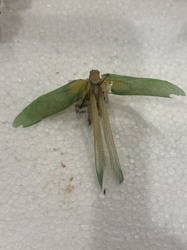
Other bugs you may enjoy
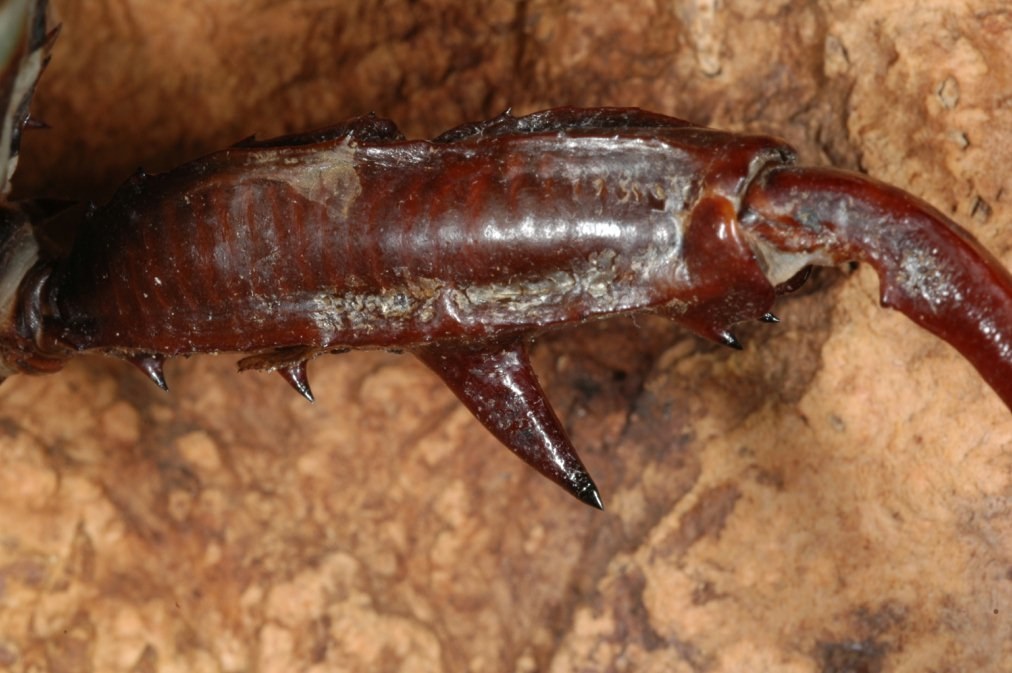
Walking Stick Insect
Trees, shrubs and leaf litter in forests, woodlands and gardens
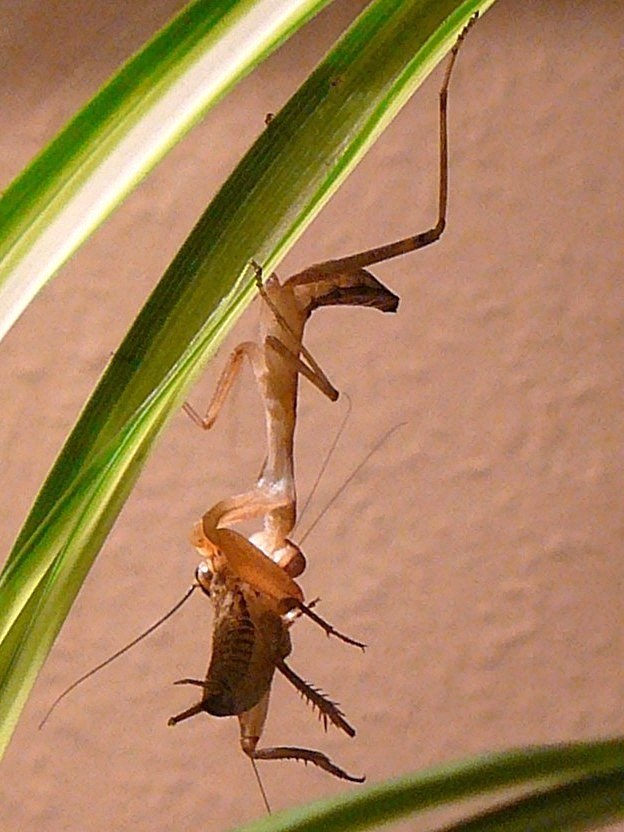
African Mantis
grasslands, shrubs, and gardens across sub-Saharan Africa
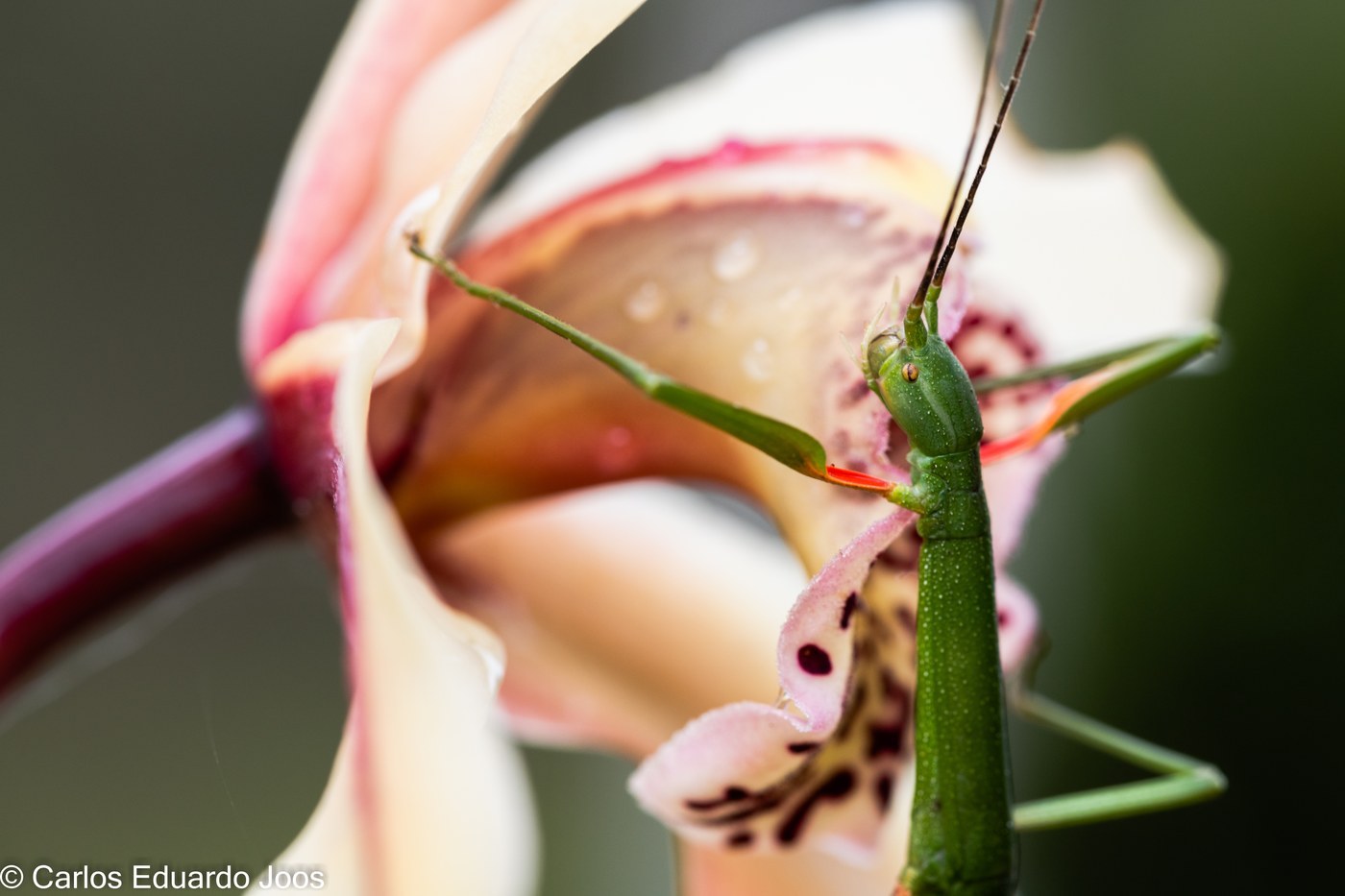
Walking Stick
Deciduous woodlands, forest edges, and shrubby vegetation
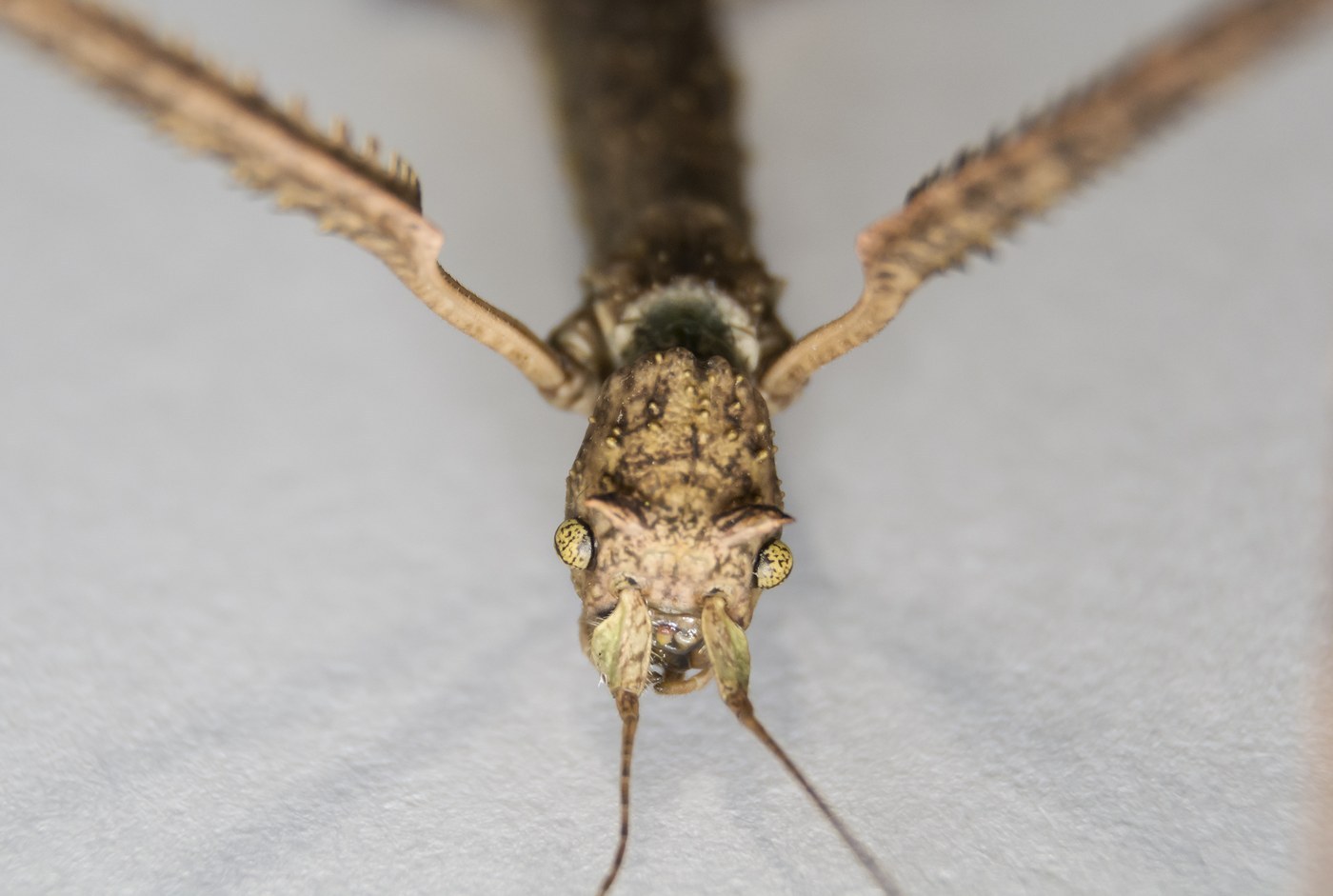
Vietnamese Walking Stick
tropical forests of Vietnam; widely kept in captivity worldwide
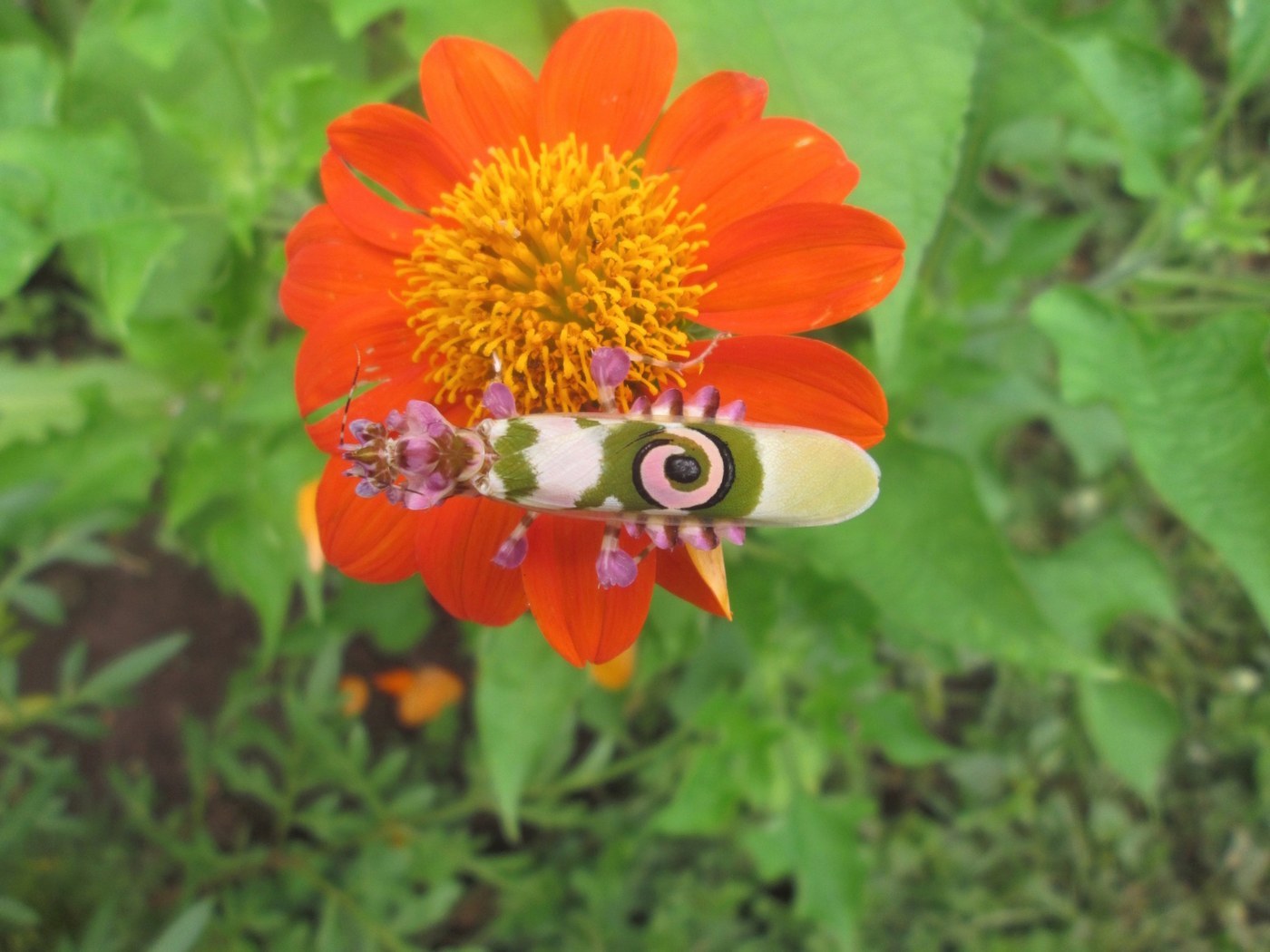
Spiny Flower Mantis
African savanna and woodland shrubs and flowering plants
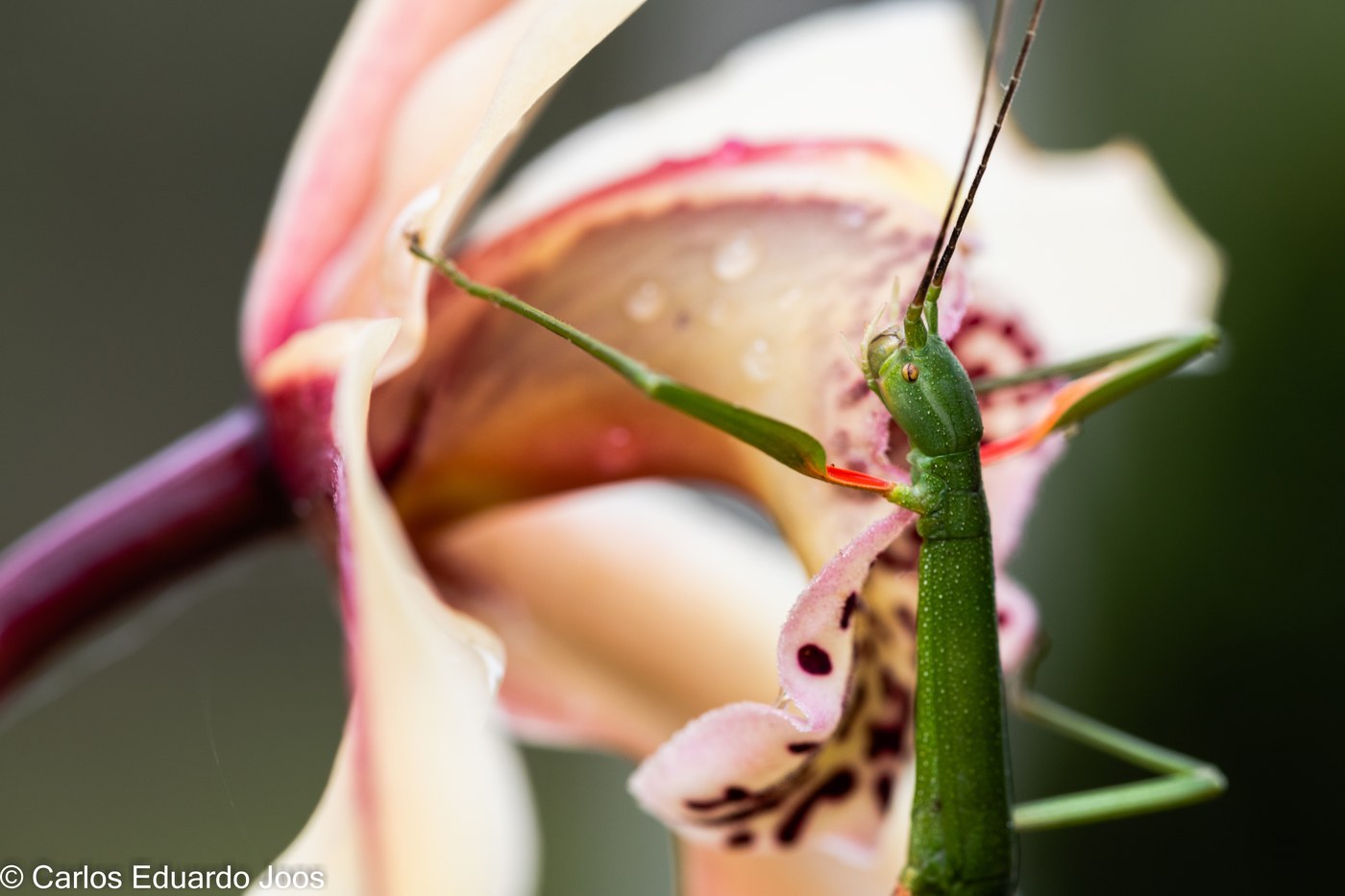
Northern Walkingstick
deciduous forests and woodland edges of the eastern and central United States and southern Canada
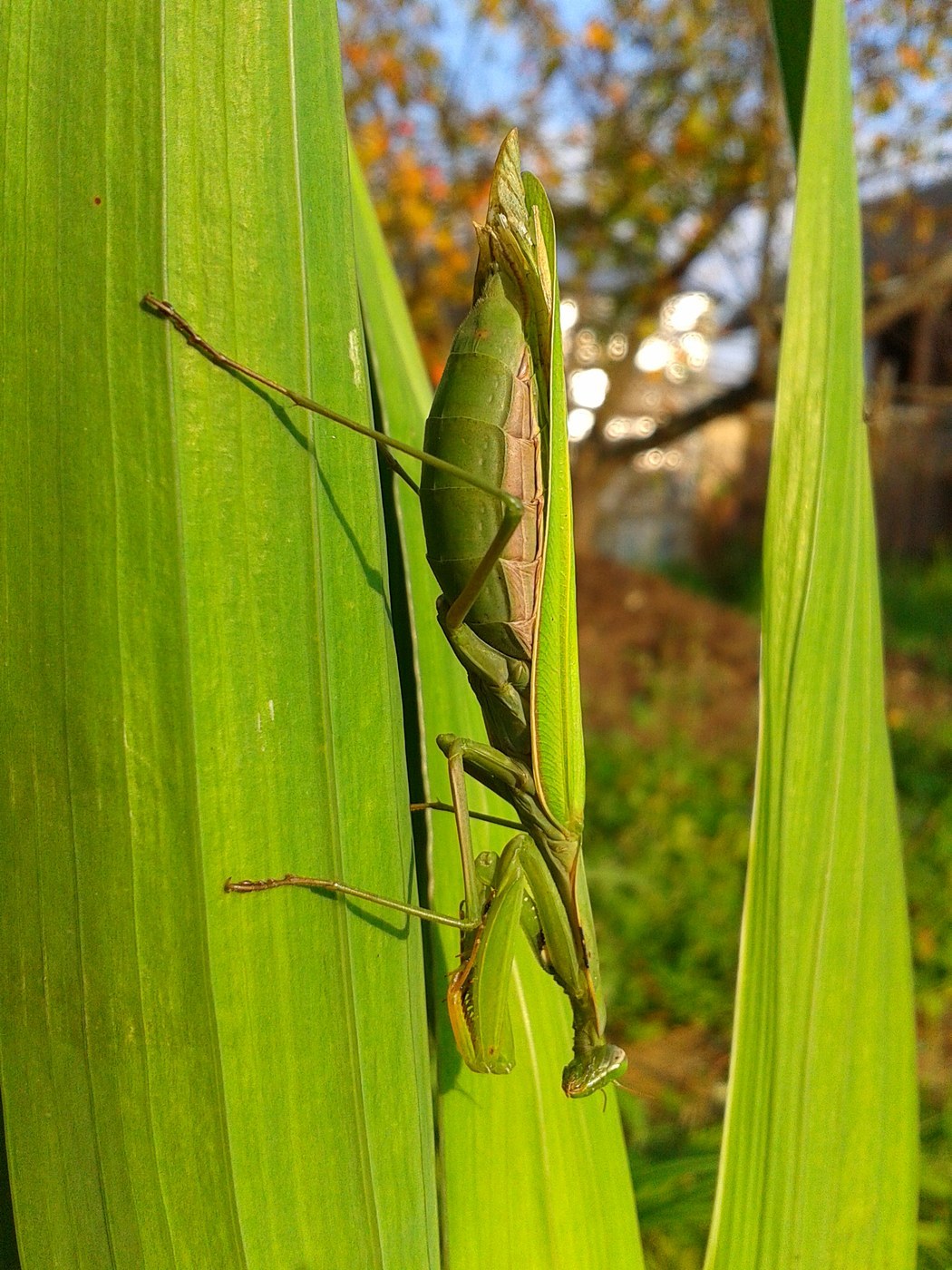
Praying Mantis
Gardens, meadows, shrubs, and tall grass
Orchid Mantis
tropical rainforests and flowering shrubs of Southeast Asia
Goliath Stick Insect
Tropical and subtropical eucalypt forests and woodland canopy
Giant Prickly Stick Insect
eucalyptus forests and shrubland of eastern Australia and New Guinea
Javanese Leaf Insect
Tropical lowland and montane forest foliage
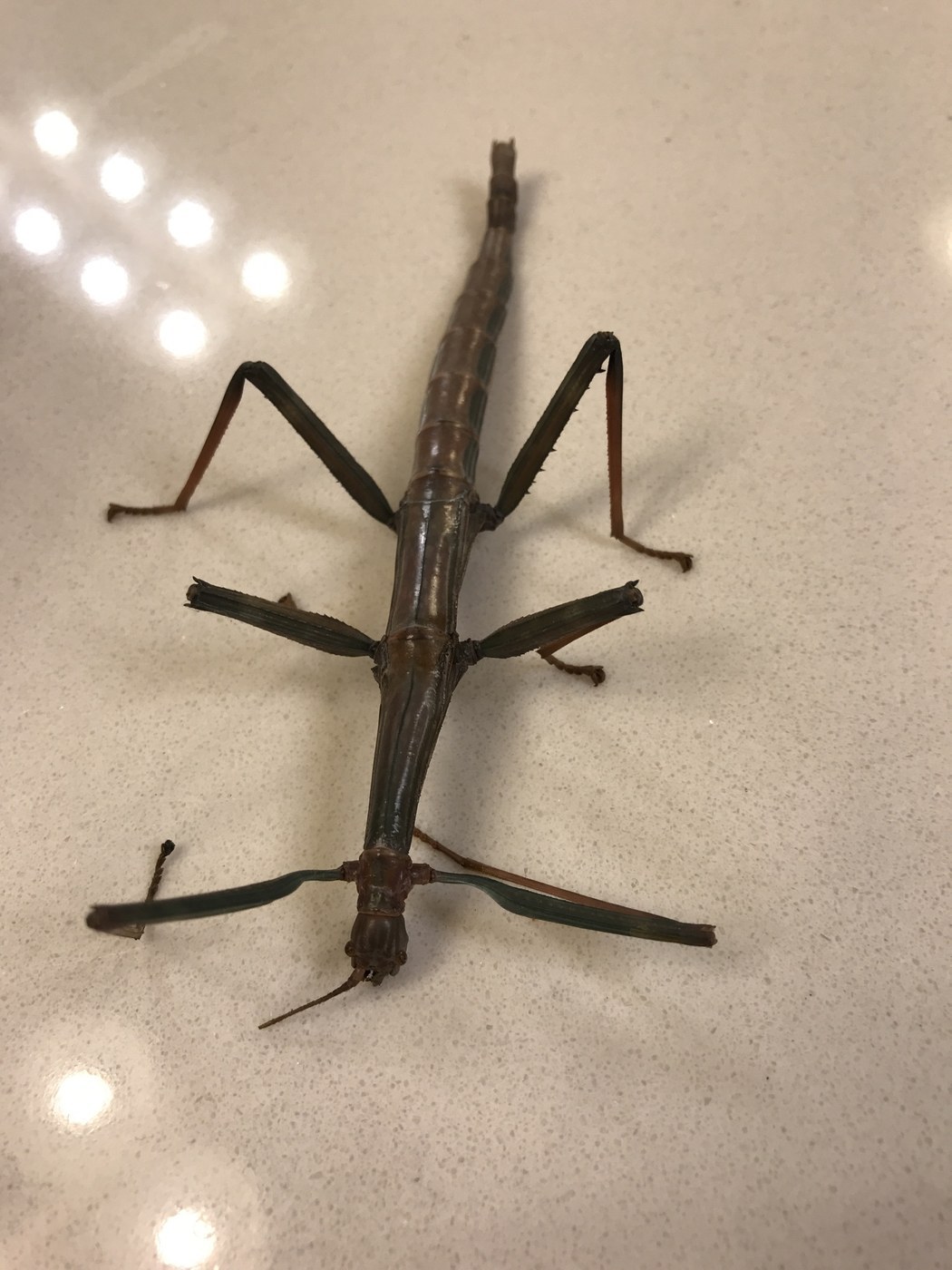
Giant Walking Stick
Deciduous woodlands, forest edges, and shrubby thickets