
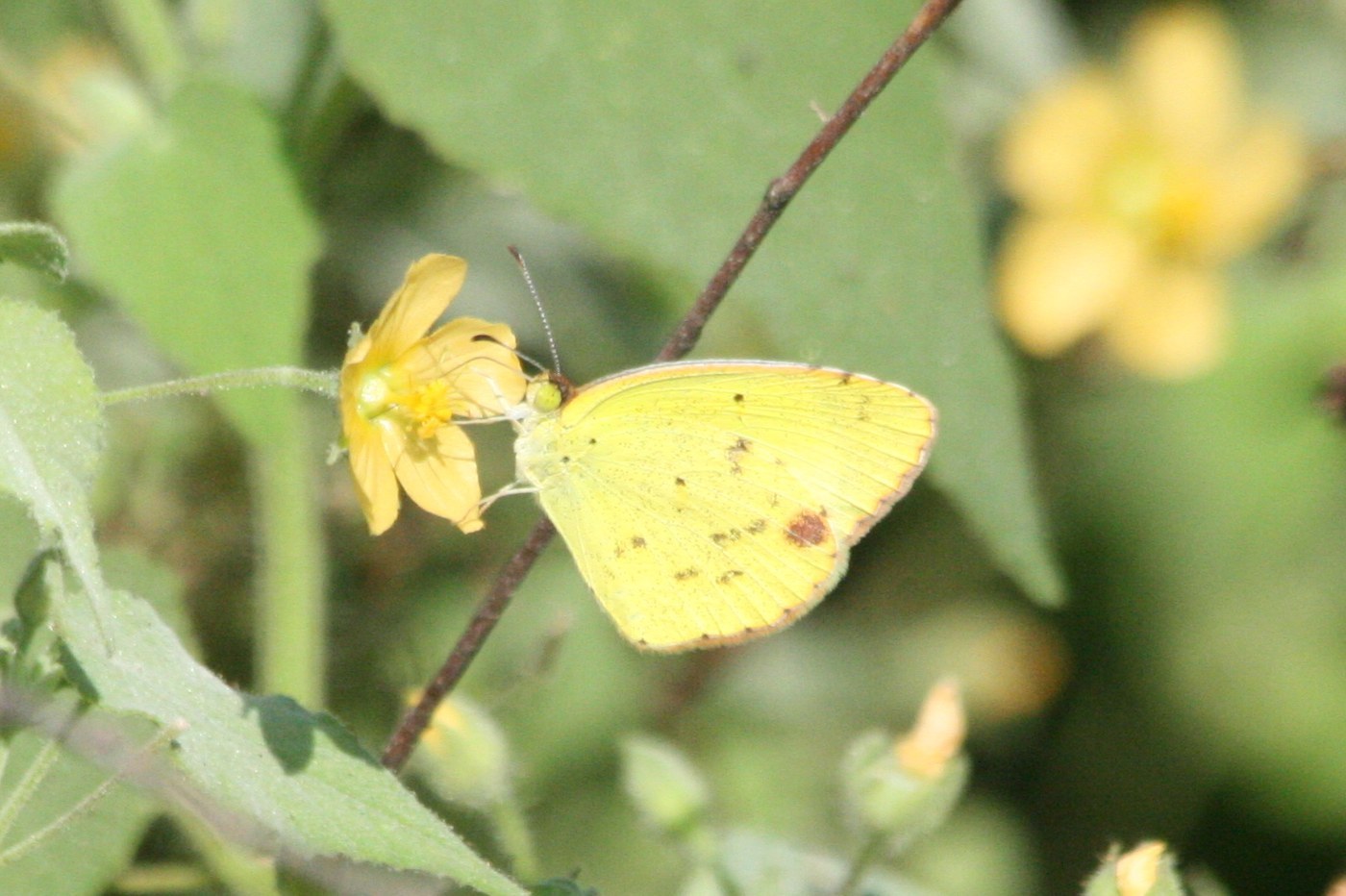
Little Yellow
Pyrisitia lisa
A tiny, pale lemon-yellow butterfly with a thin, crisp black wing border, fluttering close to the ground in fields and roadsides across the southern and eastern United States.
- Size
- 0.8–1.4 in wingspan
- Habitat
- Fields, roadsides, gardens, and open disturbed ground
- Danger
- Harmless
Spotted a bug like this?
Identify any bug or insect from a photo, free.
Overview
The Little Yellow is a small, delicate sulphur butterfly in the family Pieridae, widespread throughout the southern and eastern United States, Mexico, and the Caribbean, with seasonal strays reaching well into the northern states. As one of the smallest members of the sulphur group, it is easily overlooked but frequently abundant, often forming loose gatherings around low flowering plants and roadside weeds.
Belonging to the genus Pyrisitia, it shares the pterin-based pale yellow coloration typical of small sulphurs and is closely tied to legume host plants such as partridge pea, which also provides much of its nectar. Its diminutive size and quick, low flight distinguish it readily from the larger sulphur species it shares habitat with.
The species is resident year-round in warm climates and undergoes seasonal northward expansions in summer and fall, similar to several of its sulphur relatives.
How to Identify
- Very small sulphur butterfly, pale to bright lemon-yellow above with a narrow, crisp black border along the wing edges.
- Some individuals show a small dark spot near the center of the forewing.
- Underside is pale yellow, sometimes with faint dark speckling, lacking the bold silvery spots seen in larger sulphurs.
- Antennae are short and clubbed, pink to reddish in color.
- Distinguished from the Sleepy Orange and other sulphurs primarily by its notably small size and paler, cleaner yellow coloring with a thinner dark border.
Habitat & Range
Little Yellows are resident across the southeastern and south-central United States, Mexico, and the Caribbean, with strong seasonal dispersal bringing individuals as far north as the Great Lakes and New England in summer and fall. They favor open, sunny habitats including fields, roadsides, gardens, and disturbed ground wherever partridge pea and related legumes grow, and are active from spring through fall, year-round in the warmest areas.
Behavior & Diet
Adults fly low and quickly over open ground, frequently visiting small flowers such as partridge pea, asters, and other low composites for nectar. They are often seen puddling at damp soil in groups with other small sulphurs. Caterpillars feed on partridge pea and related legumes, remaining well camouflaged in green along the plant's foliage, reducing detection by predators while they develop.
Life Cycle
Eggs are laid singly on the leaves of partridge pea or related host legumes. The caterpillar is slender and green, sometimes with a faint pale side stripe, feeding on foliage and resting along leaf veins between feeding bouts. Pupation occurs in a small, slender green chrysalis attached to a stem or leaf. Multiple generations are produced each year in warm regions with continuous breeding, while individuals found in northern areas are generally seasonal colonists that cannot overwinter there.
Frequently asked questions
How small is the Little Yellow compared to other sulphurs?
It is among the smallest sulphur butterflies in North America, noticeably more diminutive than species like the Clouded Sulphur or Cloudless Sulphur.
What is its main host plant?
Partridge pea is its primary host plant, serving both as a caterpillar food source and an adult nectar plant.
Does it live year-round in the north?
No, it is a permanent resident only in warm southern regions; northern sightings are typically seasonal strays that appear in summer and fall.
How do I distinguish it from the Sleepy Orange?
The Little Yellow is smaller and paler yellow with a thinner black border, while the Sleepy Orange is larger with a richer orange color and broader dark margin.
Little Yellow guides
In-depth guides for identifying, understanding, and living alongside Little Yellow.
Other bugs you may enjoy
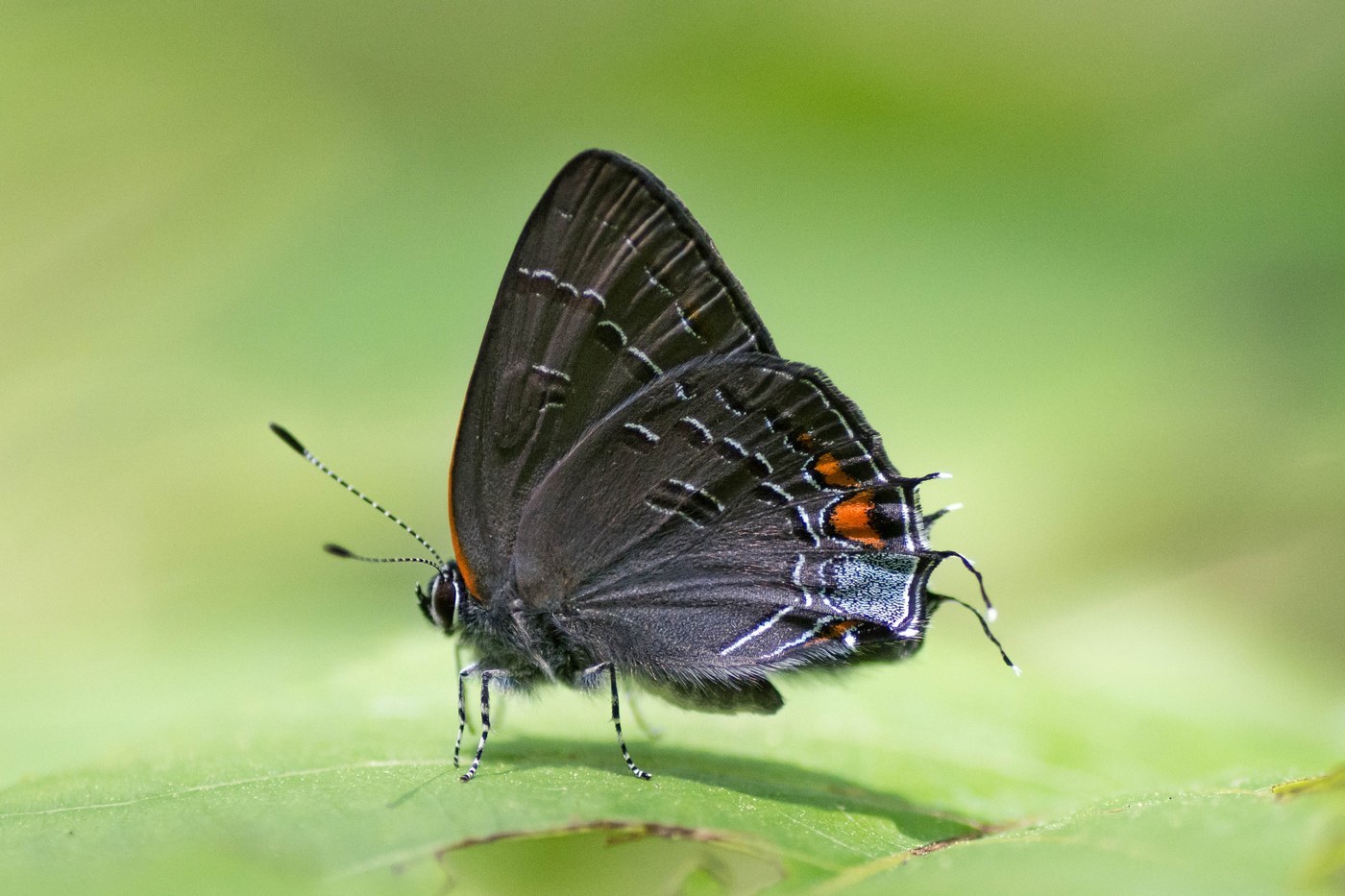
Banded Hairstreak
Deciduous woodlands and edges with oaks and hickories
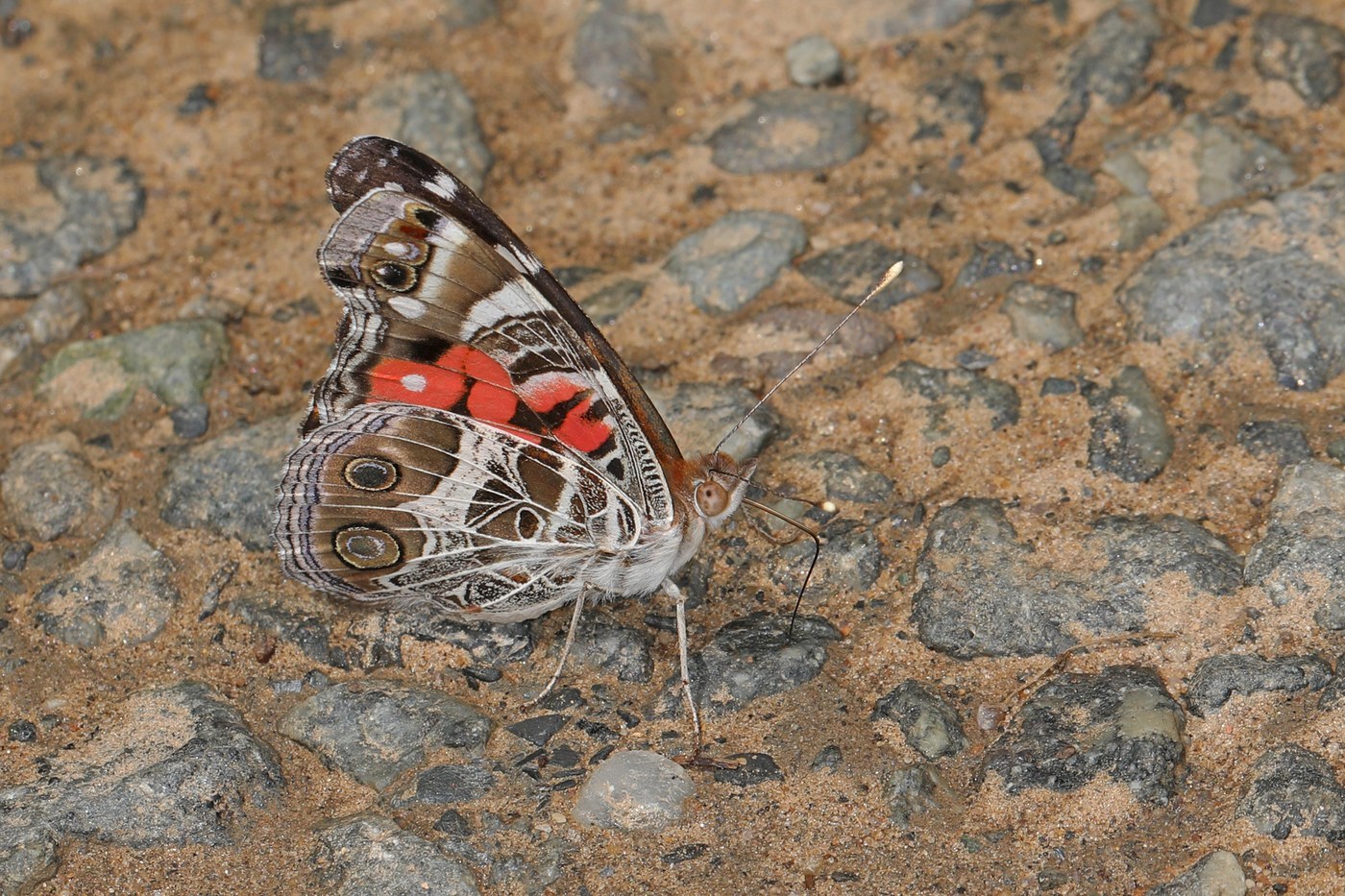
American Lady
Open fields, meadows, gardens, roadsides
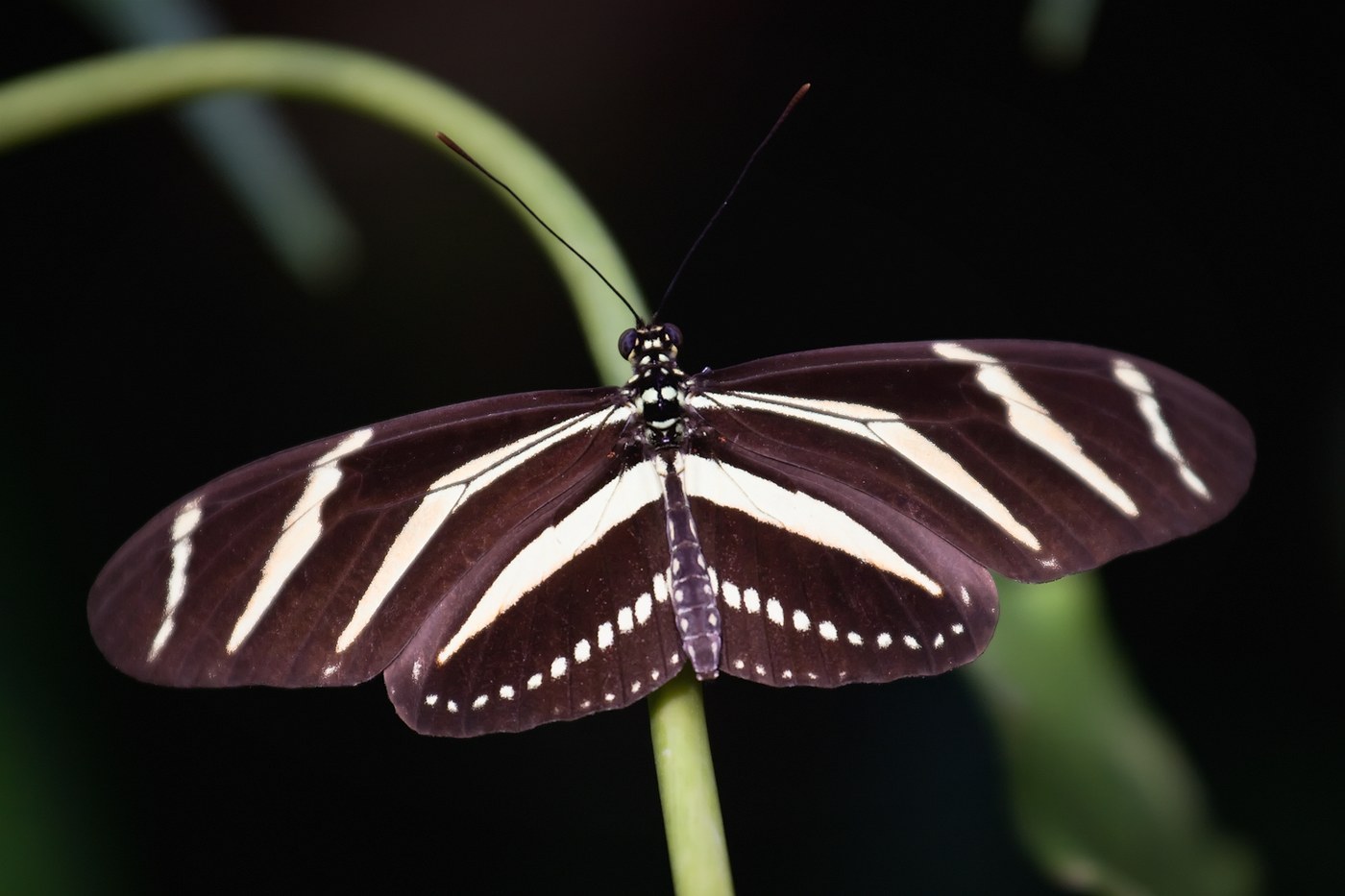
Zebra Longwing
Tropical hammocks, gardens, forest edges
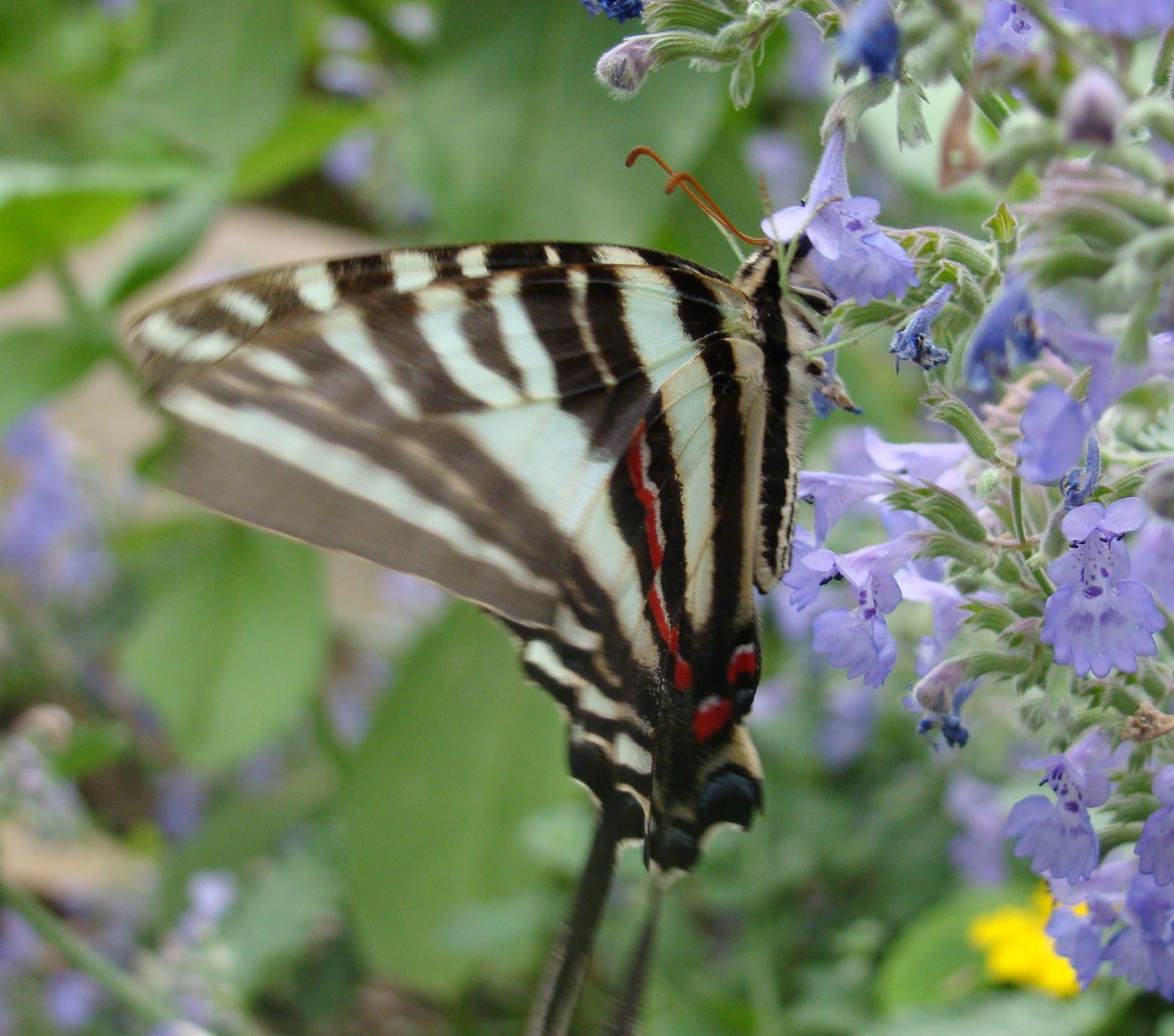
Zebra Swallowtail
Woodlands, floodplains, forest edges near pawpaw
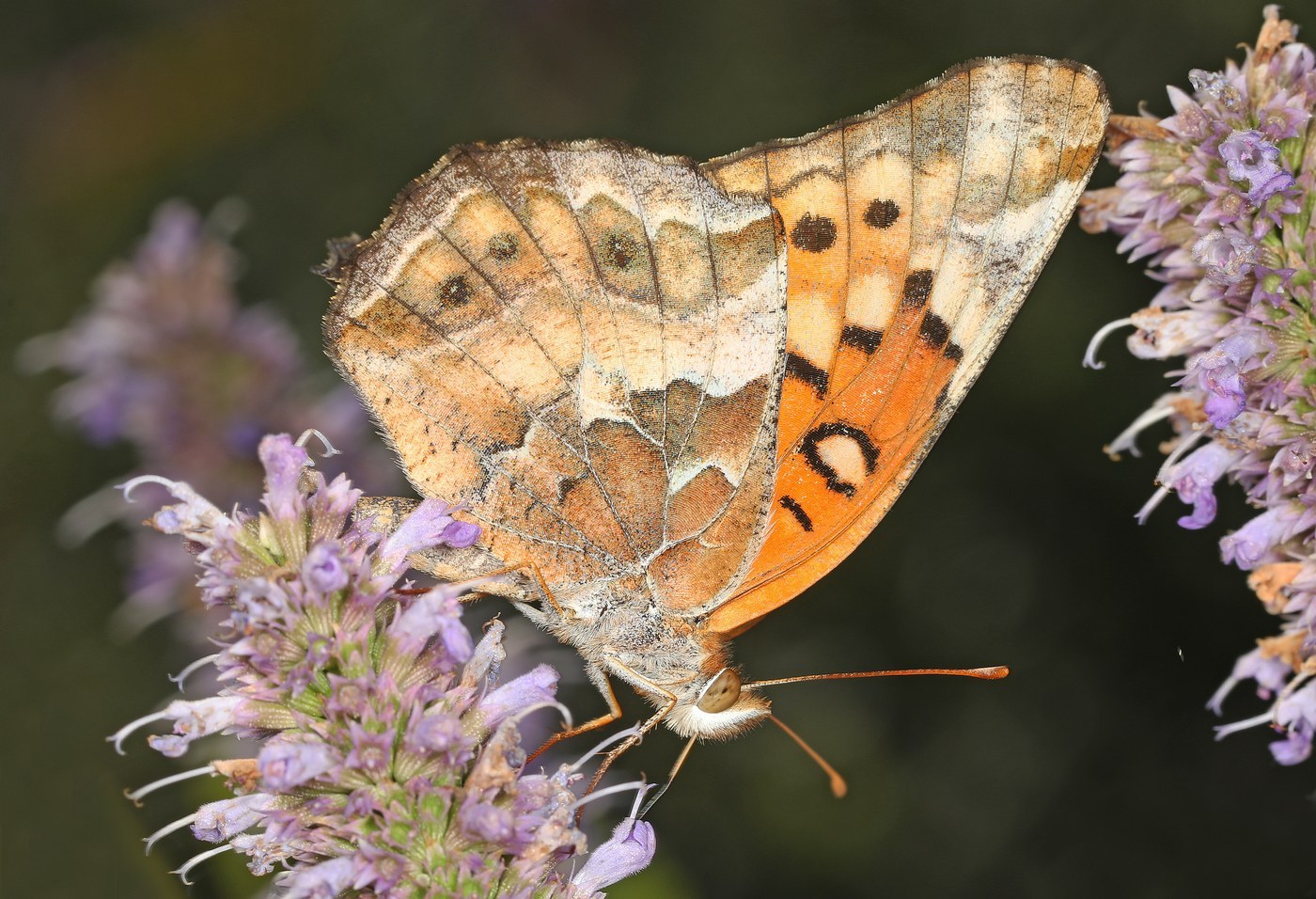
Variegated Fritillary
Open fields, prairies, roadsides, and disturbed ground across most of the United States
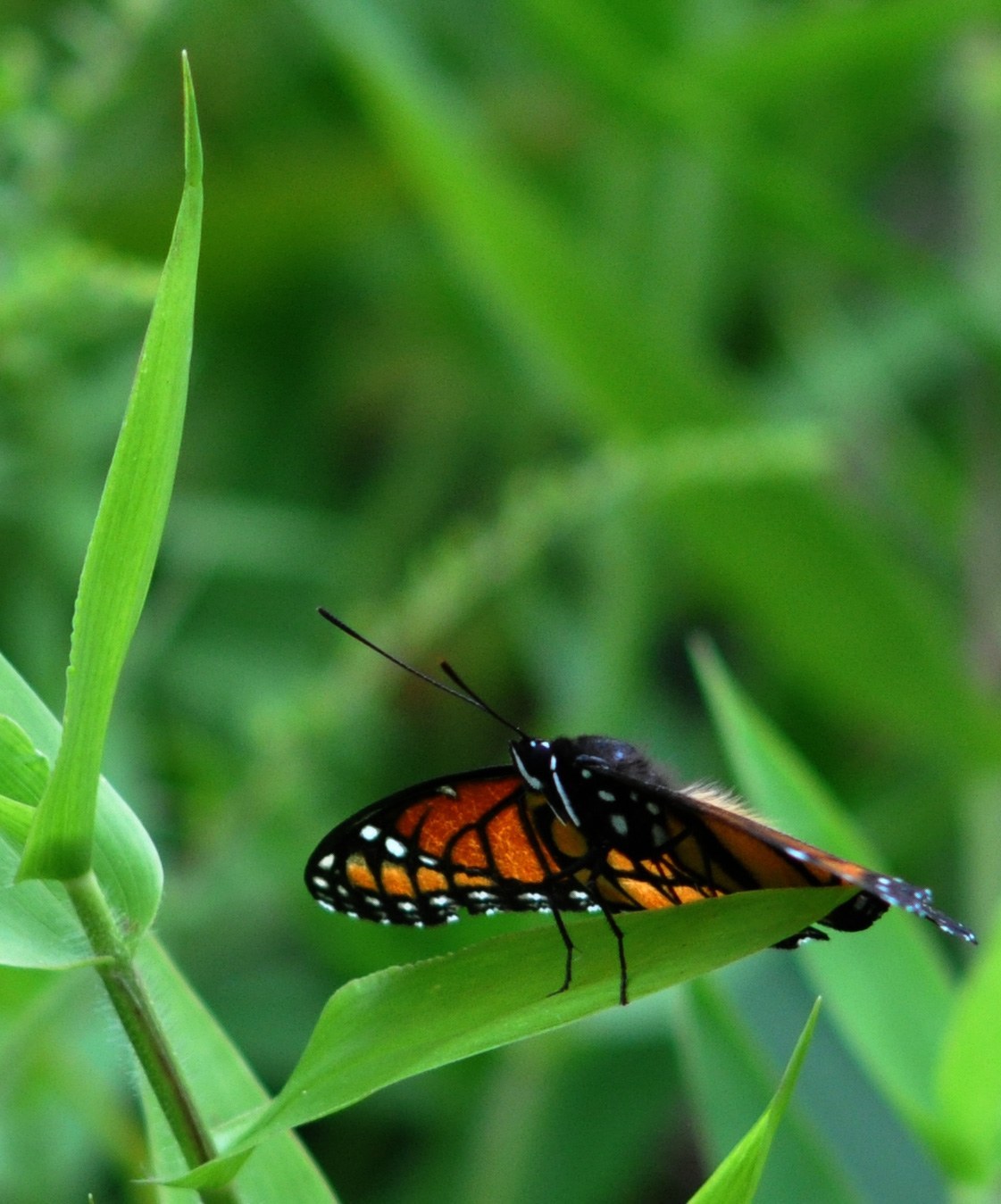
Viceroy Butterfly
Wetlands, meadows, riverbanks, willow thickets (North America)
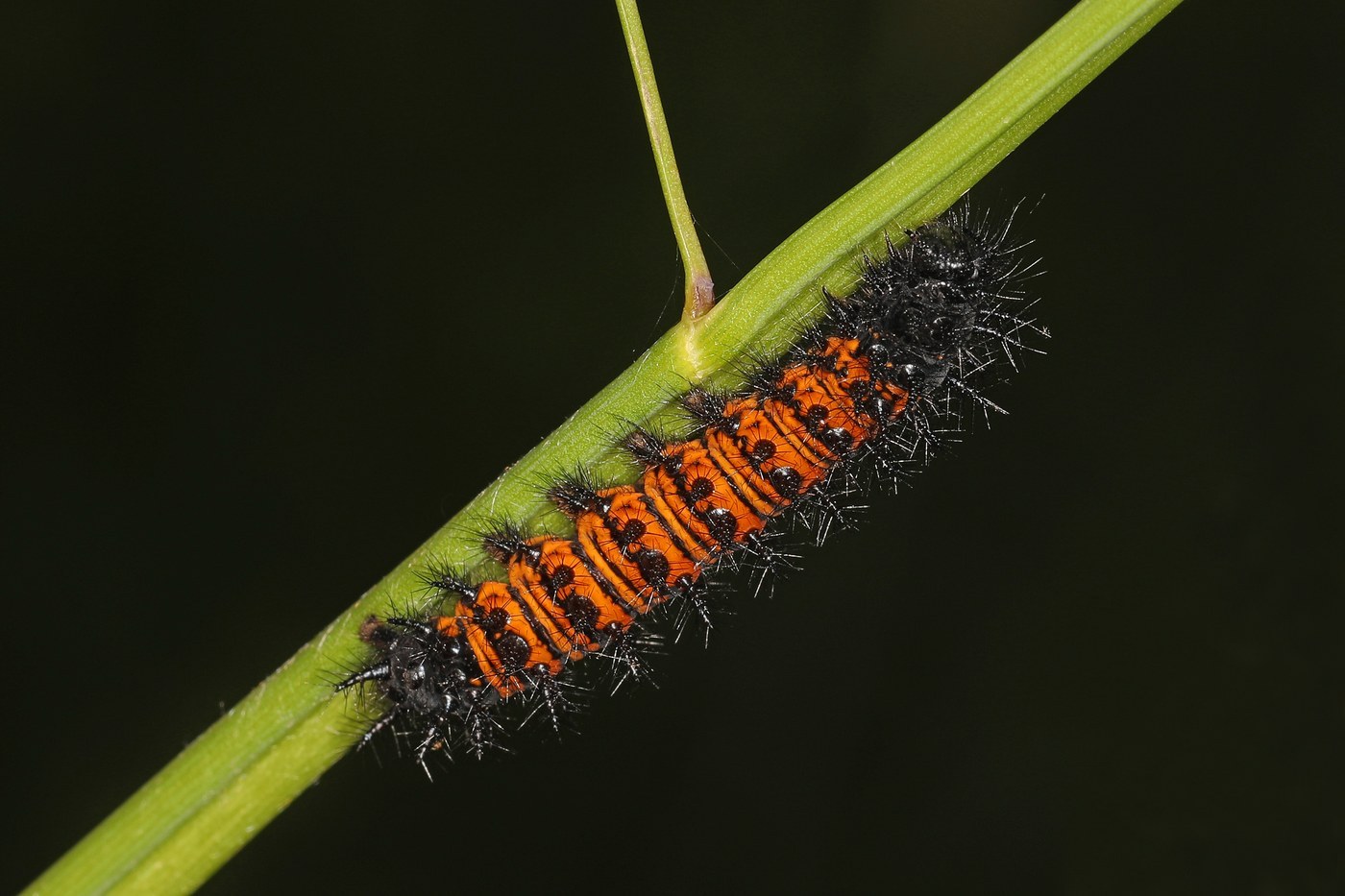
Baltimore Checkerspot
Wet meadows, bogs, and marshy fields in the northeastern and Appalachian US
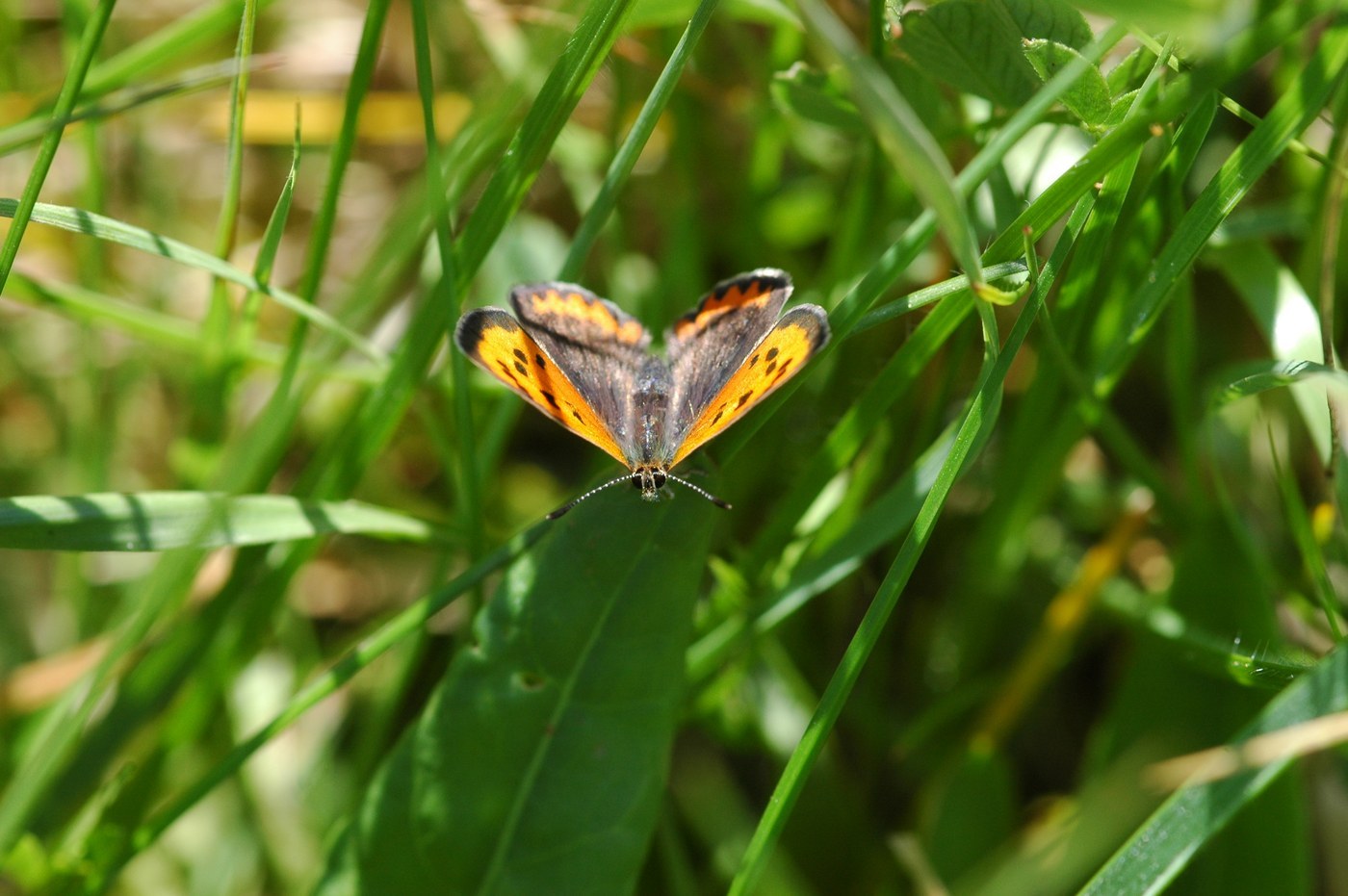
American Copper
Old fields, roadsides, and disturbed open ground with sorrel or dock
West Virginia White
Rich deciduous forest floors, especially near seeps and streams
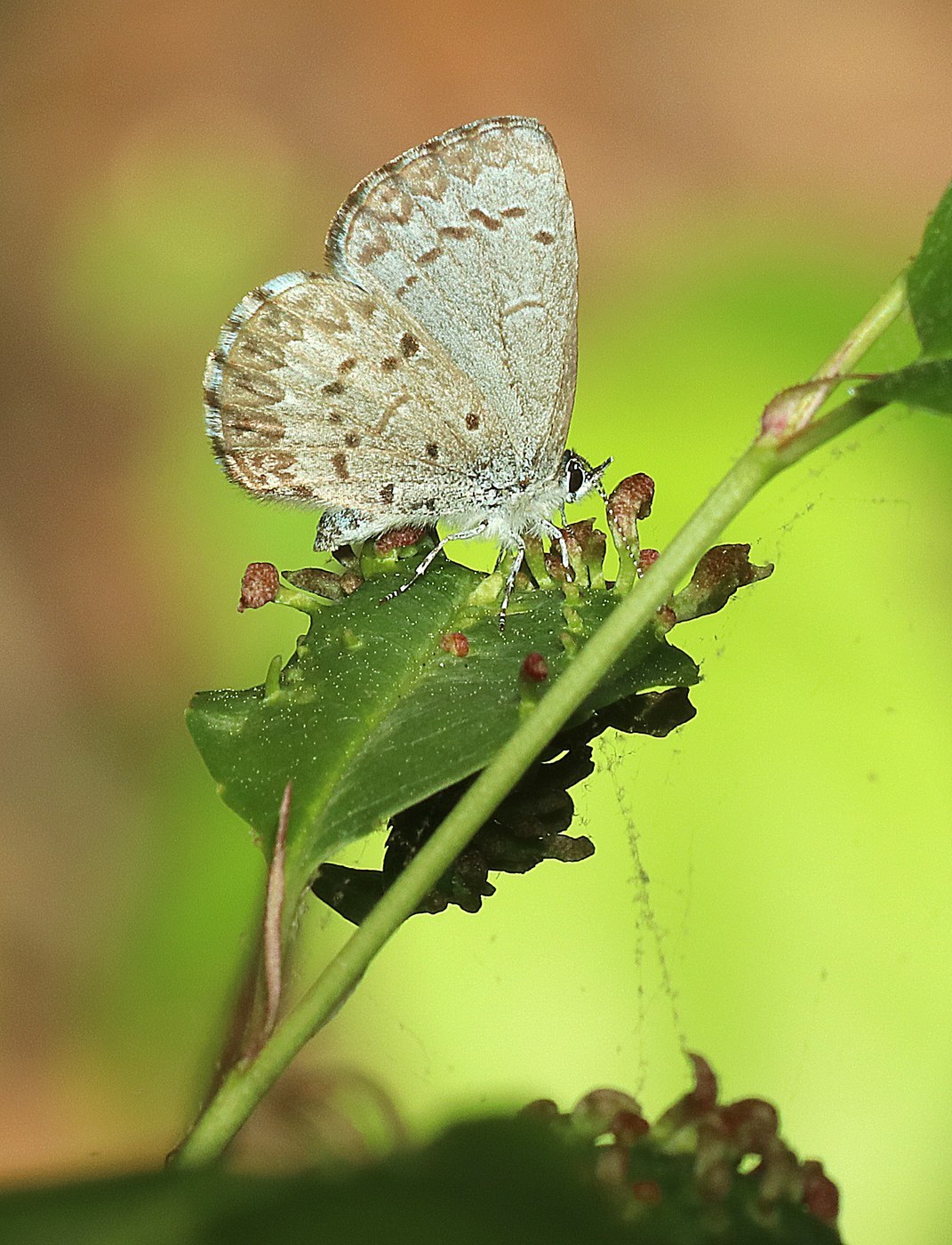
Spring Azure
Woodland edges, gardens, shrubby clearings
Red Admiral
Gardens, woodland edges, parks, meadows
Sleepy Orange
Open woodland, fields, roadsides, and disturbed ground