
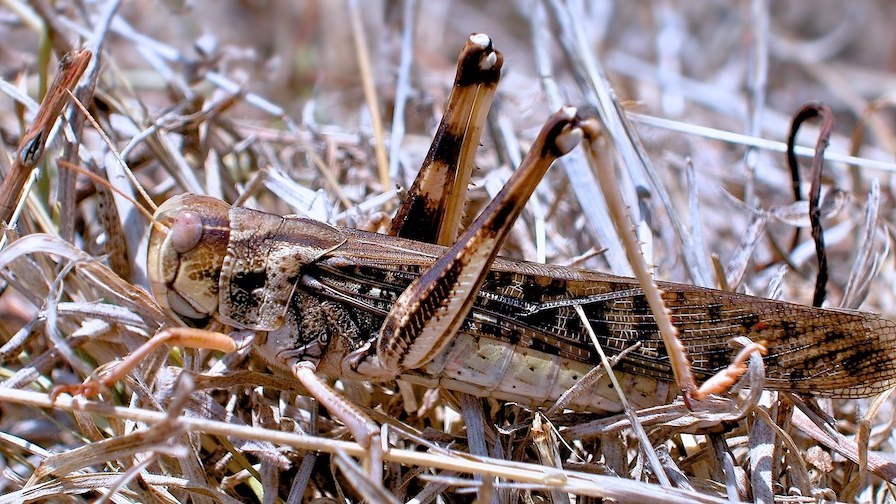
Locust
Locusta migratoria
A large, powerful grasshopper capable of transforming from a solitary, harmless insect into a densely packed, migrating swarm when populations surge, historically famous for devastating crops across huge regions.
- Size
- 35–55 mm
- Habitat
- grasslands, savannas, and agricultural fields across Africa, Asia, Europe, and Australia
- Danger
- Nuisance pest
Spotted a bug like this?
Identify any bug or insect from a photo, free.
Overview
Locusts are certain species of short-horned grasshoppers, most notably the migratory locust, Locusta migratoria, that display an extraordinary trait called phase polyphenism: under normal, low-density conditions they behave as ordinary solitary grasshoppers, but when populations become crowded, they undergo physical and behavioral changes into a gregarious swarming form. This transformation can produce enormous, coordinated swarms capable of traveling long distances and consuming vast quantities of vegetation.
Solitary-phase locusts are typically green or brown and blend into vegetation much like other grasshoppers, while gregarious-phase individuals often develop brighter, more contrasting coloration along with proportionally longer wings suited to sustained group flight. This phase change, triggered by tactile and chemical cues from increased population density, is one of the most striking examples of environmentally induced variation known in insects.
Historically, locust swarms have had major agricultural and economic impacts across Africa, Asia, and parts of Europe, and outbreaks continue to be monitored closely by agricultural authorities in affected regions today.
How to Identify
- Large grasshopper, 35–55 mm long, with powerful jumping hind legs
- Solitary phase is typically green or brown, camouflaged against vegetation
- Gregarious swarming phase often shows brighter yellow, orange, or pinkish tones
- Long, well-developed wings capable of sustained flight, especially in the swarming phase
- Lookalikes: many non-swarming grasshoppers appear similar in solitary phase; behavior and population density are key distinguishing factors
Habitat & Range
Locust species occupy open grasslands, savannas, floodplains, and agricultural regions across Africa, the Middle East, Asia, southern Europe, and Australia, depending on the species. Outbreak areas often correspond to regions with variable rainfall, where periods of drought followed by vegetation growth create conditions favorable for population buildup and subsequent swarming.
Behavior & Diet
In the solitary phase, locusts behave much like ordinary grasshoppers, feeding individually on grasses and other vegetation and avoiding close contact with others of their kind. When conditions allow populations to grow dense, increased physical contact triggers a shift to the gregarious phase, in which individuals actively seek out others, form marching bands as nymphs, and later take to the air as coordinated adult swarms that can travel long distances in search of food. Swarms are voracious herbivores capable of stripping vegetation over large areas, making locust outbreaks historically significant events for agriculture and rural food security.
Life Cycle
Females lay egg pods in the soil, each containing dozens of eggs protected by a frothy secretion that hardens around them. Nymphs, called hoppers, hatch wingless and pass through five to six molts, growing progressively larger and, under crowded conditions, developing the gregarious phase coloration and marching behavior even before reaching adulthood. After a final molt, winged adults emerge and, depending on population density, either disperse individually or join swarms; multiple generations can occur in a year in warm climates, with outbreak cycles sometimes spanning several years between major swarming events.
Frequently asked questions
What causes locusts to swarm?
Crowding triggers a phase change in which normally solitary grasshoppers shift to a gregarious form that seeks out others and forms coordinated marching bands and flying swarms.
Are locusts a different species from grasshoppers?
Locusts are specific grasshopper species capable of this density-triggered phase change; not all grasshoppers can transform into swarming locusts.
How long can a locust outbreak last?
Outbreaks vary widely, from localized events lasting a season to extended plagues spanning multiple years under favorable breeding conditions.
What do locusts eat?
They feed on grasses and a wide range of other vegetation, and in swarm form can consume large quantities of crops and wild plants over an area.
Locust guides
In-depth guides for identifying, understanding, and living alongside Locust.
Other bugs you may enjoy
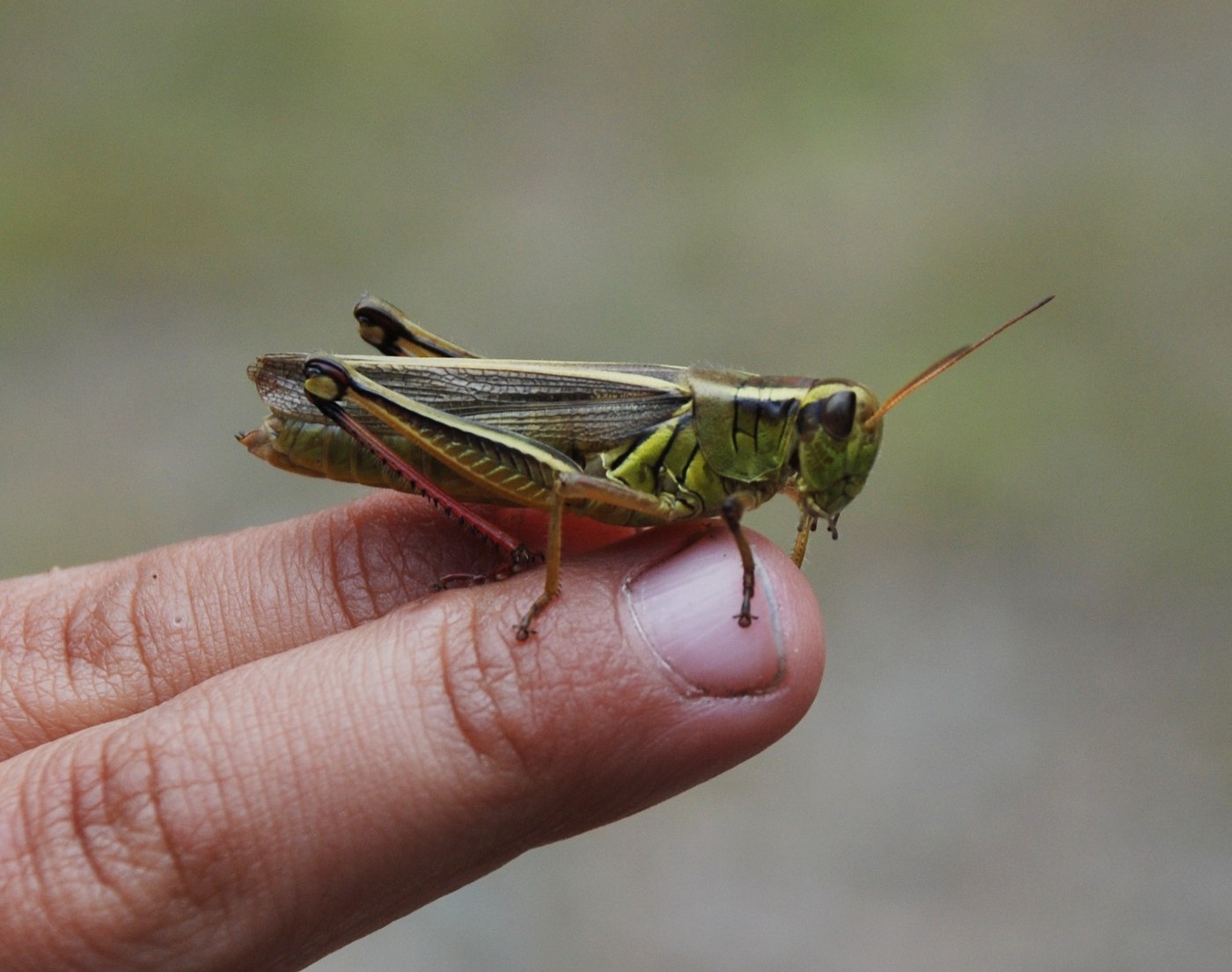
Two-striped Grasshopper
Meadows, pastures, riverbanks, and agricultural fields across North America
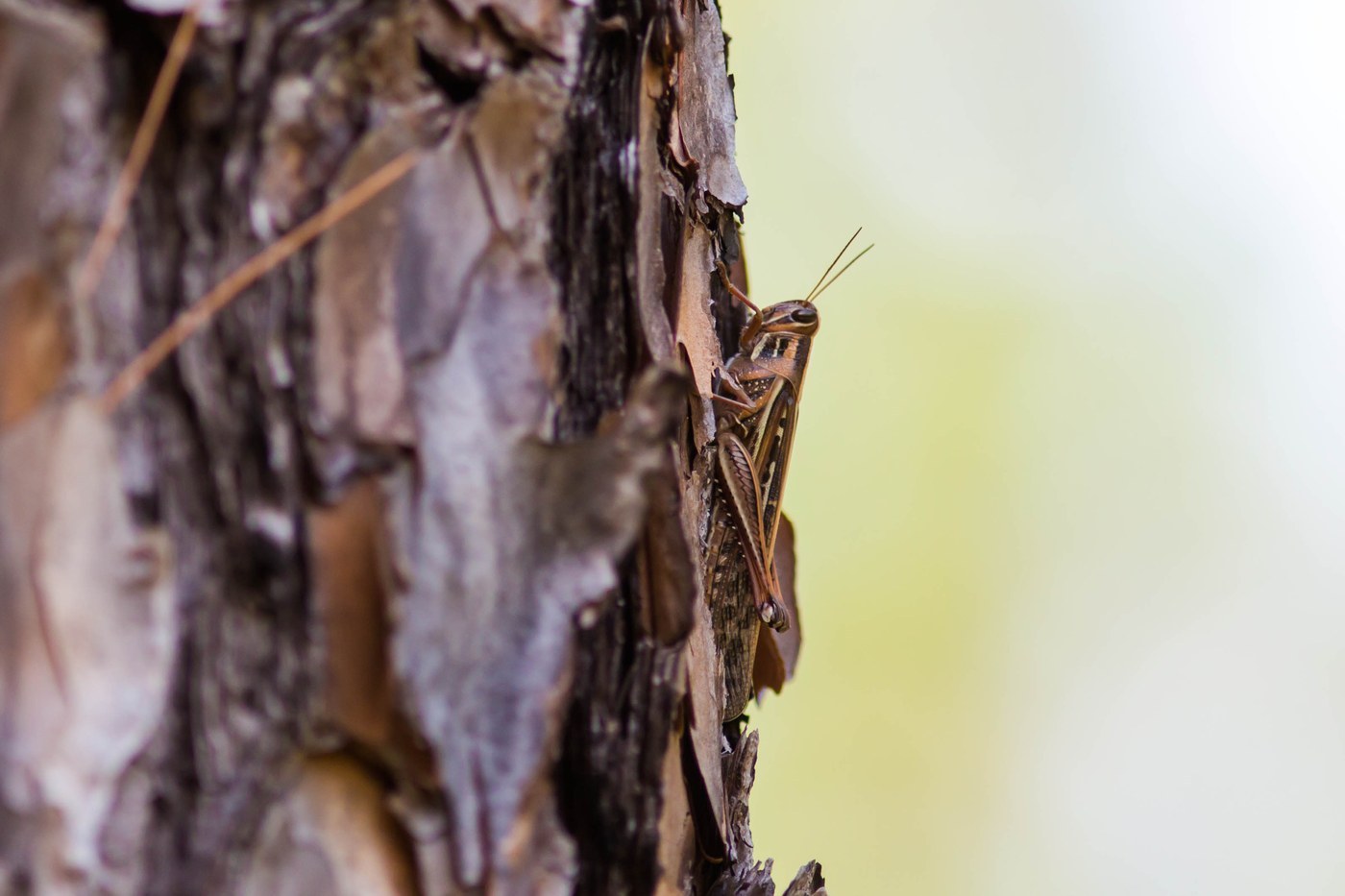
American Grasshopper
Woodland edges, citrus groves, gardens, and open fields across the southern and southeastern United States
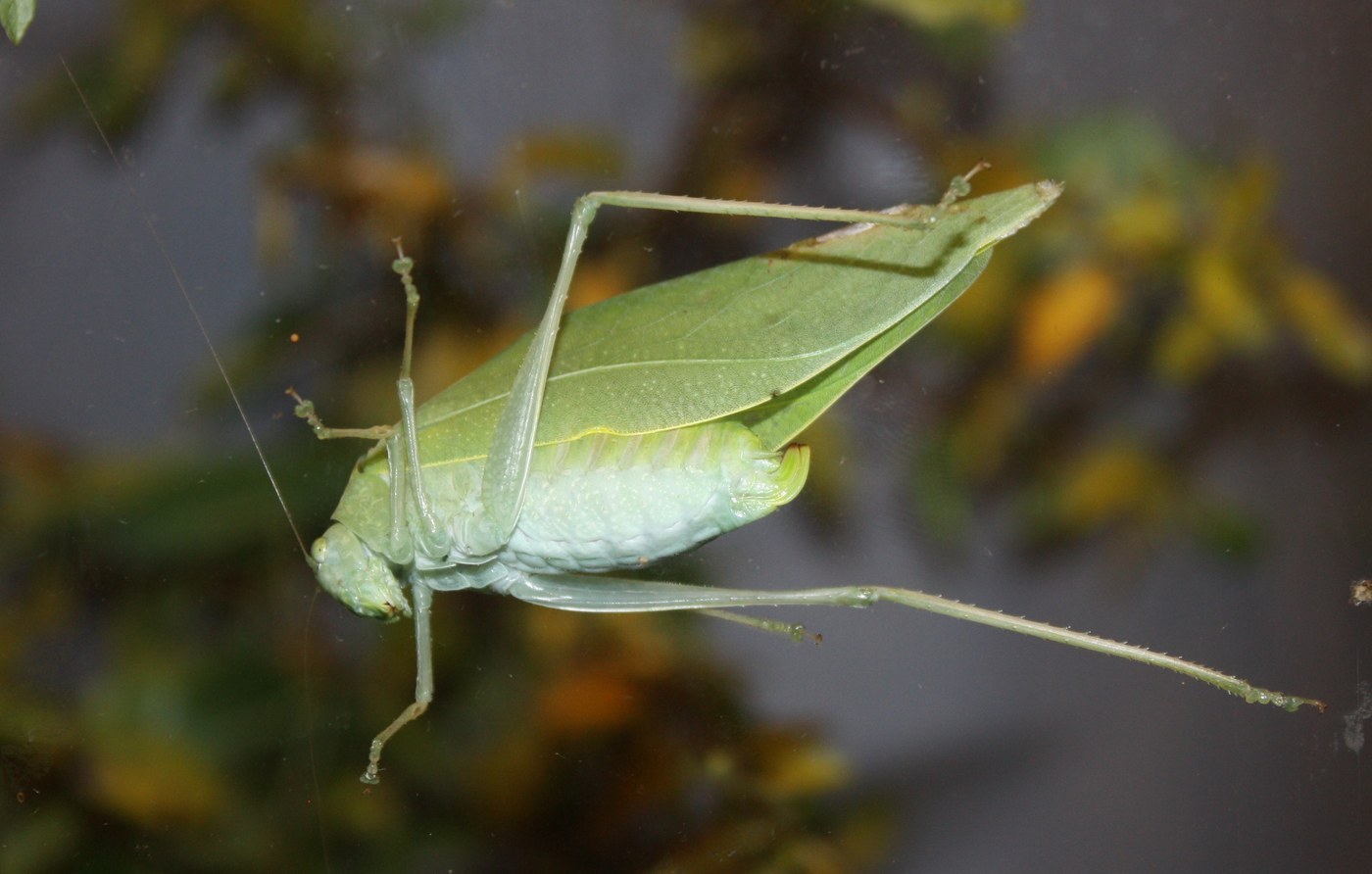
Angular-winged Katydid
deciduous trees, shrubs, and hedgerows across eastern and central North America
Spur-throated Grasshopper
grasslands, meadows, croplands, and roadsides across North America
Snowy Tree Cricket
Shrubs, trees, and tall vegetation across North America
Rocky Mountain Locust
historically open grasslands and river valleys of the Rocky Mountains and Great Plains (now believed extinct)
Spotted Camel Cricket
damp caves, crawl spaces, basements, leaf litter, and rotting logs in eastern North America
Pygmy Grasshopper
damp soil, mud, and low vegetation near ponds, streams, and marshes
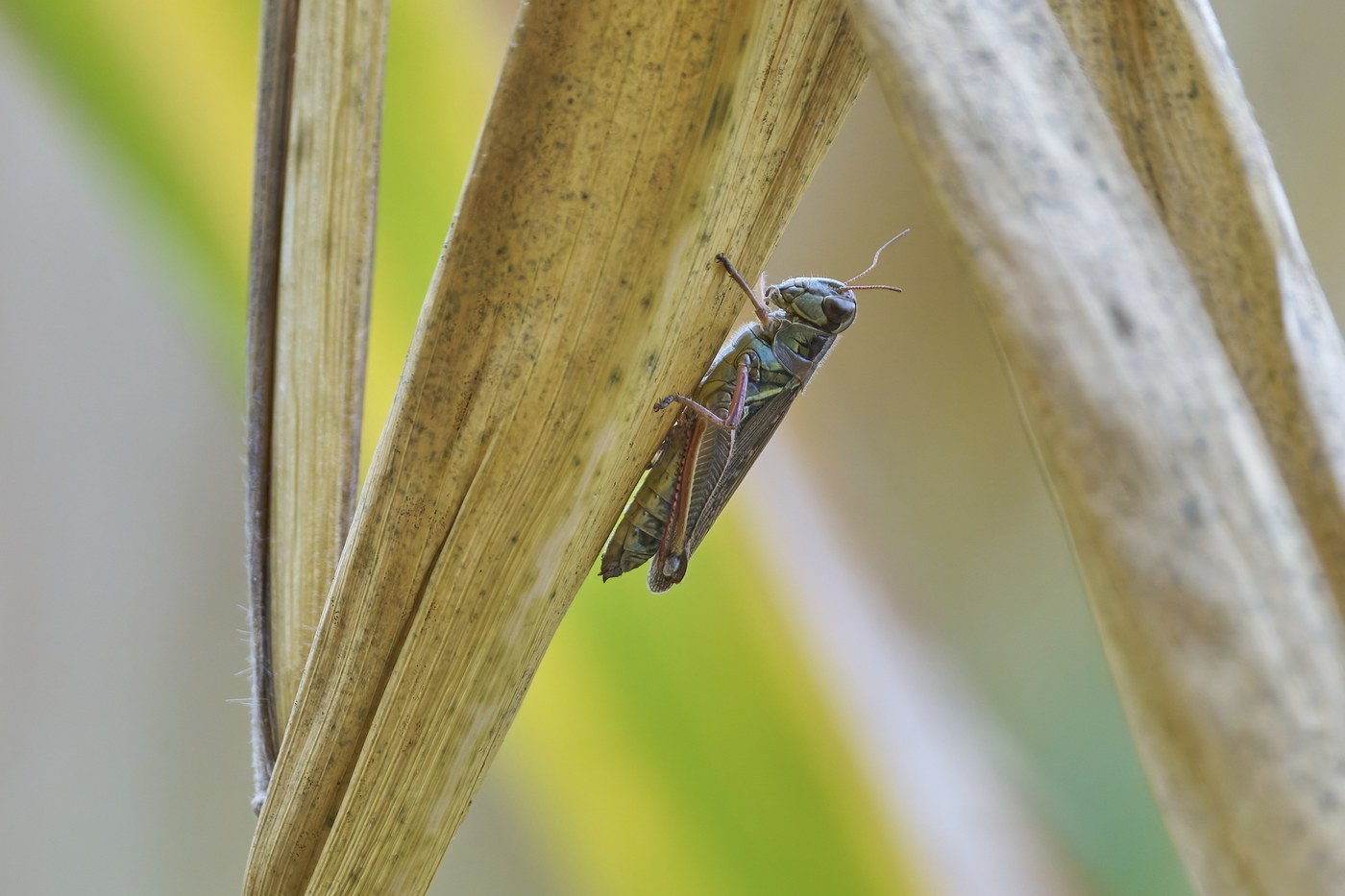
Red-legged Grasshopper
Meadows, pastures, field edges, and gardens across North America
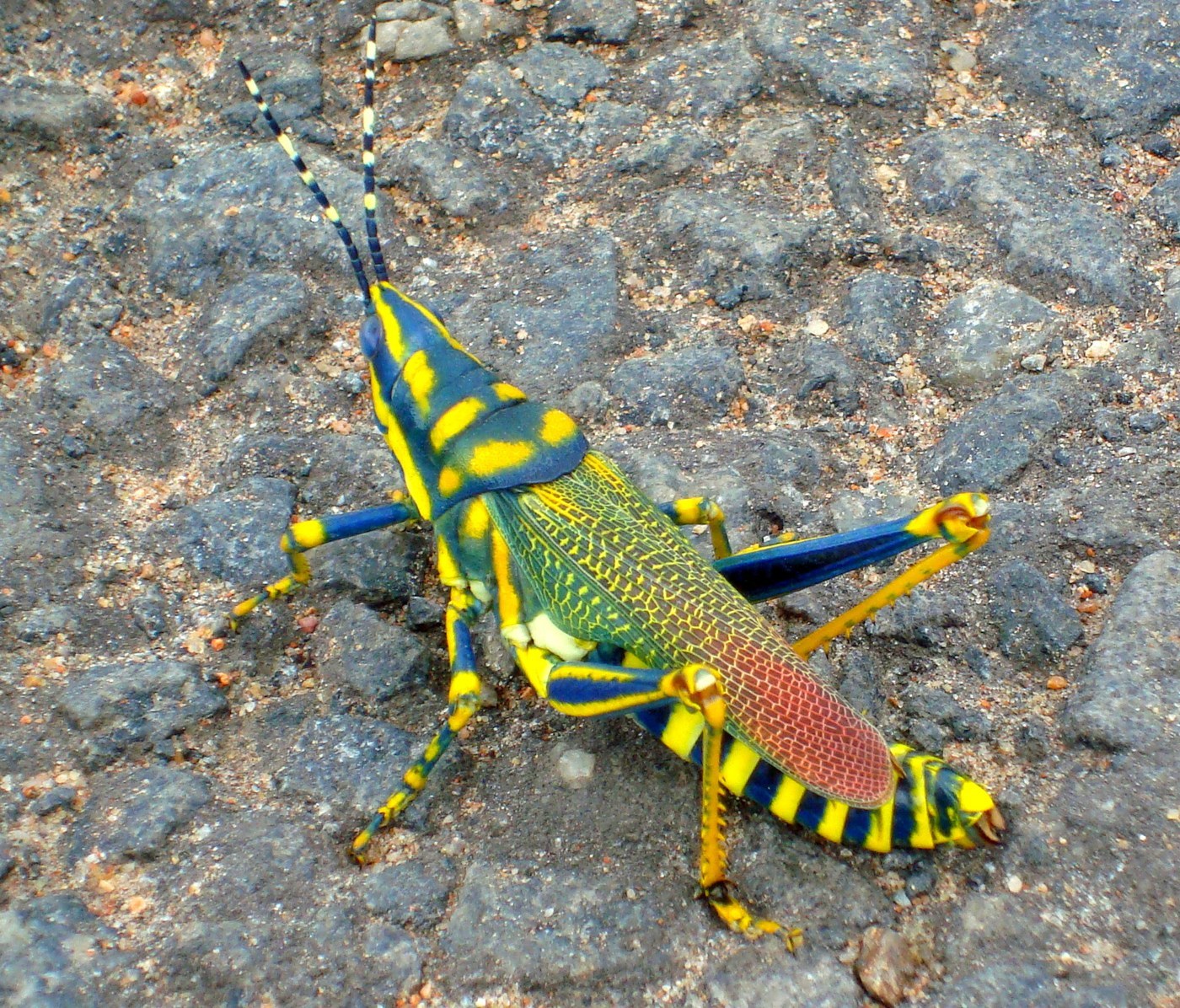
Painted Grasshopper
arid scrub, wastelands, and gardens of the Indian subcontinent, especially near milkweed plants
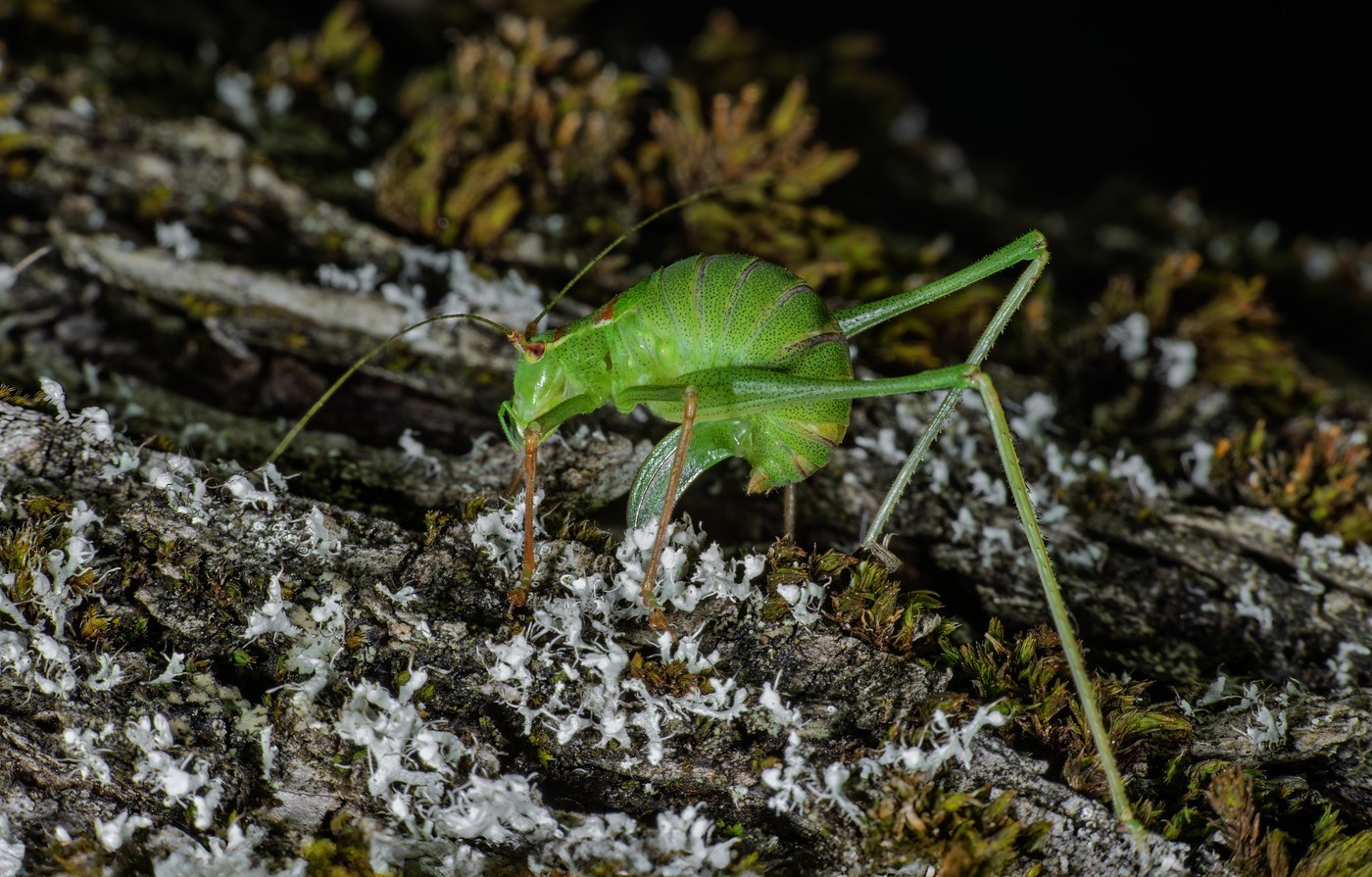
Speckled Bush Cricket
Brambles, hedgerows, nettles, and shrubby vegetation
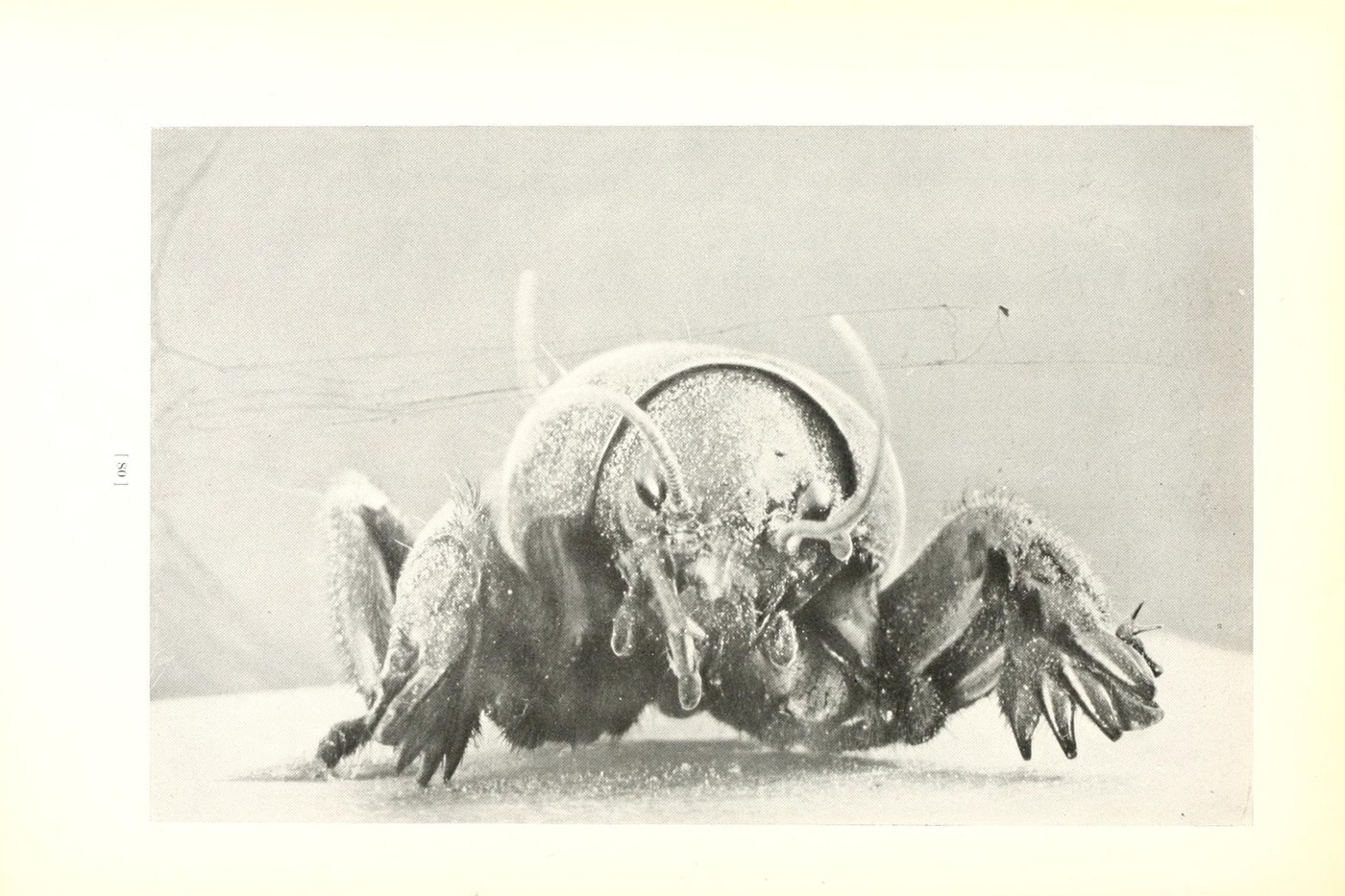
Northern Mole Cricket
wet soil, pond margins, and marshy ground across eastern and central North America