
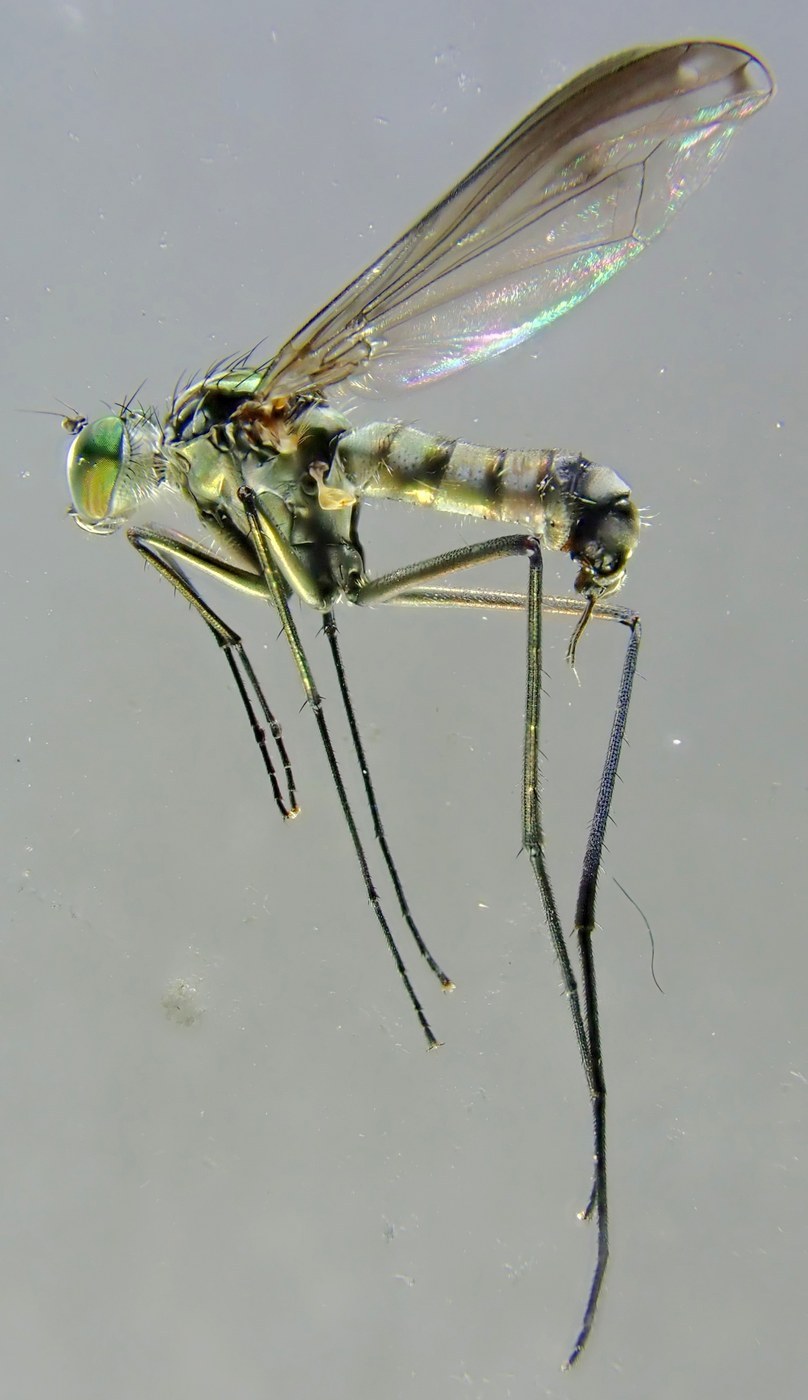
Long-Legged Fly
Dolichopodidae spp.
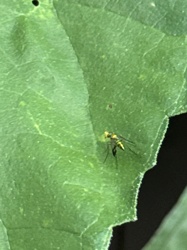
A jewel-bright little fly that flashes metallic green, blue, or bronze in the sunlight as it darts across leaves on comically long, stilt-like legs, pausing to perform quick territorial displays. Both adults and larvae are active hunters of even smaller insects, making this tiny fly a useful predator in gardens and wetlands alike.
- Size
- 2–9 mm, metallic green or bronze
- Habitat
- Leaves, damp soil, and vegetation near moist habitats worldwide
- Danger
- Harmless
Spotted a bug like this?
Identify any bug or insect from a photo, free.
Overview
Long-legged flies make up the family Dolichopodidae, one of the largest fly families, with thousands of species worldwide recognized by their small size, brilliant metallic coloring, and disproportionately long, slender legs. Common genera such as Condylostylus are frequently seen darting over sunlit leaves in gardens, forest edges, and wetlands, where their iridescent green or bronze bodies catch the light with every quick movement.
Both adults and larvae are predators of other small invertebrates: adults hunt tiny insects such as aphids, springtails, and small flies directly on leaf surfaces, while many larvae develop in moist soil, decaying wood, or aquatic margins, where they hunt even smaller soil- and water-dwelling organisms. Males of many species perform elaborate visual courtship displays involving wing flicking, leg waving, or specialized wing markings to attract females, some of the most intricate courtship behaviors known among flies.
Because of their predatory habits at both life stages, long-legged flies are generally regarded as beneficial insects in gardens and natural areas, helping to keep populations of smaller plant-feeding insects in check.
How to Identify
- Small fly, typically 2–9 mm long, with a slender body showing brilliant metallic green, blue, copper, or bronze coloring
- Legs are notably long and thin relative to body size, often held out to the sides while the fly rests on a leaf
- Large, prominent eyes and a short, stout proboscis used for piercing prey rather than sponging liquids
- Wings are usually clear, though some species show dark spots or patterned markings used in courtship displays
- Movement is quick and darting, with frequent short flights between perches, distinguishing them from slower-moving flies of similar size
Habitat & Range
Long-legged flies are found nearly worldwide, especially in humid environments such as gardens, forest understory, stream banks, marshes, and other moist habitats where their larvae can develop in damp soil, leaf litter, decaying wood, or shallow water margins. Adults are most active on warm, sunny days, often seen perched on broad leaves in dappled light where their metallic coloring is most visible.
Behavior & Diet
Adult long-legged flies are agile predators, ambushing small soft-bodied insects on leaf surfaces and piercing them with a short, sharp proboscis. Males of many species engage in visual courtship rituals, flashing patterned wings or waving decorated legs to attract females, some of the most elaborate displays documented in the fly order. Larvae, which develop in moist soil, rotting wood, or aquatic margins depending on species, are also predatory, feeding on small invertebrates in their microhabitat and contributing to natural pest regulation within these environments.
Life Cycle
Eggs are laid in moist soil, decaying plant matter, or near water margins depending on the species, and larvae hatch to begin an active predatory life feeding on tiny invertebrates in their damp habitat. Larvae pass through several molts before pupating in the same moist substrate, with development time varying by species and temperature. Adults emerge to mate and hunt on nearby vegetation, and in warm climates multiple generations can occur within a single year.
Frequently asked questions
Are long-legged flies harmful to plants?
No, both the adults and most larvae are predators of other small insects rather than plant feeders, and the family is generally considered beneficial in gardens.
Why do long-legged flies shine so brightly in sunlight?
Their exoskeleton has a structural, metallic sheen produced by microscopic surface layers that reflect light, giving them their characteristic green, blue, or bronze glint.
What do long-legged flies eat?
Adults hunt small soft-bodied insects such as aphids and springtails on leaf surfaces, while larvae prey on tiny invertebrates in moist soil, rotting wood, or aquatic margins.
How can I recognize a long-legged fly in the garden?
Look for a small, metallic green or bronze fly with unusually long, thin legs perched on a sunlit leaf, making quick darting movements between short flights.
Long-Legged Fly guides
In-depth guides for identifying, understanding, and living alongside Long-Legged Fly.
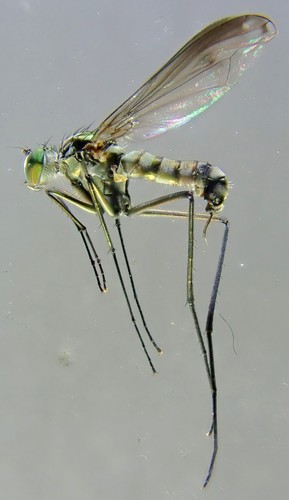
Long-Legged Fly identified by the community
Real finds identified with Bug Identifier.
Other bugs you may enjoy
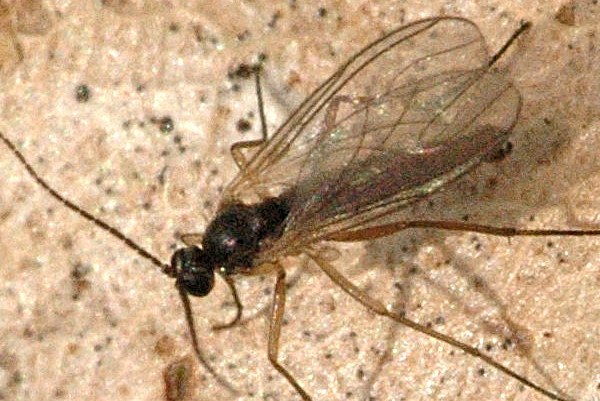
Aphid Midge
Gardens, greenhouses, and crops with aphids
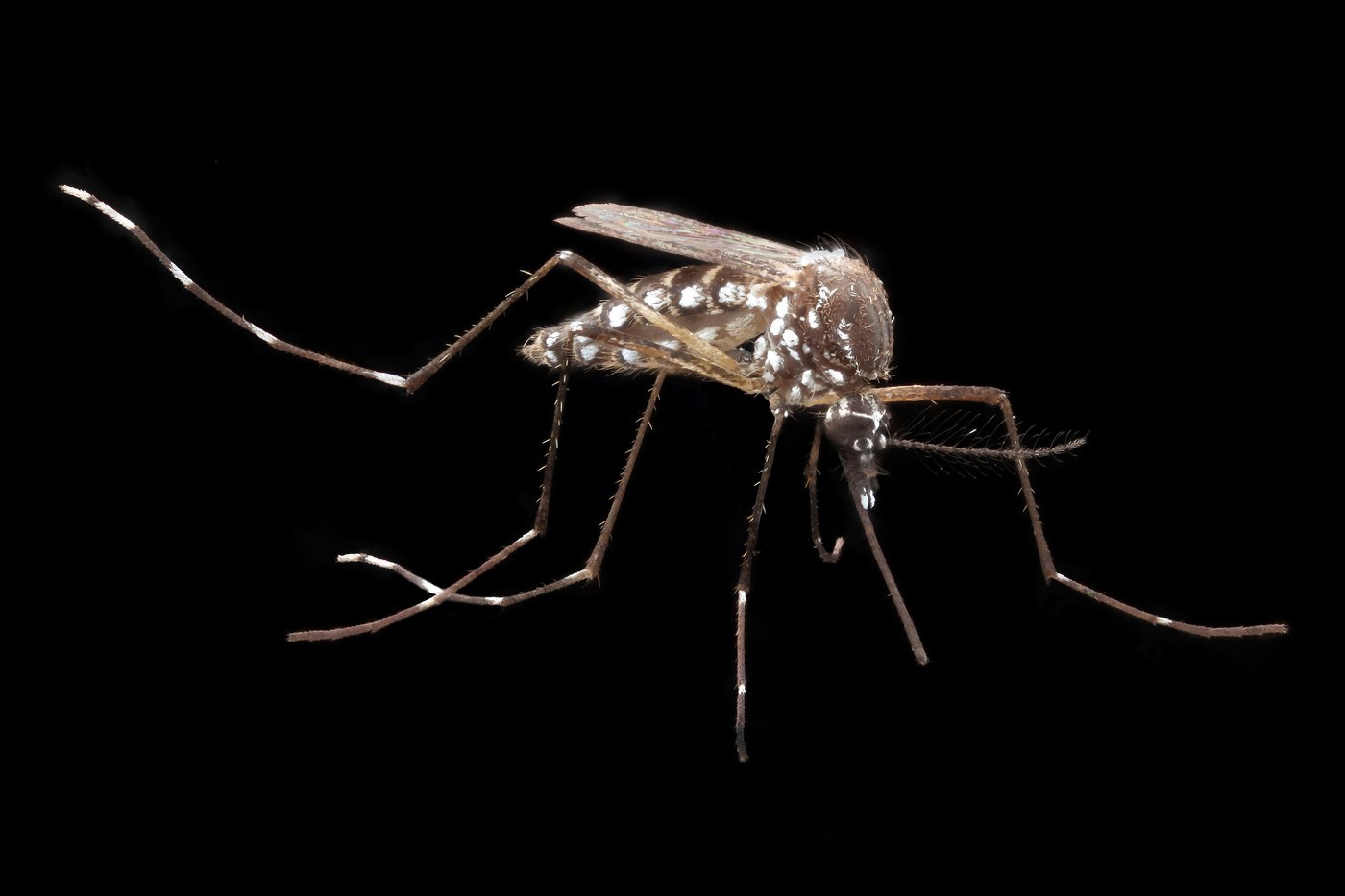
Yellow Fever Mosquito
Urban and peri-urban areas near small artificial water containers in tropical and subtropical regions worldwide
Root Maggot
Garden and field soil around the roots of cole crops and other vegetables
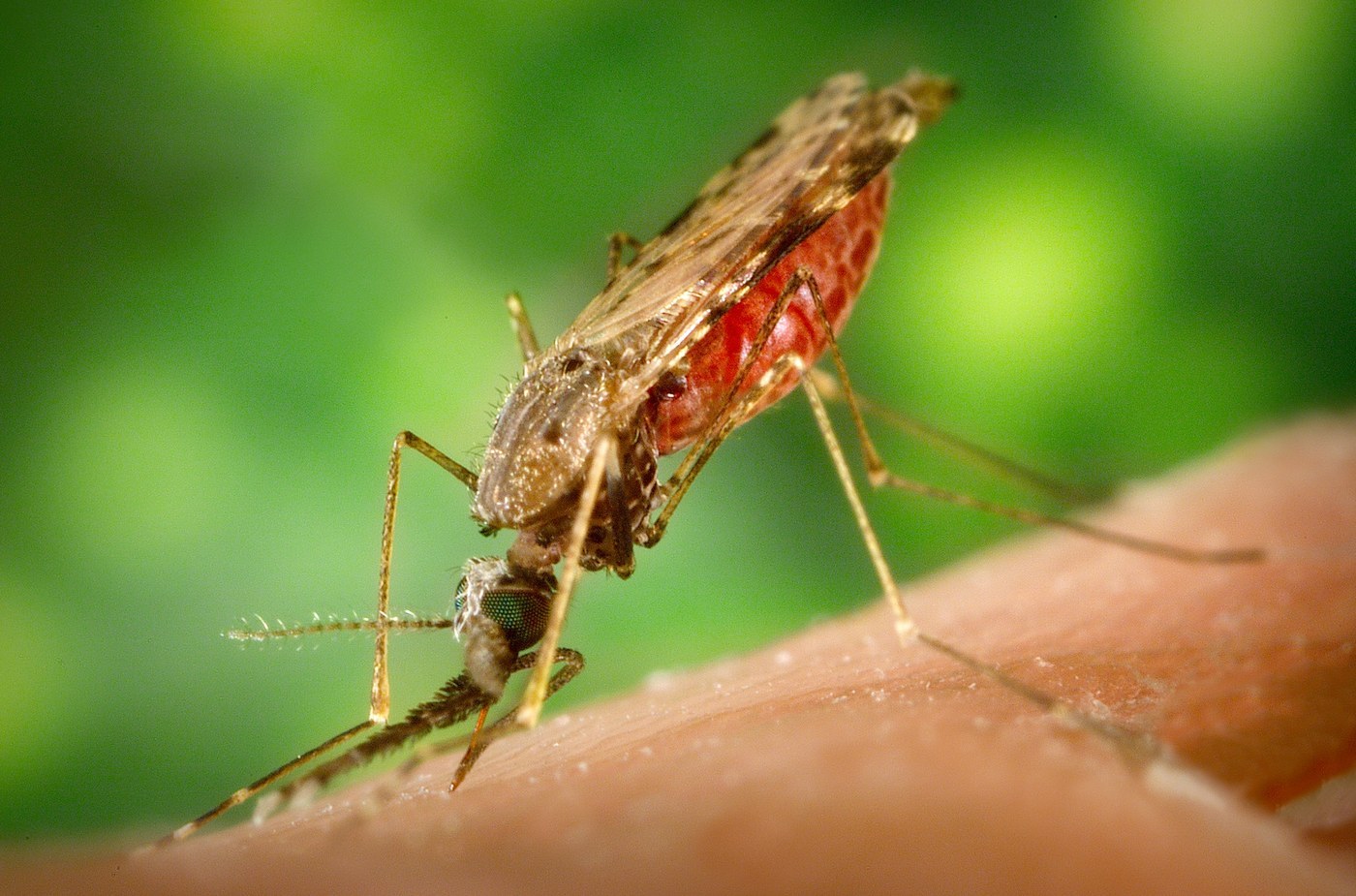
Anopheles Mosquito
Clean, still or slow-moving freshwater habitats such as marshes, ponds, and rice paddies
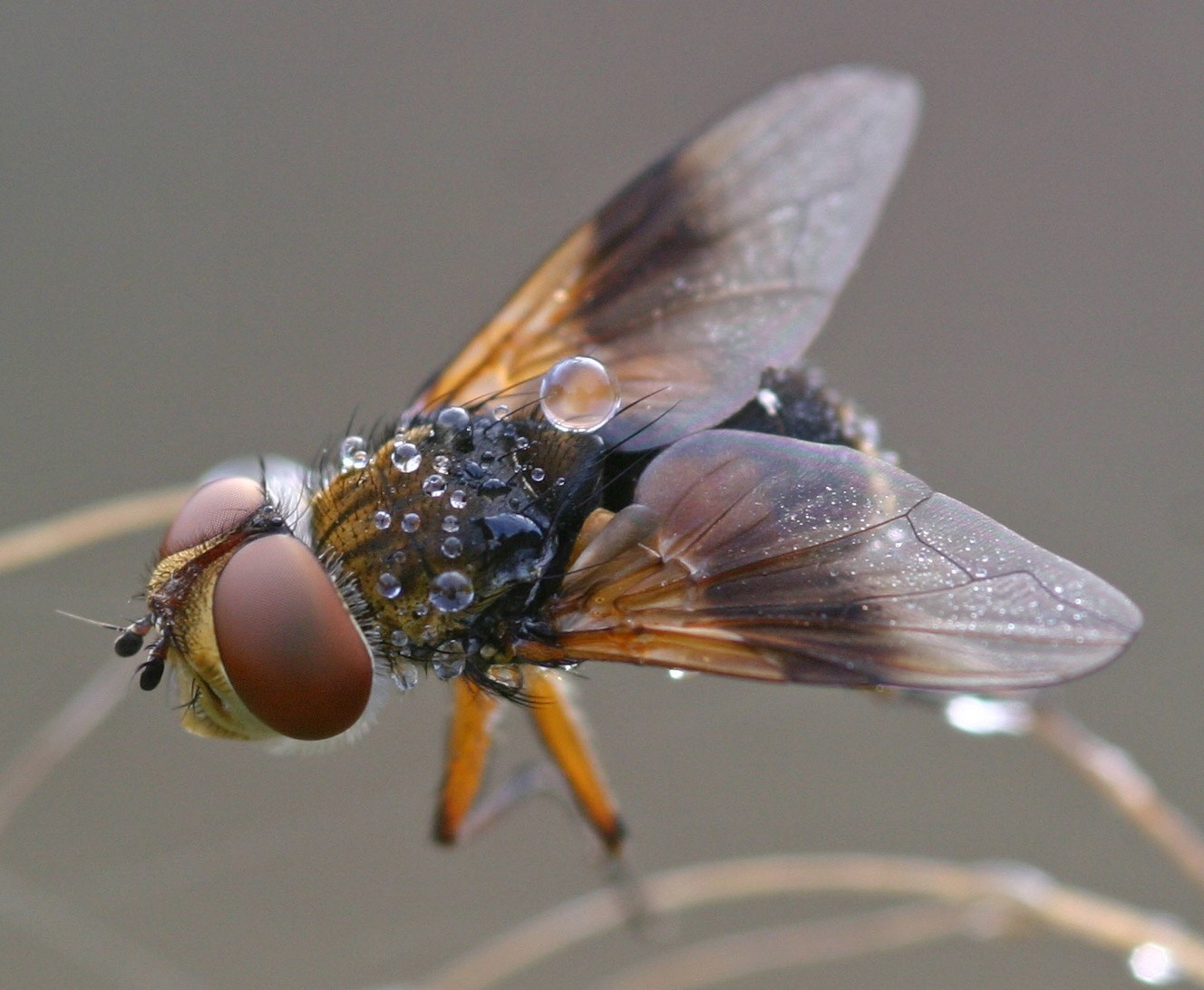
Tachinid Fly
Gardens, meadows, and woodlands wherever host caterpillars and other insects occur
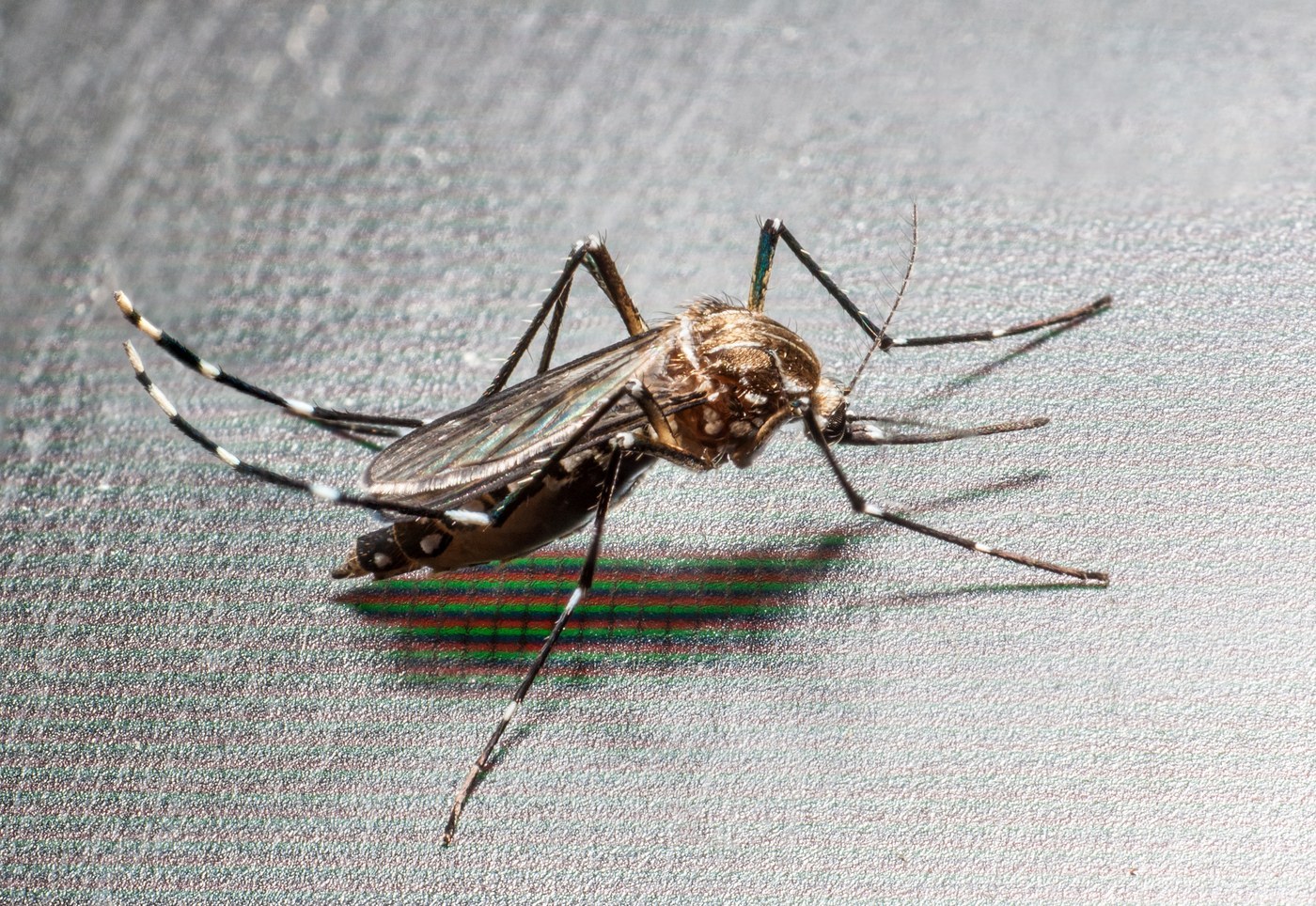
Asian Tiger Mosquito
Shaded urban and suburban areas near small water-holding containers, tires, and tree holes; native to Southeast Asia, now widespread
Tsetse Fly
Wooded savanna, riverine thickets, and forest edges across sub-Saharan Africa
Vinegar Fly
Around overripe fruit, compost, and fermenting materials worldwide
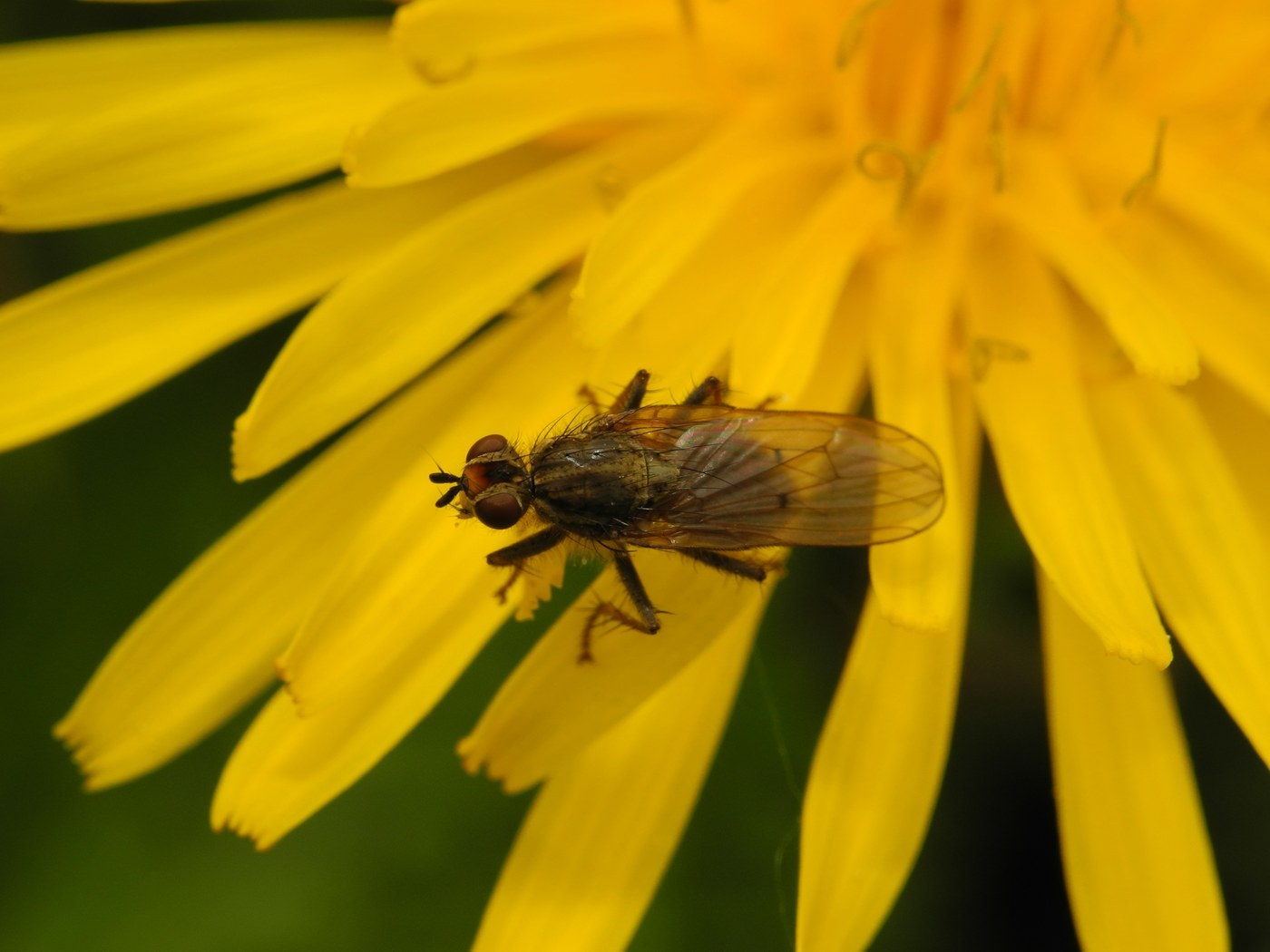
Yellow Dung Fly
Pastures and fields with fresh cattle dung
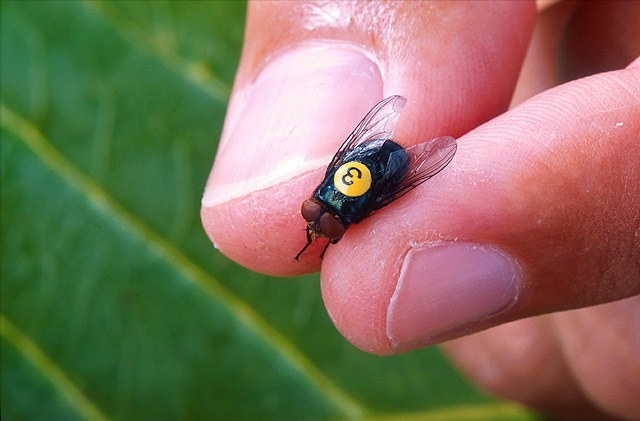
Screwworm Fly
Warm, humid lowlands of the Americas, especially near livestock and wildlife wounds
Soldier Fly
Wetland margins, decaying organic matter, and vegetation near water
Punkie
near marshes, mudflats, ponds, and other standing water