
Lubber Grasshopper
Romaleidae spp.
Heavy-bodied and slow-moving, lubber grasshoppers make up for their poor flying ability with large size, bold coloring, and a lumbering, ground-bound lifestyle.
- Size
- 4–8 cm (1.6–3.1 in) long
- Habitat
- Grasslands, deserts, and open scrub across the Americas
- Danger
- Harmless
Spotted a bug like this?
Identify any bug or insect from a photo, free.
Overview
"Lubber grasshopper" is a common name applied to a group of large, heavy-bodied grasshoppers in the family Romaleidae, found across the Americas from the southern United States through Mexico and into South America. The name reflects their characteristically clumsy, lumbering movement, a result of short or reduced wings that leave most species unable to fly, or only capable of brief, weak flight.
Different genera and species of lubber grasshoppers occupy a range of habitats, from the arid grasslands and deserts of the American Southwest, home to species such as the plains lubber (Brachystola magna) and horse lubber (Taeniopoda eques), to the wetter grasslands of the southeastern United States, where the well-known eastern lubber occurs. Despite their limited flight, lubbers are often conspicuous insects due to their large size and, in many species, brightly contrasting or warning coloration.
Because they move slowly and rely on ground travel rather than flight to escape predators, many lubber species have evolved alternative defenses, including bold coloration, hissing sounds, and the release of foul-smelling secretions when disturbed, all of which serve as visual and chemical warnings to potential predators.
How to Identify
- Large, heavy-bodied grasshoppers, generally bigger and stockier than typical field grasshoppers.
- Short, non-functional or poorly developed wings in most species, limiting flight.
- Coloration varies by species and region, from dull brown and tan (plains lubber) to bold black, yellow, and red patterns (eastern lubber, horse lubber).
- Thick hind legs adapted more for walking and short hops than for powerful jumping.
- Slow, deliberate movement compared to smaller, more agile grasshoppers.
- Distinguished from other grasshopper families mainly by their large size, reduced wings, and lumbering gait.
Habitat & Range
Lubber grasshoppers occur across a broad range of open habitats in the Americas, including arid grasslands, deserts, scrublands, and moist coastal plains, depending on the species. Different lubber species are adapted to distinct regional habitats, from the dry Southwestern deserts to the humid grasslands of the southeastern United States and tropical grasslands further south.
Behavior & Diet
As generally poor or non-fliers, lubber grasshoppers rely on walking, hopping, and defensive behaviors rather than escape flight to avoid predators. Many species feed on a wide variety of grasses, forbs, and shrubs, occasionally becoming locally abundant enough to affect vegetation in gardens or rangeland. Their slow movement and often bright coloration are thought to signal unpalatability to predators, and several species produce hissing sounds or foamy secretions when disturbed as an additional deterrent.
Life Cycle
Females lay egg pods in the soil, typically in late summer or fall, and eggs generally overwinter before hatching the following spring. Nymphs develop through incomplete metamorphosis over several instars, often taking longer to mature than smaller grasshopper species due to their larger adult size. Most lubber species complete one generation per year.
Frequently asked questions
Why are lubber grasshoppers called 'lubbers'?
The name reflects their slow, clumsy movement, a result of short or nonfunctional wings that leave most species unable to fly well or at all.
Can lubber grasshoppers fly?
Most lubber species have reduced wings and cannot fly, or can only manage brief, weak flights, relying instead on walking and hopping.
What do lubber grasshoppers eat?
They feed on a variety of grasses, broadleaf plants, and shrubs depending on the species and habitat.
Where are lubber grasshoppers found?
Various lubber species occur across the Americas, from southwestern U.S. deserts to southeastern grasslands and into Mexico and South America.
Lubber Grasshopper guides
In-depth guides for identifying, understanding, and living alongside Lubber Grasshopper.
Lubber Grasshopper identified by the community
Real finds identified with Bug Identifier.
Other bugs you may enjoy
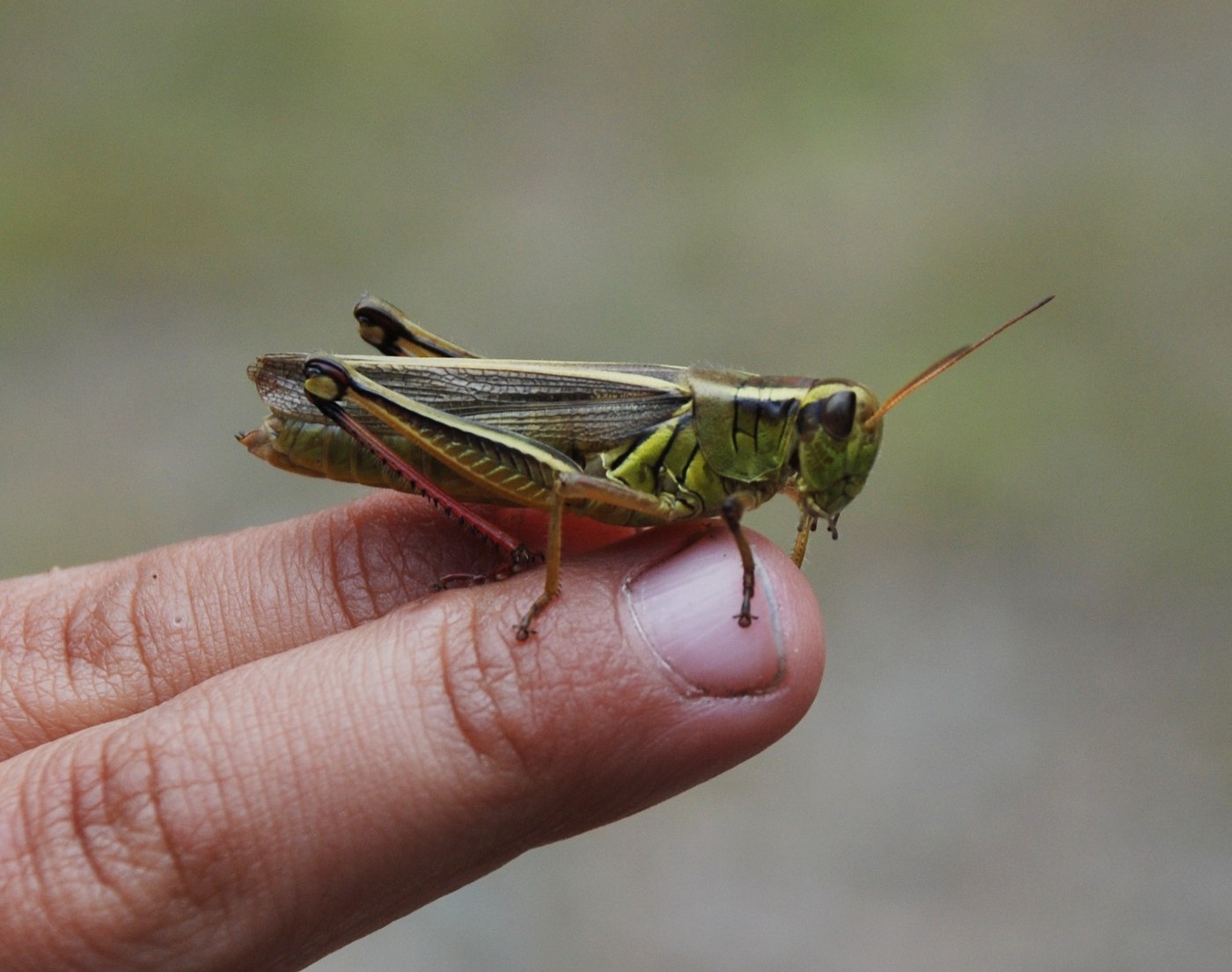
Two-striped Grasshopper
Meadows, pastures, riverbanks, and agricultural fields across North America
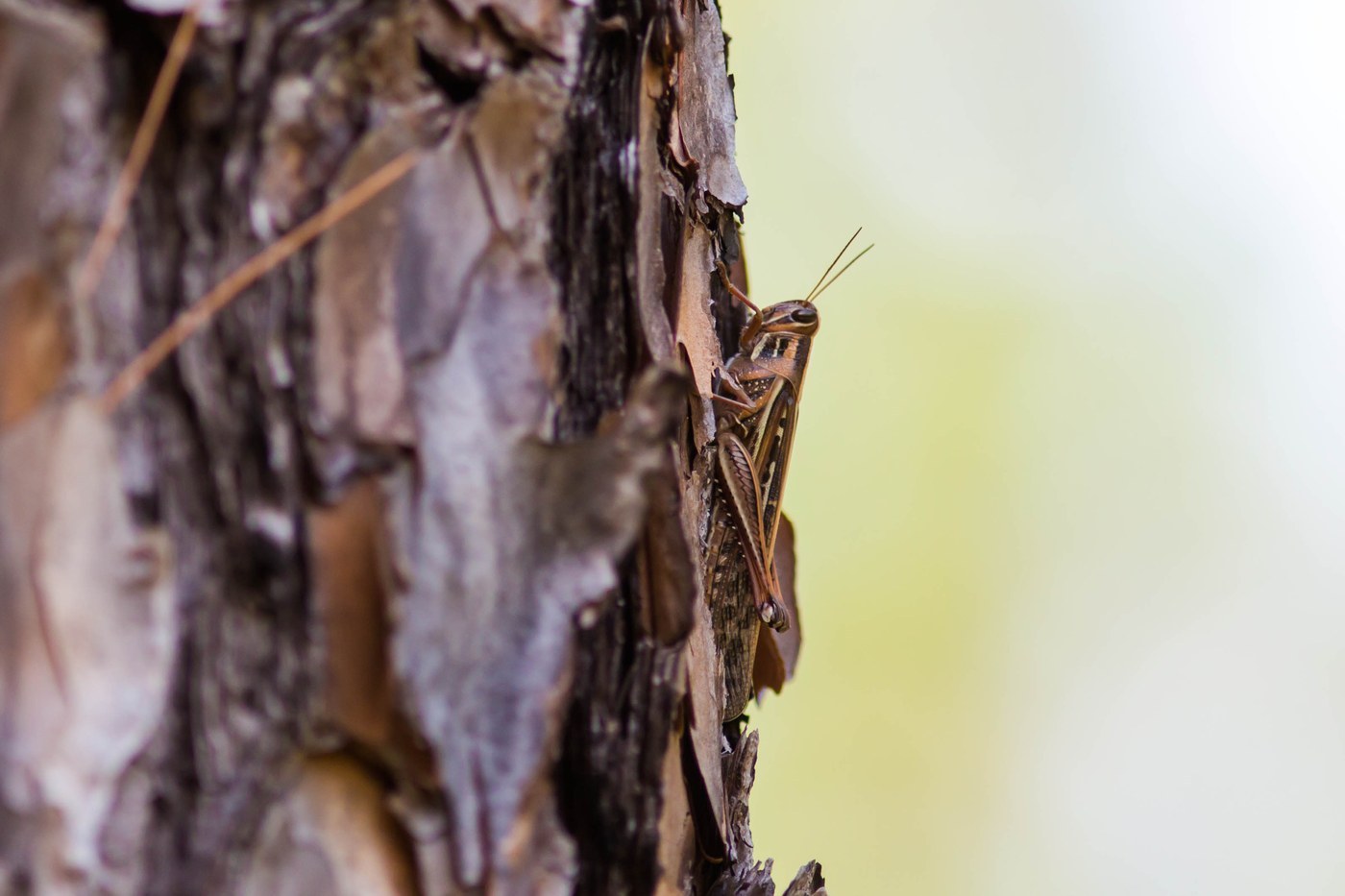
American Grasshopper
Woodland edges, citrus groves, gardens, and open fields across the southern and southeastern United States
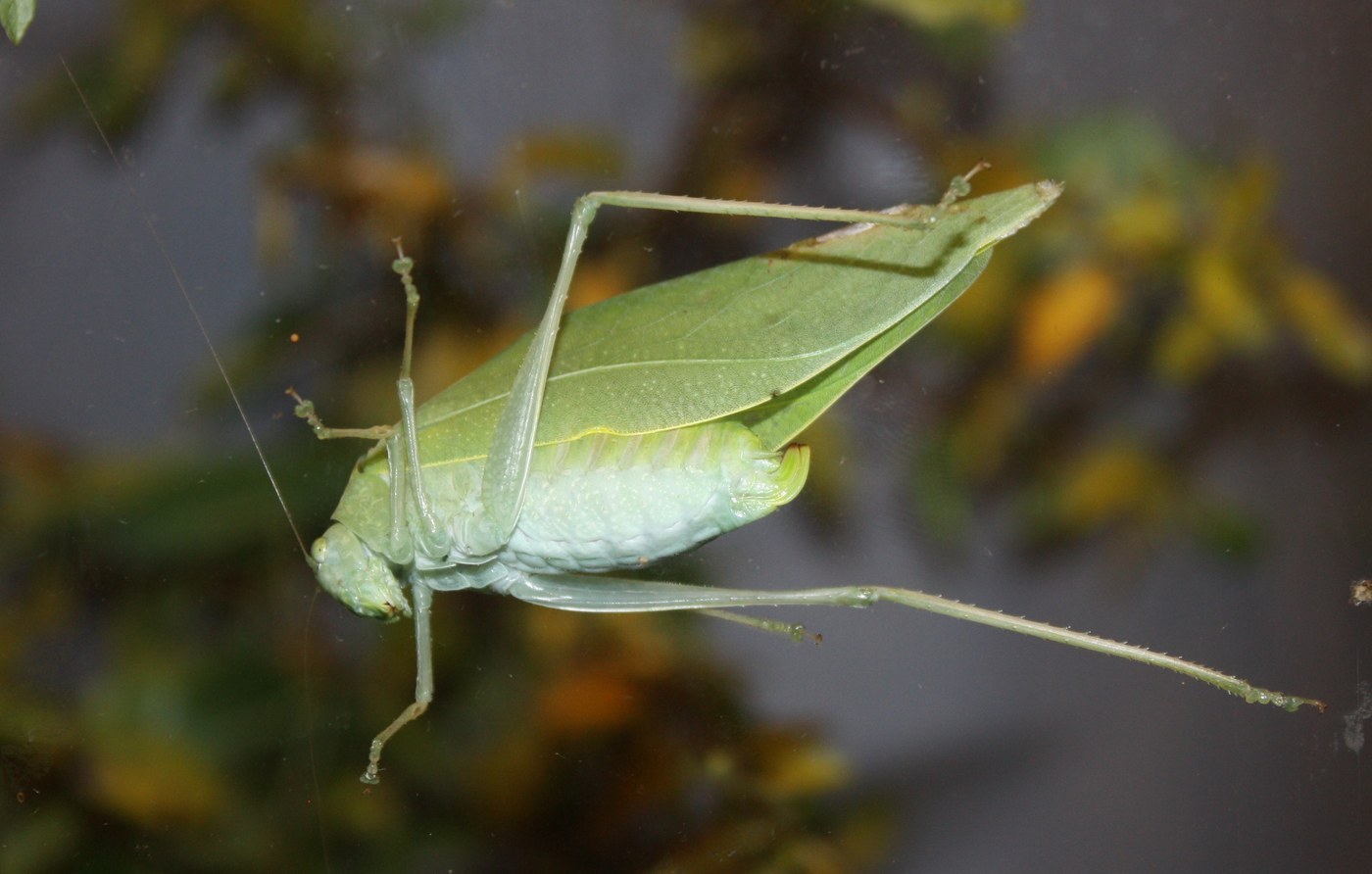
Angular-winged Katydid
deciduous trees, shrubs, and hedgerows across eastern and central North America
Spur-throated Grasshopper
grasslands, meadows, croplands, and roadsides across North America
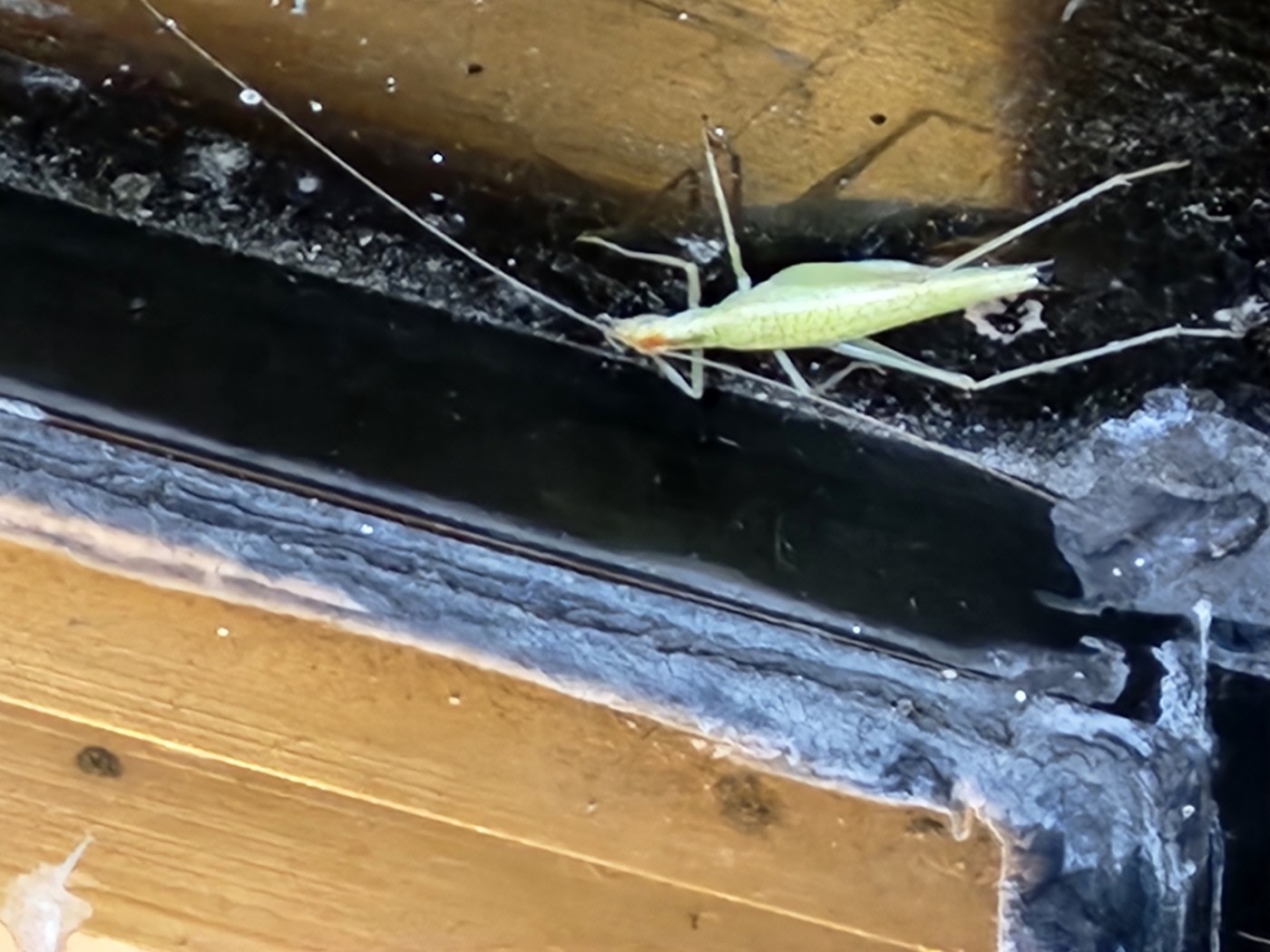
Snowy Tree Cricket
Shrubs, trees, and tall vegetation across North America
Rocky Mountain Locust
historically open grasslands and river valleys of the Rocky Mountains and Great Plains (now believed extinct)
Spotted Camel Cricket
damp caves, crawl spaces, basements, leaf litter, and rotting logs in eastern North America
Pygmy Grasshopper
damp soil, mud, and low vegetation near ponds, streams, and marshes
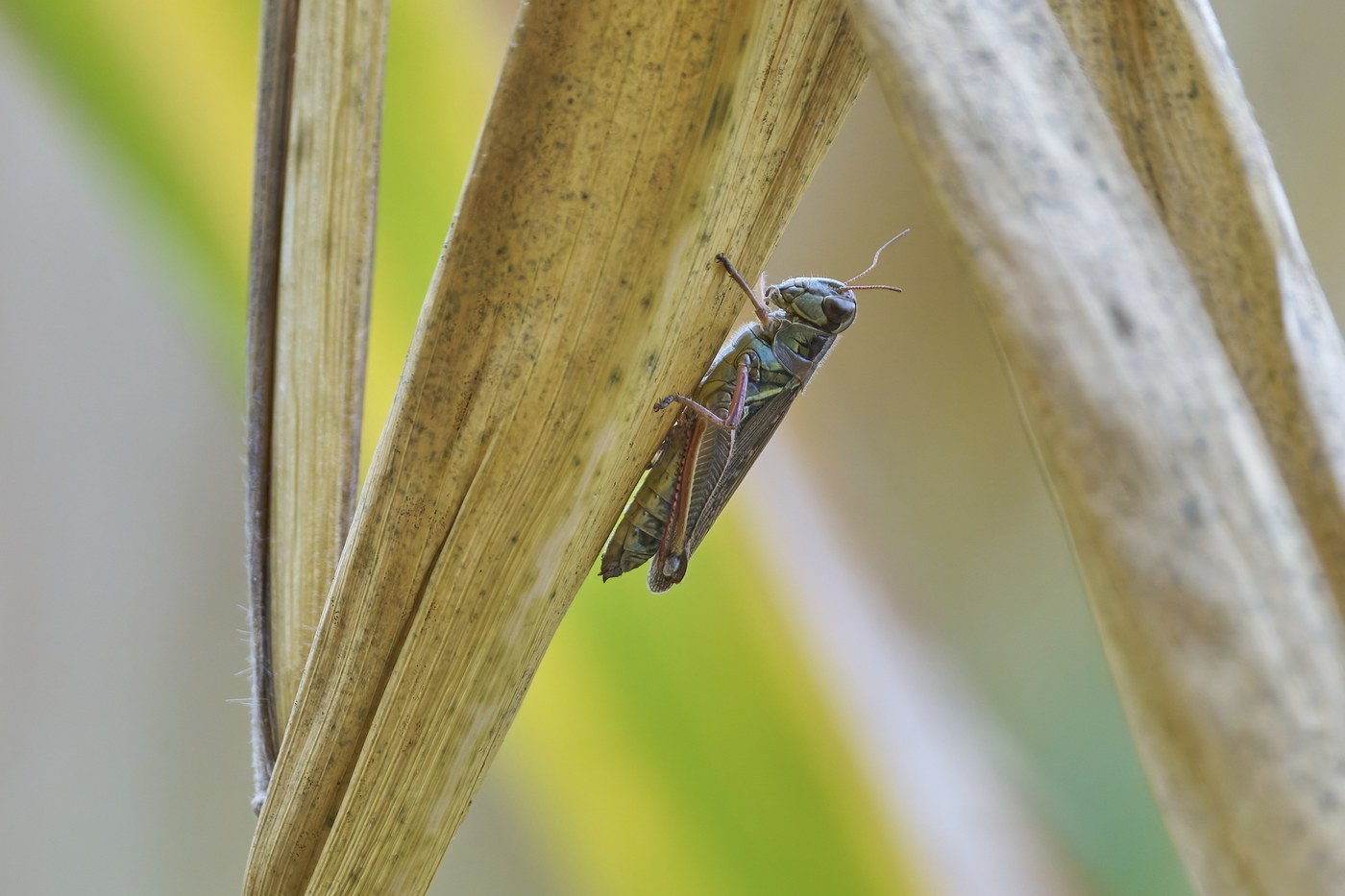
Red-legged Grasshopper
Meadows, pastures, field edges, and gardens across North America
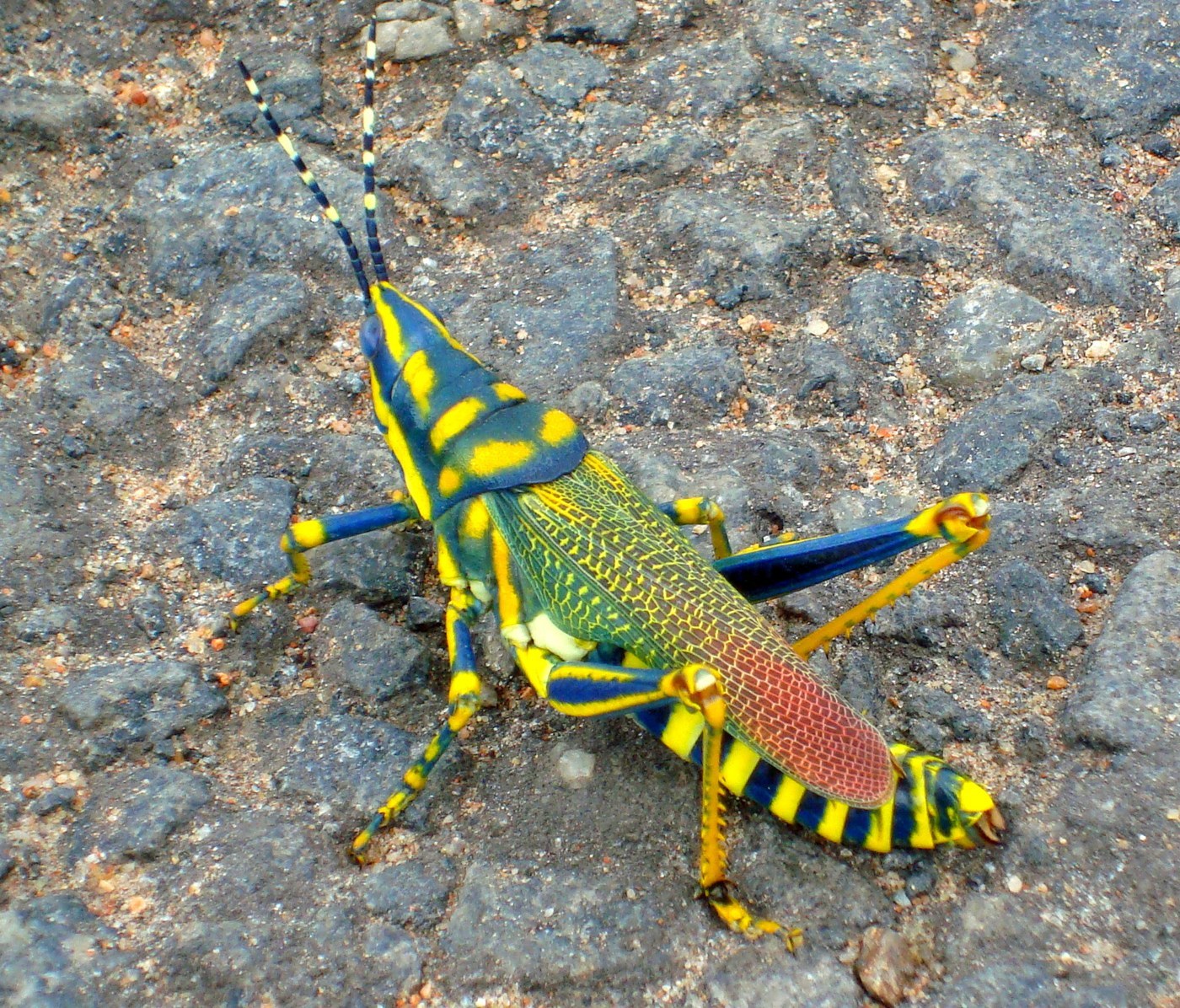
Painted Grasshopper
arid scrub, wastelands, and gardens of the Indian subcontinent, especially near milkweed plants
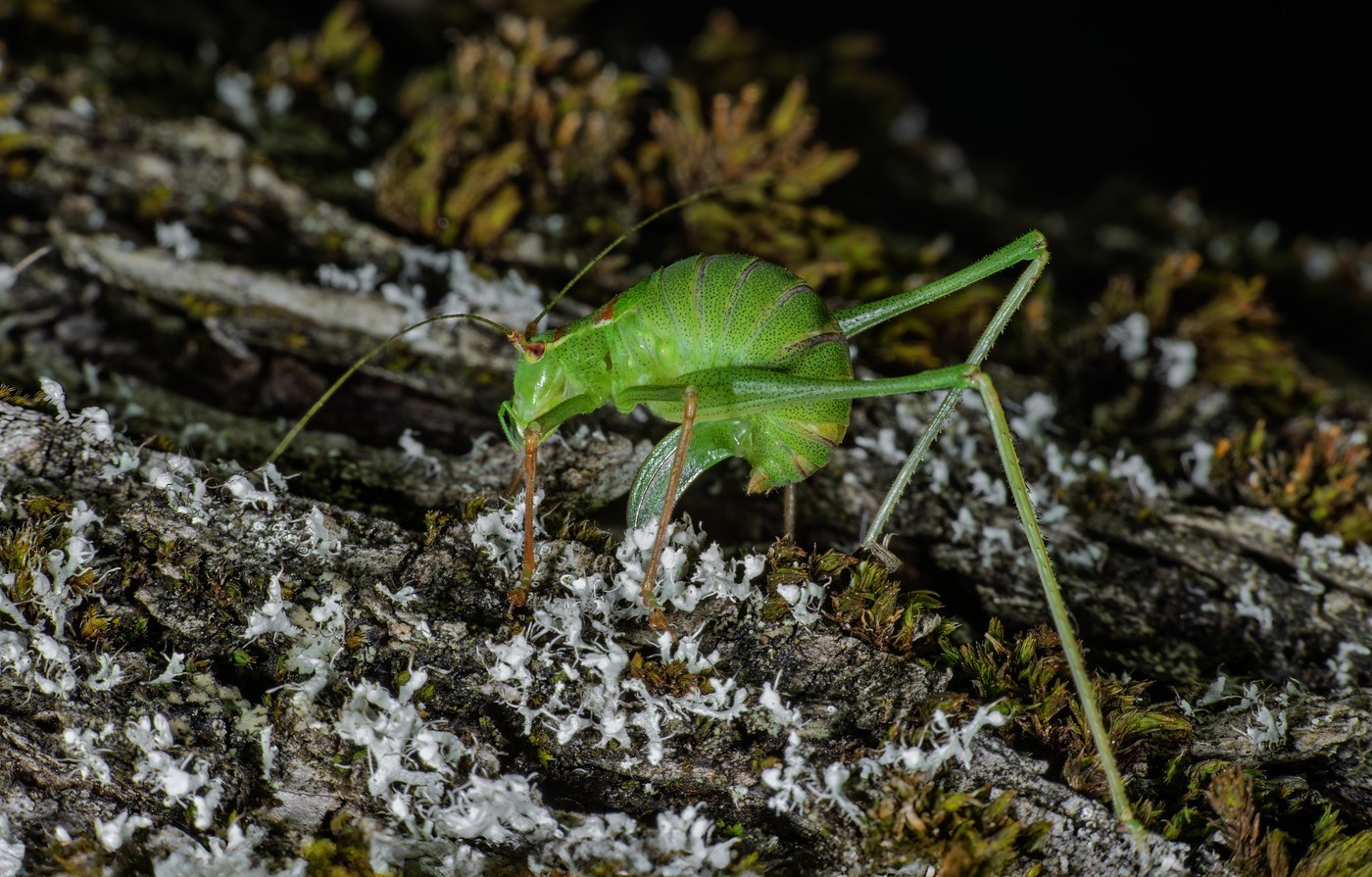
Speckled Bush Cricket
Brambles, hedgerows, nettles, and shrubby vegetation
Northern Mole Cricket
wet soil, pond margins, and marshy ground across eastern and central North America