
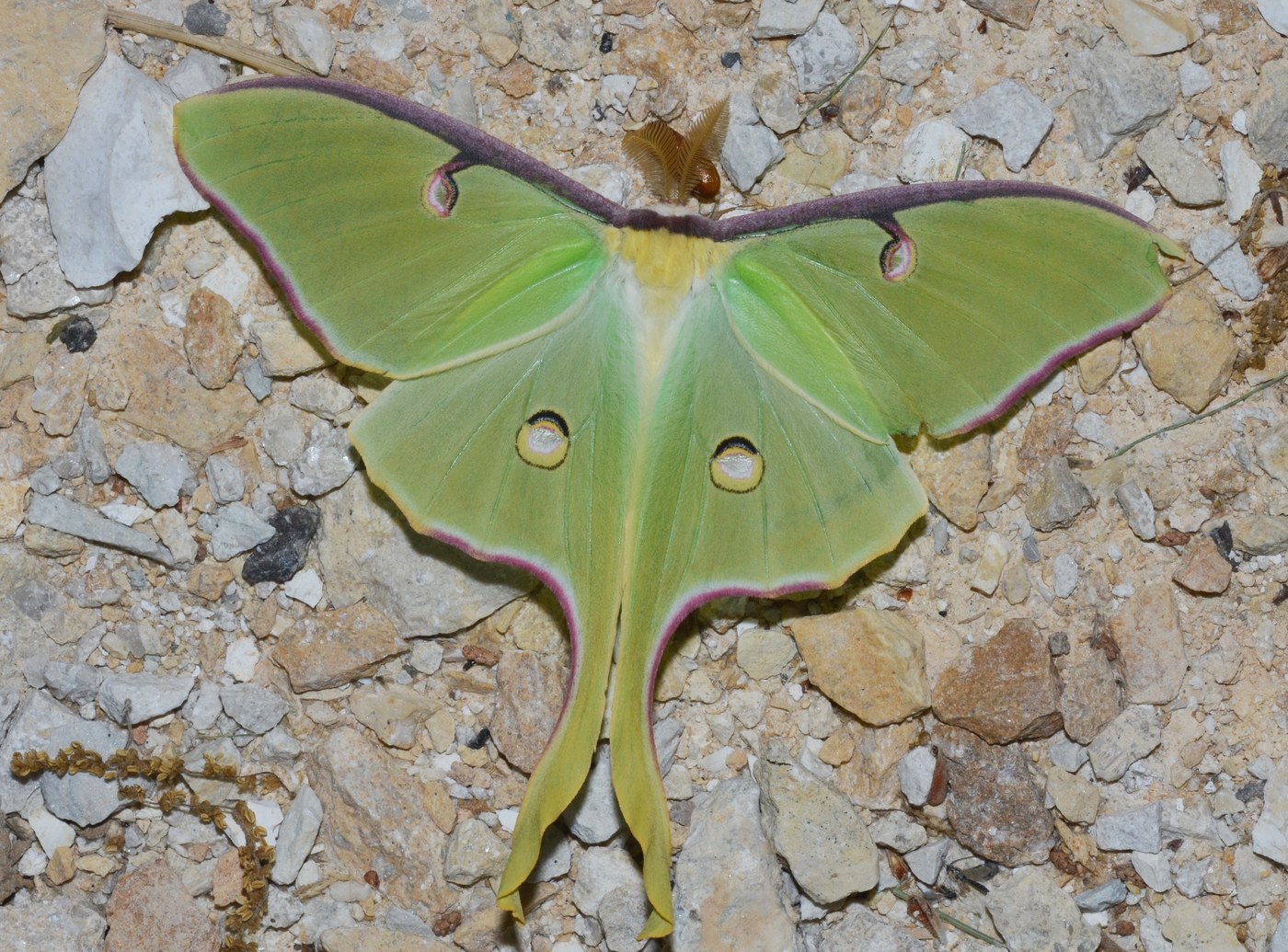
Luna Silkmoth
Actias luna
A large, pale lime-green silkmoth with long, trailing tails on its hindwings and delicate eyespots, widely regarded as one of the most striking moths in North America.
- Size
- 3–4.5 in wingspan
- Habitat
- Deciduous forests across eastern North America
- Danger
- Harmless
Spotted a bug like this?
Identify any bug or insect from a photo, free.
Overview
The luna silkmoth is a large member of the family Saturniidae, the giant silkmoths, and one of the most instantly recognizable moths found in North America thanks to its soft green coloring and elegant, elongated hindwing tails. It is found throughout much of the eastern half of the continent, from the boreal forests of Canada down through the eastern and southeastern United States.
As with most Saturniidae, the adult luna moth does not feed and survives only on energy reserves accumulated during its caterpillar stage, giving it a very short adult lifespan devoted entirely to mating and reproduction.
Its combination of pale green coloring, translucent eyespots, and long, twisting tails has made it a favorite subject for nature photography and a commonly cited example of large native silkmoths in North America.
How to Identify
- Very large, pale lime-green wings with a slightly translucent, almost pastel quality; forewings often edged in a thin purple-brown line.
- Hindwings taper into long, twisted tails that can trail well beyond the rest of the wing, a hallmark feature of the species.
- Each wing bears a small, eye-like spot near the center, more subtle than the bold eyespots of some related silkmoths.
- Antennae are broad and feathery, especially in males, adapted for detecting female pheromones over distance; the body is stout and densely furred white.
Habitat & Range
Found from southern Canada through the eastern and southeastern United States, the luna silkmoth inhabits deciduous forests where its larval host trees, including birch, hickory, walnut, and sweetgum, are common. Adults fly primarily at night from spring through summer, with the timing and number of generations varying by latitude, and are most often seen resting on vegetation near woodland edges or drawn to lights after dark.
Behavior & Diet
Adults are strictly nocturnal and do not feed, living only about a week as adults, during which their sole purpose is to locate a mate and reproduce using pheromone signals detected by their large, feathery antennae. Larvae are large, plump, bright green caterpillars that feed heavily on the foliage of deciduous host trees, playing a role as a food source for birds and other predators within forest food webs. The species has no defensive display beyond camouflage and its overall size, relying on its short adult lifespan and nocturnal habits to reduce predation risk.
Life Cycle
Eggs are laid on the leaves of suitable host trees and hatch into green, spined caterpillars that grow through five instars over several weeks, consuming large quantities of foliage. Mature larvae spin a papery cocoon, often wrapped in a leaf, in which they pupate, and in northern parts of the range the pupa overwinters through the cold months. Depending on latitude, the species produces one generation per year in the north and two or more generations in warmer southern regions, with adults emerging over spring and summer to complete the cycle.
Frequently asked questions
Why does it have such long tails on its wings?
The elongated, twisting hindwing tails are a signature feature of the species, though their exact function is often linked to disrupting the flight paths of predators.
How long does the adult moth live?
Adults typically live only about a week, since they lack functional mouthparts and cannot feed.
Where in North America is it found?
It occurs across much of the eastern half of North America, from southern Canada down through the eastern and southeastern United States, wherever suitable deciduous host trees grow.
What do the caterpillars eat?
They feed on the leaves of various deciduous trees, including birch, hickory, walnut, and sweetgum.
Luna Silkmoth guides
In-depth guides for identifying, understanding, and living alongside Luna Silkmoth.
Other bugs you may enjoy
Bagworm Moth
Coniferous and deciduous trees, shrubs, hedges
Antheraea Silkmoth
Deciduous forests, woodland edges, orchards
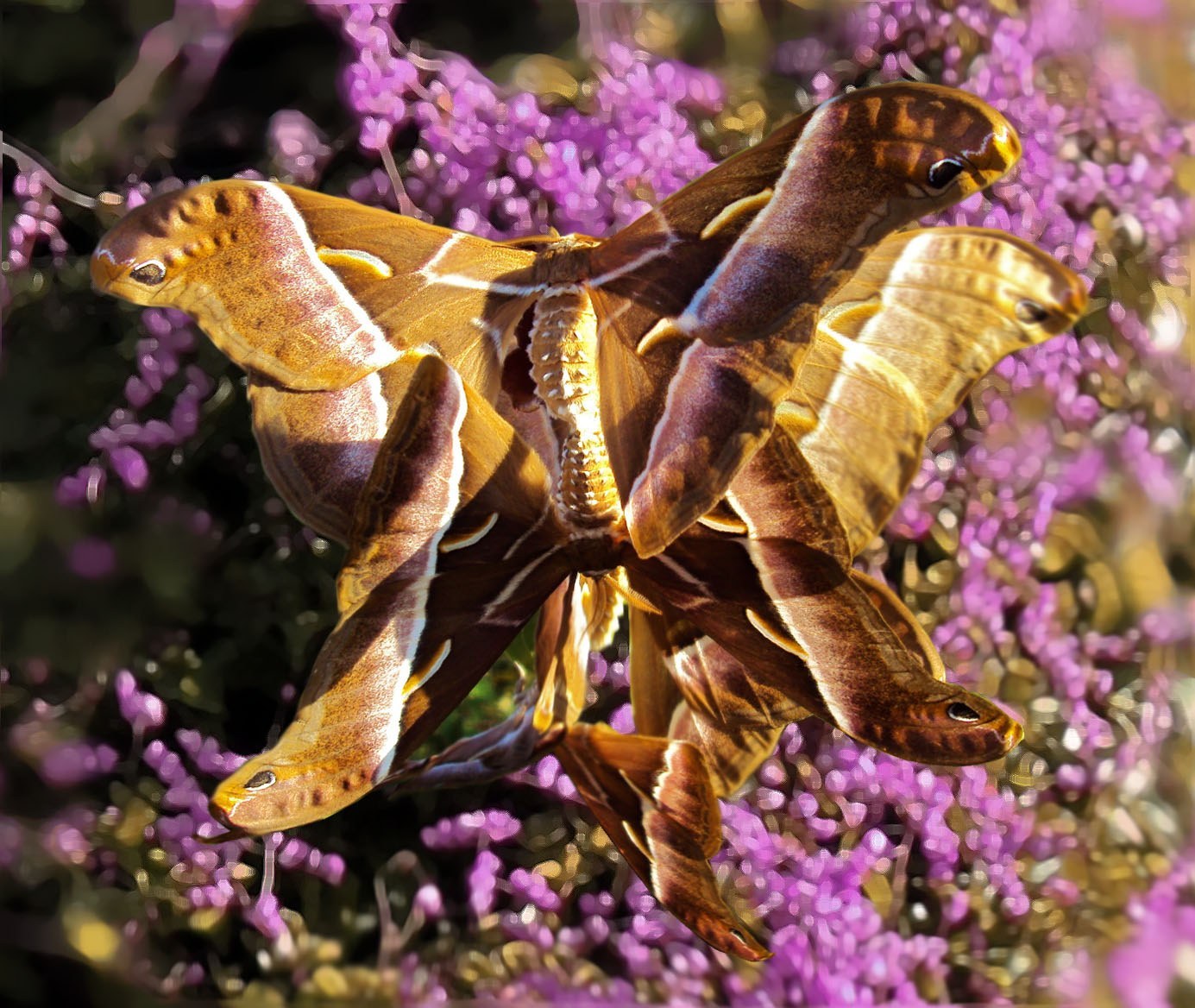
Ailanthus Silkmoth (Cynthia Moth)
Urban parks, wastelands, and woodland edges with tree-of-heaven; native to Asia, introduced in North America and Europe
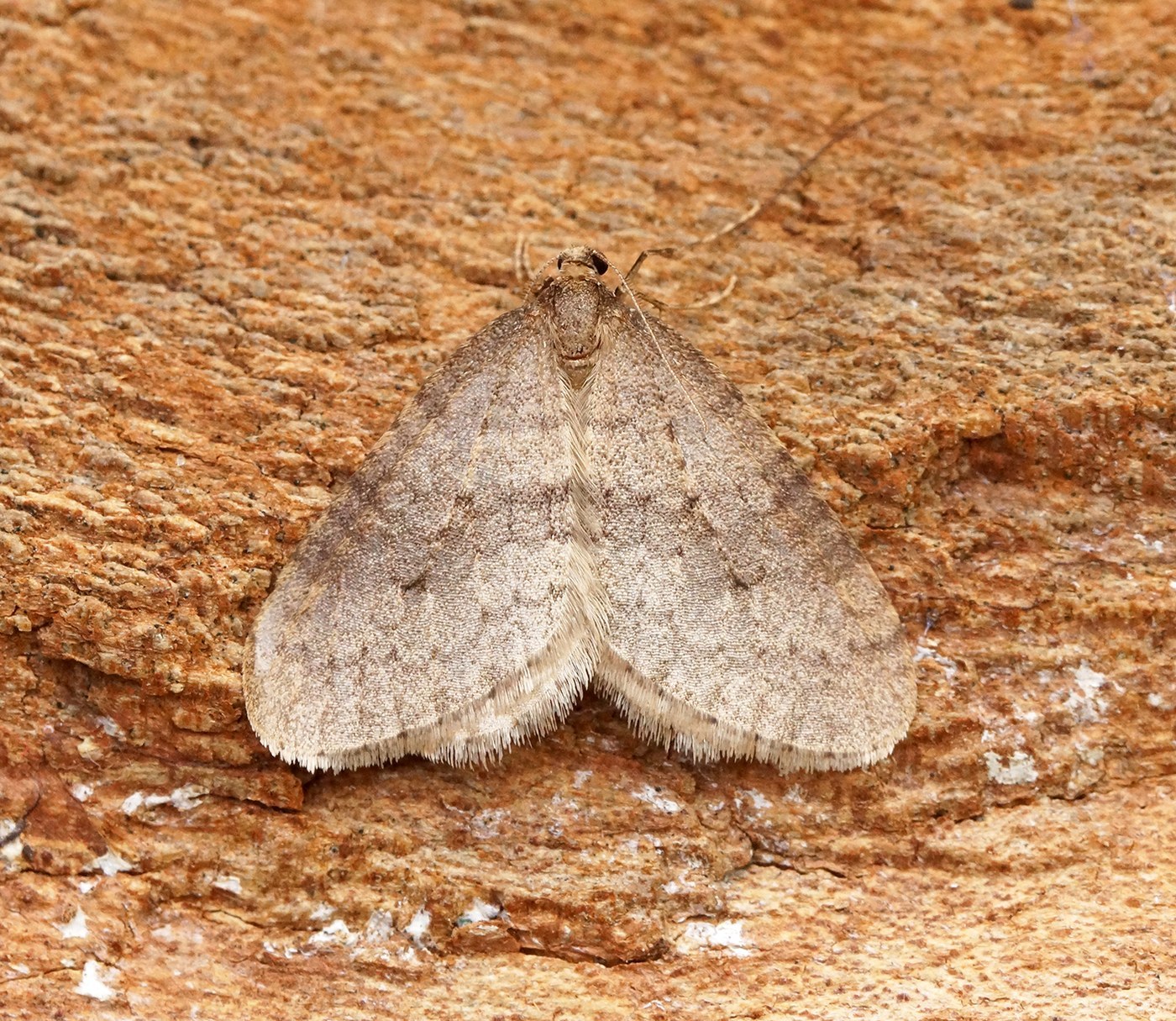
Winter Moth
Deciduous woodland, orchards, gardens, hedgerows
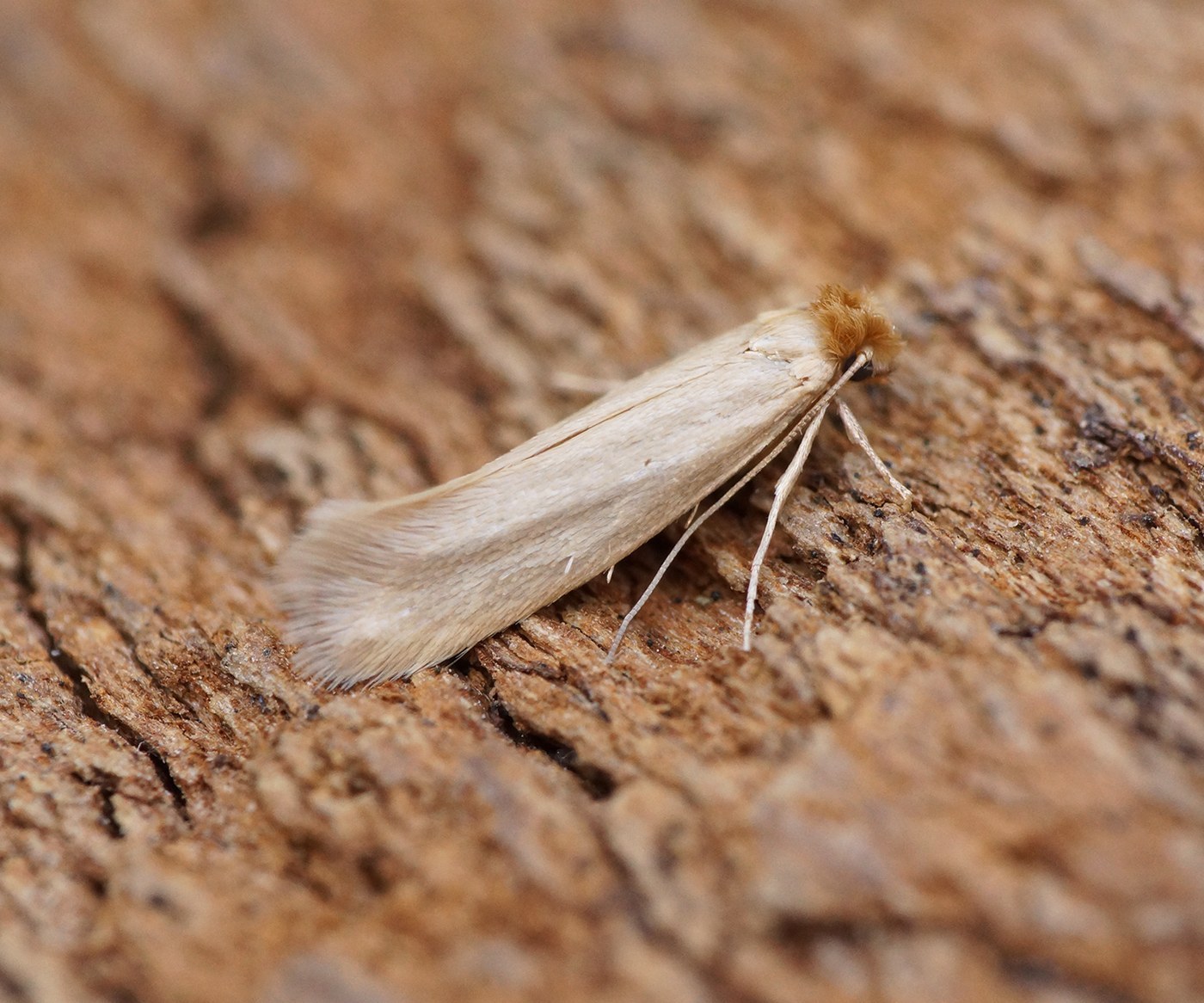
Webbing Clothes Moth
Dark closets, storage areas, and animal nests worldwide
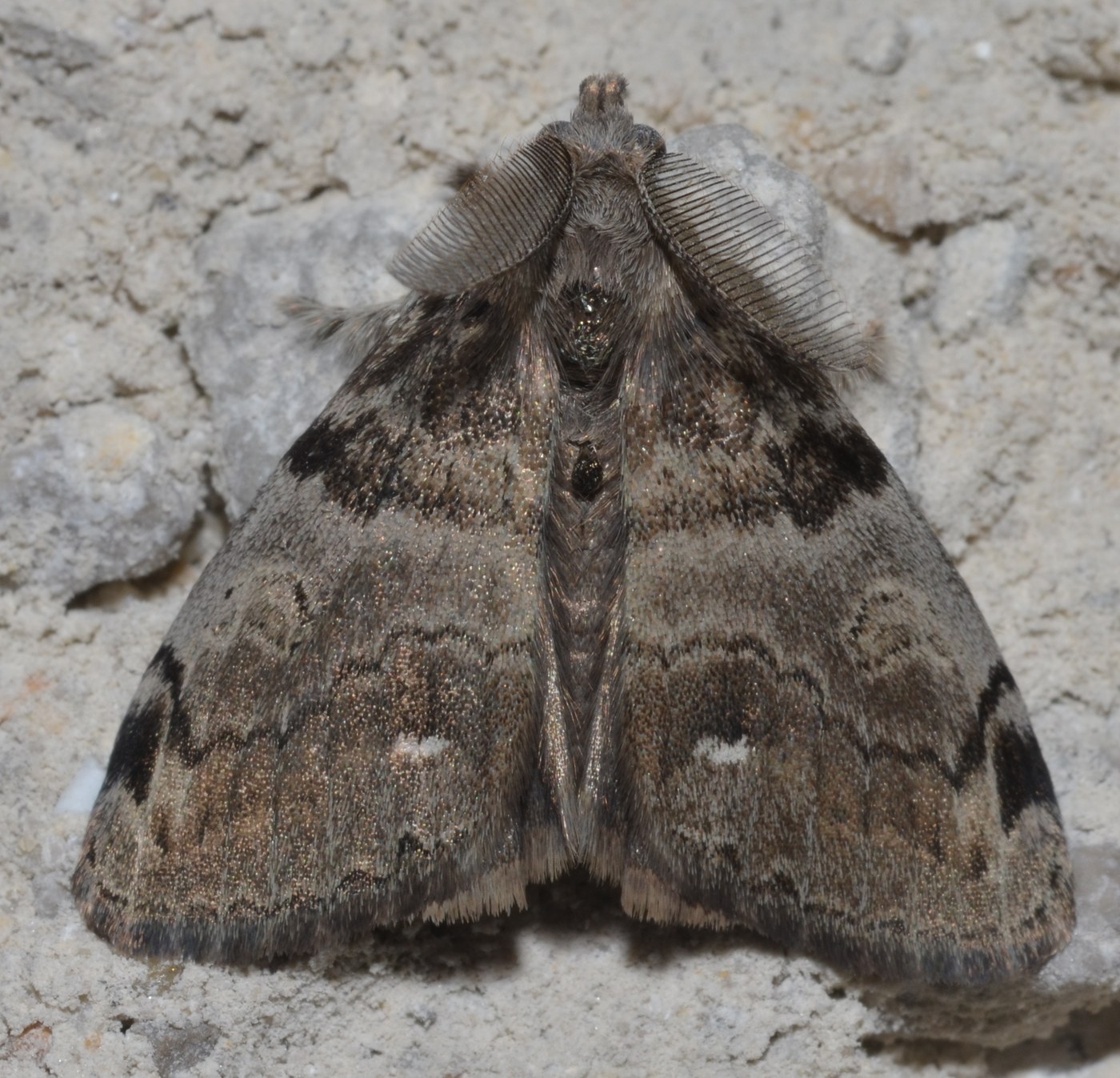
Tussock Moth
Deciduous forests, parks, gardens
Wax Moth
Beehives, apiaries, stored beeswax and comb
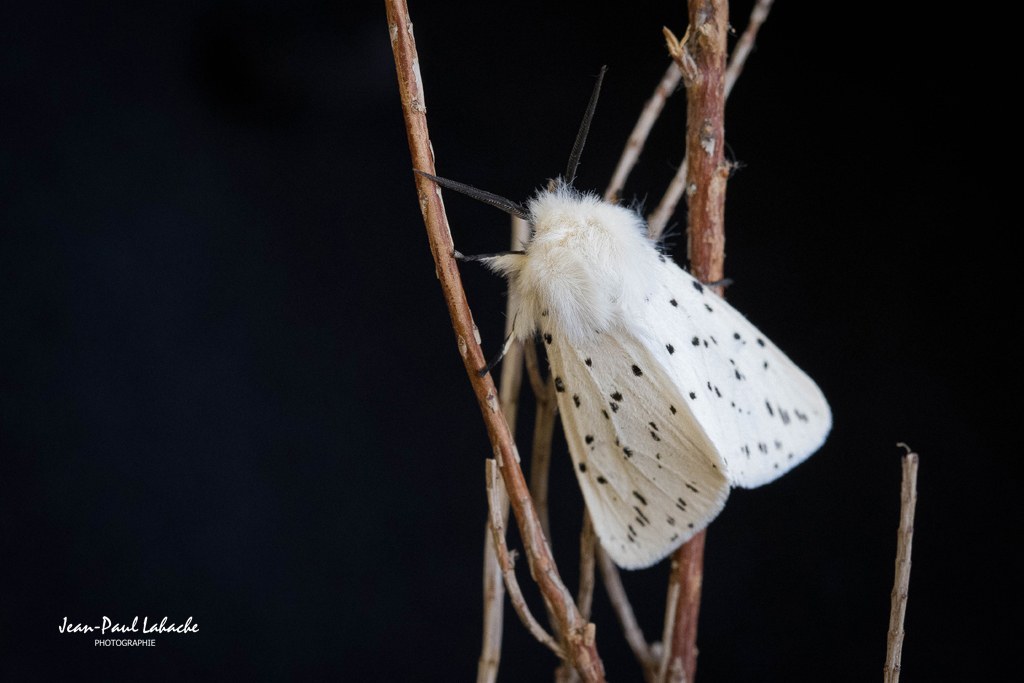
White Ermine Moth
Gardens, meadows, hedgerows
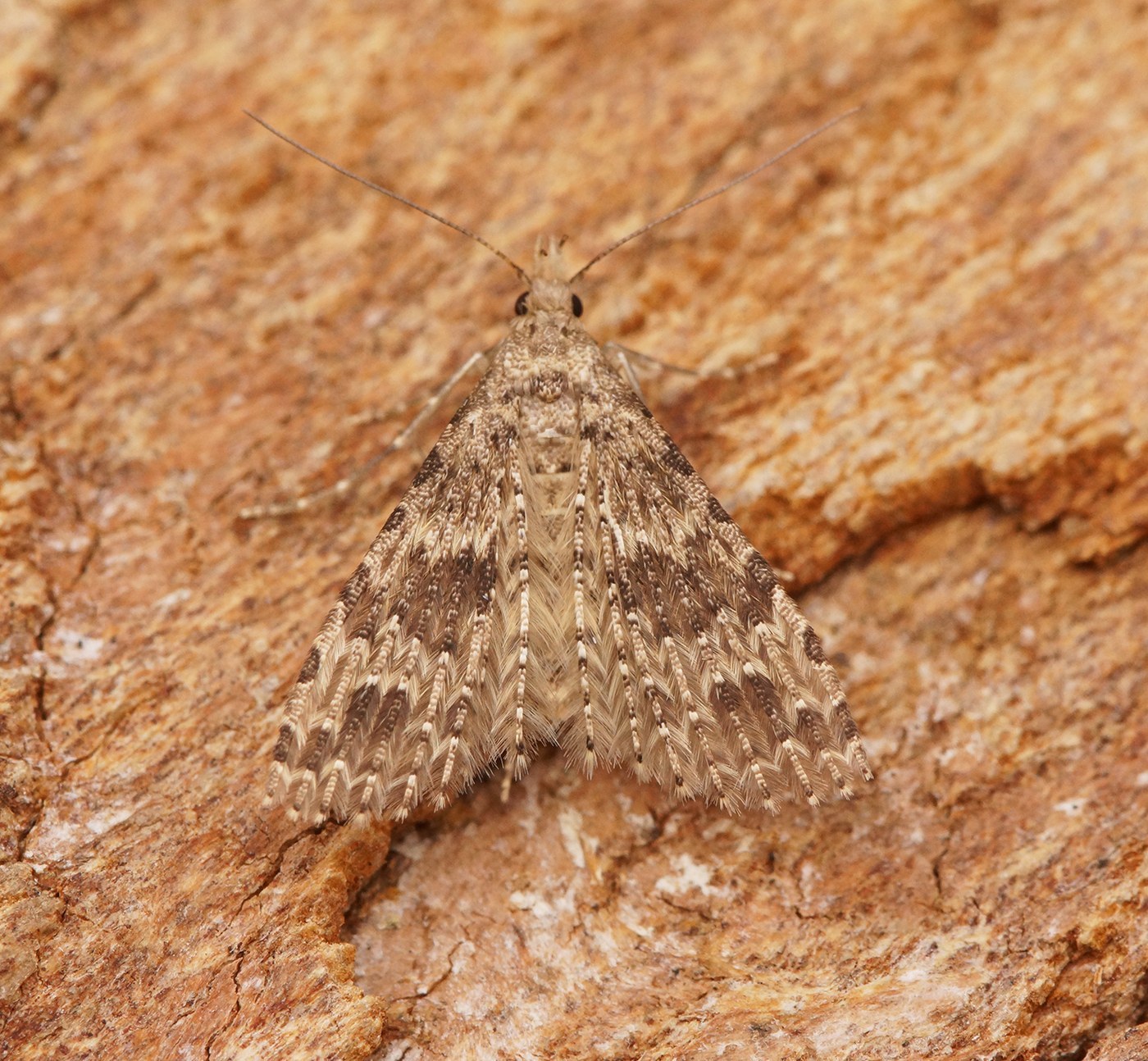
Twenty-plume Moth
Gardens, hedgerows, near honeysuckle
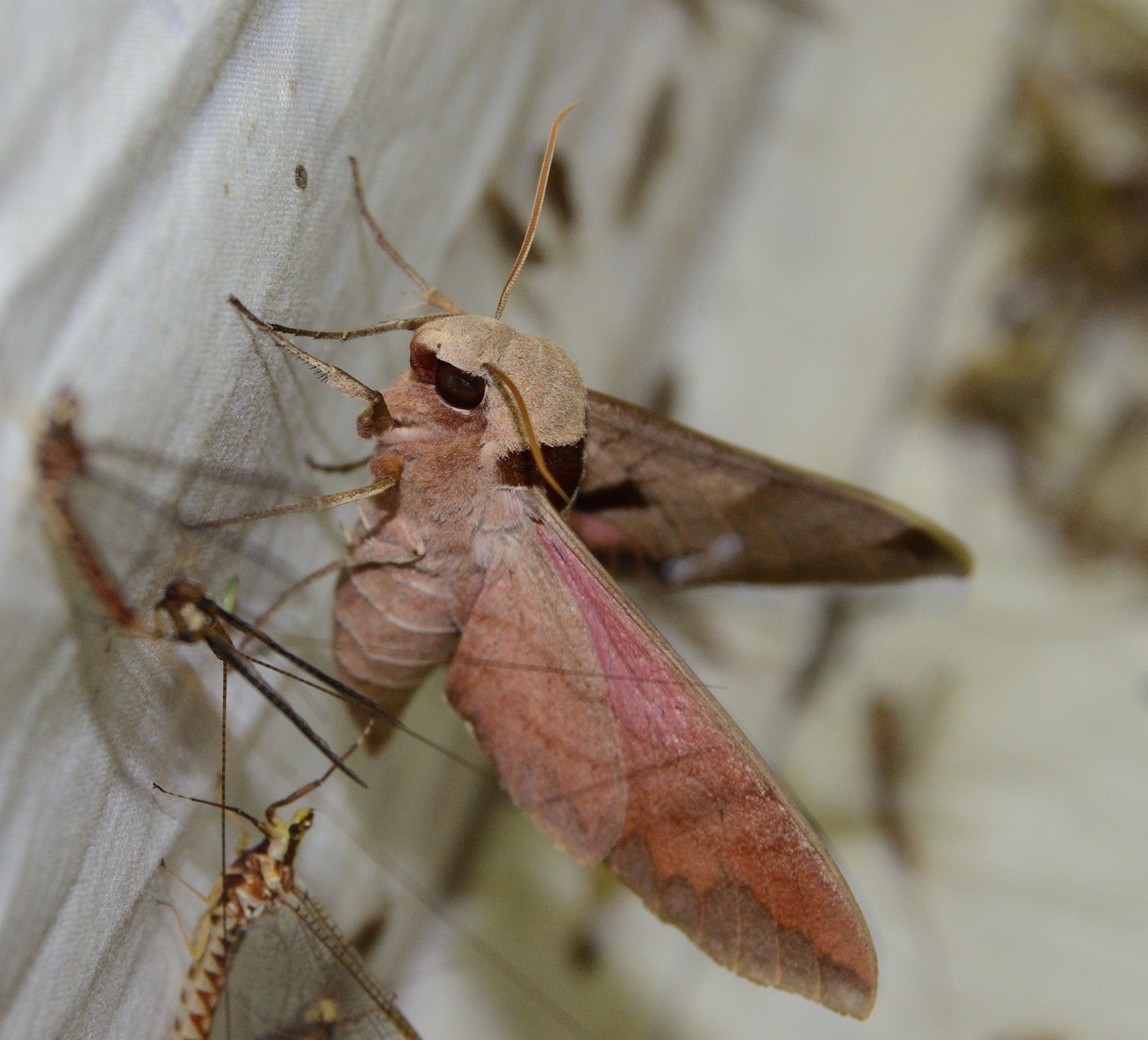
Achemon Sphinx Moth
Vineyards, woodland edges, gardens with wild grape
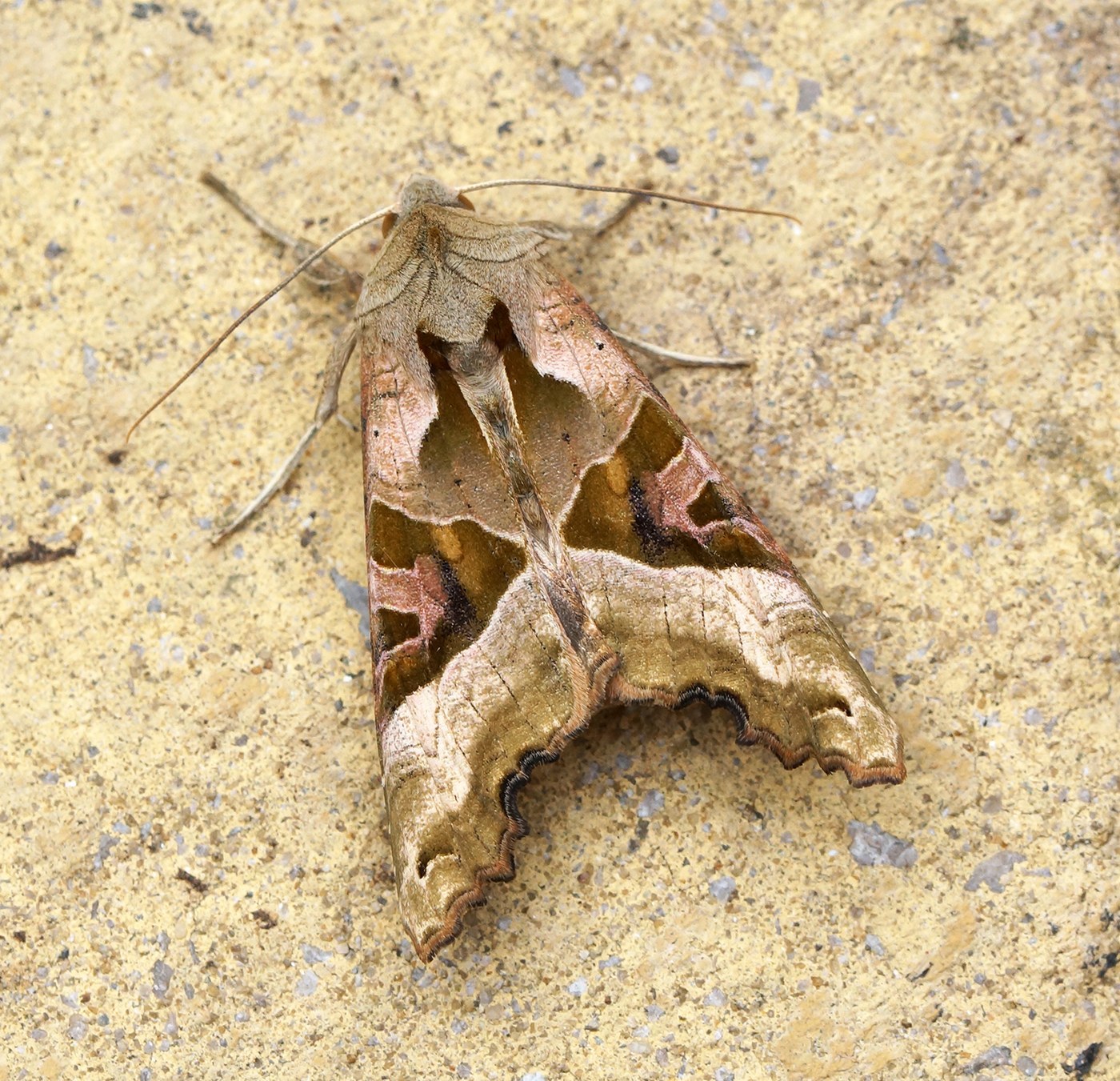
Angle Shades Moth
Gardens, hedgerows, woodland edges, urban parks
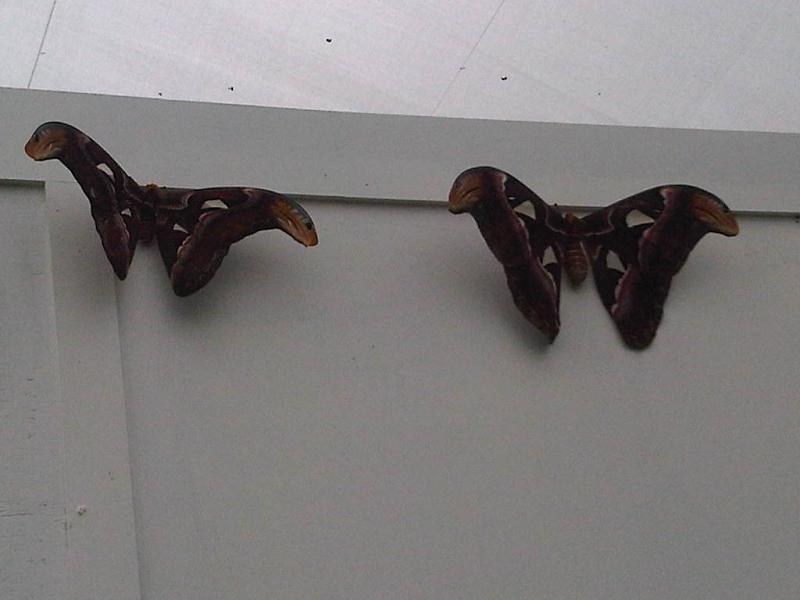
Atlas Moth
Tropical and subtropical lowland forests of Southeast Asia