
Maggot
Musca domestica
A pale, legless, tapering grub that wriggles through rotting food and organic waste, the larval stage of a fly.
- Size
- 3-12 mm long
- Habitat
- decaying organic matter, garbage, carrion, manure
- Danger
- Nuisance pest
Spotted a bug like this?
Identify any bug or insect from a photo, free.
Overview
Maggot is the common name for the legless larval stage of flies (order Diptera), most familiarly the house fly (Musca domestica) but also blow flies, flesh flies, and many other species. Rather than a single kind of animal, "maggot" describes a body plan and life-stage shared by thousands of fly species worldwide, each adapted to a particular decaying or moist food source.
Maggots are built for rapid feeding and growth rather than mobility or defense. Their smooth, cylindrical, tapered bodies lack legs, wings, or a hardened head capsule, allowing them to burrow easily through soft, decomposing material. They breathe through spiracles located at the blunt rear end of the body, which is often held near the surface of whatever substrate they are feeding in.
Ecologically, maggots are important decomposers, accelerating the breakdown of carrion, dung, and rotting plant material and recycling nutrients back into the soil. They are also a significant food source for birds, other insects, and small animals, and different fly species' maggots are used by forensic entomologists to help estimate time of decomposition.
How to Identify
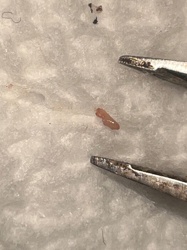
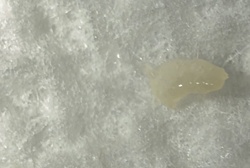
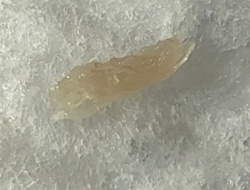
- Soft, whitish to cream-colored, legless body, narrower and pointed at the head end, blunt at the rear
- No visible head capsule; the mouth consists of small dark hooks used for feeding
- Length ranges roughly 3-12 mm depending on species and age, growing rapidly through several molts
- Moves by contracting and extending its body rather than walking
- Often found in clusters within rotting food, garbage, dung, or carrion
- Lookalikes: beetle grubs (which usually have visible legs and a distinct head capsule) and mealworms (segmented, harder-bodied, tan-colored)
Habitat & Range
Maggots occur wherever adult flies lay eggs on suitable decaying material: garbage cans, compost piles, manure, carrion, spoiled food, and damp organic debris. They are found on every continent except Antarctica and are especially abundant in warm, humid conditions that speed decomposition. Indoors, they commonly appear in trash bins or around improperly stored food; outdoors, they turn up in compost heaps, animal pens, and around dead animals.
Behavior & Diet
Maggots feed continuously, using hooked mouthparts to rasp and liquefy organic material, which they then ingest. They favor moist, warm, oxygen-poor environments and will burrow away from light and dry conditions. As decomposers, they play a key ecological role in breaking down dead organic matter, and their feeding activity helps return nutrients to the soil food web. Many species also serve as prey for birds, predatory insects, and other scavengers.
Life Cycle
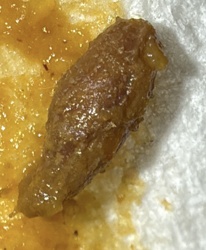
Adult female flies lay clusters of tiny white eggs directly on or near a suitable food source. Eggs hatch within a day or two into first-instar maggots, which molt through two more larval stages over roughly 4-10 days, growing quickly as they feed. When fully grown, the maggot leaves the food source, its body shortens and hardens into a brown pupal case (puparium), inside which it undergoes complete metamorphosis. After several days to two weeks, depending on temperature and species, an adult fly emerges. Many fly species can complete several generations per year in warm climates, and development slows or pauses during cold weather.
Frequently asked questions
Is a maggot a specific species?
No, "maggot" is a general term for the larval stage of many fly species, not one particular insect.
What do maggots turn into?
After pupating, maggots undergo complete metamorphosis and emerge as adult flies.
How can I tell a maggot from a mealworm?
Maggots are soft, legless, and pointed at one end, while mealworms have a segmented, harder tan body with tiny legs near the head.
Why do maggots appear so quickly on food waste?
Adult flies are strongly attracted to the odors of decaying organic matter and can lay eggs within minutes of locating it.
Maggot guides
In-depth guides for identifying, understanding, and living alongside Maggot.
Maggot identified by the community
Real finds identified with Bug Identifier.
Other bugs you may enjoy
Bagworm
Trees and shrubs, especially conifers and ornamental landscaping
Armyworm
grasslands, pastures, and cereal crop fields
Zebra Longwing Caterpillar
Tropical and subtropical hammocks with passionflower vines
Tomato Hornworm
Gardens and fields with tomato, pepper, and other nightshade plants
Tent Caterpillar
Deciduous trees such as cherry, apple, and other rosaceous species
Tobacco Hornworm
tobacco, tomato, and pepper plants in gardens and fields
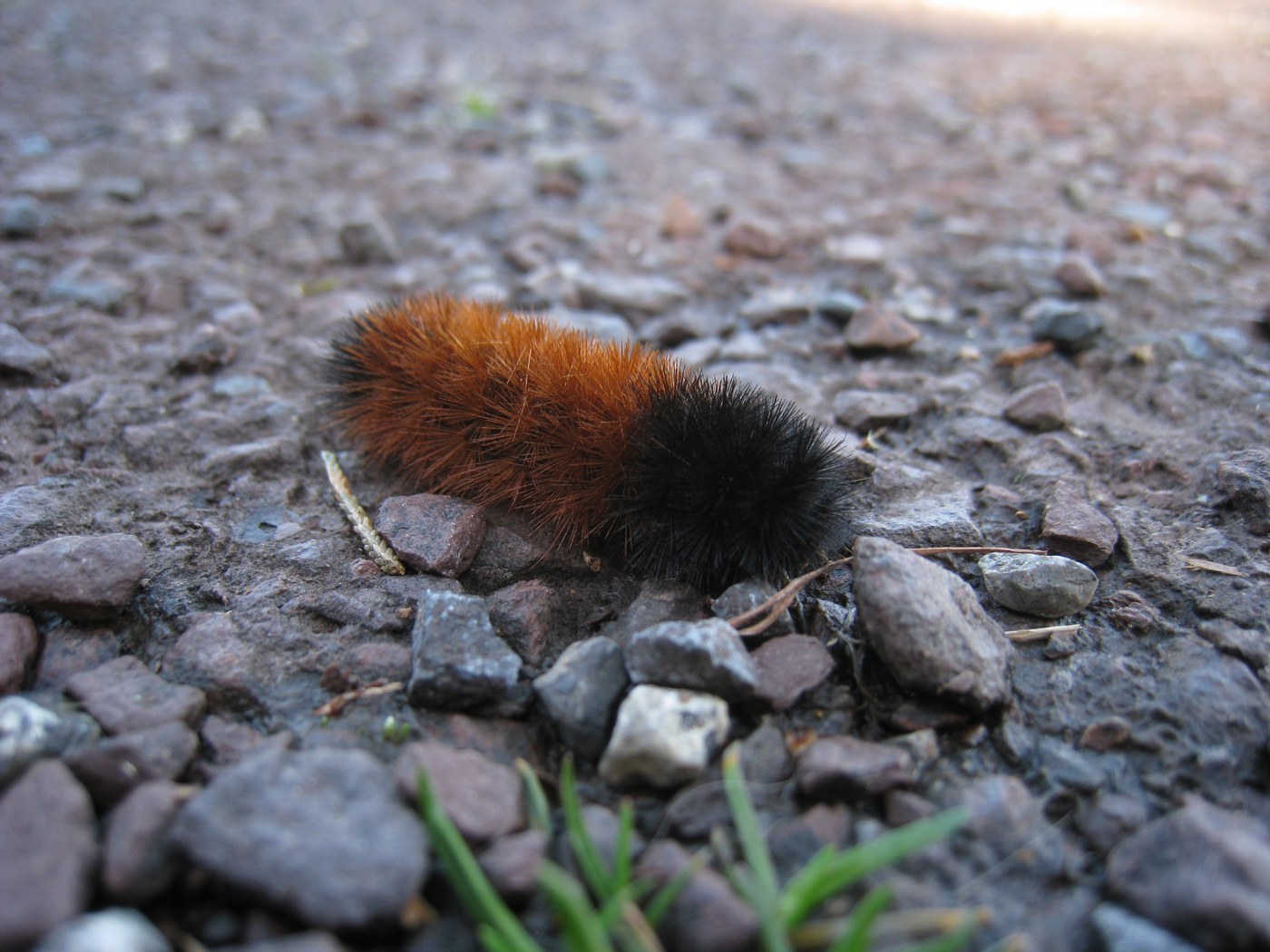
Woolly Bear Caterpillar
Gardens, meadows, roadsides, and woodland edges across North America
Sod Webworm
Turfgrass lawns, golf courses, pastures
Spiny Oak-slug Caterpillar
Deciduous forests and woodland edges with oak and other hardwoods
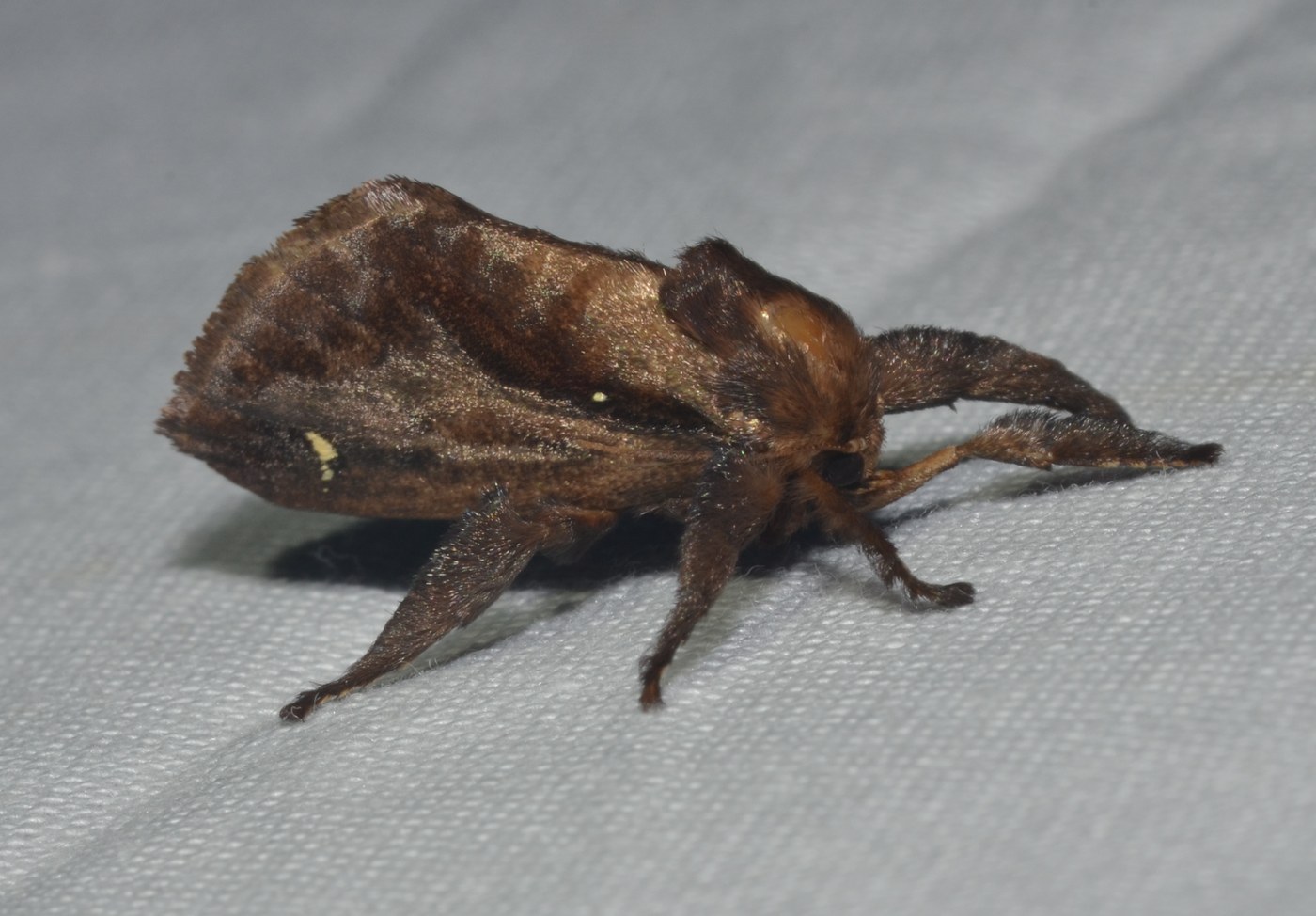
Saddleback Caterpillar
Deciduous trees and shrubs in eastern and southern North America
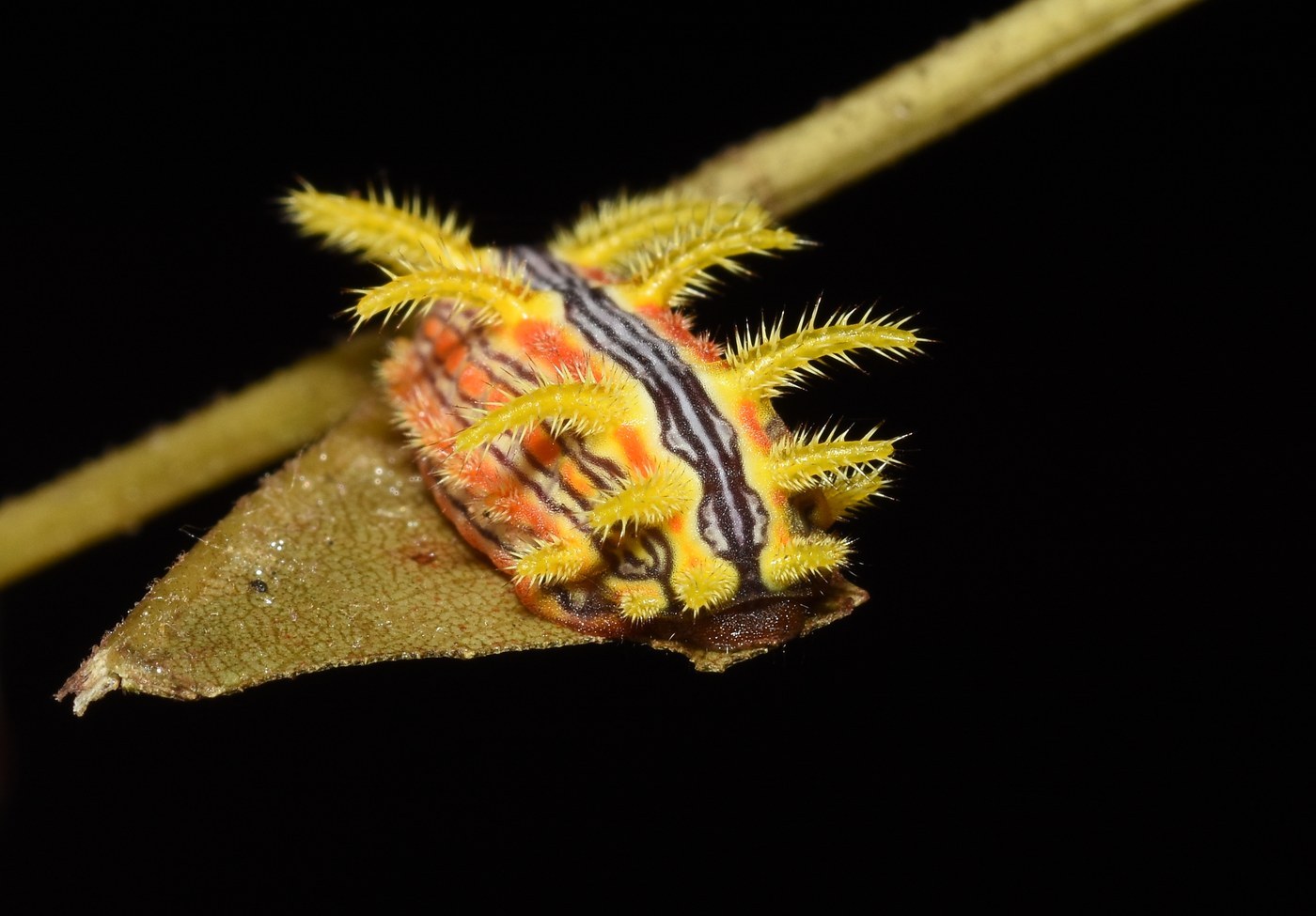
Stinging Rose Caterpillar
Gardens and woodlands with rose, dogwood, or oak
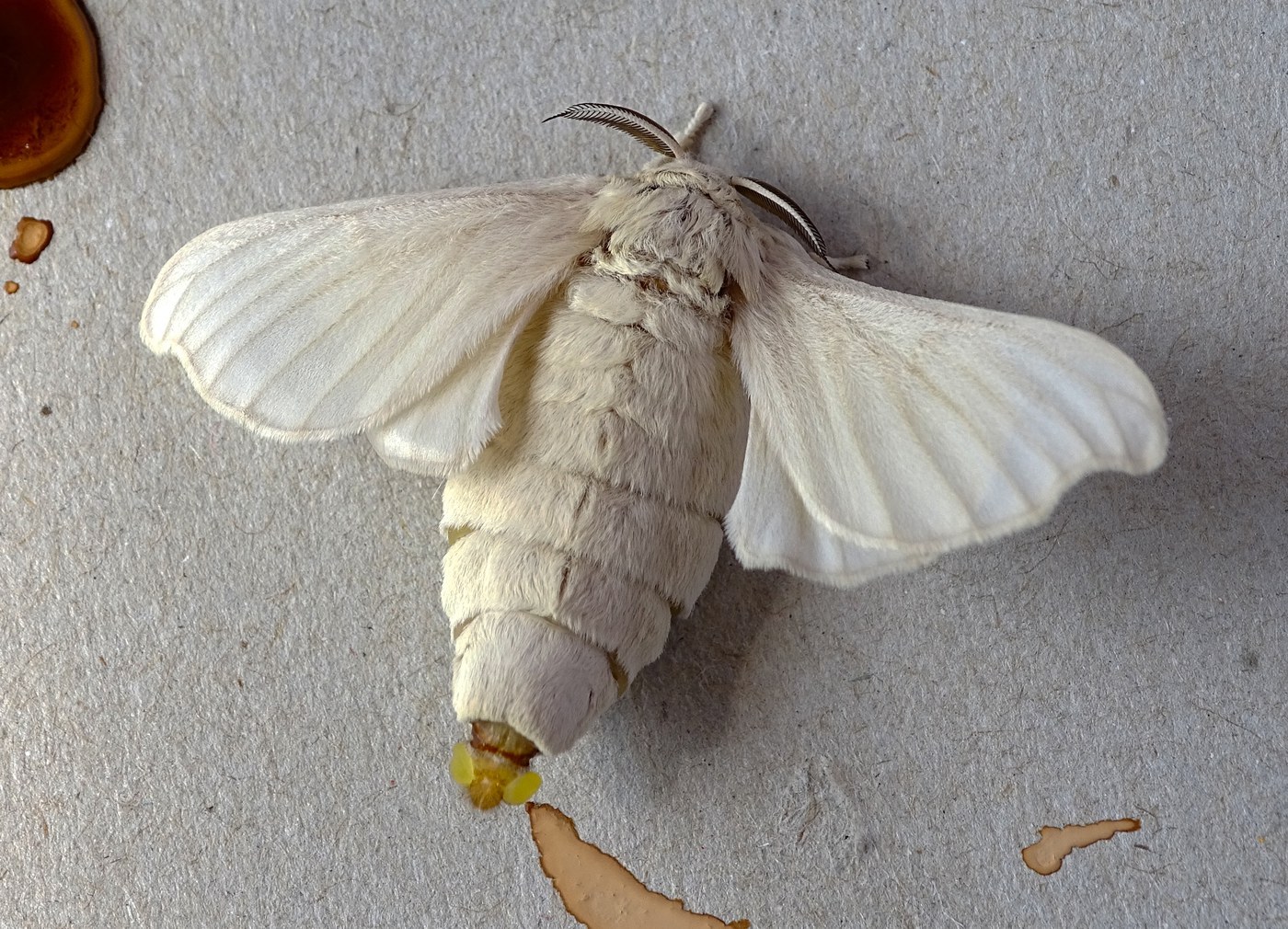
Silkworm
Reared exclusively in captivity on mulberry leaves; no independent wild population