
Mantidfly
Mantispa spp.
A master of mimicry that pairs a praying mantis's raptorial front legs with the delicate, lacy wings of a true net-winged insect.
- Size
- Body length about 1.5–2.5 cm (0.6–1 in)
- Habitat
- Gardens, meadows, and woodland edges with flowering vegetation
- Danger
- Harmless
Spotted a bug like this?
Identify any bug or insect from a photo, free.
Overview
Mantidflies belong to the family Mantispidae within the order Neuroptera, the same broad group as lacewings and antlions, despite their uncanny resemblance to praying mantises. The similarity is a striking example of convergent evolution: unrelated insects independently evolved the same raptorial front-leg design for grabbing prey.
What sets mantidflies apart from true mantises is easy to spot once you know what to look for: mantidflies have two pairs of membranous, net-veined wings folded flat or tent-like over the body, versus the leathery forewings of mantises, and they are generally much smaller.
Perhaps the most remarkable aspect of mantidfly biology is the larval stage in many species, which begins as a tiny, mobile hunter that seeks out spider egg sacs, burrows in, and develops by consuming the spider eggs within, a highly specialized parasitic strategy unlike anything seen in true mantises.
How to Identify
- Raptorial front legs held folded in a mantis-like praying posture, used to grab small prey
- Two pairs of clear, net-veined, membranous wings, usually held roof-like over the body at rest
- Elongated, mobile neck-like prothorax similar to a mantis, but body overall smaller and more delicate
- Compound eyes proportionally large; antennae relatively short and thread-like (unlike a mantis's)
- Coloration ranges from pale green or yellow to brown, often mimicking wasps in some species
- Lookalikes: true praying mantises (larger, leathery forewings, no true metamorphosis) and some wasps (mimicked by certain mantidfly species)
Habitat & Range
Mantidflies are found on most continents in warm temperate to tropical regions, typically in gardens, meadows, shrubby areas, and woodland edges with abundant flowers and small insect prey. They are most often noticed visiting flowers or resting on foliage in summer. Larvae of species that parasitize spiders begin their search near ground level or on vegetation where spider egg sacs are likely to be found.
Behavior & Diet
Adult mantidflies are ambush predators that use their raptorial front legs to snatch small insects such as flies, aphids, and other soft-bodied prey, much as a mantis would, though on a smaller scale. Some species are also attracted to flowers, where they hunt visiting insects. Larvae of many species have an unusual life history, actively searching out spider egg sacs to enter and feed on the eggs within, a specialized predatory-parasitic role that ties mantidflies closely into spider population dynamics within their ecosystems.
Life Cycle
Females lay large numbers of tiny stalked eggs on leaves or bark. In species that parasitize spiders, the newly hatched larva is a highly mobile, long-legged form that seeks out a spider or its egg sac; once inside an egg sac, it transforms into a grub-like form and feeds on the eggs before pupating within the sac. Other mantidfly species develop more like typical predatory neuropteran larvae, hunting small insects directly. After pupation, adults emerge to mate and continue the cycle, generally producing one generation per year in temperate regions.
Frequently asked questions
Is a mantidfly a type of praying mantis?
No, it is an unrelated insect in the order Neuroptera that has independently evolved mantis-like grasping front legs.
How do I tell a mantidfly from a true mantis?
Mantidflies have two pairs of clear, net-veined membranous wings and are much smaller than true mantises, which have leathery forewings.
What do mantidfly larvae eat?
In many species the larva seeks out a spider egg sac and develops by consuming the spider eggs inside it.
Do mantidflies sting or bite?
They are not known to sting; their raptorial front legs grasp tiny insect prey and their mouthparts are small.
Mantidfly guides
In-depth guides for identifying, understanding, and living alongside Mantidfly.
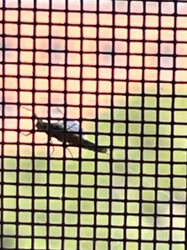
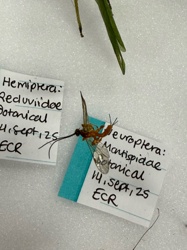
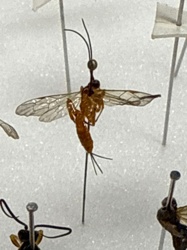
Mantidfly identified by the community
Real finds identified with Bug Identifier.
Other bugs you may enjoy
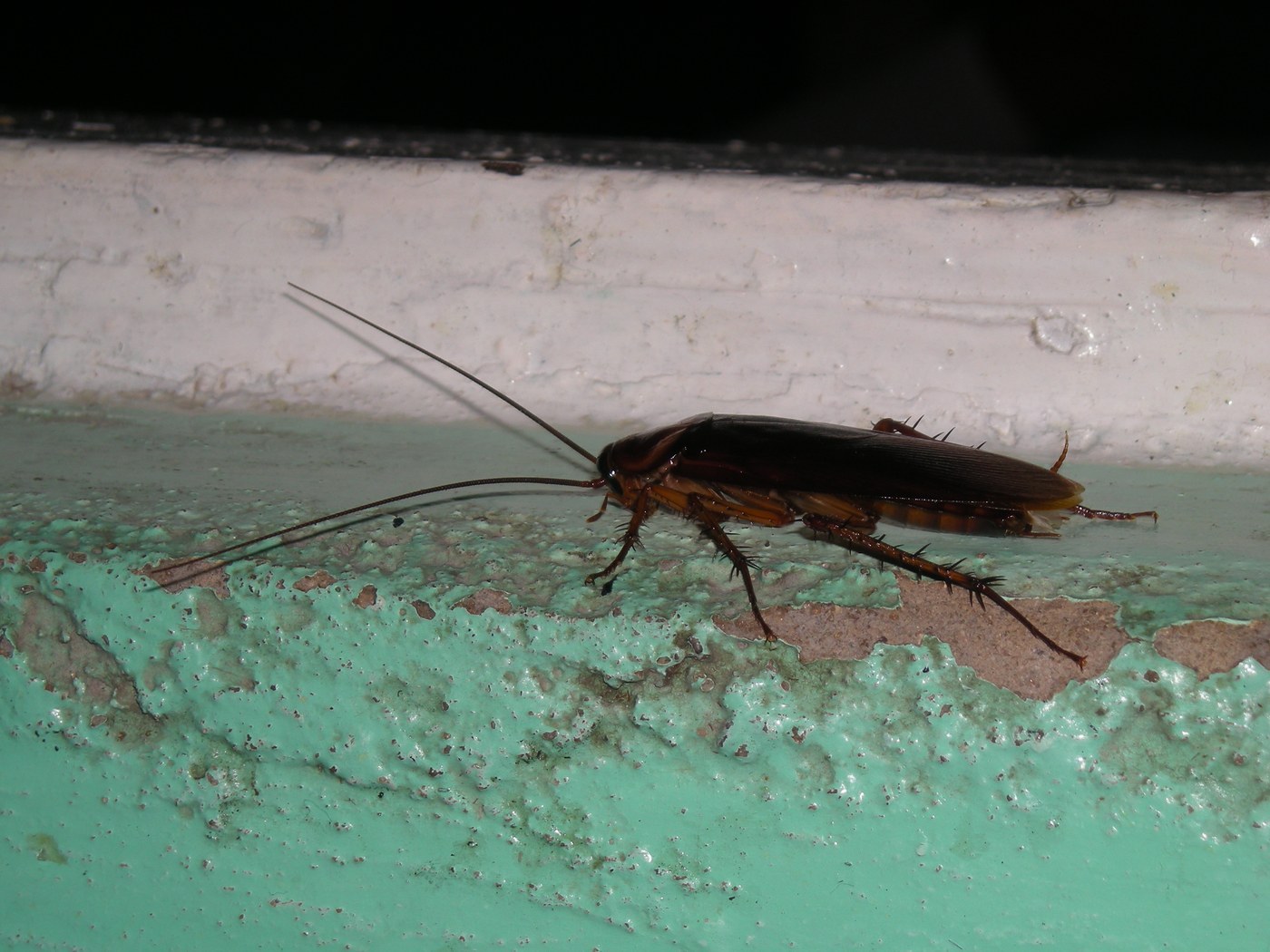
American Cockroach
Warm, humid environments such as basements, sewers, drains, and tropical outdoor settings
Thrips
Flowers, foliage, gardens, greenhouses, crop fields
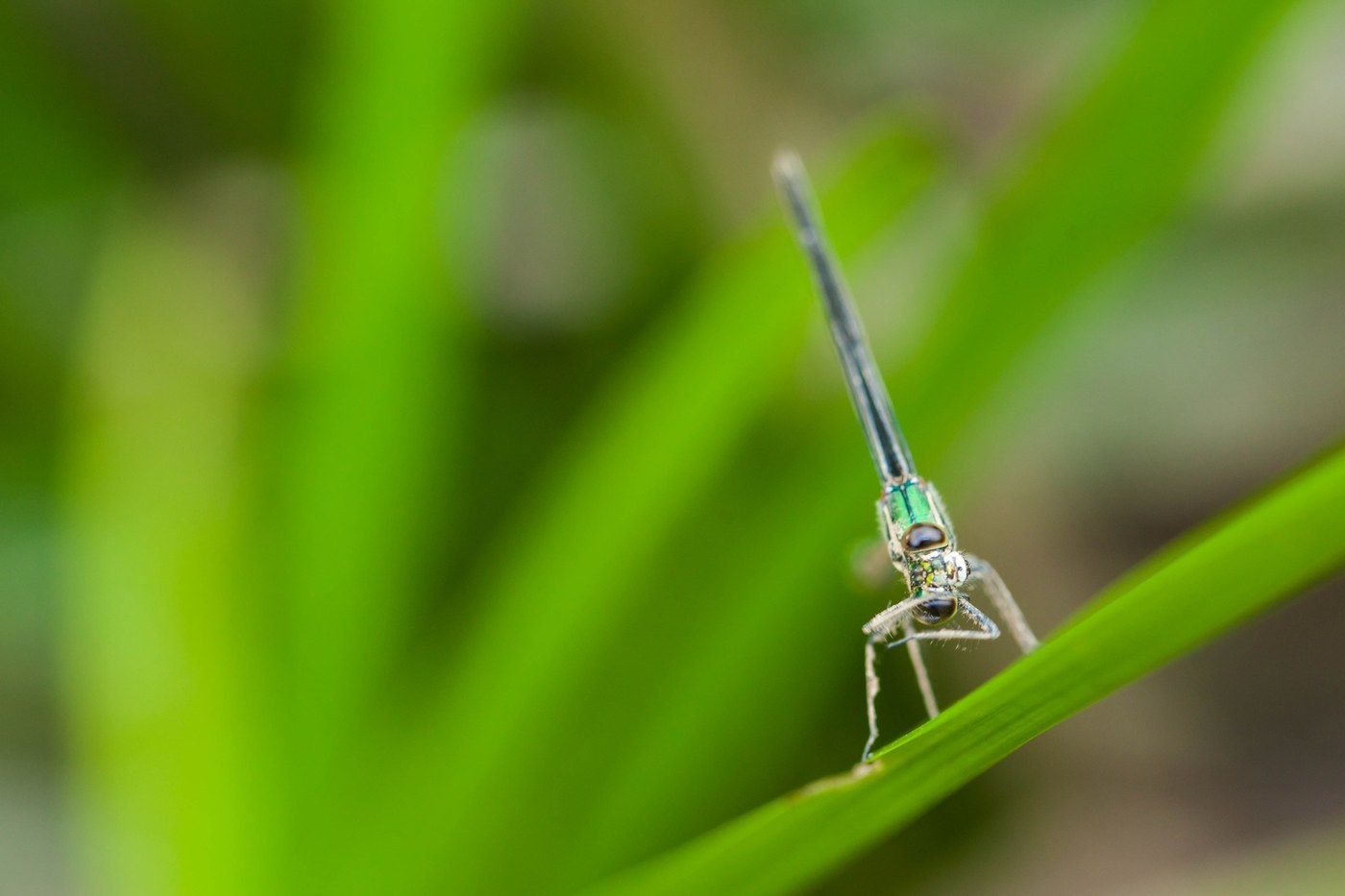
American Rubyspot
Sunny rivers and streams with moderate current
Springtail
Moist soil, leaf litter, decaying organic matter, and damp indoor areas
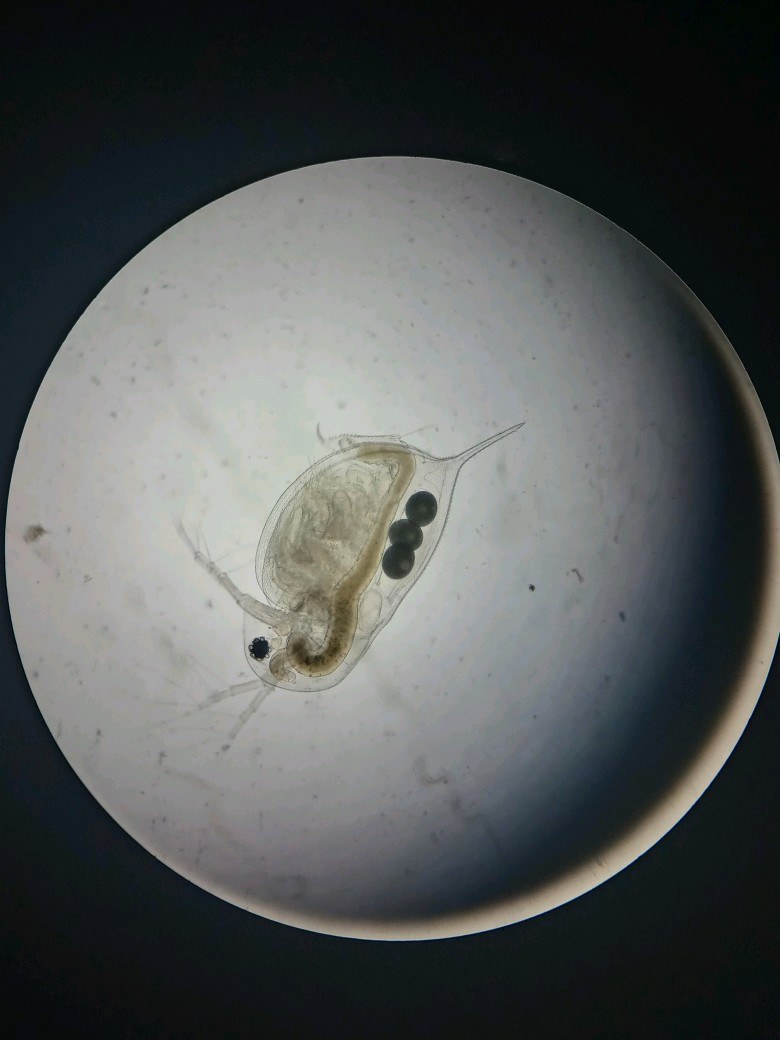
Water Flea
Ponds, lakes, and slow streams as free-floating plankton
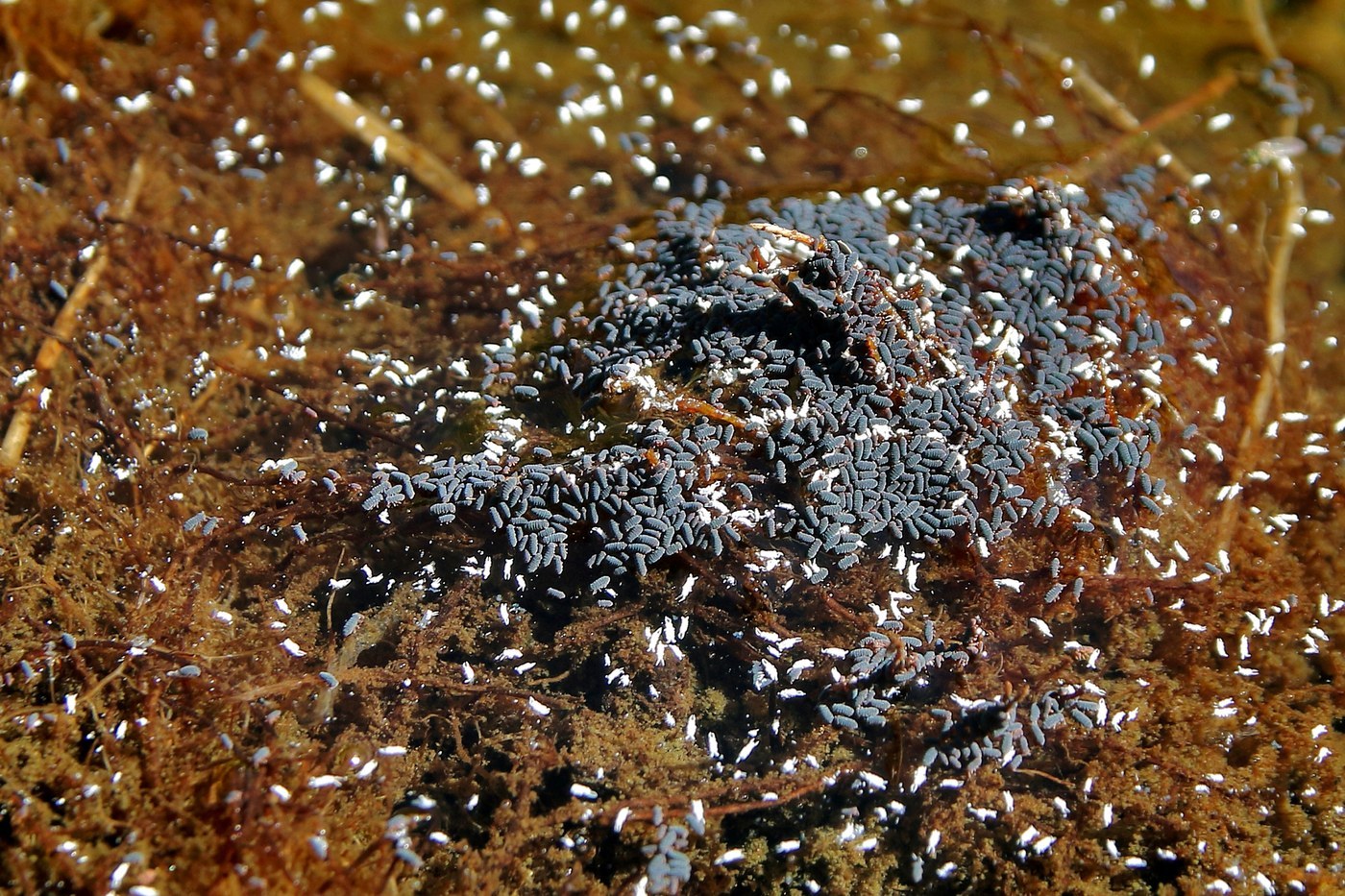
Water Springtail
Surface film of ponds, puddles, and slow ditches
Slug
Gardens, damp soil, leaf litter, greenhouses
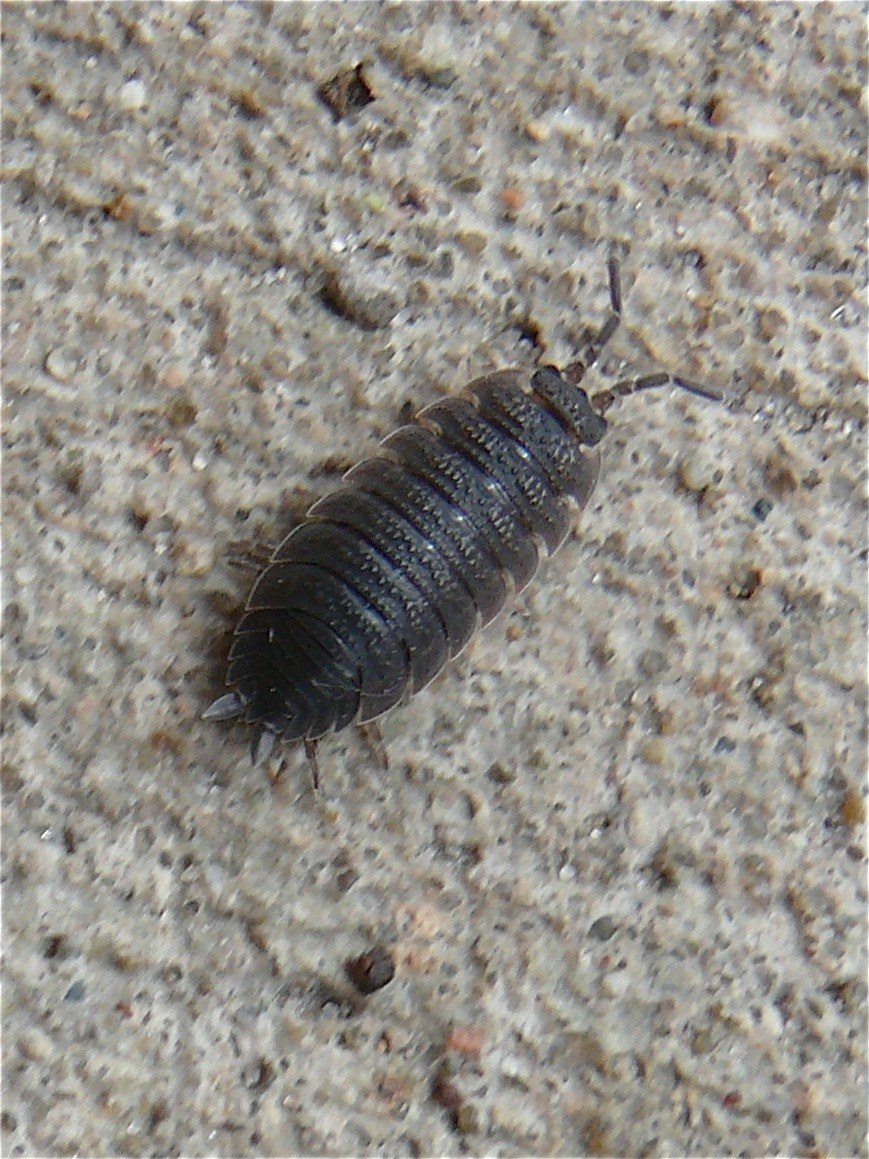
Sowbug
Leaf litter, under rocks/logs, damp garden soil, basements
Pill Bug
Damp soil, leaf litter, under rocks and logs, garden beds
Termite
Soil, decaying wood, tree stumps, and wooden structures
Termite Swarmer
Emerges from underground or wood-nesting colonies, often near structures and moist soil
Silverfish
Damp basements, bathrooms, closets, and dark indoor crevices