
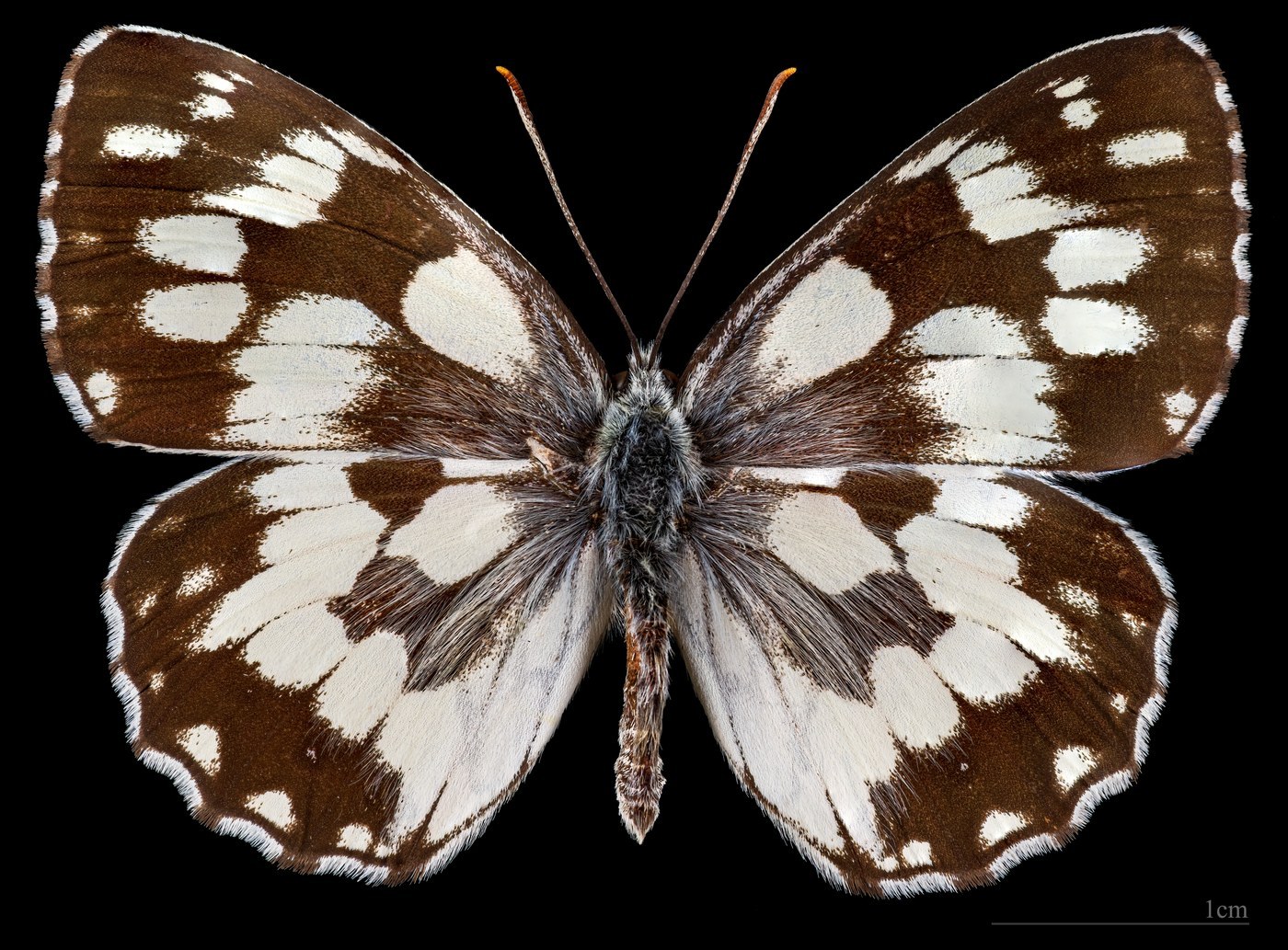
Marbled White
Melanargia galathea
A striking checkerboard butterfly with bold black-and-white wing patterning, despite its name it belongs to the brown butterfly family rather than the whites.
- Size
- 1.7–2.2 in wingspan
- Habitat
- Unimproved grassland, chalk downland, meadows, roadside verges
- Danger
- Harmless
Spotted a bug like this?
Identify any bug or insect from a photo, free.
Overview
The Marbled White is a distinctive grassland butterfly in the family Nymphalidae, subfamily Satyrinae (the browns), found across much of Europe including Britain, and eastward into temperate Asia. Despite its checkered black-and-white appearance recalling the Pieridae whites, its wing venation and life history place it firmly among the satyrid browns.
The species is a strong indicator of species-rich, unimproved grassland, particularly chalk and limestone downland, where its grass-feeding caterpillars and nectar-rich adult habitat both depend on traditional, low-intensity grazing or hay-cutting regimes.
Marbled Whites fly in a single generation each summer, often in large numbers on suitable grassland sites, where their bold pattern makes them one of the most conspicuous butterflies of the mid-summer meadow.
How to Identify
- Wings are strikingly checkered in black and white (or cream) across both fore- and hindwings, giving a marbled or chessboard appearance.
- Underside hindwings show a paler, more subdued cream-and-grey marbled pattern with small eyespots near the margin.
- Body is stocky and dark, typical of satyrid browns, in contrast to the slender body of true white (Pieridae) butterflies.
- Flight is somewhat slow and floppy, gliding between grass stems and thistle heads.
- No orange or yellow coloring is present, distinguishing it from most other checkered European butterflies.
Habitat & Range
The Marbled White is found throughout much of central and southern Europe, extending north into England and Wales, and east into parts of temperate Asia. It favors unimproved, flower-rich grassland, chalk and limestone downland, meadows, and roadside verges with abundant coarse grasses.
Adults are on the wing chiefly in mid-summer, typically from June to August, and are strongly associated with sites that retain tall, tussocky grasses used by the caterpillars.
Behavior & Diet
Adults feed avidly on nectar, showing a strong preference for purple flowers such as knapweed, thistles, and scabious. Their flight is leisurely and gliding compared to many other grassland butterflies, often pausing for extended nectaring bouts.
Caterpillars feed on a range of coarse grasses including red fescue and cock's-foot, grazing mainly at night and resting low in the grass tussock during the day, making them cryptic and rarely observed.
Life Cycle
Females scatter eggs in flight by dropping them loosely into grass rather than attaching them to a specific blade, an unusual laying strategy among butterflies. Caterpillars hatch in late summer but do not feed before entering an unusual larval diapause, overwintering as tiny, unfed caterpillars hidden low in grass tussocks.
Feeding resumes the following spring, and after several molts the caterpillar pupates on or near the ground in a loosely spun cocoon among grass stems. The species is univoltine, with a single generation of adults flying each summer.
Frequently asked questions
Is the Marbled White a true 'white' butterfly?
No, despite its name and coloring it belongs to the brown butterfly subfamily (Satyrinae), not the Pieridae whites.
Where is the best place to see Marbled Whites?
Unimproved chalk or limestone grassland with abundant wildflowers and coarse grasses is the classic habitat.
How does the caterpillar survive winter?
It hatches in late summer without feeding and overwinters as a tiny larva hidden in grass, resuming growth the following spring.
What flowers do adult Marbled Whites prefer?
They show a strong preference for purple blooms such as knapweed, thistles, and field scabious.
Marbled White guides
In-depth guides for identifying, understanding, and living alongside Marbled White.
Other bugs you may enjoy
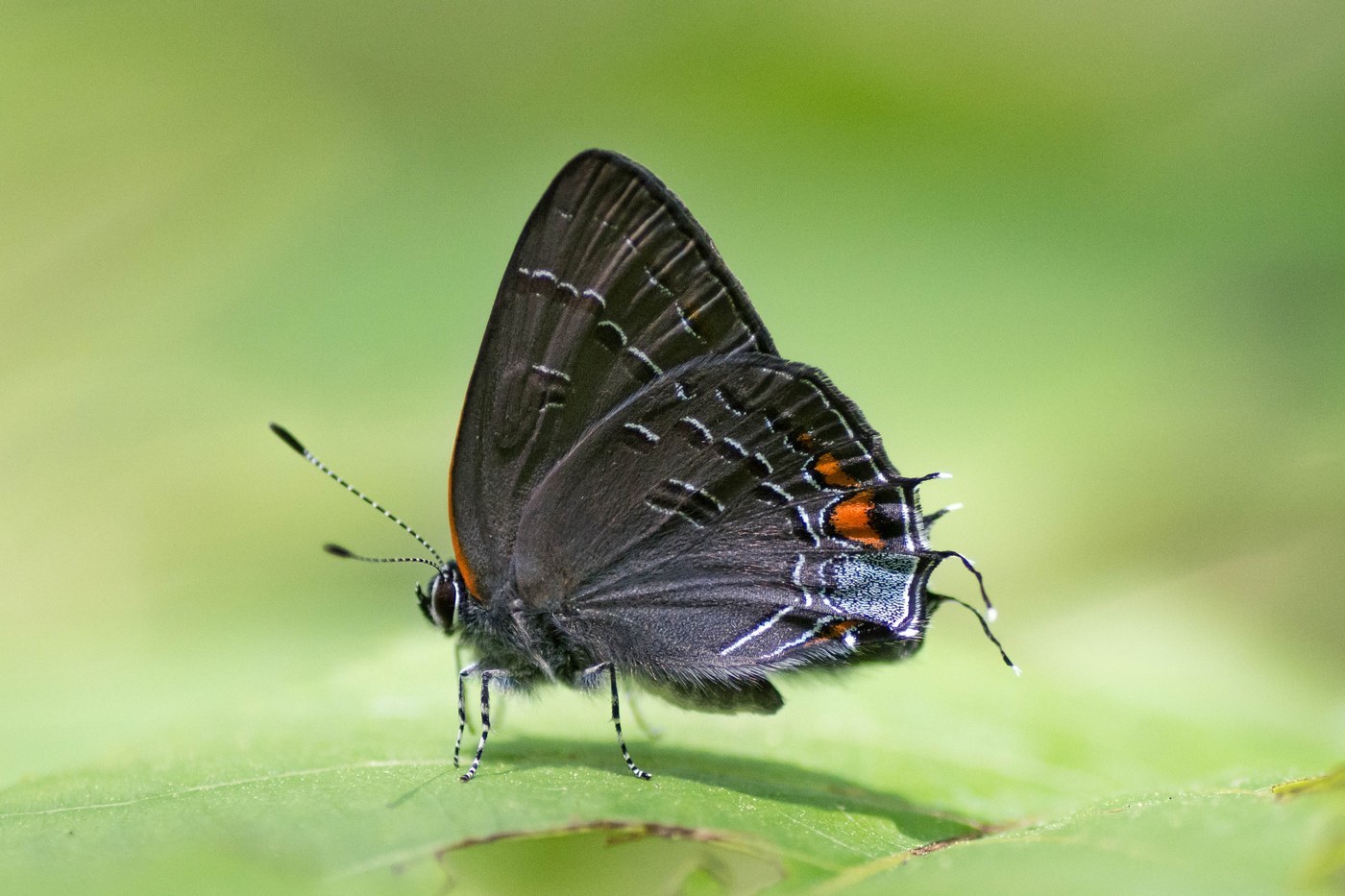
Banded Hairstreak
Deciduous woodlands and edges with oaks and hickories
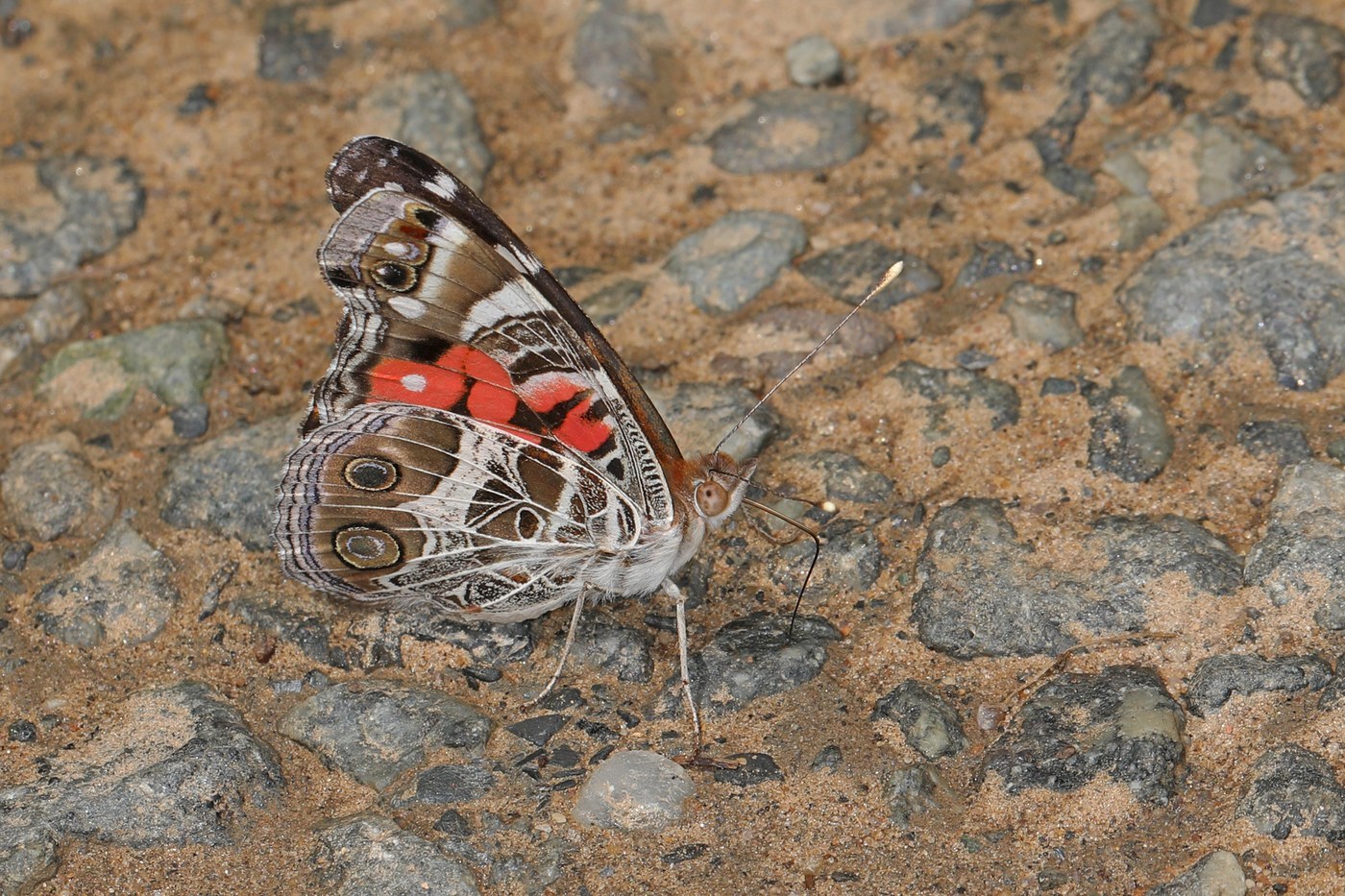
American Lady
Open fields, meadows, gardens, roadsides
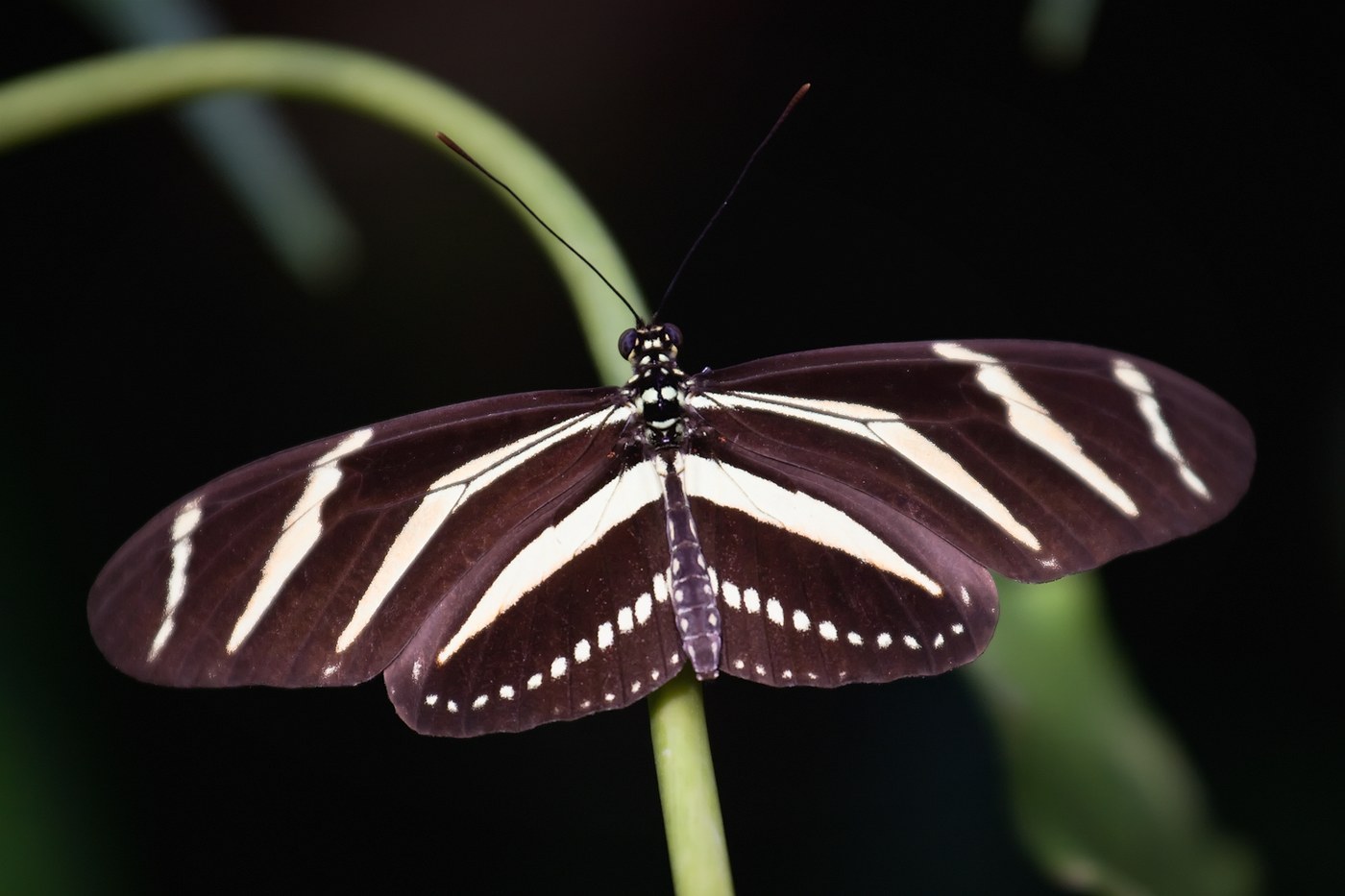
Zebra Longwing
Tropical hammocks, gardens, forest edges
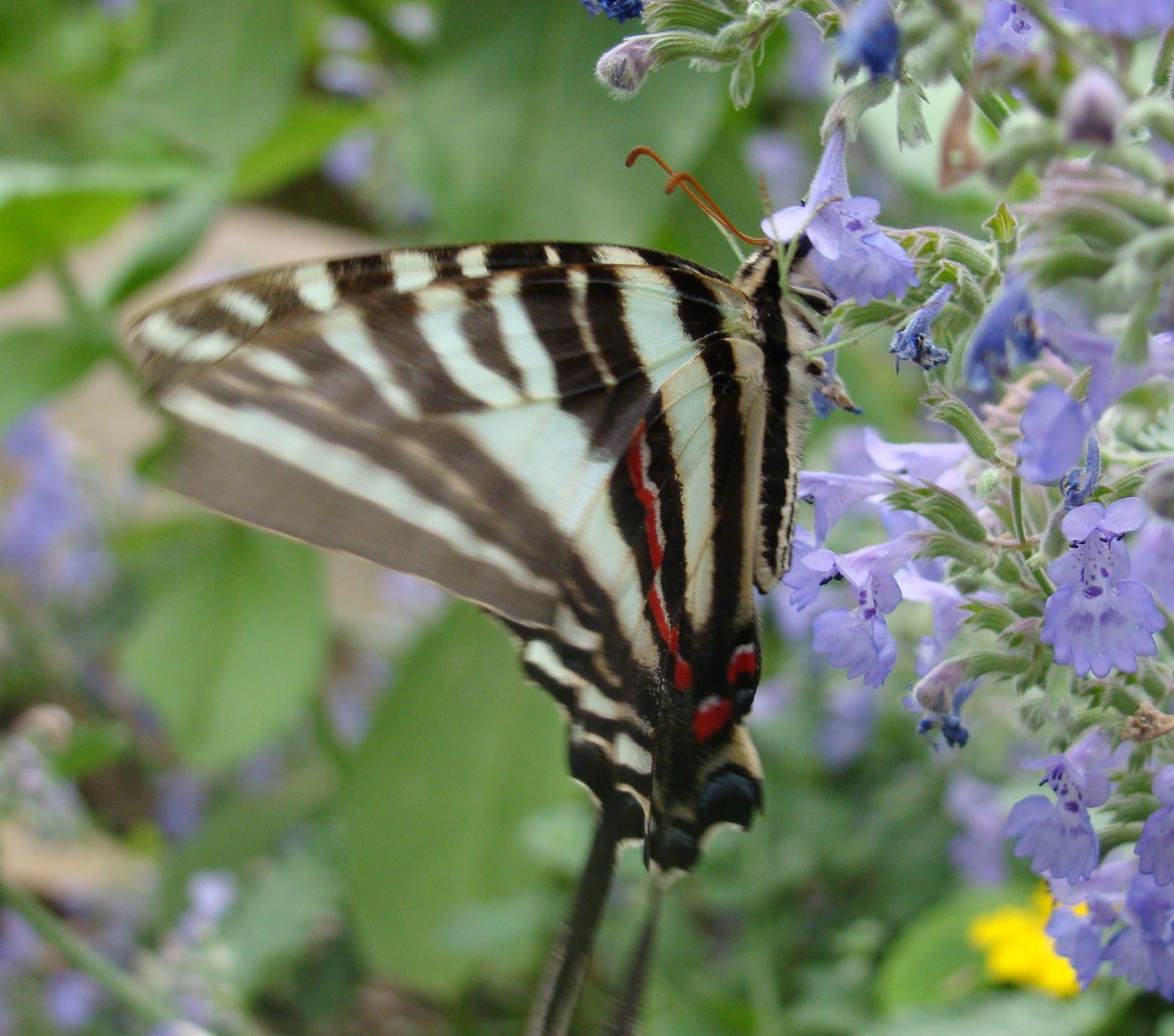
Zebra Swallowtail
Woodlands, floodplains, forest edges near pawpaw
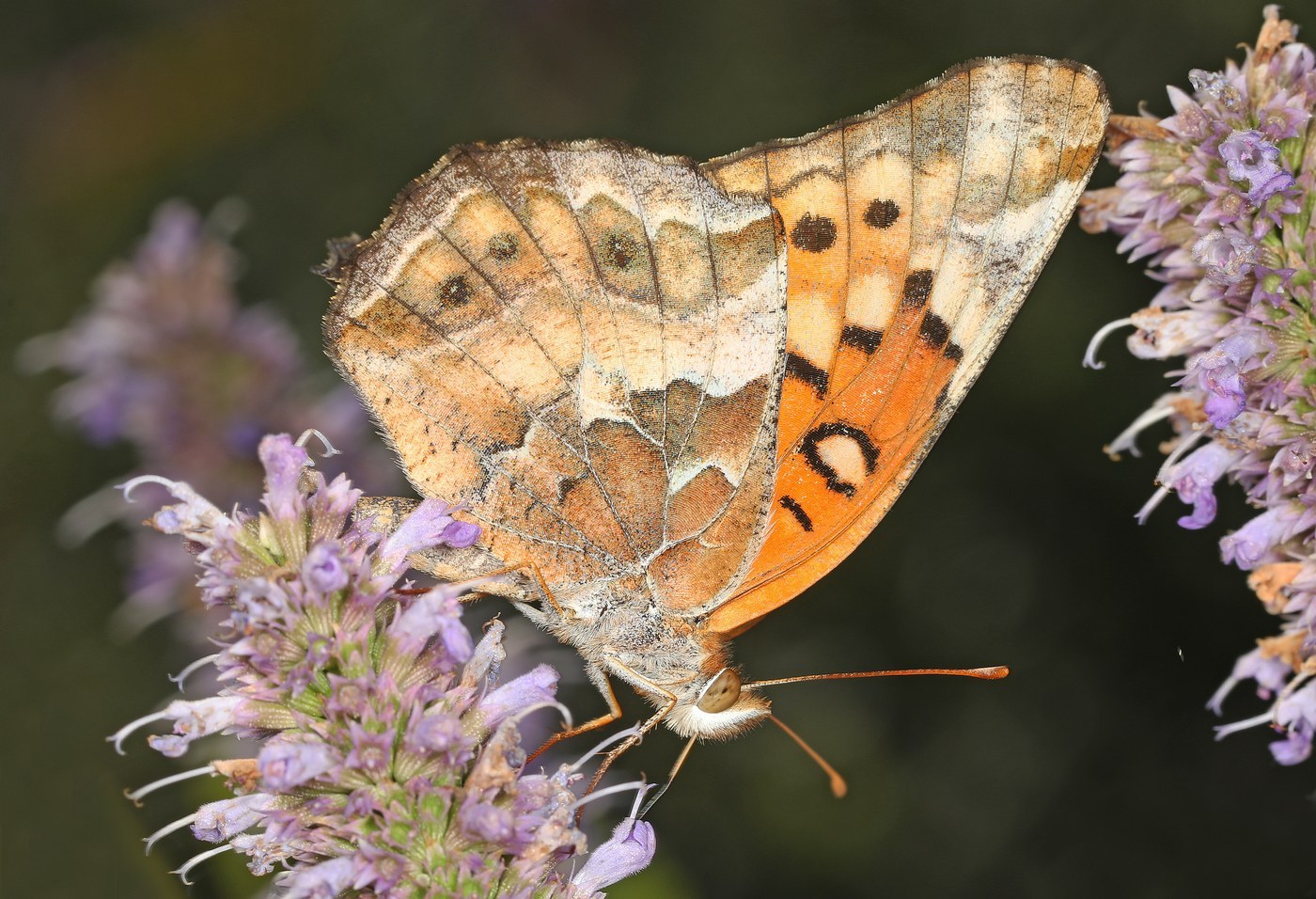
Variegated Fritillary
Open fields, prairies, roadsides, and disturbed ground across most of the United States
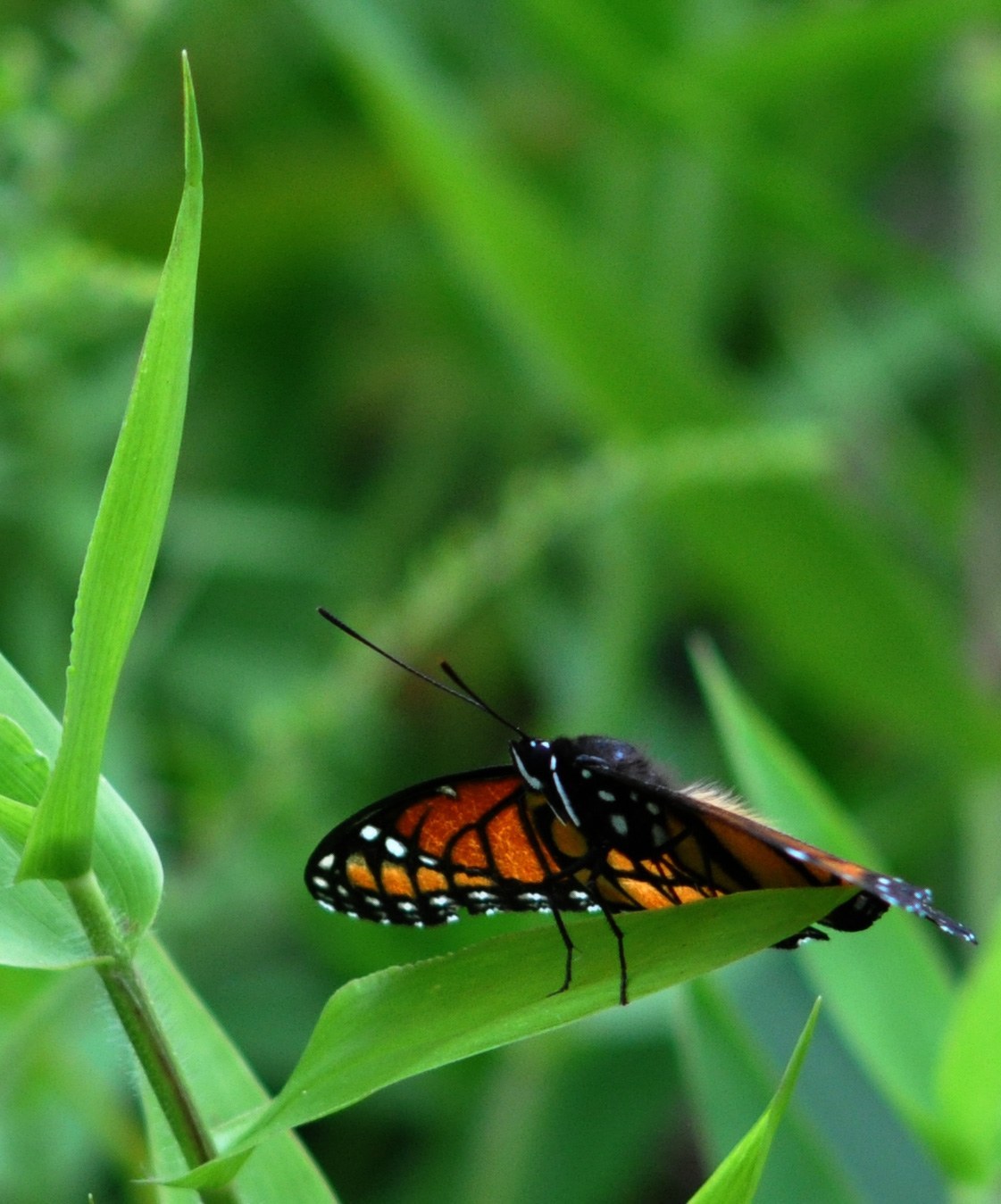
Viceroy Butterfly
Wetlands, meadows, riverbanks, willow thickets (North America)
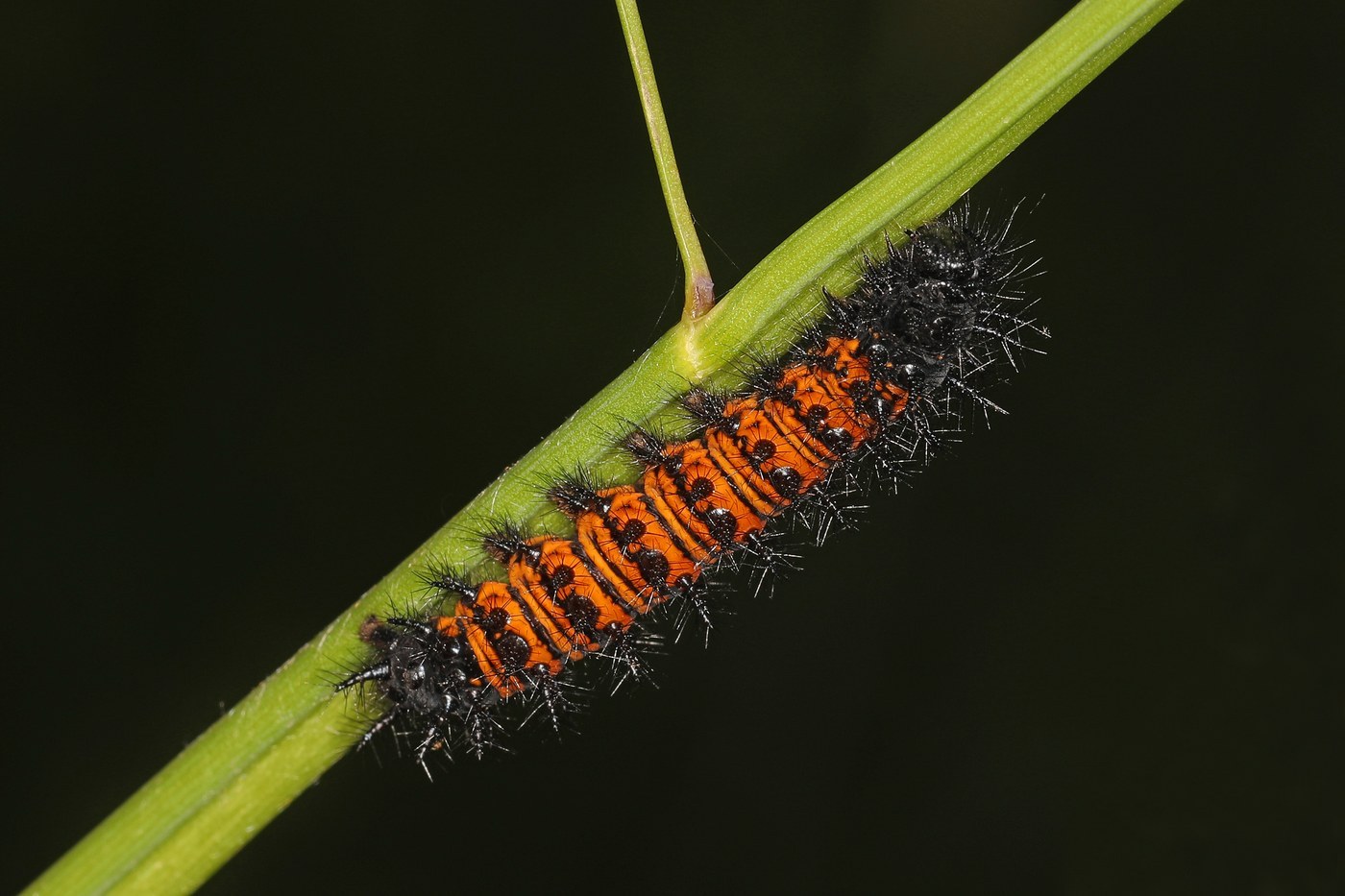
Baltimore Checkerspot
Wet meadows, bogs, and marshy fields in the northeastern and Appalachian US
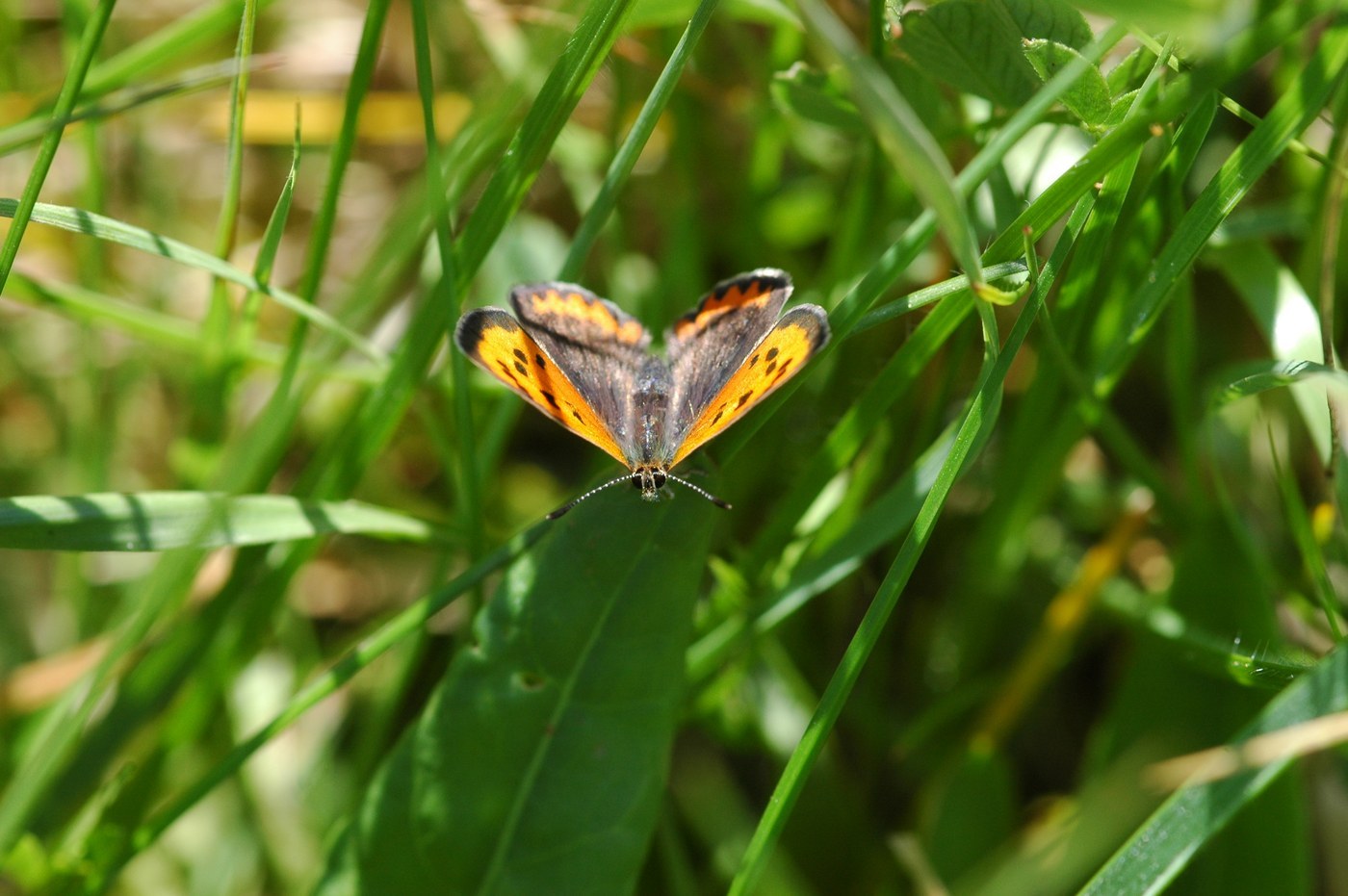
American Copper
Old fields, roadsides, and disturbed open ground with sorrel or dock
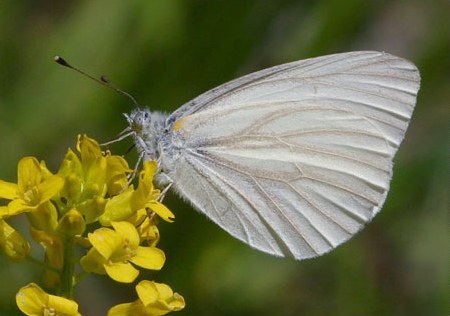
West Virginia White
Rich deciduous forest floors, especially near seeps and streams
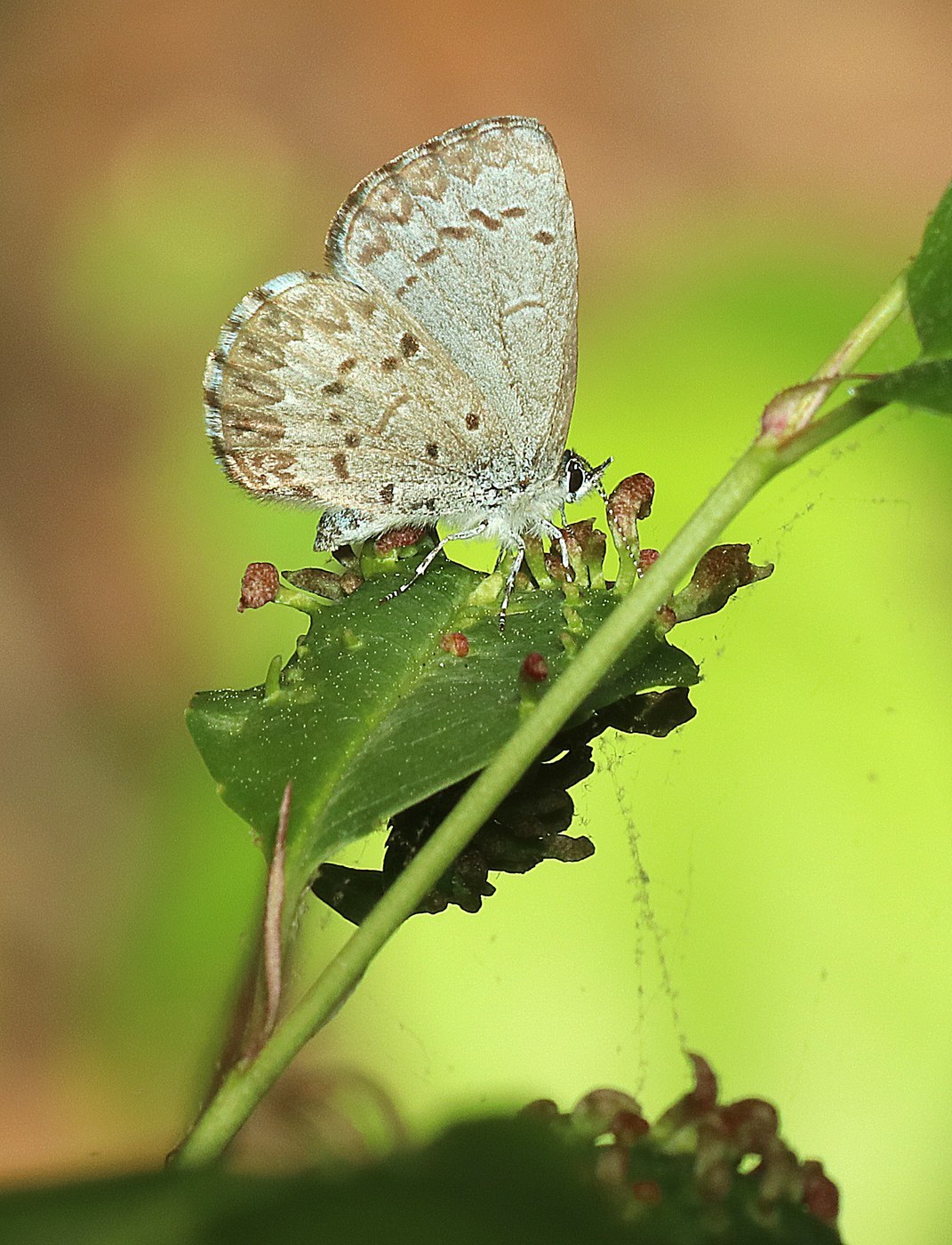
Spring Azure
Woodland edges, gardens, shrubby clearings
Red Admiral
Gardens, woodland edges, parks, meadows
Sleepy Orange
Open woodland, fields, roadsides, and disturbed ground