
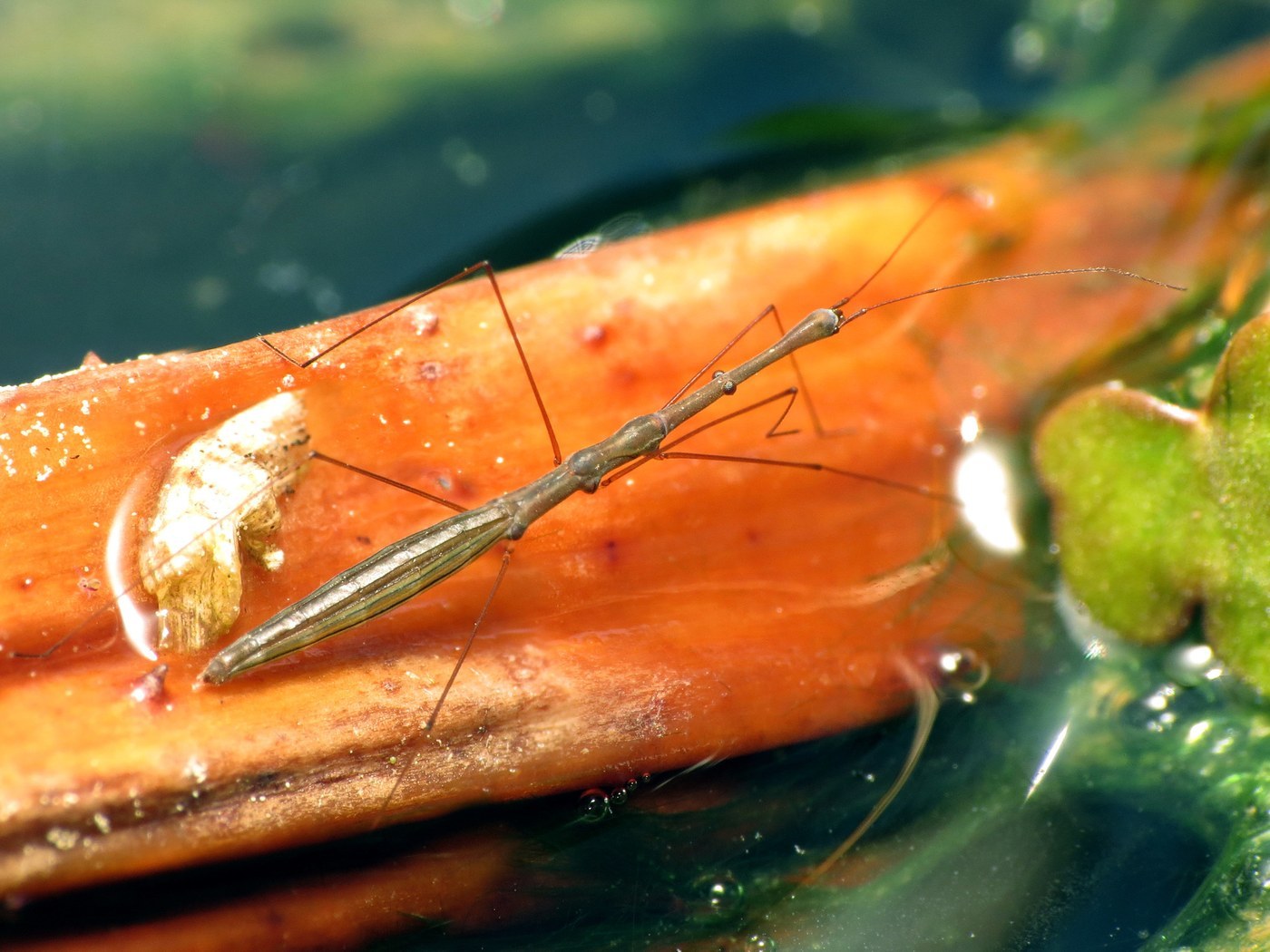
Marsh Treader
Hydrometra martini
An extremely slender, thread-like true bug that walks slowly and deliberately across the water's surface on stilt-like legs, resembling a tiny floating twig as it hunts among marsh vegetation.
- Size
- 8–12 mm, very slender
- Habitat
- Marsh edges, pond margins, and slow streams with emergent vegetation
- Danger
- Harmless
Spotted a bug like this?
Identify any bug or insect from a photo, free.
Overview
The marsh treader, also called the water measurer, is a member of the family Hydrometridae, order Hemiptera, a group of semiaquatic true bugs specialized for a slow, deliberate lifestyle on the surface film of calm freshwater habitats. The genus Hydrometra is found on nearly every continent, with Hydrometra martini being a widely distributed representative species in North America.
Marsh treaders are immediately recognizable by their extraordinarily elongated, narrow body and head, giving them a stick-like or thread-like appearance quite unlike the more robust water striders they are sometimes confused with. Rather than skating quickly across the water, they move with slow, careful, measuring steps, which is the origin of the alternate common name water measurer.
As specialized surface predators of the shallow marsh and pond-edge zone, marsh treaders occupy a distinct ecological niche among aquatic true bugs, relying on stealth and precision rather than speed to capture prey along quiet, vegetated shorelines.
How to Identify
- Extremely slender, elongated body with a notably long, narrow head almost as long as the thorax.
- Thin, stilt-like legs held wide for balance while walking on the water's surface film.
- Dull brown to gray coloration that blends in with plant stems and floating debris.
- Long, thread-like antennae positioned at the tip of the elongated head.
- Distinguished from water striders by its far more slender, stick-like body and head, and by its slow, deliberate walking gait rather than rapid skating movement.
Habitat & Range
Found across North America and related species occur on most continents, in calm, shallow freshwater habitats including marshes, pond and lake edges, slow streams, and ditches with abundant emergent or floating vegetation.
Active from spring through fall in temperate regions, marsh treaders are typically found walking slowly along the water's edge or across quiet surface areas close to shoreline plants, avoiding open, wave-disturbed water.
Behavior & Diet
Marsh treaders are slow-moving surface predators, walking deliberately across the water film or along shoreline vegetation to detect the vibrations of small prey such as mosquito larvae, tiny crustaceans, and other minute invertebrates near the surface. Their careful, measuring gait allows them to approach prey without creating disturbances that would alert it.
They use their piercing mouthparts to feed on captured prey after seizing it with their front legs. They do not bite or sting people; ecologically they contribute to the control of small invertebrate populations, including some aquatic insect larvae, in marsh and pond-edge habitats.
Life Cycle
Females lay elongated eggs attached to submerged or floating vegetation near the water's surface. Nymphs hatch and pass through incomplete metamorphosis over several instars, closely resembling smaller, wingless versions of the adult with the same slender body plan.
One or more generations can occur per year depending on climate. Adults overwinter in sheltered marsh vegetation or debris near their aquatic habitat, becoming active again as temperatures warm in spring.
Frequently asked questions
Why is it called a water measurer?
Its slow, deliberate, evenly paced walking gait across the water's surface resembles the careful steps of someone measuring distance.
How is it different from a water strider?
The marsh treader has a much more slender, stick-like body and elongated head, and moves slowly rather than skating quickly across the water.
What does it eat?
It preys on small aquatic invertebrates such as mosquito larvae and tiny crustaceans found near the water's surface.
Where would I see one?
Along the quiet, vegetated edges of marshes, ponds, and slow streams, rather than in open or turbulent water.
Marsh Treader guides
In-depth guides for identifying, understanding, and living alongside Marsh Treader.
Other bugs you may enjoy
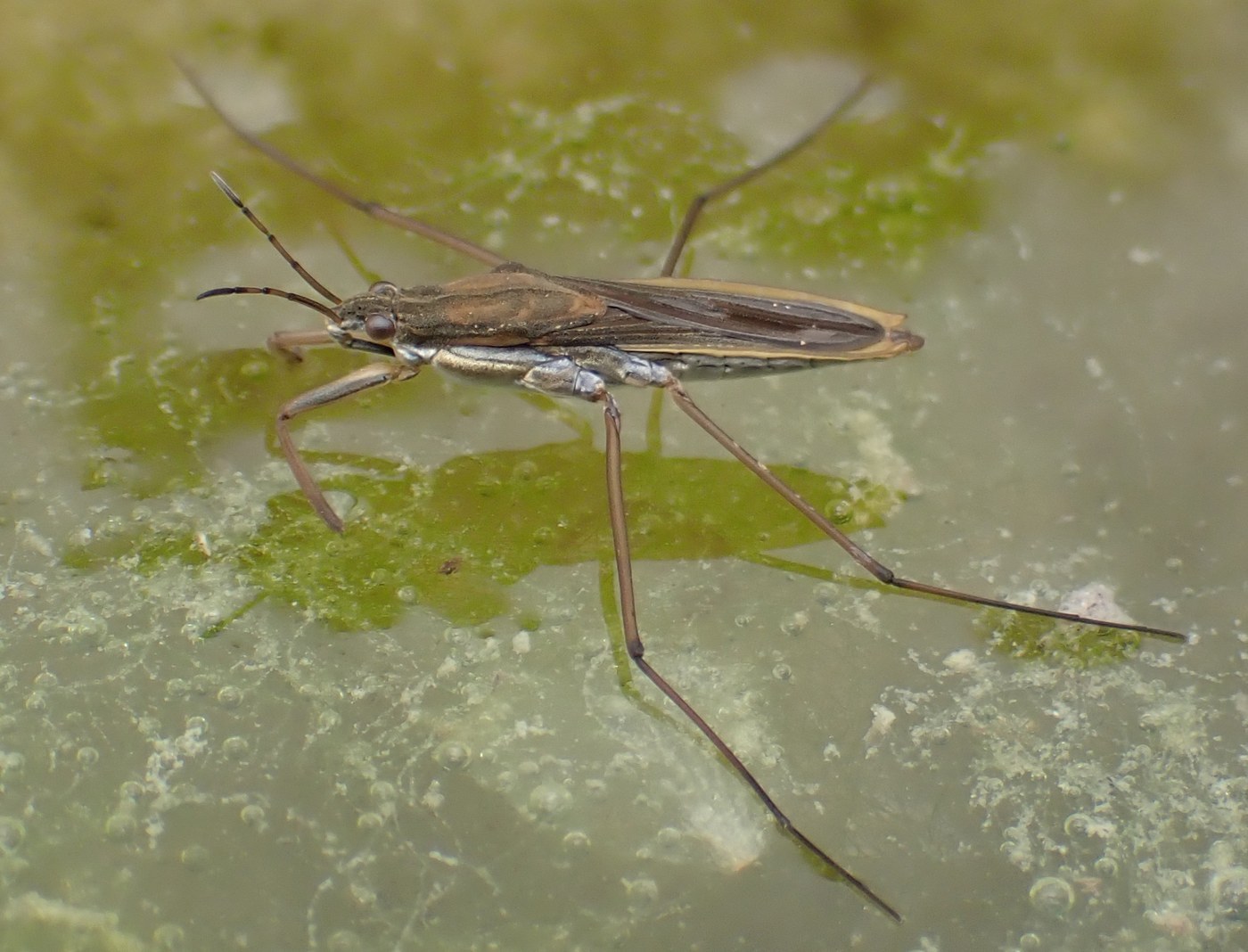
Water Strider
Still or slow-moving fresh water: ponds, lake edges, slow streams, puddles
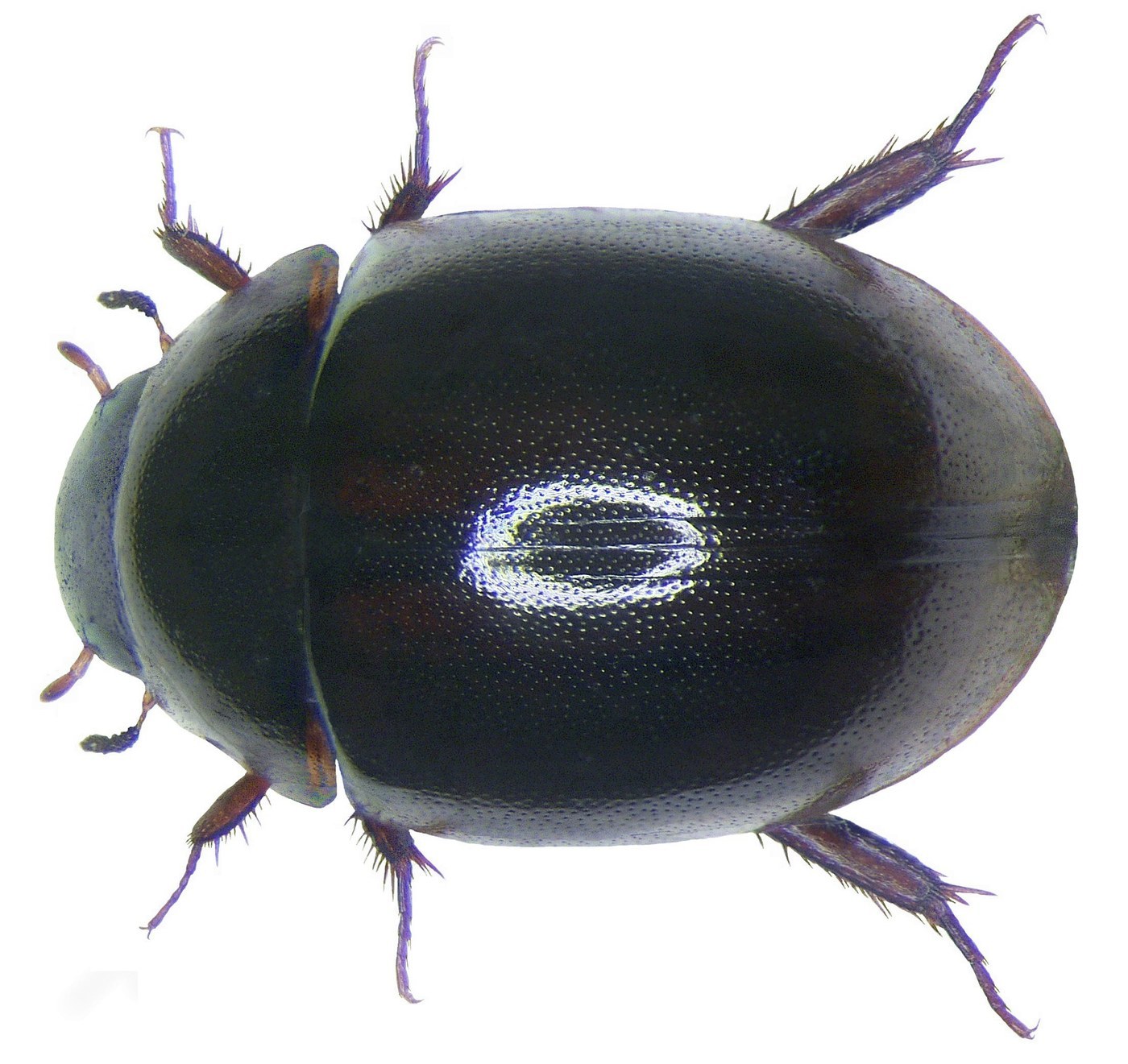
Water Beetle
Ponds, slow streams, marshes, still fresh water
Water Penny Beetle
Fast, rocky, well-oxygenated streams
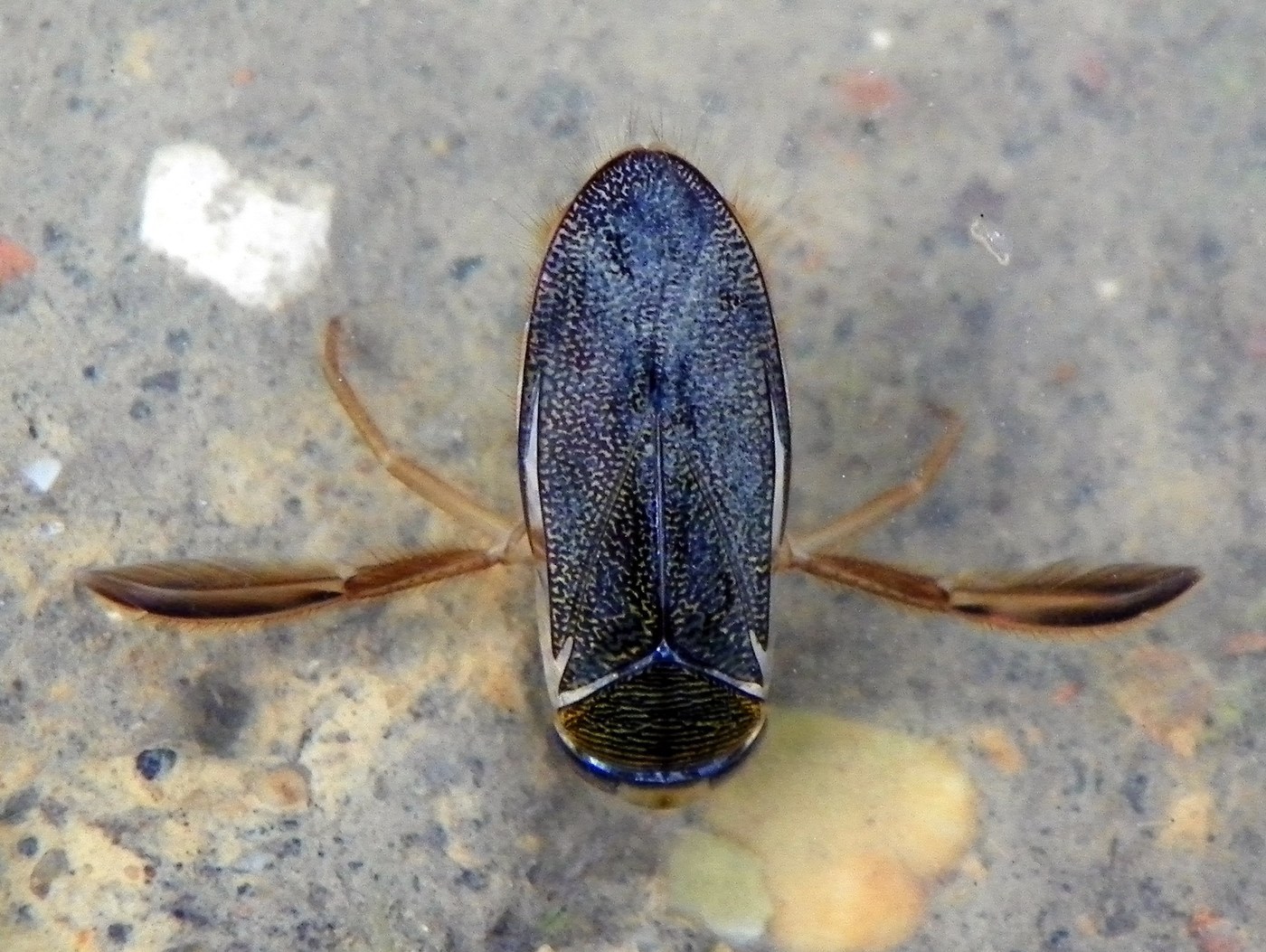
Water Boatman
Ponds, lakes, slow streams, freshwater with vegetation
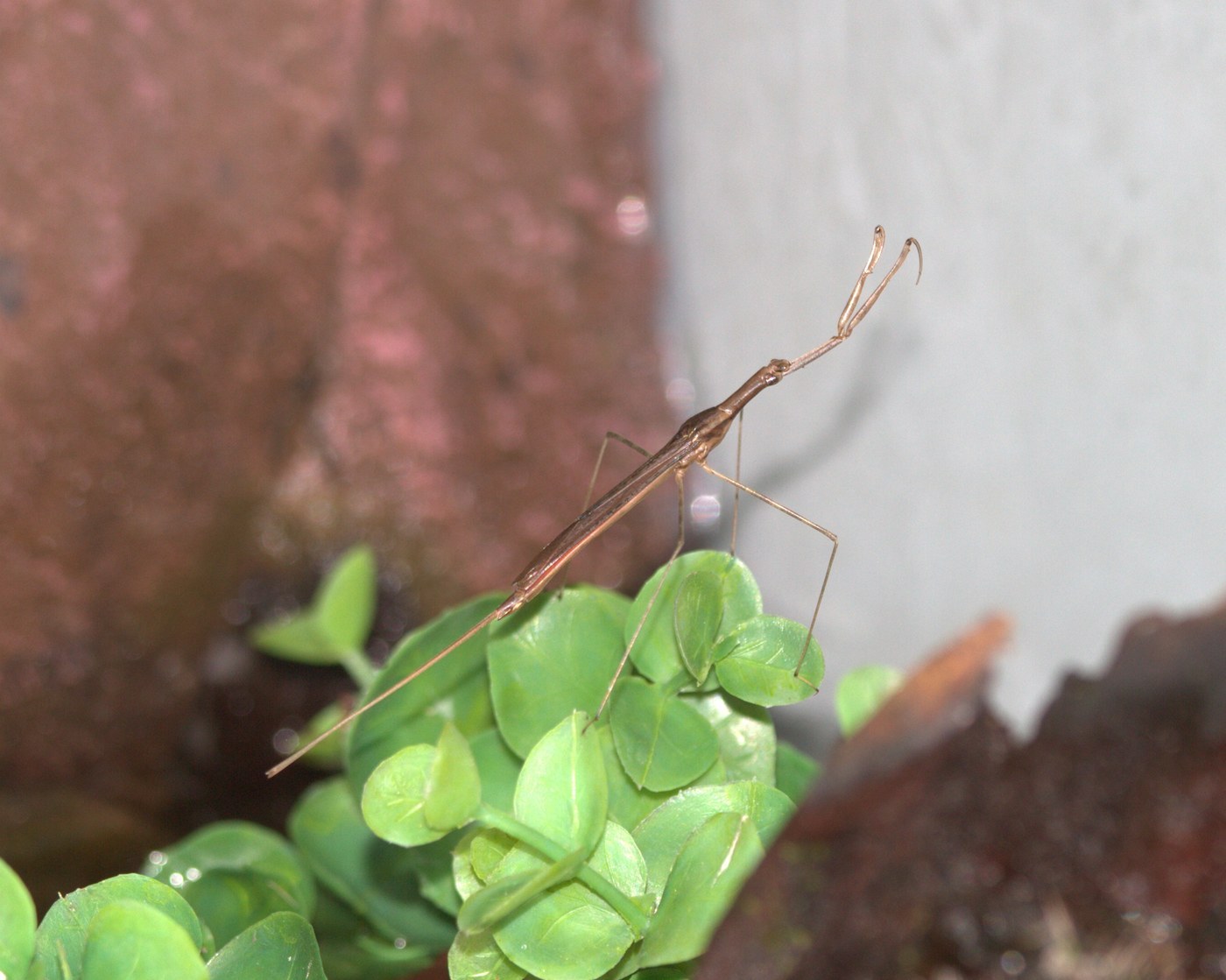
Water Scorpion
Still or slow-moving water with submerged vegetation
Stonefly
Cold, clean, well-oxygenated streams and rivers
Stonefly Nymph
Cold, fast-flowing, well-oxygenated streams
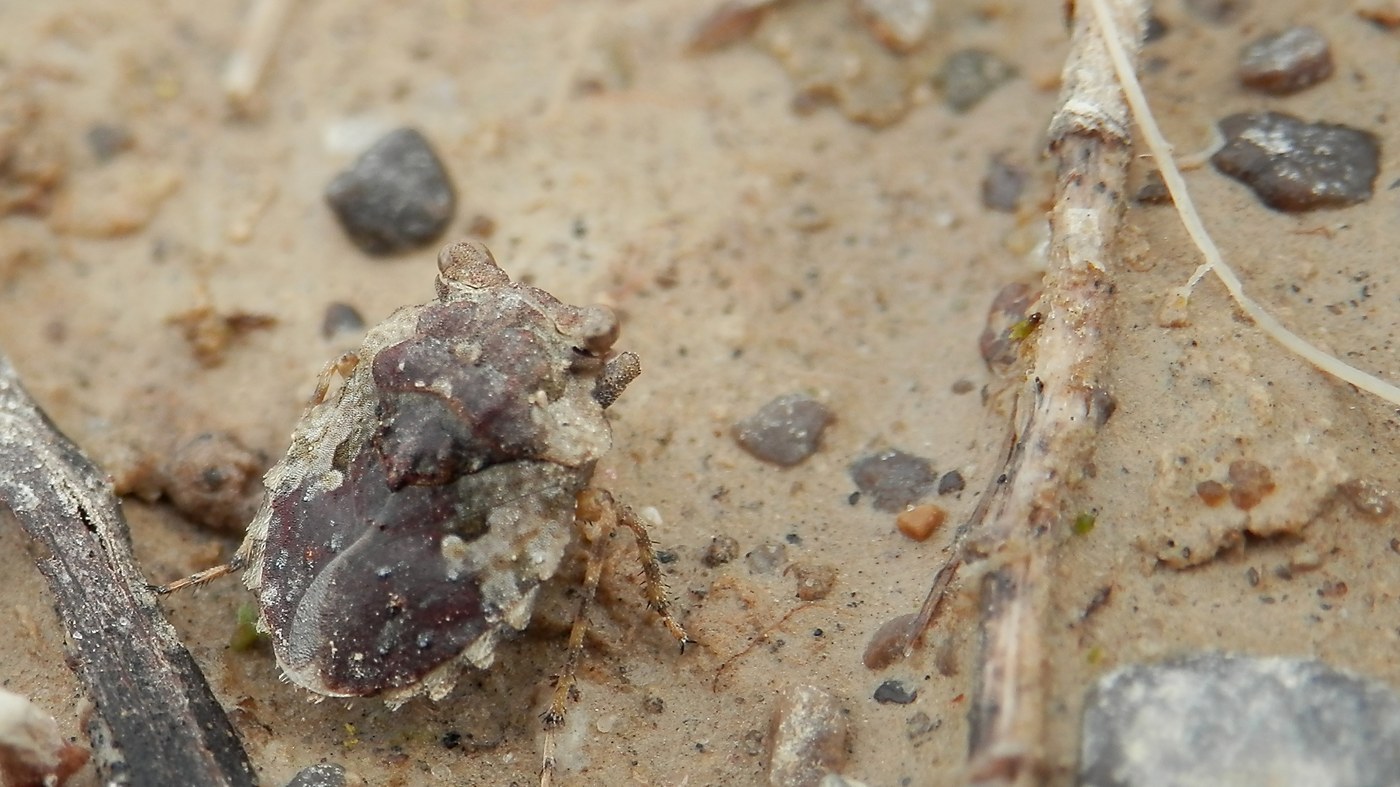
Toad Bug
Muddy or sandy shorelines of ponds, streams, and rivers
Soldier Fly Larva
Ponds, marshes, and slow streams with organic sediment
Mosquito Larva
Standing water in ponds, ditches, containers, and puddles
Whirligig Beetle
Surface of ponds, lakes, and slow streams
Rat-Tailed Maggot
Stagnant, oxygen-poor water such as manure pools, drains, and compost