
Mayfly
Ephemera spp.
A delicate insect with upright, sail-like wings and long, thread-thin tail filaments, famous for emerging by the millions in brief, synchronized swarms before dying within a day or two.
- Size
- 5-25 mm body length, plus long tail filaments
- Habitat
- Clean lakes, rivers, and streams worldwide, especially where water quality is high
- Danger
- Harmless
Spotted a bug like this?
Identify any bug or insect from a photo, free.
Overview
Mayflies belong to the order Ephemeroptera, one of the oldest lineages of winged insects, with a fossil record stretching back hundreds of millions of years. They are unique among insects in passing through a winged, non-reproductive subimago stage before molting once more into the sexually mature adult, a trait found in no other insect order.
Adult mayflies lack functional mouthparts entirely and cannot feed; their brief time in the air, sometimes just a few hours, is devoted entirely to mating and egg-laying. Because of this fleeting adult stage, mass emergences can produce enormous, short-lived swarms along lakeshores and riverbanks, occasionally dense enough to be detected on weather radar.
Beneath the water, mayfly nymphs spend far longer developing, often a year or more, and are highly sensitive to pollution, making their presence a widely used indicator of clean, well-oxygenated water.
How to Identify
- Slender, soft body ranging from about 5 to 25 mm depending on species
- Large, triangular forewings held upright together over the back like a sail
- Small or absent hindwings
- Two or three long, thread-like tail filaments (cerci), often longer than the body itself
- Large compound eyes, especially prominent in males
- Lookalikes: stoneflies hold their wings flat or roof-like rather than upright and have shorter tails; caddisflies have hairy, moth-like wings rather than clear triangular ones
Habitat & Range
Mayflies are found on every continent except Antarctica. Nymphs live underwater in clean, well-oxygenated lakes, rivers, and streams, and are considered sensitive indicators of good water quality, often absent from polluted waterways. Winged adults are found near these water bodies, sometimes forming massive emergence swarms along shorelines during their brief flight period.
Behavior & Diet
Aquatic nymphs feed on algae, diatoms, and organic detritus, and serve as an essential food source for fish and other aquatic predators throughout their long development. Winged adults do not feed at all, since their mouthparts are non-functional, and exist solely to mate and lay eggs during their short adult lifespan. Emergences are often highly synchronized, with huge numbers of nymphs transforming into winged forms within the same day or two, producing dense mating swarms over water at dusk.
Life Cycle
Eggs are laid on or in the water and sink to settle on the bottom. Nymphs, sometimes called naiads, live underwater for months to more than a year, molting numerous times as they grow. A mature nymph rises to the water's surface and molts into a winged but sexually immature subimago, a stage unique to mayflies among all insects, which then molts once more within a day into the fully mature imago. Adults mate, lay eggs, and typically die within a day or two, with most temperate species completing one generation per year, though timing varies by species and climate.
Frequently asked questions
Why do adult mayflies live for such a short time?
Adults lack functional mouthparts and cannot feed, so their brief time in the air is devoted entirely to mating and laying eggs before they die.
What is a subimago?
It is a winged but sexually immature stage unique to mayflies, occurring after the nymph leaves the water and before the final molt into the mature adult.
Why are mayflies considered a sign of clean water?
Their nymphs are highly sensitive to pollution and low oxygen, so their presence in a lake or stream generally indicates good water quality.
How can you tell a mayfly from a stonefly?
Mayflies hold their triangular wings upright together over the back and have long tail filaments, while stoneflies fold their wings flat over the body and have shorter tails.
Mayfly guides
In-depth guides for identifying, understanding, and living alongside Mayfly.
Mayfly identified by the community
Real finds identified with Bug Identifier.
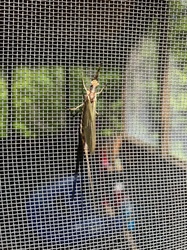
Other bugs you may enjoy
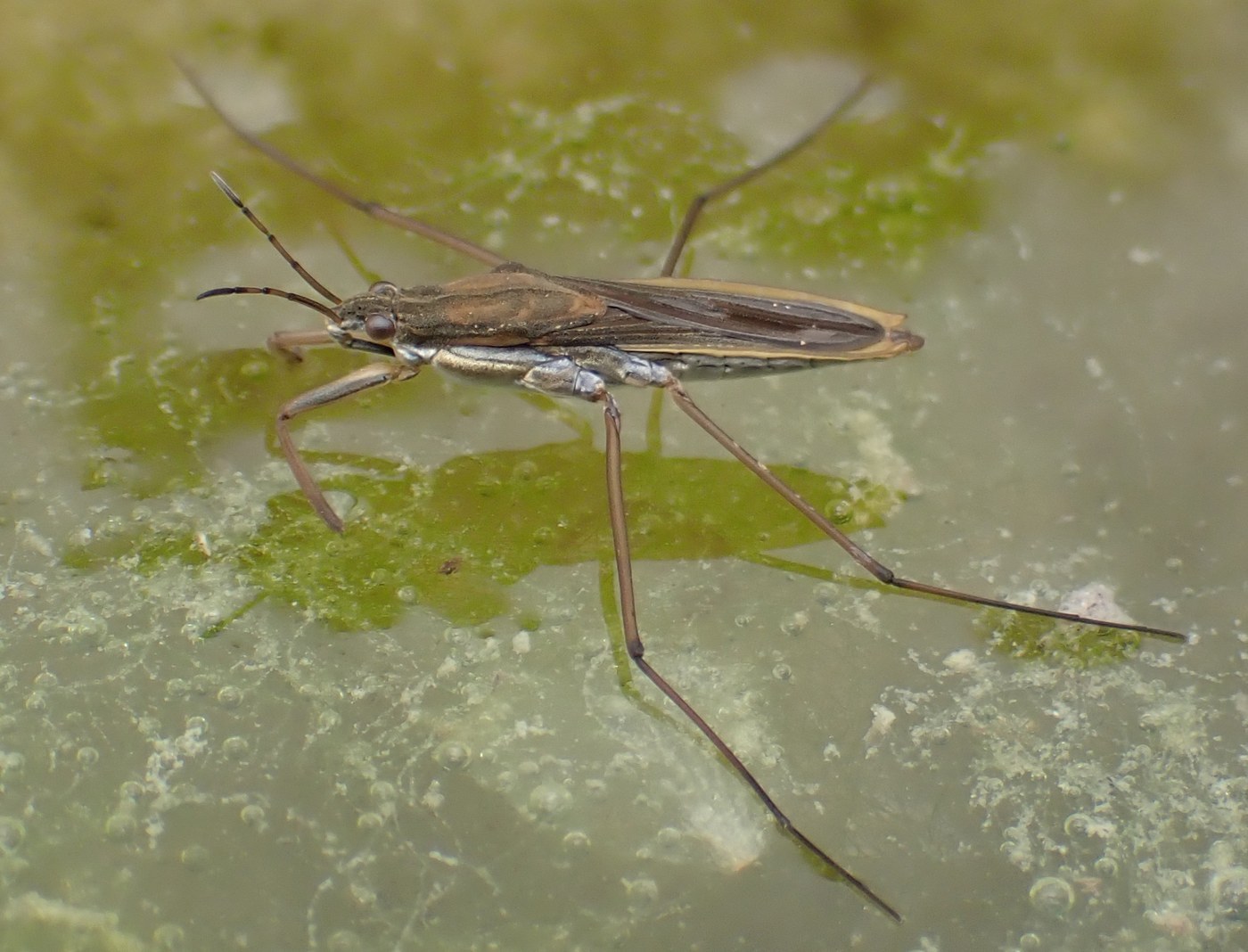
Water Strider
Still or slow-moving fresh water: ponds, lake edges, slow streams, puddles
Water Beetle
Ponds, slow streams, marshes, still fresh water
Water Penny Beetle
Fast, rocky, well-oxygenated streams
Water Boatman
Ponds, lakes, slow streams, freshwater with vegetation
Water Scorpion
Still or slow-moving water with submerged vegetation
Stonefly
Cold, clean, well-oxygenated streams and rivers
Stonefly Nymph
Cold, fast-flowing, well-oxygenated streams
Toad Bug
Muddy or sandy shorelines of ponds, streams, and rivers
Soldier Fly Larva
Ponds, marshes, and slow streams with organic sediment
Mosquito Larva
Standing water in ponds, ditches, containers, and puddles
Whirligig Beetle
Surface of ponds, lakes, and slow streams
Rat-Tailed Maggot
Stagnant, oxygen-poor water such as manure pools, drains, and compost