
Mayfly Nymph
Ephemeroptera spp.
A short-lived aquatic grazer with feathery gills along its abdomen, living for months underwater before a brief, spectacular mass emergence as a winged adult.
- Size
- 5-25 mm
- Habitat
- Clean streams, rivers, and lakes
- Danger
- Harmless
Spotted a bug like this?
Identify any bug or insect from a photo, free.
Overview
Mayfly nymphs are the aquatic immature stage of insects in the order Ephemeroptera, one of the oldest living groups of winged insects. The order's name, meaning "short-lived wing," refers to the fleeting adult stage, which in many species lasts only a day or two, in stark contrast to the nymphal stage that can persist underwater for months or even a year or more.
Nymphs are recognized by the rows of feathery or plate-like gills running along the sides of their abdomen, along with three (occasionally two) long, thread-like tails at the rear of the body. Most species graze on algae and organic debris rather than actively hunting prey, though a few predatory mayfly nymphs do exist.
Because mayfly nymphs are highly sensitive to pollution and low oxygen levels, their presence or absence in a stream is widely used by biologists as an indicator of water quality, with diverse mayfly populations generally signaling clean, well-oxygenated freshwater.
How to Identify
- Nymphs are 5-25 mm long, with a flattened or streamlined body depending on the habitat they occupy (fast riffles versus slow pools).
- Rows of feathery, leaf-like, or plate-shaped gills line the sides of the abdomen, used for extracting oxygen from the water.
- Three long, thin tail filaments (cerci) extend from the rear of the abdomen, though some species have only two.
- Six legs end in a single claw, and body coloring is typically brown, tan, or olive to blend with stream substrate.
- Lookalikes include stonefly nymphs, which lack abdominal gills (their gills, if present, are near the legs) and typically have two tails rather than three.
Habitat & Range
Mayfly nymphs are found in freshwater habitats worldwide, with the greatest diversity in clean, well-oxygenated streams and rivers, though some species also live in lakes. Different species are adapted to specific microhabitats, including clinging to rocks in fast riffles, burrowing into soft sediment, climbing among vegetation, or swimming freely in open water. Because of their sensitivity to pollution, mayfly nymphs are most abundant and diverse in unpolluted waterways.
Behavior & Diet
Most mayfly nymphs are grazers or collectors, feeding on algae, diatoms, and fine organic detritus that accumulates on rocks and sediment, though a smaller number of predatory species feed on other small invertebrates. Their gill movements create a current that helps maintain oxygen flow across the gill surfaces, particularly important in slower-moving water. Nymphs are a major food source for fish, including many trout and other stream fish, and their presence supports entire freshwater and riparian food webs, since emerging adults are also eaten in large numbers by birds, bats, and other predators. Adult mayflies do not feed at all, living only long enough to mate and lay eggs before dying.
Life Cycle
Eggs are laid in water, often scattered directly onto the surface or attached to submerged objects. Nymphs hatch and undergo gradual metamorphosis, molting numerous times, sometimes over 20 or more instars, over a period ranging from a few weeks to about a year depending on species and water temperature. Uniquely among insects, mayflies pass through a winged subadult stage called a subimago before molting one final time into the reproductive adult, or imago. Adults typically emerge in large synchronized swarms, mate, lay eggs, and die within a day or two, completing one of the shortest adult life spans in the insect world.
Frequently asked questions
Why are mayfly nymphs used to judge water quality?
They are highly sensitive to pollution and low oxygen, so a healthy, diverse population of mayfly nymphs generally indicates clean, well-oxygenated water.
What do mayfly nymphs eat?
Most graze on algae and organic debris on rocks and sediment, though a few species are predatory on smaller invertebrates.
How long do adult mayflies live?
Often only a day or two, since adults do not feed and exist mainly to mate and lay eggs before dying.
What is unique about the mayfly life cycle compared to other insects?
Mayflies are the only insects that molt into a winged subadult stage, called a subimago, before a final molt into the fully mature adult.
Mayfly Nymph guides
In-depth guides for identifying, understanding, and living alongside Mayfly Nymph.
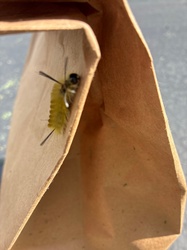
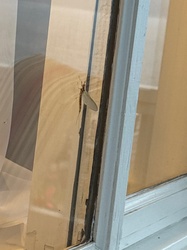
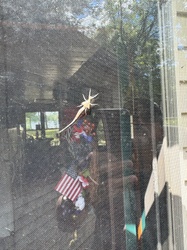
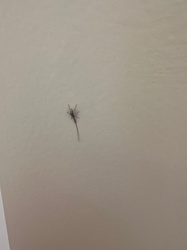
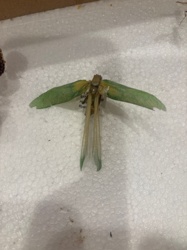
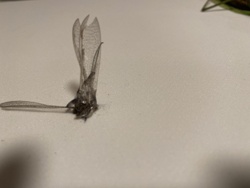
Mayfly Nymph identified by the community
Real finds identified with Bug Identifier.
Other bugs you may enjoy
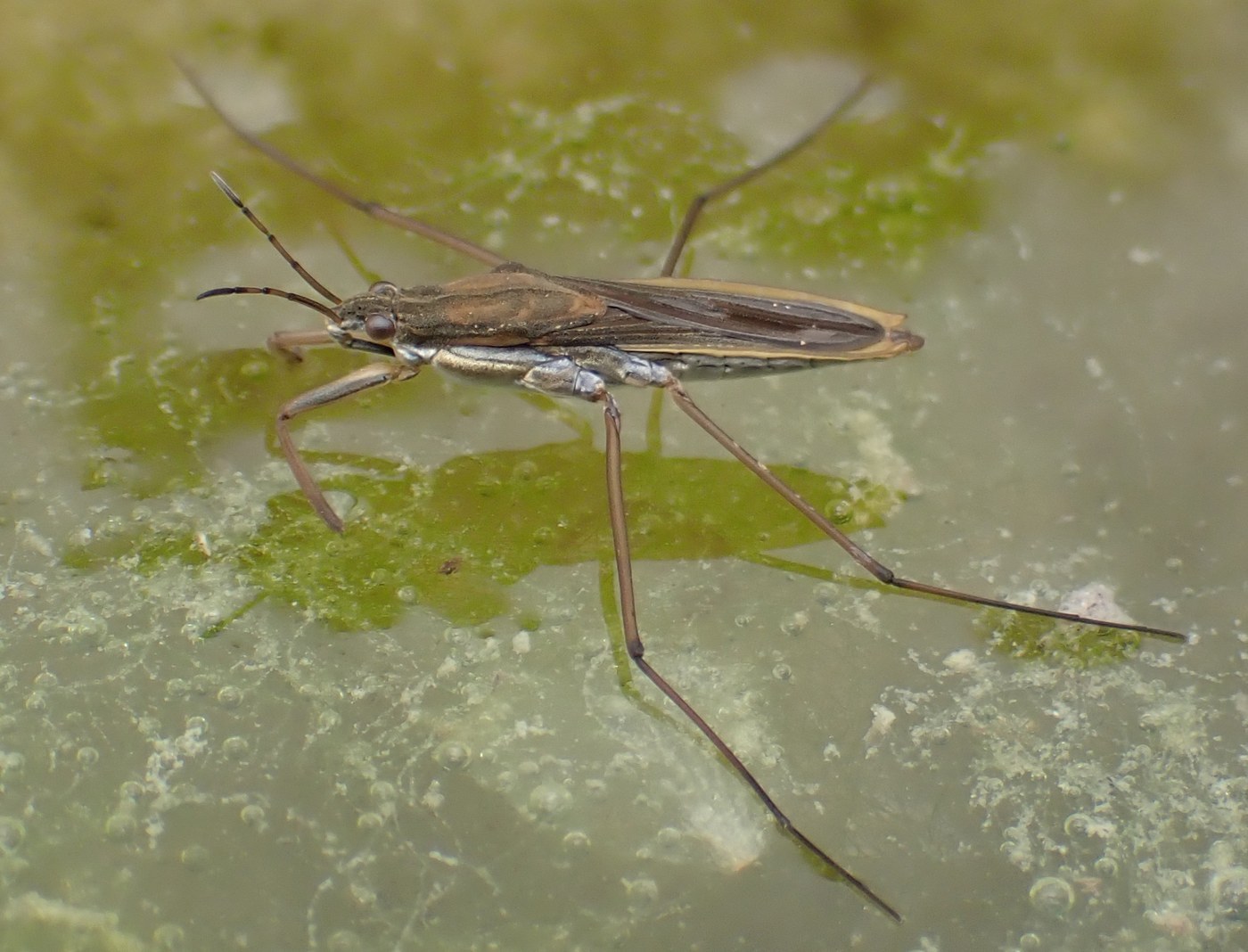
Water Strider
Still or slow-moving fresh water: ponds, lake edges, slow streams, puddles
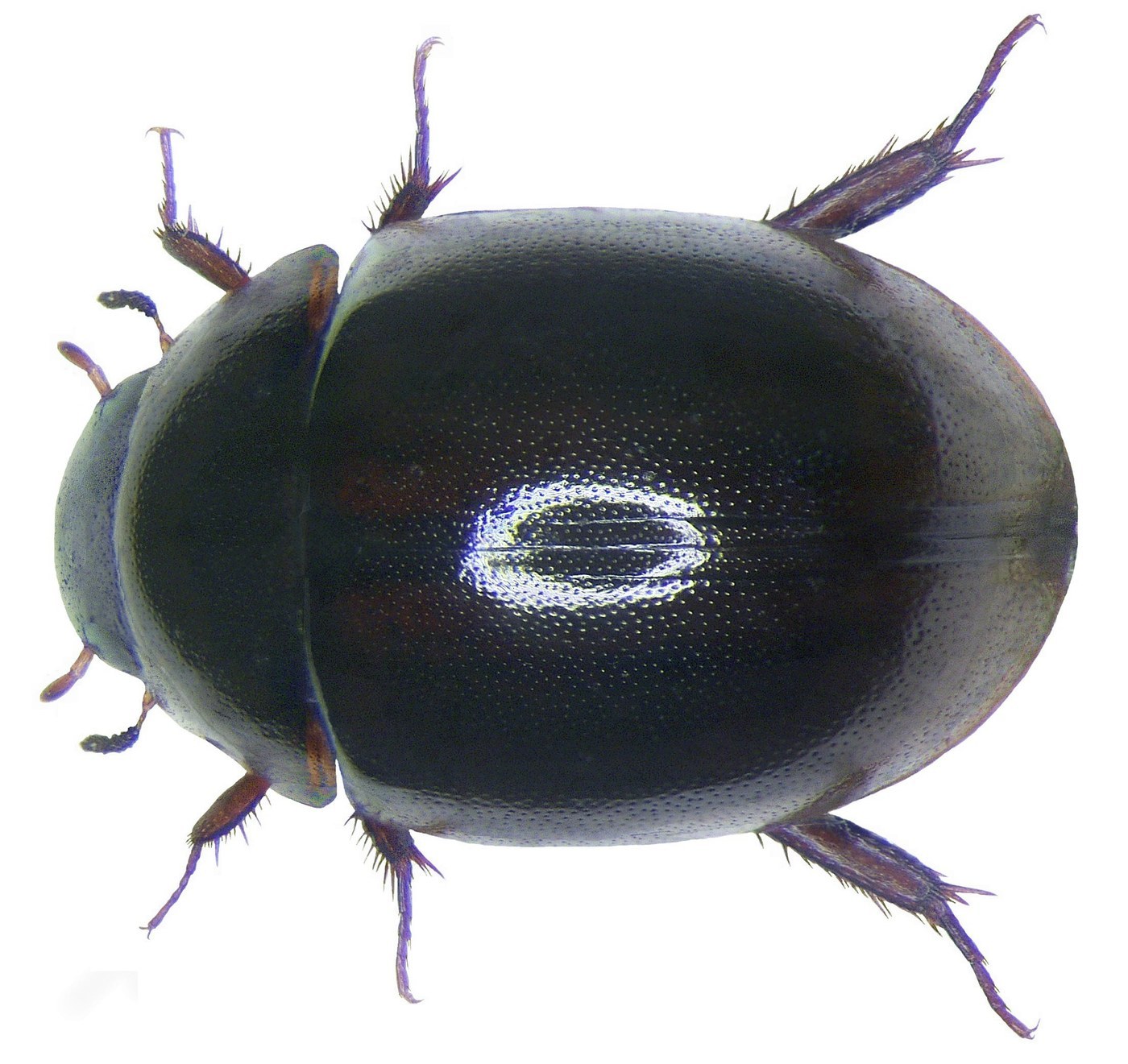
Water Beetle
Ponds, slow streams, marshes, still fresh water
Water Penny Beetle
Fast, rocky, well-oxygenated streams
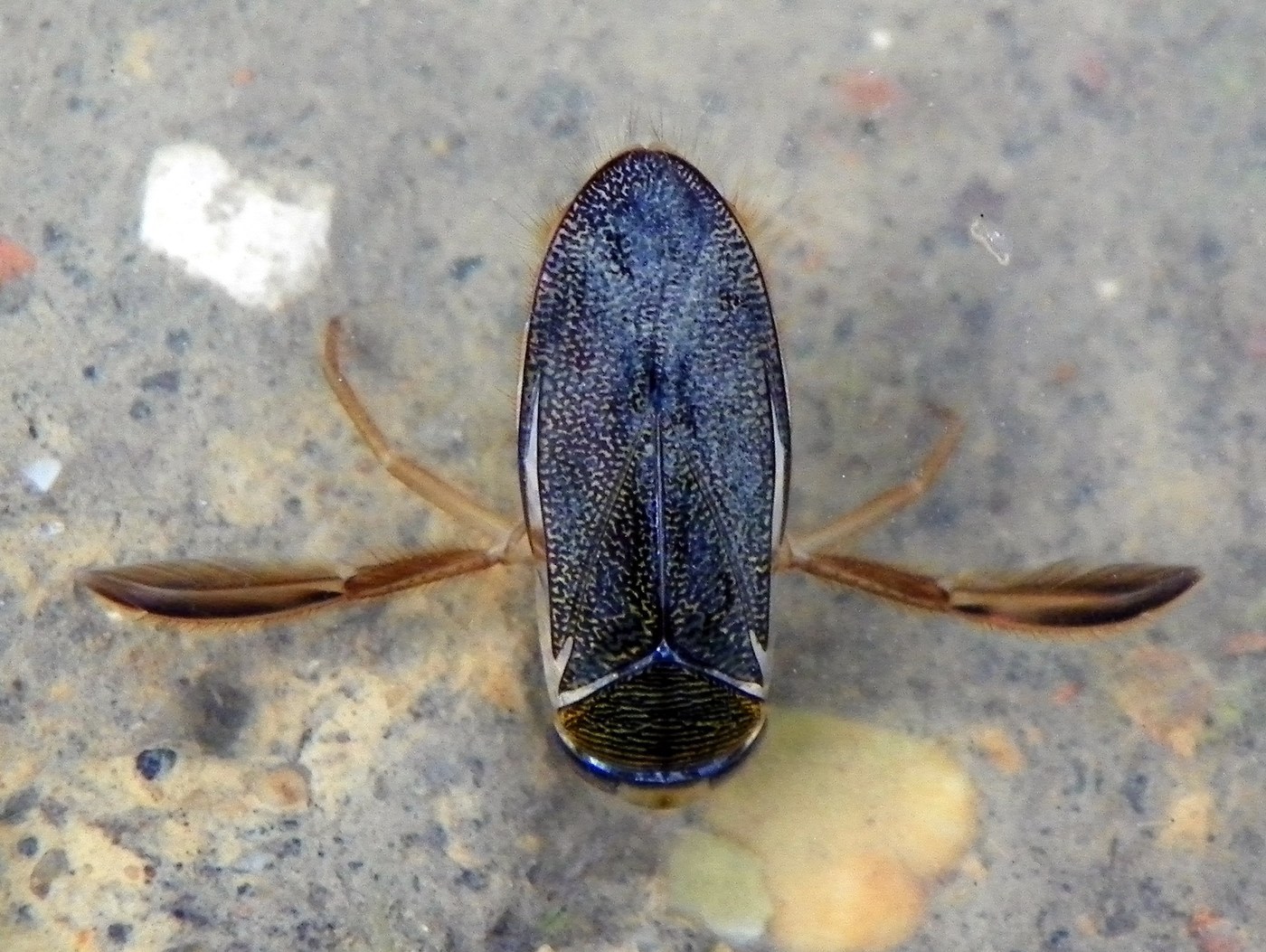
Water Boatman
Ponds, lakes, slow streams, freshwater with vegetation
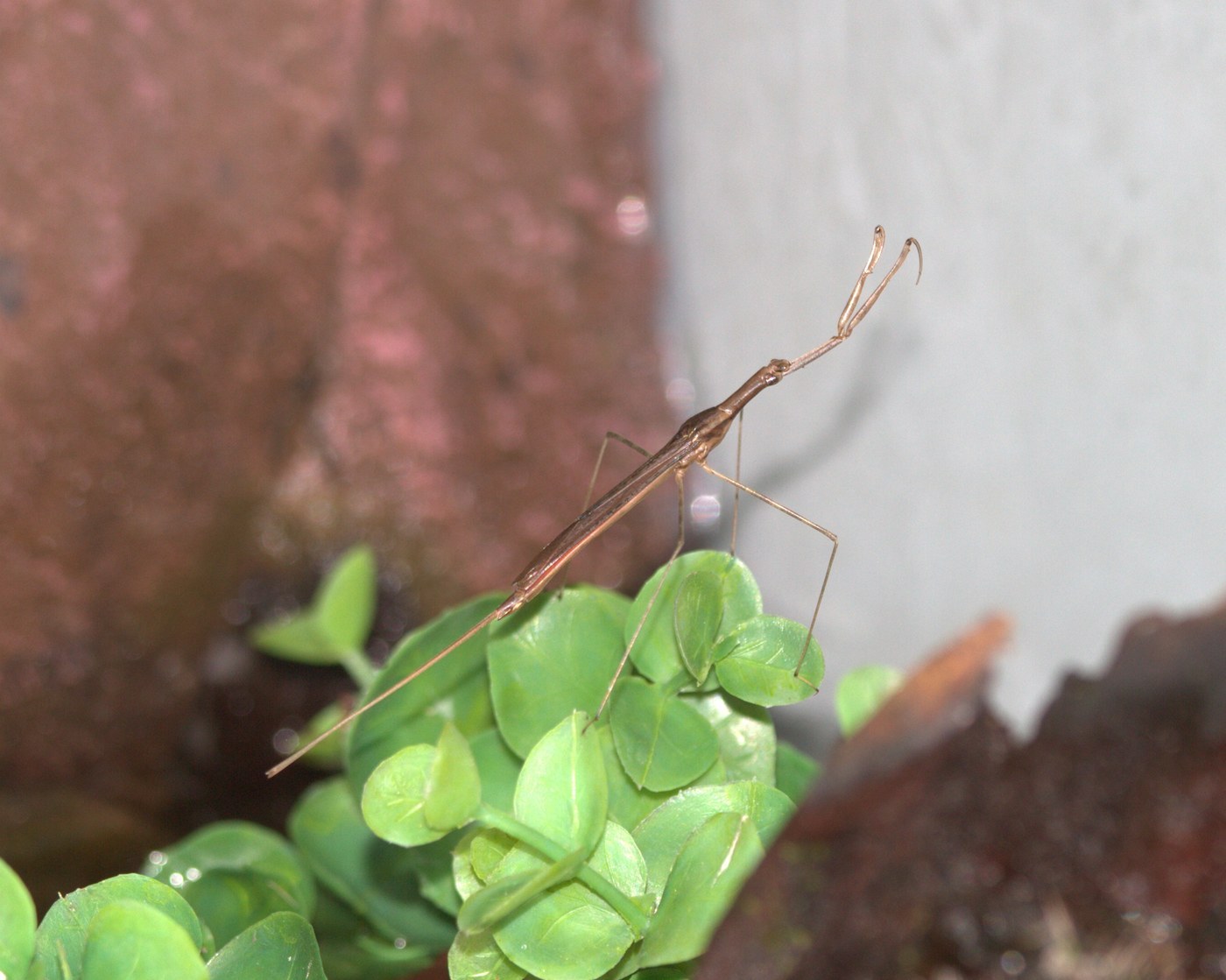
Water Scorpion
Still or slow-moving water with submerged vegetation
Stonefly
Cold, clean, well-oxygenated streams and rivers
Stonefly Nymph
Cold, fast-flowing, well-oxygenated streams
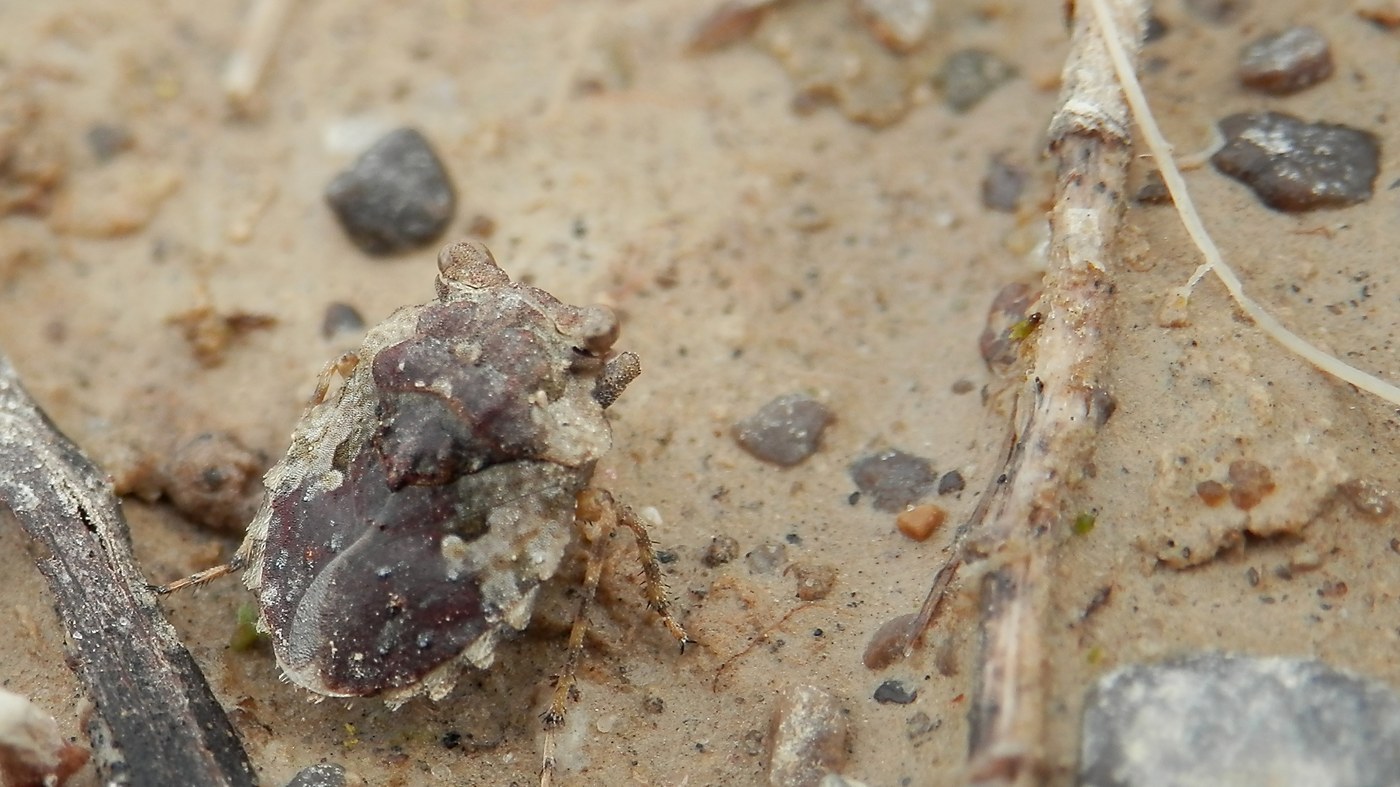
Toad Bug
Muddy or sandy shorelines of ponds, streams, and rivers
Soldier Fly Larva
Ponds, marshes, and slow streams with organic sediment
Mosquito Larva
Standing water in ponds, ditches, containers, and puddles
Whirligig Beetle
Surface of ponds, lakes, and slow streams
Rat-Tailed Maggot
Stagnant, oxygen-poor water such as manure pools, drains, and compost