
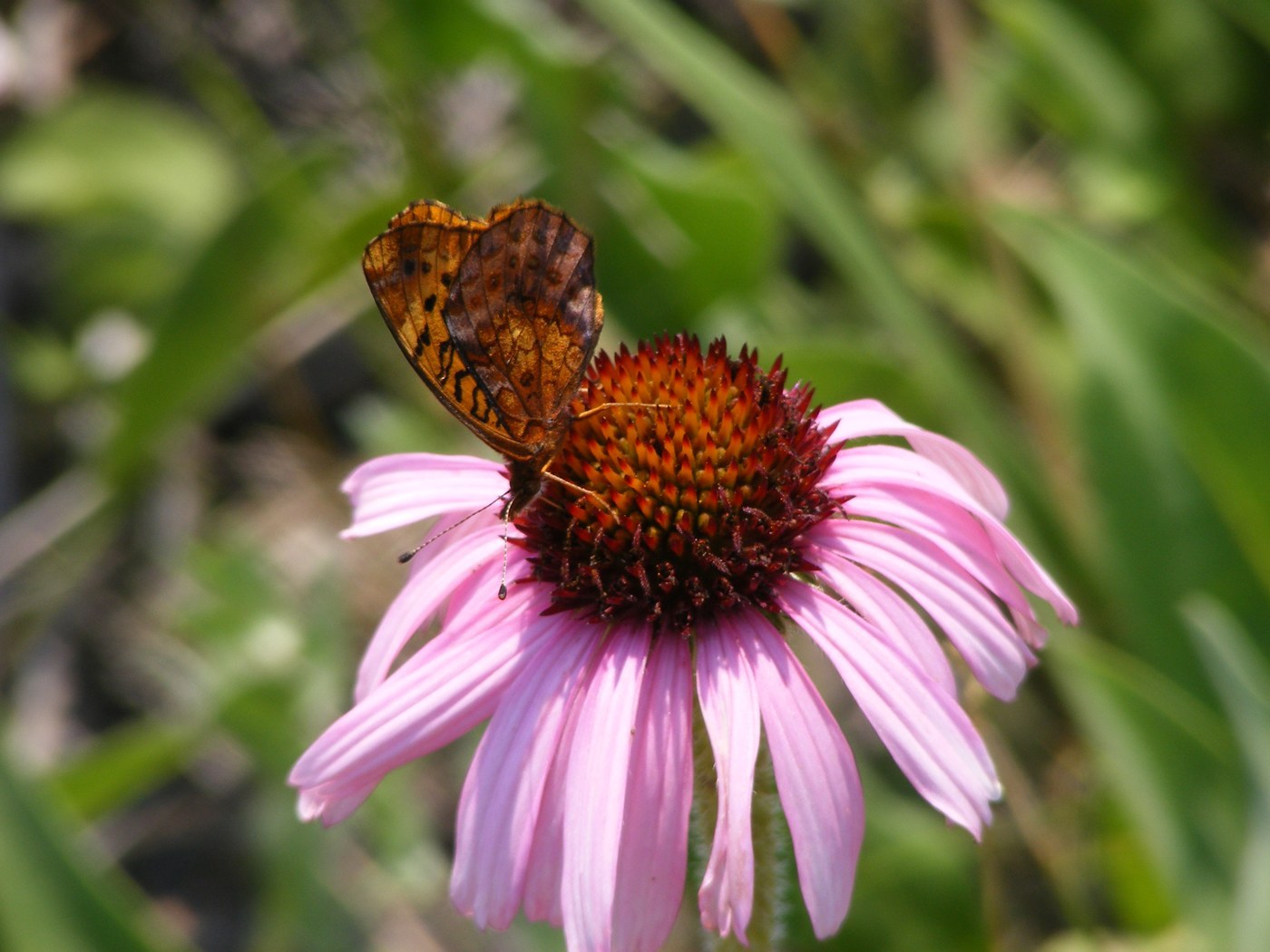
Meadow Fritillary
Boloria bellona
A small, fast-flying orange-and-black fritillary of open grassy fields, easily told from its larger cousins by its lack of silvery spots on the underside of the hindwing.
- Size
- 1.3–1.9 in wingspan
- Habitat
- Open meadows, pastures, roadside fields
- Danger
- Harmless
Spotted a bug like this?
Identify any bug or insect from a photo, free.
Overview
The Meadow Fritillary is a modestly sized member of the "lesser fritillary" group (genus Boloria), part of the brush-footed butterfly family Nymphalidae. Unlike the large, showy greater fritillaries, lesser fritillaries tend to be smaller, quicker in flight, and generally lack the metallic silver spotting on the underwing that gives fritillaries their name.
It is one of the most widespread and commonly encountered fritillaries in the northern and eastern United States and southern Canada, thriving in disturbed open habitats such as hayfields, pastures, and roadsides — places many other fritillary species avoid.
Because it tolerates a wide range of open, grassy habitats, the Meadow Fritillary remains common even in landscapes where native prairie has been lost, making it one of the more reliably seen fritillaries for casual observers.
How to Identify
- Small to medium fritillary with orange-brown upperwings marked by black spots, dashes, and a checkered wing border.
- Forewing tip is somewhat squared-off or truncated compared to the more rounded wingtips of other fritillaries.
- Underside of the hindwing is mottled purplish-brown to tan without the bright silver spots seen in greater fritillaries.
- Small body size, generally under 2 inches in wingspan, smaller than Regal or Diana Fritillaries.
- Distinguished from the similar Silver-bordered Fritillary by its plain (non-silvered) hindwing underside.
Habitat & Range
Common across the northeastern and north-central United States and adjacent Canada, extending into the Rocky Mountain region. Found in open, sunny habitats including hay meadows, pastures, weedy fields, marsh edges, and roadsides. Adults fly from late spring through early fall, with two to three broods in warmer parts of its range.
Behavior & Diet
Adults fly with quick, low, darting movements just above the grass, frequently stopping to nectar at low-growing flowers such as clovers, asters, and black-eyed Susans. Males patrol open fields searching for females. The species feeds as a caterpillar exclusively on violet foliage and, as an adult, contributes to pollination of meadow wildflowers.
Life Cycle
Females lay eggs singly on or near violet plants growing in open, grassy habitat. Caterpillars hatch and feed on violet leaves, and in northern populations the last-generation caterpillars overwinter as partially grown larvae, resuming feeding in spring before pupating. Multiple generations occur per year in southern portions of the range, while northern populations may produce only one or two broods.
Frequently asked questions
How do I tell a Meadow Fritillary from a Regal or Great Spangled Fritillary?
The Meadow Fritillary is much smaller and lacks the bright silver spots on the hindwing underside that larger fritillaries display.
Where would I typically see one?
In open, sunny fields, pastures, and roadside meadows across the northern and eastern United States and southern Canada.
What do the caterpillars eat?
Various native and non-native violet species serve as the sole larval host plants.
How many generations does it produce each year?
Typically two to three broods in the southern part of its range, and fewer further north.
Meadow Fritillary guides
In-depth guides for identifying, understanding, and living alongside Meadow Fritillary.
Other bugs you may enjoy
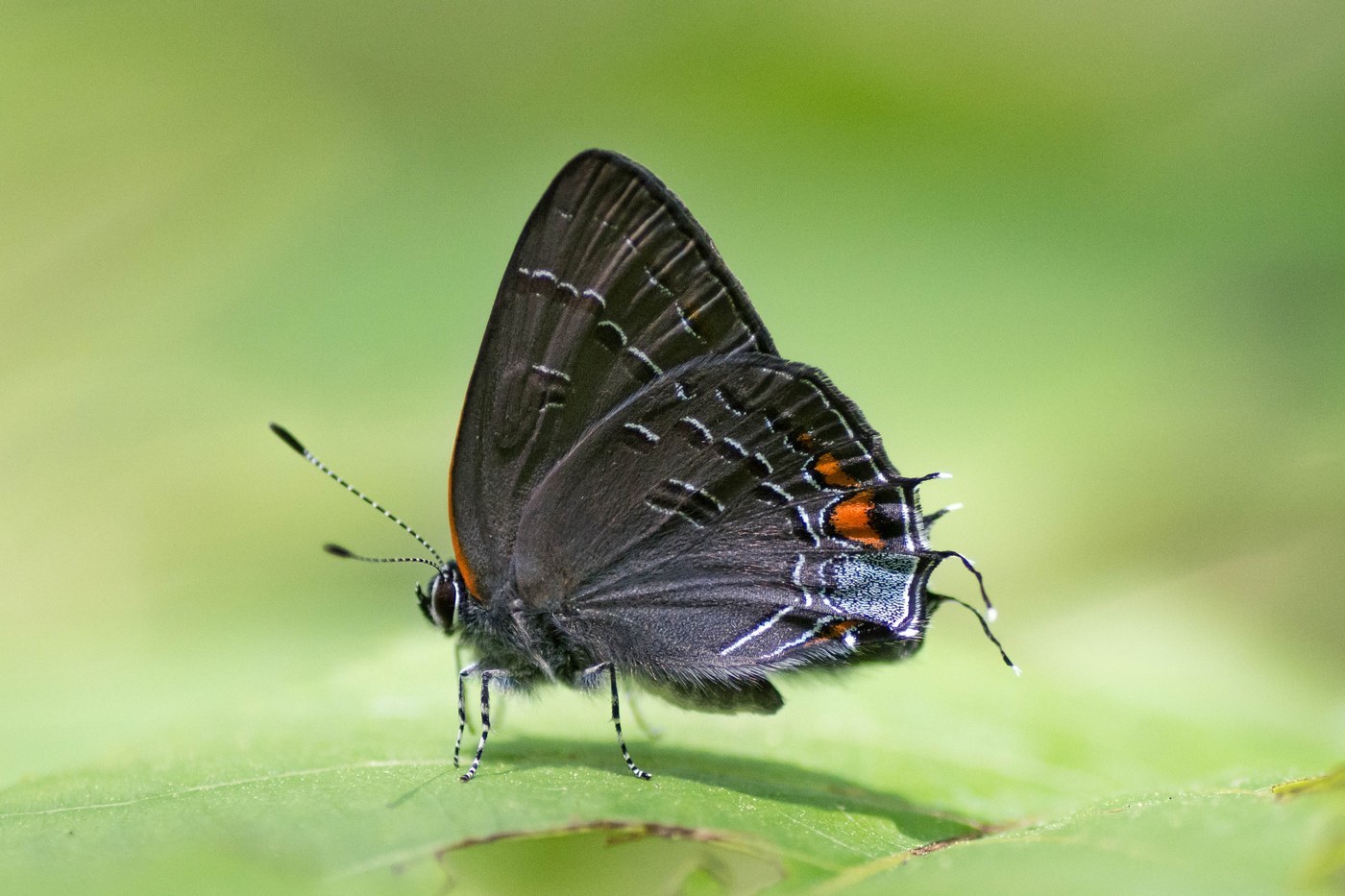
Banded Hairstreak
Deciduous woodlands and edges with oaks and hickories
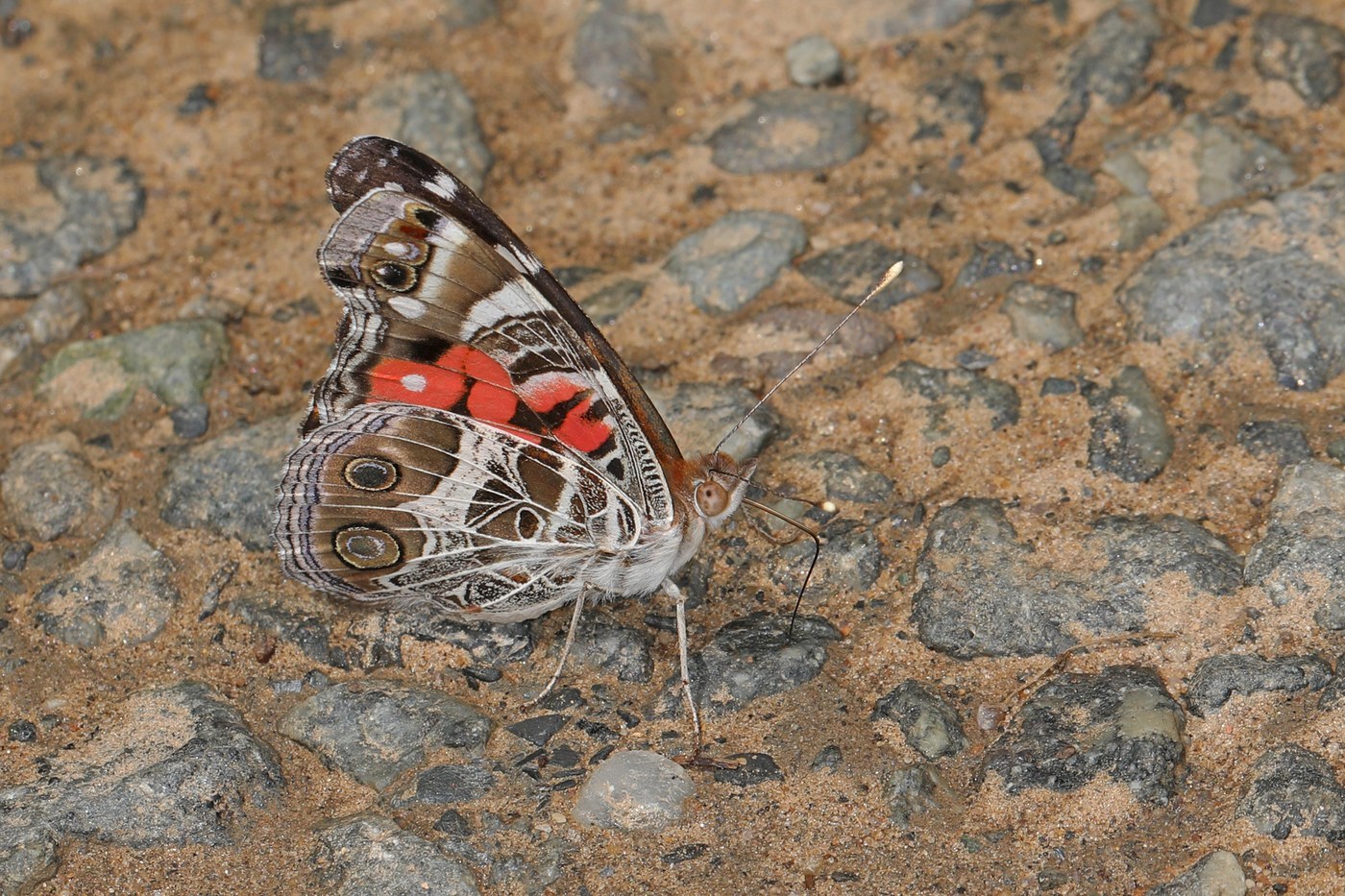
American Lady
Open fields, meadows, gardens, roadsides
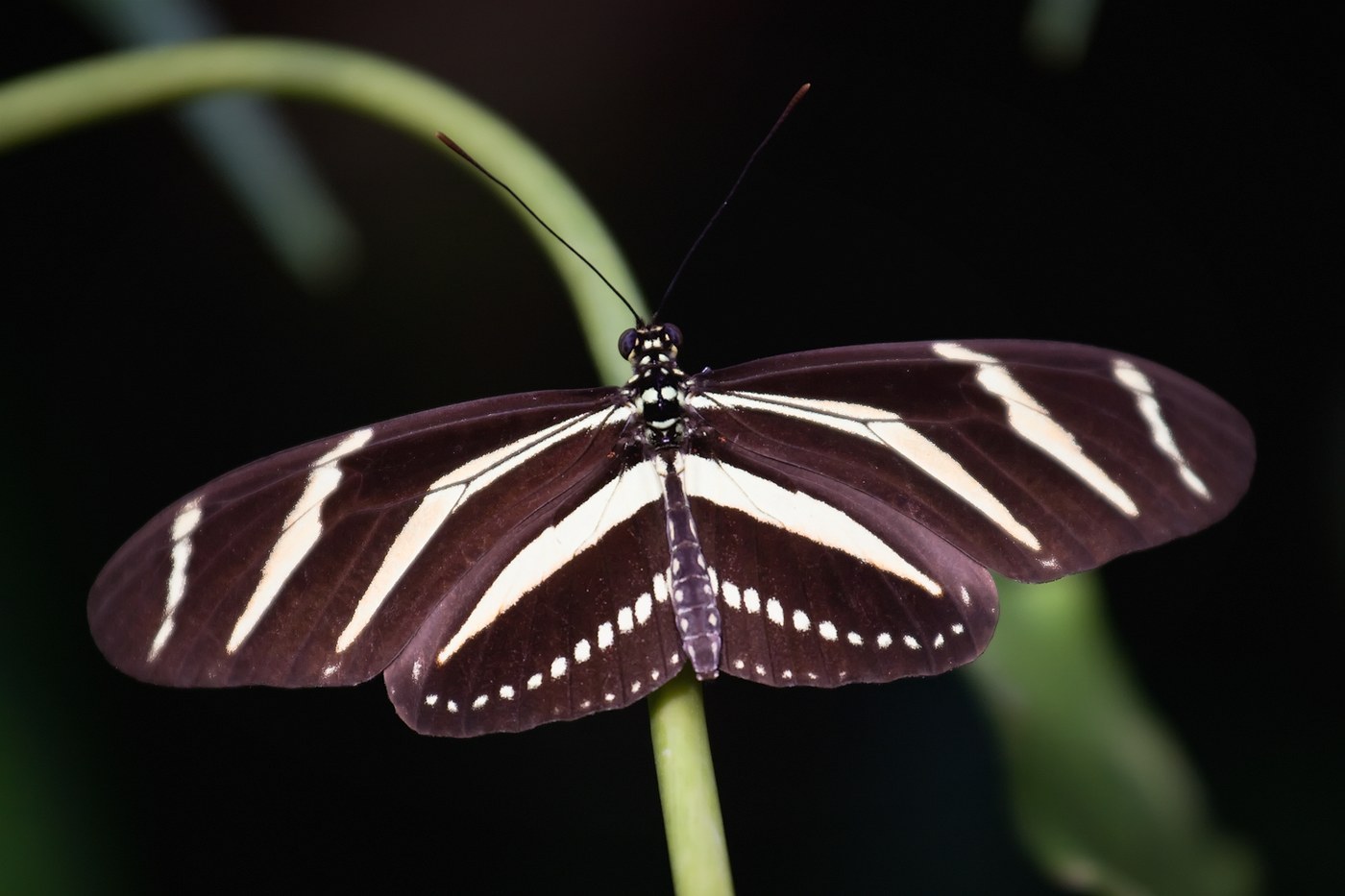
Zebra Longwing
Tropical hammocks, gardens, forest edges
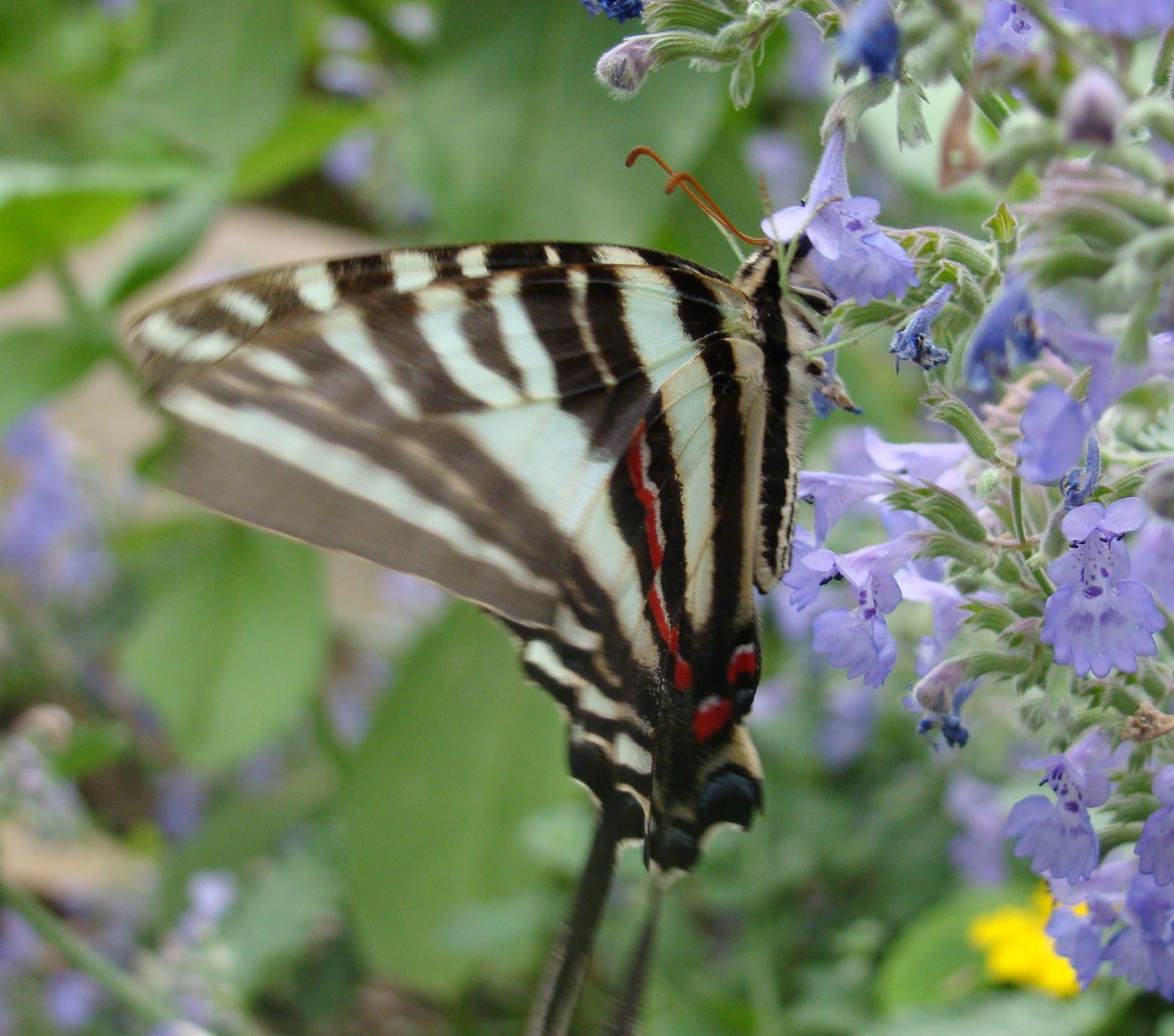
Zebra Swallowtail
Woodlands, floodplains, forest edges near pawpaw
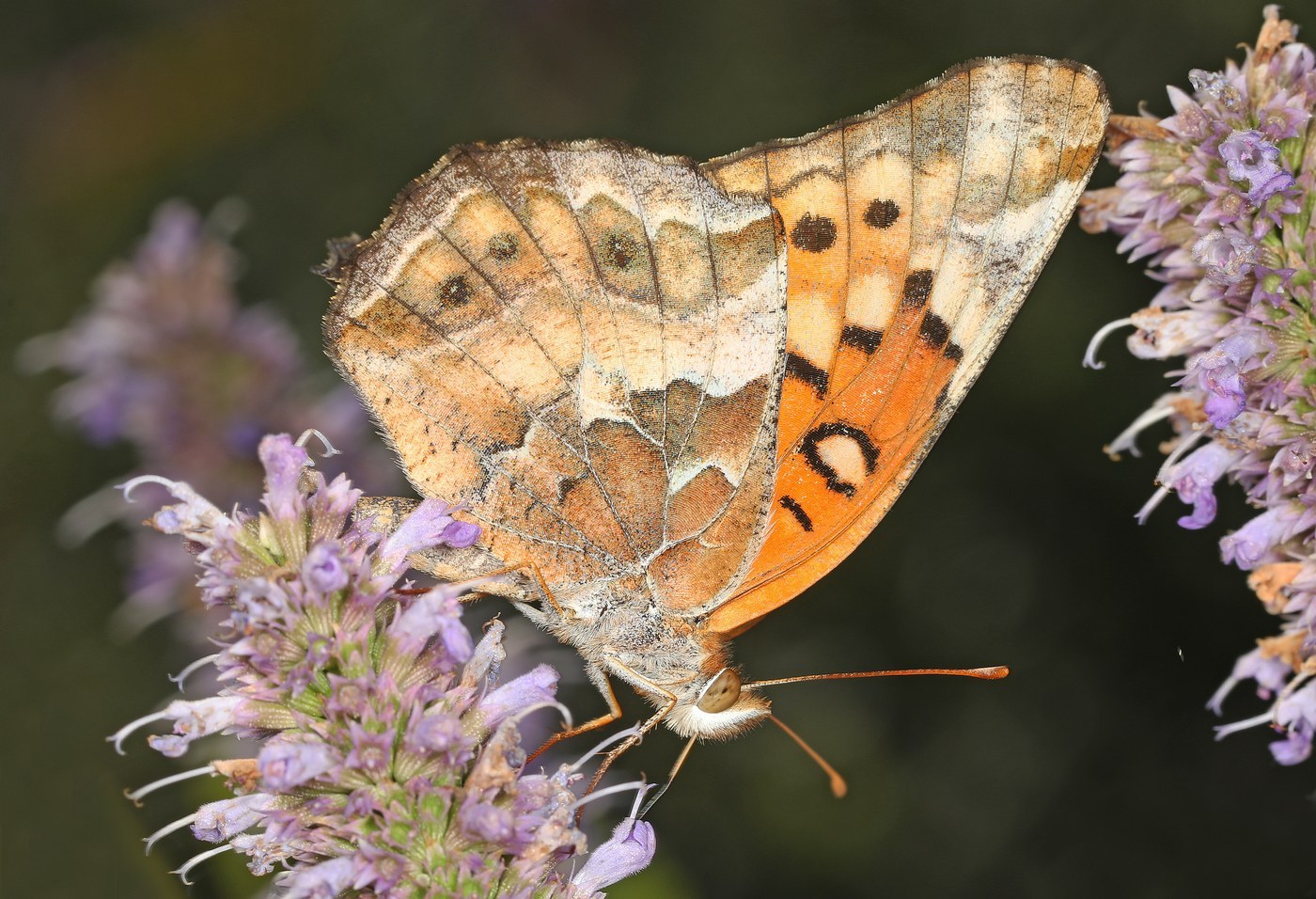
Variegated Fritillary
Open fields, prairies, roadsides, and disturbed ground across most of the United States
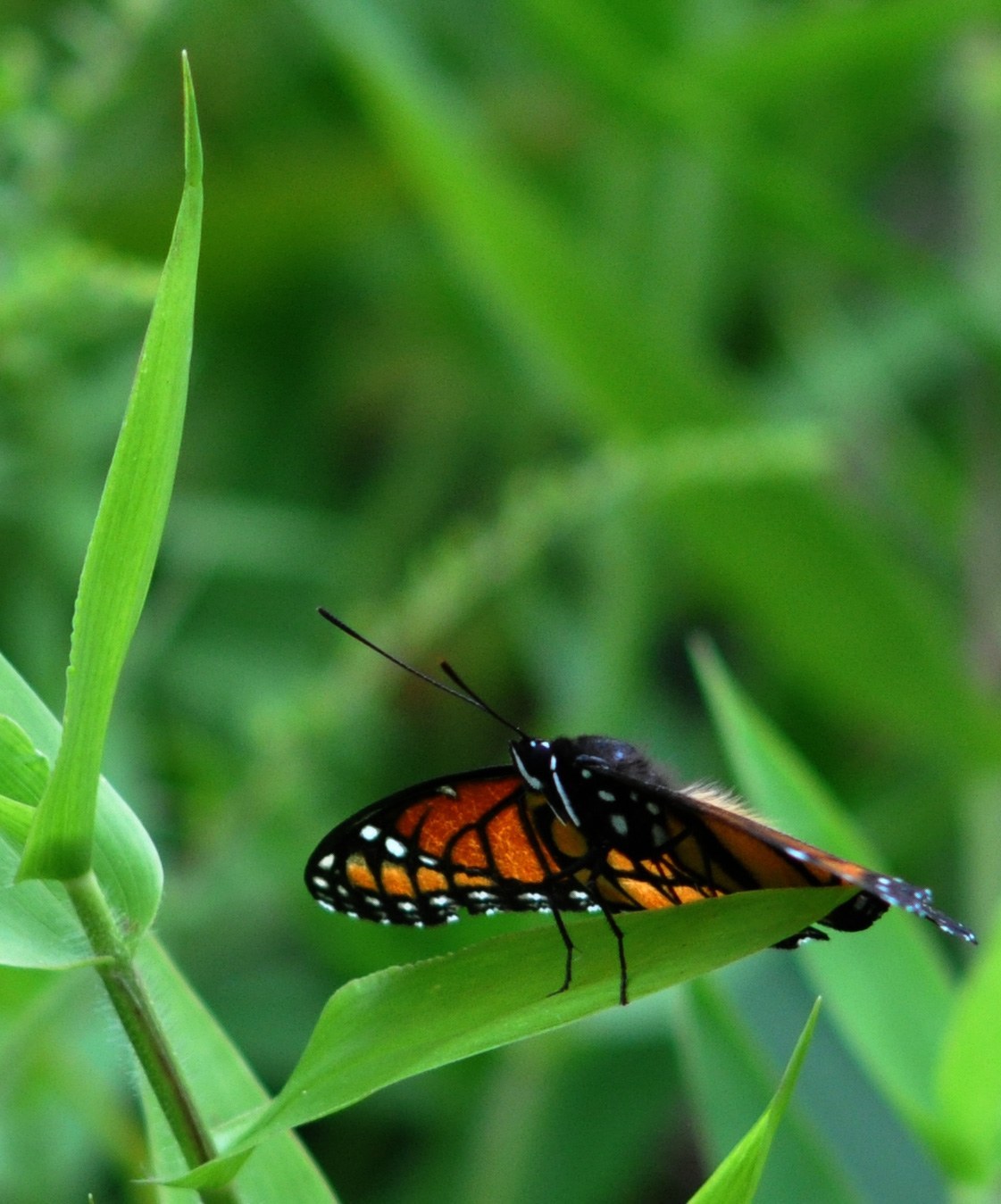
Viceroy Butterfly
Wetlands, meadows, riverbanks, willow thickets (North America)
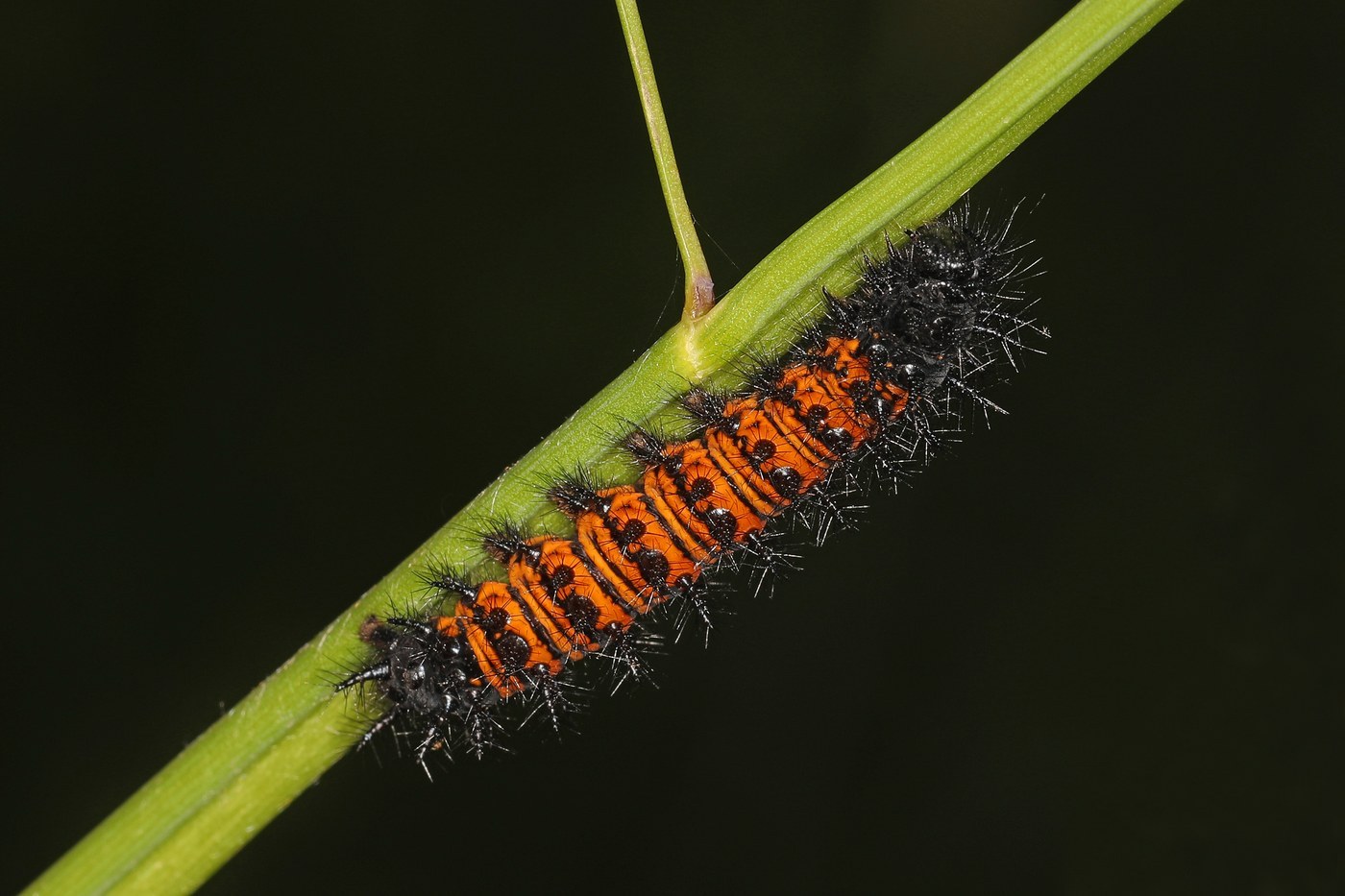
Baltimore Checkerspot
Wet meadows, bogs, and marshy fields in the northeastern and Appalachian US
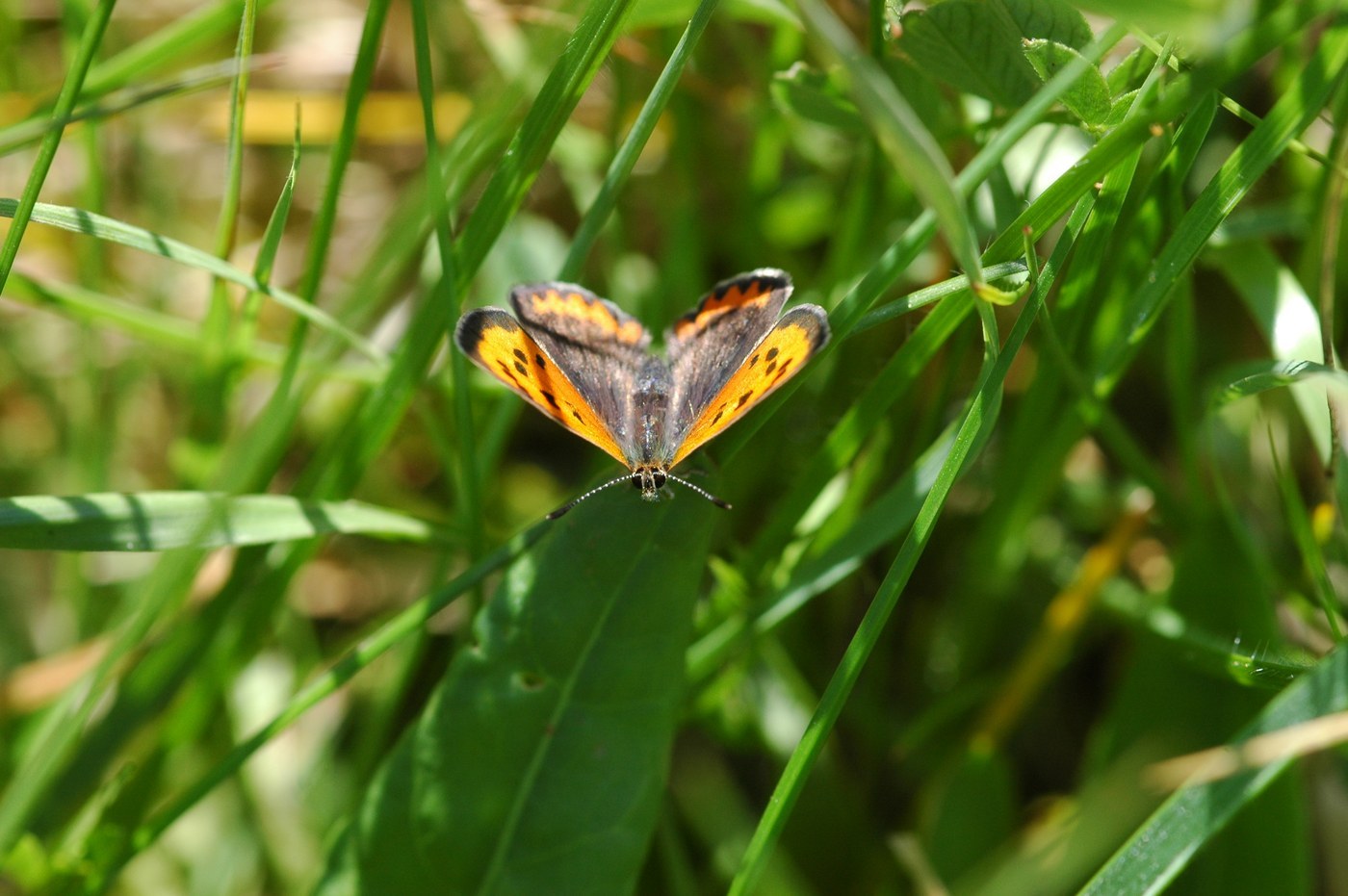
American Copper
Old fields, roadsides, and disturbed open ground with sorrel or dock
West Virginia White
Rich deciduous forest floors, especially near seeps and streams
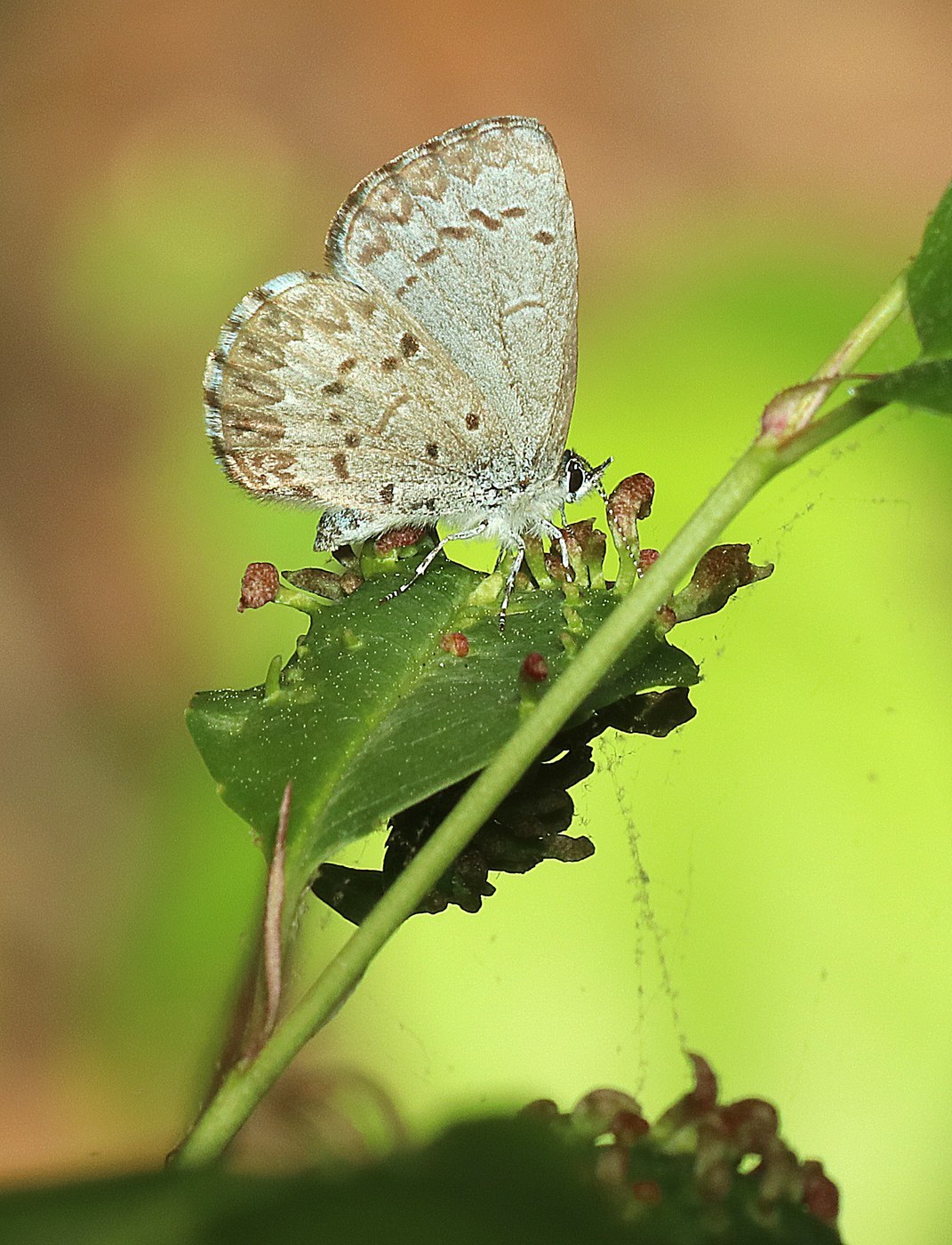
Spring Azure
Woodland edges, gardens, shrubby clearings
Red Admiral
Gardens, woodland edges, parks, meadows
Sleepy Orange
Open woodland, fields, roadsides, and disturbed ground