
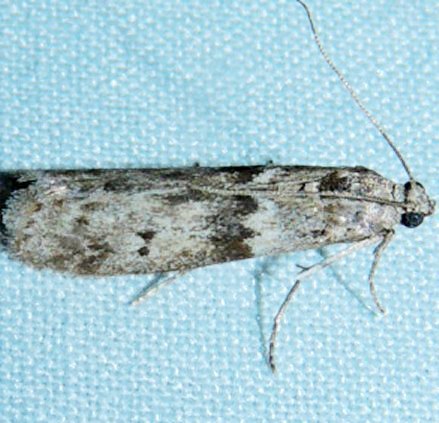
Mediterranean Flour Moth
Ephestia kuehniella
A small, pale grey moth with fine dark wavy lines on its forewings, whose larvae spin webbing through flour, grain, and other stored dry food products, making it a well-known pest of mills and pantries.
- Size
- 20–25 mm wingspan
- Habitat
- Flour mills, grain stores, pantries, food-processing facilities
- Danger
- Nuisance pest
Spotted a bug like this?
Identify any bug or insect from a photo, free.
Overview
The Mediterranean Flour Moth is a small moth in the snout moth family Pyralidae, subfamily Phycitinae, historically significant as one of the most economically important pests of stored grain products worldwide. Despite its name, it is now found on nearly every continent due to its close association with global grain storage and milling operations.
Adults are modestly patterned with fine wavy dark lines across pale bluish-grey forewings, a subtle but distinctive marking among stored-product moths. The species is particularly notable in scientific history as a classic laboratory model organism, having been used extensively in genetics and physiology research due to its ease of rearing and short generation time.
Ecologically it is a specialist of dry, starchy, and cereal-based materials, and its larvae's habit of spinning silk webbing through infested flour or grain is a distinctive sign of its presence, historically causing significant losses in mills before modern storage and handling practices reduced its impact.
How to Identify
- Forewings are pale bluish-grey to silvery-grey, crossed by fine, wavy, darker zigzag lines that create a subtly patterned appearance.
- Hindwings are plain, pale greyish-white, mostly hidden at rest.
- Body is slender for a pyralid moth, with a resting posture in which the wings are held roof-like over the body.
- The larva is a pale, whitish-pink caterpillar found within silk webbing spun through infested flour, grain, or cereal-based products.
- Lookalikes include other stored-product pyralid moths such as the Indian Meal Moth, but this species lacks the two-toned wing pattern of that species, instead showing a more uniform grey with fine wavy lines.
Habitat & Range
Originally associated with milling regions and now distributed worldwide through trade and food storage, it is found almost exclusively in association with human food storage and processing environments such as flour mills, grain elevators, bakeries, and household pantries. It thrives in dry, starchy stored products and can persist year-round in heated indoor environments regardless of outdoor climate or season.
Behavior & Diet
Larvae feed on flour, grain, cereal products, and similar dry starchy foods, spinning extensive silk webbing through the material as they feed, which can mat infested product together and is often the first visible sign of an infestation. Adults do not feed significantly and are weak fliers, generally remaining close to the source of infestation, with activity often noticed at dusk or when disturbed from resting spots near stored food. As a specialist decomposer of stored cereal products, the species has had significant historical economic impact on grain storage and milling industries.
Life Cycle
Females lay large numbers of tiny eggs directly on or near suitable food material. Larvae hatch and feed while spinning silk webbing through the infested product, passing through several instars before leaving the food source to pupate, often in a silken cocoon tucked into a crevice nearby. Under warm indoor conditions development can be rapid, allowing multiple generations per year, making the species capable of sustained indoor populations independent of outdoor seasons.
Frequently asked questions
How do I know if webbing in flour is from this moth?
Larvae spin fine silk webbing through infested flour or grain as they feed, often matting the material together, which is a characteristic sign of this species' presence.
Is it only found in the Mediterranean?
No, despite its name it has spread worldwide through global grain trade and storage, and is now found on most continents.
How is it different from the Indian Meal Moth?
It has more uniformly grey forewings with fine wavy lines, lacking the sharply two-toned reddish-brown and cream pattern typical of the Indian Meal Moth.
Why is it used in scientific research?
Its short generation time and ease of rearing under laboratory conditions have made it a historically important model organism in genetics and insect physiology studies.
Mediterranean Flour Moth guides
In-depth guides for identifying, understanding, and living alongside Mediterranean Flour Moth.
Mediterranean Flour Moth identified by the community
Real finds identified with Bug Identifier.

Other bugs you may enjoy
Bagworm Moth
Coniferous and deciduous trees, shrubs, hedges
Antheraea Silkmoth
Deciduous forests, woodland edges, orchards
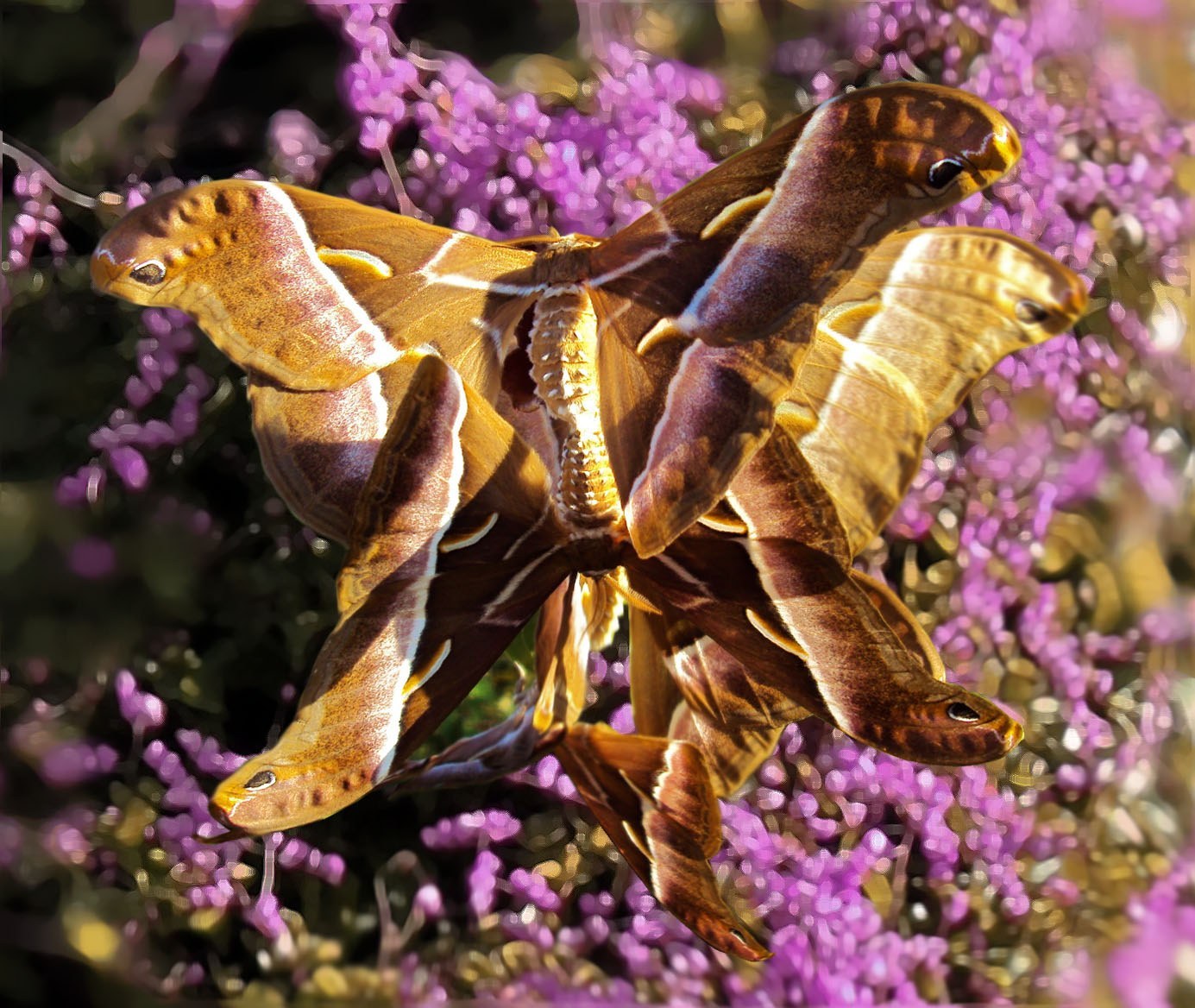
Ailanthus Silkmoth (Cynthia Moth)
Urban parks, wastelands, and woodland edges with tree-of-heaven; native to Asia, introduced in North America and Europe
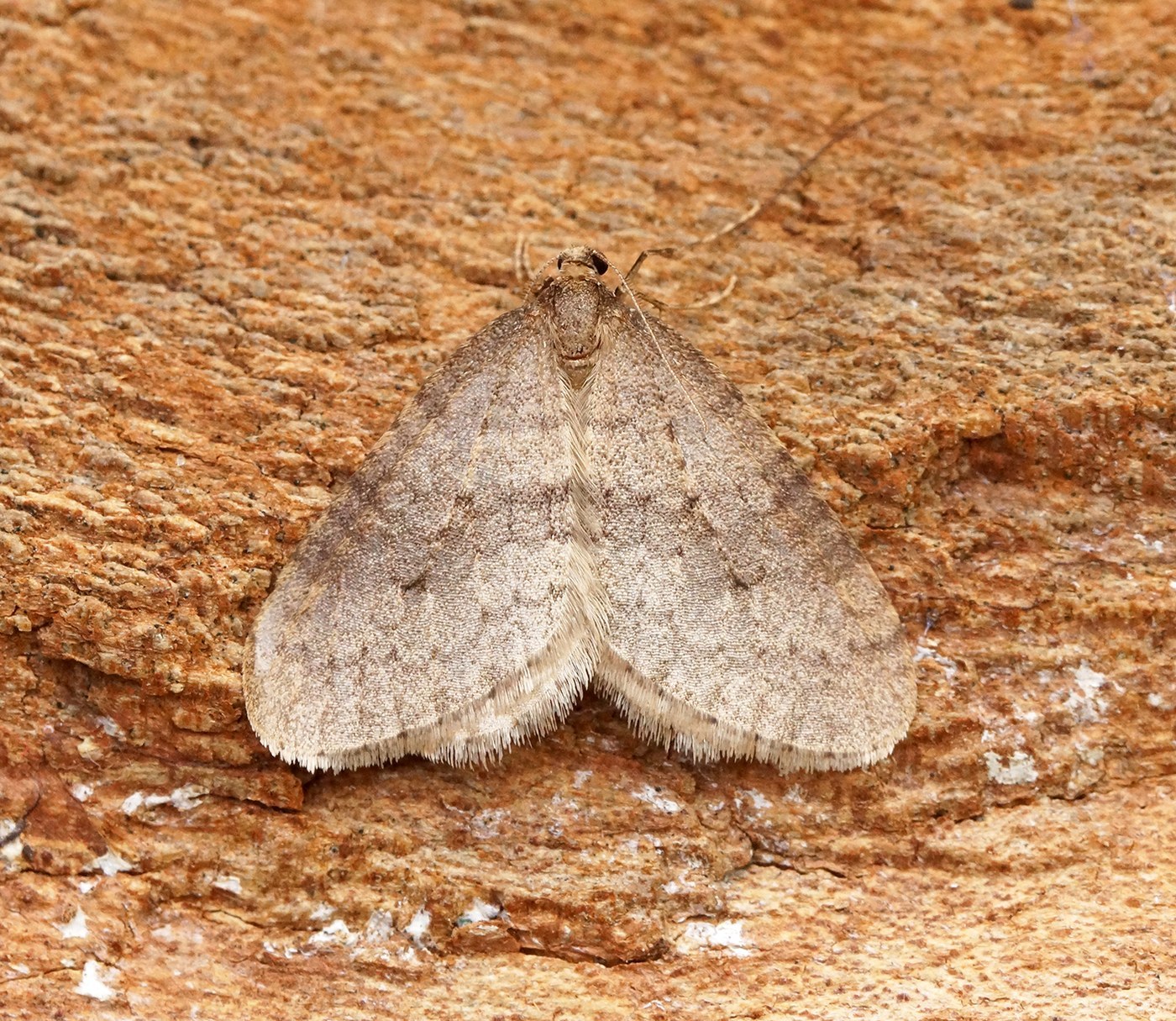
Winter Moth
Deciduous woodland, orchards, gardens, hedgerows
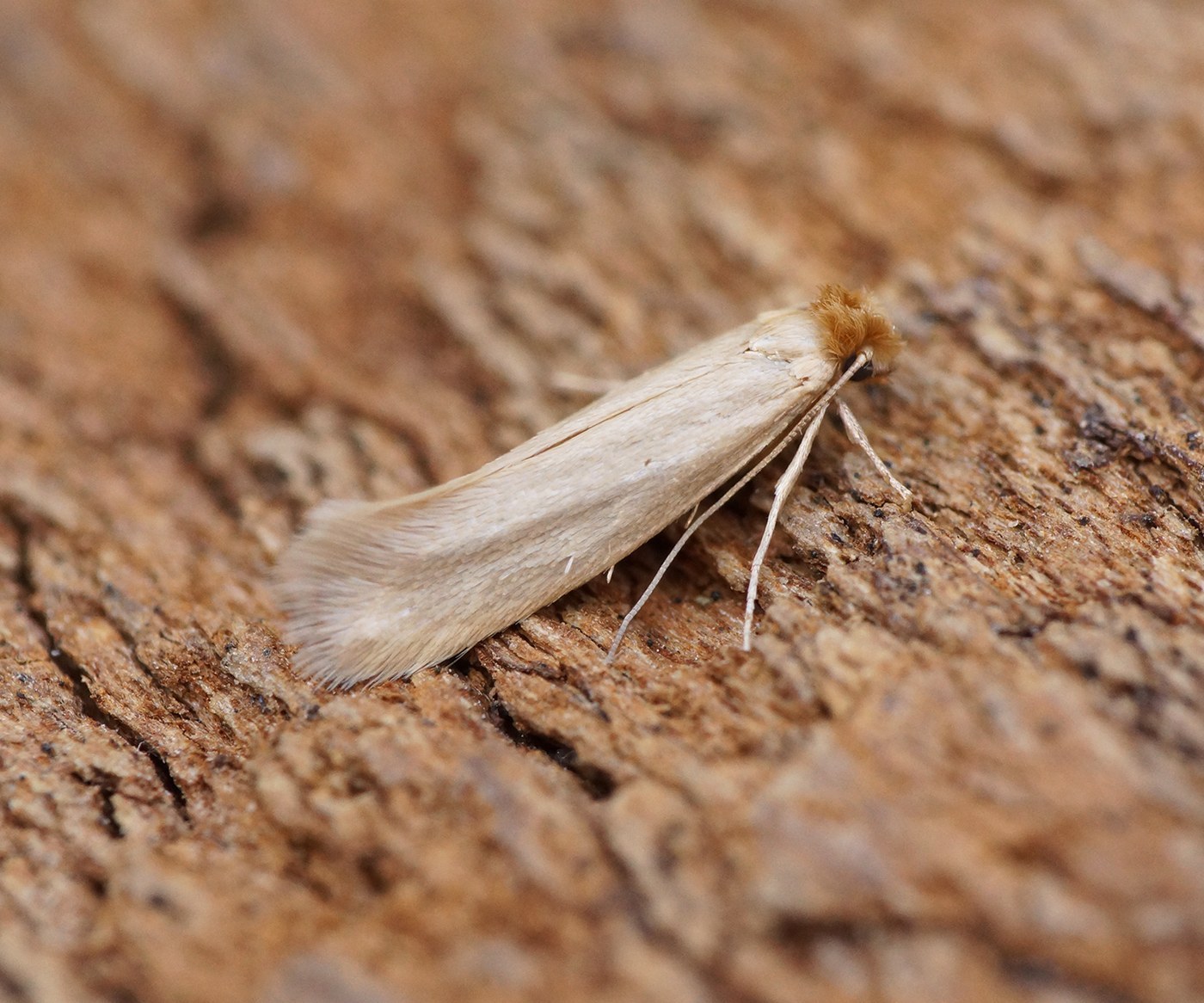
Webbing Clothes Moth
Dark closets, storage areas, and animal nests worldwide
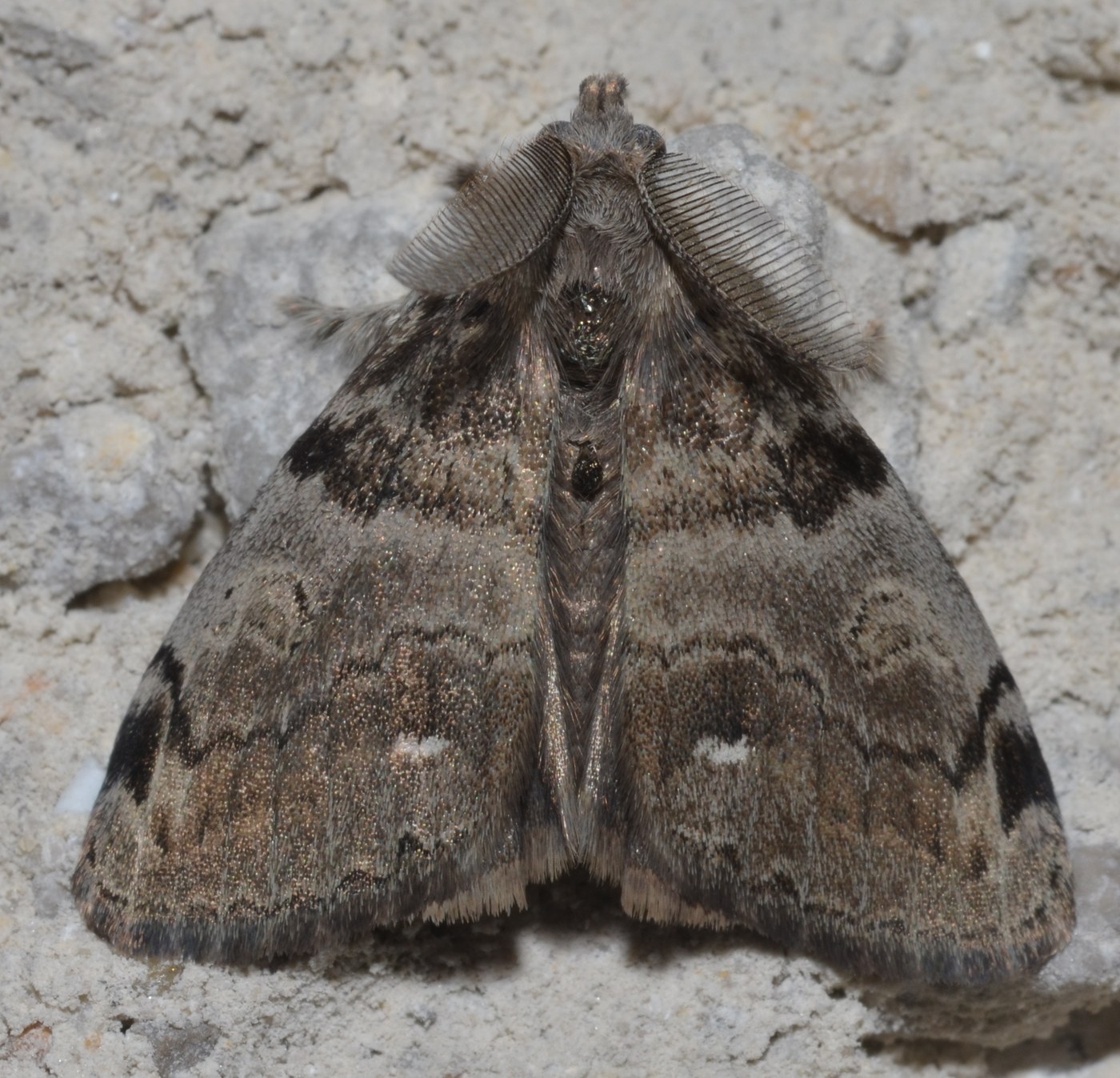
Tussock Moth
Deciduous forests, parks, gardens
Wax Moth
Beehives, apiaries, stored beeswax and comb
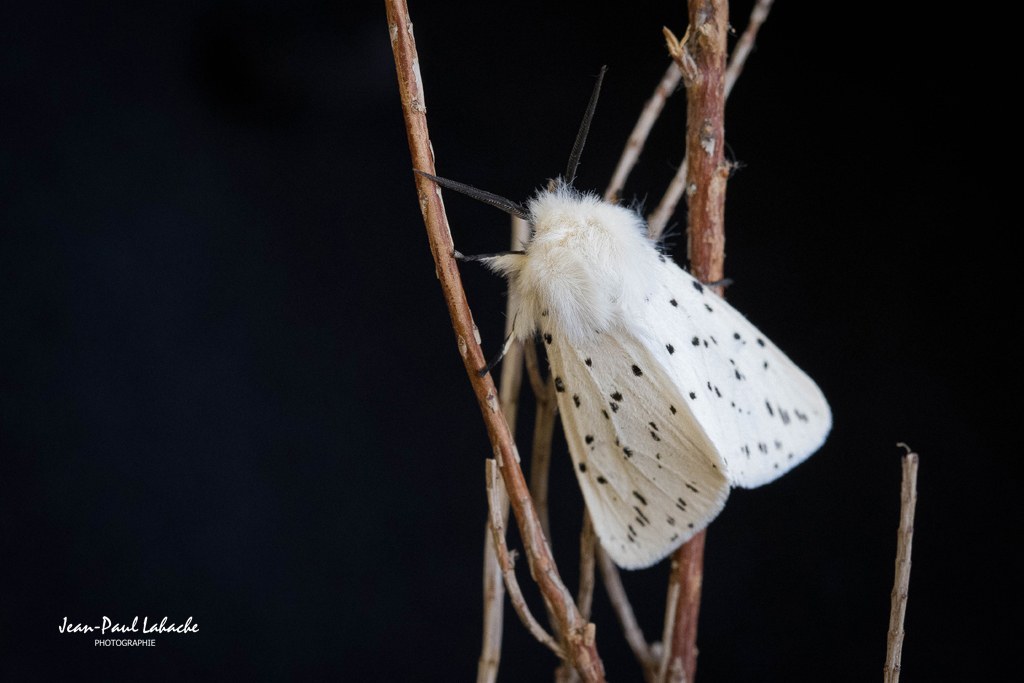
White Ermine Moth
Gardens, meadows, hedgerows
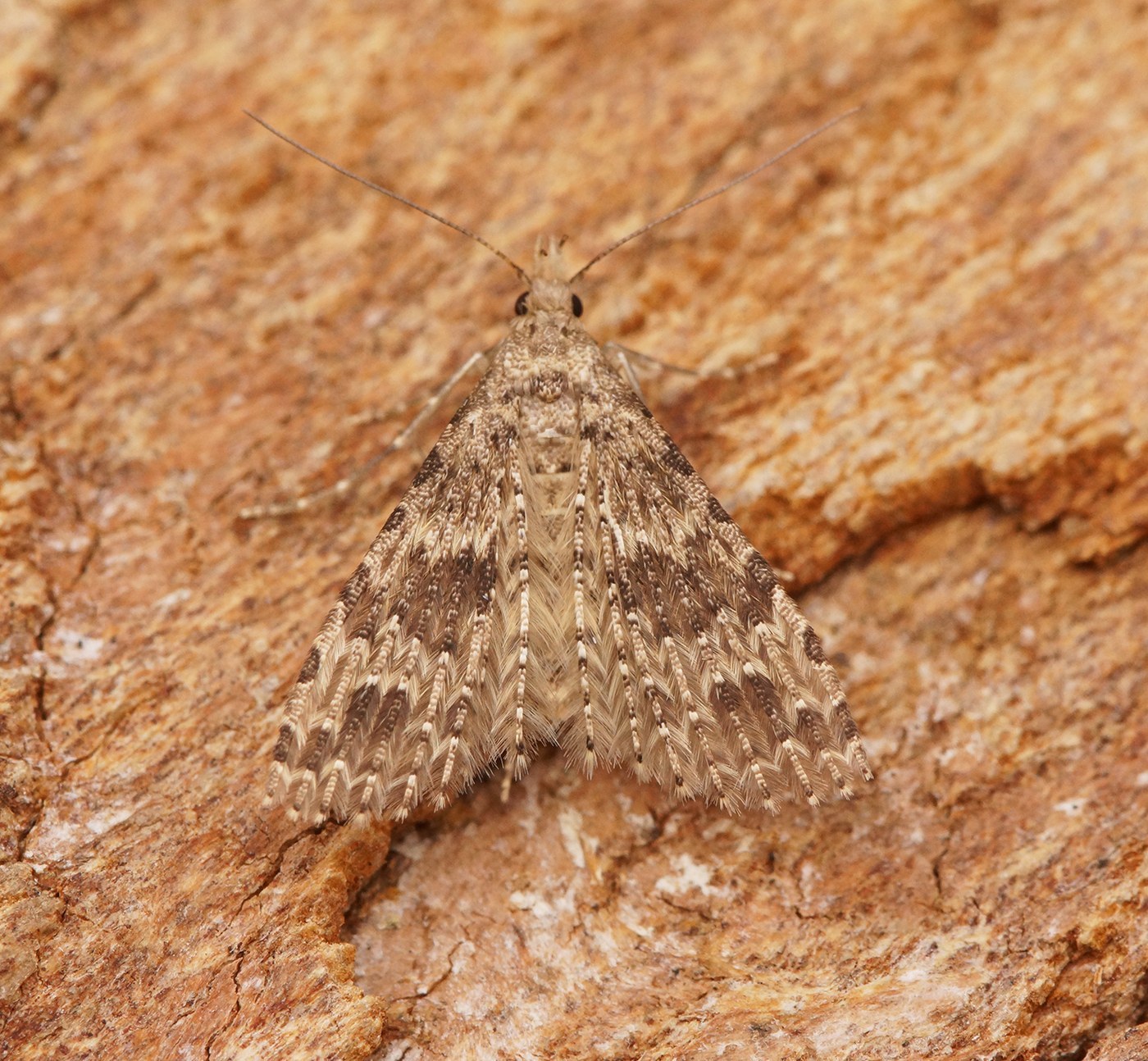
Twenty-plume Moth
Gardens, hedgerows, near honeysuckle
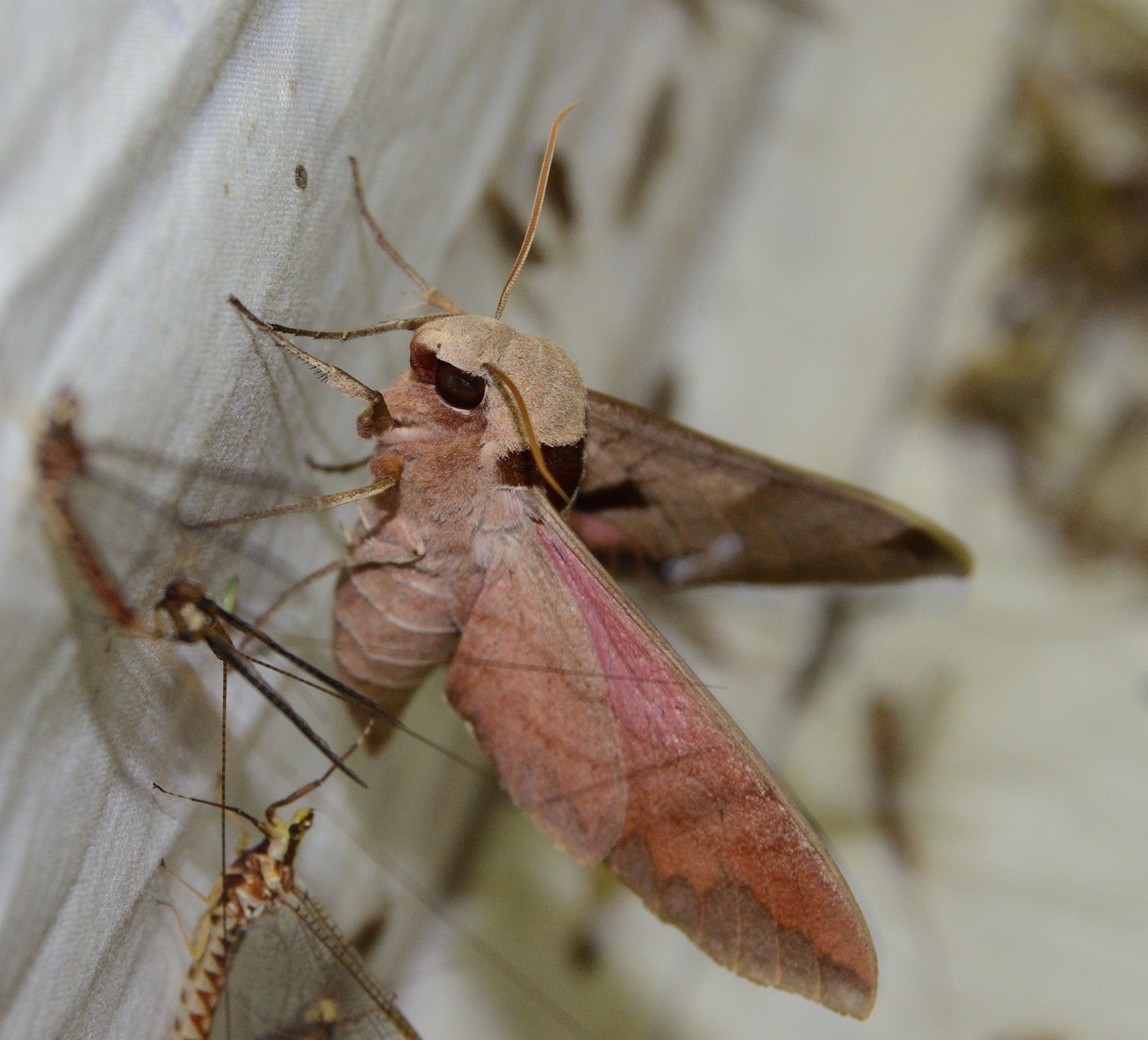
Achemon Sphinx Moth
Vineyards, woodland edges, gardens with wild grape
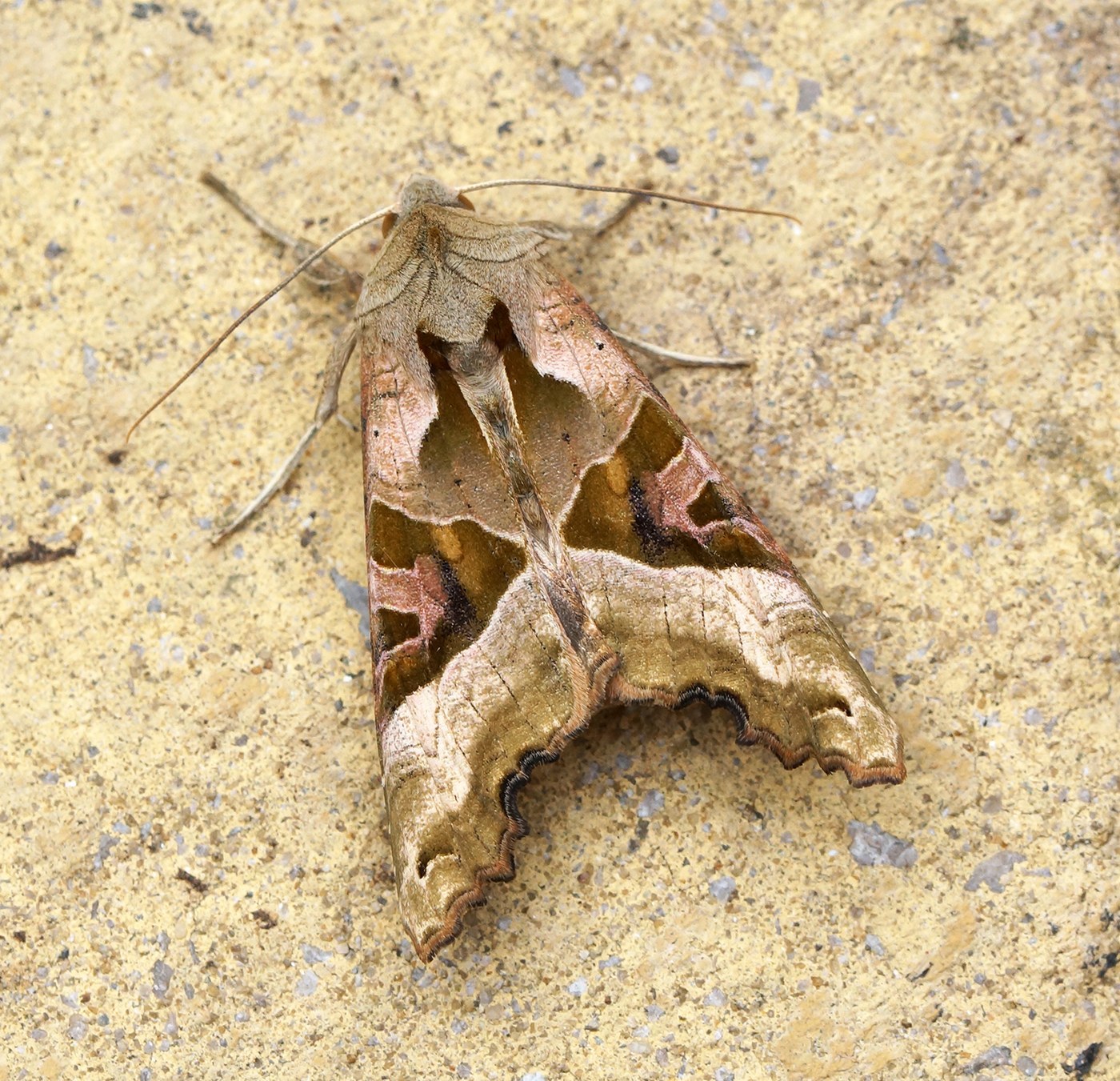
Angle Shades Moth
Gardens, hedgerows, woodland edges, urban parks
Atlas Moth
Tropical and subtropical lowland forests of Southeast Asia