
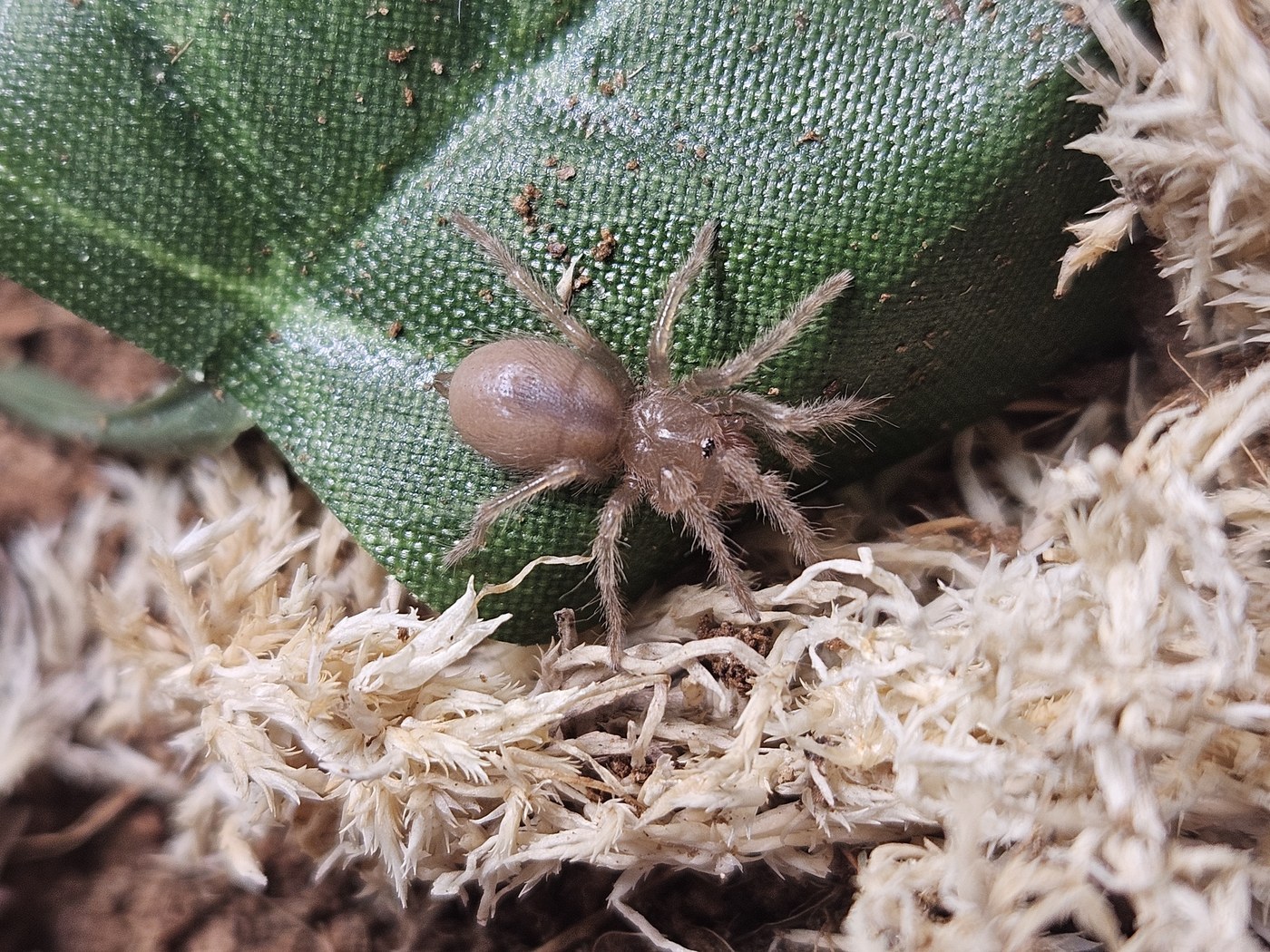
Mexican Redknee Tarantula
Brachypelma hamorii
One of the most recognizable tarantulas in the world, this heavy-bodied spider has jet-black legs banded with vivid orange-red at each joint, and defends itself by kicking a cloud of irritating hairs from its abdomen rather than attacking.
- Size
- Body 5-7 cm; leg span up to 15 cm
- Habitat
- Burrows in dry tropical scrub and thorn forest along Mexico's Pacific coast
- Danger
- Mildly venomous
Spotted a bug like this?
Identify any bug or insect from a photo, free.
Overview
The Mexican redknee tarantula is a large, striking ground-dwelling tarantula native to the Pacific coastal regions of Mexico, particularly the states of Jalisco, Colima, Michoacán, and Guerrero. It is instantly recognizable by its jet-black body and legs contrasted with bold orange-red bands at each leg joint, a coloration that made it one of the most popular tarantulas in the pet trade and a frequent subject of nature documentaries.
Like other New World tarantulas, this species digs or adopts a burrow in the ground, often at the base of vegetation or in rocky, well-drained soil of tropical dry forest and thorn scrub habitat. It is a relatively slow-moving, docile spider by tarantula standards, relying primarily on camouflage and a defensive display, including flicking urticating (barbed, irritating) hairs from its abdomen with its hind legs, rather than aggression, to deter potential predators.
Once heavily collected from the wild for the pet trade, wild populations of the Mexican redknee tarantula are now protected, and most individuals in captivity today are captive-bred. In the wild, it remains an important predator of insects and other small animals within its dry forest habitat.
How to Identify
- Jet-black body and legs with vivid orange to reddish bands at each leg joint
- Large, robust, hairy body typical of tarantulas, with a dense covering of setae (hairs) on the abdomen
- Relatively slow, deliberate movements compared to many other spiders
- Defensive posture includes rearing up and rapidly brushing hind legs across the abdomen to flick loose urticating hairs
- Lookalikes: other Brachypelma species (similar banding pattern, subtle differences in leg coloration and hair density)
Habitat & Range
Native to a narrow band of Pacific coastal Mexico, including tropical dry forest and thorn scrub in Jalisco, Colima, Michoacán, and Guerrero. It lives in burrows in the ground, often reusing rodent burrows or excavating its own beneath rocks, roots, or dense vegetation, in areas with a pronounced dry season followed by seasonal rains.
Behavior & Diet
This tarantula is a nocturnal, sit-and-wait predator that spends most of the day within its burrow, emerging at night to hunt near the entrance or wait for prey to pass. Diet consists of insects, other arthropods, and occasionally small vertebrates such as lizards. When threatened, it typically prefers to retreat into its burrow, but if cornered it may rear up in a defensive posture and flick barbed urticating hairs from its abdomen toward the source of the disturbance rather than fleeing or biting.
Life Cycle
After mating, females produce a large silken egg sac containing several hundred eggs, which they guard closely within the burrow. Spiderlings emerge after several weeks and disperse to dig their own small burrows nearby. Like most tarantulas, this species grows slowly, molting periodically over several years before reaching maturity, with females taking considerably longer to mature than males and living significantly longer, with some females documented living two to three decades in captivity.
Frequently asked questions
Why is it called the redknee tarantula?
Its legs are jet-black with a distinctive band of orange-red coloring at each leg joint, resembling knees, which gives the species its common name.
How does the Mexican redknee tarantula defend itself?
It typically retreats into its burrow when disturbed, but if cornered it may rear up and flick barbed, irritating hairs from its abdomen toward a threat using its hind legs.
Where does this tarantula live in the wild?
It is native to tropical dry forest and thorn scrub along Mexico's Pacific coast, where it digs or occupies burrows in well-drained soil.
How long do Mexican redknee tarantulas live?
Females are notably long-lived, with documented lifespans of two to three decades, while males mature faster and have considerably shorter lifespans.
Mexican Redknee Tarantula guides
In-depth guides for identifying, understanding, and living alongside Mexican Redknee Tarantula.
Mexican Redknee Tarantula identified by the community
Real finds identified with Bug Identifier.
Other bugs you may enjoy
Woodlouse Spider
Damp leaf litter, under logs, stones, and mulch
Wolf Spider
Gardens, grasslands, forests, leaf litter, ground burrows
Wandering Spider
Tropical and subtropical forest floor, foliage, and banana plants
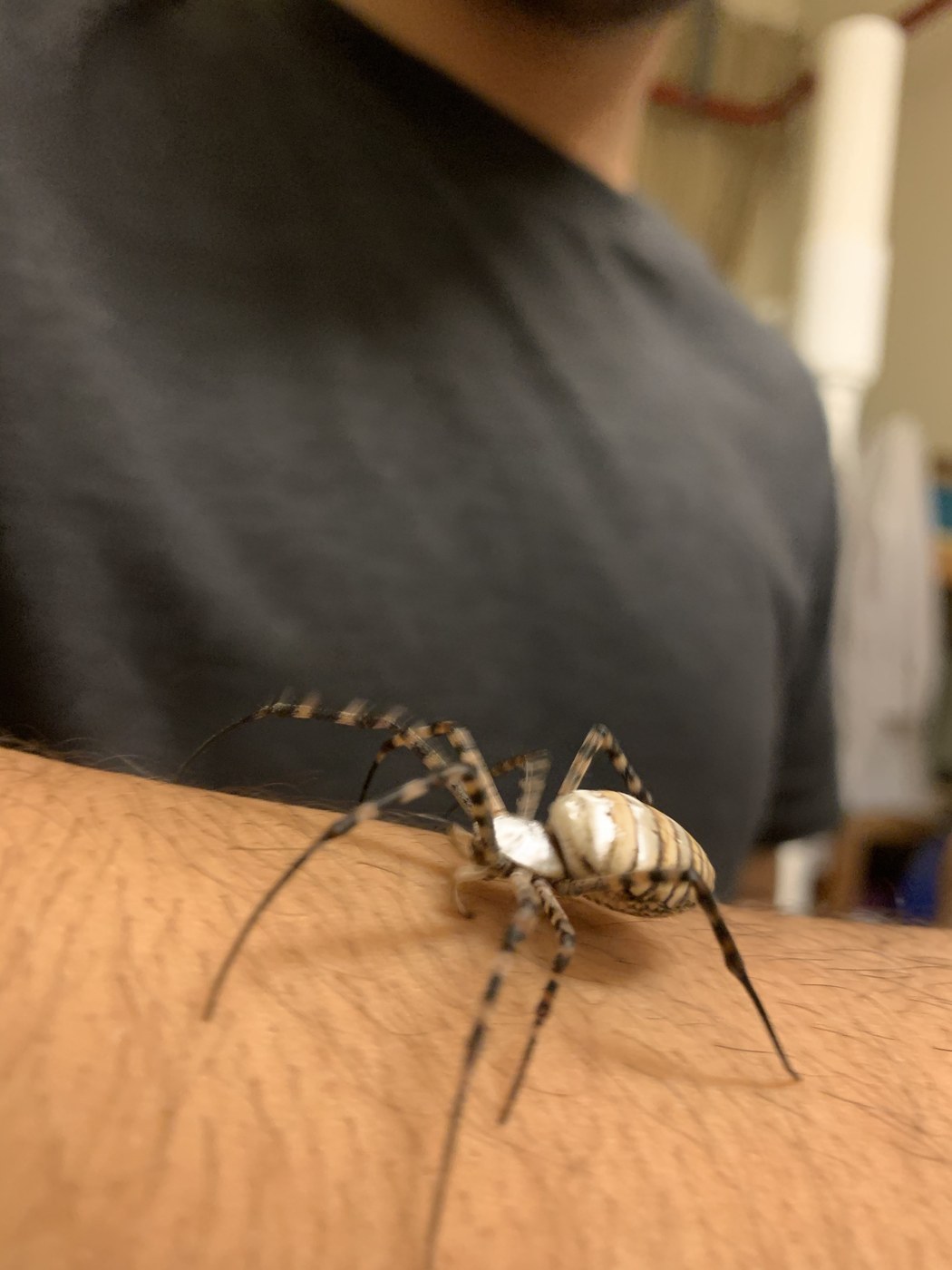
Banded Garden Spider
Tall grass, meadows, and gardens with open sunny vegetation
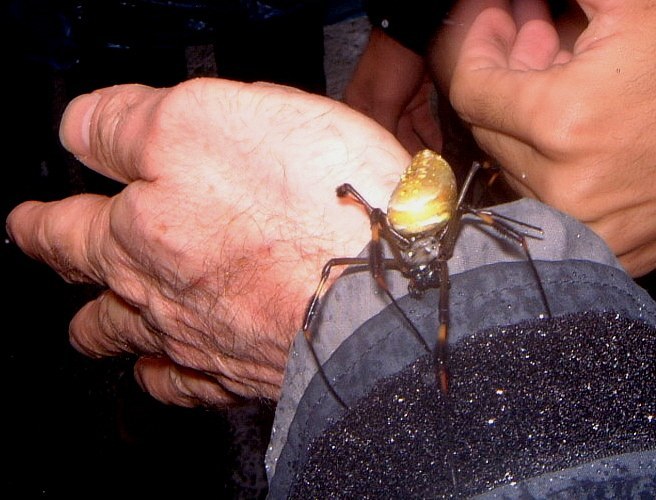
Banana Spider
Wooded trails, forest edges, and gardens across the southeastern U.S. and the American tropics
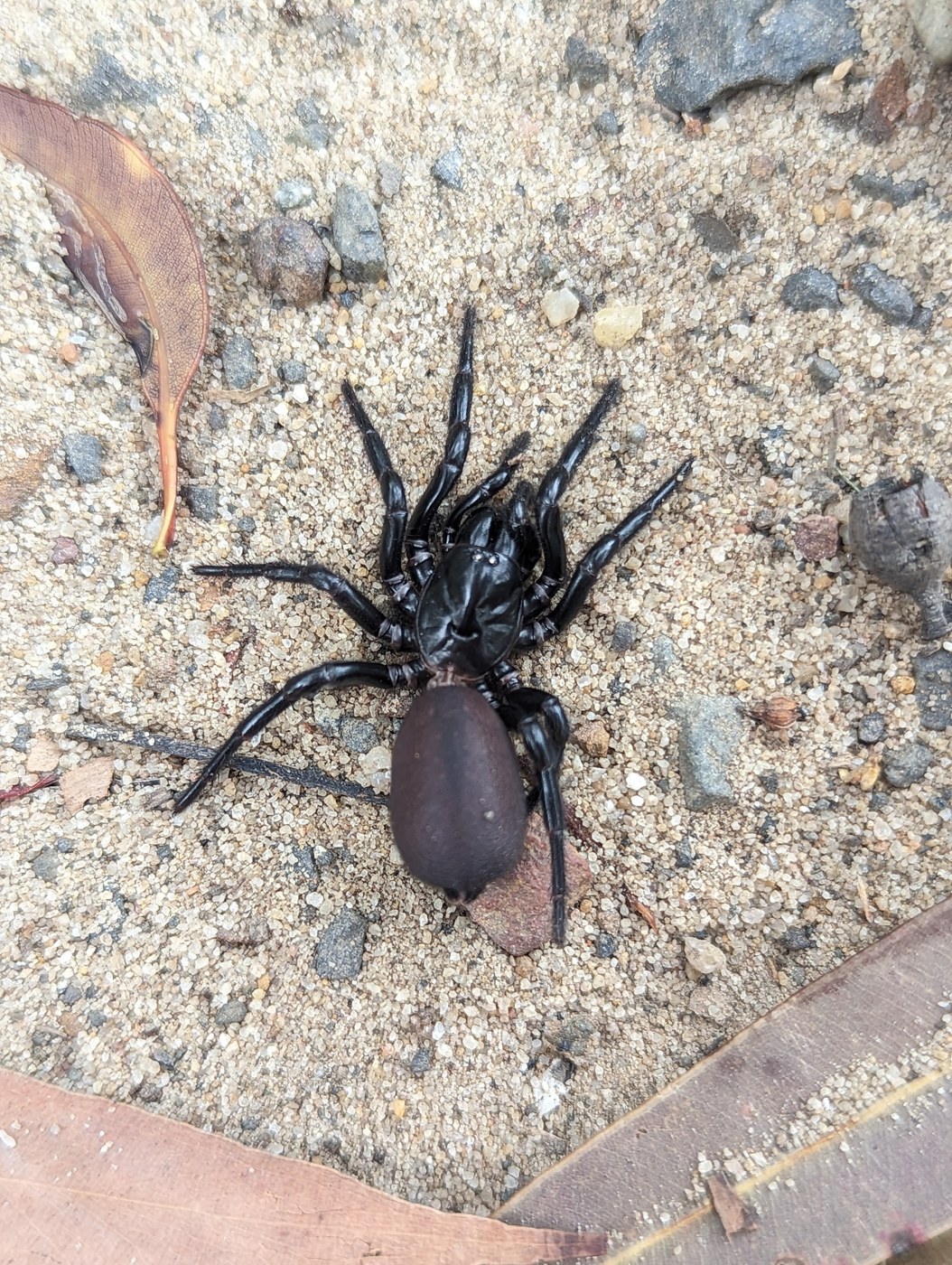
Sydney Funnel-web Spider
Burrows in moist soil, gardens, and forested gullies around the Sydney basin of eastern Australia
Trapdoor Spider
Self-dug silk-lined burrows with a camouflaged door, in dry, well-drained soil worldwide
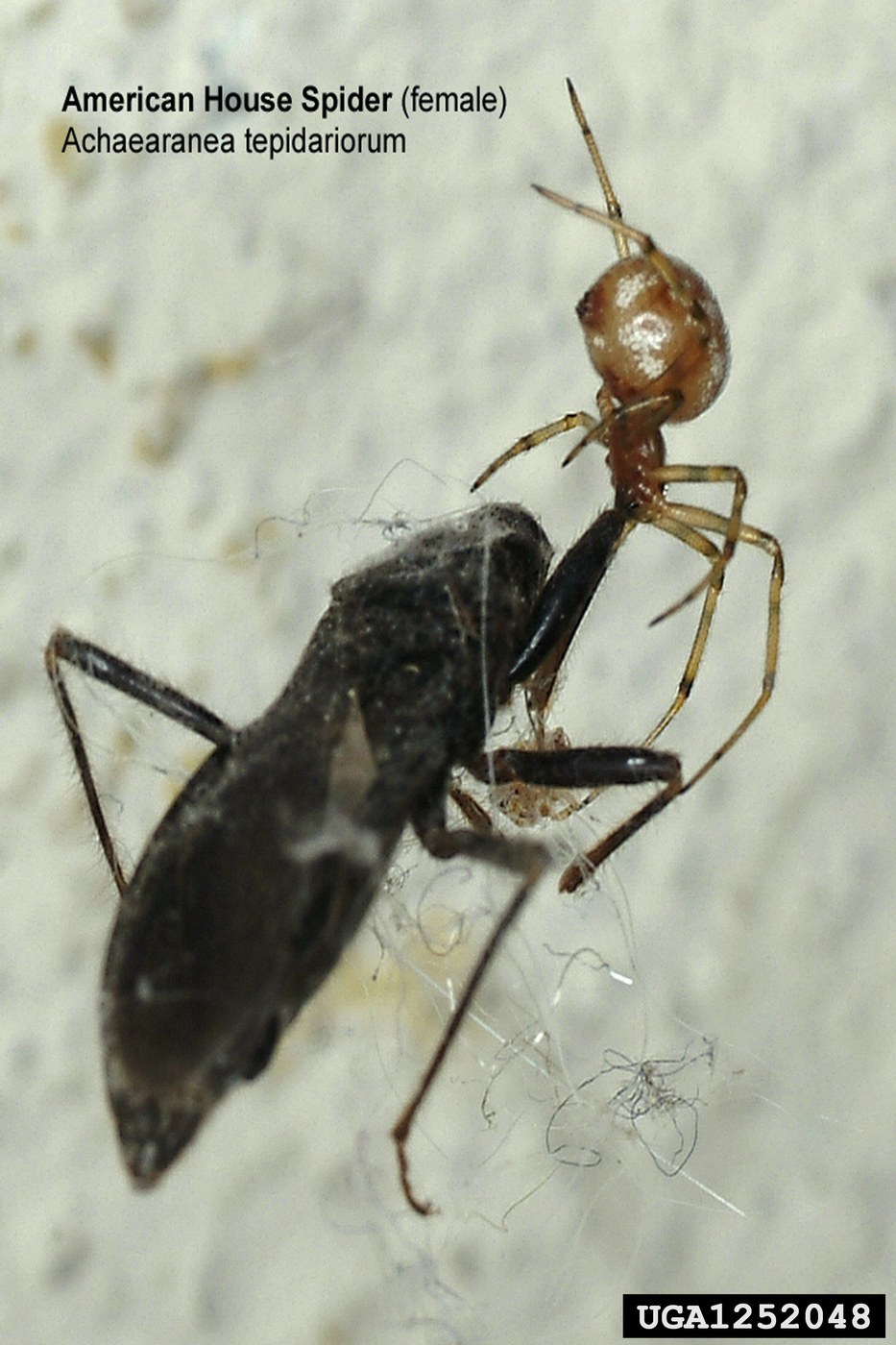
American House Spider
Corners, basements, garages, and outbuildings worldwide
Tube Web Spider
Wall crevices, bark, rockeries, and masonry
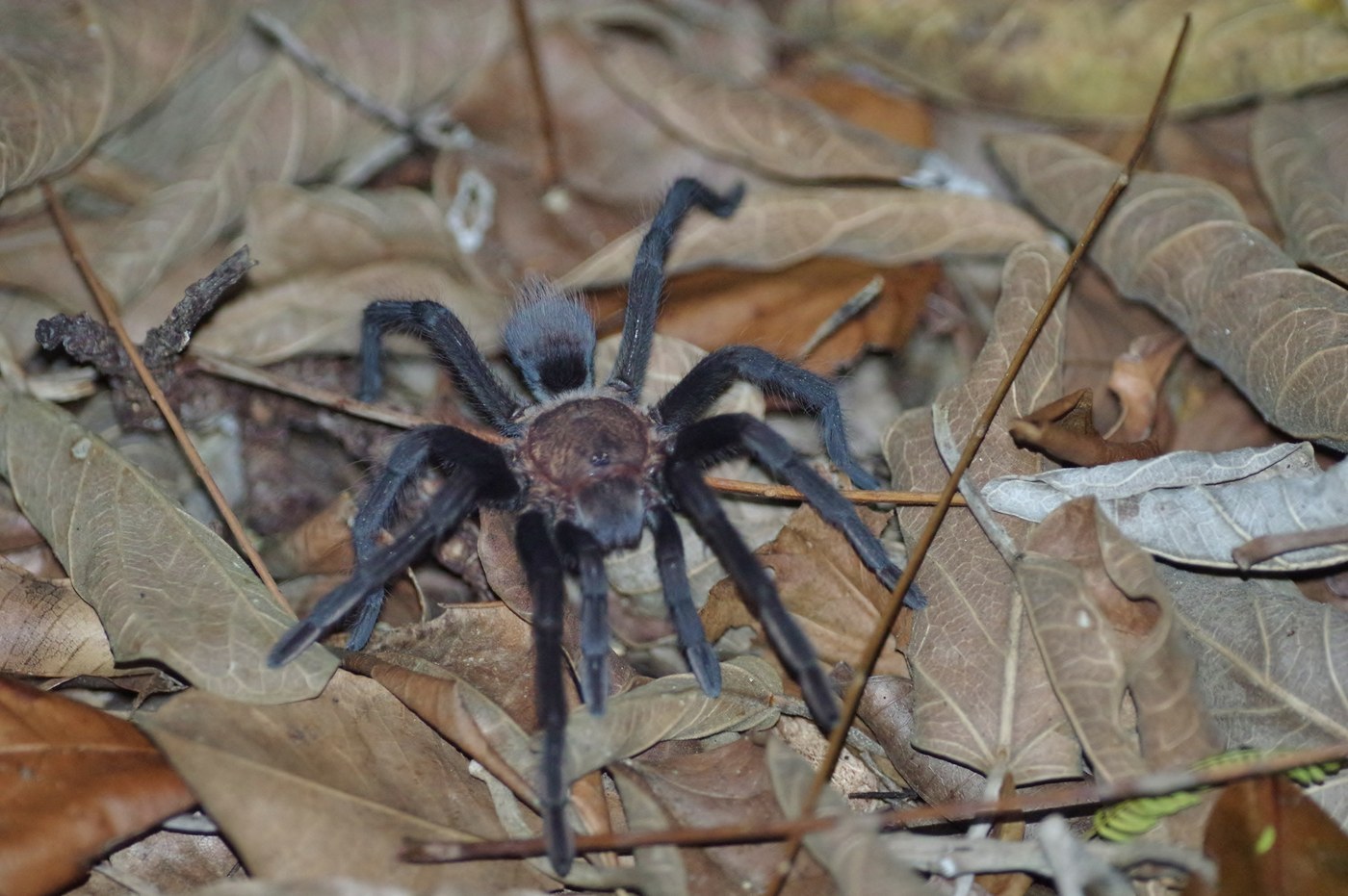
Tarantula
Burrows, rock crevices, and tree hollows in deserts, grasslands, and tropical forests worldwide
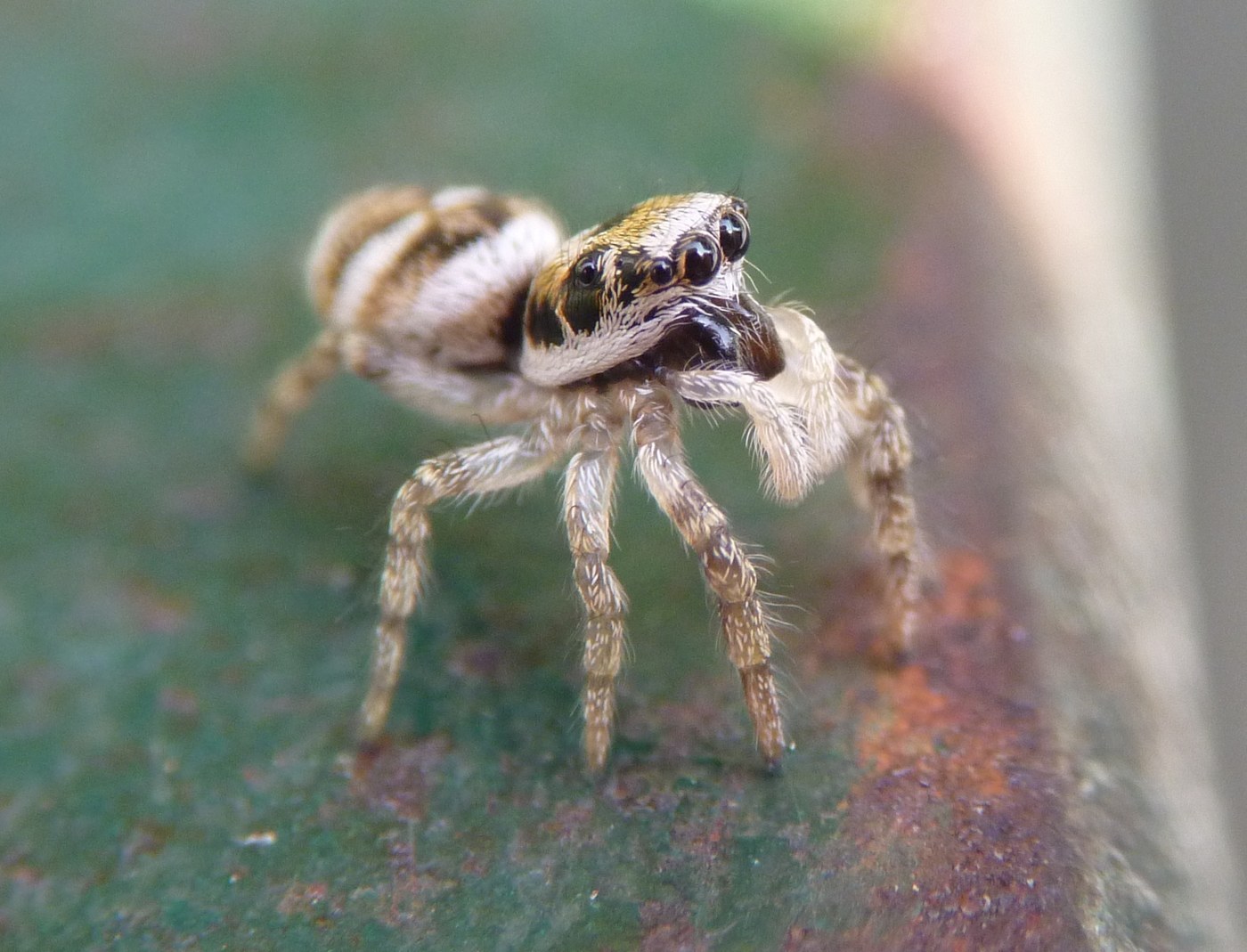
Zebra Jumping Spider
Sunny walls, fences, tree bark, and building exteriors
Wall Spider
Cracks and crevices on exterior and interior walls