
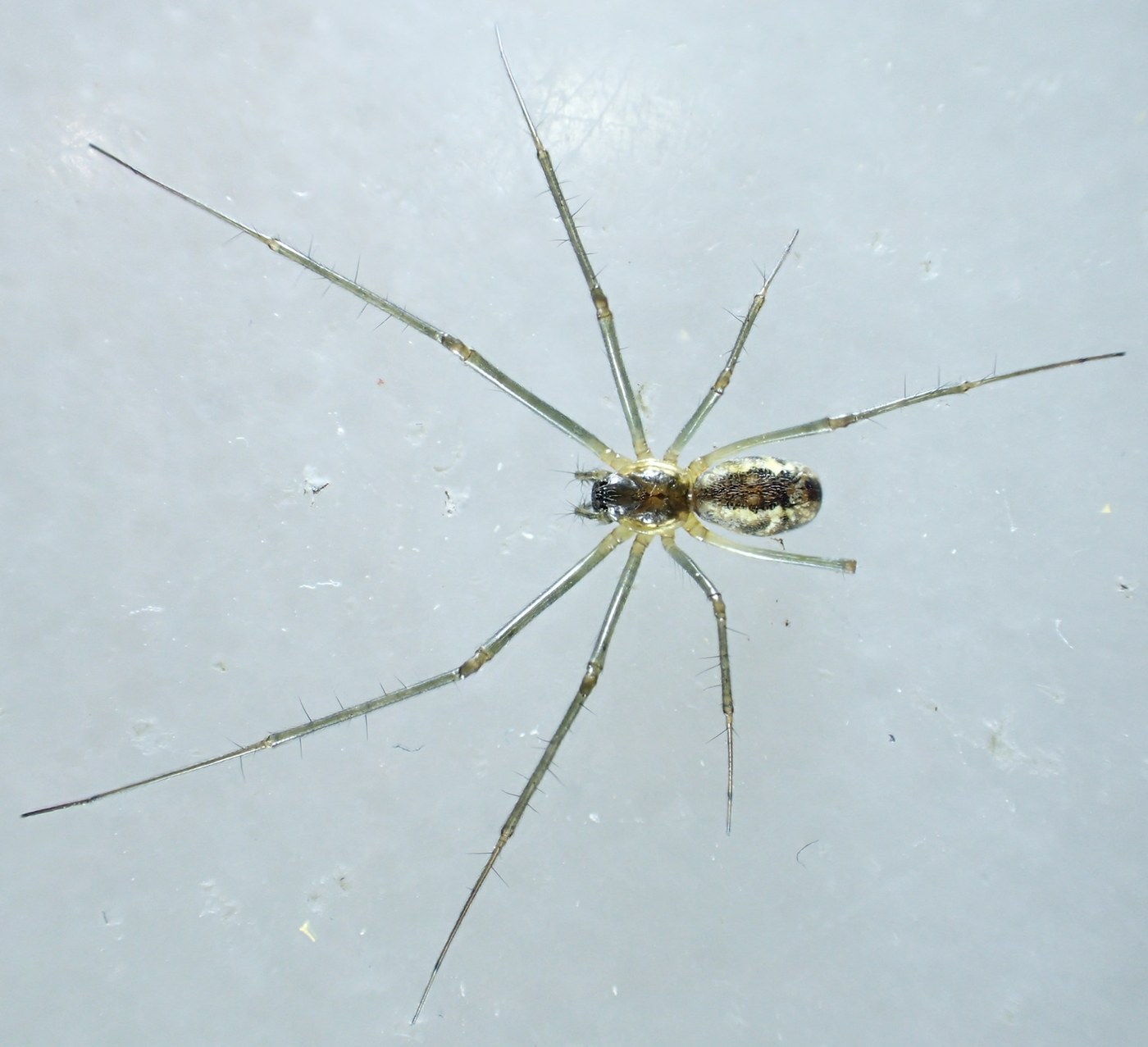
Money Spider
Linyphiidae spp.
A tiny sheet-weaving spider, often seen drifting through the air on silk threads, traditionally said to bring good luck when it lands on you.
- Size
- Body length 1-4 mm
- Habitat
- Grass, hedgerows, low vegetation and leaf litter
- Danger
- Harmless
Spotted a bug like this?
Identify any bug or insect from a photo, free.
Overview
Money spiders make up one of the largest spider families, comprising thousands of species that are typically very small and easily overlooked despite being among the most abundant spiders in many temperate ecosystems. The common name comes from British folklore holding that a money spider landing on a person, or being carried in a pocket, brings financial good fortune.
These spiders are best known for building small, horizontal or dome-shaped sheet webs low in grass and vegetation, often with a tangle of supporting threads above that knock flying insects down onto the sheet below. Many species are also prolific "ballooners," releasing silk threads into the air that catch the wind and carry the tiny spider, sometimes for considerable distances, a behavior important for colonizing new habitats.
Despite their small size, money spiders are ecologically significant as extremely abundant predators of small invertebrates in grasslands, agricultural fields, and gardens, and are considered valuable natural pest regulators in farmland ecosystems.
How to Identify
- Very small size, often just 1-4 mm in body length, requiring close inspection to see detail
- Dark brown, black, or reddish coloring, sometimes with a shiny or patterned abdomen
- Builds a small, flat or dome-shaped horizontal sheet web low in grass or vegetation
- Often seen hanging upside down beneath its sheet web waiting for prey to fall onto it
- Lookalikes include other tiny web-building spiders, but the low horizontal sheet web with the spider hanging beneath is a strong identifying clue
Habitat & Range
Money spiders are found in grasslands, hedgerows, gardens, agricultural fields, and leaf litter across temperate regions worldwide, with particularly high diversity and abundance in Europe. They are frequently the most numerous spiders present in a given patch of grassland, occurring in extremely high densities.
Behavior & Diet
These spiders build small sheet webs close to the ground and hang beneath them, seizing small insects that fall or become entangled from above. Many species disperse by ballooning, climbing to an exposed point, releasing silk into the breeze, and being carried aloft, sometimes over long distances, which helps populations spread rapidly into new areas such as freshly disturbed farmland. As abundant predators of springtails, aphids, and other small invertebrates, money spiders play an important role in controlling pest populations in grassland and farmland ecosystems.
Life Cycle
Females lay small egg sacs hidden within vegetation or leaf litter near the web site. Spiderlings hatch and often disperse quickly via ballooning, spreading them across a wide area. Growth to maturity occurs over several molts within a few months, with many species producing multiple generations per year and some overwintering as juveniles or adults in temperate climates.
Frequently asked questions
Why is it called a money spider?
The name comes from folklore, particularly in Britain, holding that these tiny spiders bring good financial luck if one lands on you or is carried on your person.
How do money spiders travel through the air?
They release fine silk threads that catch the wind, a behavior called ballooning, which can carry the tiny spider over considerable distances to new habitats.
Are money spiders useful to have around?
Yes, they are abundant predators of small invertebrates such as aphids and springtails, making them valuable for natural pest regulation in gardens and farmland.
Money Spider guides
In-depth guides for identifying, understanding, and living alongside Money Spider.
Money Spider identified by the community
Real finds identified with Bug Identifier.
Other bugs you may enjoy
Woodlouse Spider
Damp leaf litter, under logs, stones, and mulch
Wolf Spider
Gardens, grasslands, forests, leaf litter, ground burrows
Wandering Spider
Tropical and subtropical forest floor, foliage, and banana plants
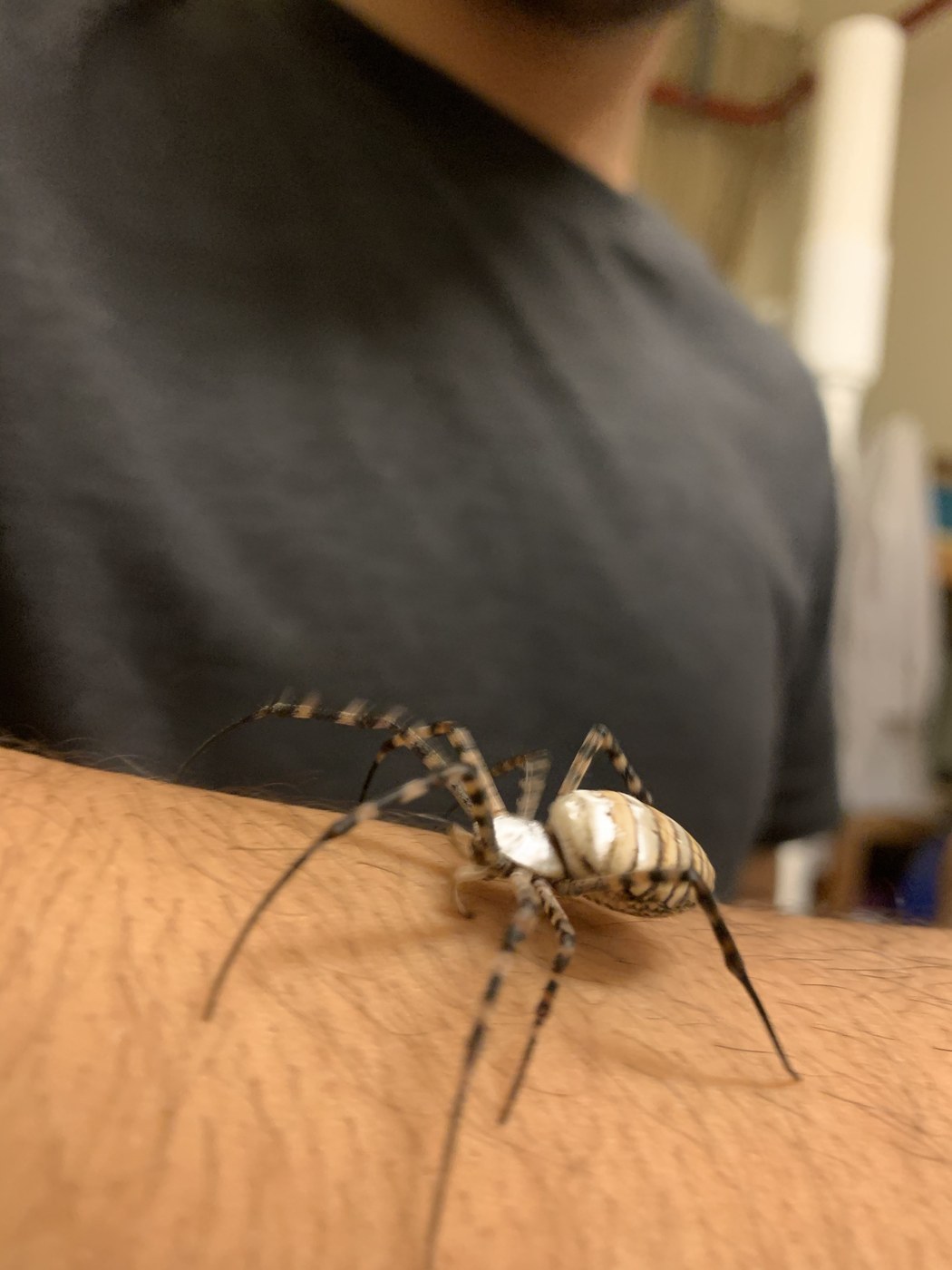
Banded Garden Spider
Tall grass, meadows, and gardens with open sunny vegetation
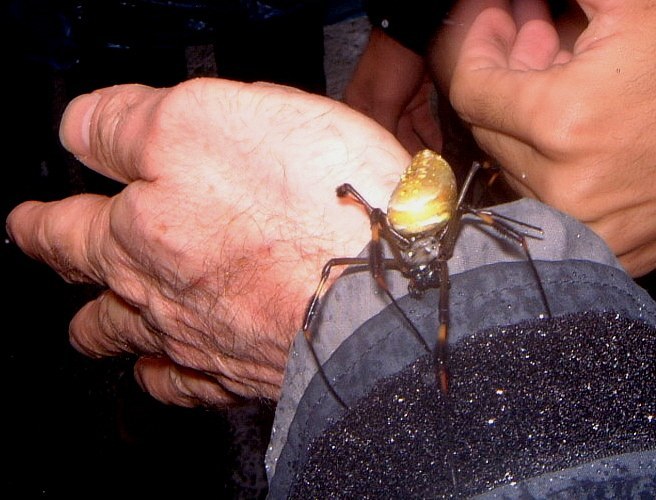
Banana Spider
Wooded trails, forest edges, and gardens across the southeastern U.S. and the American tropics
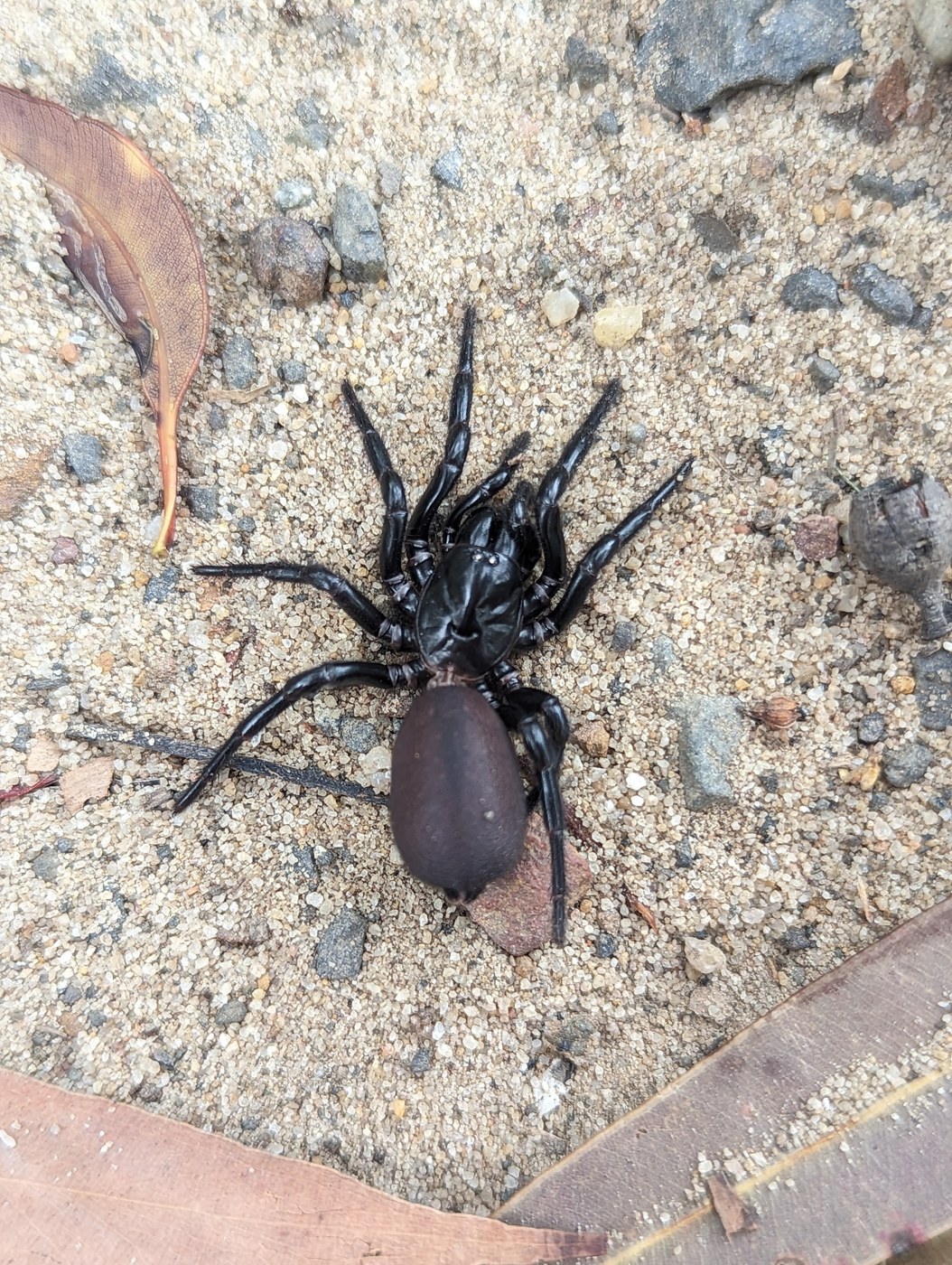
Sydney Funnel-web Spider
Burrows in moist soil, gardens, and forested gullies around the Sydney basin of eastern Australia
Trapdoor Spider
Self-dug silk-lined burrows with a camouflaged door, in dry, well-drained soil worldwide
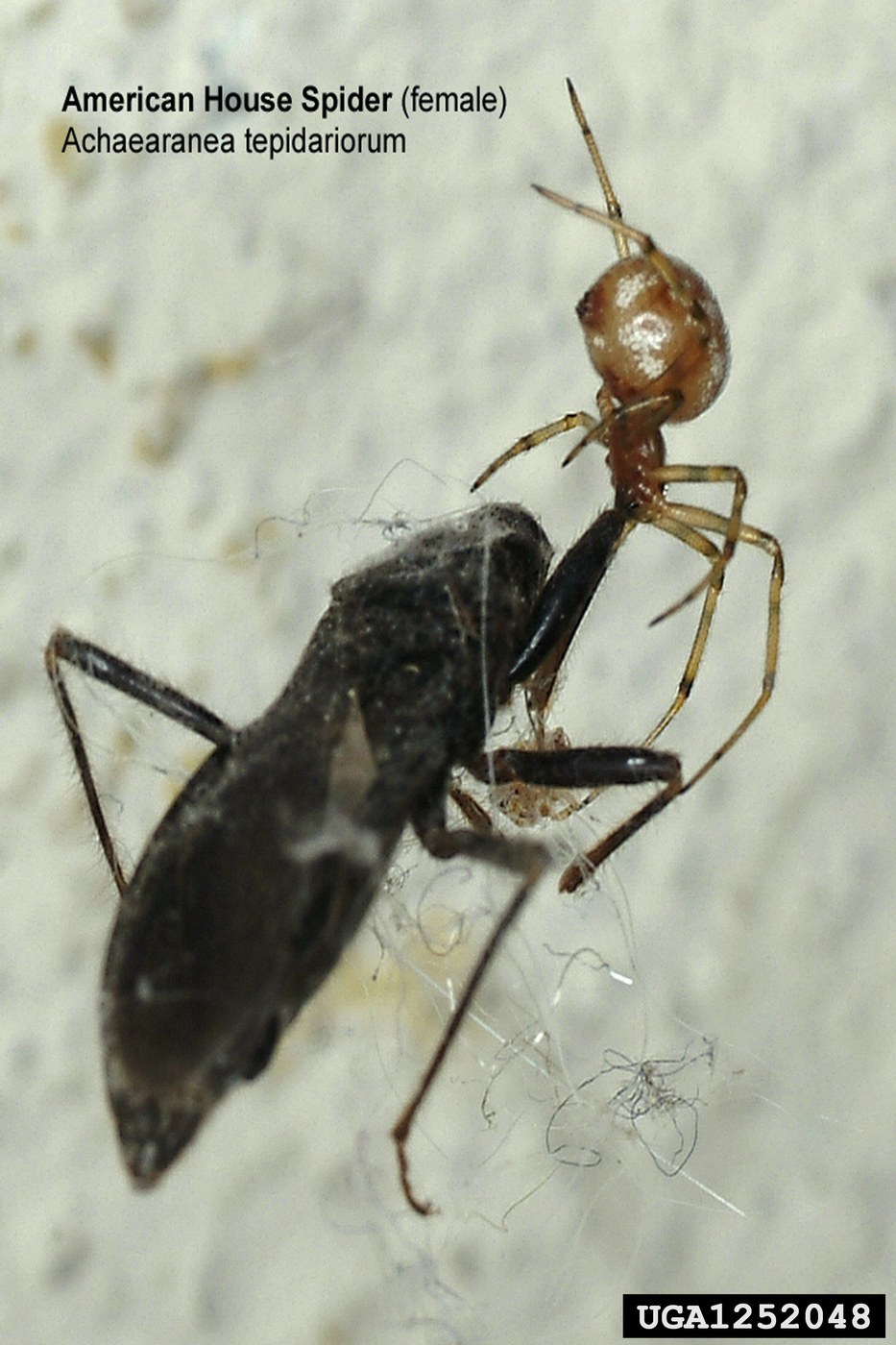
American House Spider
Corners, basements, garages, and outbuildings worldwide
Tube Web Spider
Wall crevices, bark, rockeries, and masonry
Tarantula
Burrows, rock crevices, and tree hollows in deserts, grasslands, and tropical forests worldwide
Zebra Jumping Spider
Sunny walls, fences, tree bark, and building exteriors
Wall Spider
Cracks and crevices on exterior and interior walls