
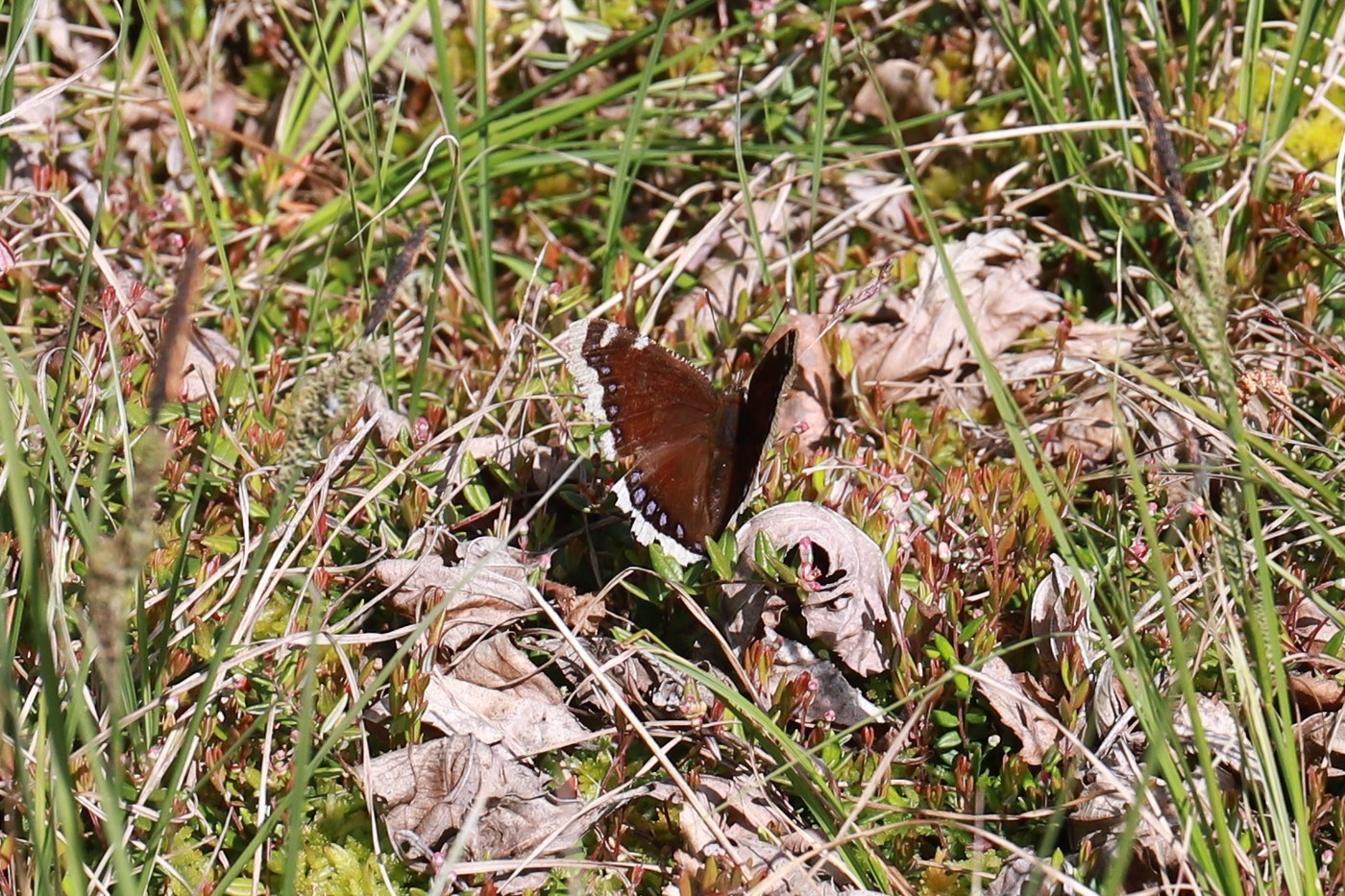
Mourning Cloak
Nymphalis antiopa
A dark, velvety maroon-brown butterfly edged with a ragged cream-yellow border and a row of iridescent blue spots, notable for overwintering as an adult and often being one of the very first butterflies seen flying in early spring.
- Size
- 6.5–9 cm wingspan
- Habitat
- Woodlands, forest edges, parks, riverbanks (Northern Hemisphere)
- Danger
- Harmless
Spotted a bug like this?
Identify any bug or insect from a photo, free.
Overview
The mourning cloak is a long-lived brushfoot butterfly (Nymphalidae) found across much of North America, Europe, and Asia, making it one of the most widely distributed butterflies in the Northern Hemisphere. In Britain, where it is a rare visitor, it is known instead as the Camberwell beauty, named after the London district where it was first recorded.
Unlike most butterflies in temperate climates, the mourning cloak overwinters as an adult rather than as an egg, caterpillar, or chrysalis, sheltering in tree cavities, loose bark, or woodpiles through the cold months. This allows it to emerge and fly on unusually warm days in late winter or very early spring, often well before most other butterflies have completed their life cycle, making it a familiar early-season sighting for naturalists.
Adults are also unusually long-lived for a butterfly, with some individuals surviving nearly a full year from summer emergence through winter dormancy into the following spring, a lifespan considerably longer than the few weeks typical of many other butterfly species.
How to Identify
- Wingspan roughly 6.5–9 cm; upperwings are deep maroon-brown to almost black, giving the somber "mourning cloak" appearance.
- A ragged, irregular cream to pale yellow border runs along the outer wing margin.
- Just inside that border is a row of iridescent blue-violet spots, adding a striking contrast to the otherwise dark wings.
- Wing edges are notably scalloped and jagged rather than smooth.
- Lookalikes: few other butterflies share this exact combination of dark wings with a pale border and blue spot row, though worn or faded individuals of other Nymphalis species can appear superficially similar and require closer comparison of border color and spot arrangement.
Habitat & Range
Found across a broad range of wooded and semi-open habitats including deciduous and mixed forests, forest edges, parks, riverbanks, and suburban yards with trees, throughout much of North America, Europe, and temperate Asia. Adults overwinter in sheltered spots such as tree crevices, loose bark, or woodpiles and can emerge to fly on mild days even before snow has fully melted. Activity continues through spring and summer, with adults often retreating into a dormant state during the hottest part of summer before becoming active again in fall.
Behavior & Diet
Adults feed primarily on tree sap, especially from wounds in oak and other hardwoods, as well as on rotting fruit and occasionally minerals from damp soil, rather than relying heavily on flower nectar. This species is known for basking on tree trunks and bare ground with wings spread to absorb solar warmth, particularly in cooler weather. Caterpillars are gregarious in early stages, feeding together in groups on the leaves of host trees such as willow, elm, poplar, and birch, dispersing to feed more independently as they mature.
Life Cycle
Complete metamorphosis, typically with one generation per year, though a partial second generation can occur in warmer areas. Eggs are laid in clusters encircling a twig of the host tree; caterpillars hatch and feed gregariously, spiny and dark with small red spots, before dispersing to pupate individually in a grayish, angular chrysalis. Adults emerge in early to midsummer, feed and become active, then often enter a dormant resting phase during the hottest part of summer before resuming activity in fall and eventually overwintering as adults in sheltered locations, emerging again the following spring to complete their unusually long adult lifespan.
Frequently asked questions
Why do I see this butterfly flying so early in spring, before flowers have bloomed?
The mourning cloak overwinters as an adult rather than as an egg or chrysalis, so it can become active and fly on mild days in late winter or very early spring, well before most other butterflies emerge.
What is a "Camberwell beauty"?
It is the British common name for the same species, given after a notable early sighting in the Camberwell area of London.
What does it feed on if flowers aren't blooming yet?
Adults commonly feed on tree sap, rotting fruit, and other liquid sources rather than relying solely on flower nectar.
How long do mourning cloaks live?
Individuals can live close to a year when accounting for summer activity, dormancy, and winter hibernation, unusually long for a butterfly.
Mourning Cloak guides
In-depth guides for identifying, understanding, and living alongside Mourning Cloak.
Other bugs you may enjoy
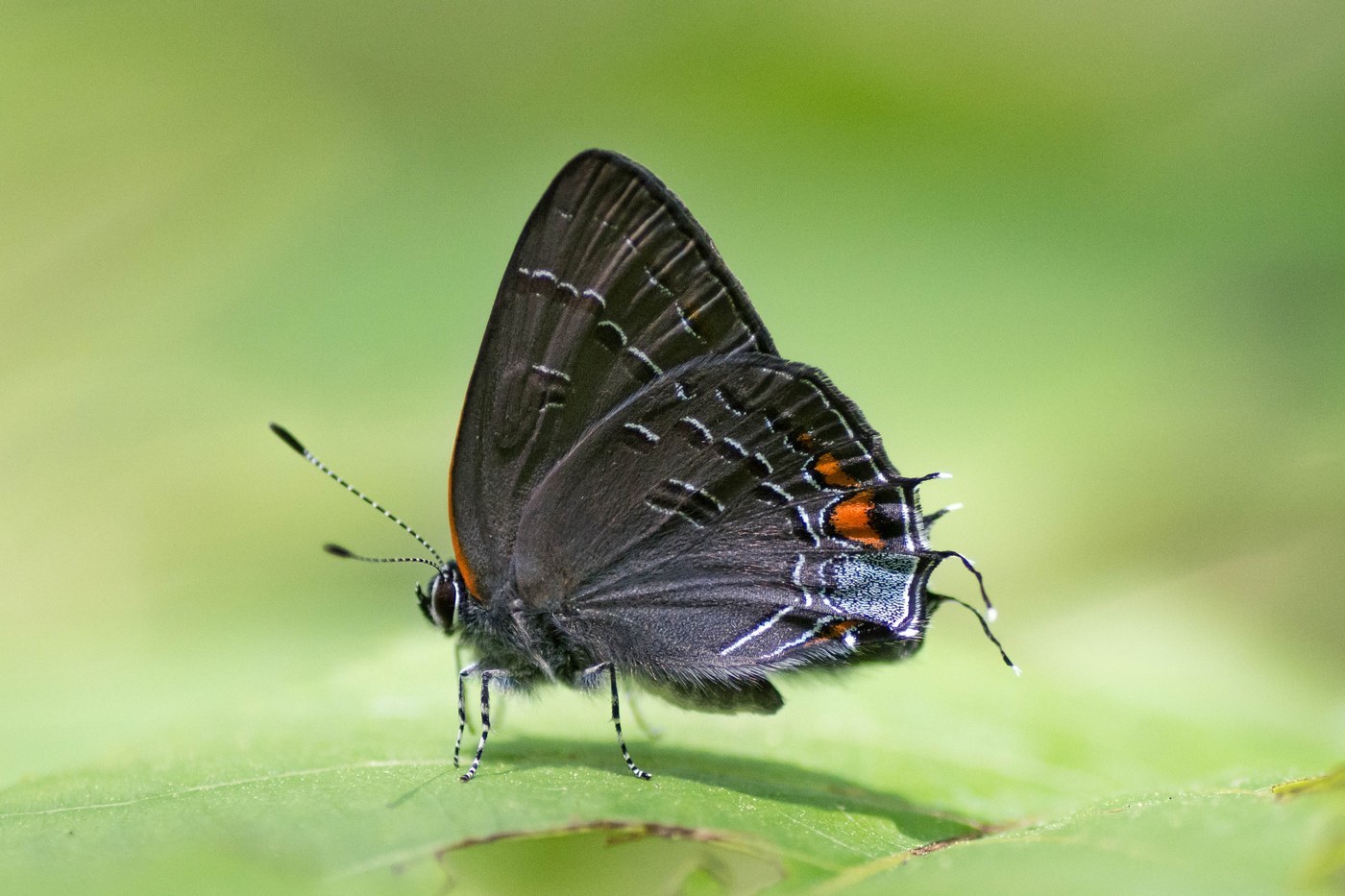
Banded Hairstreak
Deciduous woodlands and edges with oaks and hickories
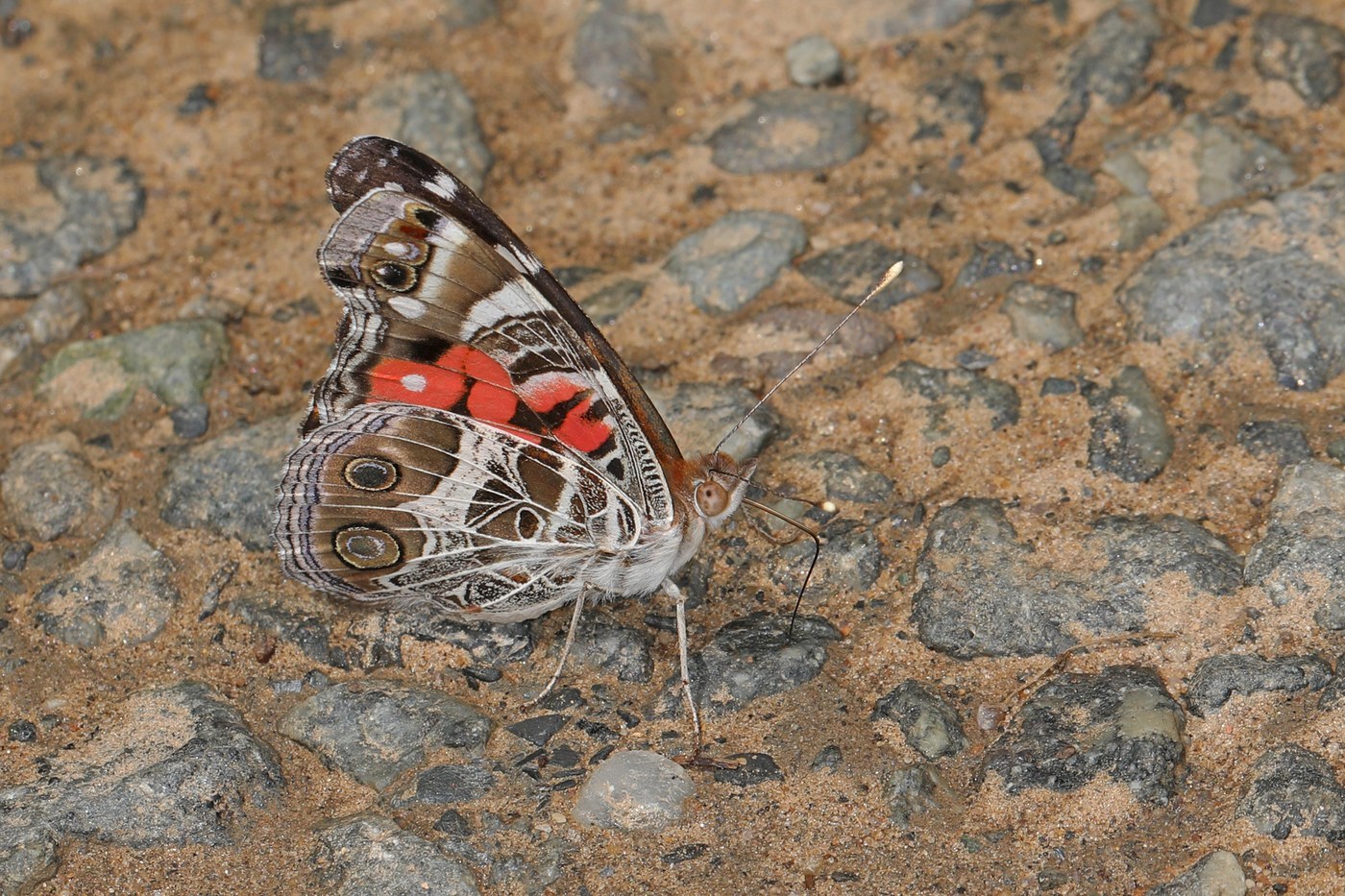
American Lady
Open fields, meadows, gardens, roadsides
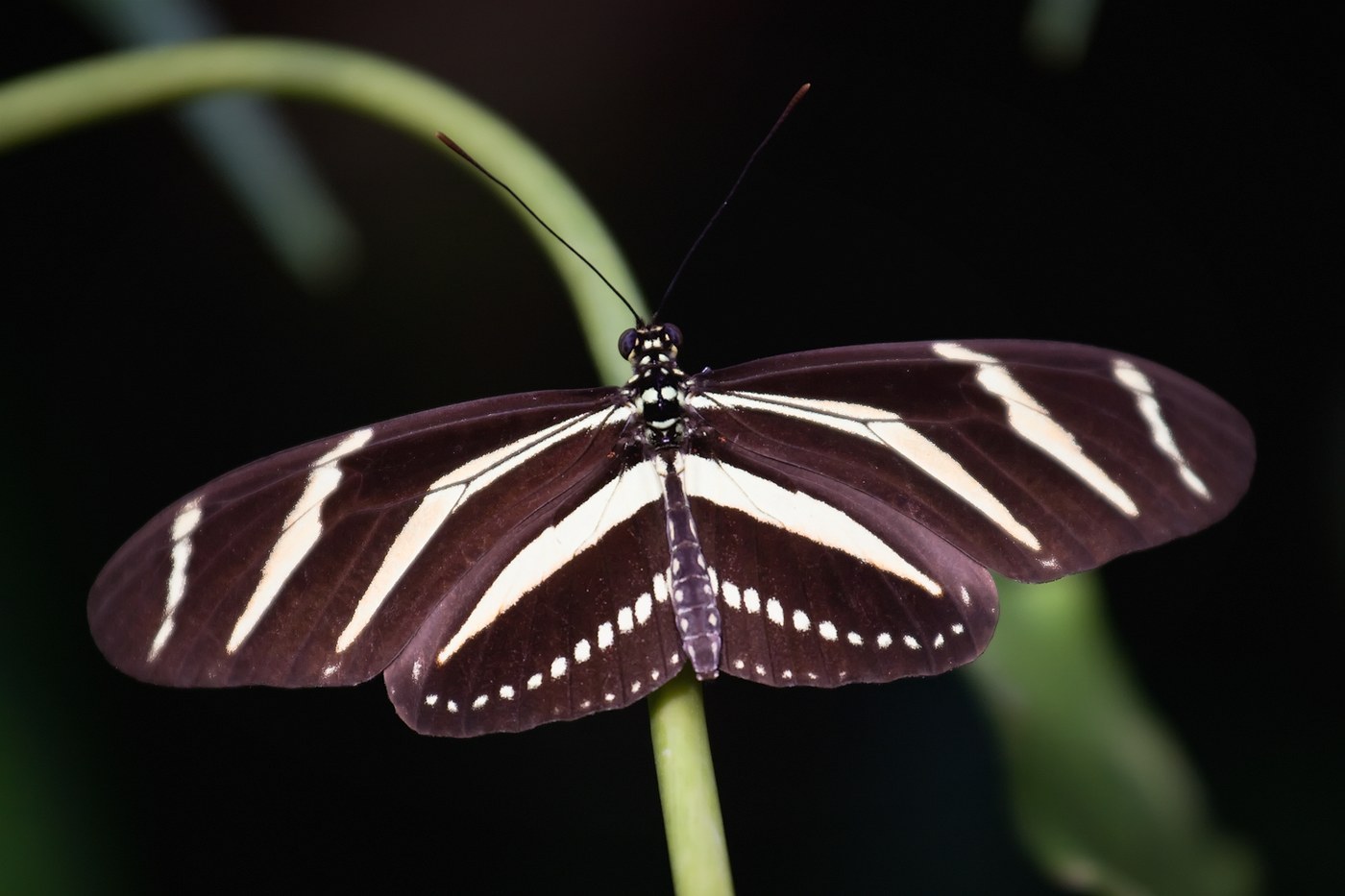
Zebra Longwing
Tropical hammocks, gardens, forest edges
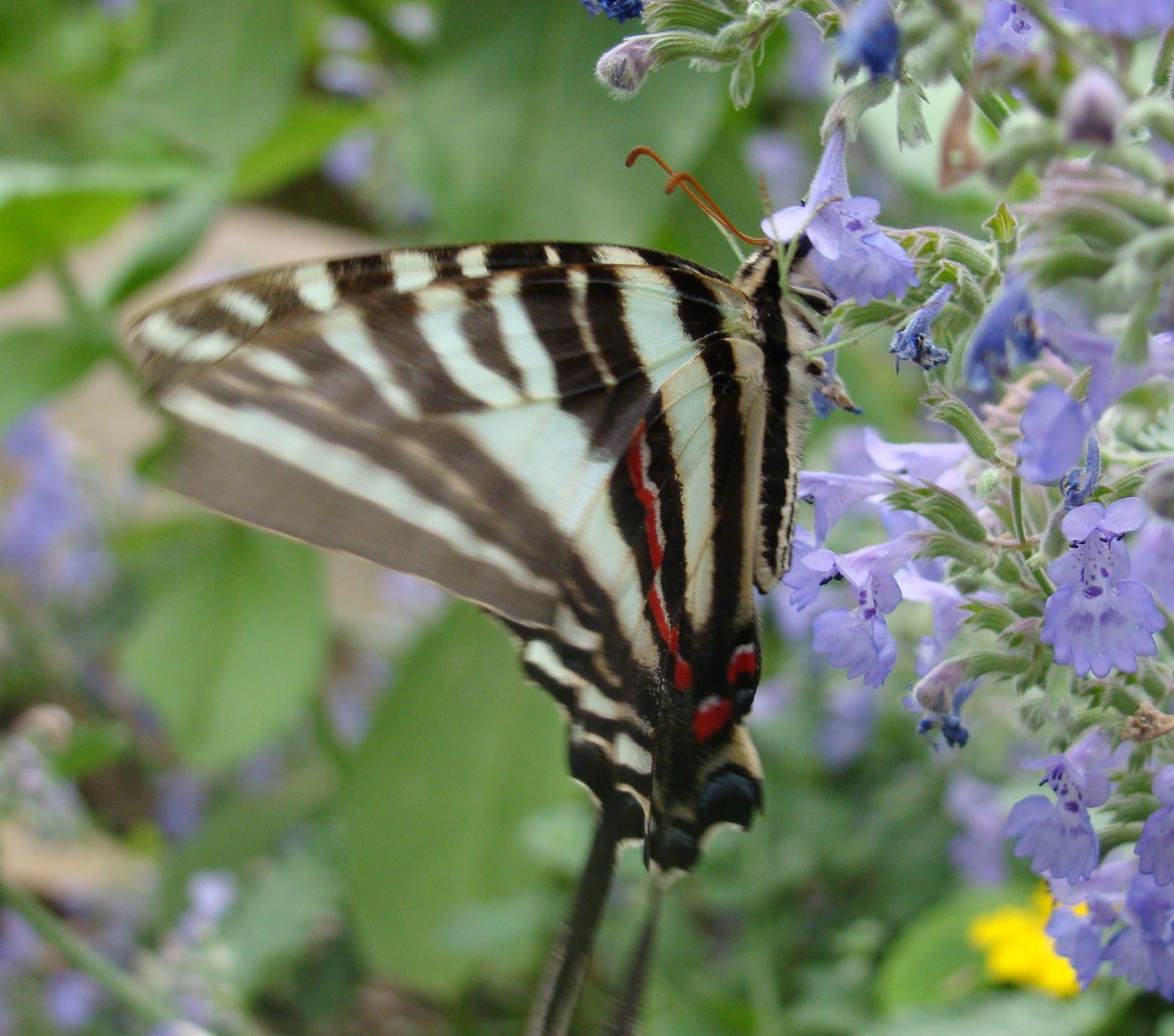
Zebra Swallowtail
Woodlands, floodplains, forest edges near pawpaw
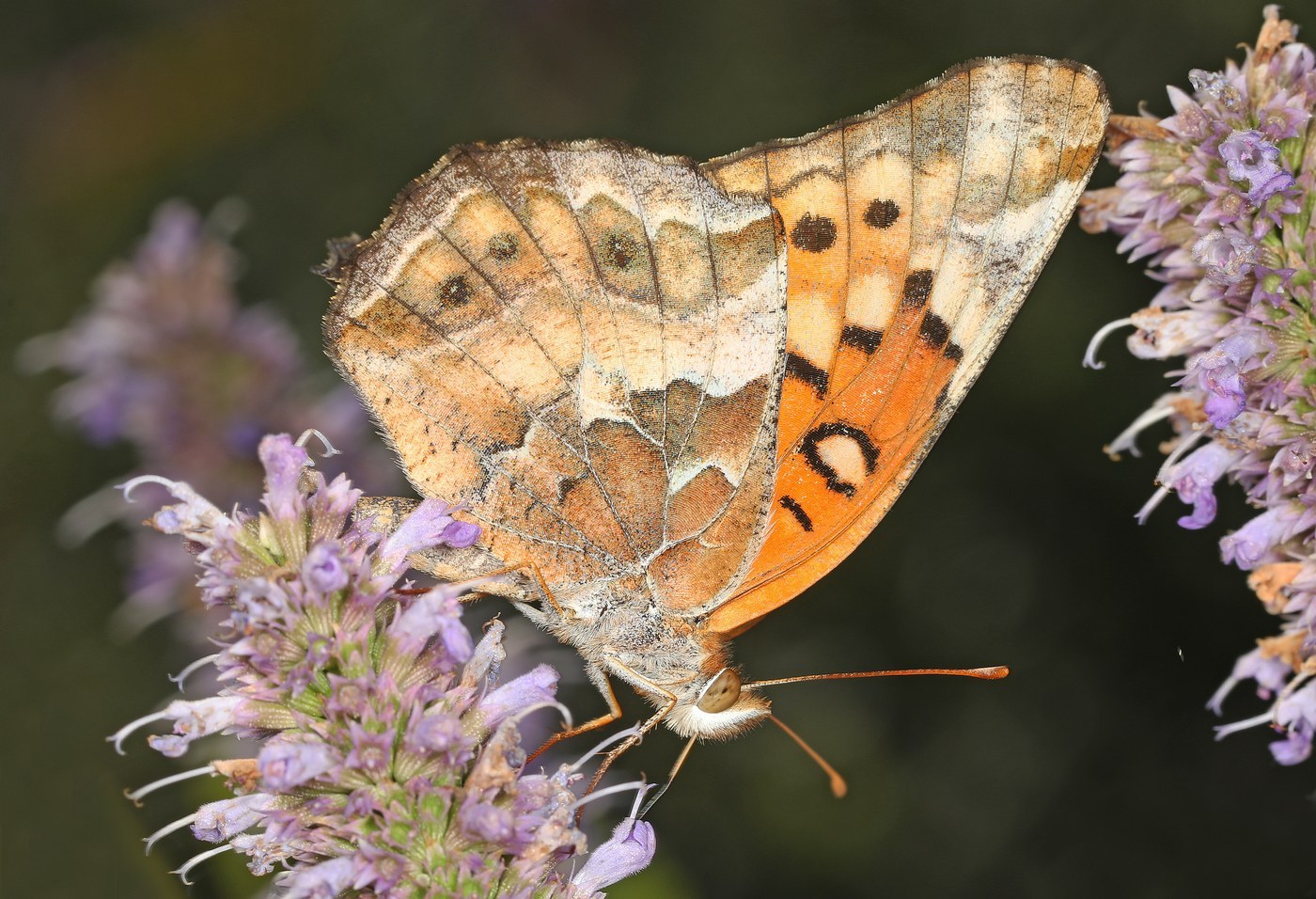
Variegated Fritillary
Open fields, prairies, roadsides, and disturbed ground across most of the United States
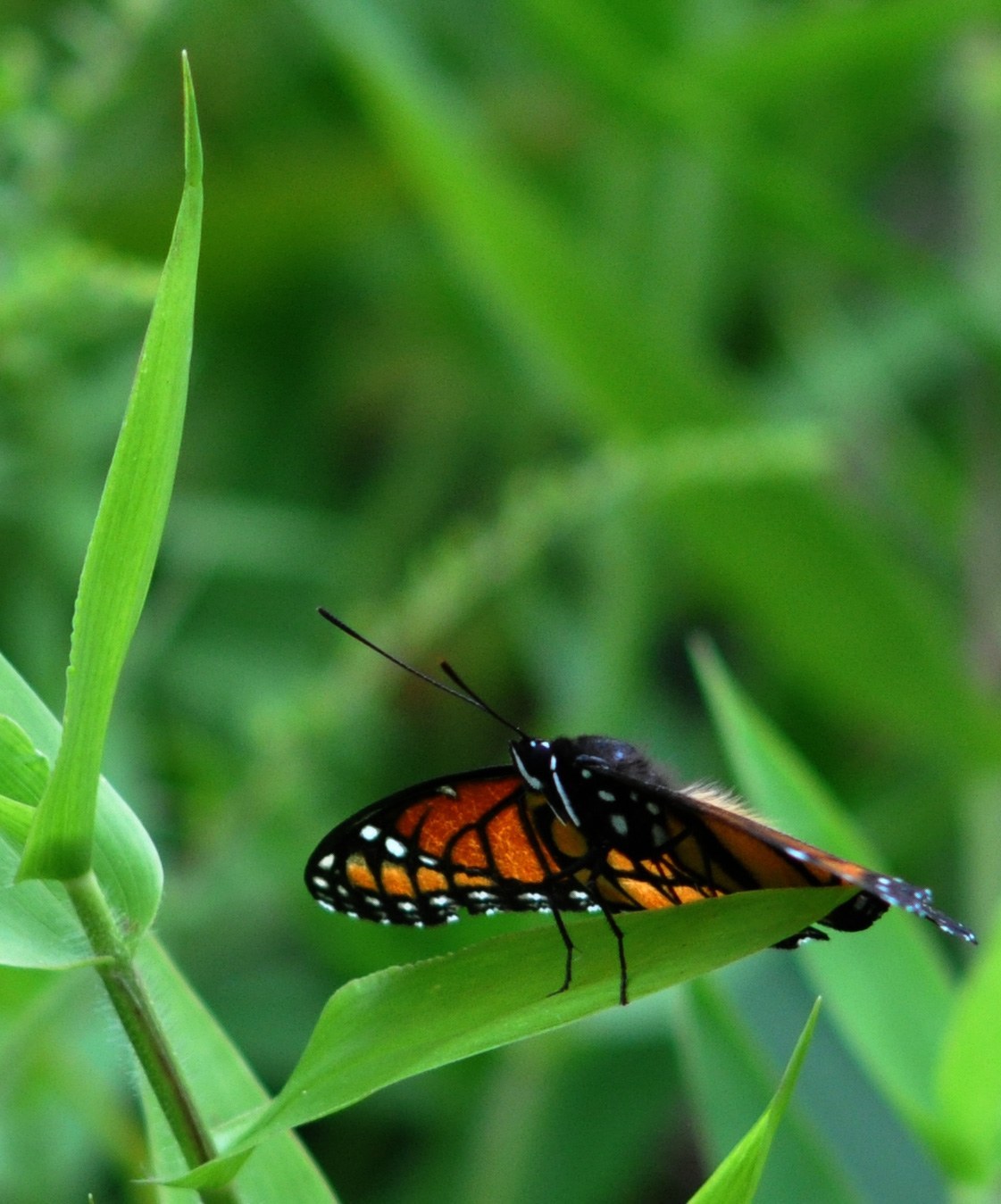
Viceroy Butterfly
Wetlands, meadows, riverbanks, willow thickets (North America)
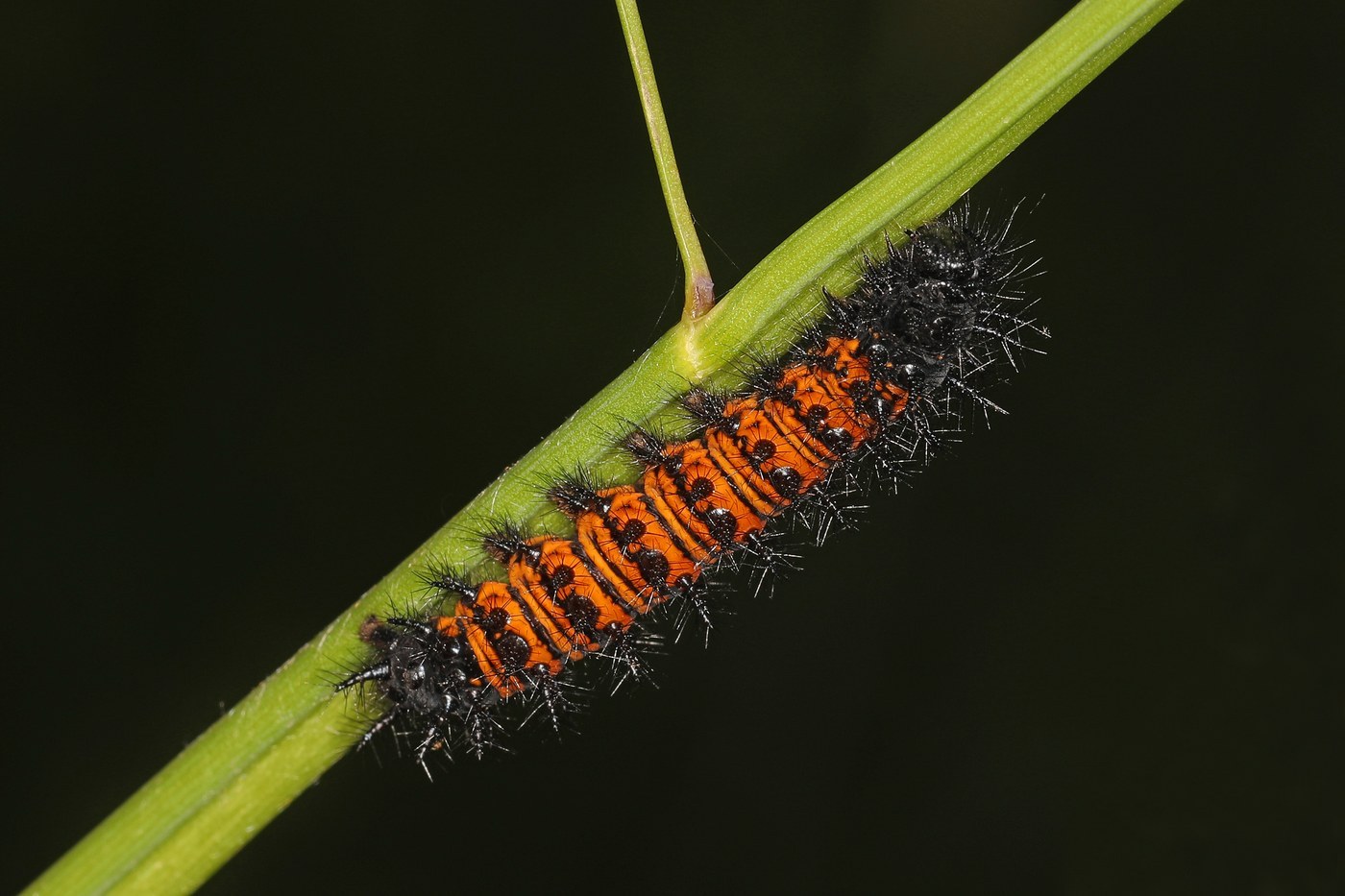
Baltimore Checkerspot
Wet meadows, bogs, and marshy fields in the northeastern and Appalachian US
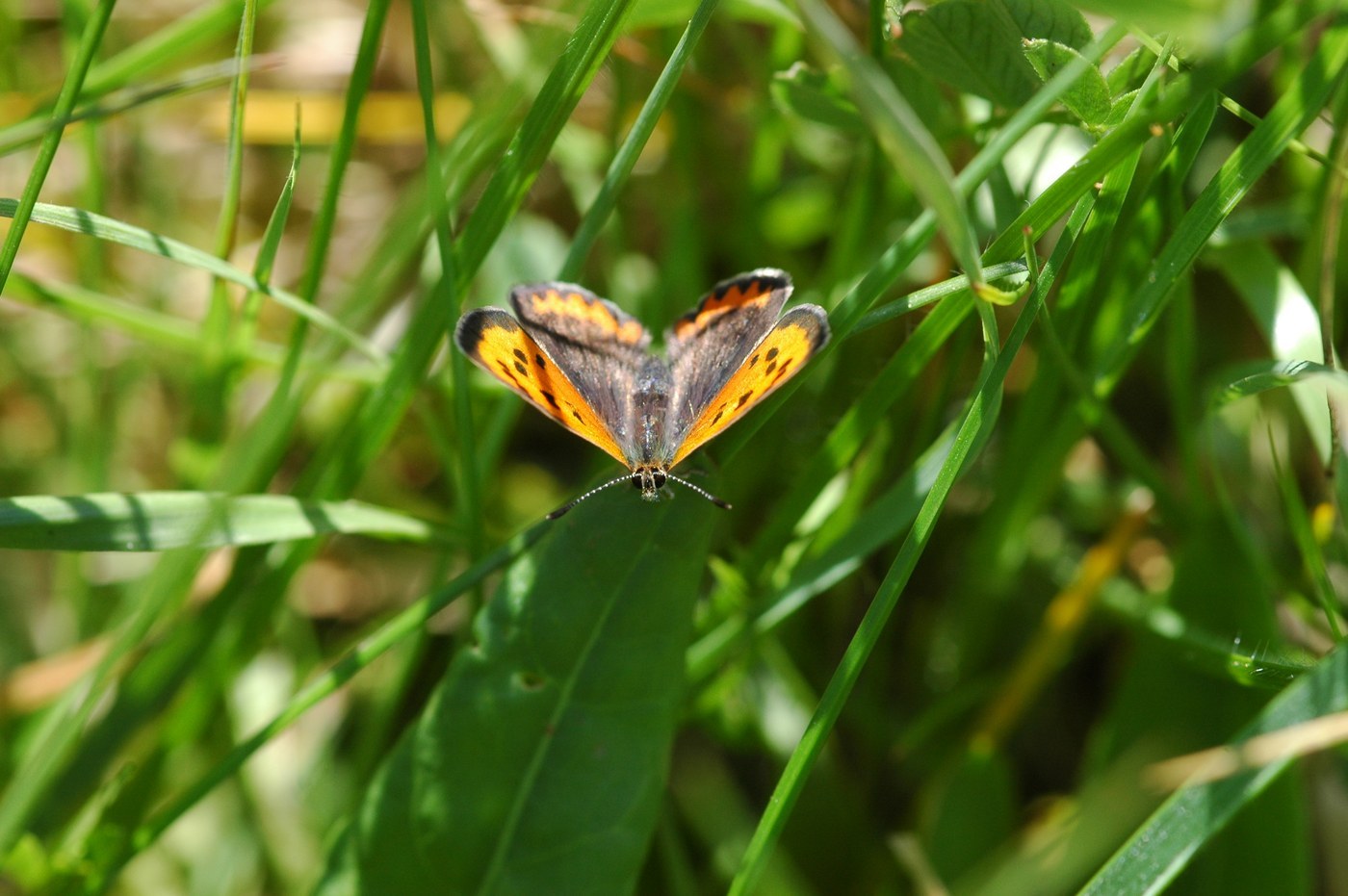
American Copper
Old fields, roadsides, and disturbed open ground with sorrel or dock
West Virginia White
Rich deciduous forest floors, especially near seeps and streams
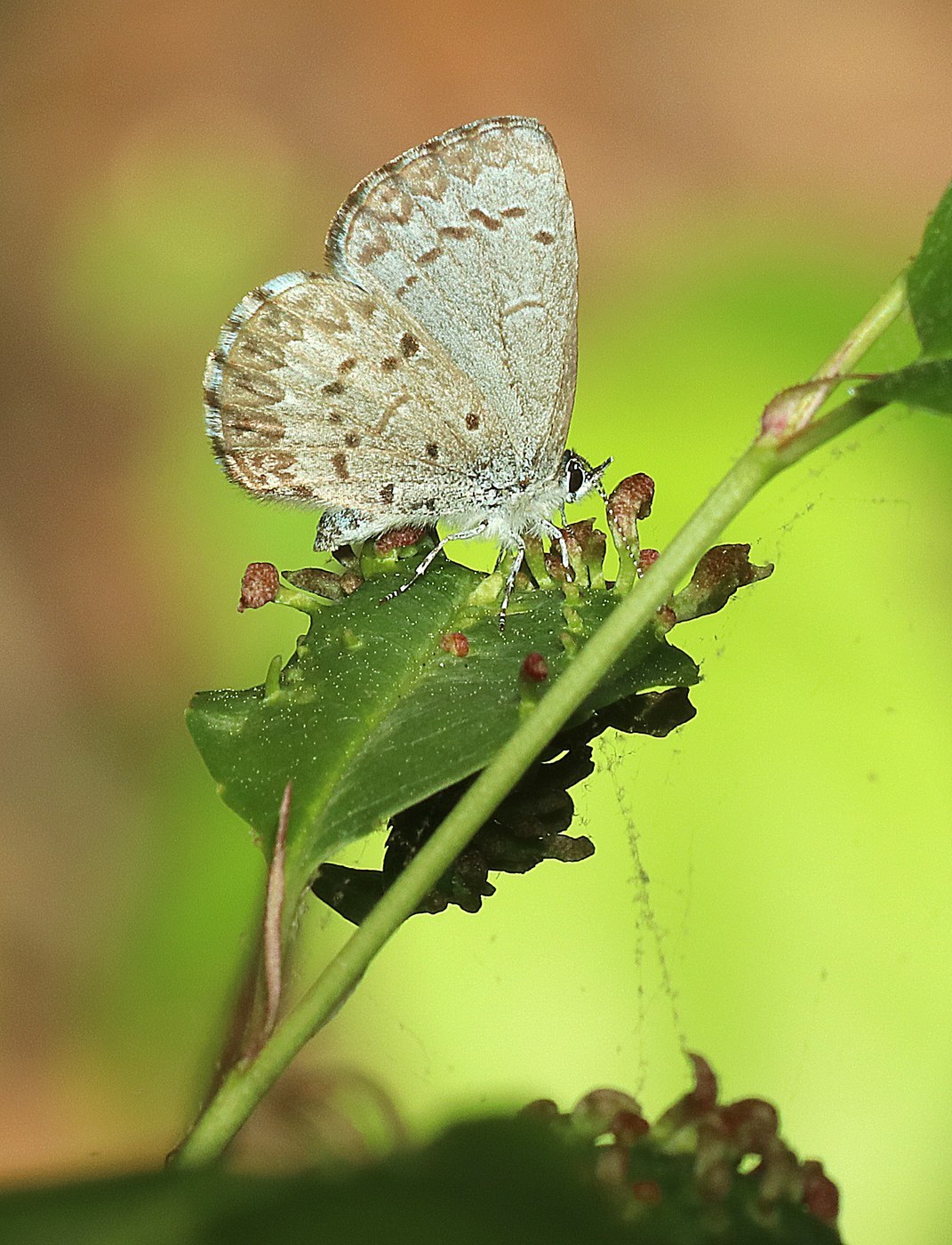
Spring Azure
Woodland edges, gardens, shrubby clearings
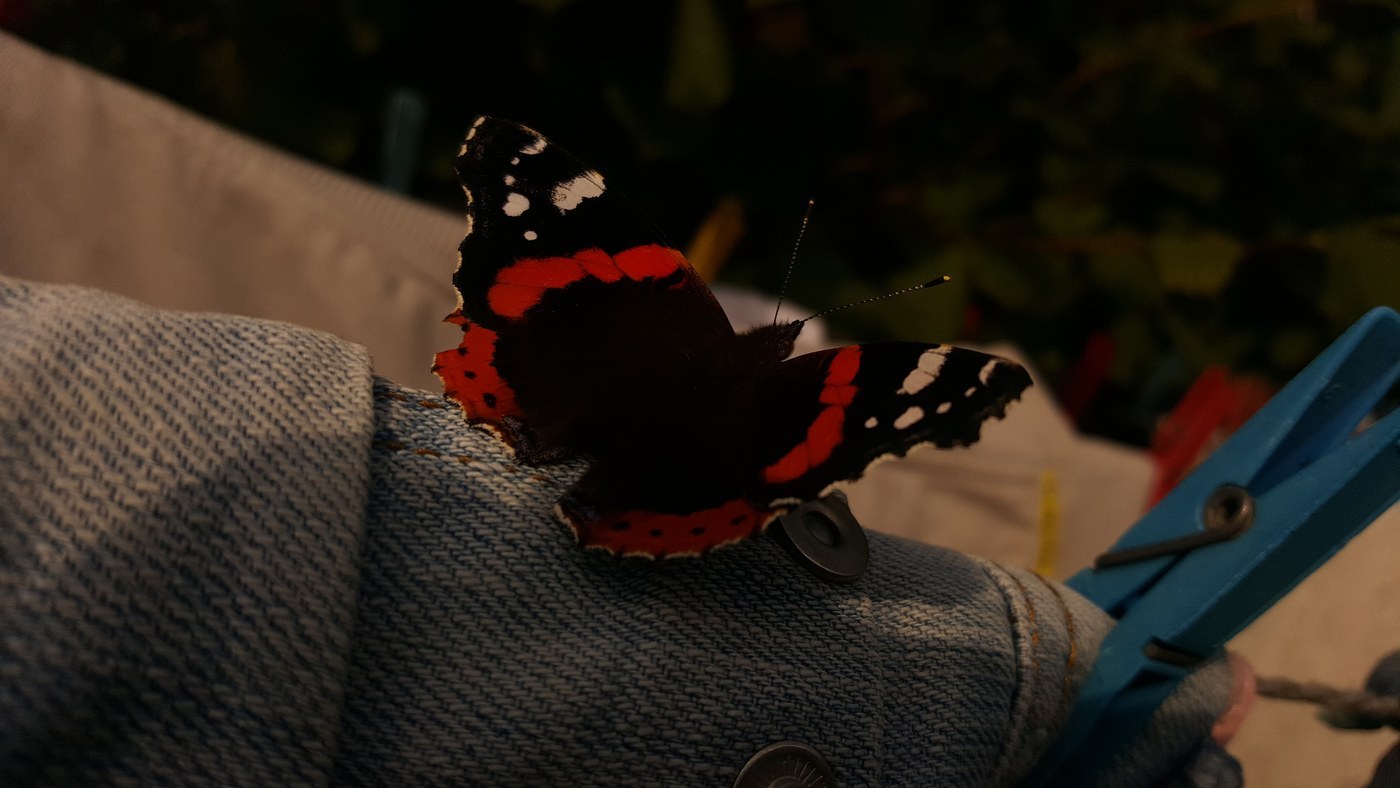
Red Admiral
Gardens, woodland edges, parks, meadows
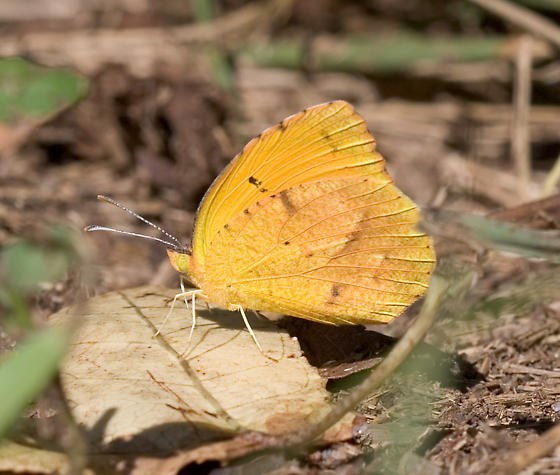
Sleepy Orange
Open woodland, fields, roadsides, and disturbed ground