
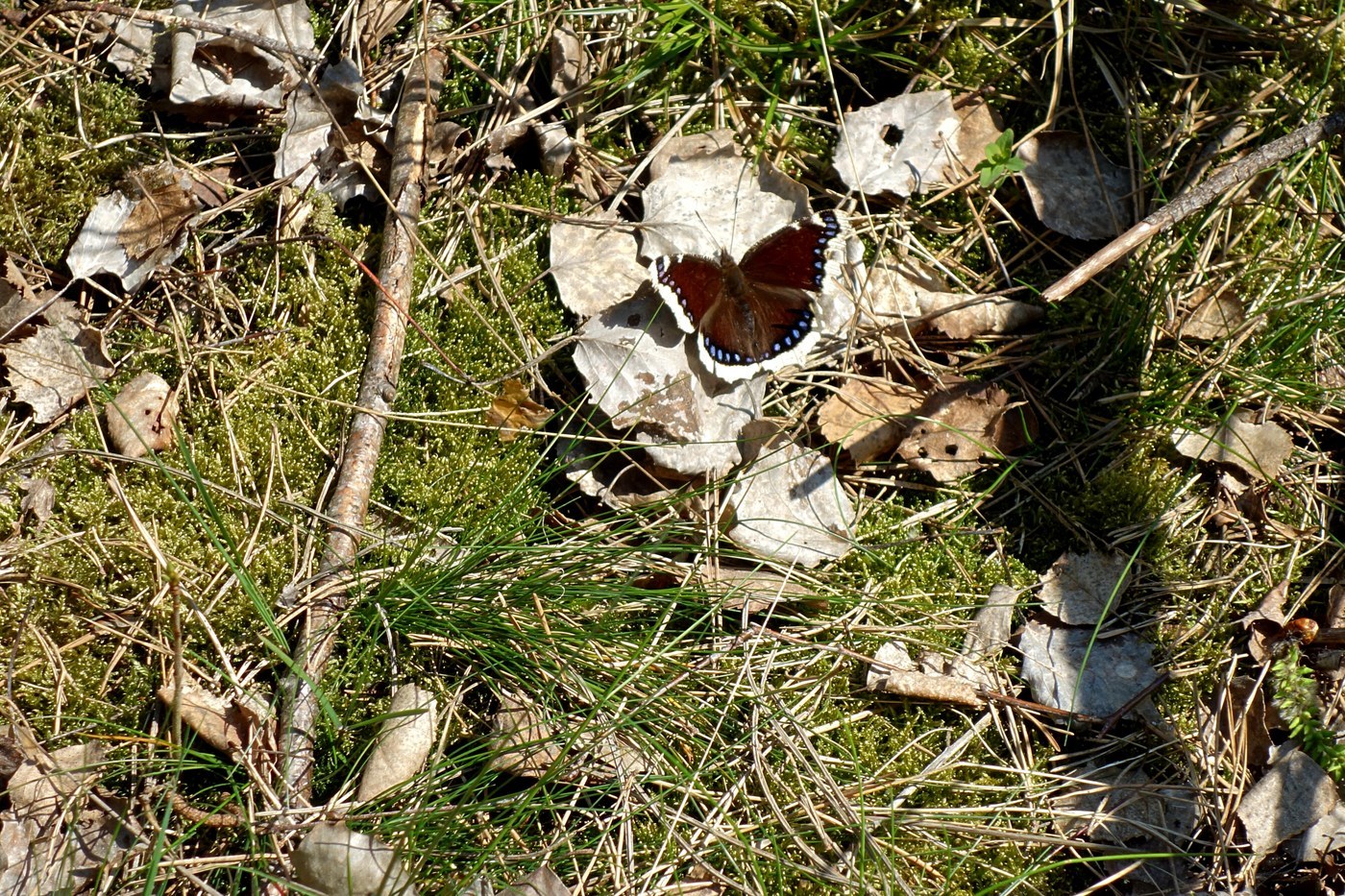
Mourning Cloak Butterfly
Nymphalis antiopa
A deep maroon-brown butterfly bordered with a cream-yellow band and a row of iridescent blue spots, unusual among butterflies for overwintering as an adult and being one of the first to appear in early spring.
- Size
- 7–9 cm wingspan (2.75–3.5 in)
- Habitat
- Woodlands, forest edges, streambanks across North America, Europe, and Asia
- Danger
- Harmless
Spotted a bug like this?
Identify any bug or insect from a photo, free.
Overview
The Mourning Cloak is a large brushfoot butterfly (family Nymphalidae) named for its somber, cloak-like coloring reminiscent of old mourning garments. It is one of the longest-lived butterfly species as an adult, with individuals surviving nearly a year through hibernation.
It holds special notability among lepidopterists because it is often the very first butterfly seen in spring, sometimes emerging from winter shelter while snow still lingers, since it overwinters as a fully formed adult rather than as an egg, larva, or pupa. This unusual life-history trait sets it apart from most temperate butterflies.
Ecologically it fits into deciduous woodland and riparian communities, where its caterpillars feed communally on tree foliage and the adults contribute to pollination of early tree sap flows and spring flowers, while also serving as prey for birds.
How to Identify
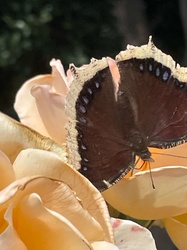
- Wings are dark maroon-brown to almost black with a ragged cream-yellow border along the outer edge.
- A row of iridescent blue-violet spots runs just inside the yellow border on both fore- and hindwings.
- Wing margins are distinctly scalloped and jagged rather than smooth, aiding camouflage as dead leaves when wings are closed.
- Underside is dark, bark-like gray-brown, providing excellent camouflage at rest on tree trunks; no common close lookalike in most of its range.
Habitat & Range
Widespread across North America, Europe, and temperate Asia, favoring deciduous and mixed woodlands, forest edges, parks, and streamside corridors where host trees grow. Adults are active from very early spring through fall, and uniquely overwinter as adults tucked into bark crevices, woodpiles, or tree cavities, emerging on warm winter days.
Behavior & Diet
Adults are strong, gliding fliers often seen basking on tree trunks or bare ground with wings spread to absorb sunlight. Rather than favoring flower nectar, adults frequently feed on tree sap, rotting fruit, and mud, and are known to be highly territorial, chasing off other butterflies and even small birds from favored perches. Caterpillars feed gregariously in silk webbing on willow, elm, poplar, and birch foliage, stripping branches before dispersing to pupate individually.
Life Cycle
Eggs are laid in clusters encircling twigs of host trees; the resulting caterpillars are spiny, black with red-orange spots, and feed communally through several instars before wandering off alone to pupate. Pupation occurs in a gray-brown angular chrysalis hung from a twig or structure, with adults emerging in early to mid-summer. There is typically one generation per year in northern areas and up to two further south, and the summer-emerged adults enter a dormant state and overwinter as adults to re-emerge the following spring.
Frequently asked questions
Why do I see this butterfly so early in spring?
The Mourning Cloak overwinters as an adult rather than as an egg or pupa, so it can emerge from hibernation on the first warm days of late winter or early spring, well before most other butterflies appear.
Does it feed on flowers?
It prefers tree sap, rotting fruit, and mud over flower nectar, which is unusual behavior compared to most butterfly species.
How long do adults live?
Adults can live close to a year when the summer active period and winter dormancy are combined, among the longest adult lifespans of any butterfly.
What do the caterpillars look like?
The caterpillars are black with tiny white speckles, a row of red-orange spots down the back, and branching black spines, and they feed in groups on tree leaves.
Mourning Cloak Butterfly guides
In-depth guides for identifying, understanding, and living alongside Mourning Cloak Butterfly.
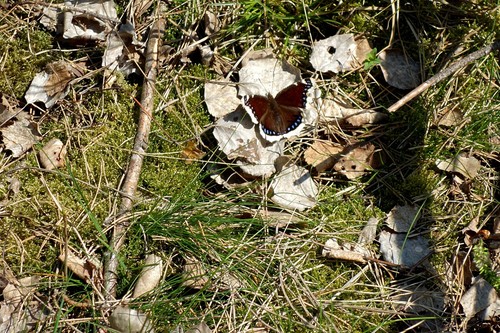
Mourning Cloak Butterfly identified by the community
Real finds identified with Bug Identifier.
Other bugs you may enjoy
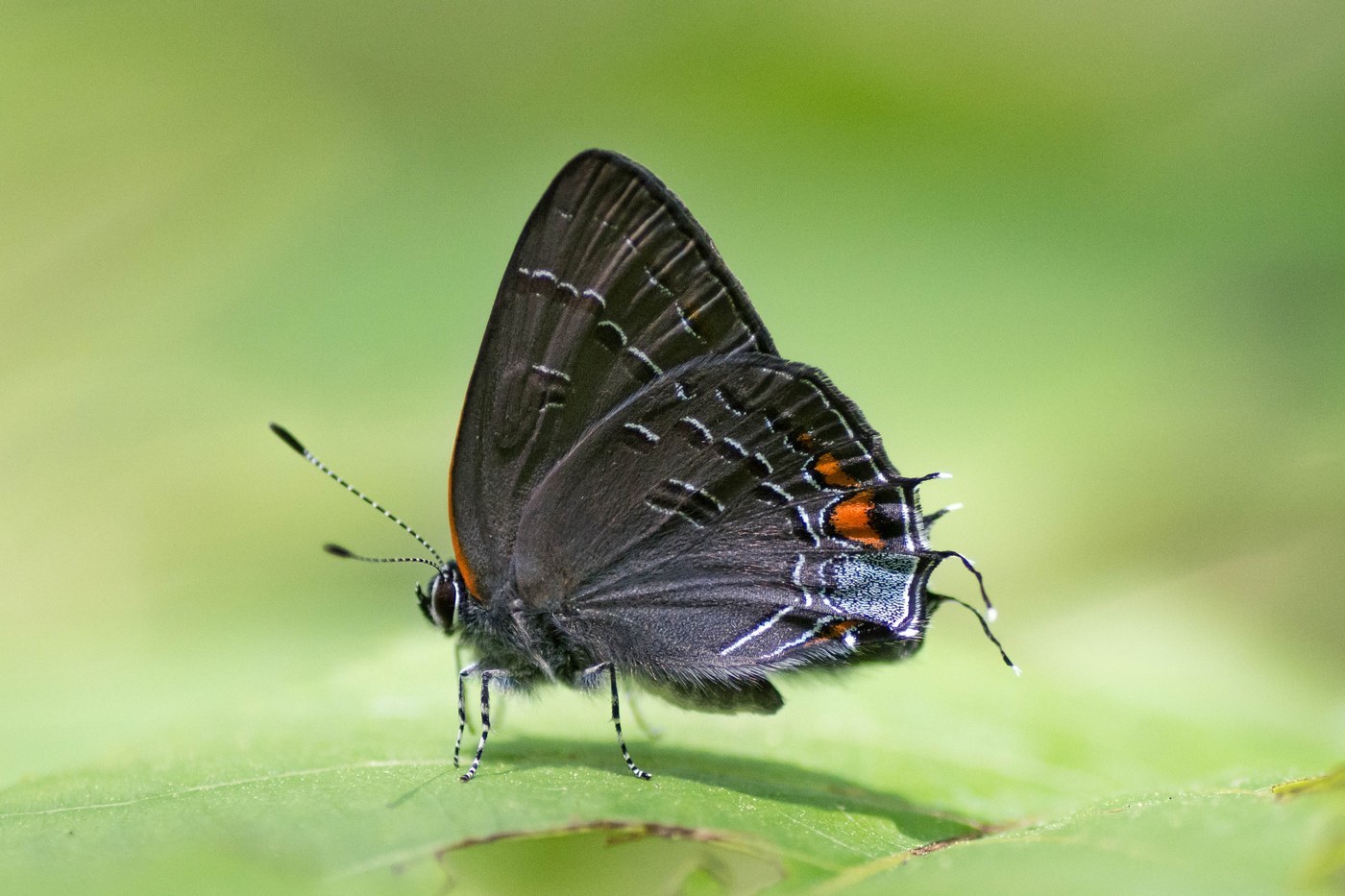
Banded Hairstreak
Deciduous woodlands and edges with oaks and hickories
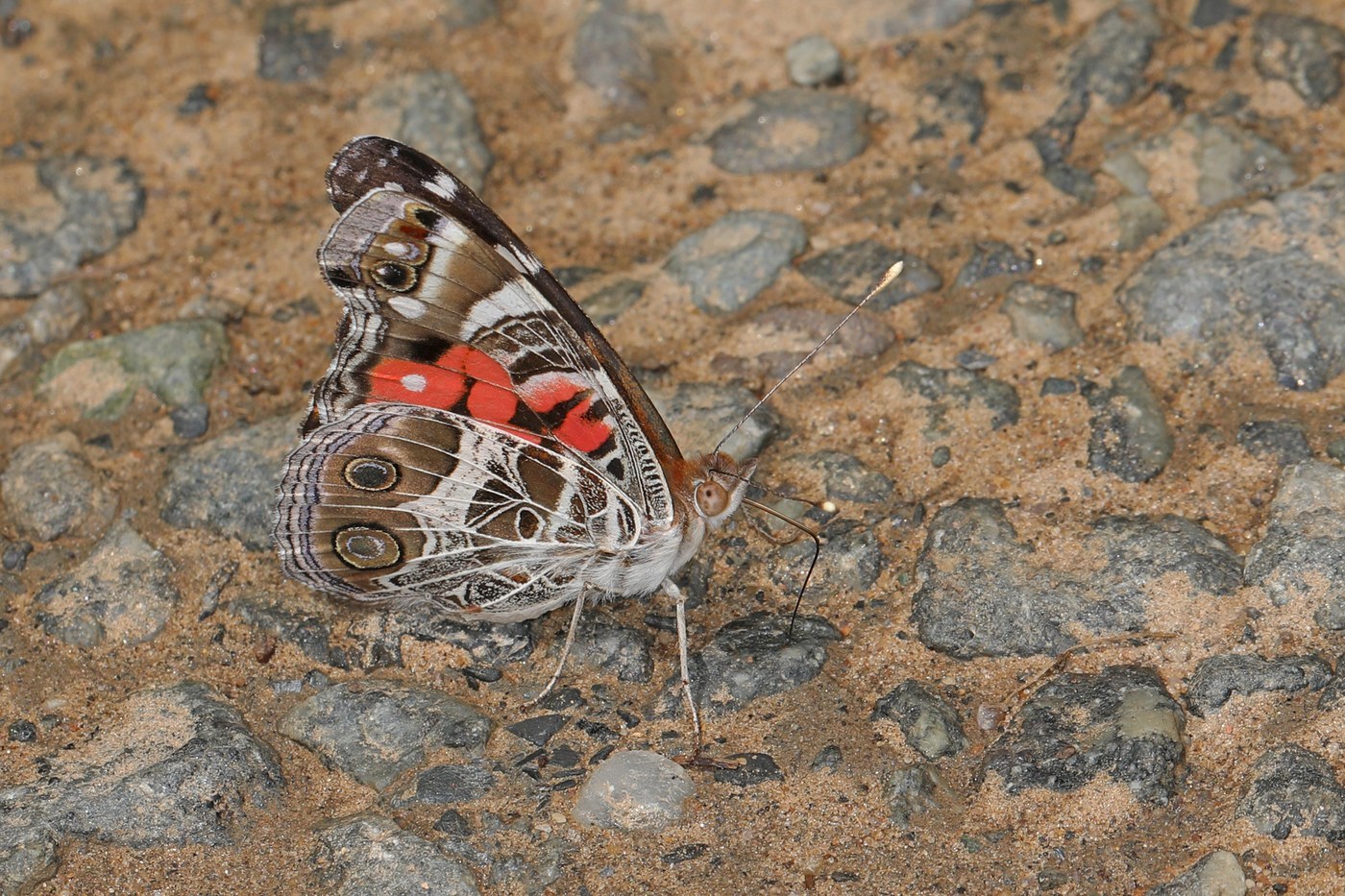
American Lady
Open fields, meadows, gardens, roadsides
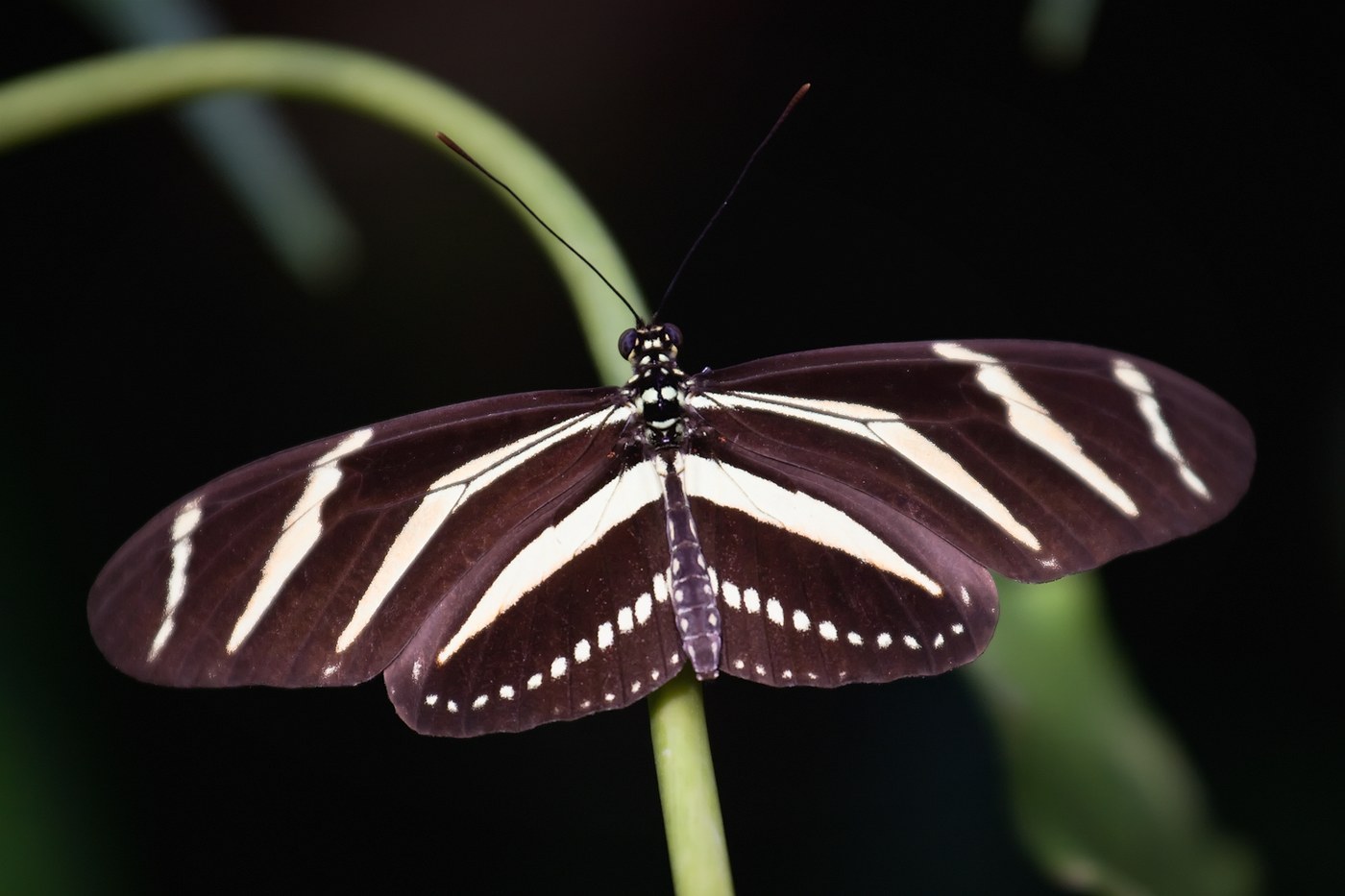
Zebra Longwing
Tropical hammocks, gardens, forest edges
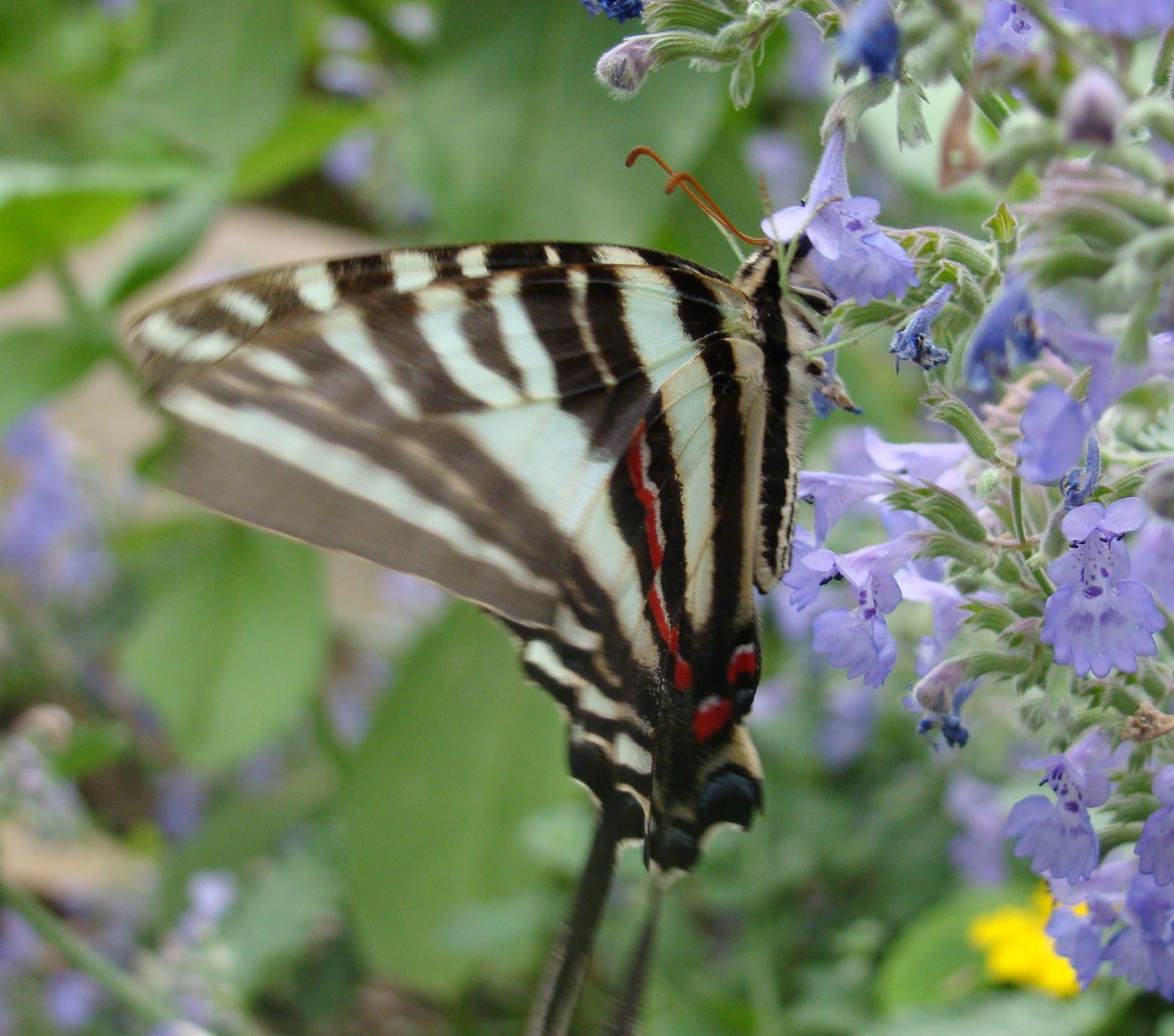
Zebra Swallowtail
Woodlands, floodplains, forest edges near pawpaw
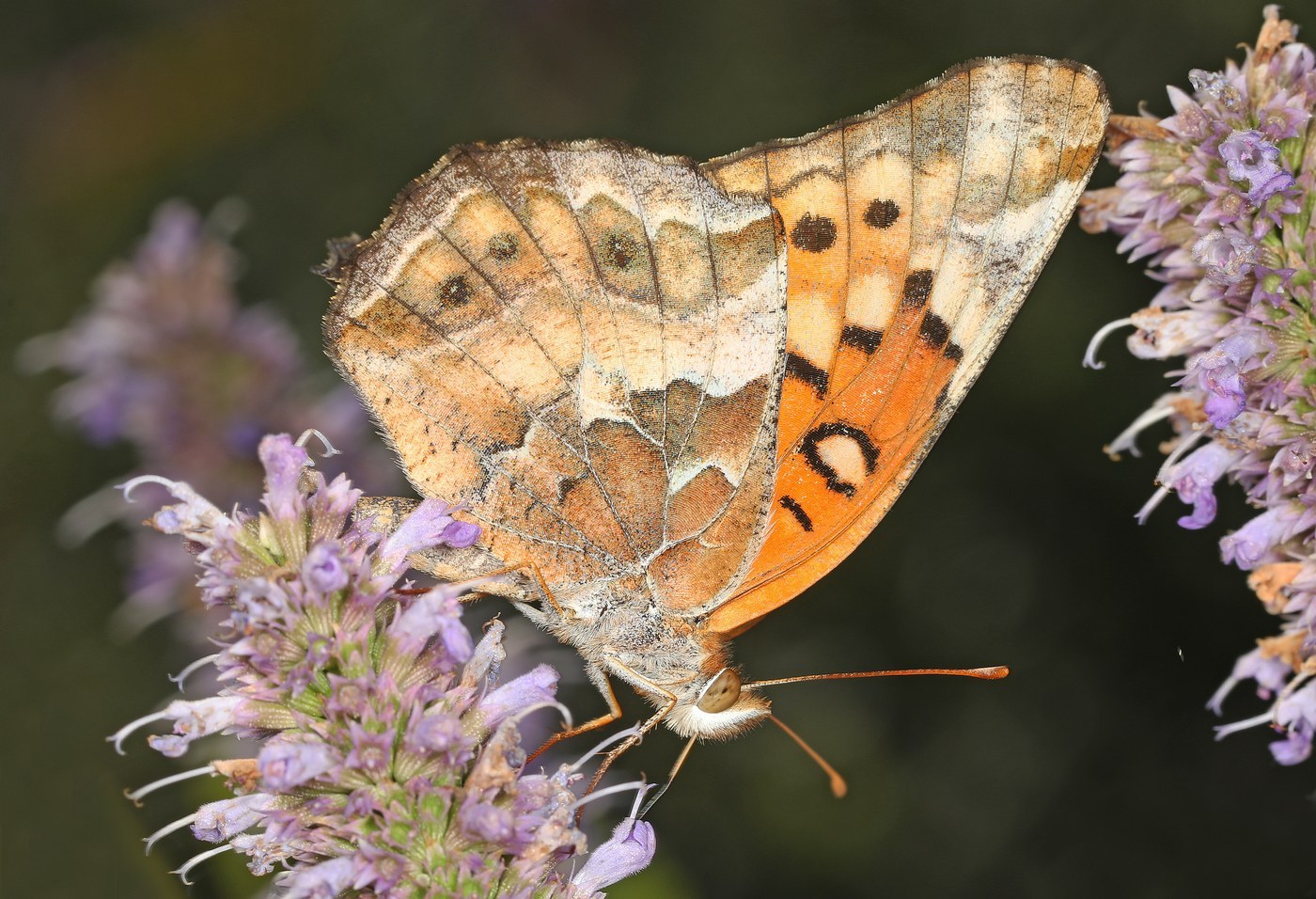
Variegated Fritillary
Open fields, prairies, roadsides, and disturbed ground across most of the United States
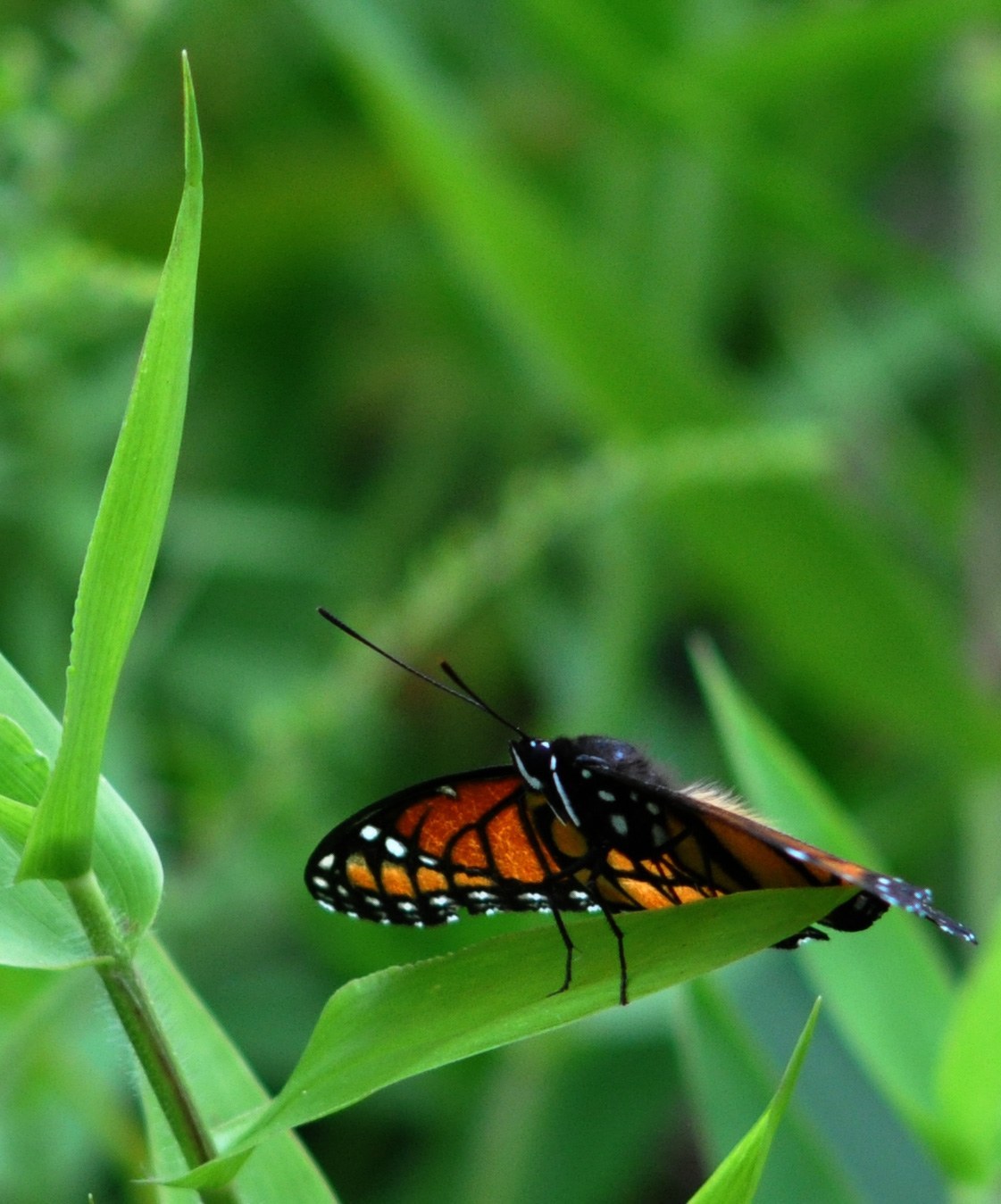
Viceroy Butterfly
Wetlands, meadows, riverbanks, willow thickets (North America)
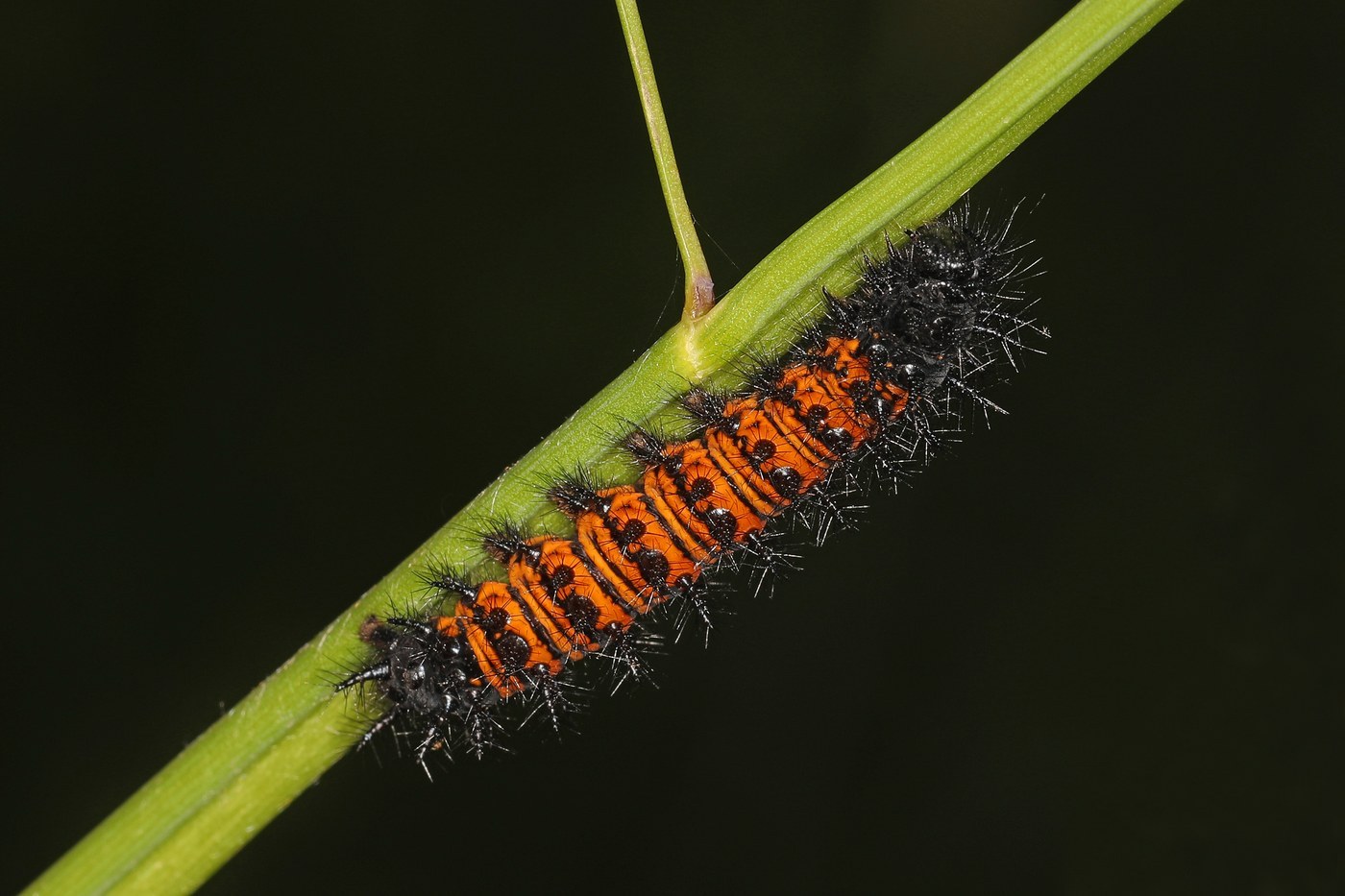
Baltimore Checkerspot
Wet meadows, bogs, and marshy fields in the northeastern and Appalachian US
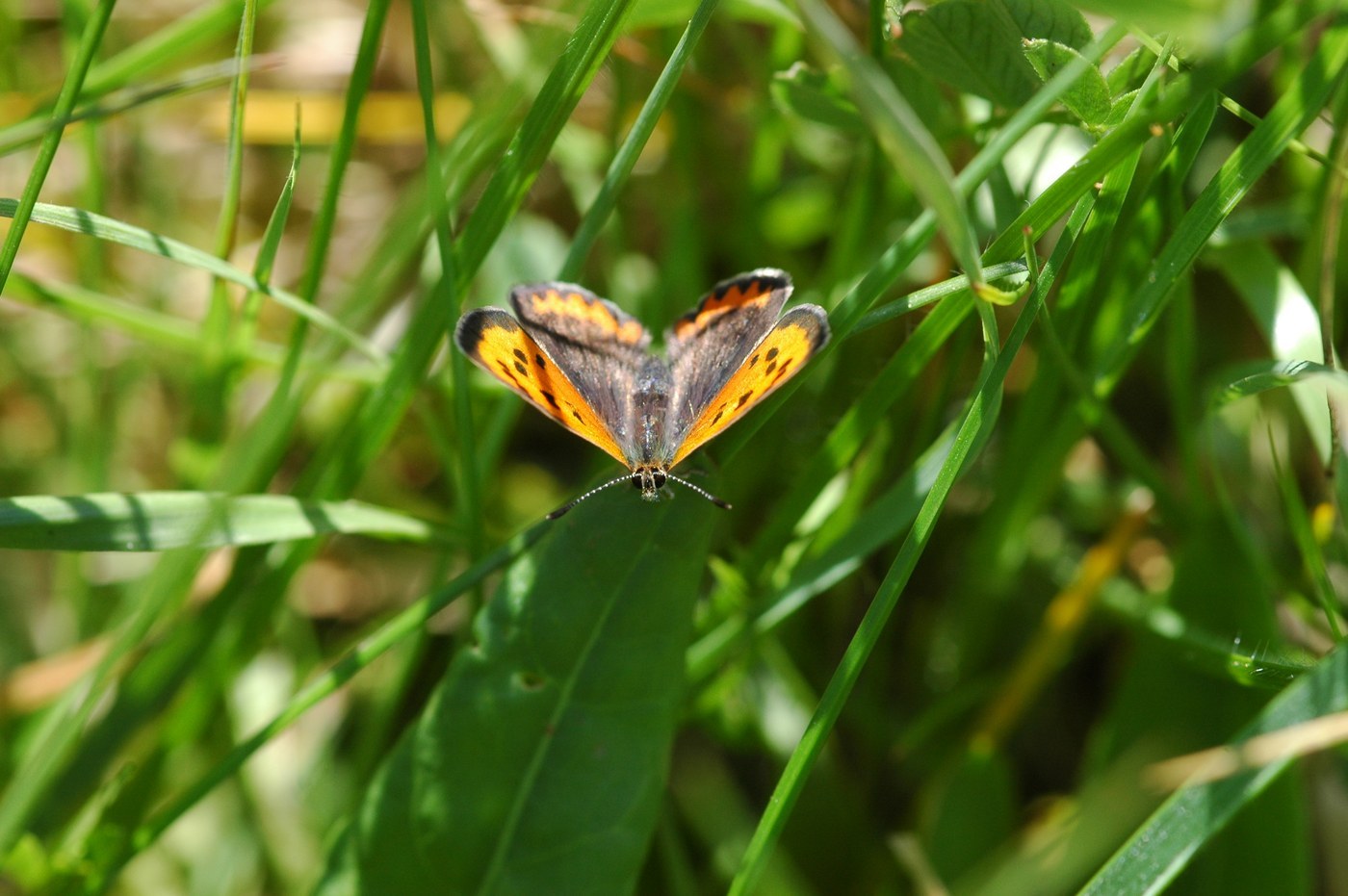
American Copper
Old fields, roadsides, and disturbed open ground with sorrel or dock
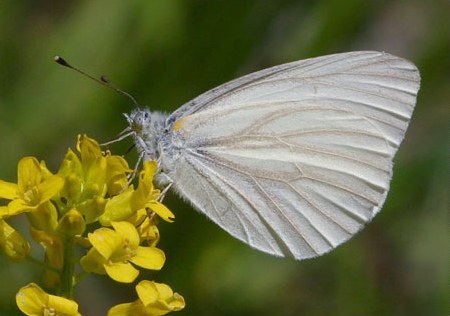
West Virginia White
Rich deciduous forest floors, especially near seeps and streams
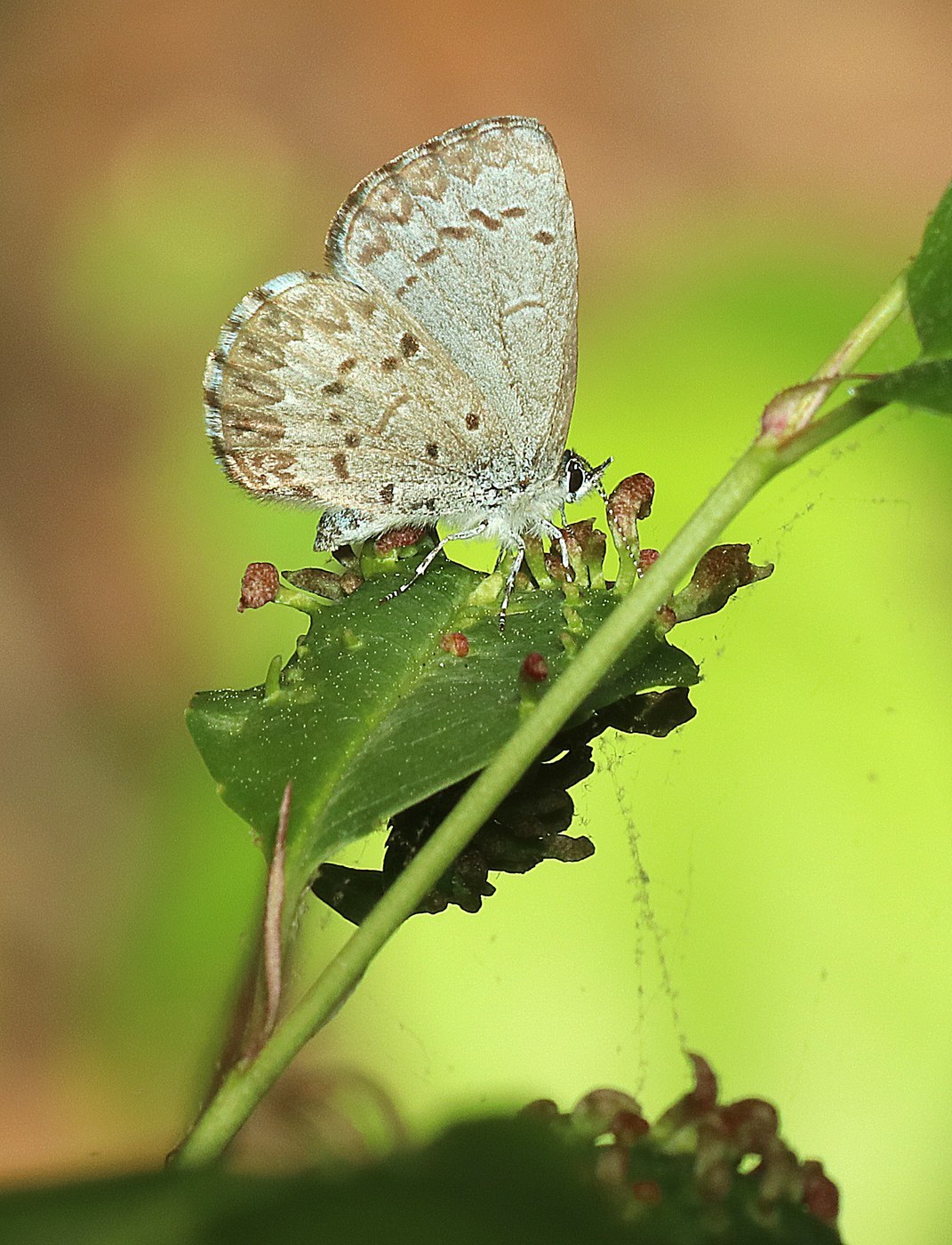
Spring Azure
Woodland edges, gardens, shrubby clearings
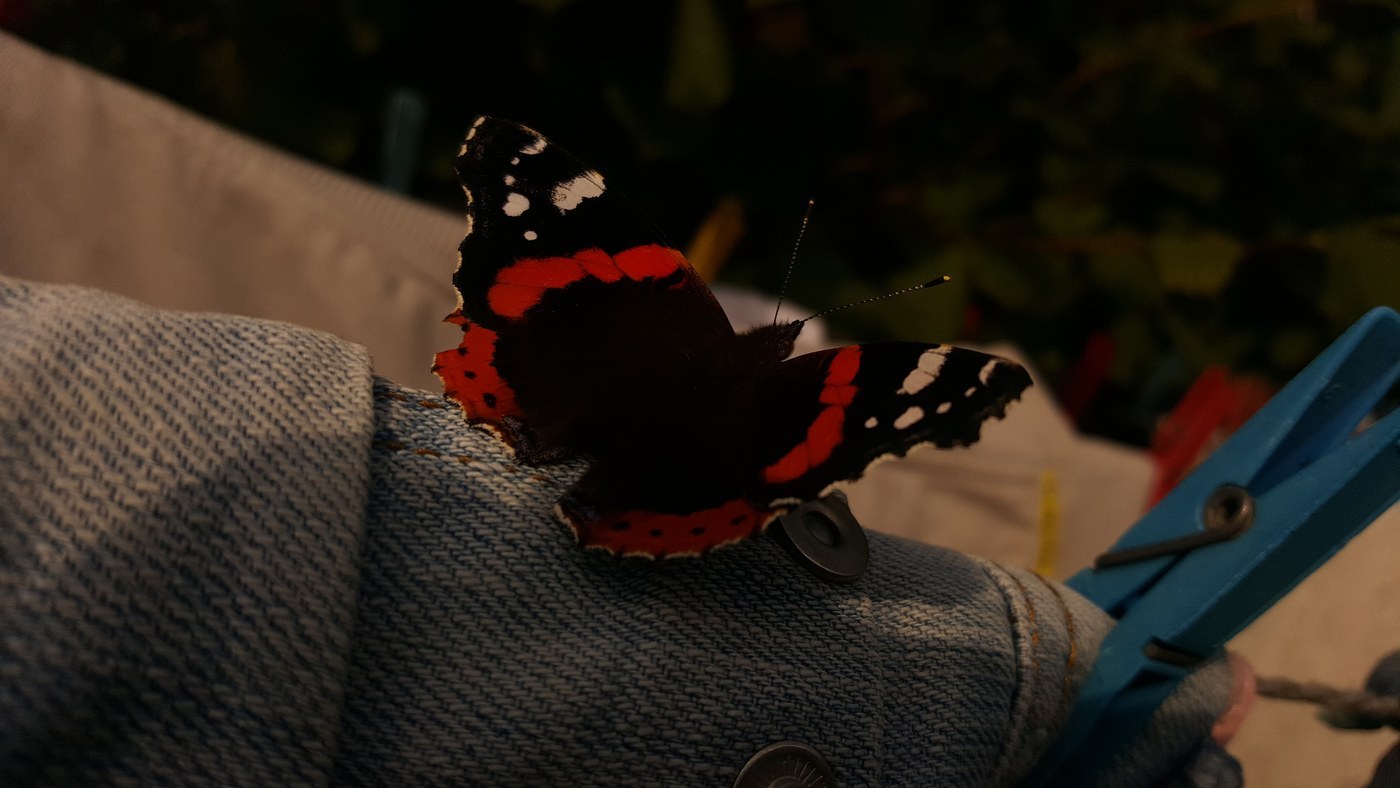
Red Admiral
Gardens, woodland edges, parks, meadows
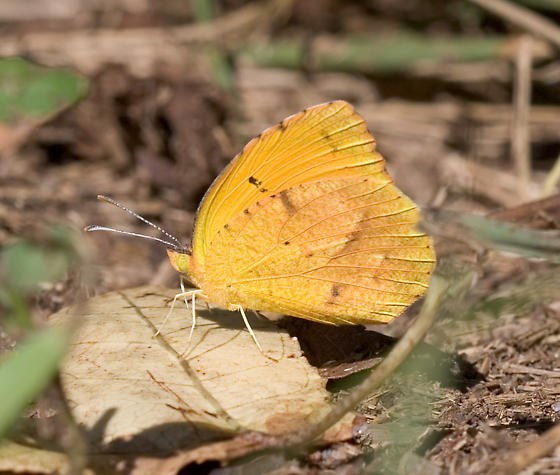
Sleepy Orange
Open woodland, fields, roadsides, and disturbed ground