
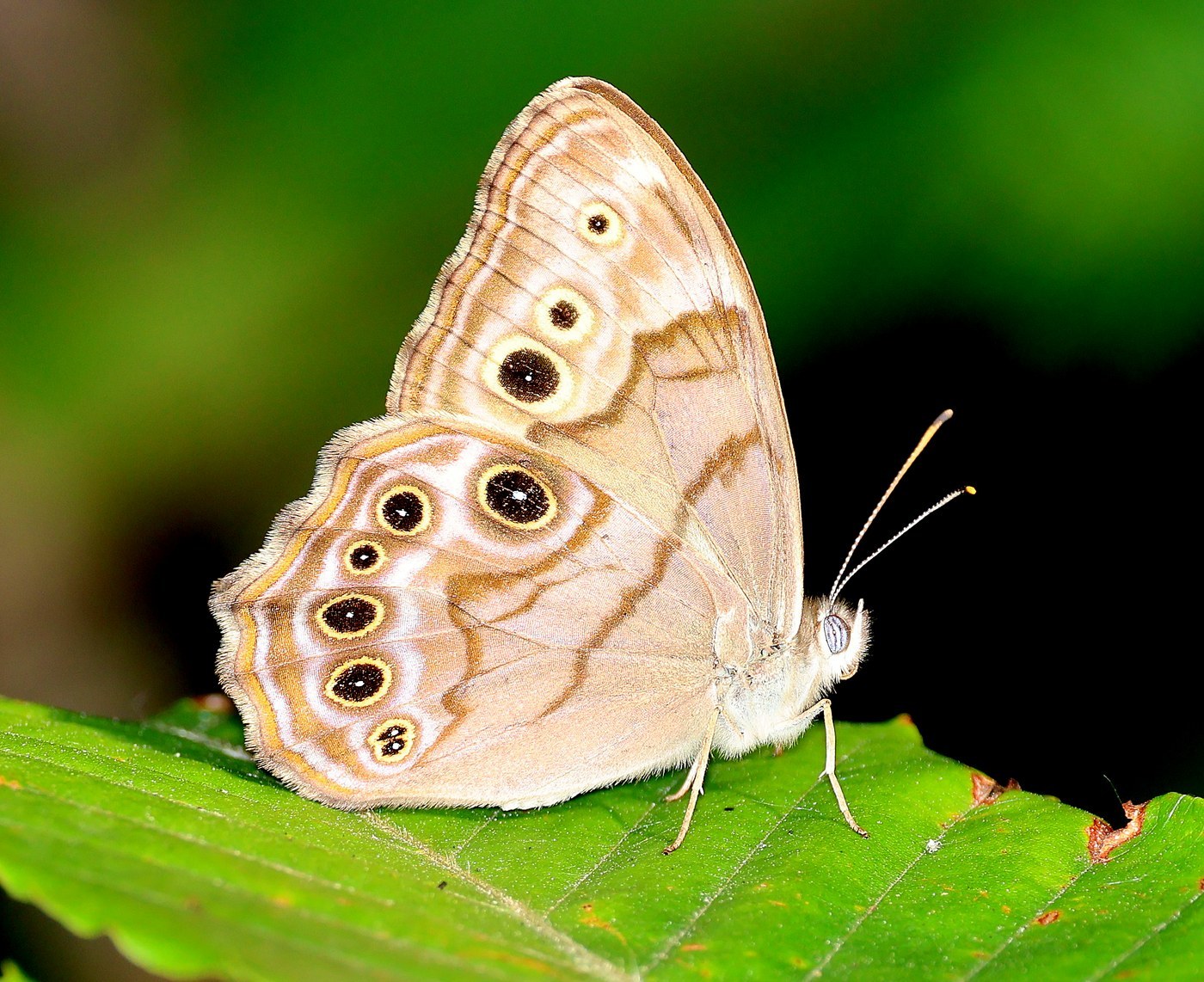
Northern Pearly-eye
Enodia anthedon
A shade-loving brown woodland butterfly with rows of dark, pale-ringed eyespots, more often seen resting on tree trunks in forest gaps than flying in open sun.
- Size
- 1.75–2.4 in wingspan
- Habitat
- Shaded deciduous woodlands near streams and trails
- Danger
- Harmless
Spotted a bug like this?
Identify any bug or insect from a photo, free.
Overview
The Northern Pearly-eye belongs to the satyr subfamily (Satyrinae) within the brush-footed butterfly family Nymphalidae, a group generally characterized by brown coloration, prominent eyespots, and a preference for shaded or grassy habitats over sunny gardens.
Unlike most familiar garden butterflies, this species is a true woodland specialist, spending most of its time in the dappled shade of deciduous forest rather than open meadows. It feeds as a caterpillar on woodland grasses, linking it ecologically to the understory rather than to showy wildflowers.
Its subdued brown coloration and eyespot pattern provide effective camouflage against tree bark and leaf litter, and it is best located by watching quiet, shaded trails and forest edges rather than flower beds.
How to Identify
- Medium-sized butterfly with warm brown wings marked by rows of dark eyespots, each with a pale, often bluish or purplish, pupil.
- Forewing and hindwing both bear several eyespots arranged in a curving row near the outer margin.
- Underside is grayish-brown with fine wavy lines and eyespots, blending well with tree bark.
- Flight is low, quick, and erratic, typically within or just above shaded understory vegetation.
- Similar to other satyrs such as the Eyed Brown, but the Northern Pearly-eye favors shaded forest rather than open wet meadows and tends to be larger.
Habitat & Range
Found across the northeastern and north-central United States and southern Canada, in moist deciduous woodlands, particularly near streams, seepages, and shaded trails with an understory of woodland grasses. Adults fly from late spring through summer, generally staying within or near forest cover rather than venturing into open sun.
Behavior & Diet
Adults rest with wings closed on tree trunks, logs, or leaf litter, relying on their cryptic underside pattern for camouflage, and fly with quick, darting movements when disturbed. They rarely visit flowers, instead feeding on tree sap, rotting fruit, and fungi. Caterpillars feed on woodland grasses such as bottlebrush grass, contributing to the forest food web as prey for various predators and parasitoids.
Life Cycle
Eggs are laid singly on woodland grass blades. Caterpillars are green with paired reddish horns at the rear and blend closely with their grass host. There are typically one to two generations per year depending on latitude, and the species overwinters as a partially grown caterpillar among leaf litter and grass at the forest floor.
Frequently asked questions
Why don't I see this butterfly at flowers?
Northern Pearly-eyes feed mainly on tree sap, rotting fruit, and fungi rather than floral nectar, so they are rarely seen at blossoms.
Where is the best place to look for one?
Shaded deciduous woodland trails, especially near streams, rather than open sunny fields.
What do the caterpillars eat?
Various woodland grasses, including bottlebrush grass, serve as larval host plants.
How can I tell it apart from other brown woodland butterflies?
Look for the row of dark, pale-centered eyespots on both wings combined with its preference for shaded forest habitat rather than open meadow.
Northern Pearly-eye guides
In-depth guides for identifying, understanding, and living alongside Northern Pearly-eye.
Other bugs you may enjoy
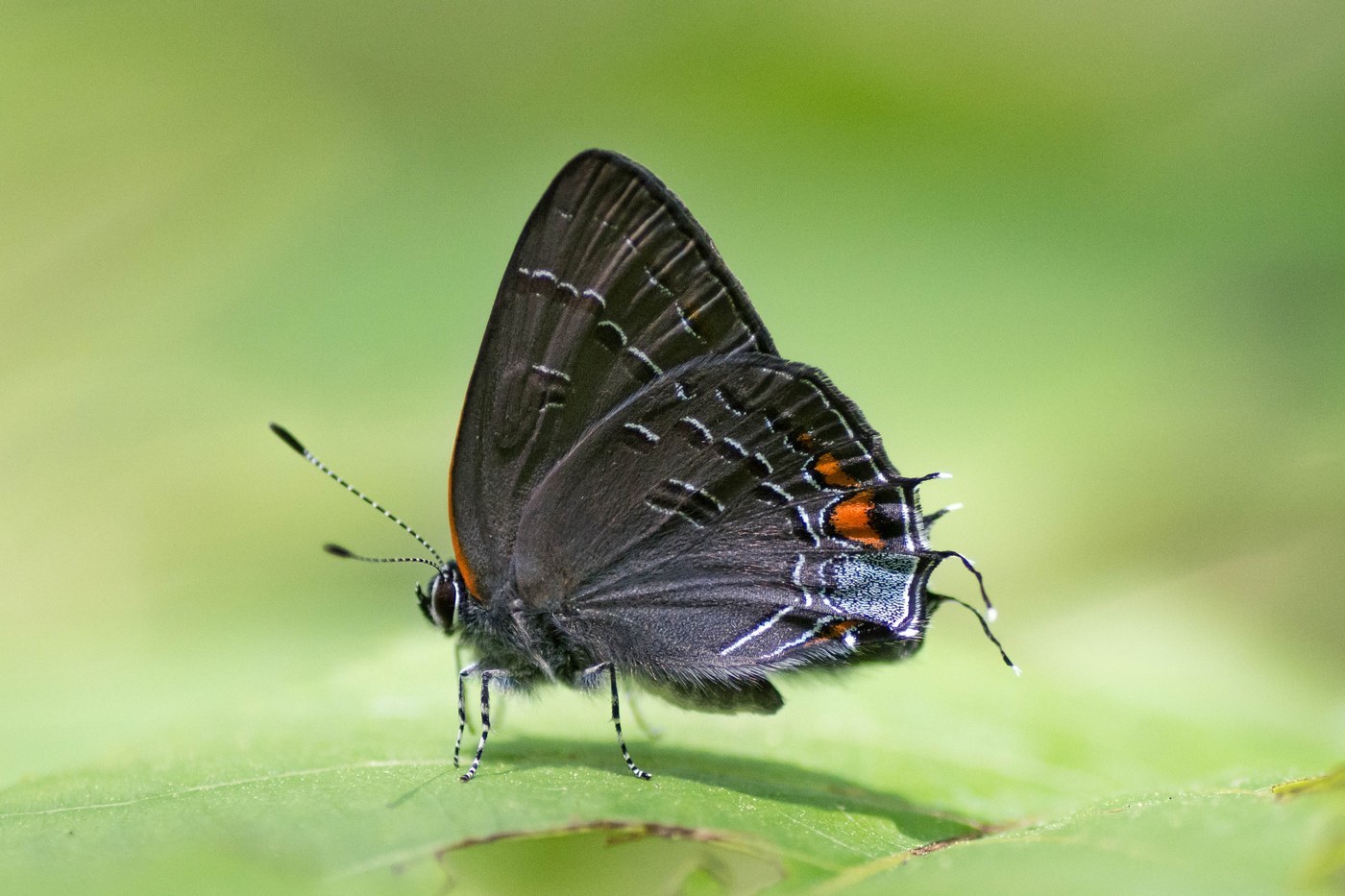
Banded Hairstreak
Deciduous woodlands and edges with oaks and hickories
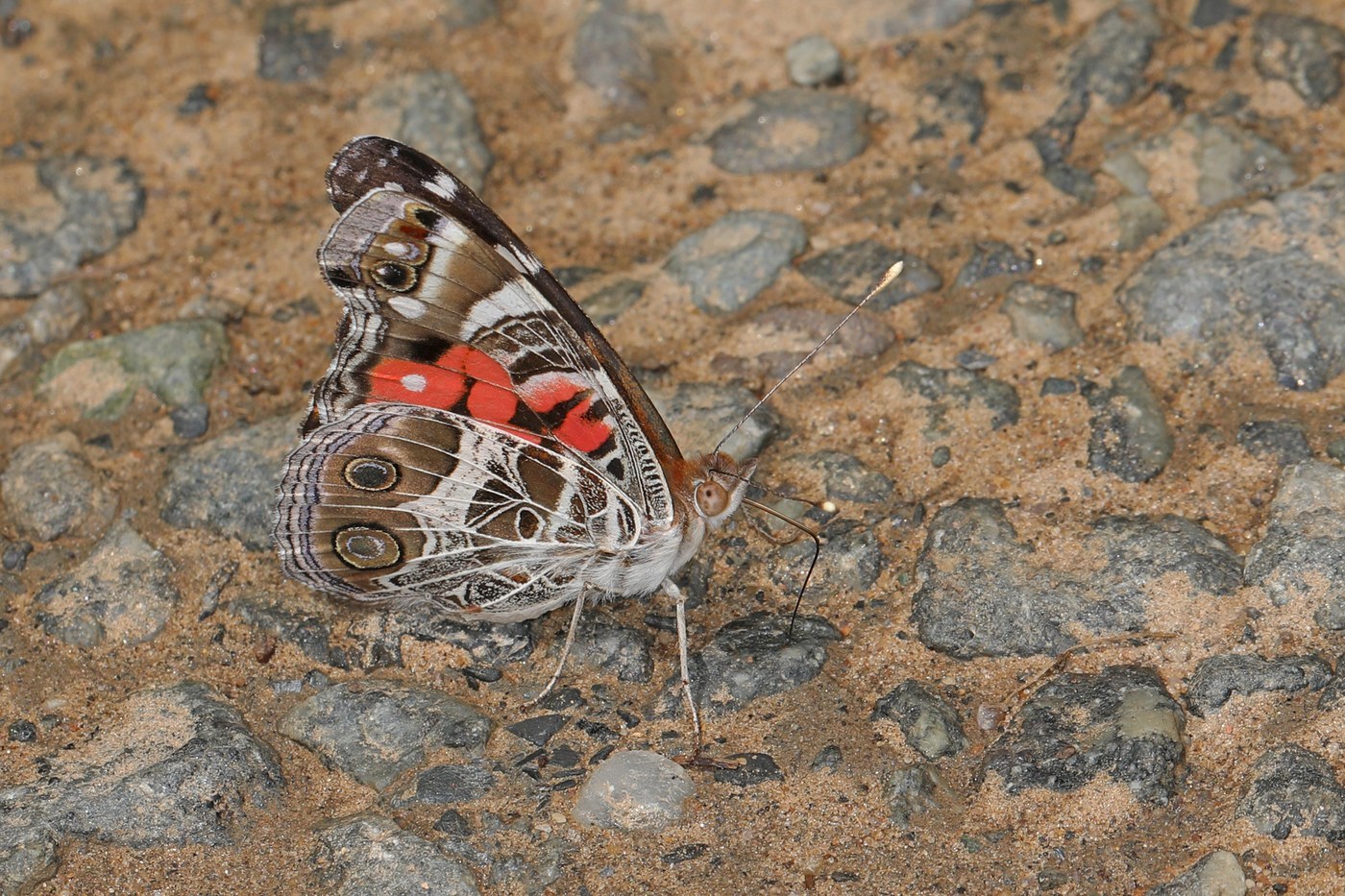
American Lady
Open fields, meadows, gardens, roadsides
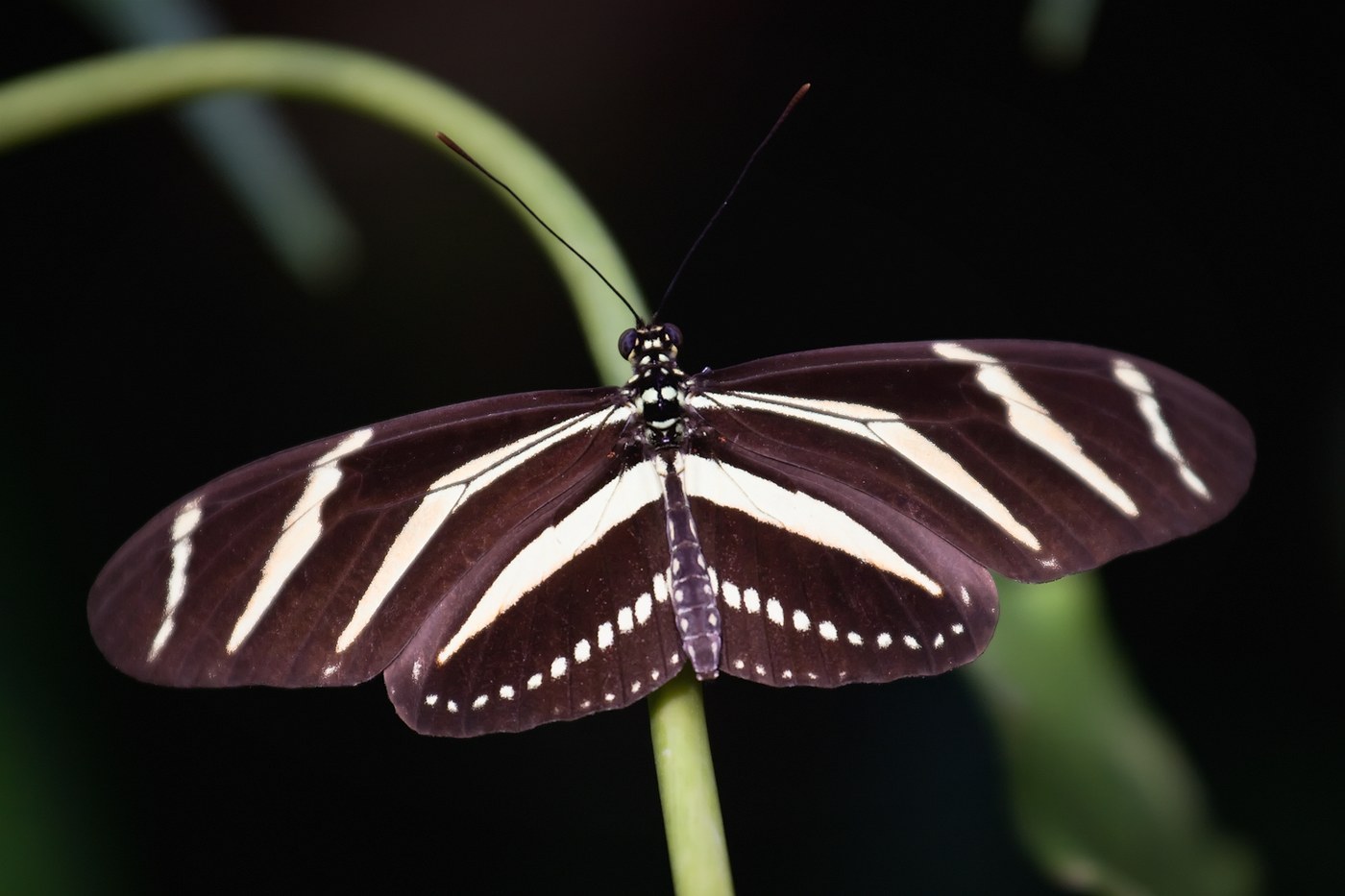
Zebra Longwing
Tropical hammocks, gardens, forest edges
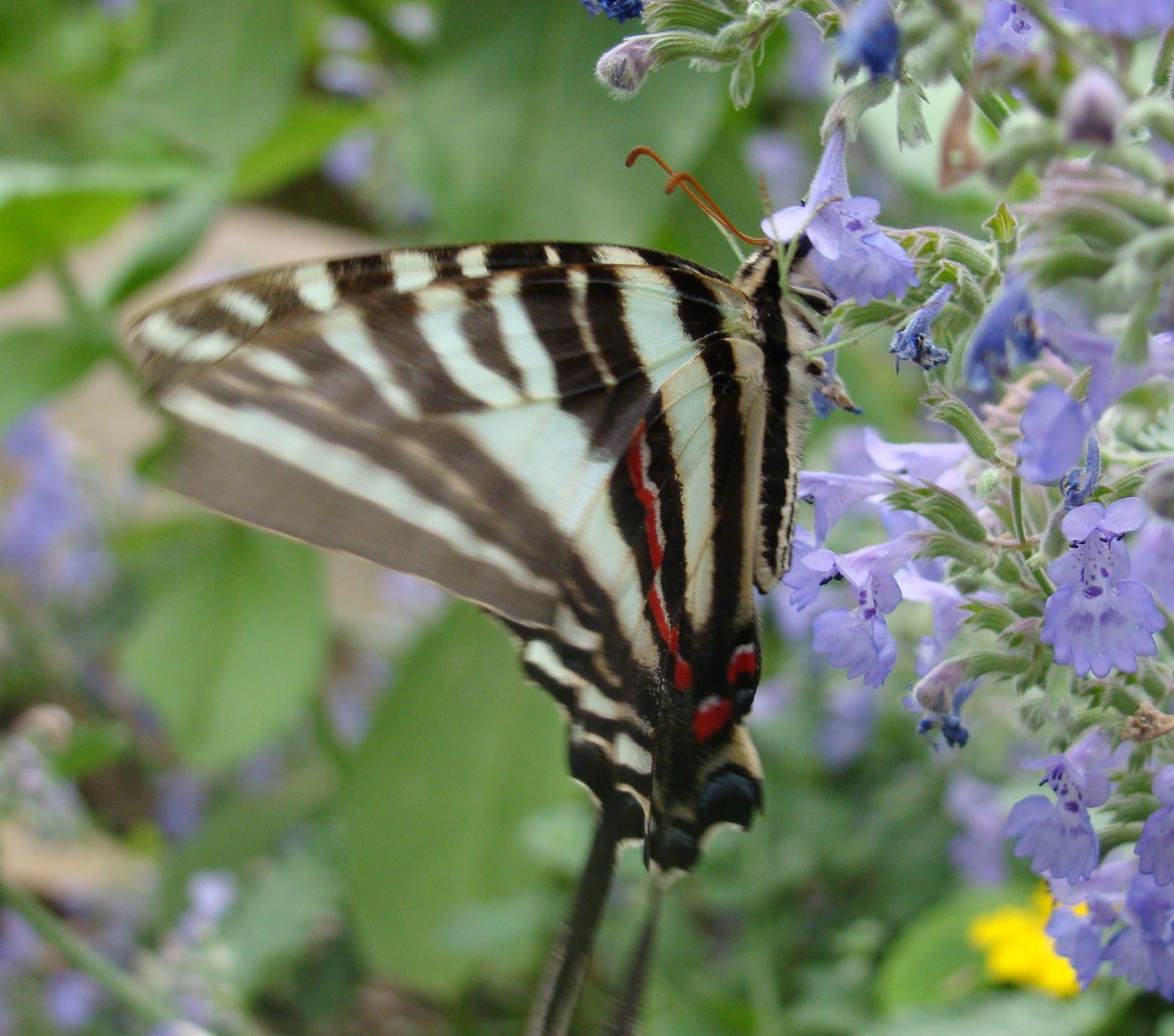
Zebra Swallowtail
Woodlands, floodplains, forest edges near pawpaw
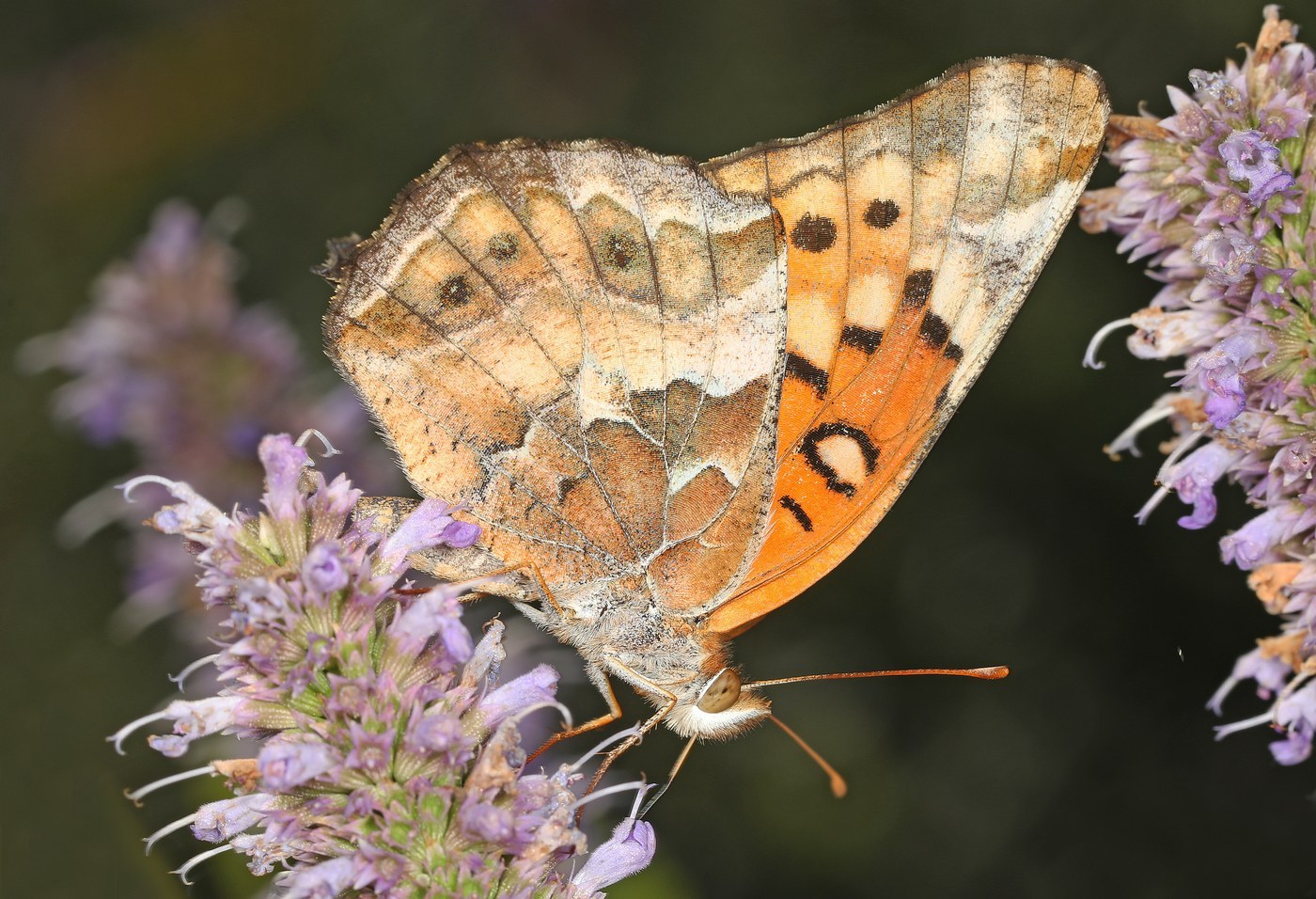
Variegated Fritillary
Open fields, prairies, roadsides, and disturbed ground across most of the United States
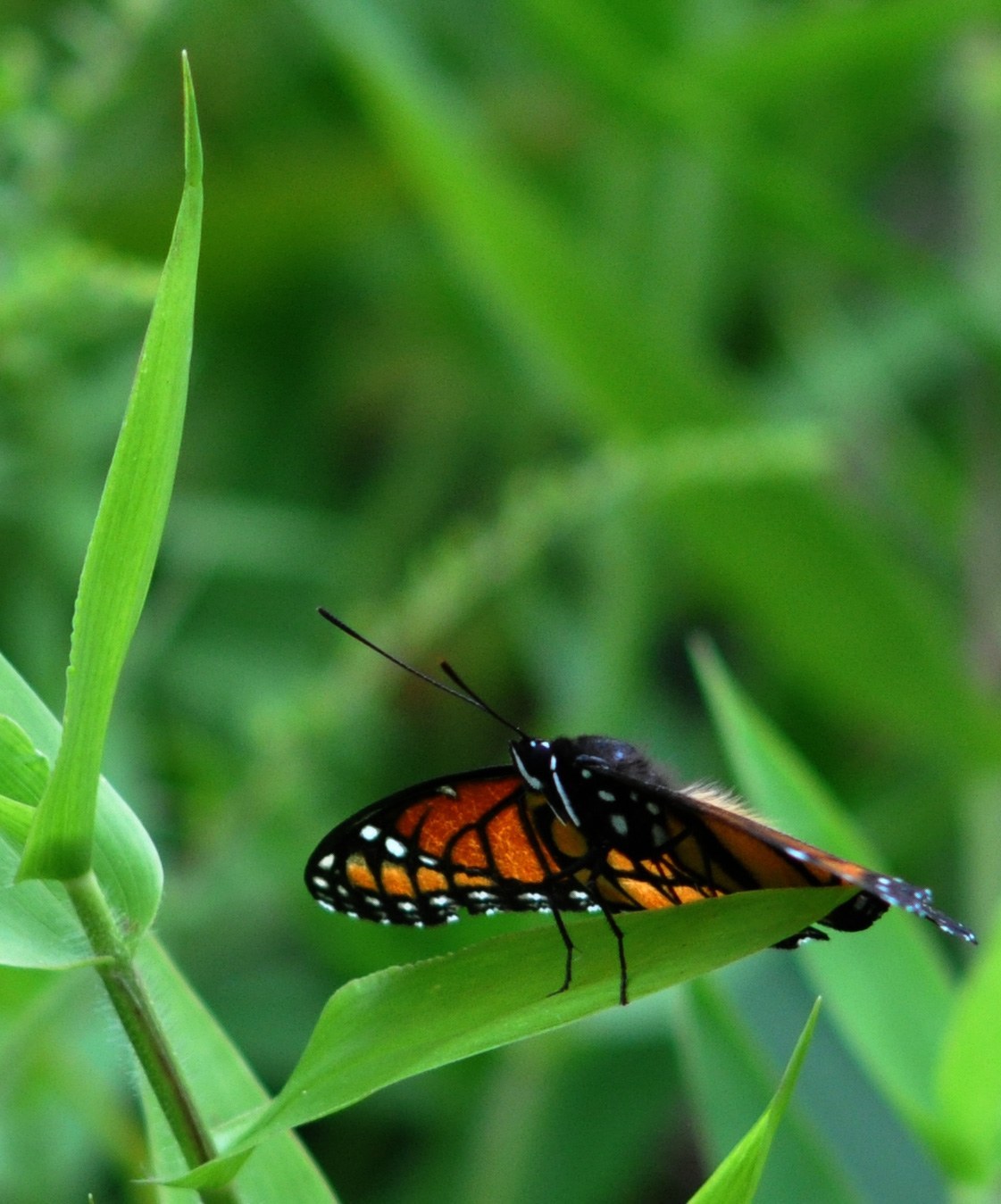
Viceroy Butterfly
Wetlands, meadows, riverbanks, willow thickets (North America)
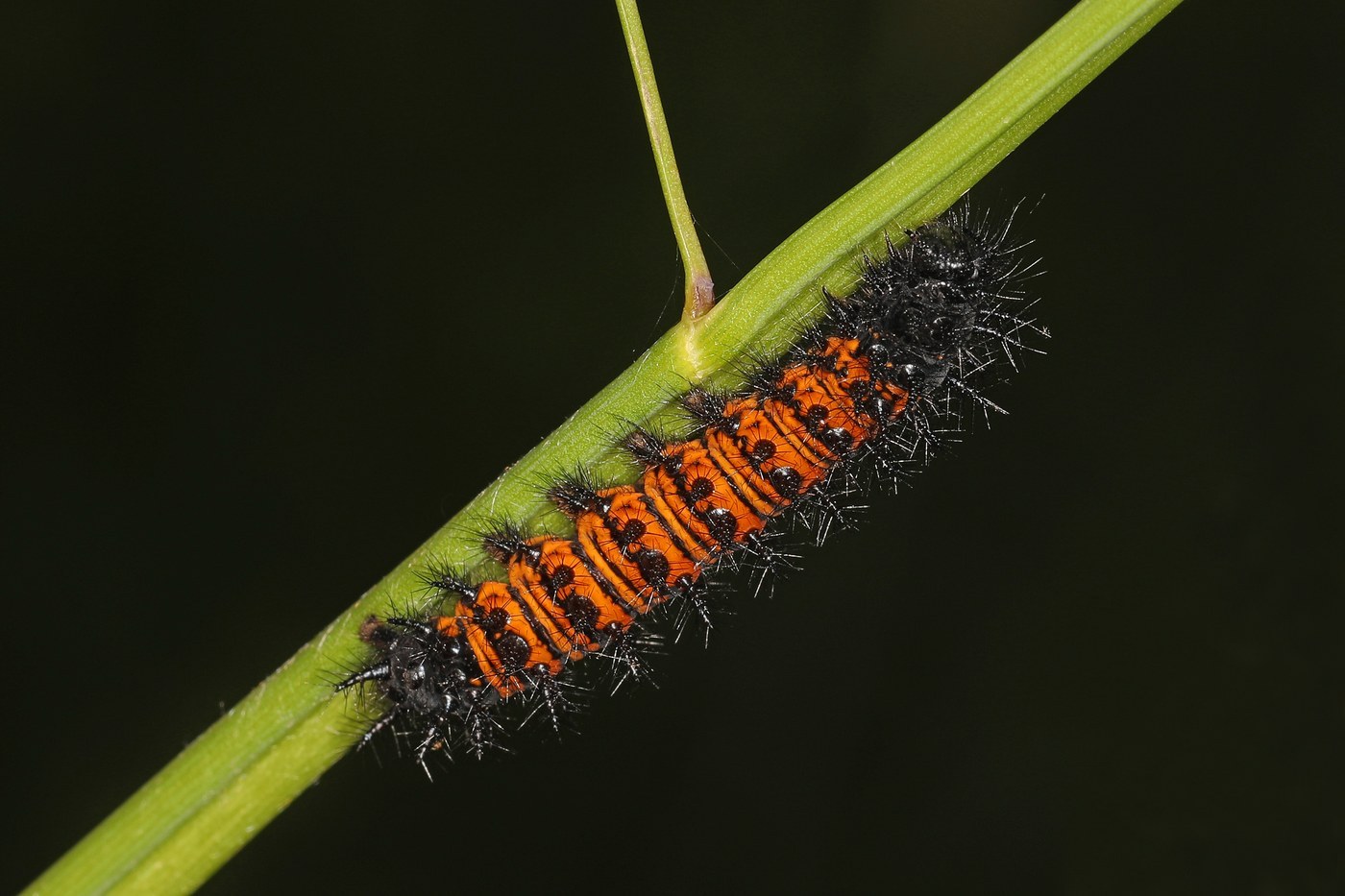
Baltimore Checkerspot
Wet meadows, bogs, and marshy fields in the northeastern and Appalachian US
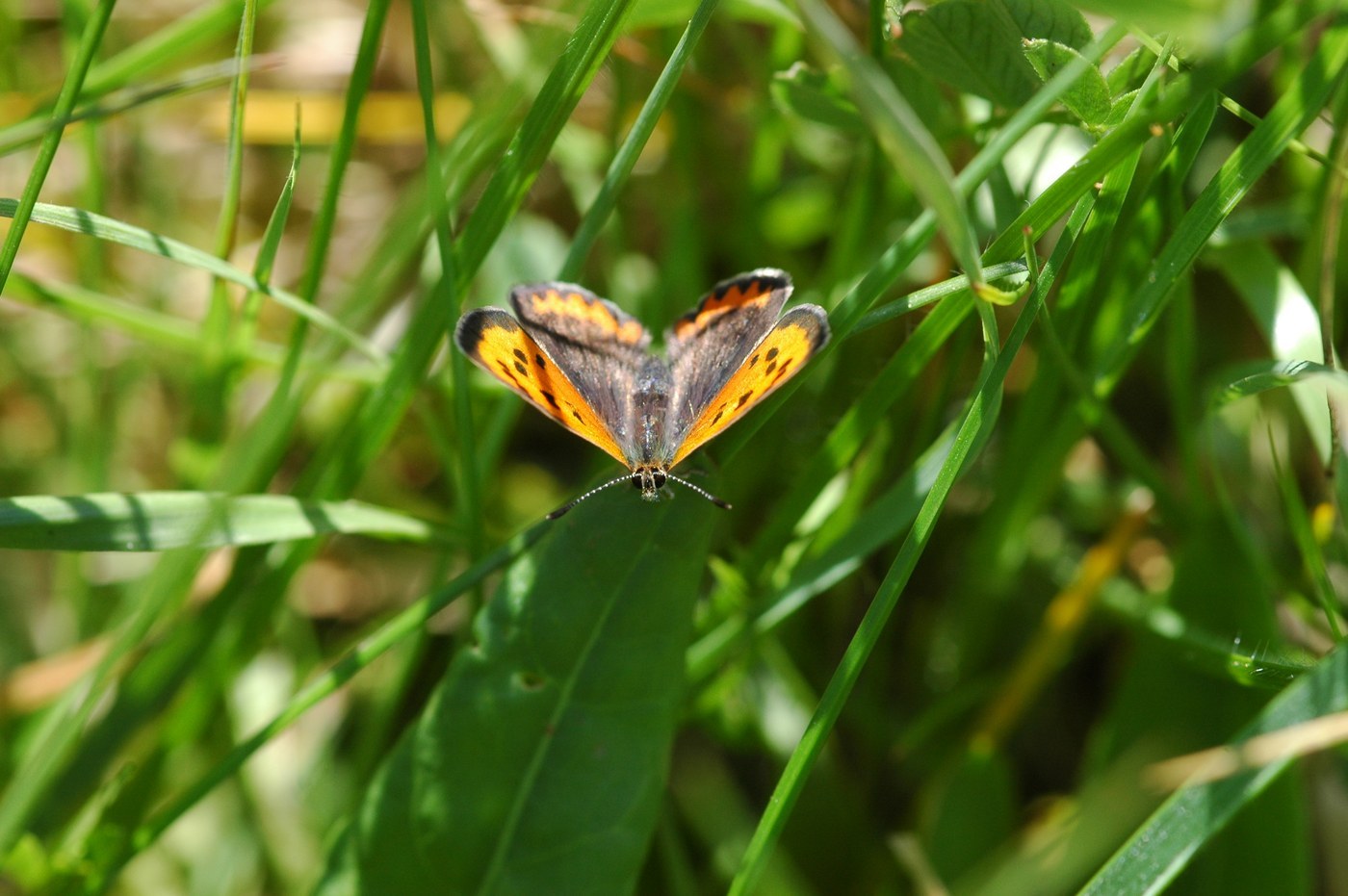
American Copper
Old fields, roadsides, and disturbed open ground with sorrel or dock
West Virginia White
Rich deciduous forest floors, especially near seeps and streams
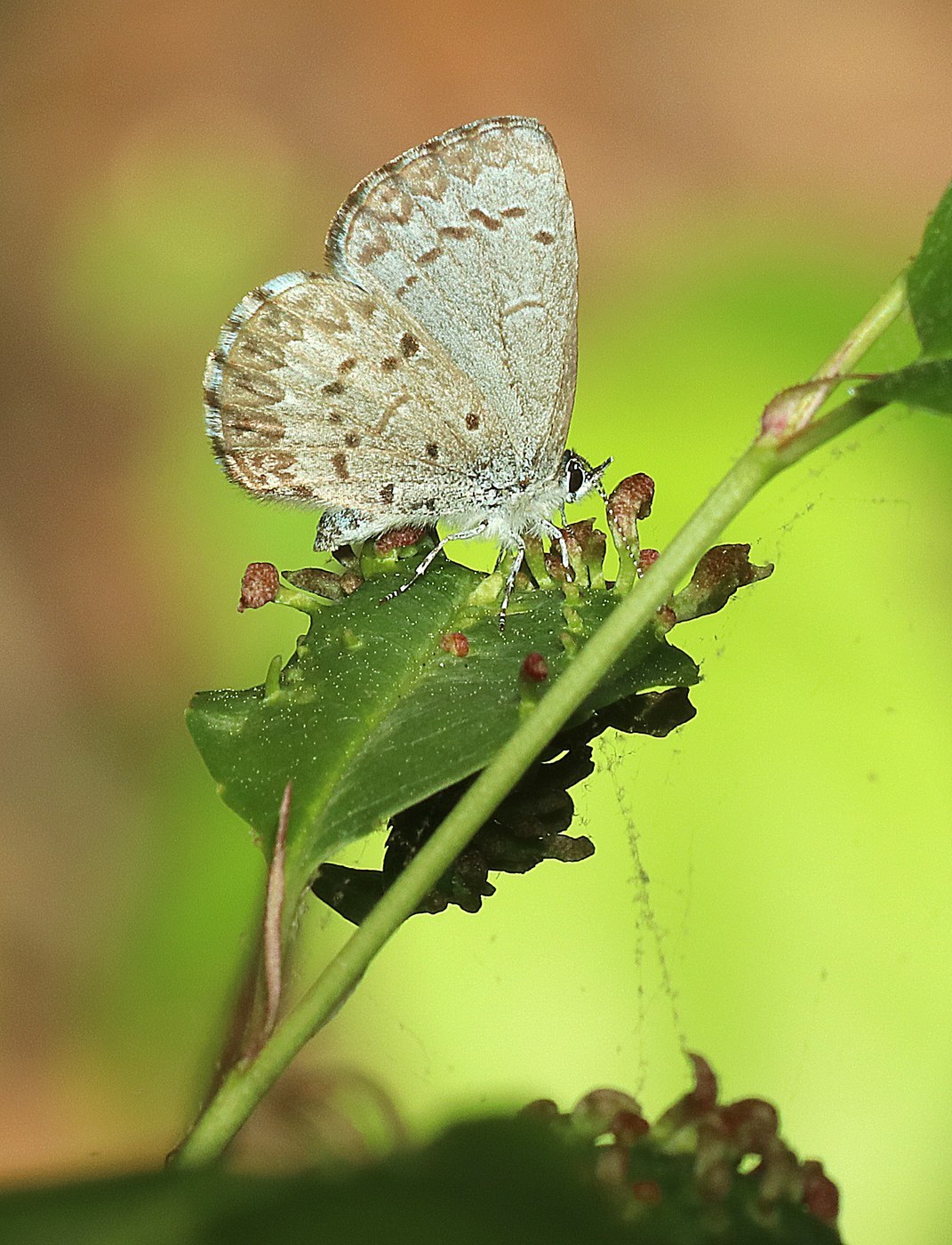
Spring Azure
Woodland edges, gardens, shrubby clearings
Red Admiral
Gardens, woodland edges, parks, meadows
Sleepy Orange
Open woodland, fields, roadsides, and disturbed ground