
Old Lady Moth
Mormo maura
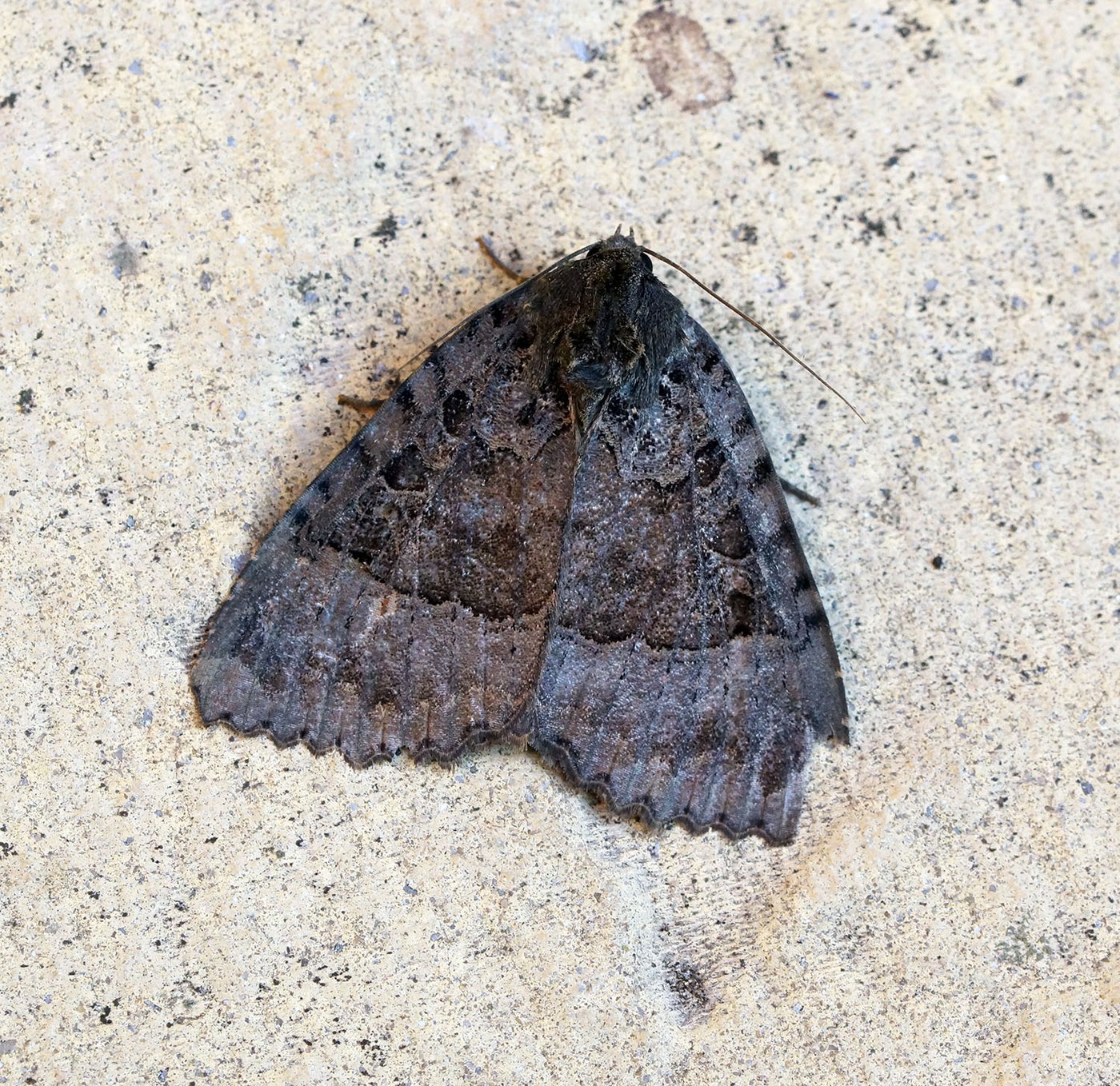
A large, dusky brown noctuid moth with an intricate, wood-grain-like pattern of dark streaks and pale flecks across broad wings, often found resting motionless in sheds and against tree bark by day.
- Size
- 55–65 mm wingspan
- Habitat
- Gardens, riverbanks, ivy-covered walls, outbuildings
- Danger
- Harmless
Spotted a bug like this?
Identify any bug or insect from a photo, free.
Overview
The Old Lady Moth is one of the larger noctuid moths found in Europe, named for its somber, old-fashioned dark coloring reminiscent of aged fabric or weathered wood. It belongs to the owlet moth family Noctuidae and is easily identified by its size and finely detailed, mottled brown patterning rather than any bright colors.
It is notable for its habit of resting in sheltered man-made structures such as sheds, garages, and porches during the day, where its cryptic bark-like pattern renders it nearly invisible against wooden surfaces. This behavior, combined with its unusually large size for a noctuid, makes encounters with it memorable even for casual observers.
Ecologically the species occupies damp, vegetated habitats near water and dense shrubby growth, and its caterpillars contribute to the processing of woody and herbaceous plant material within these environments.
How to Identify
- Large, broad-winged moth with a wingspan considerably bigger than most common garden noctuids.
- Overall coloring is dusky greyish-brown to blackish-brown with fine, intricate darker streaking resembling wood grain or old lace.
- Faint pale markings and subtle banding break up the otherwise uniform dark tone.
- Wings are held flat and outstretched at rest, unlike the folded posture of some related species.
- Antennae are simple and thread-like; body is stout and covered in fine scales.
- Lookalikes include other large dark noctuids, but its considerable size and finely detailed streaky pattern help distinguish it.
Habitat & Range
Found across much of Europe, North Africa, and into temperate Asia. It favors damp habitats with dense vegetation, including riverbanks, hedgerows, gardens with ivy or bramble, and old stone or wooden structures where it commonly roosts by day. Adults fly mainly in summer, typically from June through August, and are most active after dark.
Behavior & Diet
Adults are strictly nocturnal, hiding by day in dark, sheltered spots such as sheds, cellars, and crevices in bark or stonework, where they rely on camouflage rather than flight to avoid detection. At night they fly to feed on nectar and are sometimes drawn to sugar baits or artificial lighting. The caterpillars feed on a variety of low shrubby and herbaceous plants including ivy, bramble, and sloe, contributing to the breakdown and turnover of leafy vegetation in hedgerow and riparian habitats, while adults serve as prey for nocturnal predators such as bats.
Life Cycle
Eggs are laid on the foliage of host shrubs and are among the life stages that can overwinter in some populations. The caterpillars are stout and well camouflaged, feeding through the cooler months in some regions before pupating in soil or leaf litter in spring. There is typically a single generation per year, with adults emerging in summer and the species overwintering as an egg or young larva depending on climate and region.
Frequently asked questions
Why is it called the Old Lady Moth?
Its name refers to its somber, dark, finely patterned wings, which were thought to resemble old-fashioned dark fabric or lace.
How big does it get?
It is a notably large noctuid moth, with a wingspan typically in the range of 55–65 mm.
Where might I find one resting?
It commonly hides by day in sheds, garages, cellars, or against bark and stonework, where its dark, streaky pattern provides effective camouflage.
When is it active?
Adults fly mainly in summer, typically from June through August, and are active after dark.
Old Lady Moth guides
In-depth guides for identifying, understanding, and living alongside Old Lady Moth.
Other bugs you may enjoy
Bagworm Moth
Coniferous and deciduous trees, shrubs, hedges
Antheraea Silkmoth
Deciduous forests, woodland edges, orchards
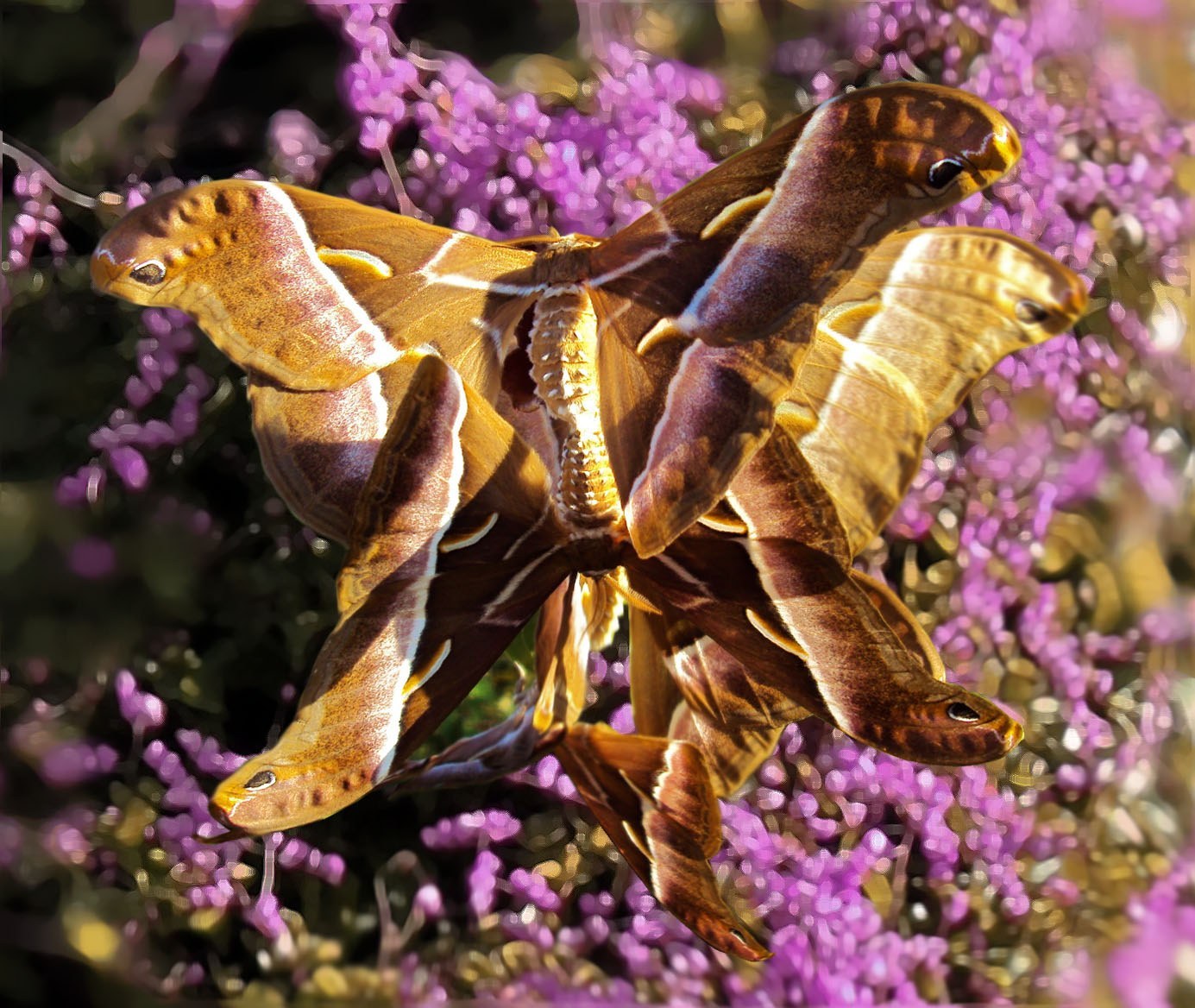
Ailanthus Silkmoth (Cynthia Moth)
Urban parks, wastelands, and woodland edges with tree-of-heaven; native to Asia, introduced in North America and Europe
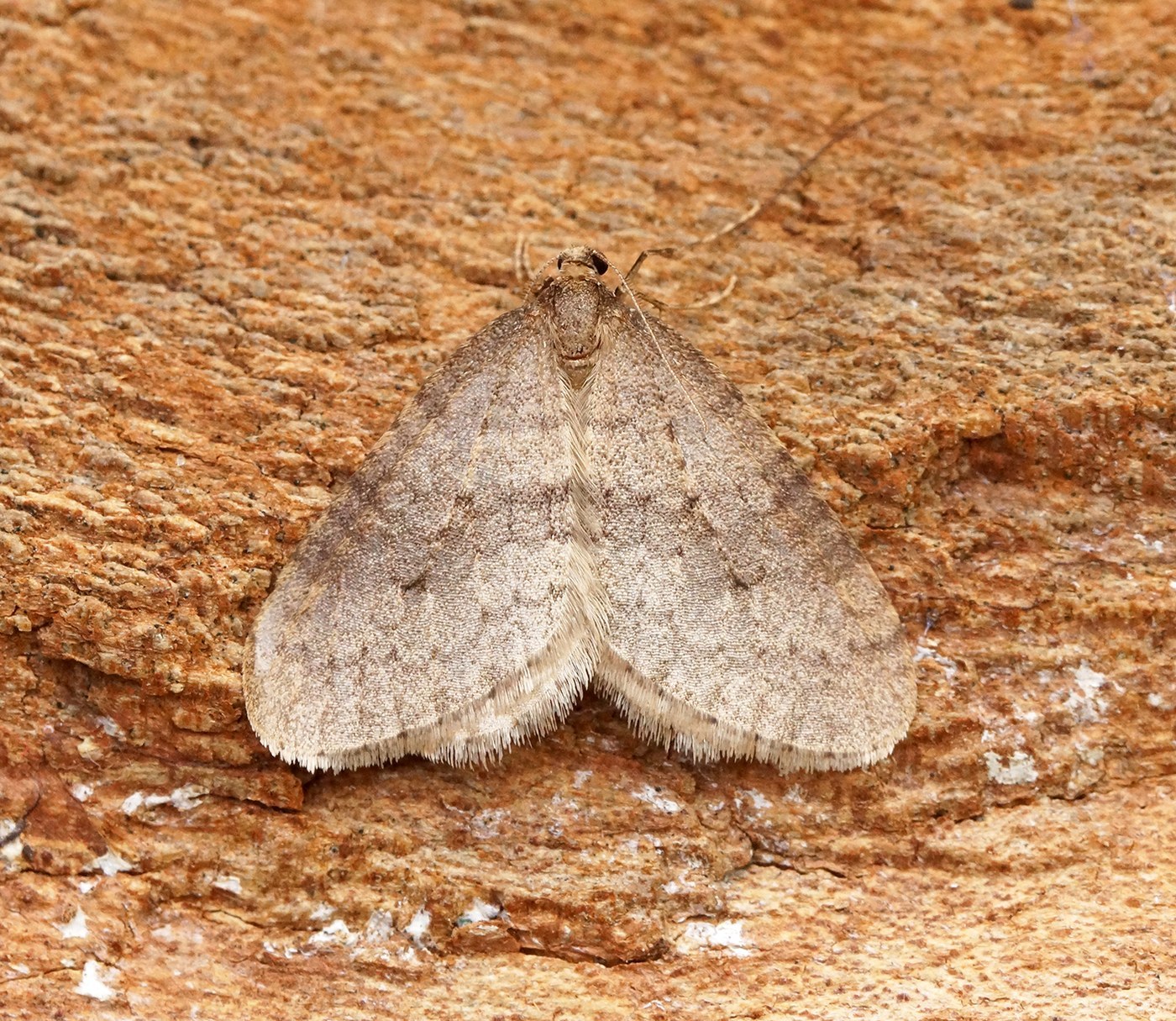
Winter Moth
Deciduous woodland, orchards, gardens, hedgerows
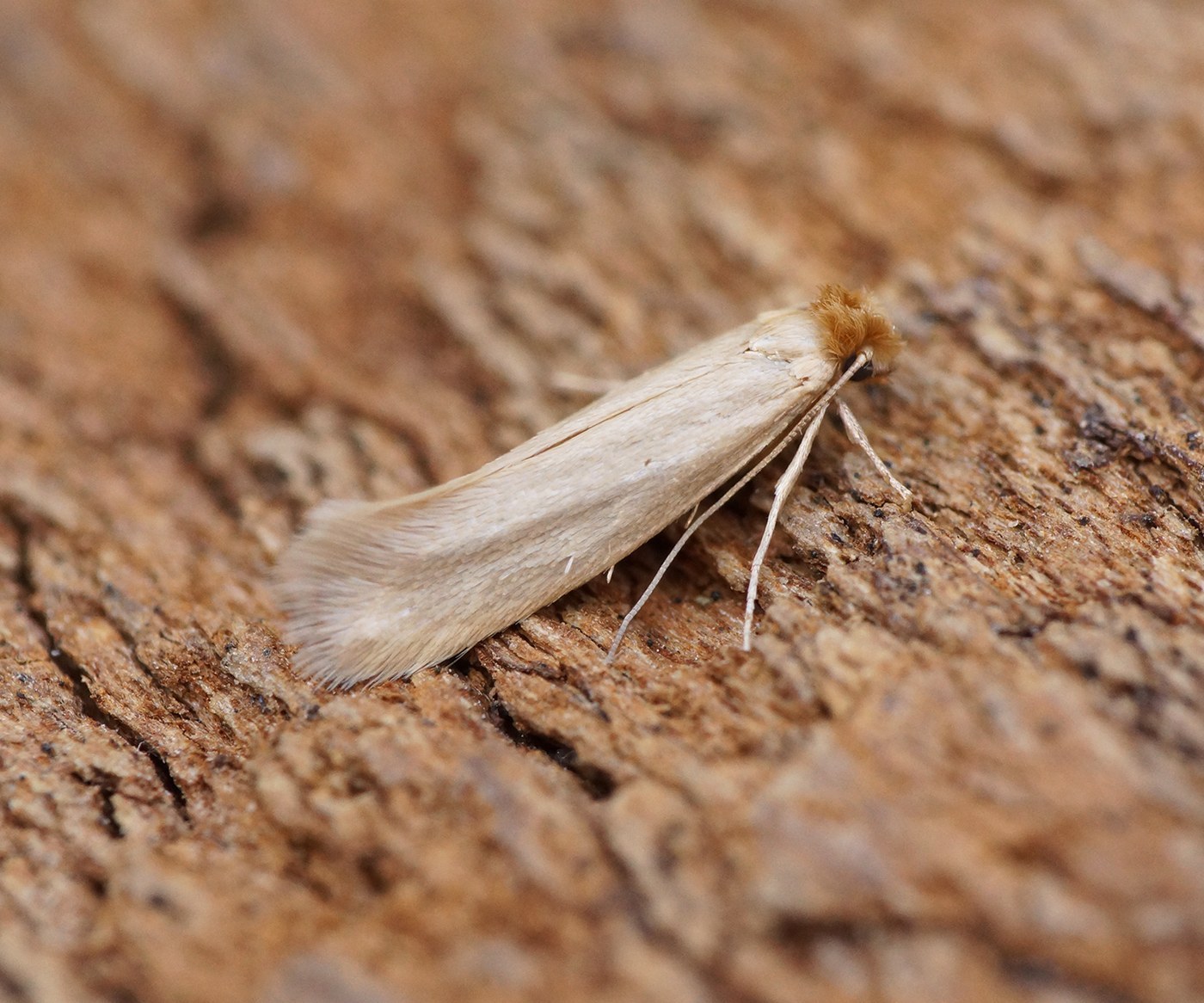
Webbing Clothes Moth
Dark closets, storage areas, and animal nests worldwide
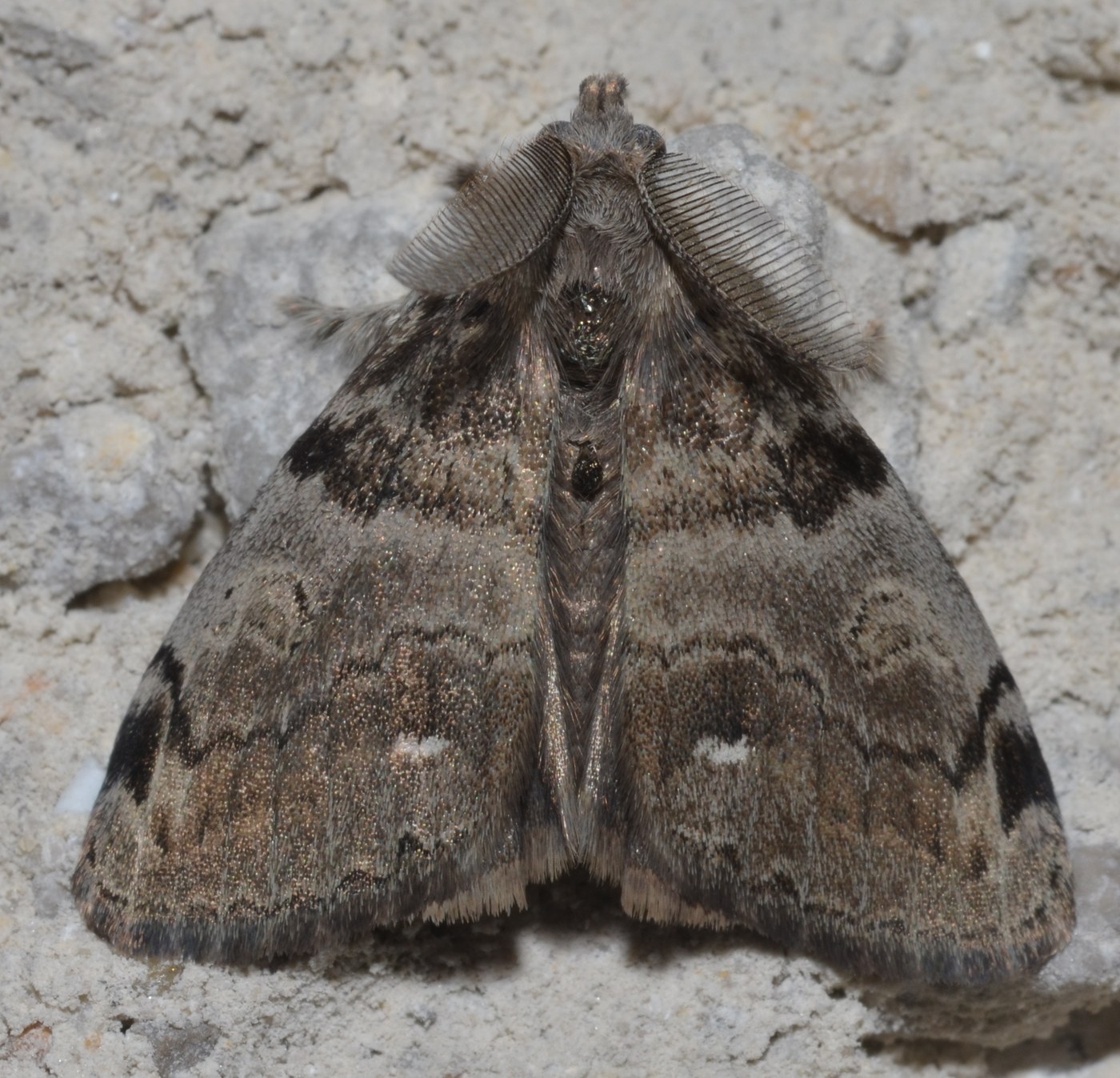
Tussock Moth
Deciduous forests, parks, gardens
Wax Moth
Beehives, apiaries, stored beeswax and comb
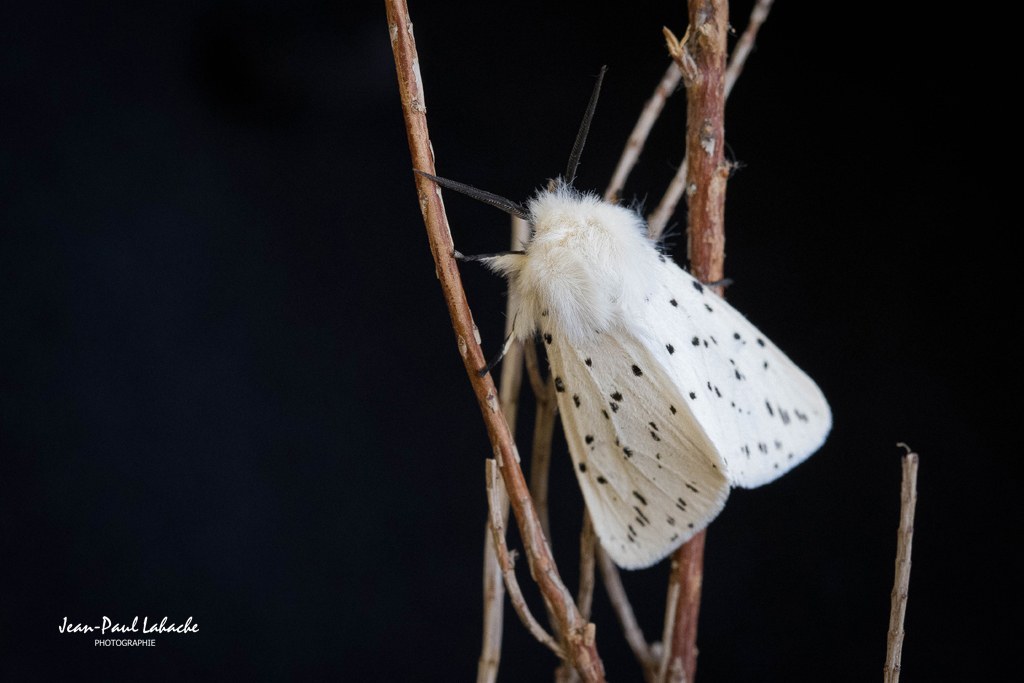
White Ermine Moth
Gardens, meadows, hedgerows
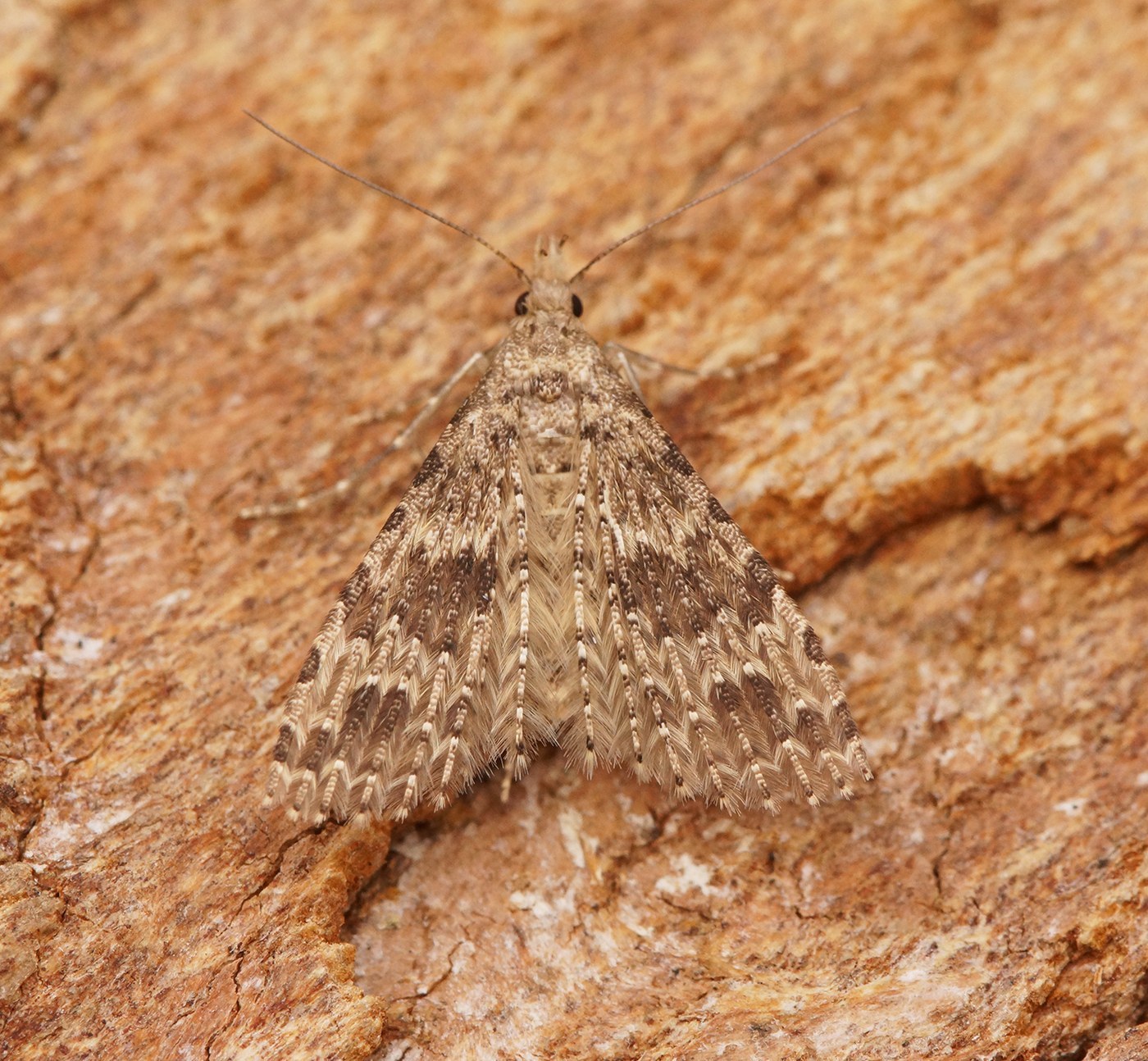
Twenty-plume Moth
Gardens, hedgerows, near honeysuckle
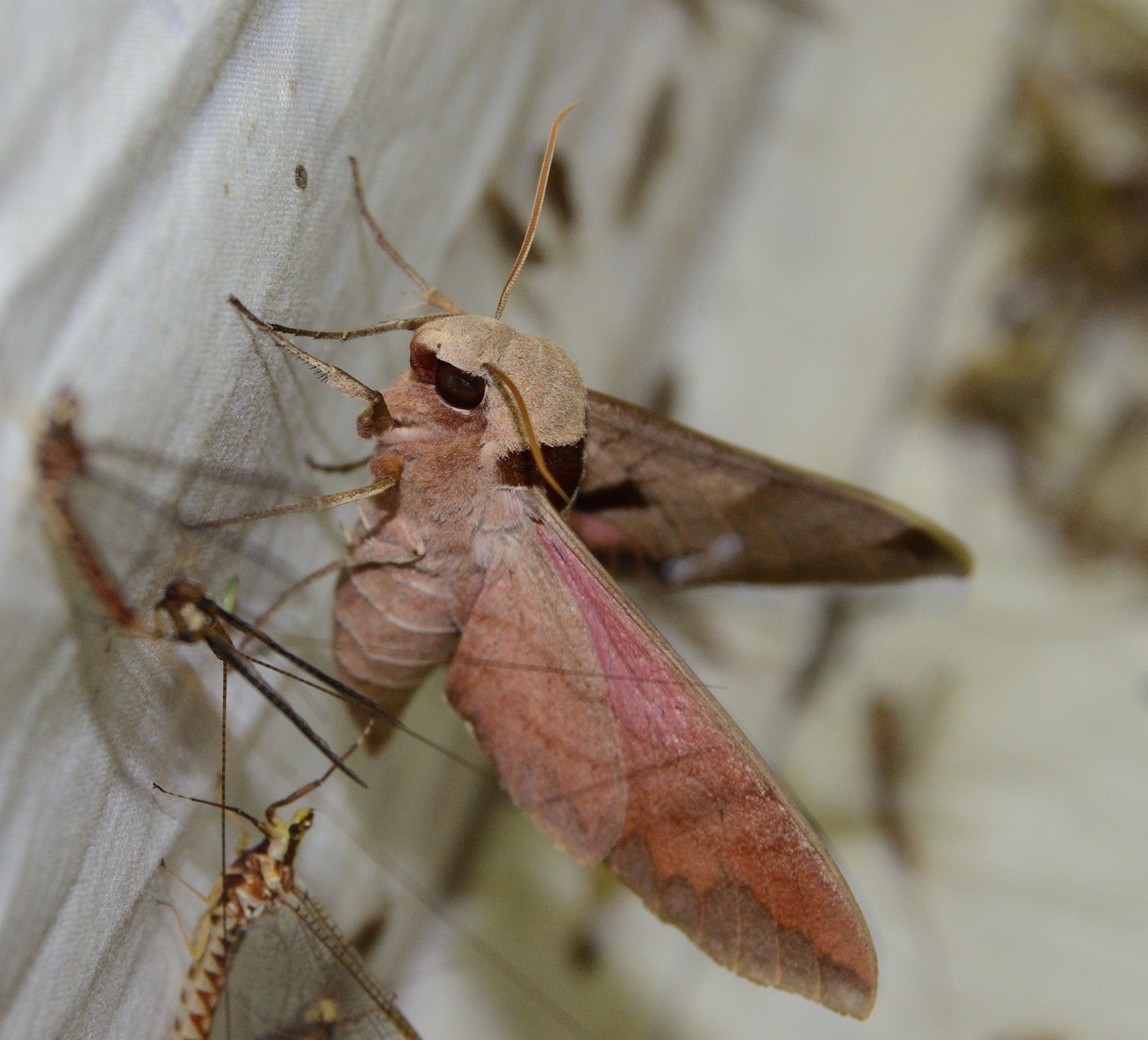
Achemon Sphinx Moth
Vineyards, woodland edges, gardens with wild grape
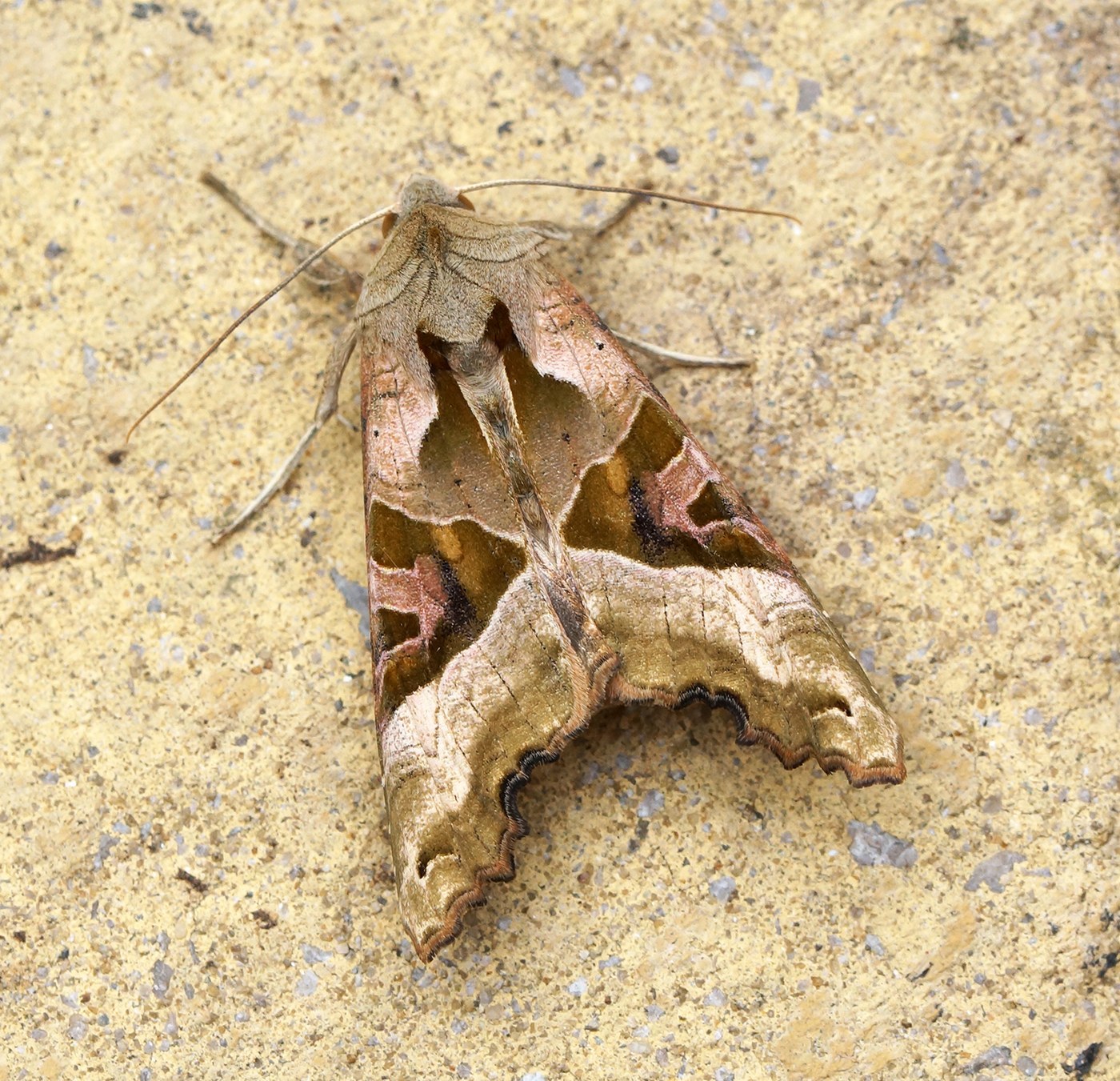
Angle Shades Moth
Gardens, hedgerows, woodland edges, urban parks
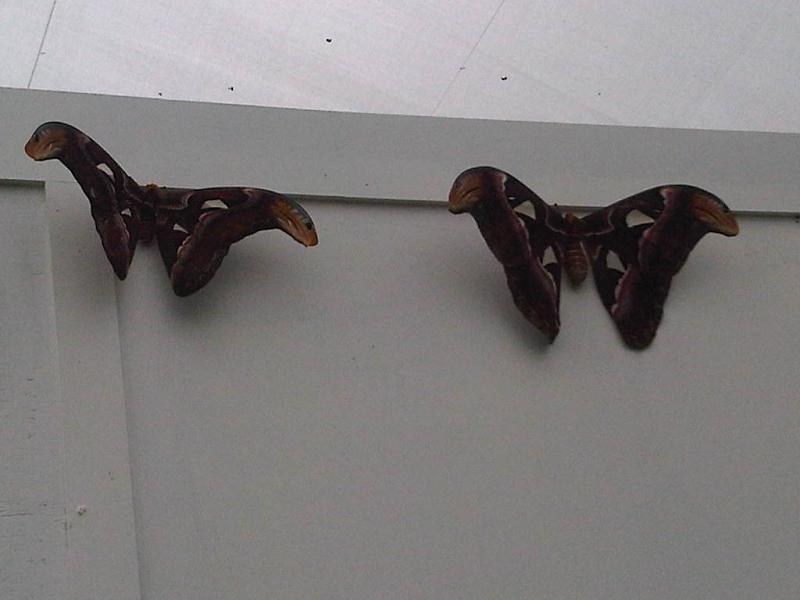
Atlas Moth
Tropical and subtropical lowland forests of Southeast Asia