
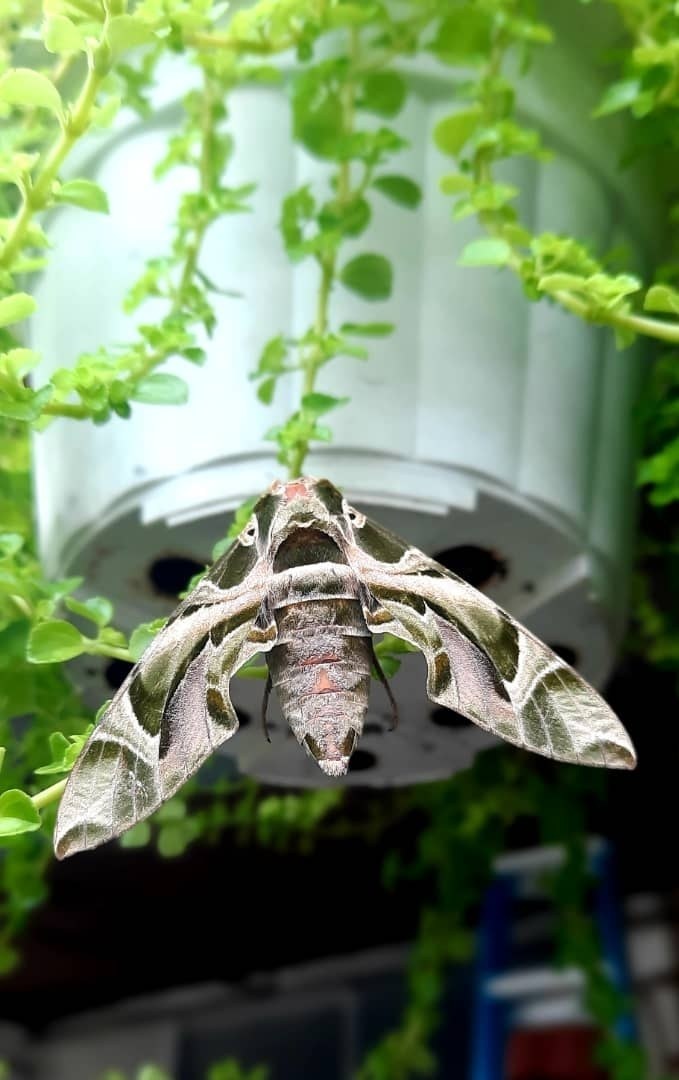
Oleander Hawk-Moth
Daphnis nerii
A large, strikingly camouflaged hawk-moth patterned in swirling olive-green, pink, and cream stripes that resemble oleander foliage, with a streamlined, torpedo-shaped body built for fast, hovering flight.
- Size
- 3.5–4.7 in wingspan
- Habitat
- Gardens, scrubland, and cultivated areas across Africa, Asia, and the Mediterranean fringe
- Danger
- Harmless
Spotted a bug like this?
Identify any bug or insect from a photo, free.
Overview
The oleander hawk-moth is a member of the family Sphingidae, the hawk-moths or sphinx moths, known for their powerful, sustained flight and long proboscis adapted for feeding at flowers while hovering. It is one of the most visually elaborate hawk-moths, with an intricate camouflage pattern of olive, pink, and white that breaks up its outline against foliage.
The species is native to warmer parts of Africa and Asia and is a strong migrant, regularly turning up well outside its resident range, including seasonally in southern and central Europe, where it cannot normally overwinter.
Its larva feeds on oleander and related plants, and the moth is notable among enthusiasts both for its beauty and for its long-distance migratory habits.
How to Identify
- Large, torpedo-shaped body with narrow, swept-back forewings patterned in bands of olive-green, pink, cream, and purplish-brown that form a marbled, camouflage-like design.
- Hindwings are shorter, mostly pink and green, usually concealed at rest beneath the forewings.
- Body is stout and tapered, matching the wing coloration, with a long coiled proboscis used for hovering flower-feeding.
- Lookalikes: other Sphingidae such as the privet or convolvulus hawk-moths, but the oleander hawk-moth's swirling green-and-pink camouflage pattern is distinctive and unlike the more striped patterns of related species.
Habitat & Range
Resident from sub-Saharan Africa through the Middle East and southern Asia, the oleander hawk-moth is also a well-known migrant that appears seasonally in the Mediterranean basin and occasionally further north in Europe during warm summers. It favors gardens, parks, scrubland, and disturbed habitats wherever oleander or related plants grow, and adults are active at dusk and after dark, often visiting nectar-rich tubular flowers.
Behavior & Diet
Adults are powerful, fast fliers capable of hovering in place while unrolling their long proboscis to feed on nectar from deep, tubular flowers, making them effective long-distance pollinators. Like other hawk-moths, they are largely crepuscular and nocturnal. The species undertakes seasonal migrations, expanding its range northward in warm months and retreating southward as temperatures cool, since it cannot survive cold winters at any life stage in temperate zones.
Life Cycle
Eggs are laid singly on the leaves of oleander or related plants, hatching into large, cylindrical green or brown larvae with a prominent eyespot near the head and a tail horn typical of sphinx moth caterpillars. After several molts the larva pupates in loose leaf litter or soil, and the adult emerges to continue the cycle. In warm climates several generations can occur per year, while migrant populations in cooler regions are generally unable to overwinter and are replenished by fresh arrivals each season.
Frequently asked questions
Does this moth only live where oleander grows?
Its larvae feed mainly on oleander and related plants, but the adult moth is a strong migrant and can be seen well outside areas where oleander is common.
Is it native to Europe?
No, it is native to Africa and Asia; European sightings are generally migrants that arrive seasonally rather than permanent residents.
How can I tell it apart from other hawk-moths?
Its swirling olive-green and pink camouflage pattern across the forewings is more intricate and marbled than the straighter stripes seen on related species like the privet hawk-moth.
Is it active during the day?
It is primarily active at dusk and at night, though it may occasionally be seen resting on vegetation during the day.
Oleander Hawk-Moth guides
In-depth guides for identifying, understanding, and living alongside Oleander Hawk-Moth.
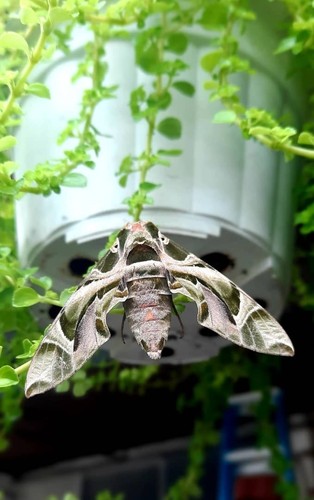
Oleander Hawk-Moth identified by the community
Real finds identified with Bug Identifier.
Other bugs you may enjoy
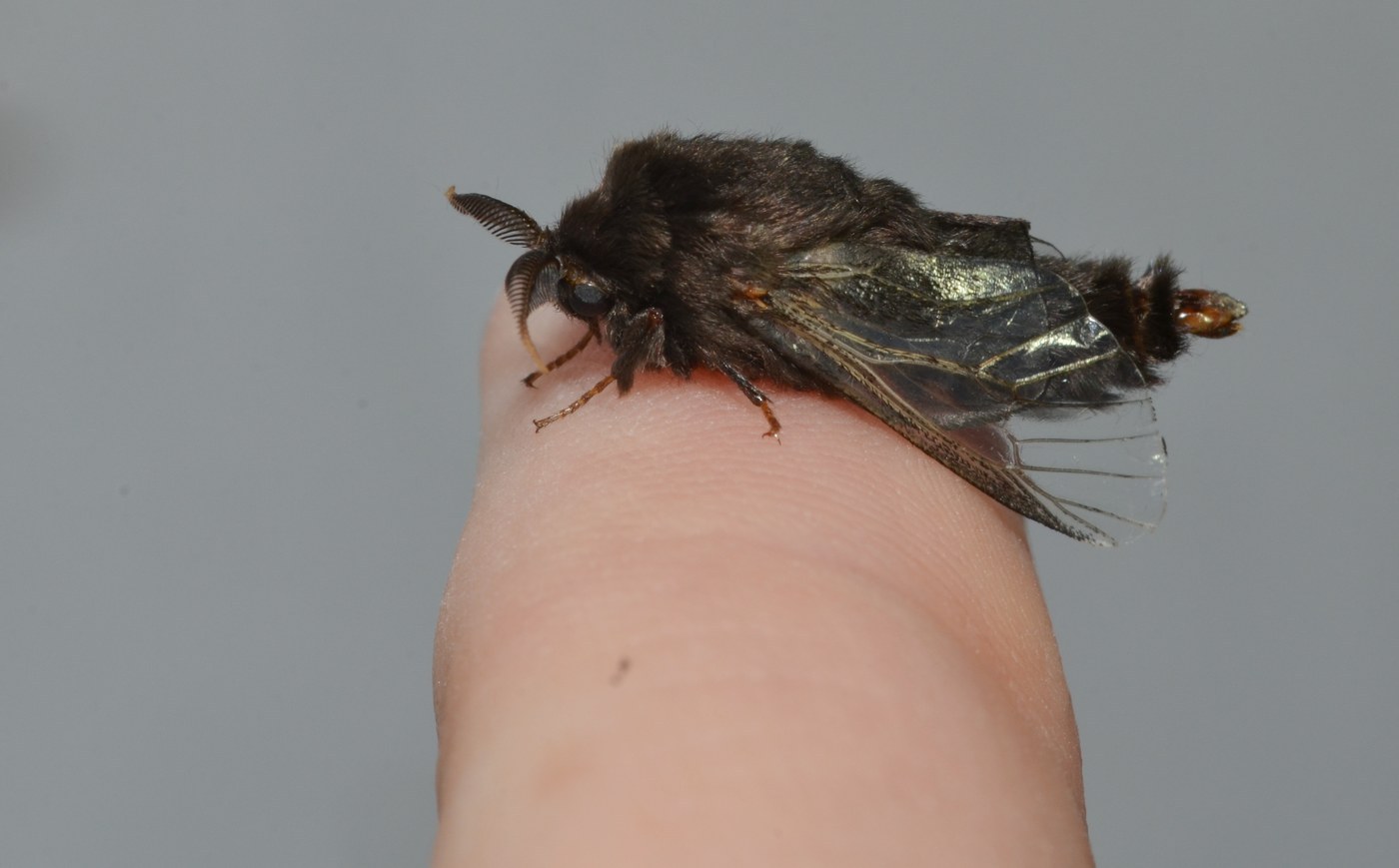
Bagworm Moth
Coniferous and deciduous trees, shrubs, hedges
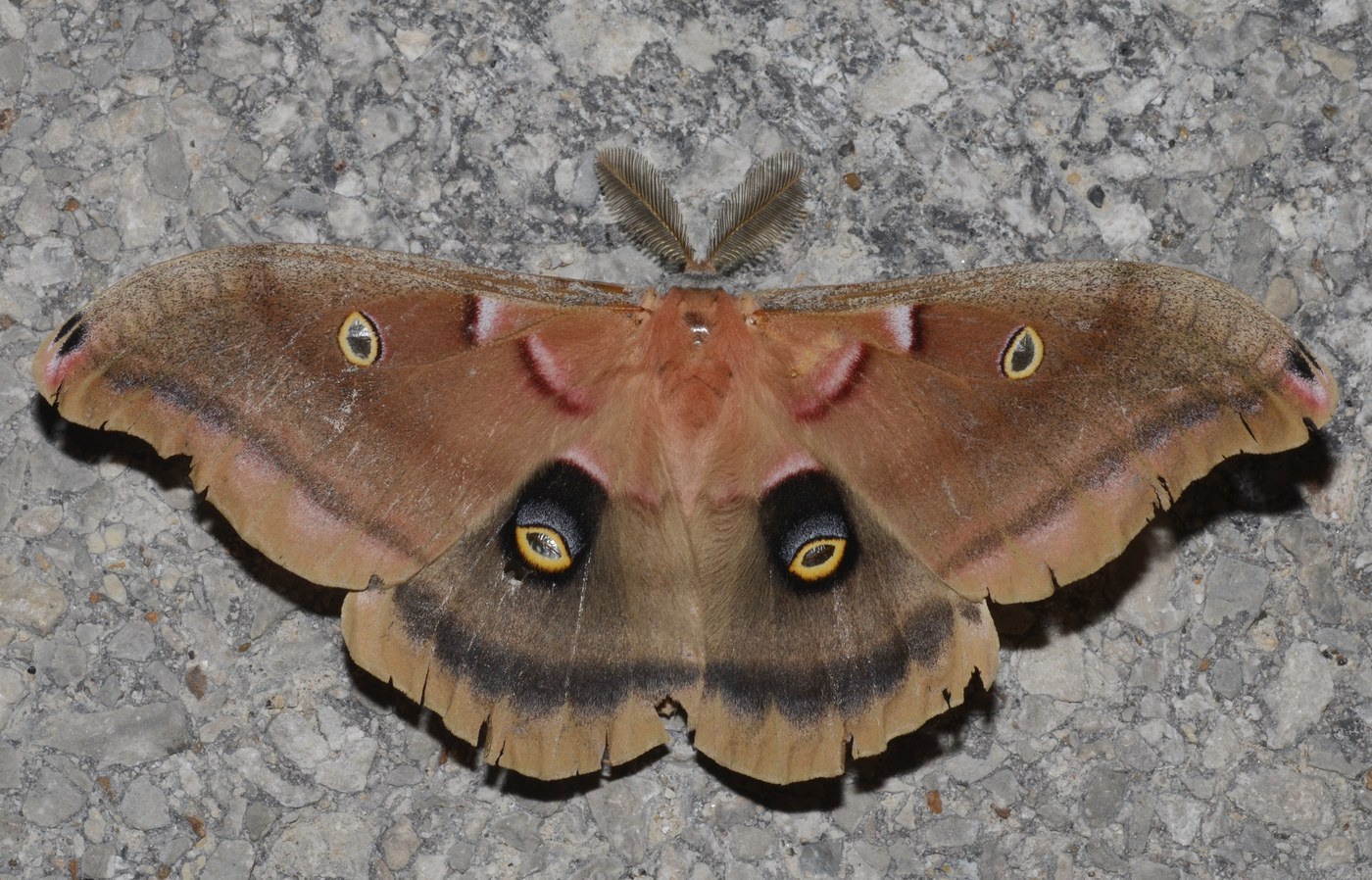
Antheraea Silkmoth
Deciduous forests, woodland edges, orchards
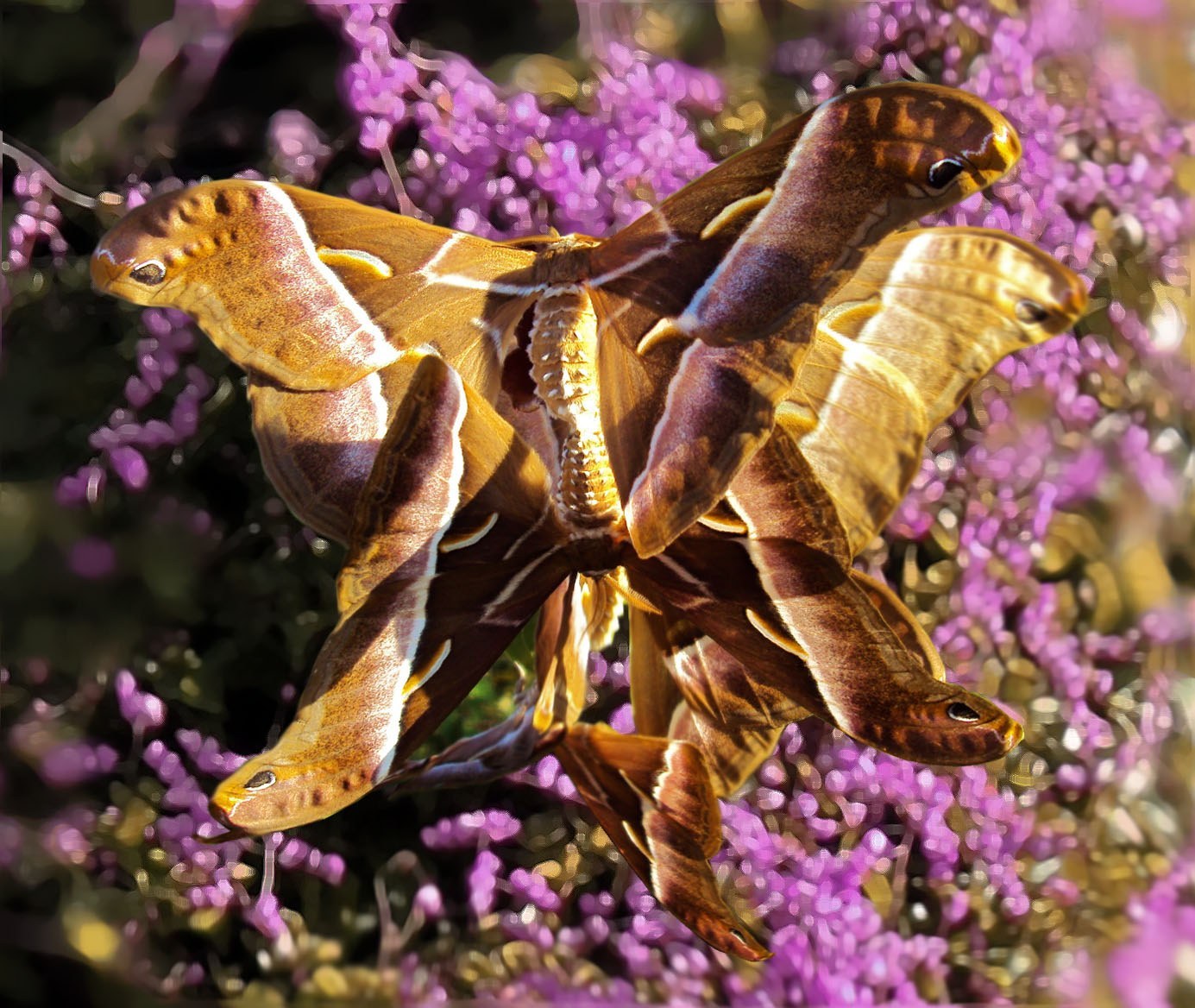
Ailanthus Silkmoth (Cynthia Moth)
Urban parks, wastelands, and woodland edges with tree-of-heaven; native to Asia, introduced in North America and Europe
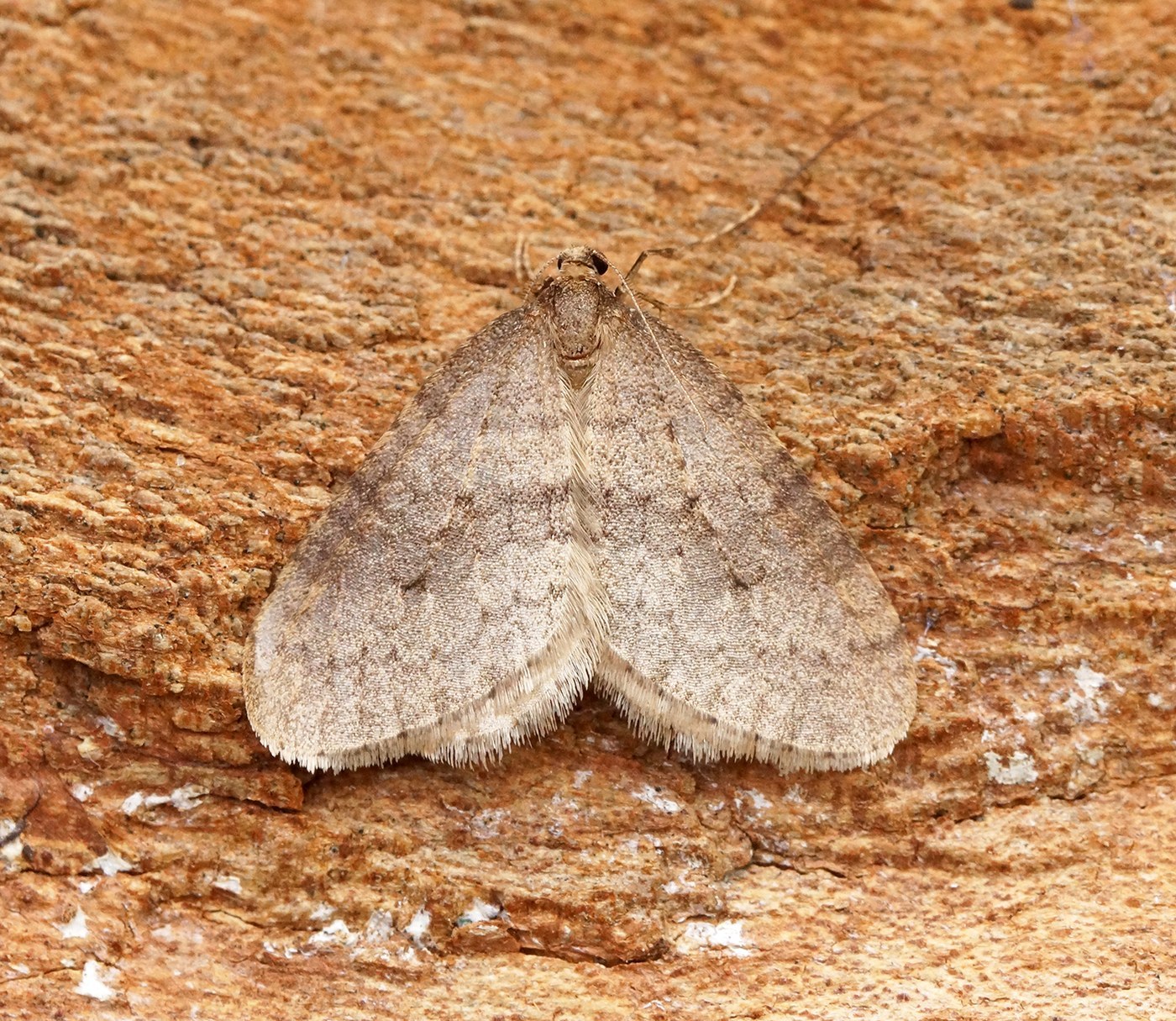
Winter Moth
Deciduous woodland, orchards, gardens, hedgerows
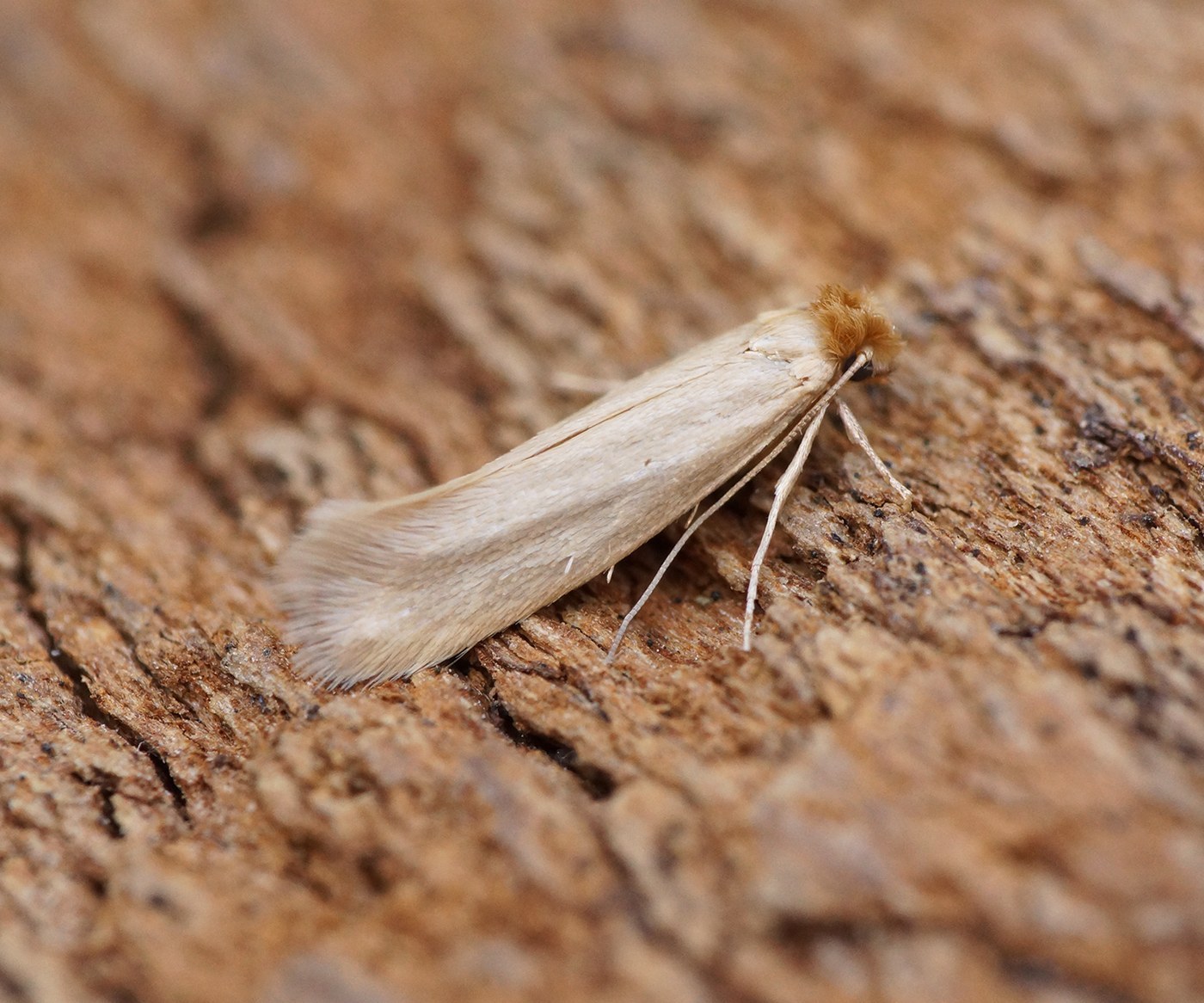
Webbing Clothes Moth
Dark closets, storage areas, and animal nests worldwide
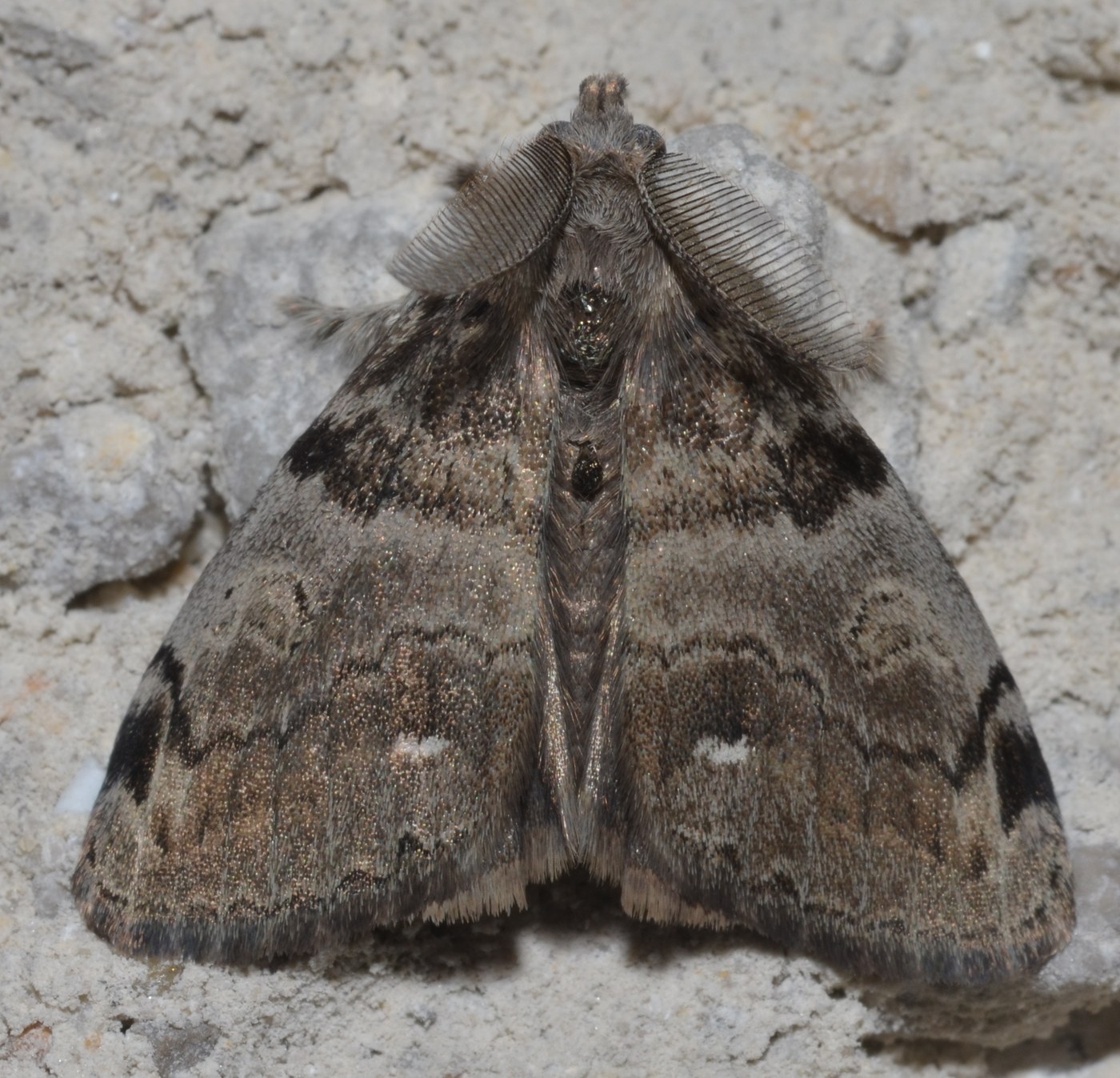
Tussock Moth
Deciduous forests, parks, gardens
Wax Moth
Beehives, apiaries, stored beeswax and comb
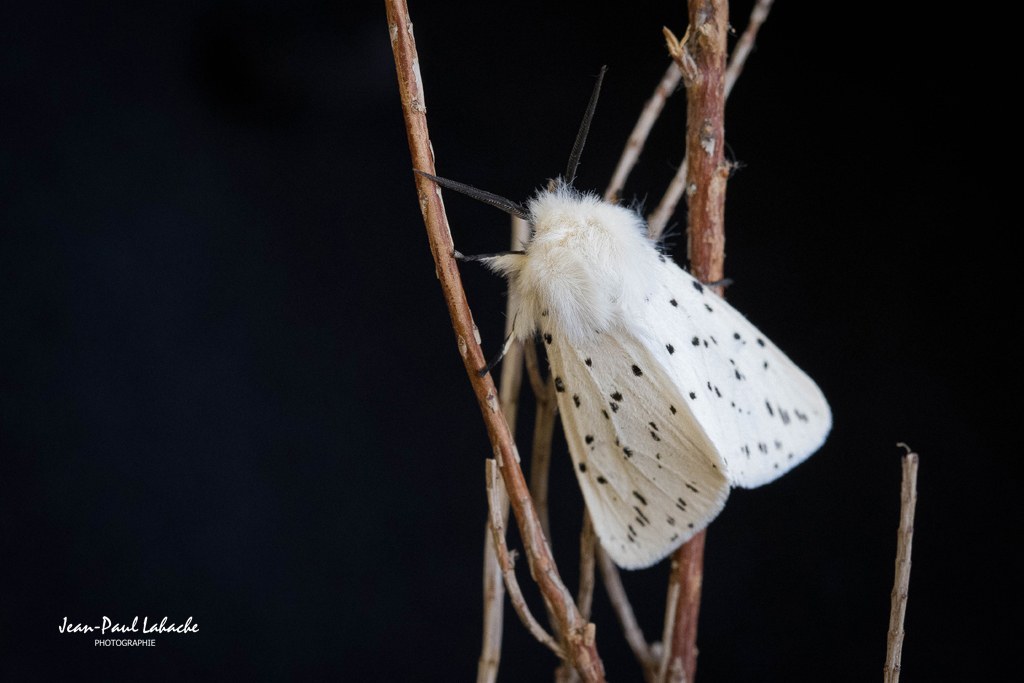
White Ermine Moth
Gardens, meadows, hedgerows
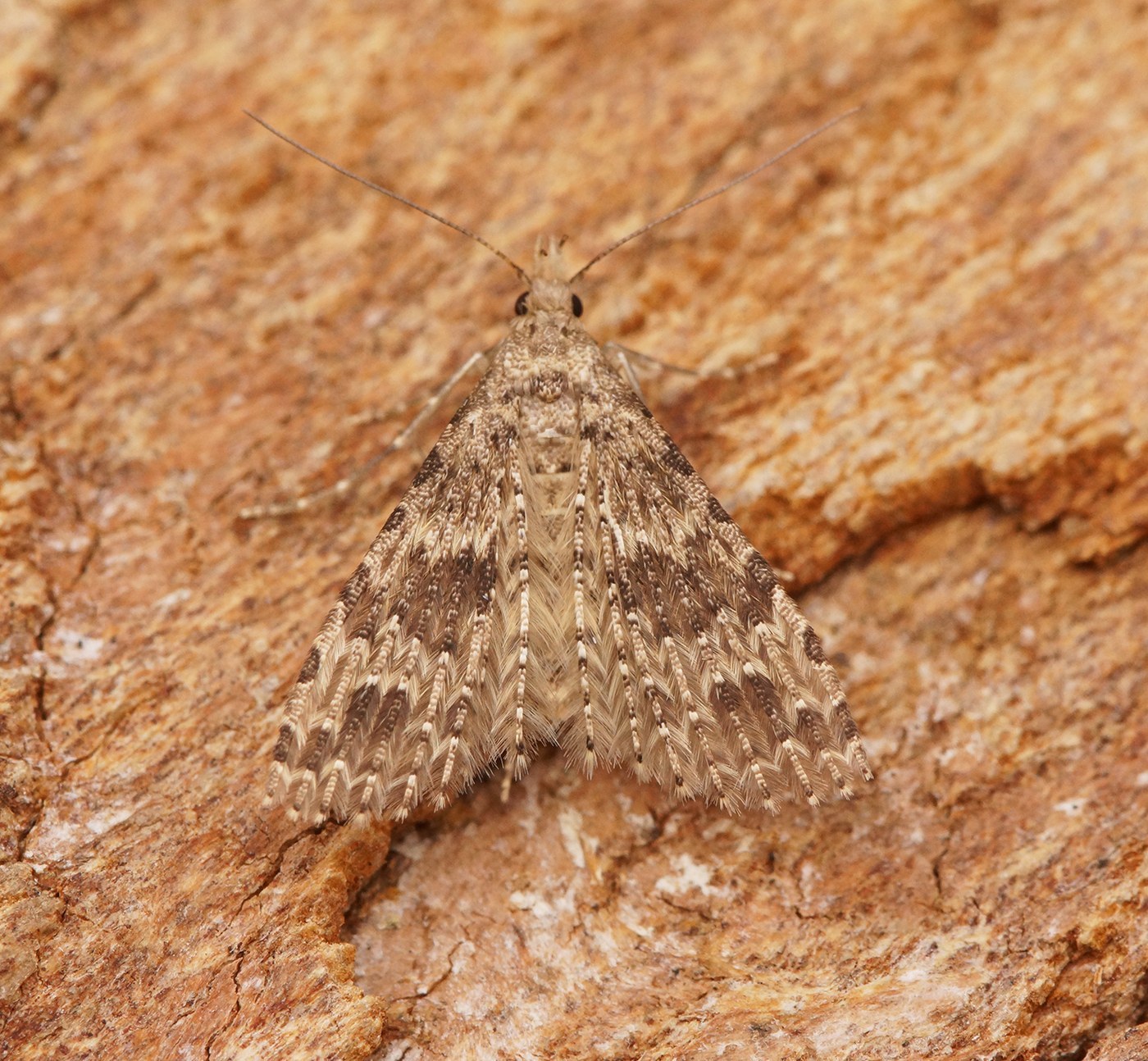
Twenty-plume Moth
Gardens, hedgerows, near honeysuckle
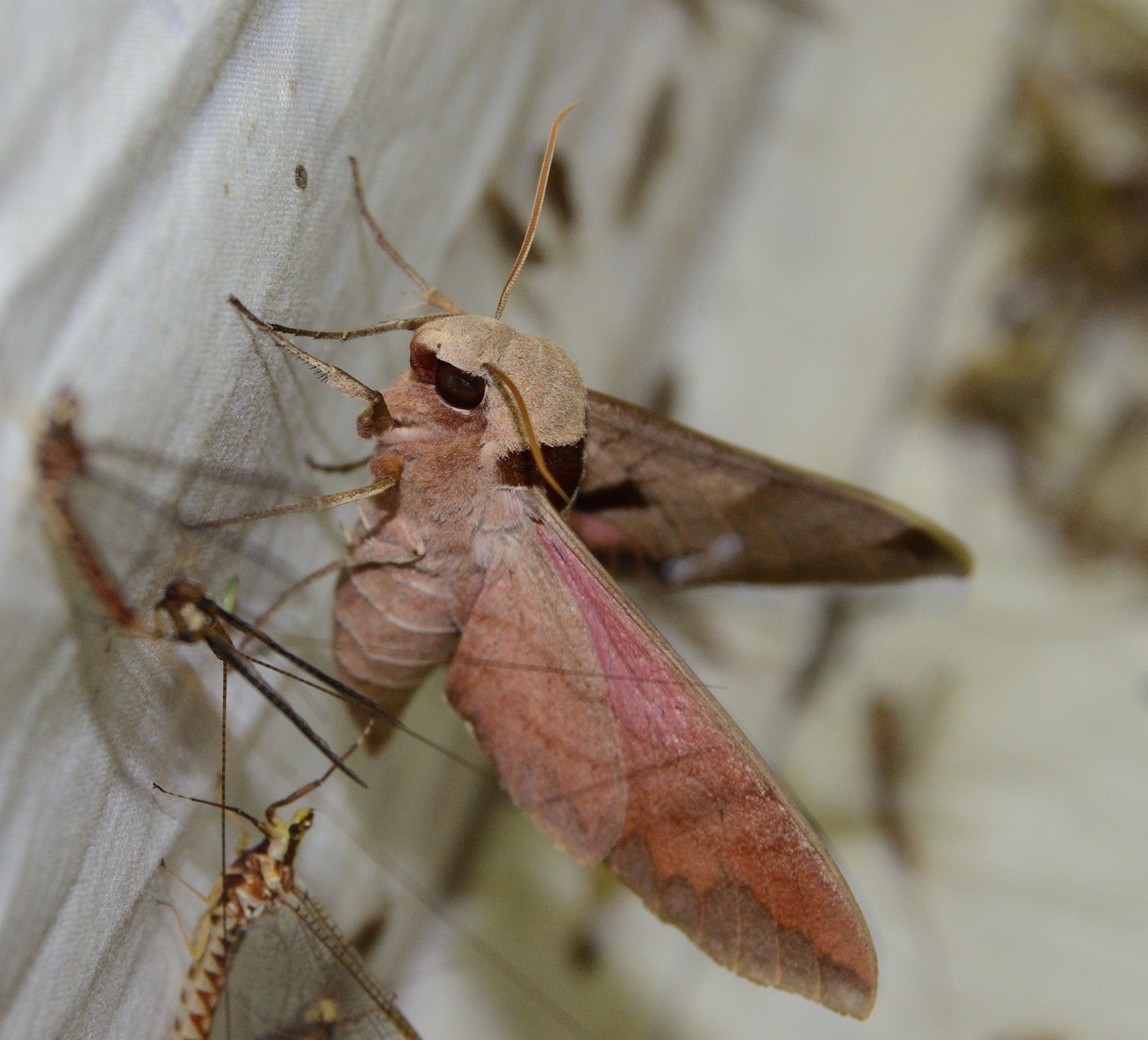
Achemon Sphinx Moth
Vineyards, woodland edges, gardens with wild grape
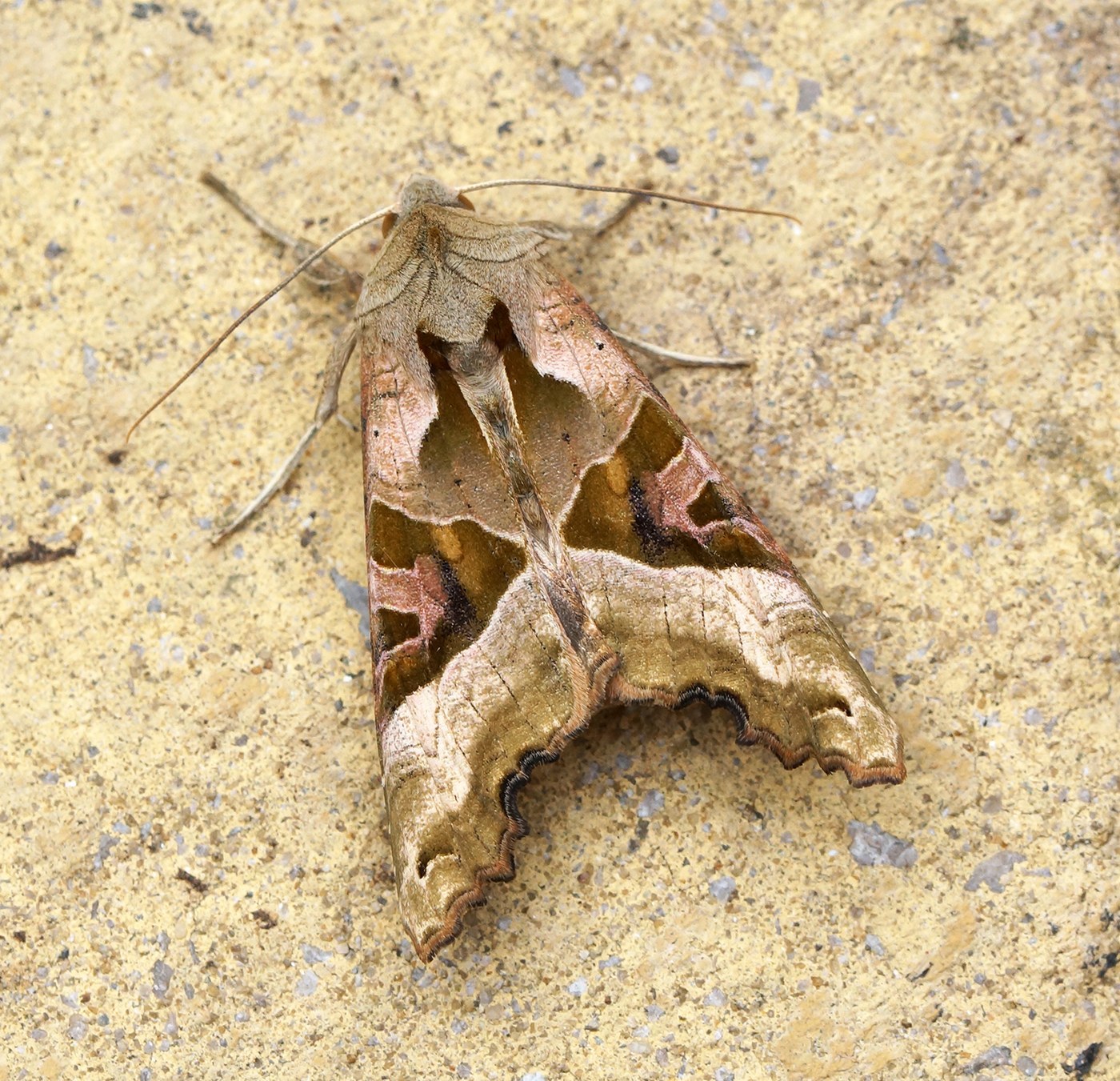
Angle Shades Moth
Gardens, hedgerows, woodland edges, urban parks
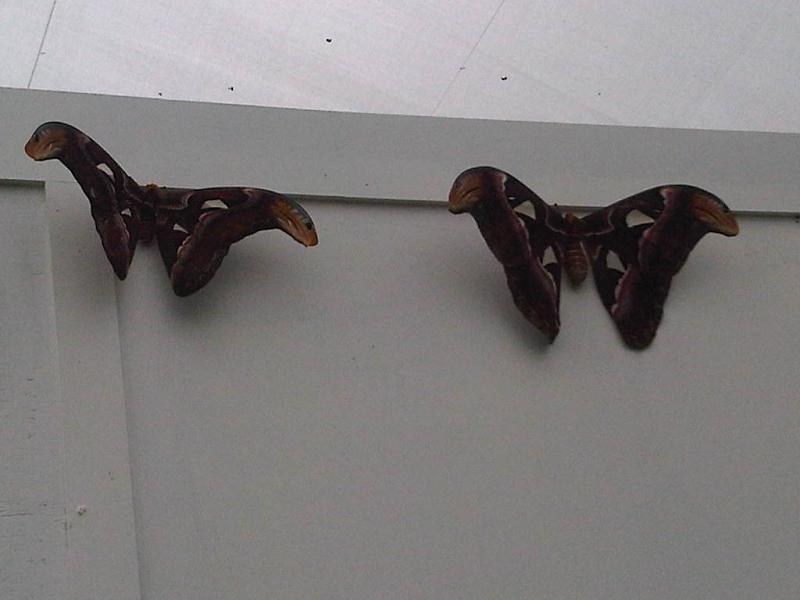
Atlas Moth
Tropical and subtropical lowland forests of Southeast Asia