
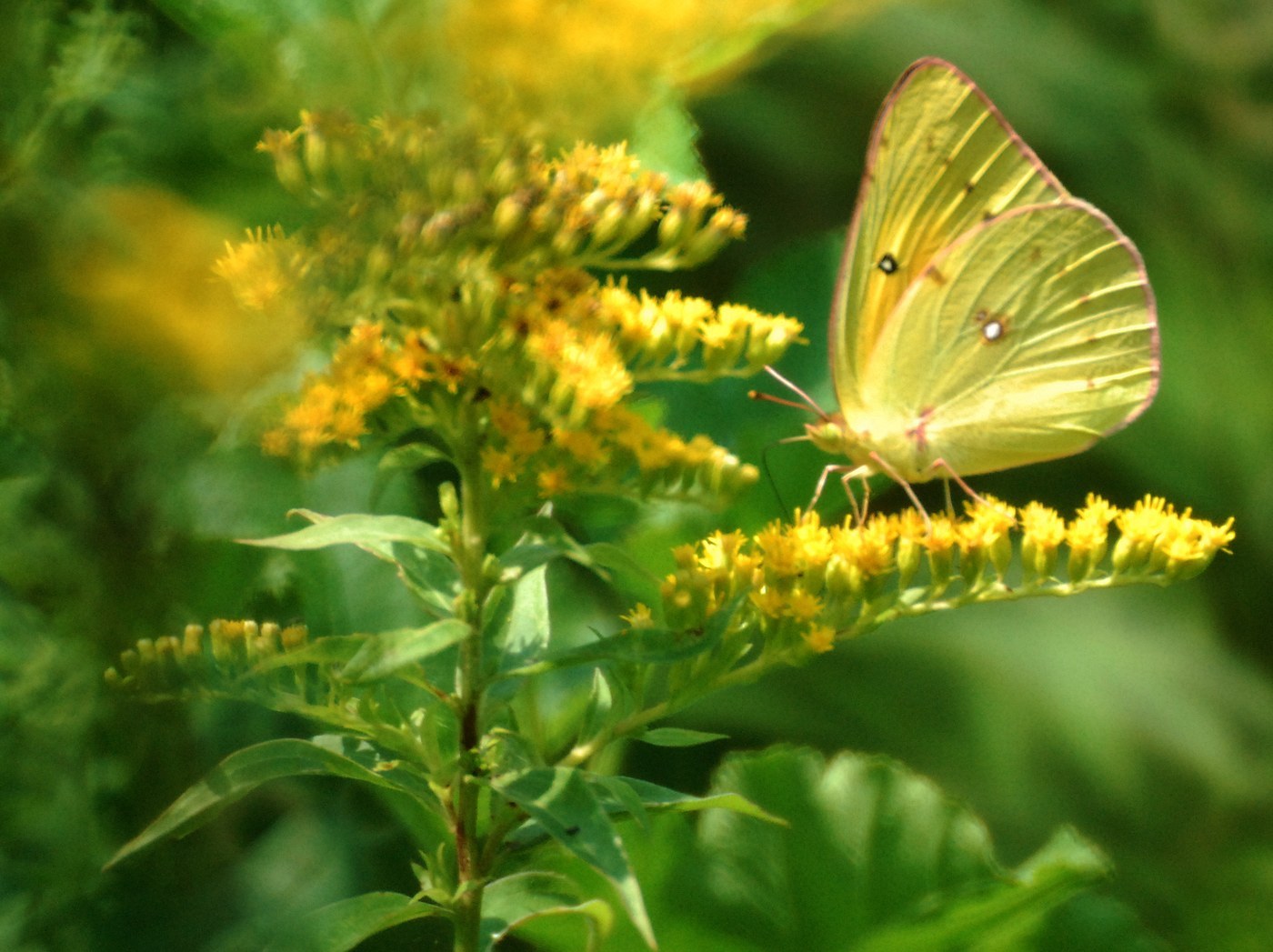
Orange Sulphur
Colias eurytheme
A vivid orange-and-yellow butterfly with sharp black wing borders, one of the most common butterflies over open fields and alfalfa crops throughout North America.
- Size
- 1.4–2.2 in wingspan
- Habitat
- Fields, roadsides, alfalfa and clover fields, open meadows
- Danger
- Harmless
Spotted a bug like this?
Identify any bug or insect from a photo, free.
Overview
The Orange Sulphur, also called the Alfalfa Butterfly for its close association with that forage crop, is an extremely common and widespread species in the family Pieridae found throughout most of the United States, southern Canada, and Mexico. Its bright orange upperwing coloring, edged in black, distinguishes it from its close relative the Clouded Sulphur, though the two frequently interbreed where their ranges overlap.
As a Colias sulphur, it is well adapted to agricultural and disturbed open landscapes, and its populations have expanded significantly alongside the cultivation of alfalfa and clover across the continent. This adaptability has made it one of the most frequently encountered butterflies in fields, gardens, and roadsides.
The species also displays interesting variation, with some females occurring in a pale, whitish form (sometimes called the 'alba' form) instead of the typical orange, adding to the identification challenge alongside its similarity to the Clouded Sulphur.
How to Identify
- Medium to large sulphur with bright orange upperwings suffused with yellow, bordered by a solid black margin in males and a more broken, spotted black border in females.
- A dark spot sits near the center of the forewing, and an orange spot marks the hindwing.
- Underside is yellow to yellow-orange with a silvery spot ringed in reddish-brown on the hindwing.
- Some females occur in a pale whitish form lacking the typical orange color.
- Distinguished from the Clouded Sulphur by orange suffusion on the upperwings, though hybrids and intermediate individuals can make the two difficult to separate with certainty.
Habitat & Range
Orange Sulphurs are found across nearly the entire United States, southern Canada, and into Mexico, thriving in open, sunny habitats including alfalfa and clover fields, pastures, roadsides, vacant lots, and gardens. Adults fly from early spring through late fall in warmer regions, with continuous broods, and are especially abundant near agricultural fields where their legume host plants are grown as crops.
Behavior & Diet
Adults have a quick, low, fluttering flight over open ground and visit a wide variety of flowers for nectar, including clover, asters, and dandelion. Males patrol fields searching for mates and often gather with other sulphurs at damp soil or puddles to obtain minerals. Caterpillars feed on alfalfa, clover, and other legumes, and because of the species' close association with alfalfa fields, it is sometimes noted as a minor presence in that crop, though it also serves as a pollinator of many wildflowers.
Life Cycle
Eggs are laid singly on legume host plant leaves, starting pale and turning orange-red as they mature. Caterpillars are green with a pale lateral stripe, feeding on foliage and molting through several stages before forming a green chrysalis attached to a stem with a silk girdle. Multiple generations are produced each year across most of the range, with the species overwintering as a partly grown caterpillar in regions with cold winters.
Frequently asked questions
Why is it called the Alfalfa Butterfly?
Its caterpillars commonly feed on alfalfa, a widely cultivated legume crop, and the species is often abundant in and around alfalfa fields.
Can Orange Sulphur and Clouded Sulphur interbreed?
Yes, the two species frequently hybridize where their ranges overlap, producing individuals with intermediate coloring that can complicate identification.
Why are some Orange Sulphur females white instead of orange?
Some females occur in a pale, whitish color form rather than the typical orange, a natural variation within the species.
Where would I most likely see an Orange Sulphur?
Look for it fluttering low over alfalfa and clover fields, roadside meadows, and open sunny areas across most of North America.
Orange Sulphur guides
In-depth guides for identifying, understanding, and living alongside Orange Sulphur.
Other bugs you may enjoy
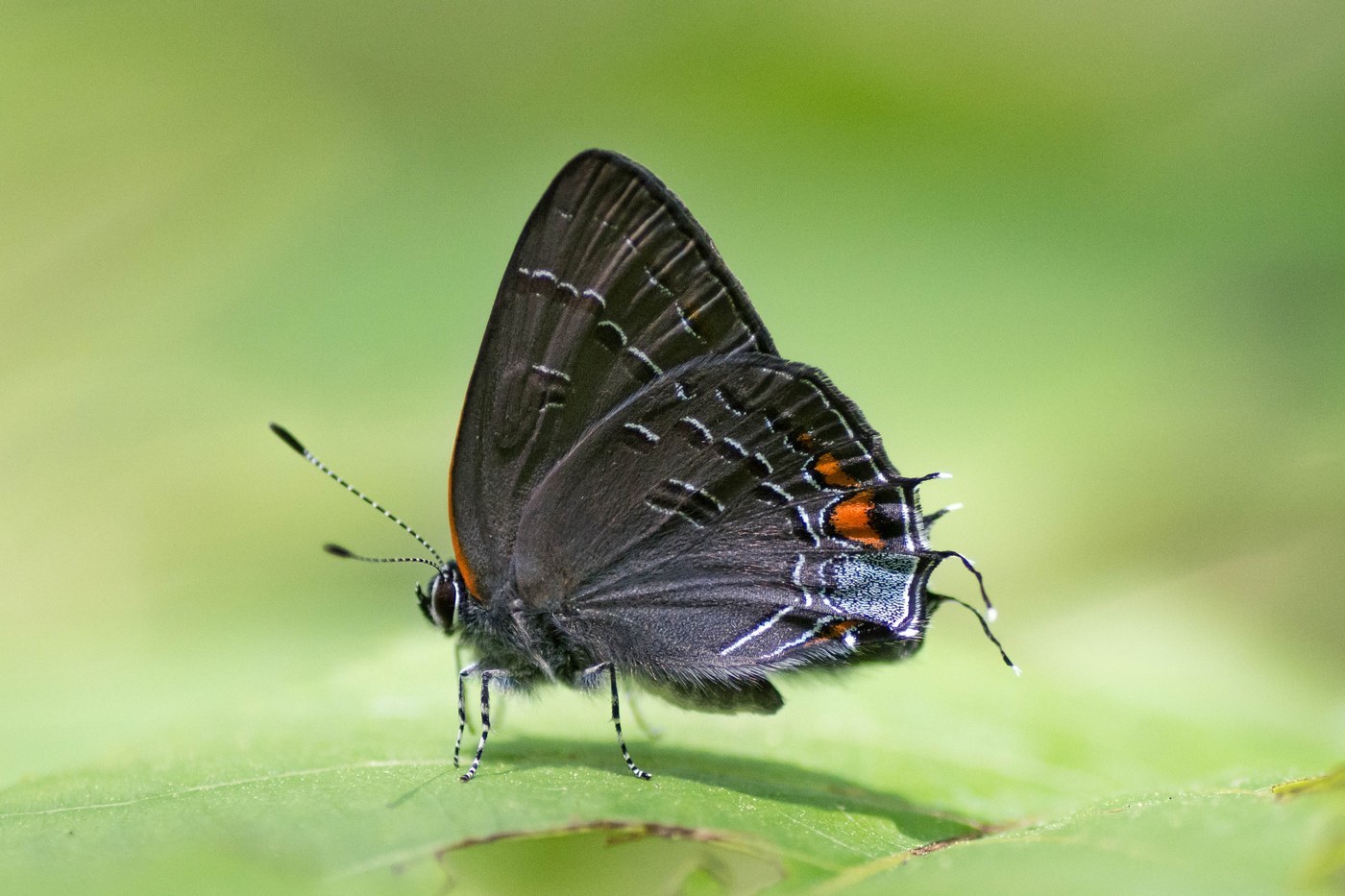
Banded Hairstreak
Deciduous woodlands and edges with oaks and hickories
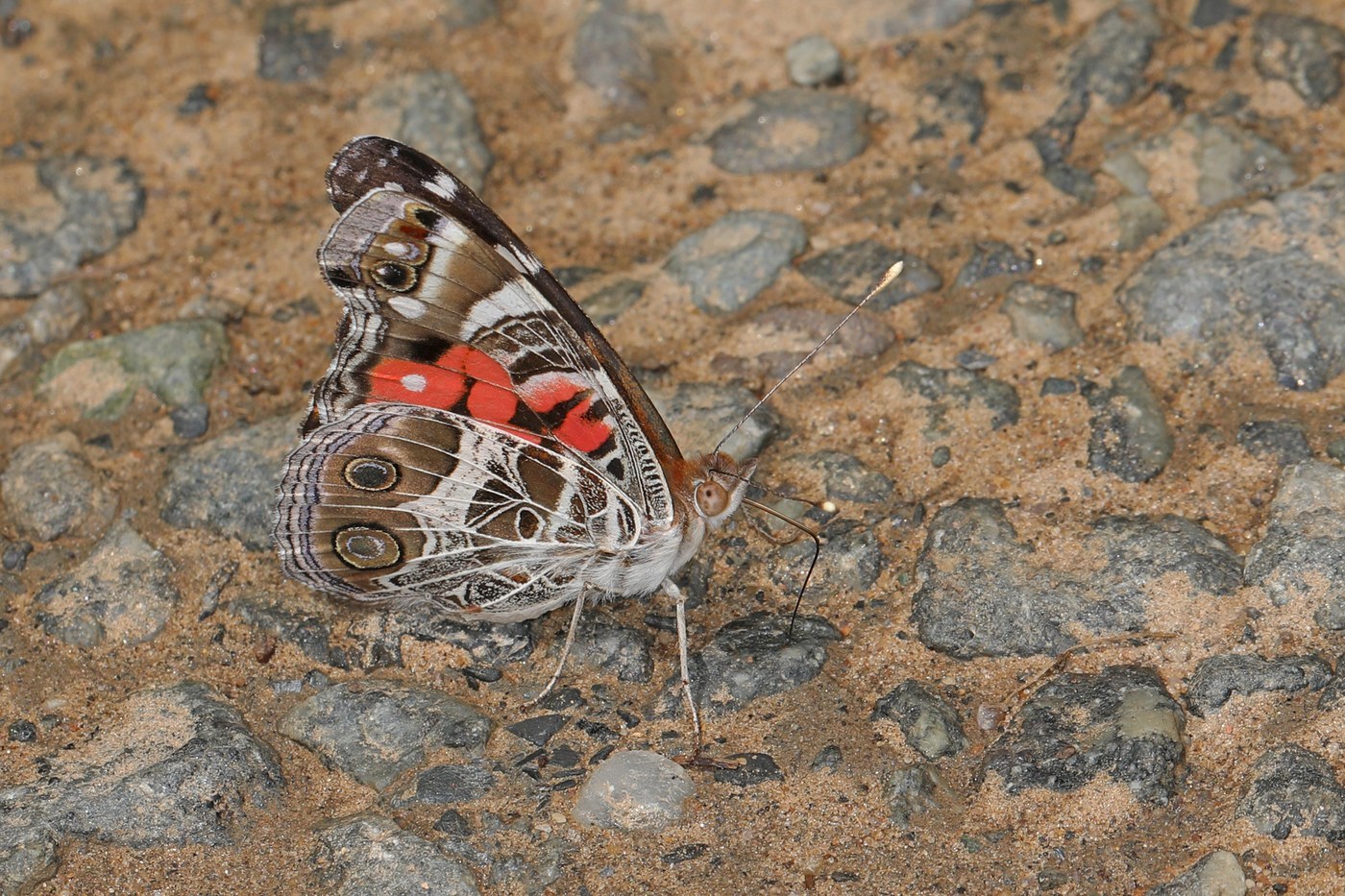
American Lady
Open fields, meadows, gardens, roadsides
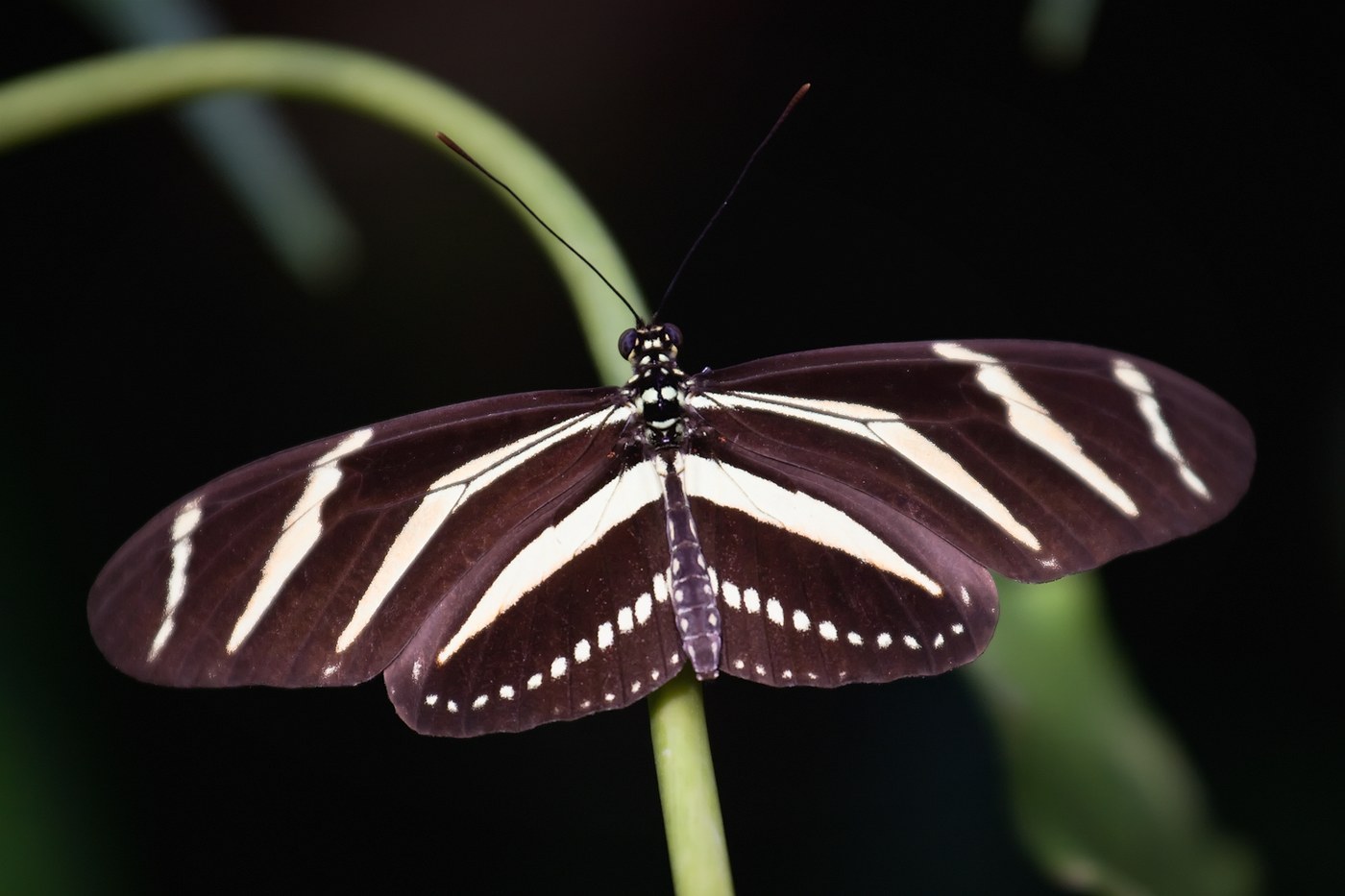
Zebra Longwing
Tropical hammocks, gardens, forest edges
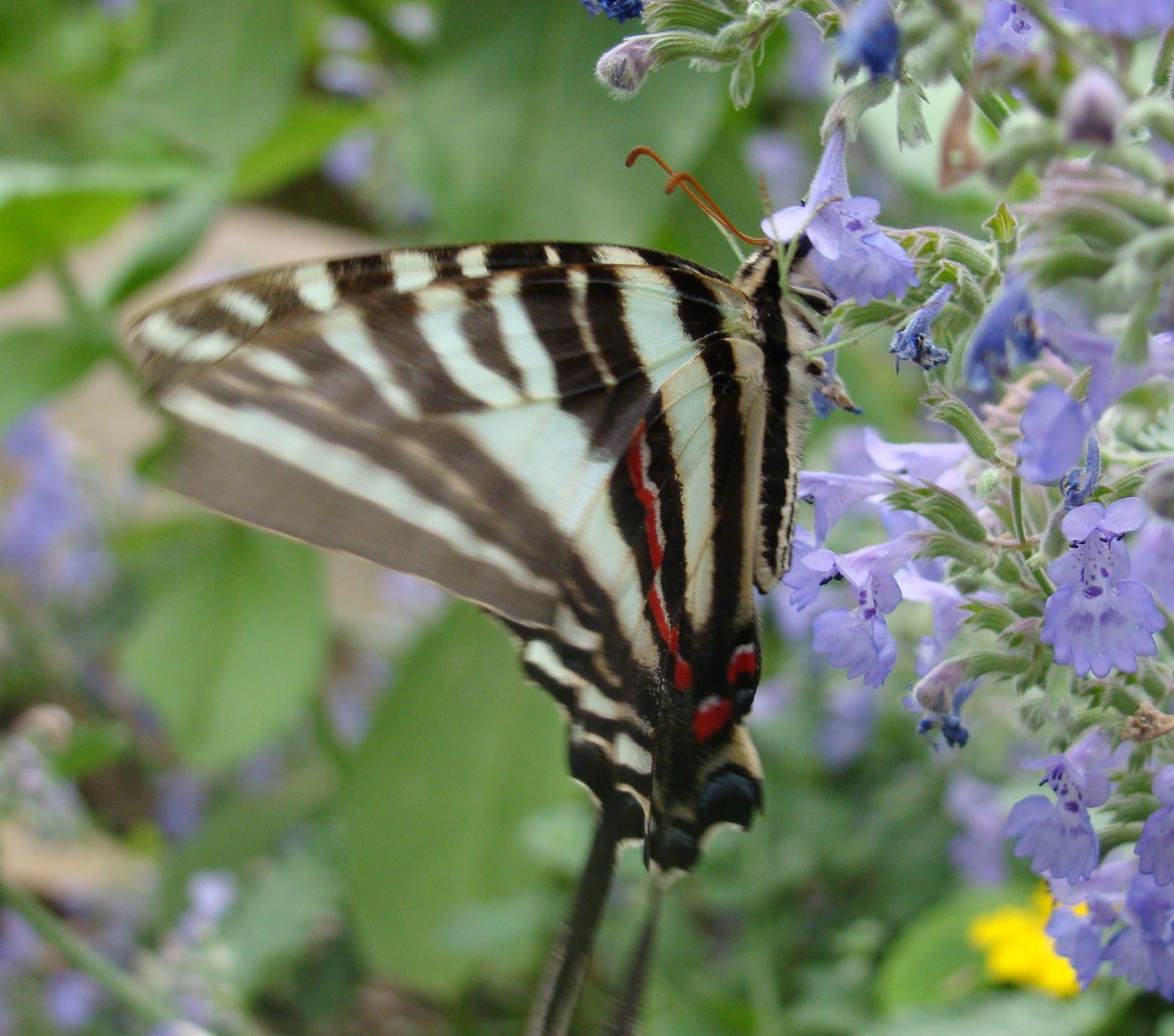
Zebra Swallowtail
Woodlands, floodplains, forest edges near pawpaw
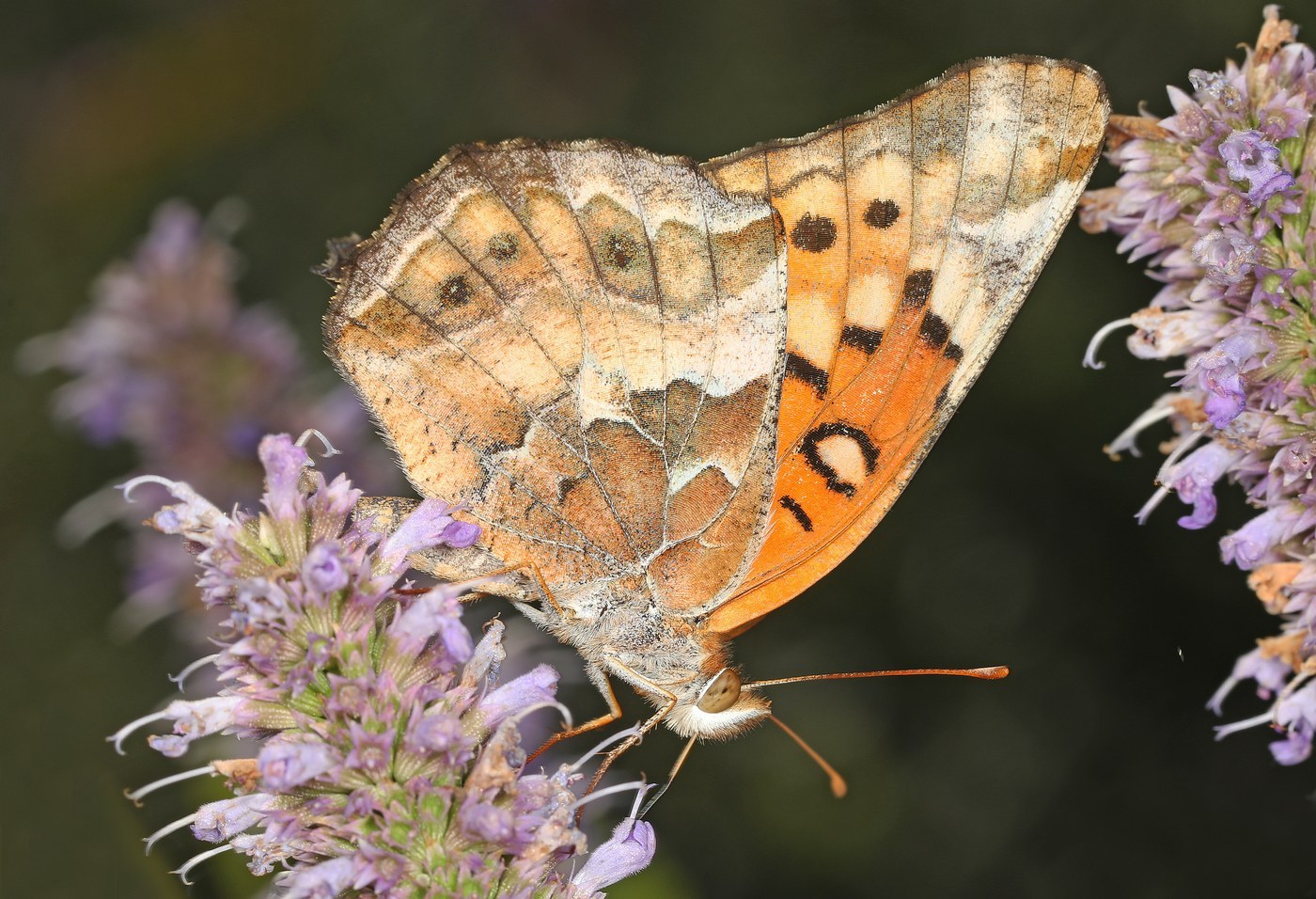
Variegated Fritillary
Open fields, prairies, roadsides, and disturbed ground across most of the United States
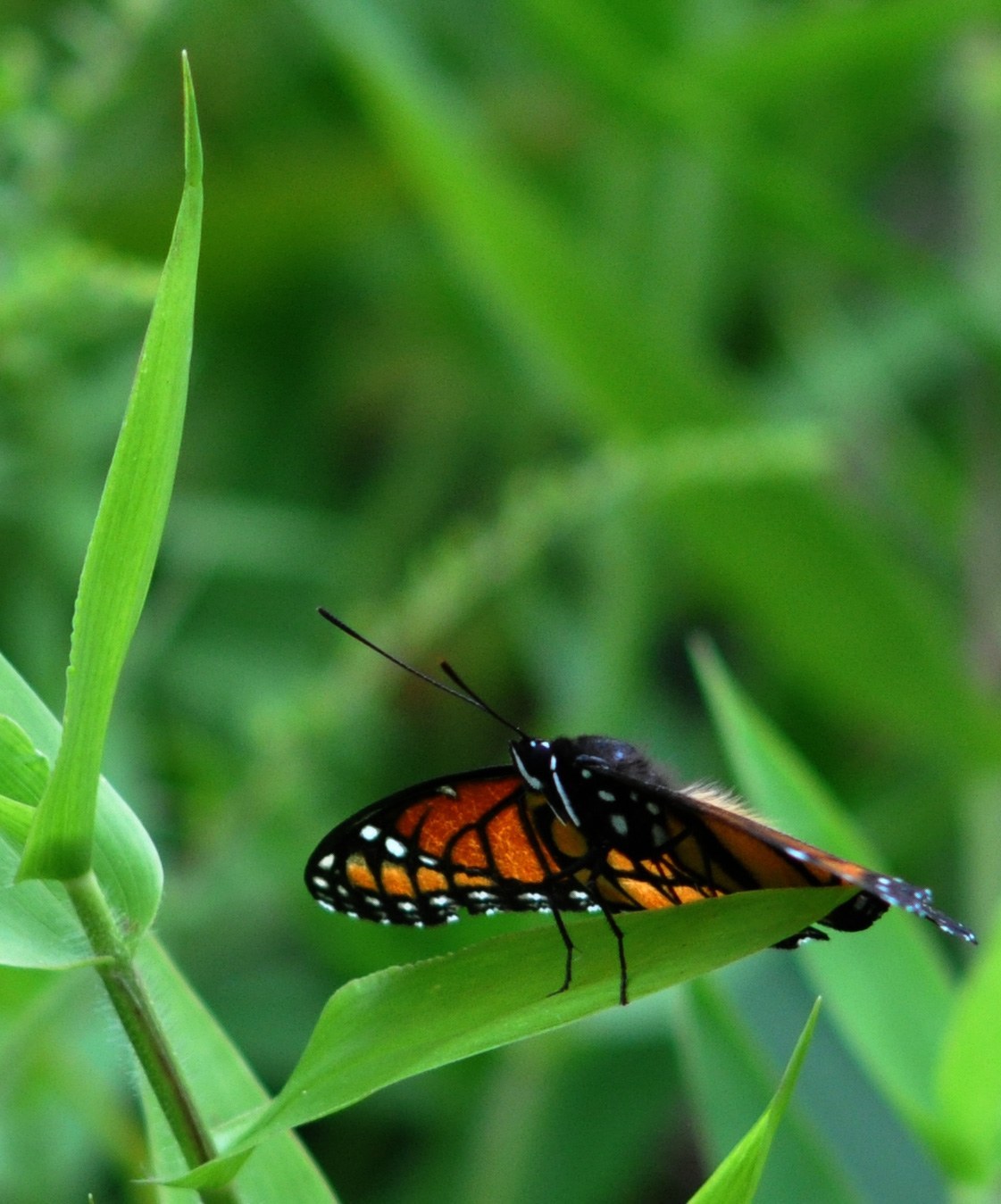
Viceroy Butterfly
Wetlands, meadows, riverbanks, willow thickets (North America)
Baltimore Checkerspot
Wet meadows, bogs, and marshy fields in the northeastern and Appalachian US
American Copper
Old fields, roadsides, and disturbed open ground with sorrel or dock
West Virginia White
Rich deciduous forest floors, especially near seeps and streams
Spring Azure
Woodland edges, gardens, shrubby clearings
Red Admiral
Gardens, woodland edges, parks, meadows
Sleepy Orange
Open woodland, fields, roadsides, and disturbed ground