
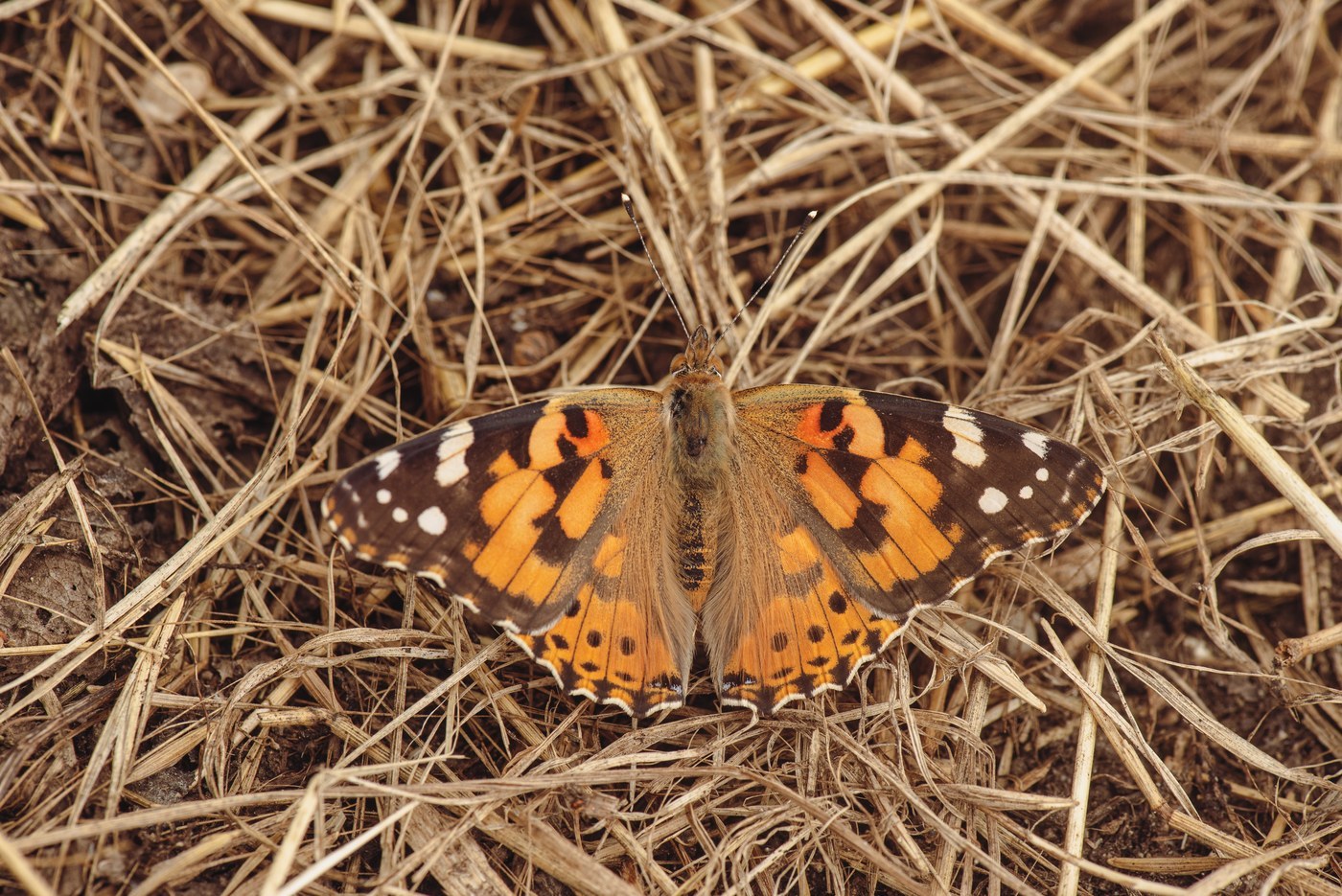
Painted Lady Butterfly
Vanessa cardui
A medium-sized orange-and-black butterfly with a mosaic of white-spotted black wingtips, famous as the most widely distributed butterfly on Earth and a long-distance migrant.
- Size
- 5–7 cm wingspan (2–2.75 in)
- Habitat
- Open fields, meadows, gardens, roadsides on nearly every continent
- Danger
- Harmless
Spotted a bug like this?
Identify any bug or insect from a photo, free.
Overview
The Painted Lady is a member of the brushfoot family (Nymphalidae) and is often cited as the most cosmopolitan butterfly species in the world, found on every continent except Antarctica and largely absent from South America. Its striking orange, black, and white pattern and tireless migratory habit make it one of the most recognizable and studied butterflies globally.
It is notable for undertaking multi-generational migrations that can span thousands of kilometers, with populations moving between Africa and northern Europe or across North America in boom years tied to rainfall and host-plant abundance. Because it breeds explosively on thistles and other common weeds, it periodically produces spectacular mass-migration events visible to the naked eye.
Within ecosystems, the Painted Lady serves as both a pollinator of a wide range of wildflowers and garden plants and as a food source for birds and predatory insects at various life stages, making it an ecologically flexible generalist.
How to Identify
- Upperside wings are burnt-orange to salmon-pink with irregular black blotches and a solid black forewing tip broken by small white spots.
- Underside hindwing shows a soft mosaic of tan, gray, and cream with a row of small blue-centered eyespots near the margin.
- Wings are angular with slightly scalloped edges; body is stout and hairy, typical of brushfoot butterflies.
- Lookalikes include the American Lady and West Coast Lady, distinguished mainly by the number and arrangement of underside eyespots.
Habitat & Range
Found nearly worldwide in open, sunny habitats including fields, meadows, gardens, vacant lots, and roadsides. It thrives wherever thistles, mallows, or legumes grow and is a strong flier that readily colonizes disturbed or agricultural land. Active from spring through fall in temperate zones, with populations shifting seasonally through migration in regions with cold winters.
Behavior & Diet
Adults fly rapidly and erratically, alternating quick wingbeats with long glides while nectaring on a broad range of flowers such as thistle, aster, and zinnia. Caterpillars feed on thistles, mallows, legumes, and many other low plants, spinning loose silk shelters among the leaves. The species is a key long-distance migrant among butterflies, with irruptive years producing visible mass movements, and it plays a role as both pollinator and prey within grassland food webs.
Life Cycle
Females lay single pale green eggs on host-plant leaves; eggs hatch in a few days into spiny greenish-black caterpillars that feed and molt through five instars inside silk-webbed leaf shelters. The caterpillar pupates in a mottled brown chrysalis suspended from a stem or leaf, emerging as an adult after one to two weeks. Multiple generations occur per year in warm climates, and the species survives cold seasons largely through migration rather than true overwintering diapause.
Frequently asked questions
How is a Painted Lady different from a Monarch?
Painted Ladies are smaller with a mottled orange-black-white pattern and rounder wings, lacking the Monarch's bold orange-and-black stained-glass pattern and larger size.
Why are Painted Ladies called 'cosmopolitan'?
They have the widest natural distribution of any butterfly species, occurring on almost every continent thanks to their strong migratory flight and use of common weedy host plants.
What plants do the caterpillars eat?
Caterpillars feed mainly on thistles and mallows but also use legumes and various other low-growing broadleaf plants.
When are Painted Ladies most commonly seen?
They are most visible during spring and fall migration waves, though they can be spotted throughout the warm season in gardens and open fields.
Painted Lady Butterfly guides
In-depth guides for identifying, understanding, and living alongside Painted Lady Butterfly.
Painted Lady Butterfly identified by the community
Real finds identified with Bug Identifier.


Other bugs you may enjoy
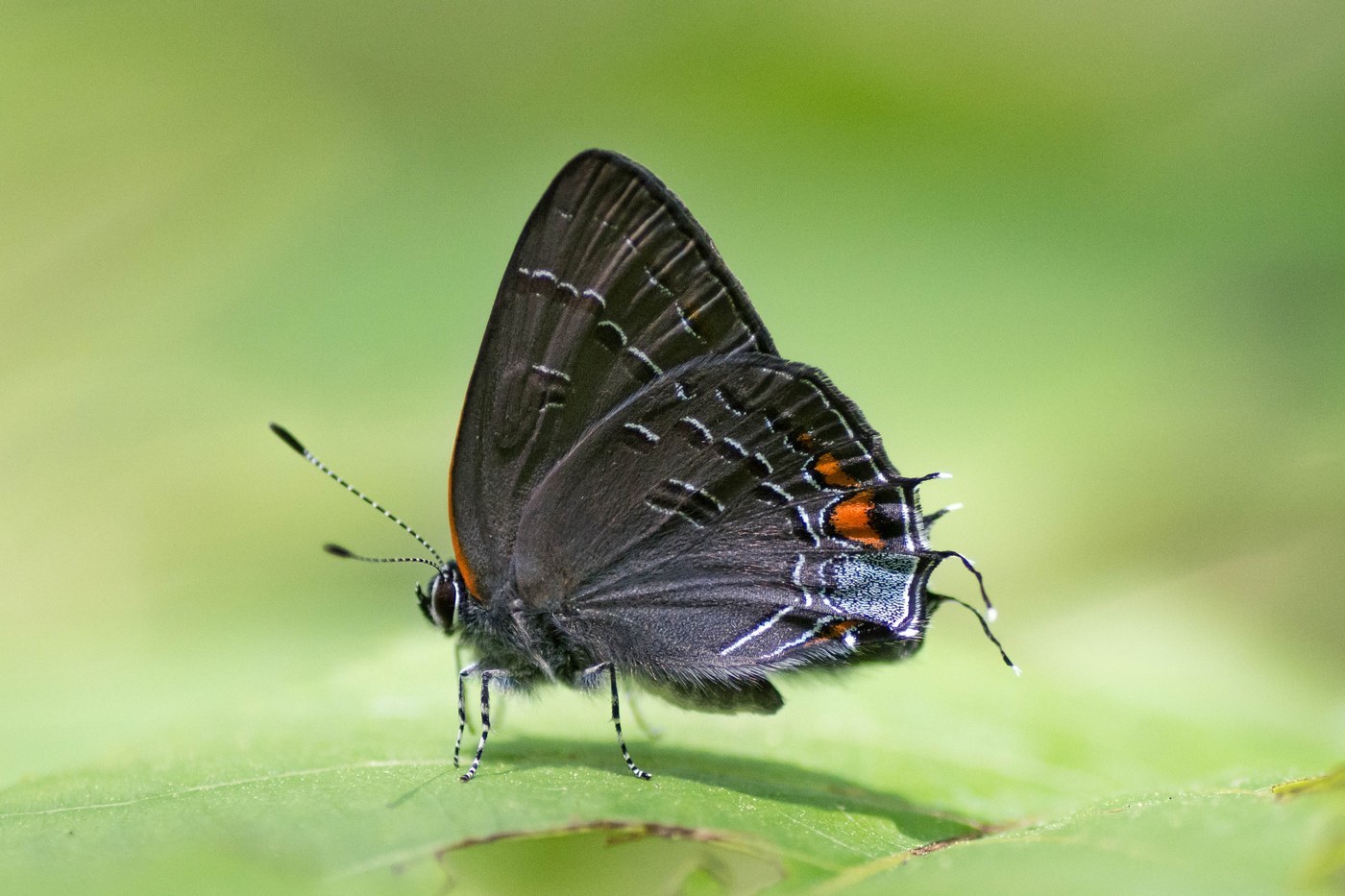
Banded Hairstreak
Deciduous woodlands and edges with oaks and hickories
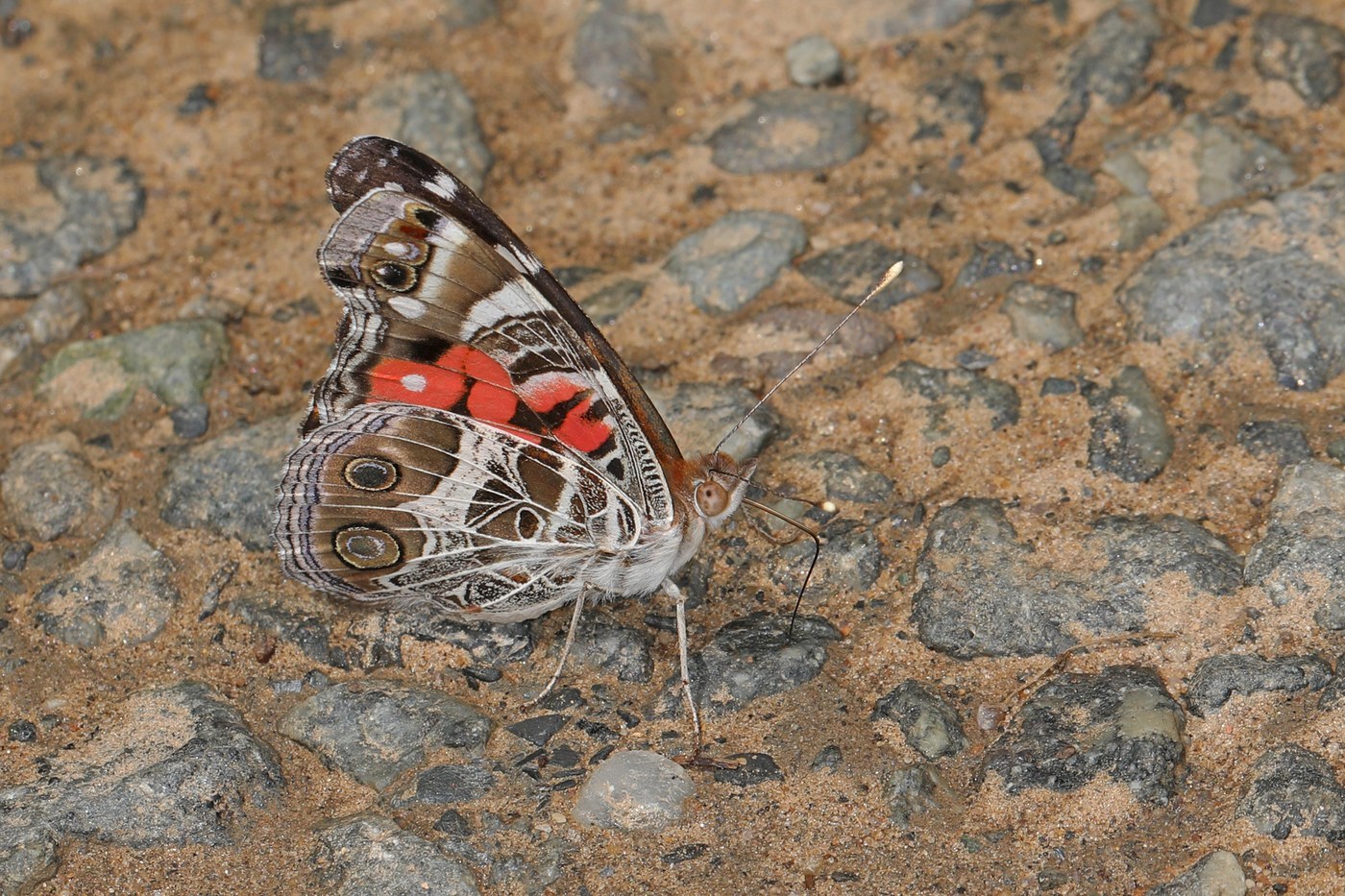
American Lady
Open fields, meadows, gardens, roadsides
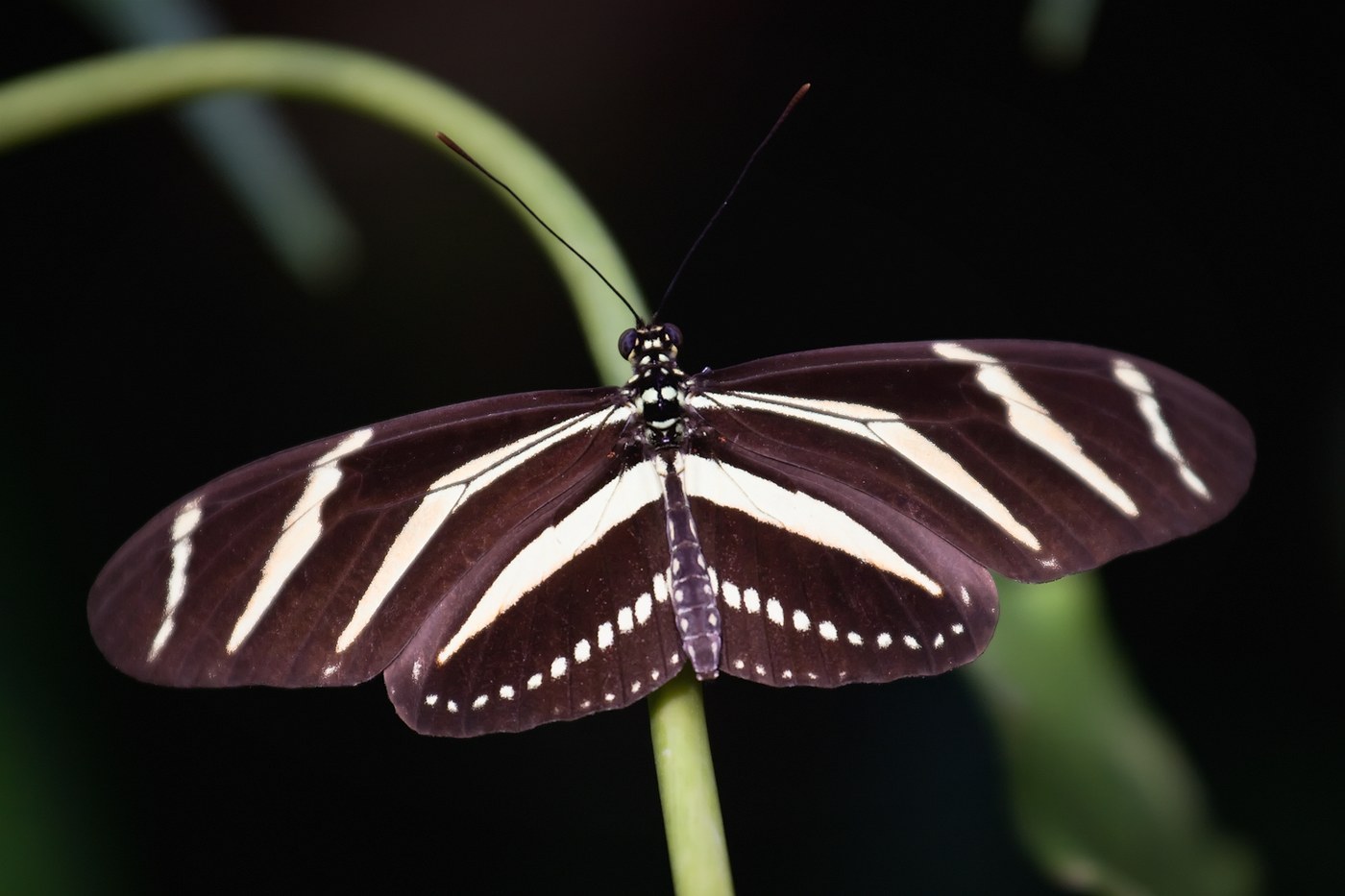
Zebra Longwing
Tropical hammocks, gardens, forest edges
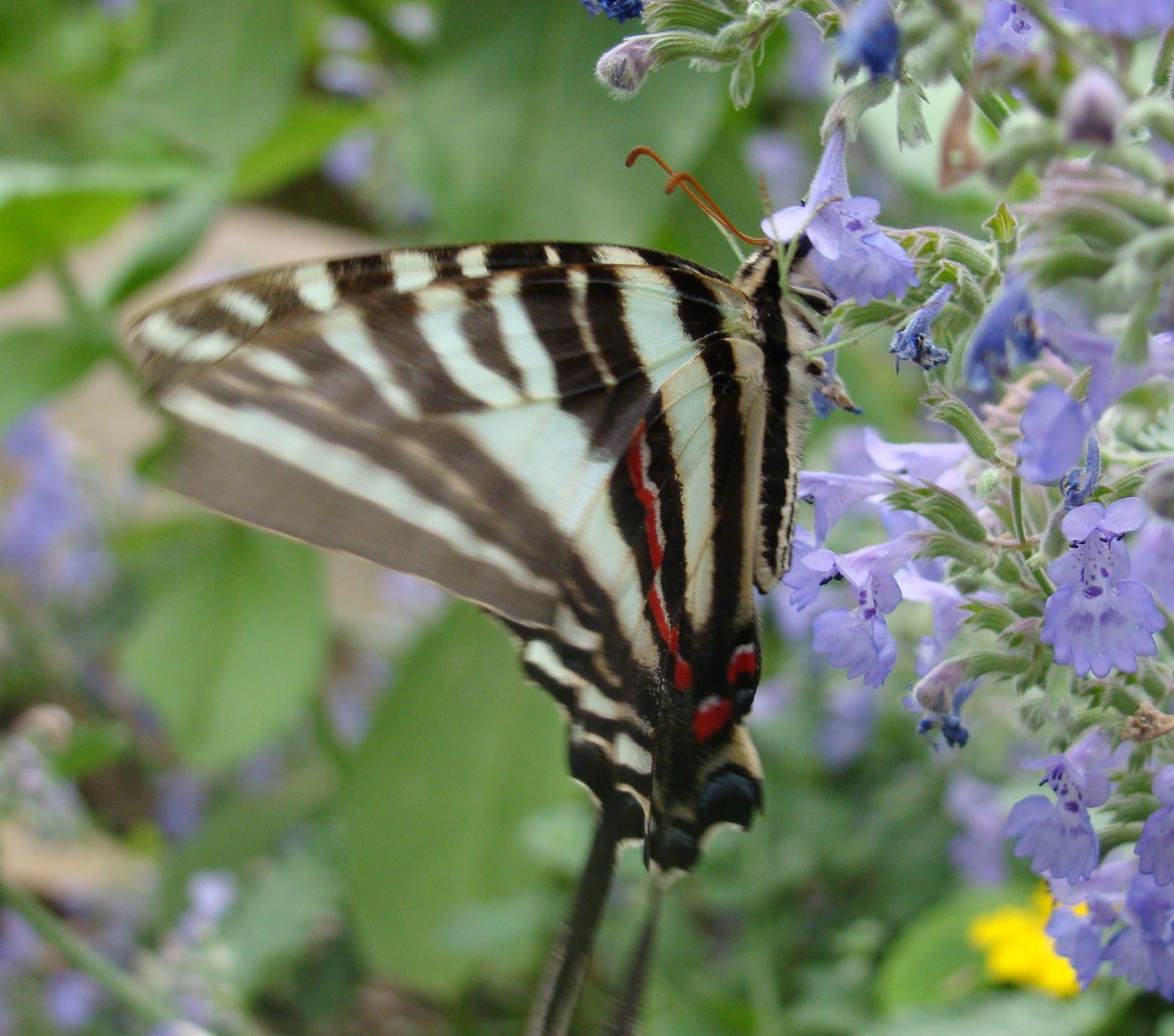
Zebra Swallowtail
Woodlands, floodplains, forest edges near pawpaw
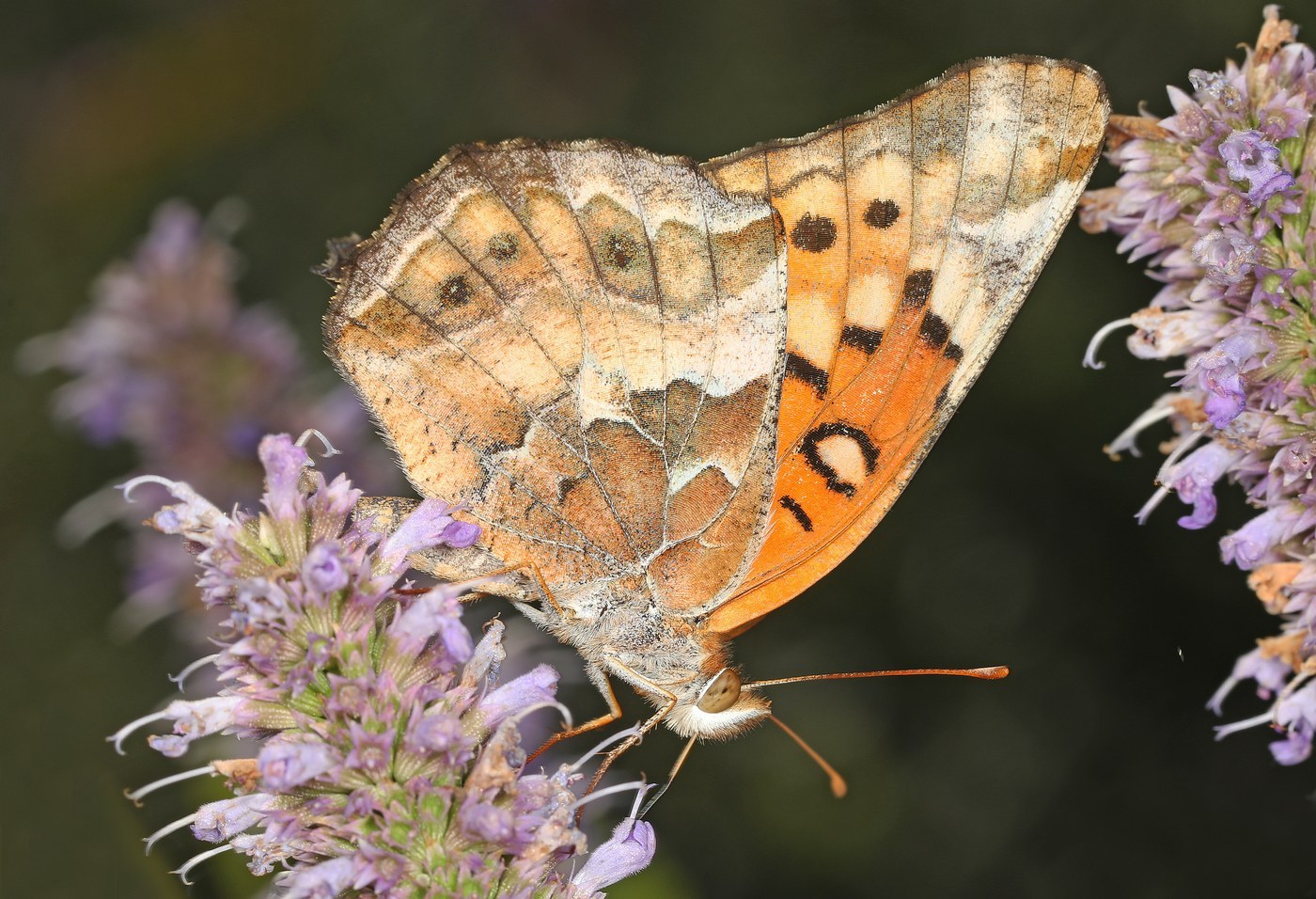
Variegated Fritillary
Open fields, prairies, roadsides, and disturbed ground across most of the United States
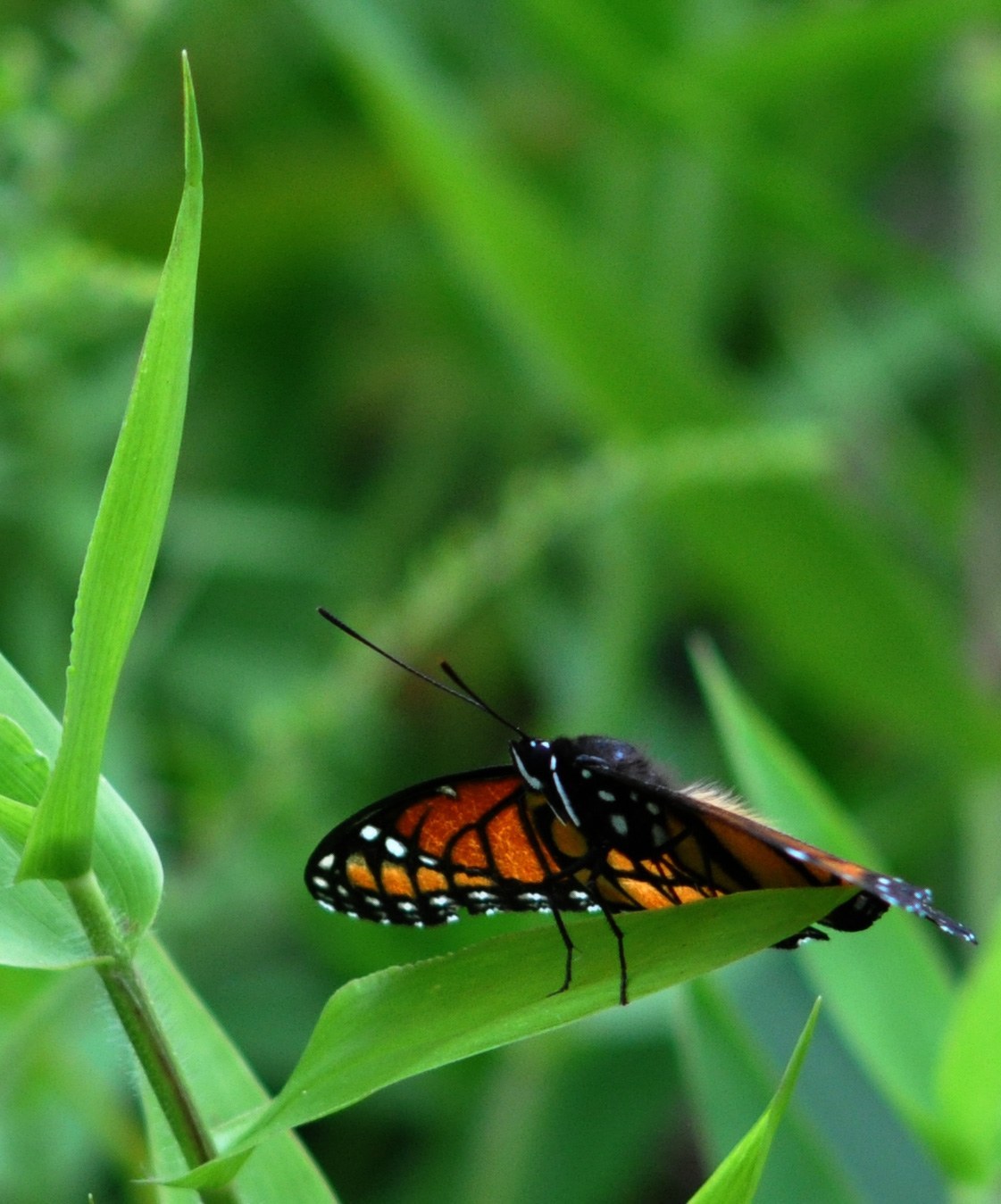
Viceroy Butterfly
Wetlands, meadows, riverbanks, willow thickets (North America)
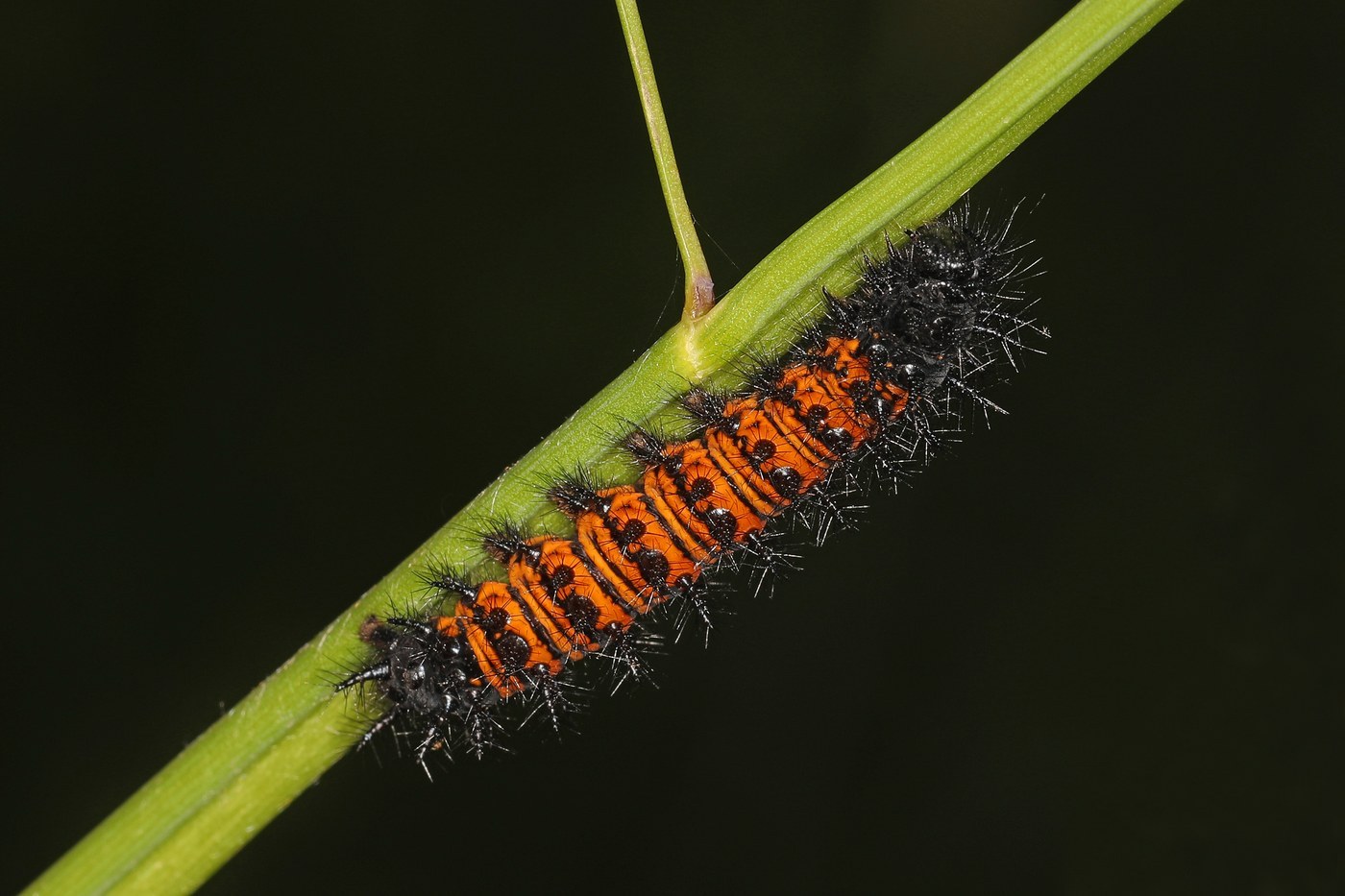
Baltimore Checkerspot
Wet meadows, bogs, and marshy fields in the northeastern and Appalachian US
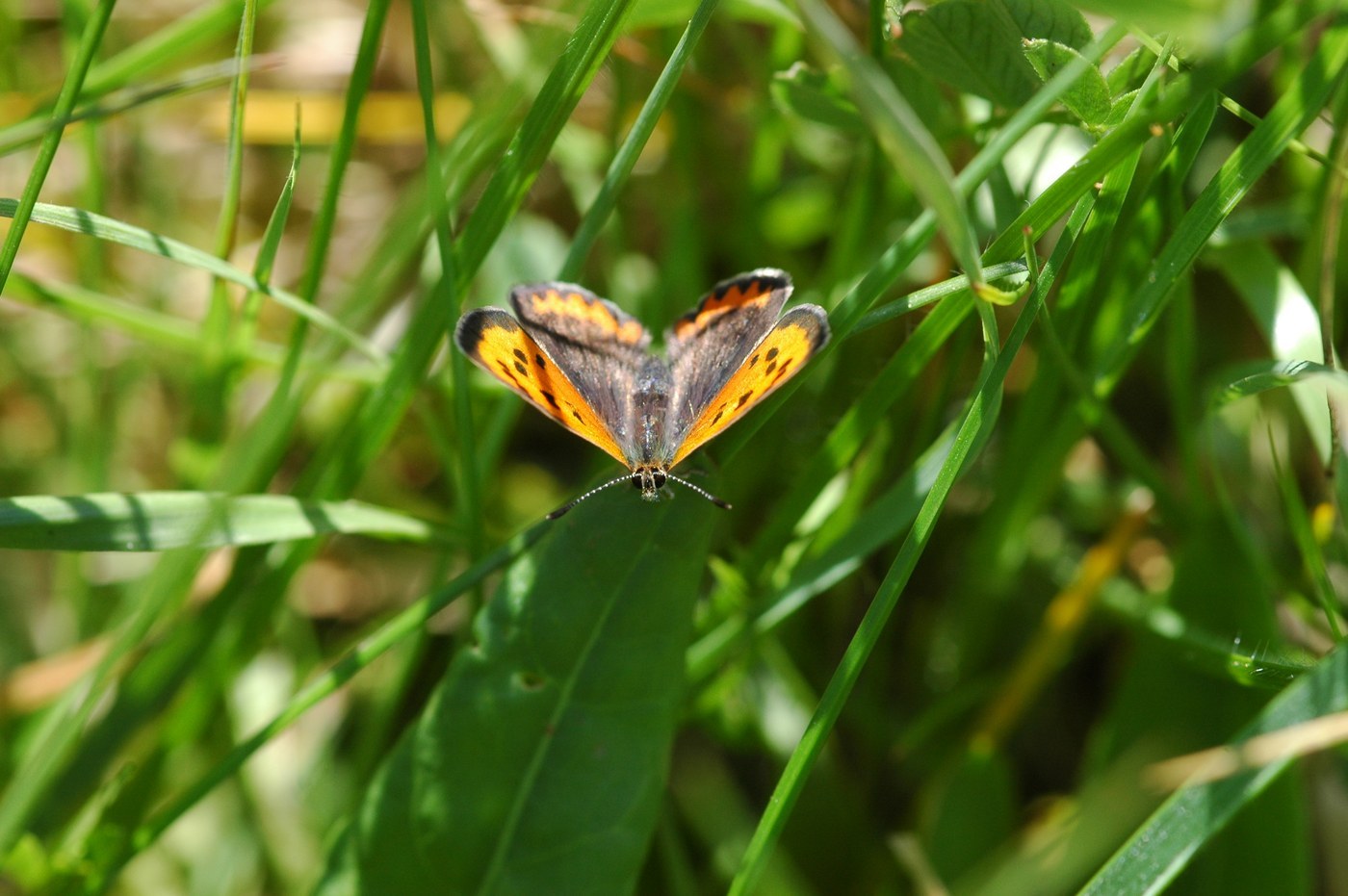
American Copper
Old fields, roadsides, and disturbed open ground with sorrel or dock
West Virginia White
Rich deciduous forest floors, especially near seeps and streams
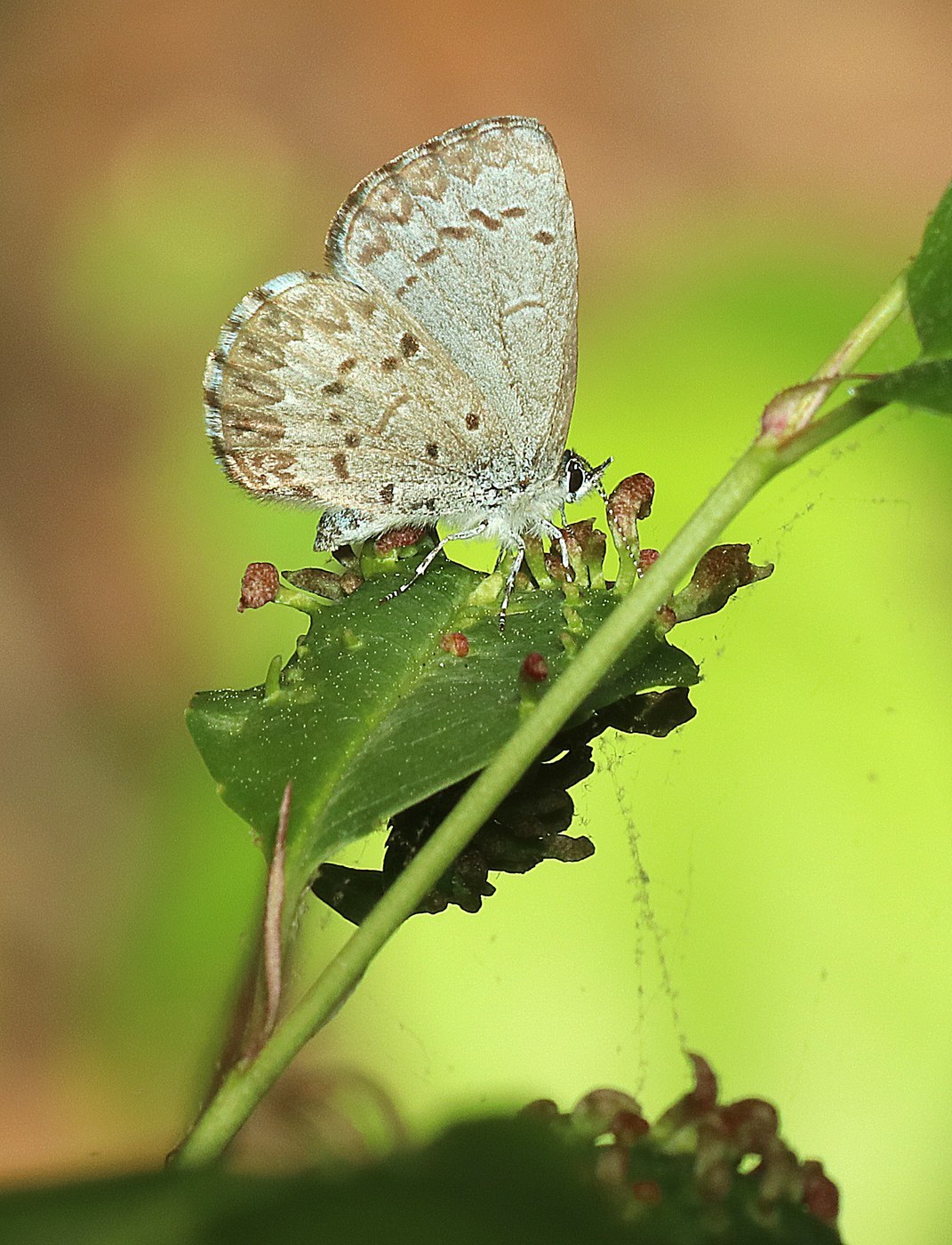
Spring Azure
Woodland edges, gardens, shrubby clearings
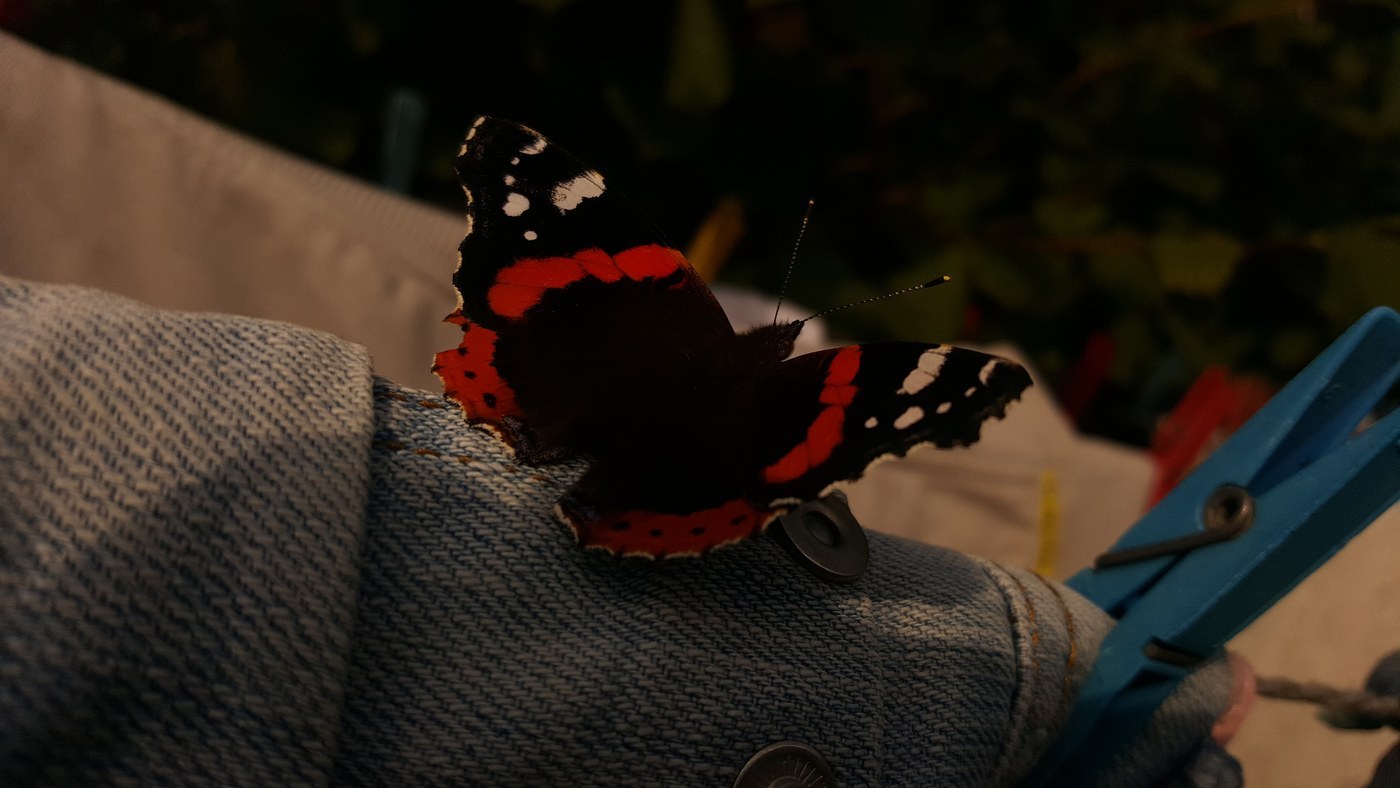
Red Admiral
Gardens, woodland edges, parks, meadows
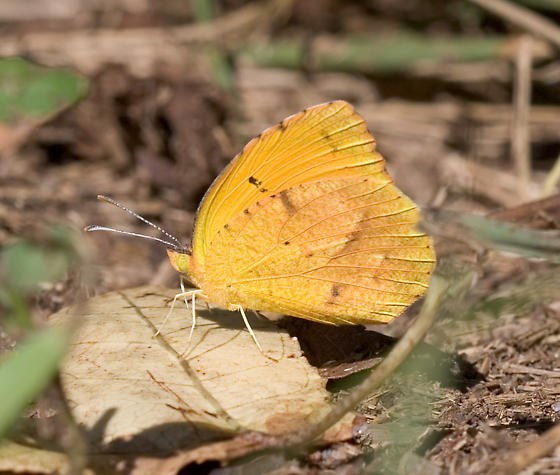
Sleepy Orange
Open woodland, fields, roadsides, and disturbed ground