
Painted Lady Caterpillar
Vanessa cardui
A spiky, mottled caterpillar that spins loose silk webbing over thistle or mallow leaves and hides inside its own protective tent while feeding.
- Size
- About 1-1.25 in (2.5-3 cm) long
- Habitat
- Open fields, gardens, and roadsides with thistles or mallows
- Danger
- Harmless
Spotted a bug like this?
Identify any bug or insect from a photo, free.
Overview
The painted lady caterpillar is the larval stage of one of the most widely distributed butterflies in the world, found on every continent except Antarctica and South America (with sporadic strays). Its adaptability to a broad range of host plants and climates has made it a familiar sight in gardens, farmland, and open habitats globally.
The caterpillar constructs loose silk shelters on its host plants, a behavior that both protects it from predators and helps identify its presence even before the caterpillar itself is spotted.
How to Identify
- Body is dark, mottled gray, brown, or black with a broken yellowish stripe along each side
- Covered in rows of branched, bristly black spines (scoli) that are not stiff enough to be sharp
- Head is black and relatively small
- Body tapers slightly at both ends and can appear segmented and bumpy
- Often found within a loose silk web tented over host plant leaves
- Similar to other nymphalid caterpillars but identifiable by its association with thistle, mallow, or hollyhock and its silk shelter
Habitat & Range
Painted lady caterpillars occur nearly worldwide, including throughout North America, Europe, Asia, and Africa, in open sunny habitats such as fields, meadows, gardens, and roadsides. They are especially common wherever thistles, mallows, or hollyhocks grow, and populations can surge dramatically during migratory years.
Behavior & Diet
The caterpillar spins a loose, messy silk web over the leaves of its host plant, sheltering within it while it feeds, which helps protect it from many predators and weather extremes. It feeds on a very wide range of plants, most notably thistles and mallow family plants, making it a highly adaptable generalist among butterfly larvae. This flexibility contributes to the adult painted lady butterfly's fame as one of the great insect migrants, undertaking long-distance movements across continents.
Life Cycle
Females lay small pale green eggs singly on host leaves. The larva develops through five instars over roughly two to three weeks, spinning successive silk shelters as it grows and moves to fresh foliage. The mature caterpillar forms a chrysalis, often suspended within or near its silk web, from which the adult emerges after one to two weeks. The species does not typically overwinter in cold regions but instead recolonizes northern areas each year through migration, producing multiple generations during the warm season.
Frequently asked questions
What plants does the painted lady caterpillar eat?
It is a generalist feeder that favors thistles and mallow family plants but also uses many other herbaceous plants.
Why does the caterpillar spin webbing on leaves?
It builds a loose silk shelter over its host plant leaves to hide and rest in while feeding.
Is the painted lady caterpillar found worldwide?
Yes, it is one of the most widely distributed butterfly species, occurring on most continents.
How long does it take to become a butterfly?
Development from egg to adult typically takes about a month, varying with temperature and food availability.
Painted Lady Caterpillar guides
In-depth guides for identifying, understanding, and living alongside Painted Lady Caterpillar.
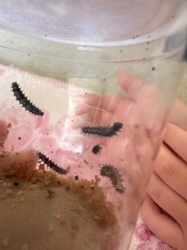
Painted Lady Caterpillar identified by the community
Real finds identified with Bug Identifier.
Other bugs you may enjoy
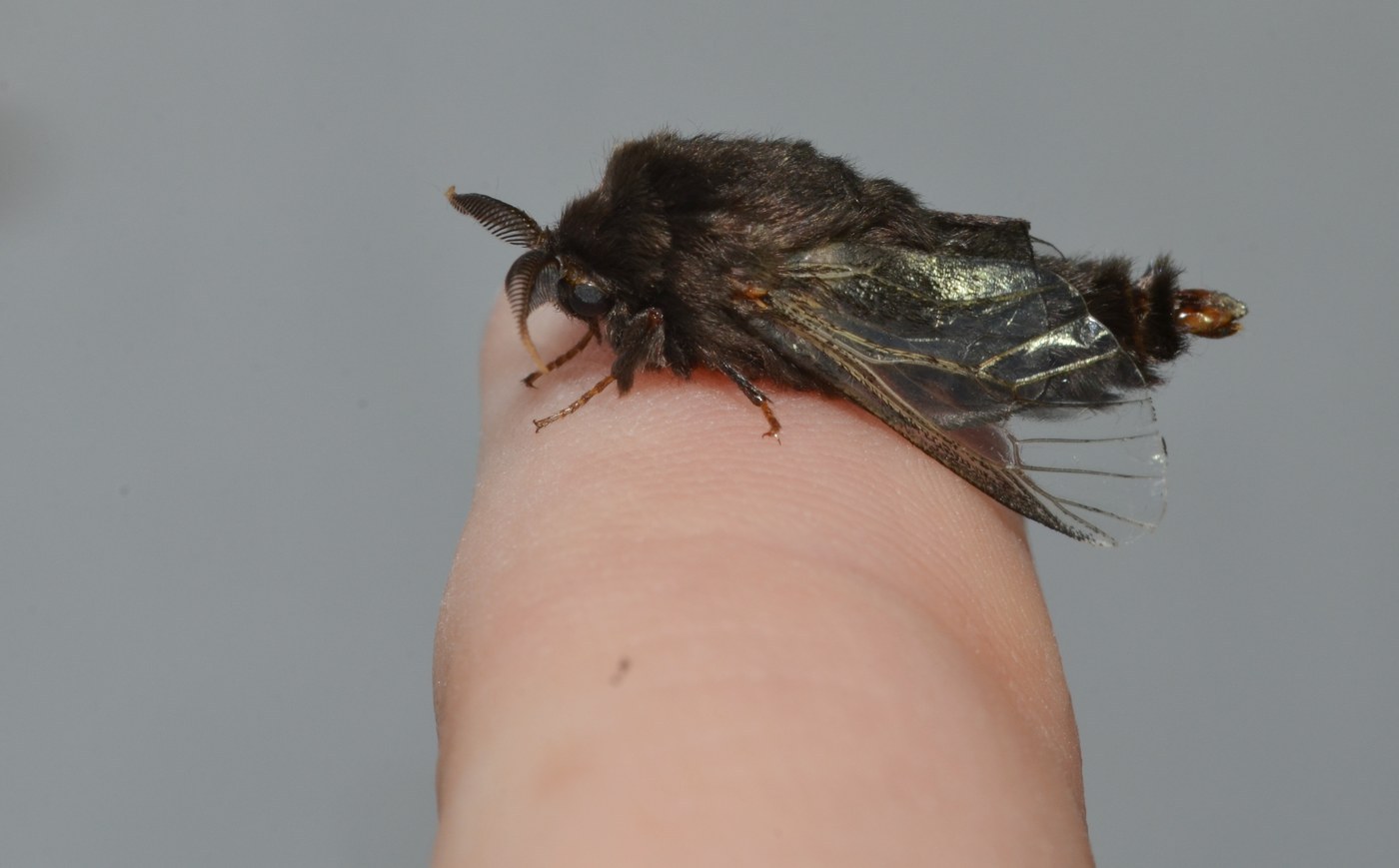
Bagworm
Trees and shrubs, especially conifers and ornamental landscaping
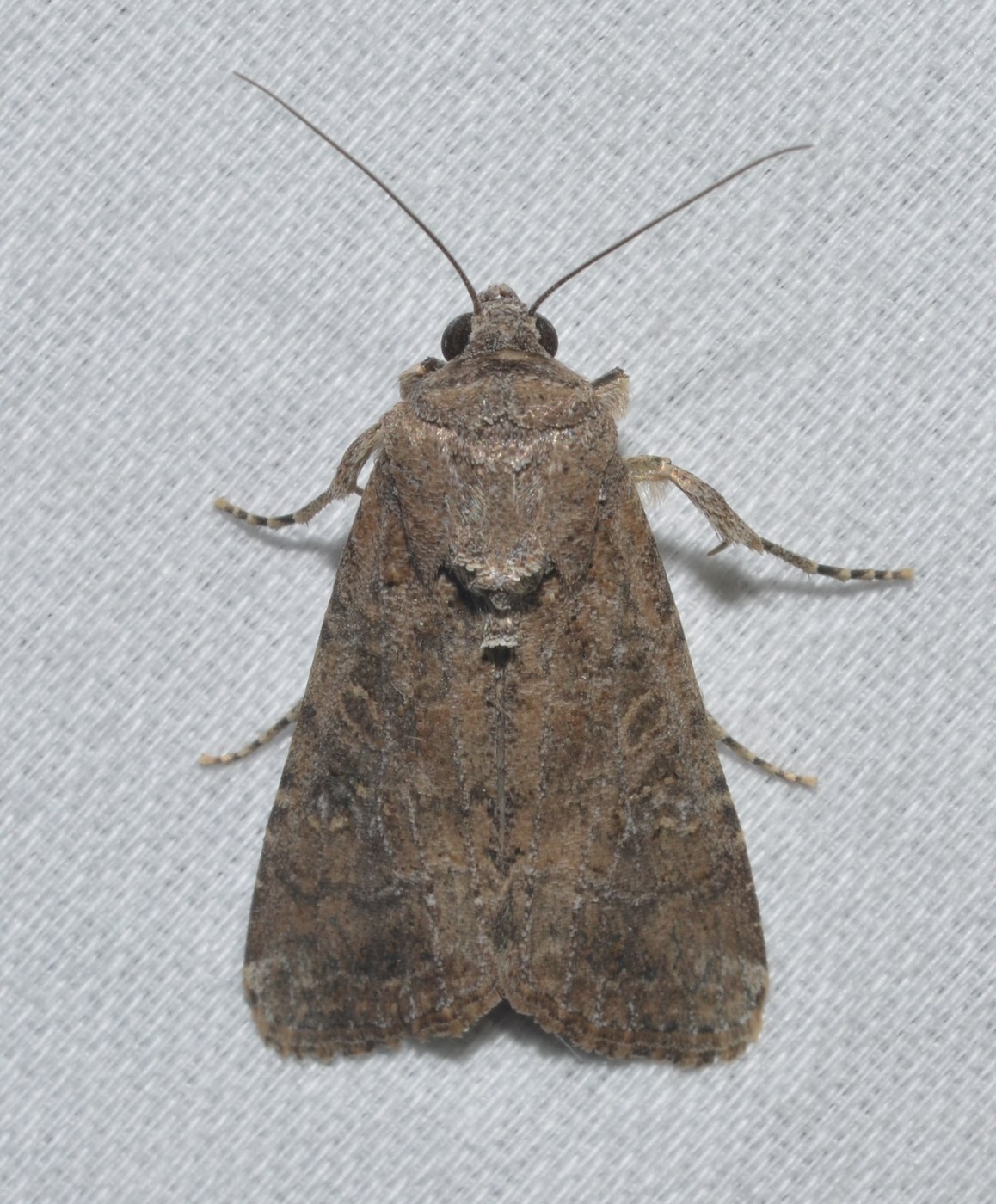
Armyworm
grasslands, pastures, and cereal crop fields
Zebra Longwing Caterpillar
Tropical and subtropical hammocks with passionflower vines
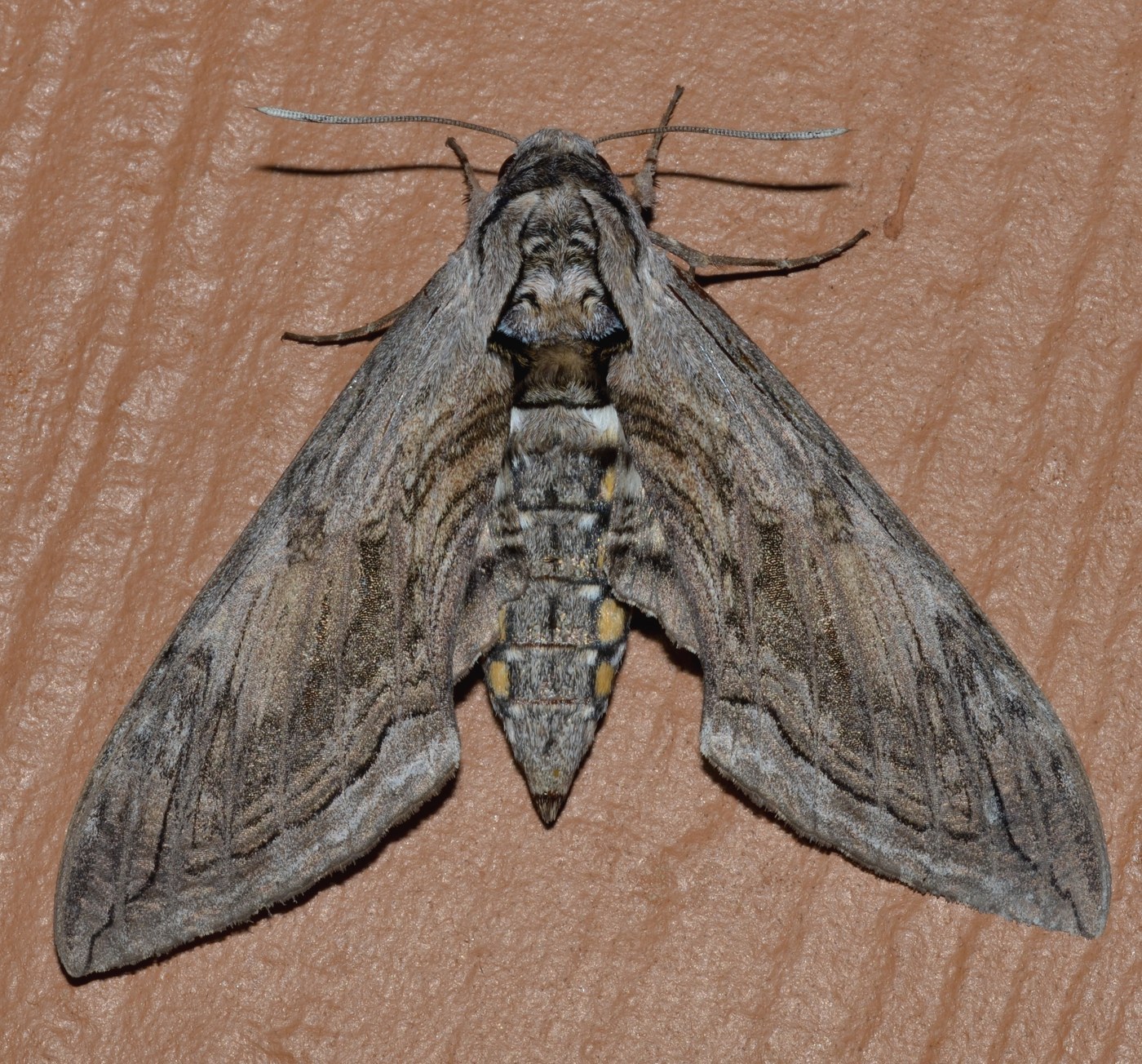
Tomato Hornworm
Gardens and fields with tomato, pepper, and other nightshade plants
Tent Caterpillar
Deciduous trees such as cherry, apple, and other rosaceous species
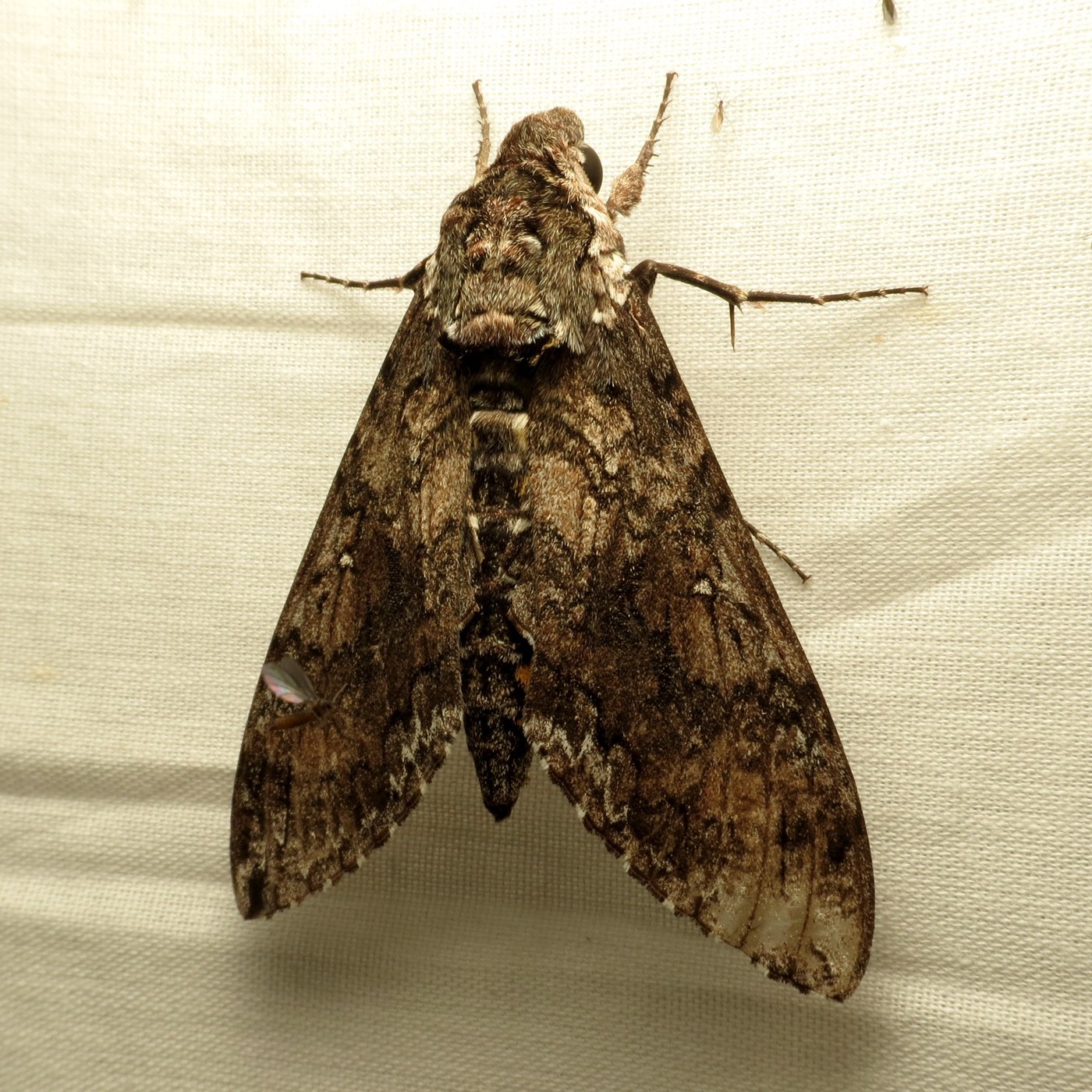
Tobacco Hornworm
tobacco, tomato, and pepper plants in gardens and fields
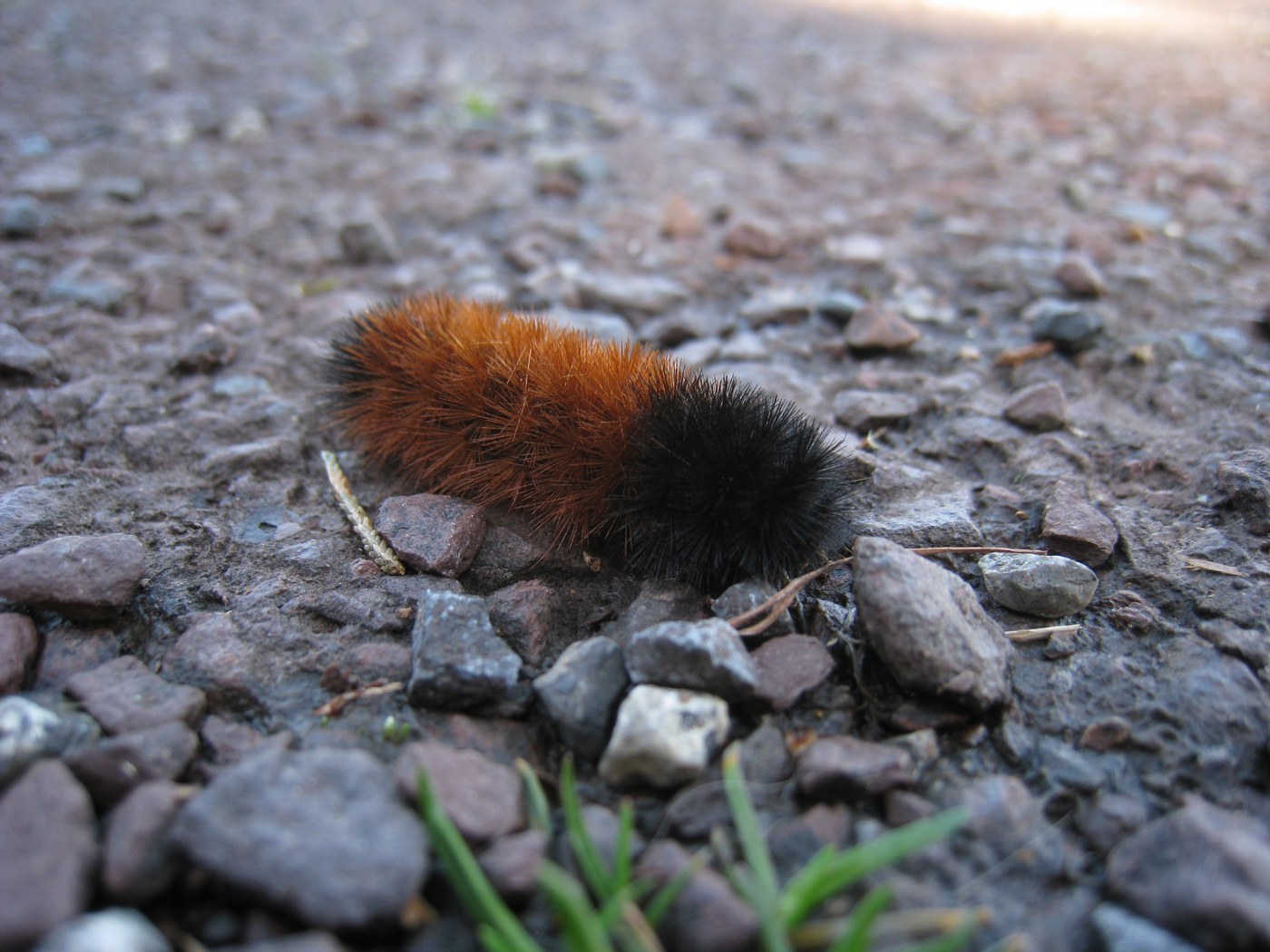
Woolly Bear Caterpillar
Gardens, meadows, roadsides, and woodland edges across North America
Sod Webworm
Turfgrass lawns, golf courses, pastures
Spiny Oak-slug Caterpillar
Deciduous forests and woodland edges with oak and other hardwoods
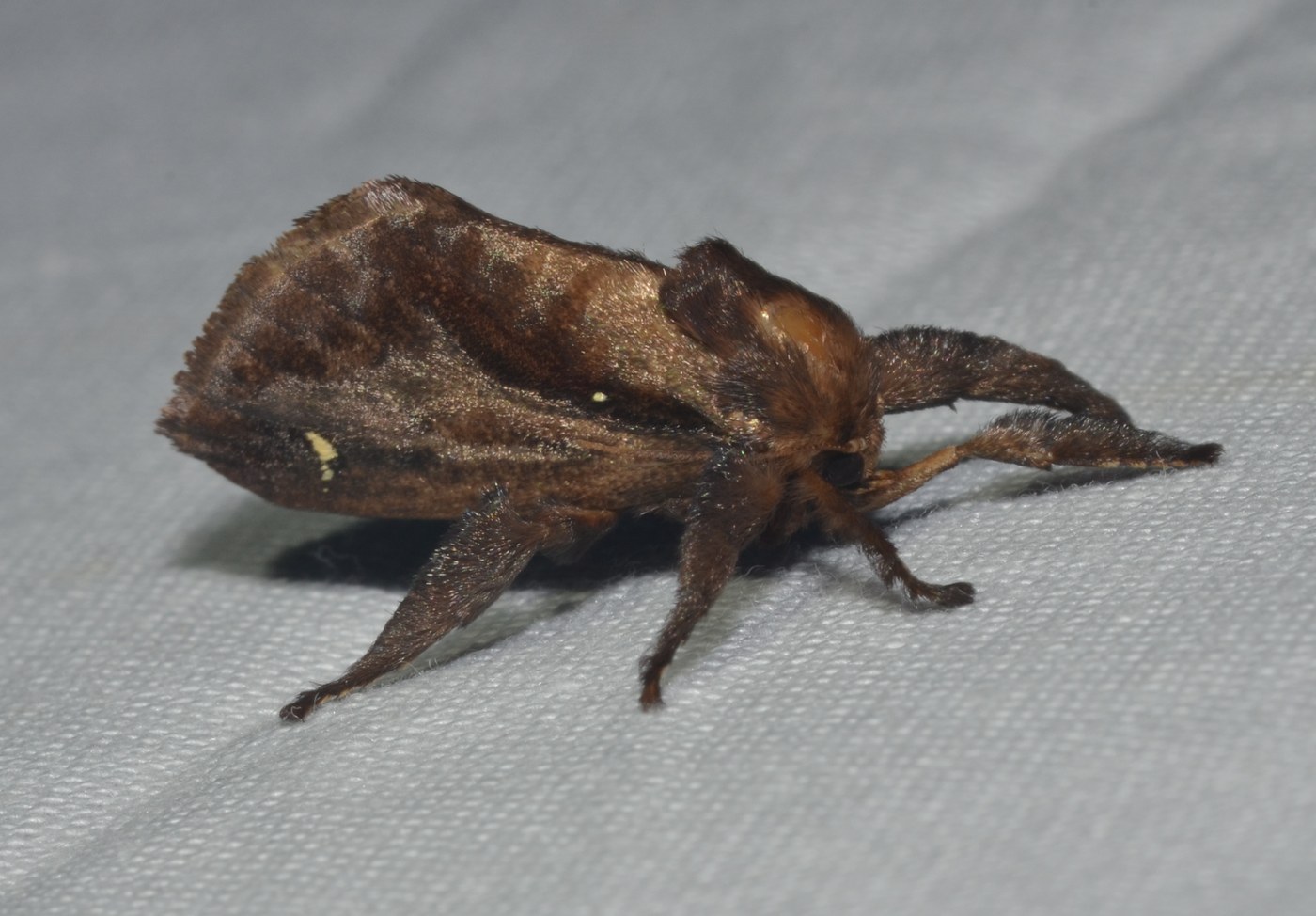
Saddleback Caterpillar
Deciduous trees and shrubs in eastern and southern North America
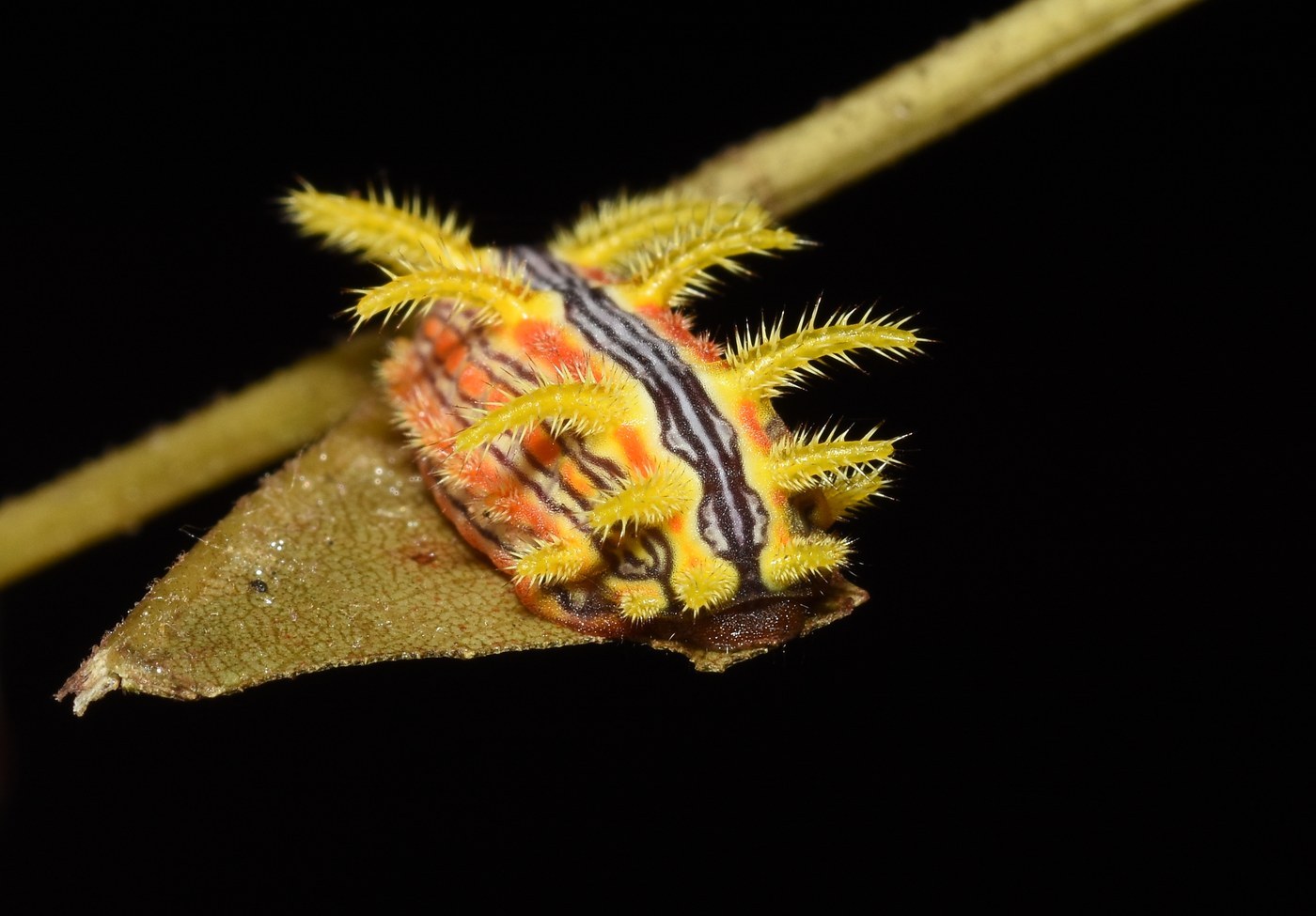
Stinging Rose Caterpillar
Gardens and woodlands with rose, dogwood, or oak
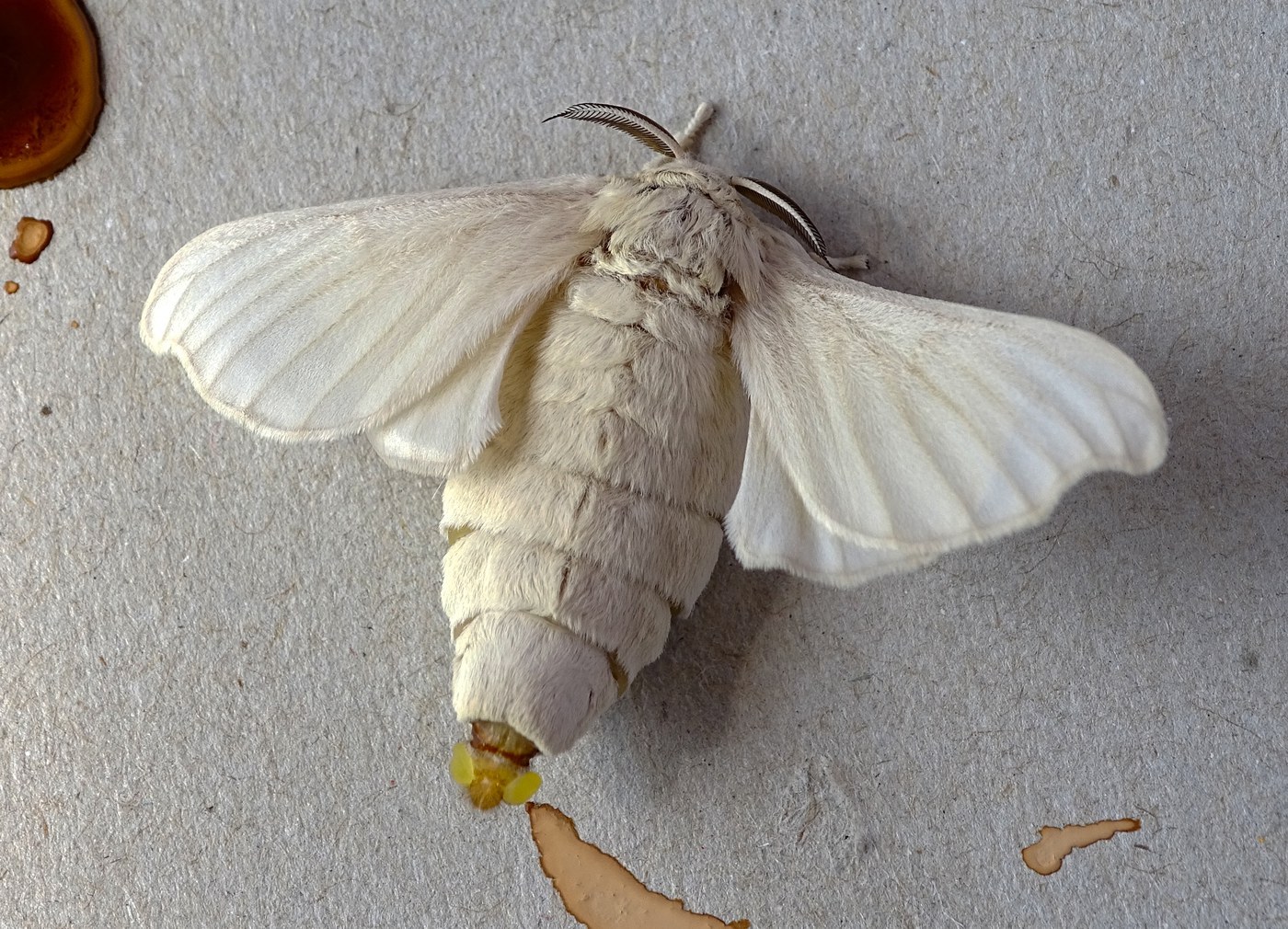
Silkworm
Reared exclusively in captivity on mulberry leaves; no independent wild population