
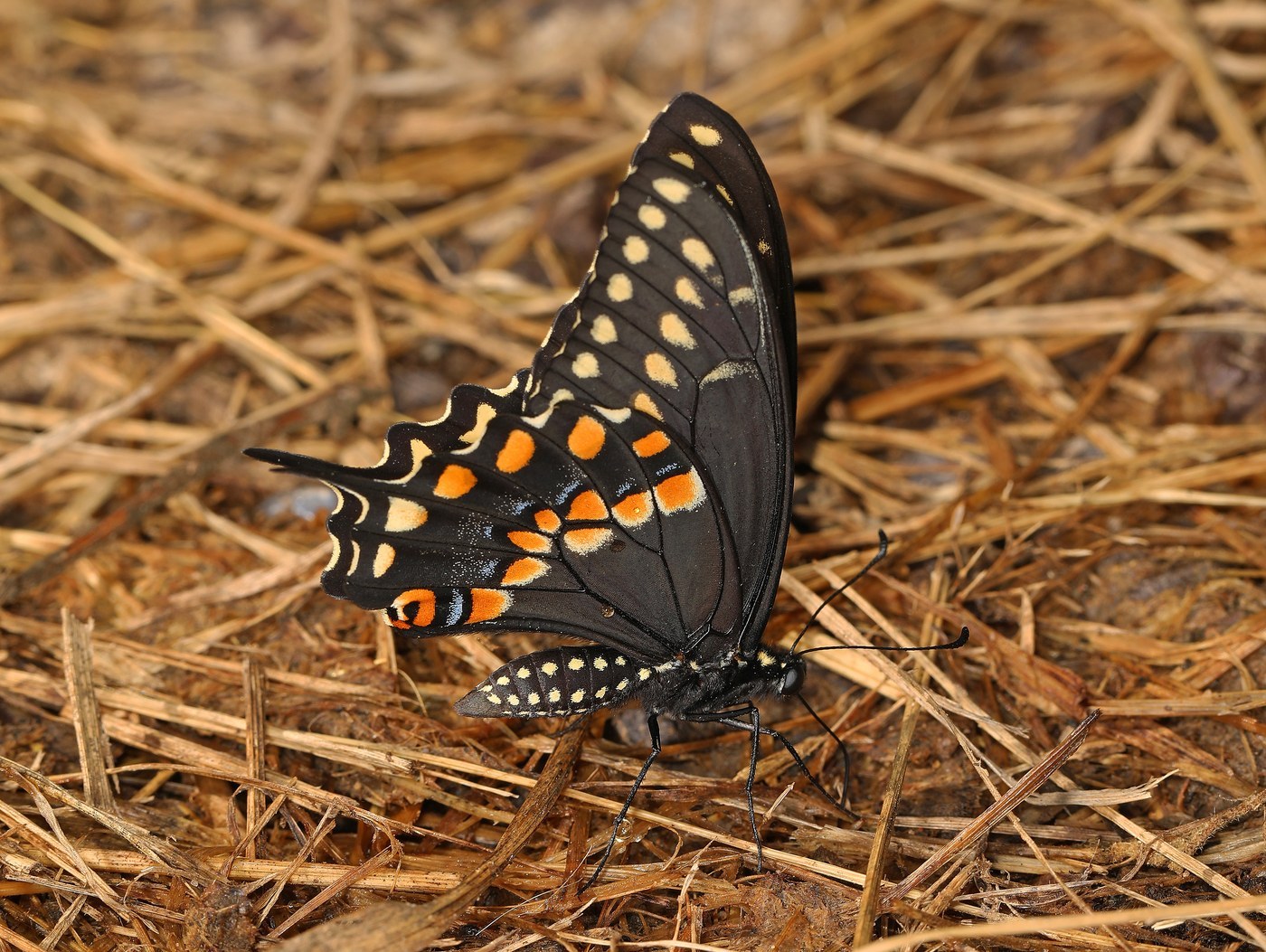
Parsley Worm
Papilio polyxenes
Banded in green, black, and yellow, the parsley worm rears up and flashes a bright orange, forked scent gland when disturbed, a signature defense of black swallowtail caterpillars.
- Size
- Up to 5 cm (2 in) long
- Habitat
- Gardens, meadows, and roadsides across North America wherever carrot-family plants grow
- Danger
- Harmless
Spotted a bug like this?
Identify any bug or insect from a photo, free.
Overview
'Parsley worm' is the familiar garden name for the caterpillar of the eastern black swallowtail butterfly, Papilio polyxenes, one of the most widespread and recognizable swallowtails in North America. The caterpillar earns its common name from its fondness for parsley and other plants in the carrot family, which it shares with garden vegetables like dill, fennel, and carrot tops.
Because it feeds on cultivated herbs and vegetables as readily as on wild relatives such as Queen Anne's lace, the parsley worm is a frequent and often welcome visitor to backyard gardens, where many gardeners deliberately plant extra host plants to support it.
When disturbed, the caterpillar displays one of the most distinctive defenses among North American butterfly larvae: an orange, forked, fleshy organ called an osmeterium that everts from just behind the head and releases a strong odor, a display that mimics the appearance of a small snake's tongue and can startle potential predators.
How to Identify
- Body is bright green with black bands encircling each segment, each black band dotted with small yellow-orange spots
- Reaches about 5 cm (2 in) in length at maturity
- Younger instars look quite different, resembling a bird dropping with mottled black and white coloring
- When threatened, everts a bright orange, Y-shaped osmeterium from behind the head that releases a noticeable odor
- Found on carrot-family (Apiaceae) plants including parsley, dill, fennel, carrot foliage, and Queen Anne's lace
Habitat & Range
Widespread across most of North America south of Canada's boreal zone, wherever host plants in the carrot family grow, including vegetable gardens, meadows, roadsides, and open fields. Caterpillars are present from spring through fall depending on latitude.
Behavior & Diet
The caterpillar feeds exclusively on plants in the carrot family, chewing leaves and sometimes flower parts of its host. Its bold coloration functions as a warning display, while the eversible osmeterium provides an additional startle defense against ants, spiders, and other small predators. As a specialist herbivore, it plays a modest ecological role as a link between carrot-family plants and the wider community of parasitoids, predators, and birds that feed on caterpillars, while adults contribute to pollination as they visit flowers for nectar.
Life Cycle
Females lay single, round, pale eggs on the leaves or stems of host plants. Larvae hatch and pass through five instars over roughly three to four weeks, starting out mottled black and white before transitioning to the bold green-and-black banded pattern of later instars. Mature caterpillars leave the host plant to form a mottled brown or green chrysalis attached to a nearby stem or structure by a silk girdle. Depending on latitude, two to three generations may occur per year, with the final generation of the season overwintering as a chrysalis.
Frequently asked questions
What plants does the parsley worm eat?
It feeds on plants in the carrot family, including garden parsley, dill, fennel, carrot tops, and wild Queen Anne's lace.
What is the orange forked organ that appears when I disturb a parsley worm?
That is the osmeterium, a fleshy, eversible defensive organ that releases an odor and is unique to swallowtail caterpillars.
What butterfly does the parsley worm turn into?
It develops into the eastern black swallowtail, Papilio polyxenes, a common black-and-yellow butterfly found across much of North America.
Do young parsley worms look the same as older ones?
No, early instars are mottled black and white, resembling a bird dropping, before transitioning to the familiar green-and-black banded pattern in later stages.
Parsley Worm guides
In-depth guides for identifying, understanding, and living alongside Parsley Worm.
Other bugs you may enjoy
Bagworm
Trees and shrubs, especially conifers and ornamental landscaping
Armyworm
grasslands, pastures, and cereal crop fields
Zebra Longwing Caterpillar
Tropical and subtropical hammocks with passionflower vines
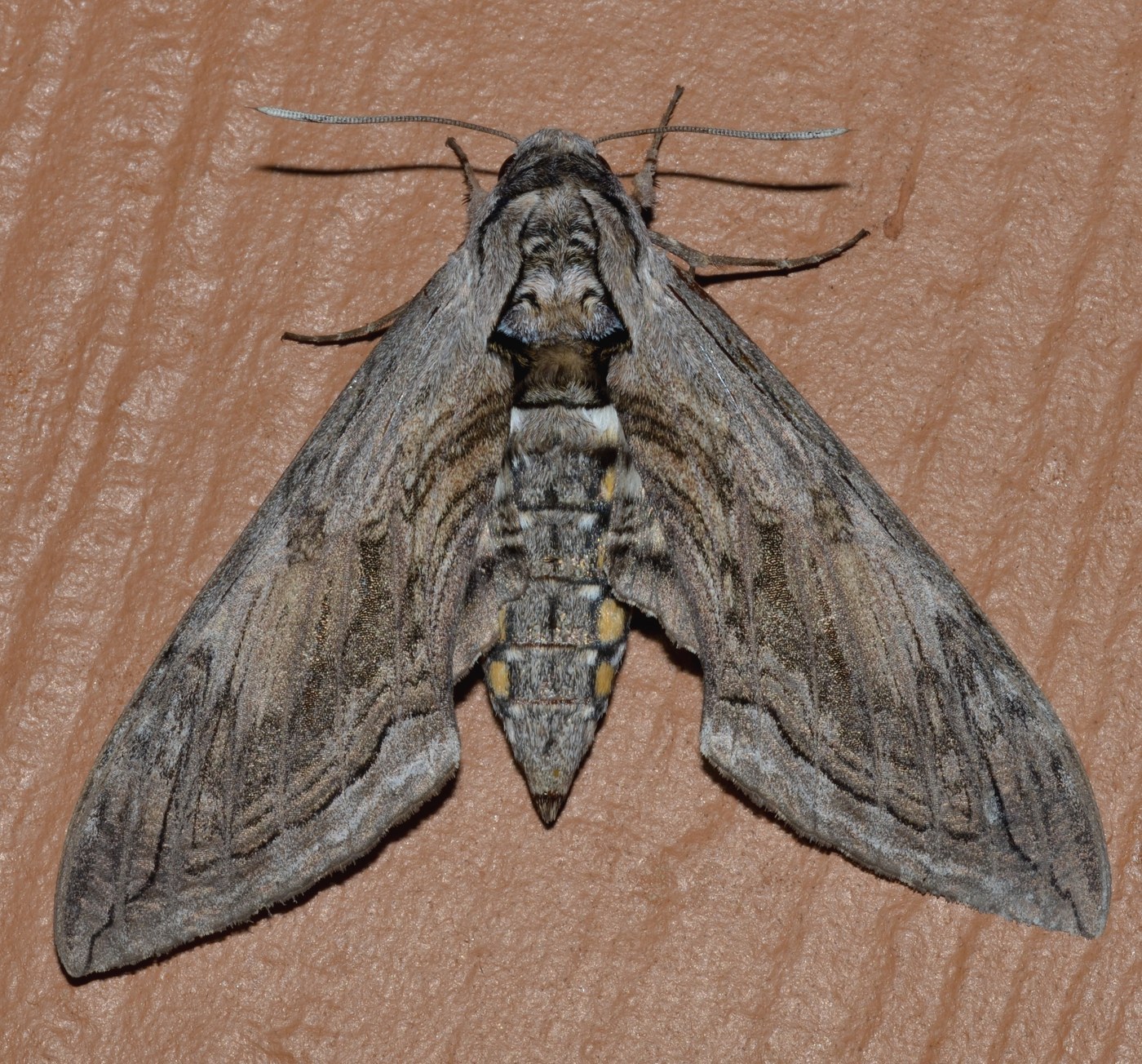
Tomato Hornworm
Gardens and fields with tomato, pepper, and other nightshade plants
Tent Caterpillar
Deciduous trees such as cherry, apple, and other rosaceous species
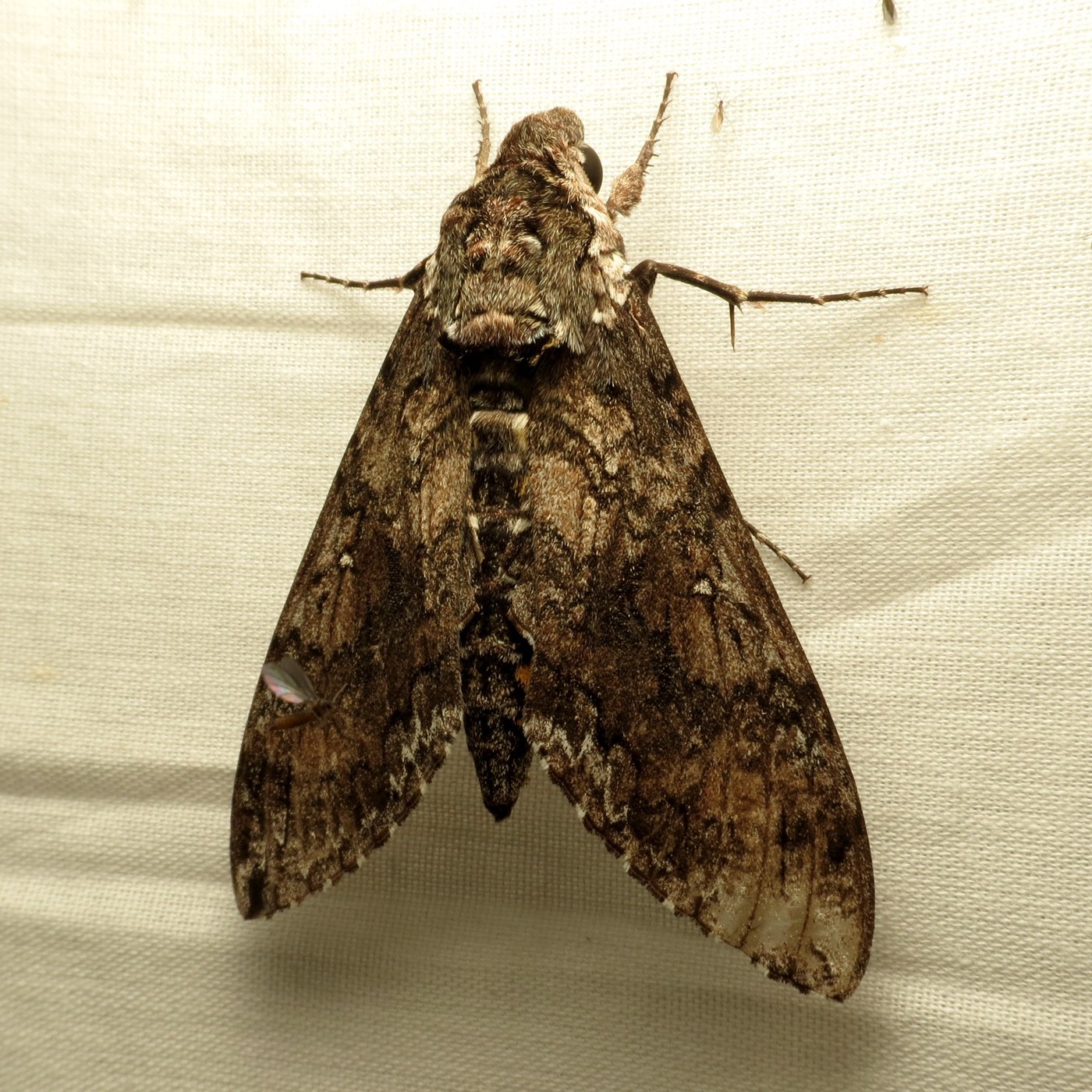
Tobacco Hornworm
tobacco, tomato, and pepper plants in gardens and fields
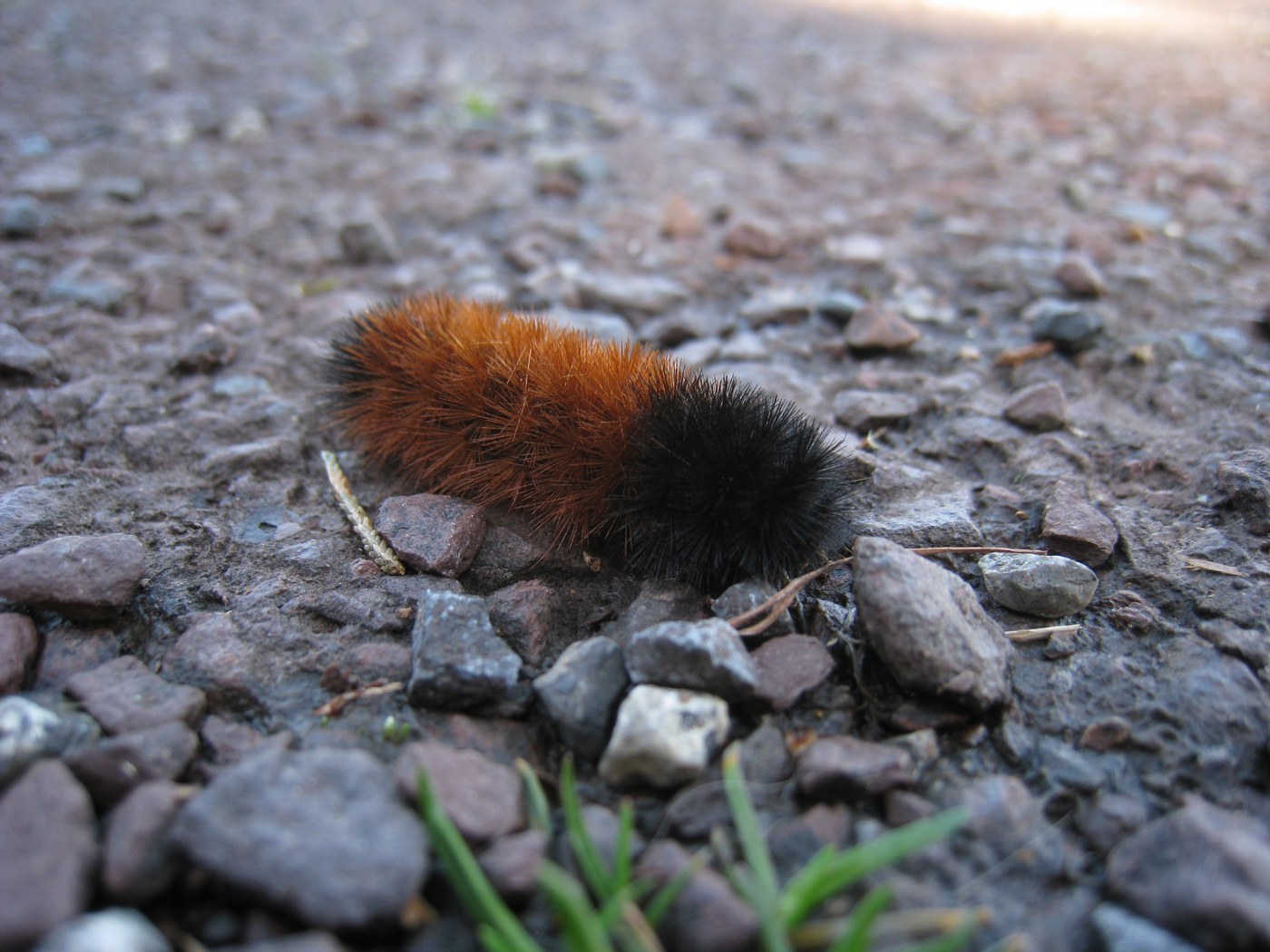
Woolly Bear Caterpillar
Gardens, meadows, roadsides, and woodland edges across North America
Sod Webworm
Turfgrass lawns, golf courses, pastures
Spiny Oak-slug Caterpillar
Deciduous forests and woodland edges with oak and other hardwoods
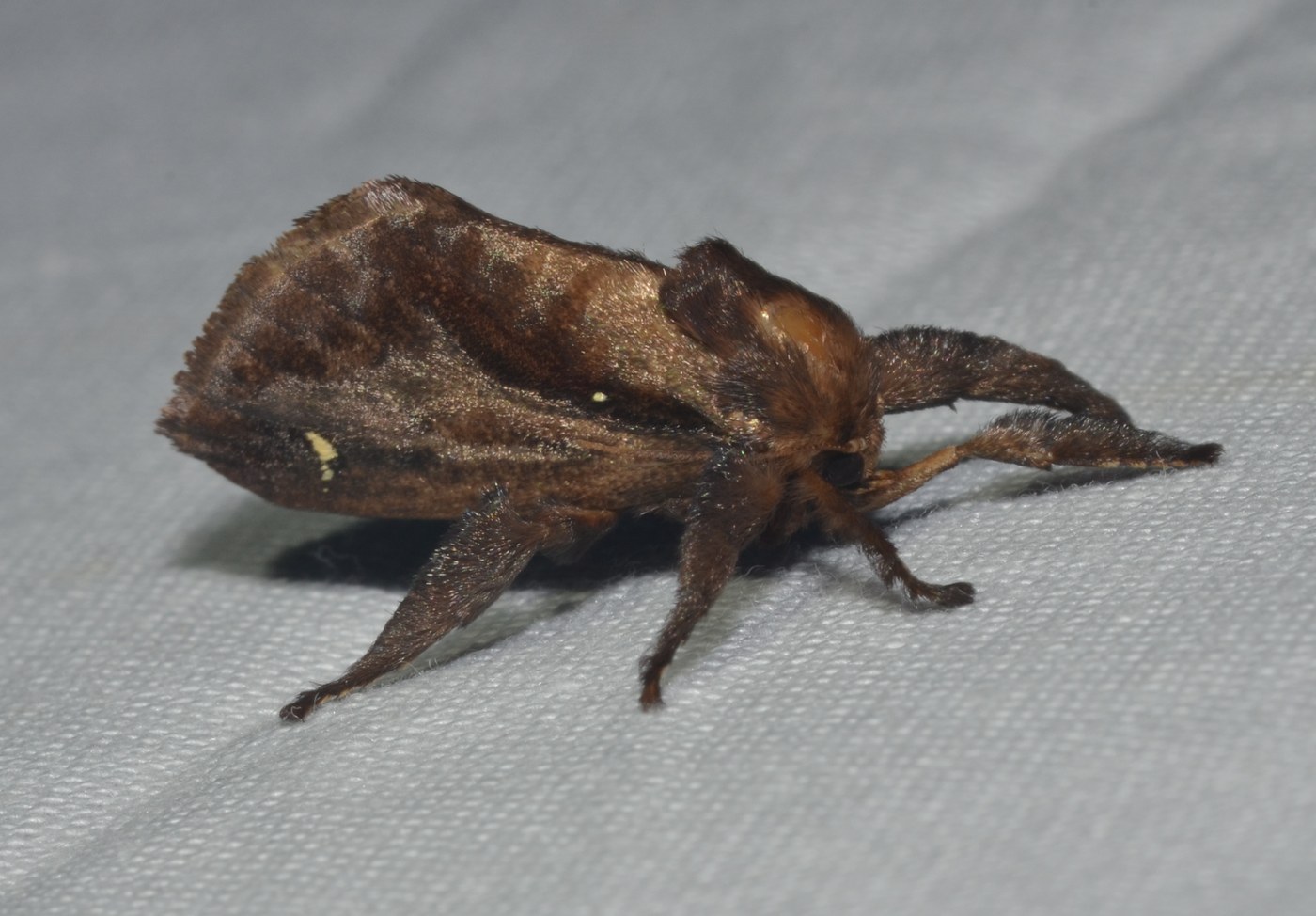
Saddleback Caterpillar
Deciduous trees and shrubs in eastern and southern North America
Stinging Rose Caterpillar
Gardens and woodlands with rose, dogwood, or oak
Silkworm
Reared exclusively in captivity on mulberry leaves; no independent wild population