
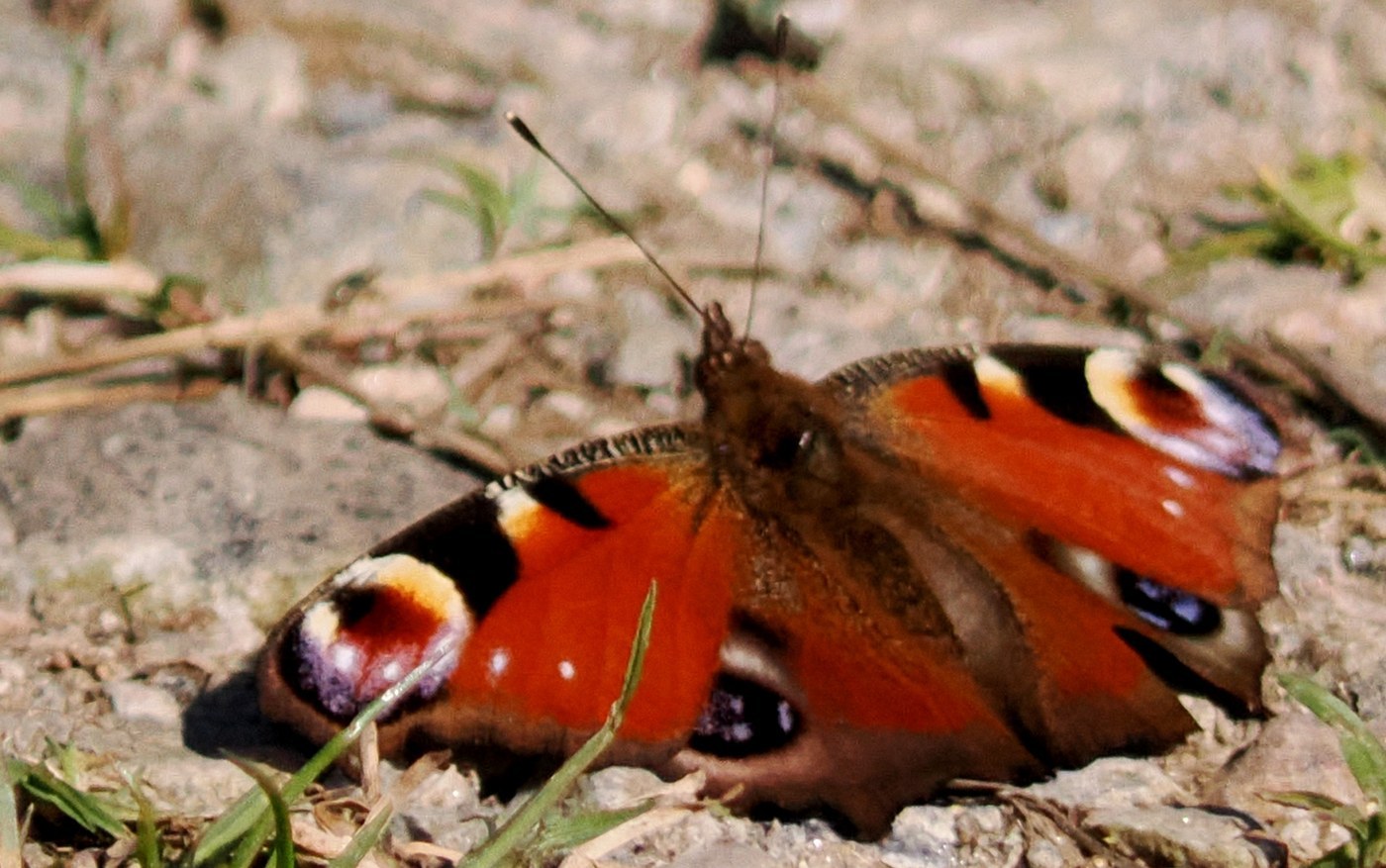
Peacock Butterfly
Aglais io
A richly colored reddish-brown European butterfly named for the four large blue-black eyespots on its wings, which resemble the eye-like markings on a peacock's tail feathers.
- Size
- 2.25–2.75 in wingspan
- Habitat
- Gardens, woodland edges, hedgerows (Europe and temperate Asia)
- Danger
- Harmless
Spotted a bug like this?
Identify any bug or insect from a photo, free.
Overview
The Peacock Butterfly is a familiar and much-loved species of the brush-footed butterfly family Nymphalidae, common across Europe and temperate parts of Asia. Its striking wing pattern — four large, eye-like markings set against a warm reddish-brown background — makes it one of the most instantly recognizable butterflies in its range.
It belongs to the same genus as the Small Tortoiseshell, both being close relatives that feed as caterpillars on stinging nettles and hibernate as adults through winter. This overwintering strategy allows Peacock Butterflies to be among the very first butterflies seen on warm days in early spring, well before many other species have emerged.
The large eyespots are believed to function as a defensive display, startling or misdirecting potential predators when the butterfly suddenly flashes open its wings from a resting position.
How to Identify
- Rich reddish-brown to maroon wings with four large, dark eyespots — one on each forewing and one on each hindwing — each ringed with blue, yellow, and black.
- Wing margins are scalloped rather than smooth, giving a slightly ragged outline.
- Underside of the wings is dark, almost black, providing camouflage as dead leaves when the wings are closed at rest.
- Medium-large size for a European butterfly, with a wingspan typically around 2.5 inches.
- Distinguished from the Small Tortoiseshell by its large true eyespots, versus the tortoiseshell's smaller blue marginal spots and more orange overall tone.
Habitat & Range
Widespread across Europe and into temperate Asia, found in gardens, parks, woodland clearings, hedgerows, and meadows wherever nettles and nectar sources are available. Adults overwinter in sheltered spots such as tree hollows, sheds, or dense vegetation, emerging on mild days as early as late winter and remaining active through much of spring, summer, and autumn.
Behavior & Diet
Adults are strong fliers and enthusiastic visitors to garden flowers, particularly buddleia, thistles, and other nectar-rich blooms, especially before going into winter dormancy. When threatened, a resting Peacock Butterfly can suddenly flick open its wings to display the four large eyespots, sometimes accompanied by a hissing sound produced by rubbing wing veins together, both believed to startle potential predators. Caterpillars feed gregariously in large groups on stinging nettles, spinning communal silk webbing over the foliage.
Life Cycle
Eggs are laid in large batches on the undersides of nettle leaves. Caterpillars are black, speckled with white dots and covered in branching spines, and feed communally through most of their development before dispersing to pupate individually. There are typically one to two generations per year depending on climate, and adults of the final generation enter hibernation to overwinter as adult butterflies, re-emerging in spring to breed.
Frequently asked questions
Why does it have those eye-like markings?
The four large eyespots are thought to serve as a startle display, deterring predators when the butterfly suddenly reveals them by opening its wings.
How does it survive the winter?
Peacock Butterflies overwinter as adults in sheltered locations such as hollow trees, sheds, or dense vegetation, becoming active again on warm days.
What do the caterpillars eat?
Stinging nettle is the primary host plant for the gregarious, spiny black caterpillars.
Where is this butterfly found?
It is native to Europe and temperate parts of Asia and is a common visitor to gardens, parks, and woodland edges.
Peacock Butterfly guides
In-depth guides for identifying, understanding, and living alongside Peacock Butterfly.
Peacock Butterfly identified by the community
Real finds identified with Bug Identifier.
Other bugs you may enjoy
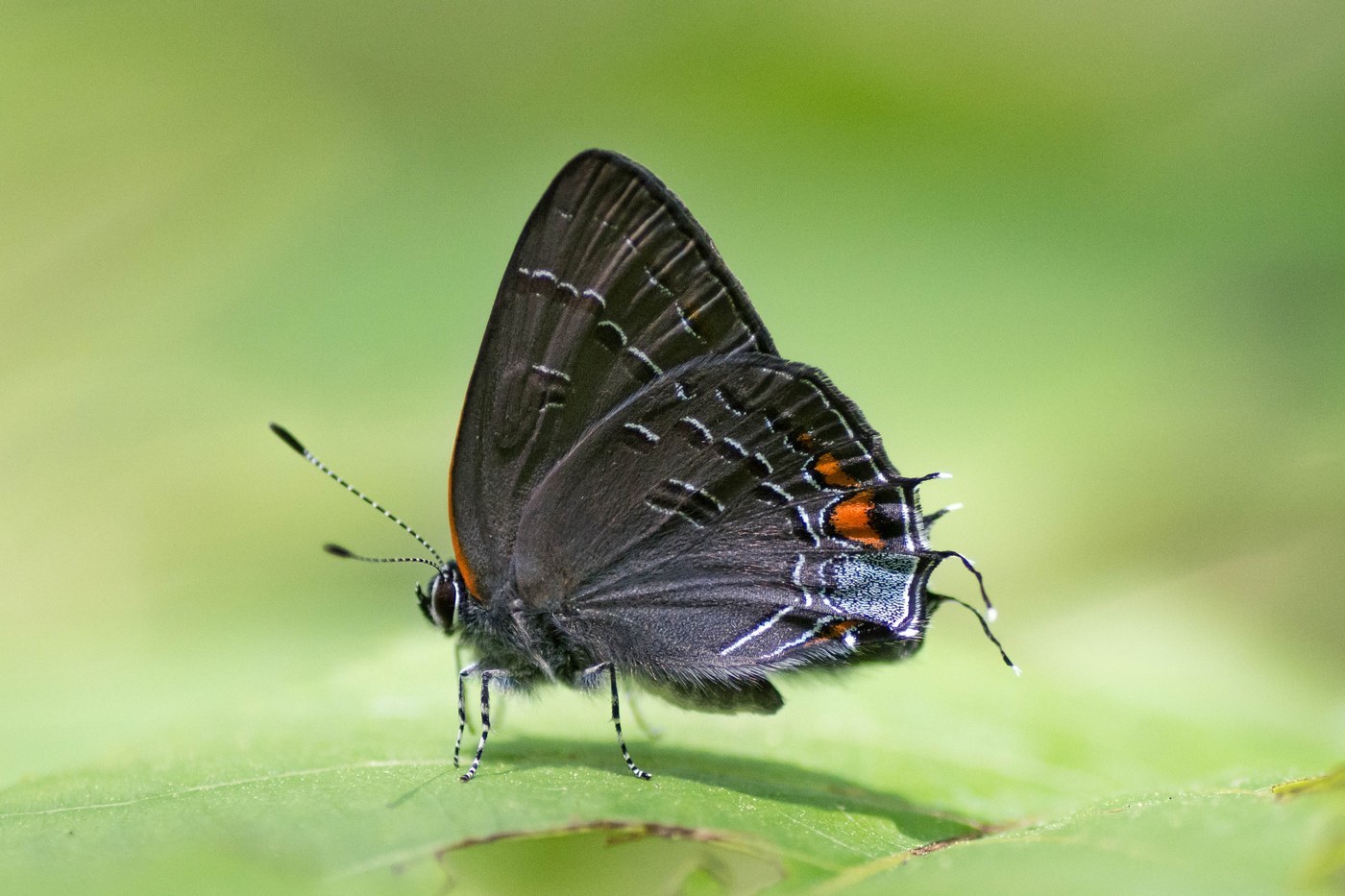
Banded Hairstreak
Deciduous woodlands and edges with oaks and hickories
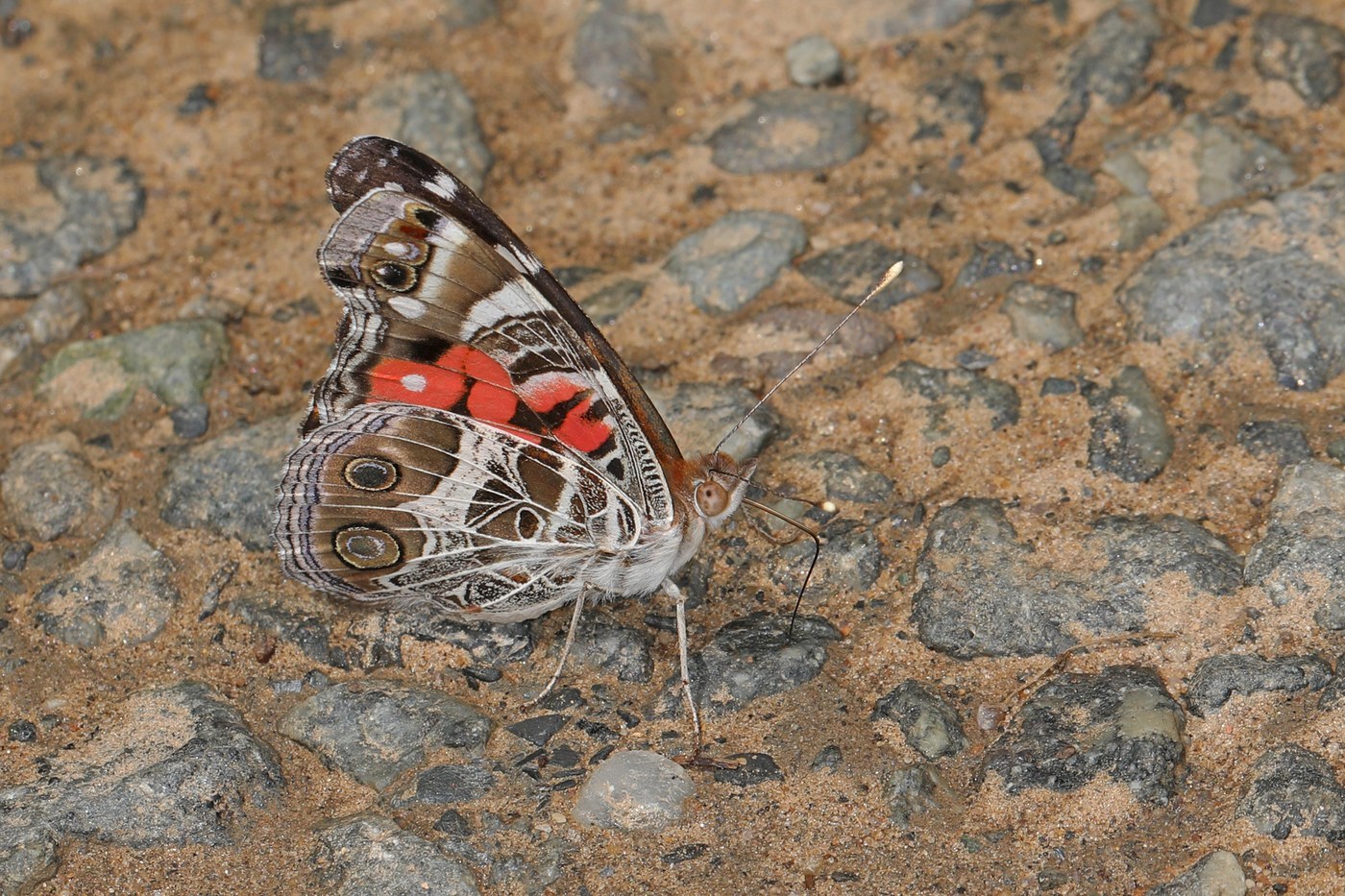
American Lady
Open fields, meadows, gardens, roadsides
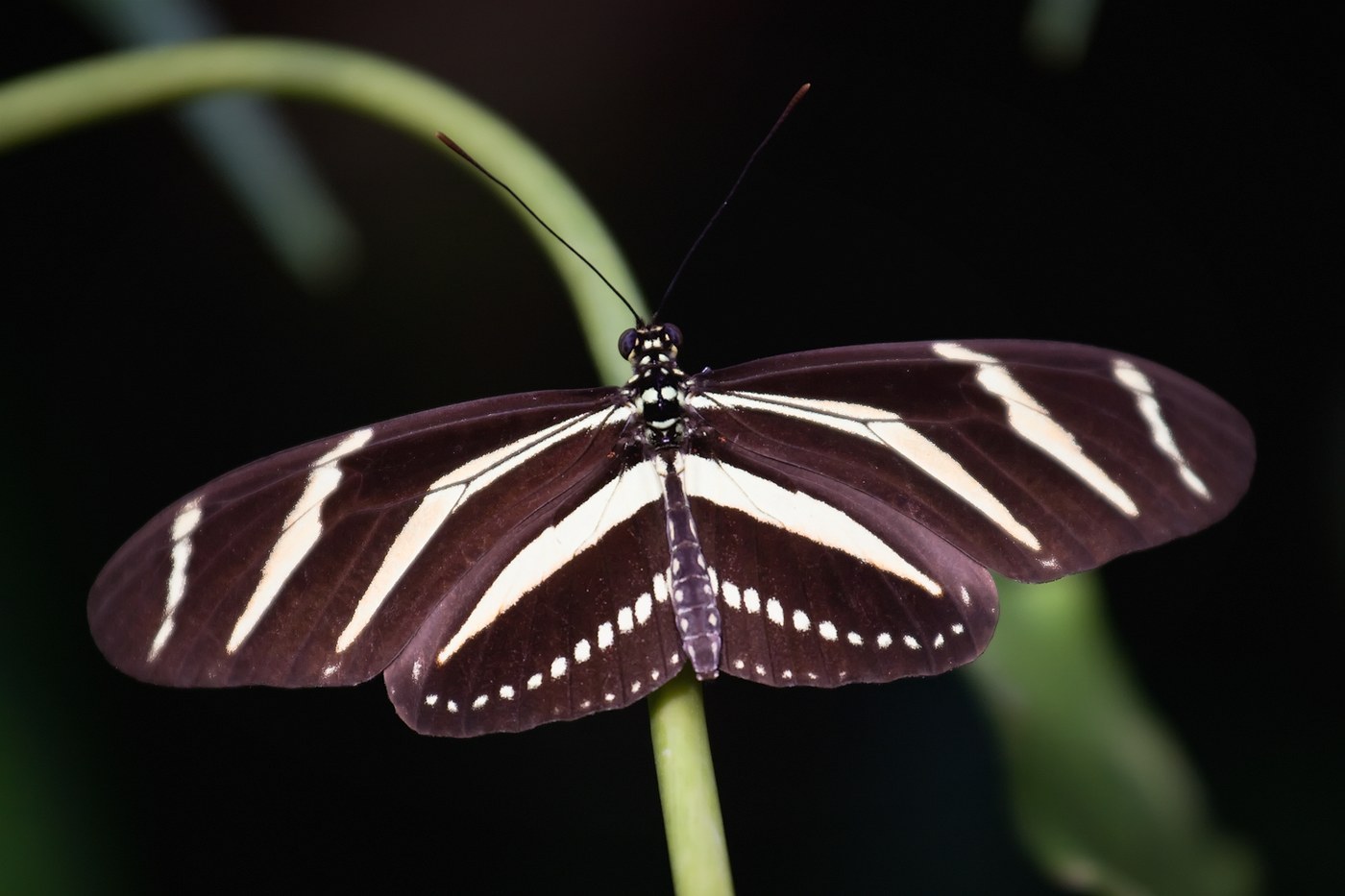
Zebra Longwing
Tropical hammocks, gardens, forest edges
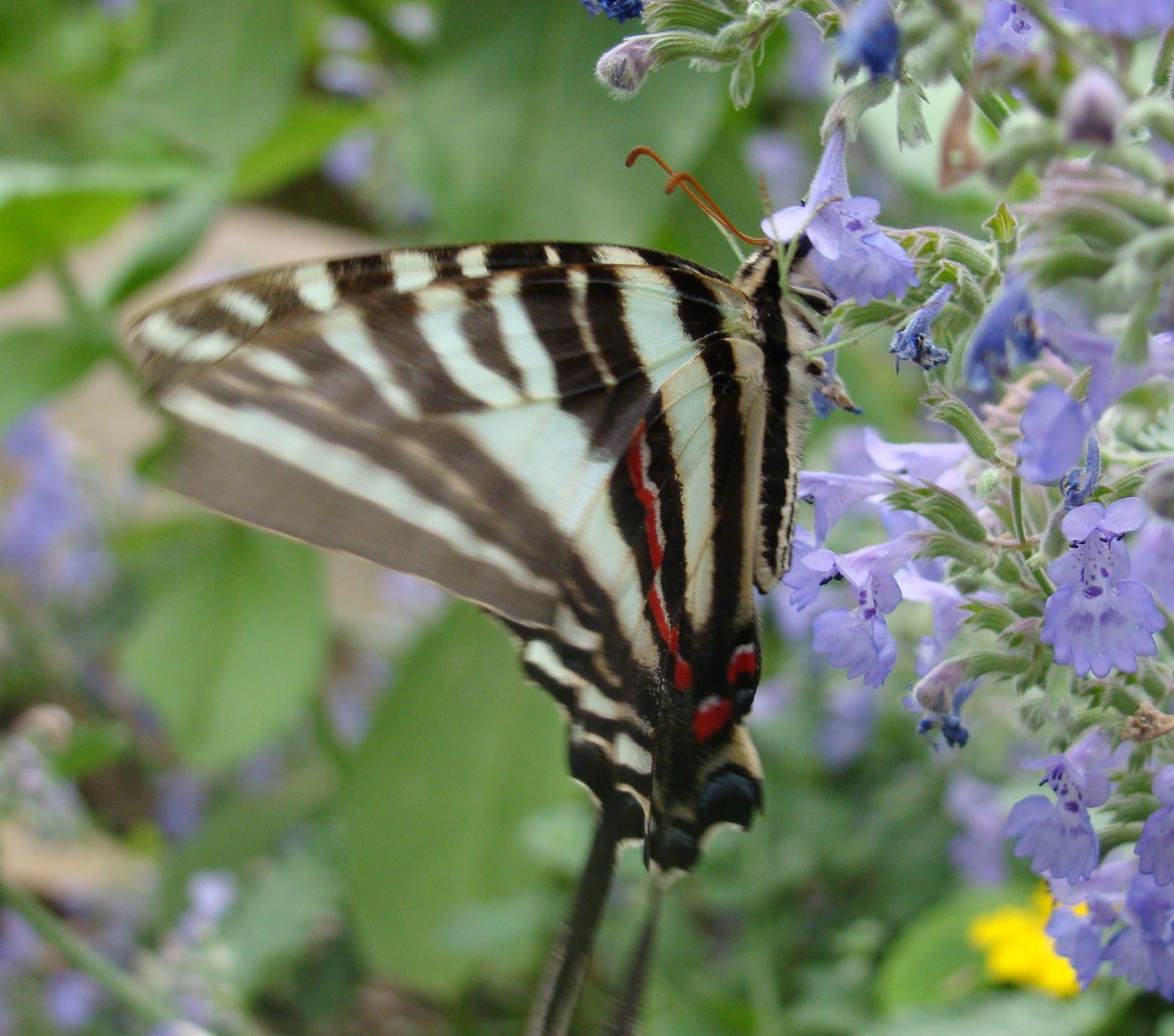
Zebra Swallowtail
Woodlands, floodplains, forest edges near pawpaw
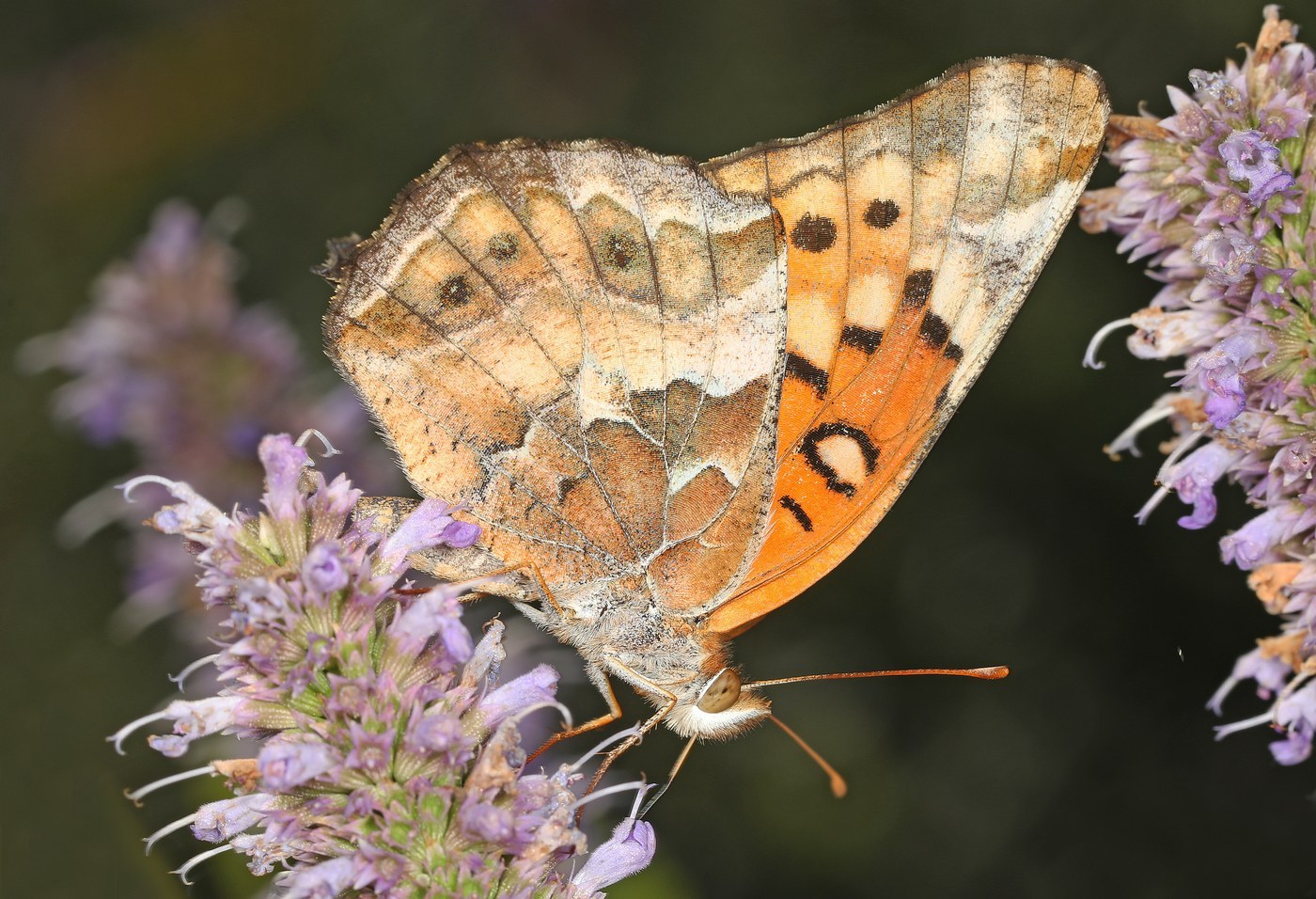
Variegated Fritillary
Open fields, prairies, roadsides, and disturbed ground across most of the United States
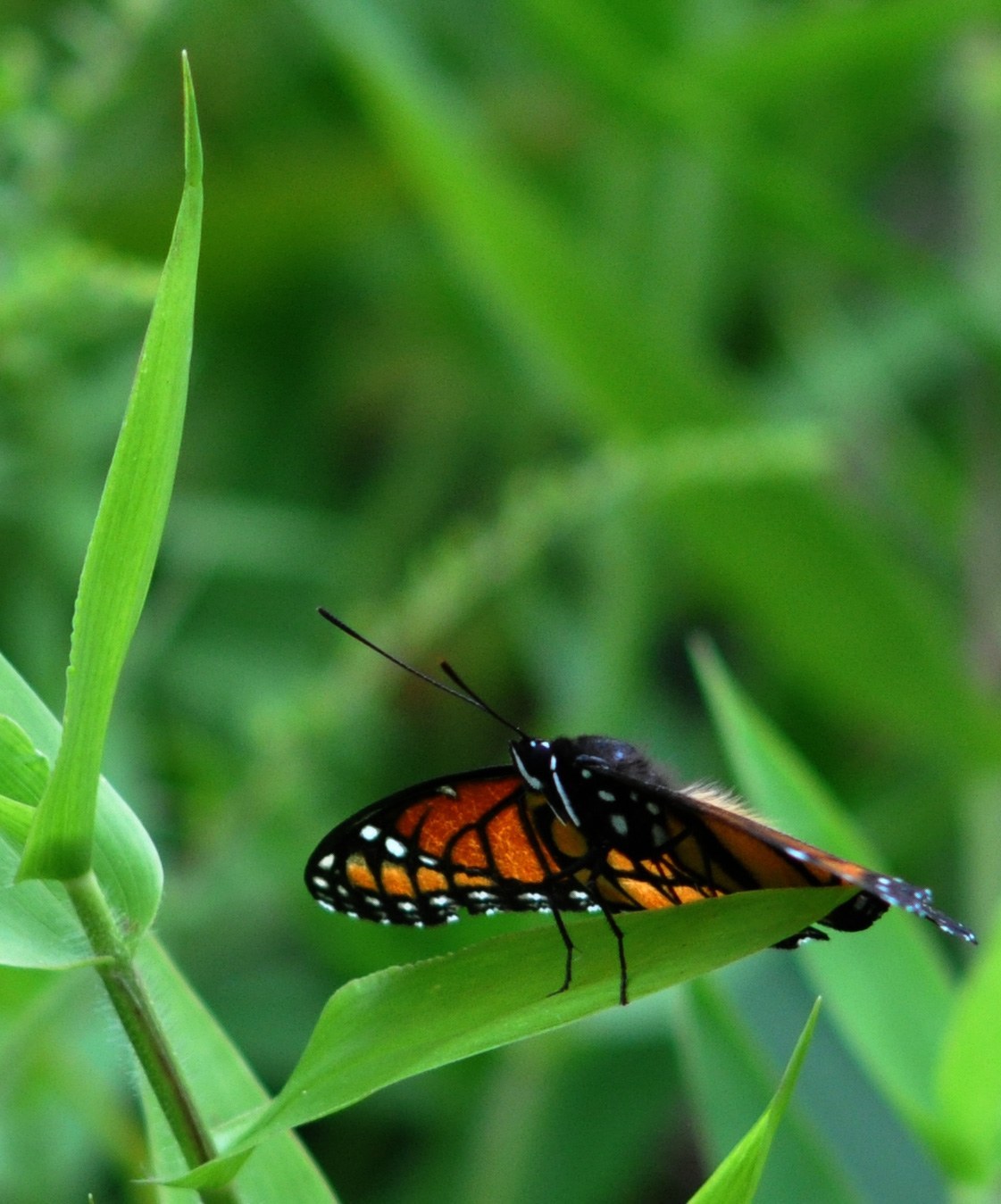
Viceroy Butterfly
Wetlands, meadows, riverbanks, willow thickets (North America)
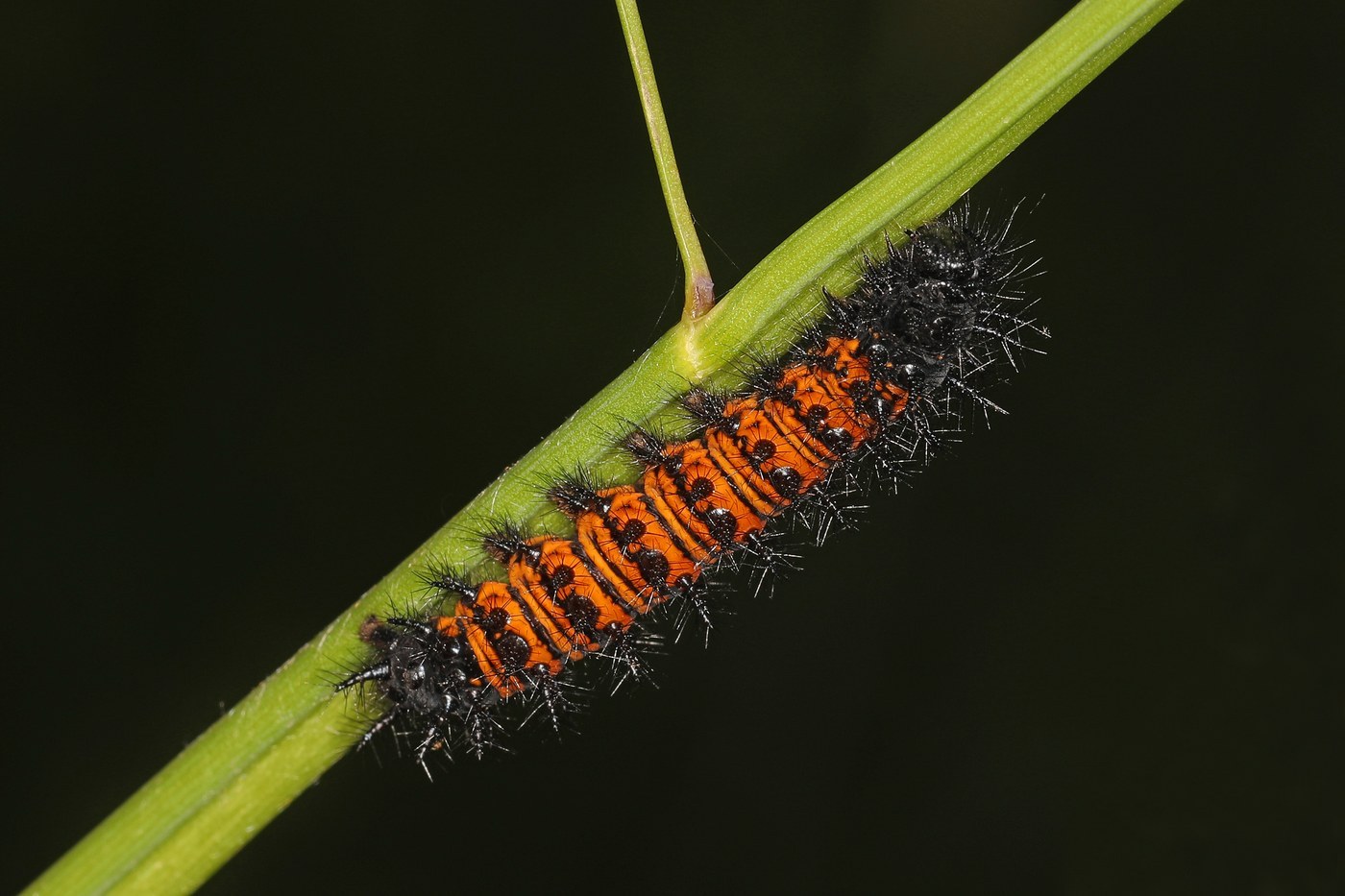
Baltimore Checkerspot
Wet meadows, bogs, and marshy fields in the northeastern and Appalachian US
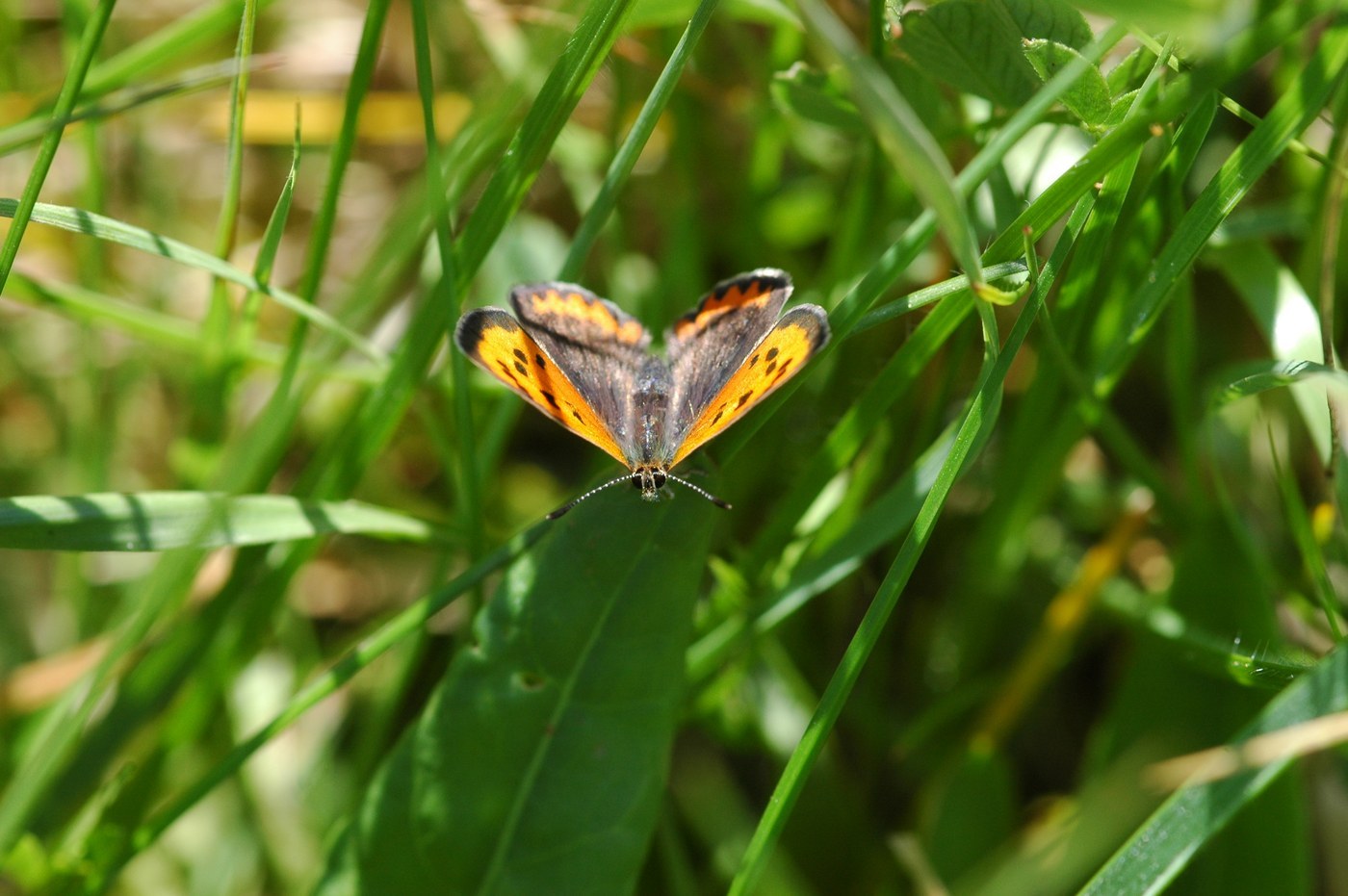
American Copper
Old fields, roadsides, and disturbed open ground with sorrel or dock
West Virginia White
Rich deciduous forest floors, especially near seeps and streams
Spring Azure
Woodland edges, gardens, shrubby clearings
Red Admiral
Gardens, woodland edges, parks, meadows
Sleepy Orange
Open woodland, fields, roadsides, and disturbed ground