
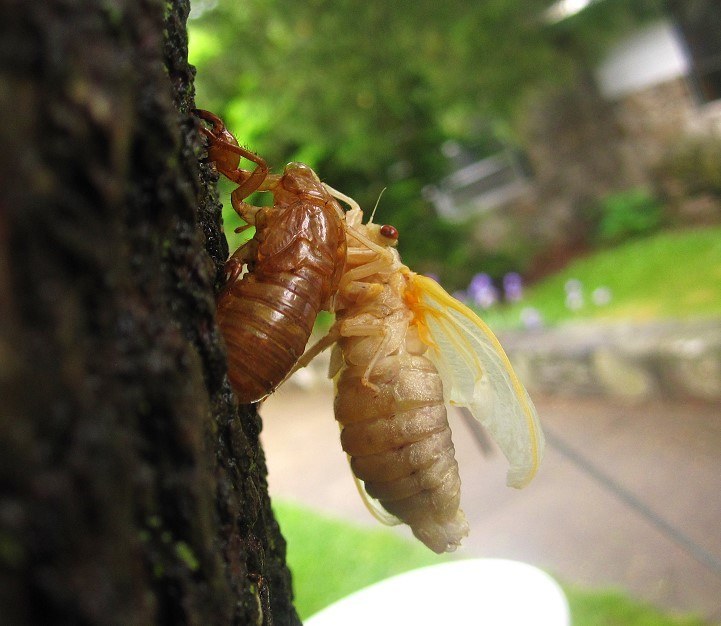
Periodical Cicada
Magicicada septendecim
A black-bodied cicada with striking red eyes and orange-veined wings, famous for emerging in massive, synchronized broods after spending 13 or 17 years developing underground.
- Size
- 24–33 mm body length
- Habitat
- Deciduous forests and wooded suburbs of eastern and midwestern North America
- Danger
- Harmless
Spotted a bug like this?
Identify any bug or insect from a photo, free.
Overview
Periodical cicadas, genus Magicicada, are true bugs in the order Hemiptera renowned for one of the most extraordinary life cycles in the insect world. Found only in eastern and central North America, these cicadas spend either 13 or 17 years as underground nymphs before emerging synchronously in enormous numbers, an event tied to specific geographically mapped "broods."
Unlike the annual cicadas heard every summer, periodical cicadas appear only once per cycle in a given area, producing brief but overwhelming emergences where millions of individuals surface, molt, sing, mate, and die within a span of a few weeks.
Ecologically, these mass emergences provide a substantial, temporary food pulse for birds, mammals, and other predators, while the nymphs' long underground tenure feeding on tree root fluids links them closely to forest root systems over multi-year cycles.
How to Identify
- Stout-bodied cicada with a black dorsal thorax and abdomen, contrasting with distinctive bright red compound eyes.
- Wings are transparent with prominent orange-red veins, held tent-like over the back at rest.
- Legs are orange to reddish-brown.
- Smaller and darker overall than most annual (dog-day) cicadas, which tend to be larger with green or brown mottled coloring.
- Best identified by mass, synchronized emergence in spring (typically May) in areas with a documented periodical cicada brood, rather than scattered individual sightings through summer.
Habitat & Range
Periodical cicadas inhabit deciduous forests, wooded parks, and tree-lined suburban neighborhoods across the eastern and midwestern United States, wherever host trees have been undisturbed long enough for a brood's multi-year cycle to persist. Nymphs live underground near tree roots for the majority of their lives, while adults are active above ground for only a few weeks in late spring to early summer during an emergence year.
Behavior & Diet
Underground nymphs feed on xylem fluid from tree roots using piercing-sucking mouthparts, a slow-growing diet that supports their many years of subterranean development. Upon emergence, adults climb onto vertical surfaces such as tree trunks, molt from their nymphal exoskeleton, and males produce loud, synchronized courtship calls using specialized abdominal structures called tymbals to attract females. After mating, females use a saw-like ovipositor to cut slits into tree twigs where they lay eggs. Predators including birds and mammals feed heavily on emerging cicadas, but the insects rely on overwhelming numbers (predator satiation) to ensure enough individuals survive to reproduce.
Life Cycle
Periodical cicadas undergo incomplete metamorphosis (egg, multiple nymphal instars, adult). Eggs hatch after several weeks, and the tiny first-instar nymphs drop to the ground and burrow underground to begin feeding on root fluids. Nymphs pass through five instars over a fixed period of either 13 or 17 years depending on the species group, feeding continuously on root xylem. In their final year, mature nymphs tunnel to the surface, emerge en masse, molt into winged adults, and live only a few weeks above ground to mate and lay eggs before dying, completing one exceptionally long generation.
Frequently asked questions
How is a periodical cicada different from the cicadas I hear every summer?
Periodical cicadas (Magicicada) emerge synchronously only once every 13 or 17 years in a given brood, whereas annual or dog-day cicadas appear every summer and have a shorter, one-to-a-few-year life cycle.
Why do periodical cicadas have red eyes?
Bright red compound eyes, along with black bodies and orange wing veins, are a hallmark trait that distinguishes Magicicada species from most other cicadas.
Where would I encounter a periodical cicada emergence?
They occur in deciduous forests and wooded suburbs across eastern and midwestern North America, but only in years matching a specific brood's 13- or 17-year emergence cycle.
How long do periodical cicadas live?
Nymphs live underground for 13 or 17 years depending on the species, while adults survive above ground for only a few weeks after emerging.
Periodical Cicada guides
In-depth guides for identifying, understanding, and living alongside Periodical Cicada.
Other bugs you may enjoy
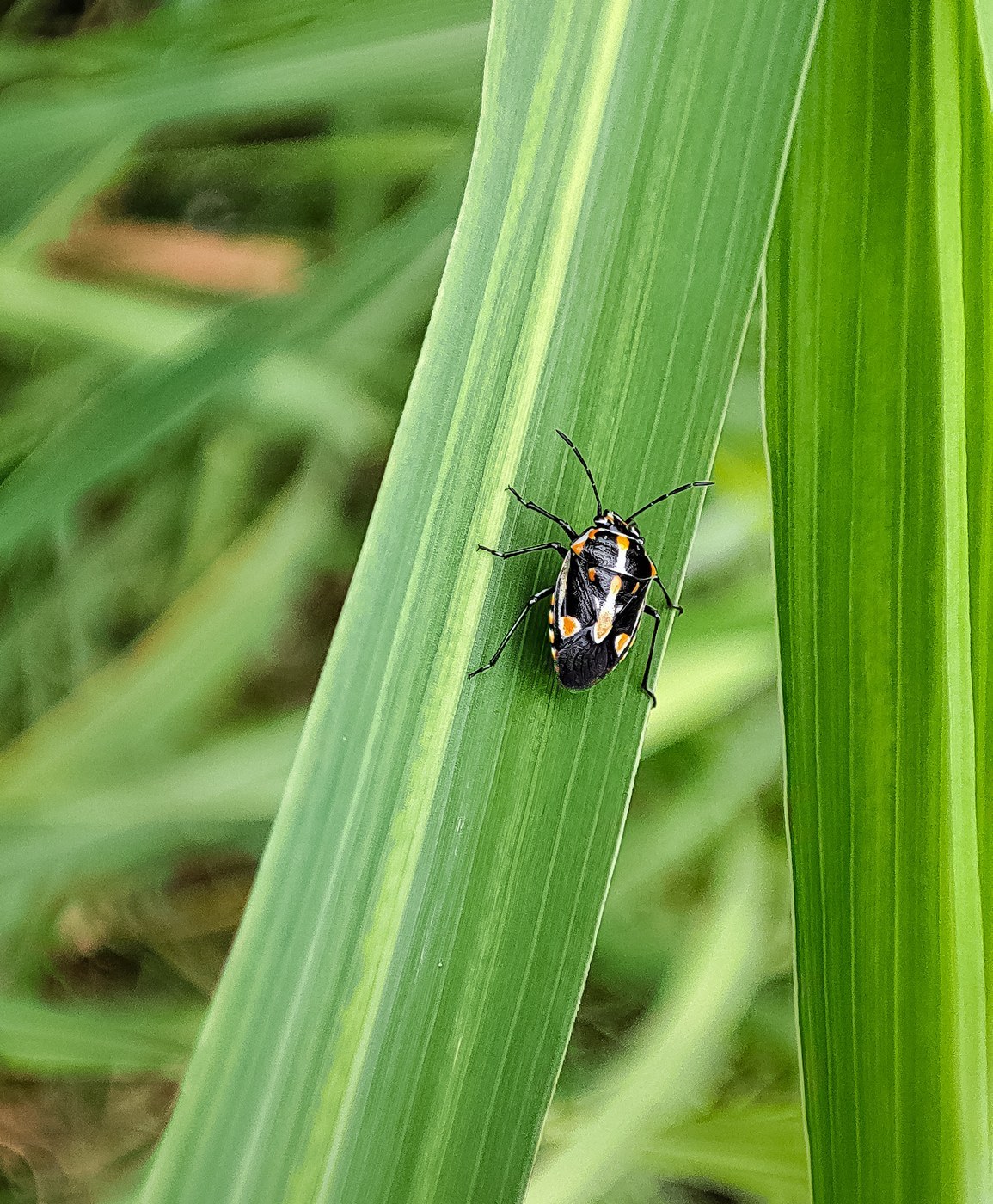
Bagrada Bug
Arid gardens, crucifer fields, desert-adjacent croplands
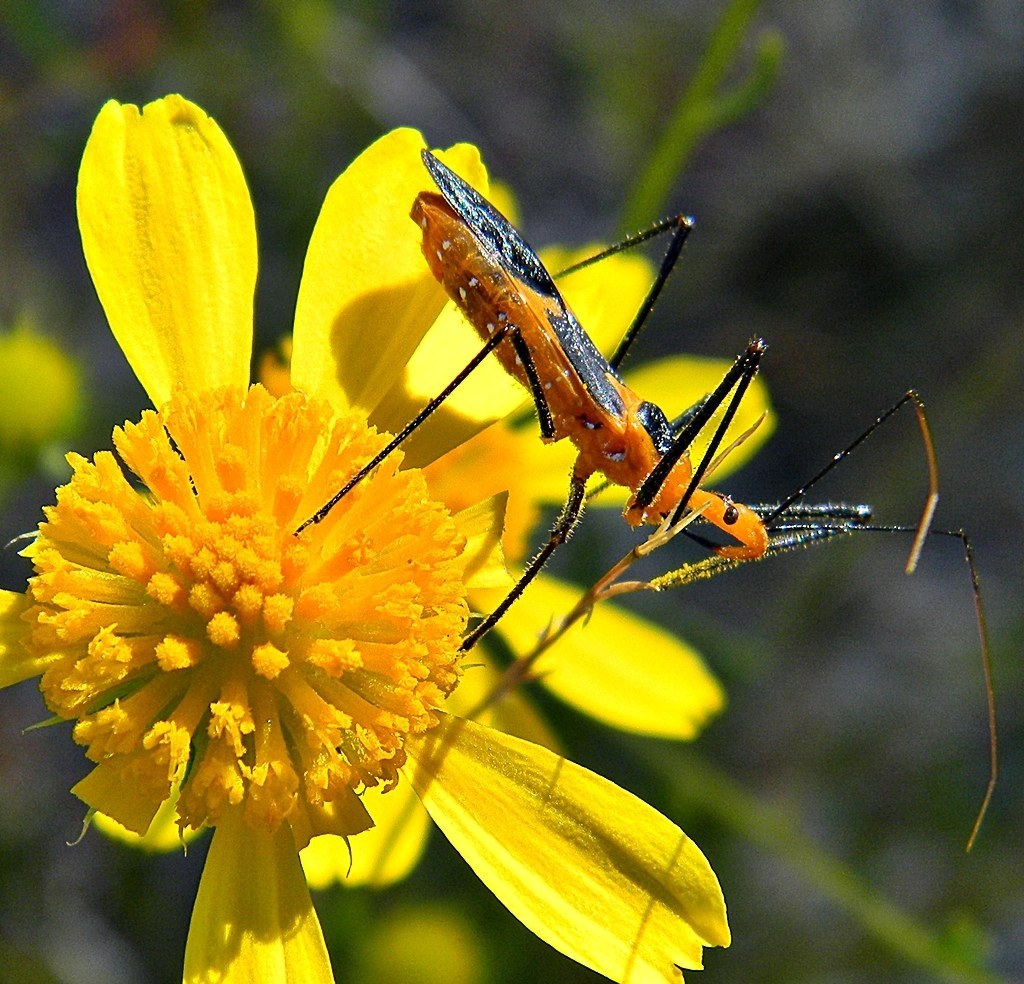
Assassin Bug
Gardens, meadows, and vegetation worldwide
Water Boatman Bug
Ponds, lakes, and slow-moving freshwater
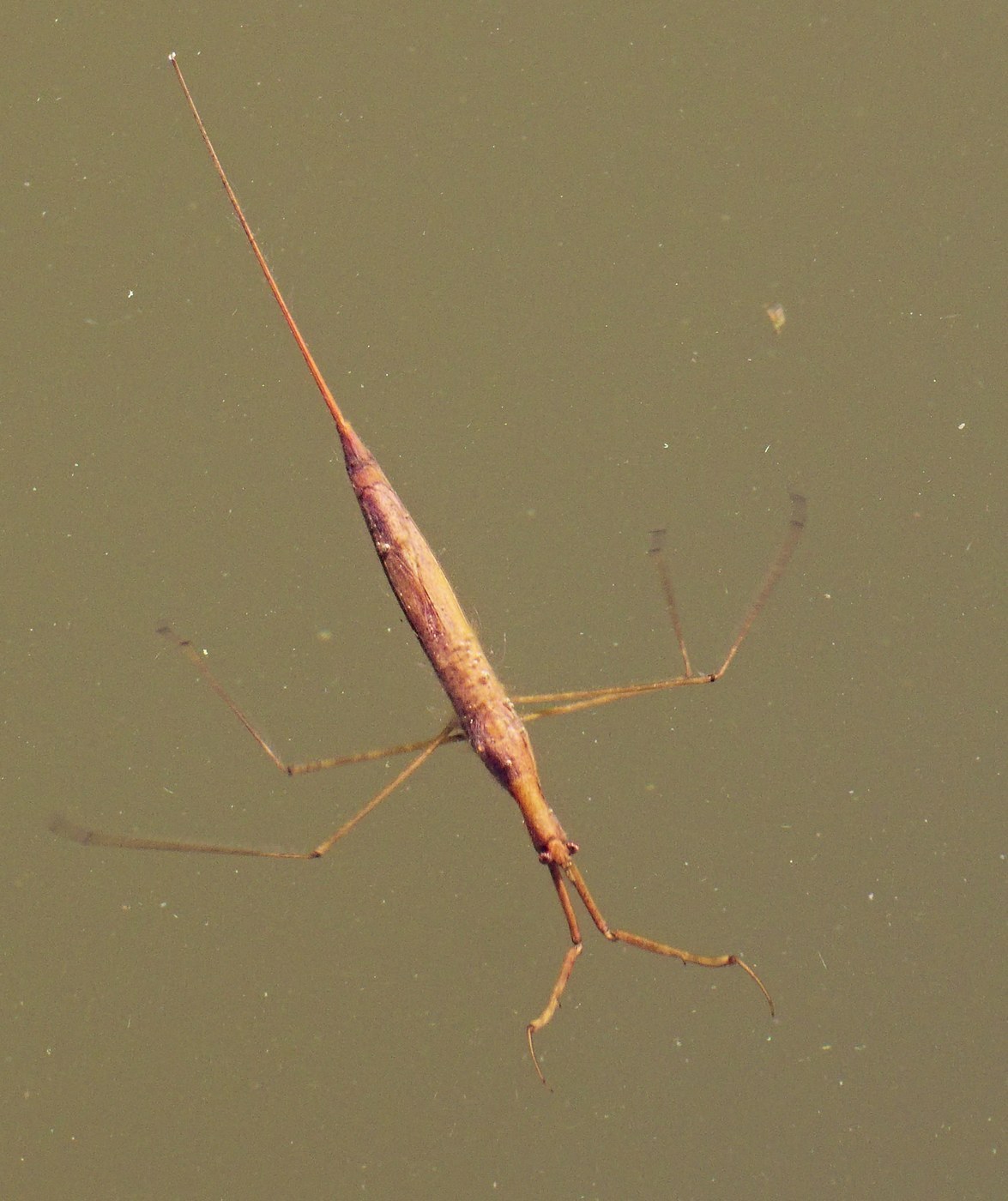
Water Stick Insect
Still and slow-moving water with dense submerged vegetation
Rough Stink Bug
Tree bark, woodlands, orchards, and shrubby vegetation
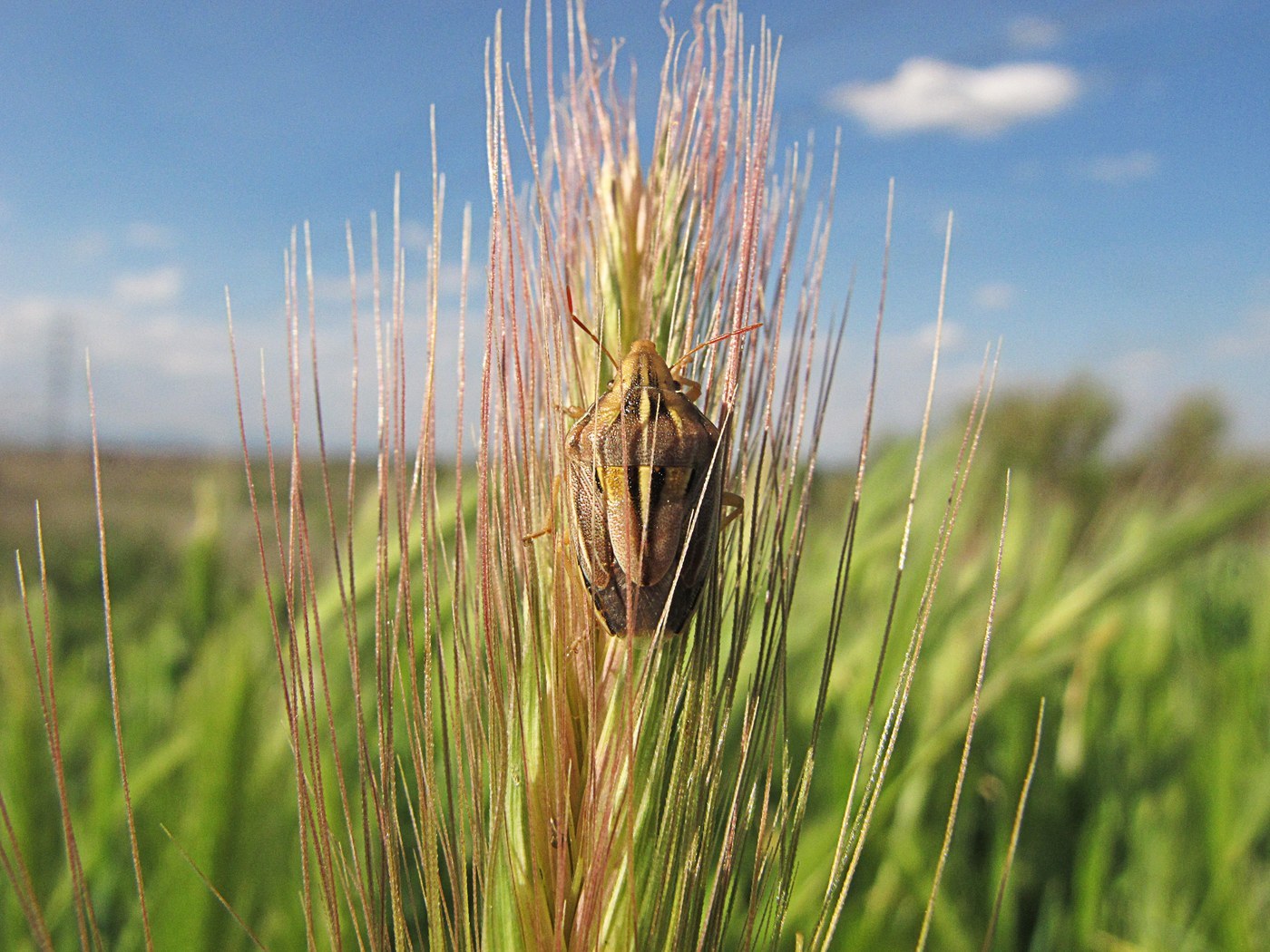
Stink Bug
Gardens, crop fields, and woodlands across temperate and subtropical regions
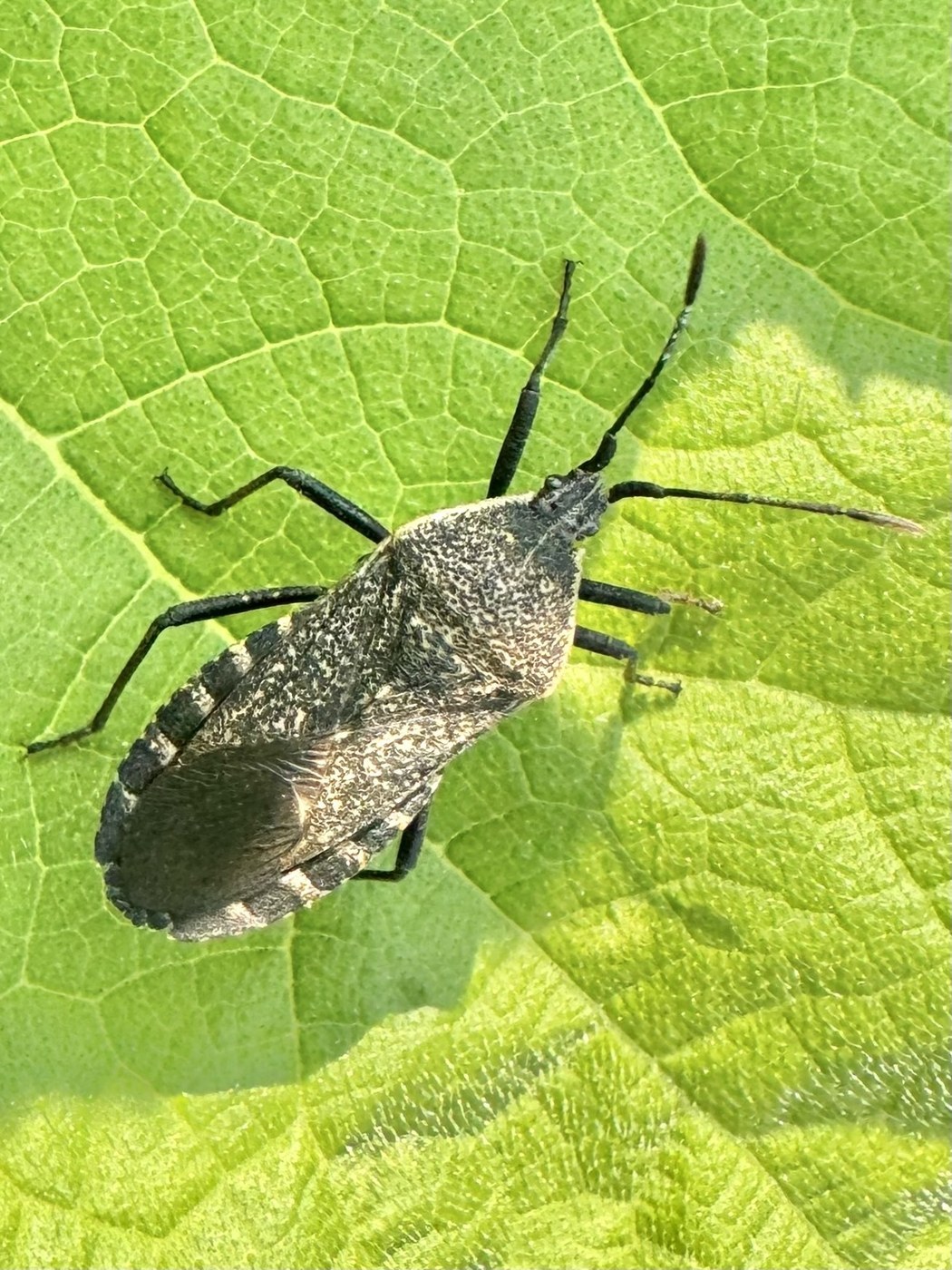
Squash Bug
Vegetable gardens and farm fields growing squash, pumpkin, and other cucurbits
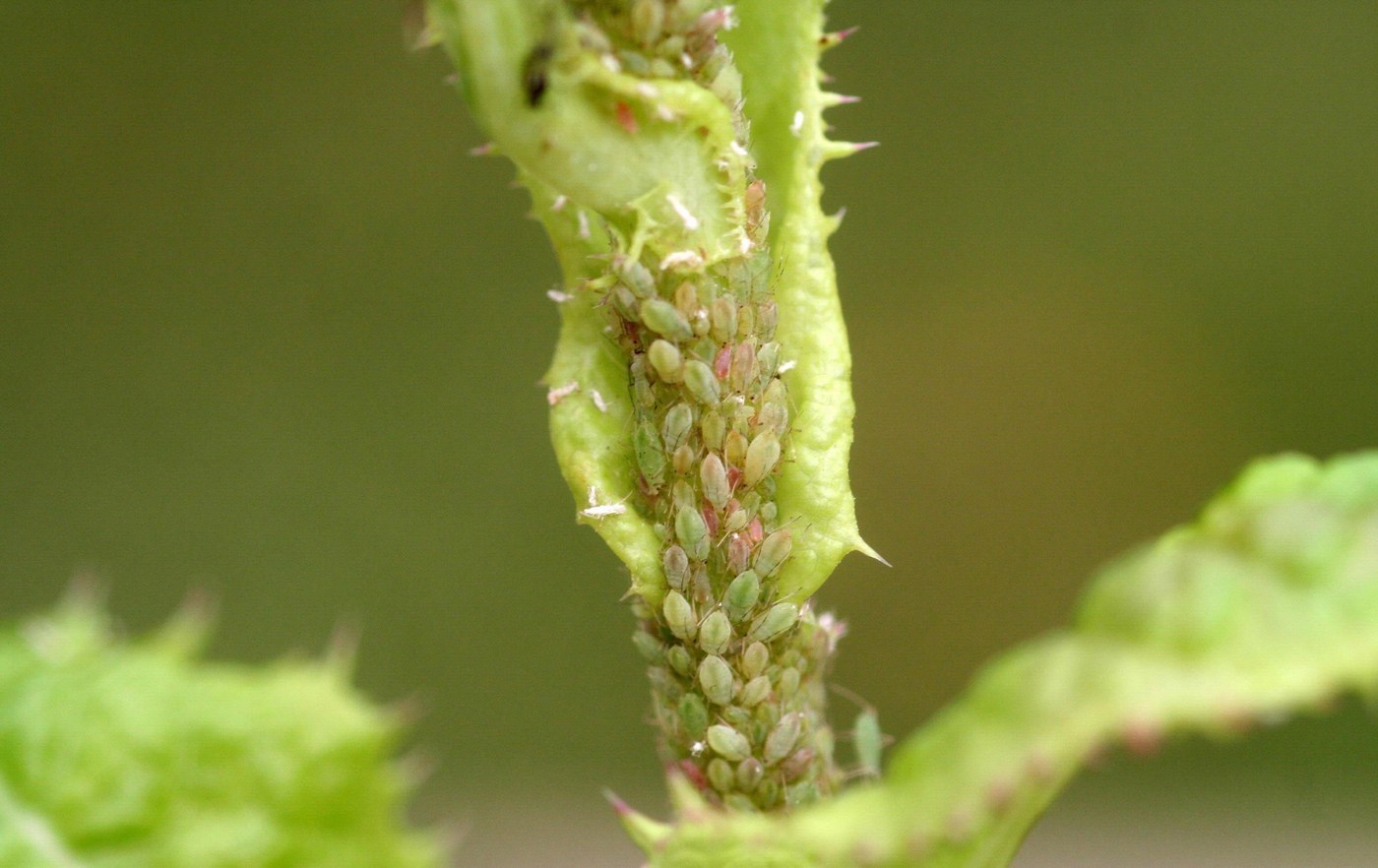
Aphid
On stems, leaves, and buds of a very wide range of host plants
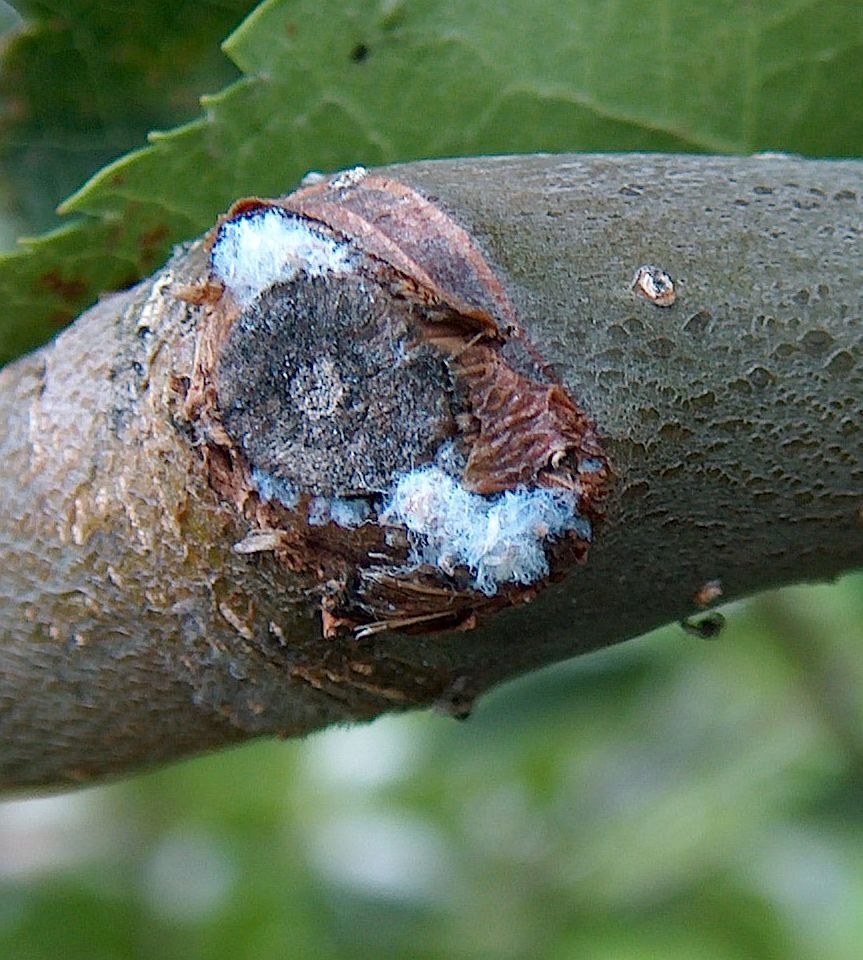
Woolly Aphid
Bark crevices, root collars, and twigs of apple, elm, and alder trees
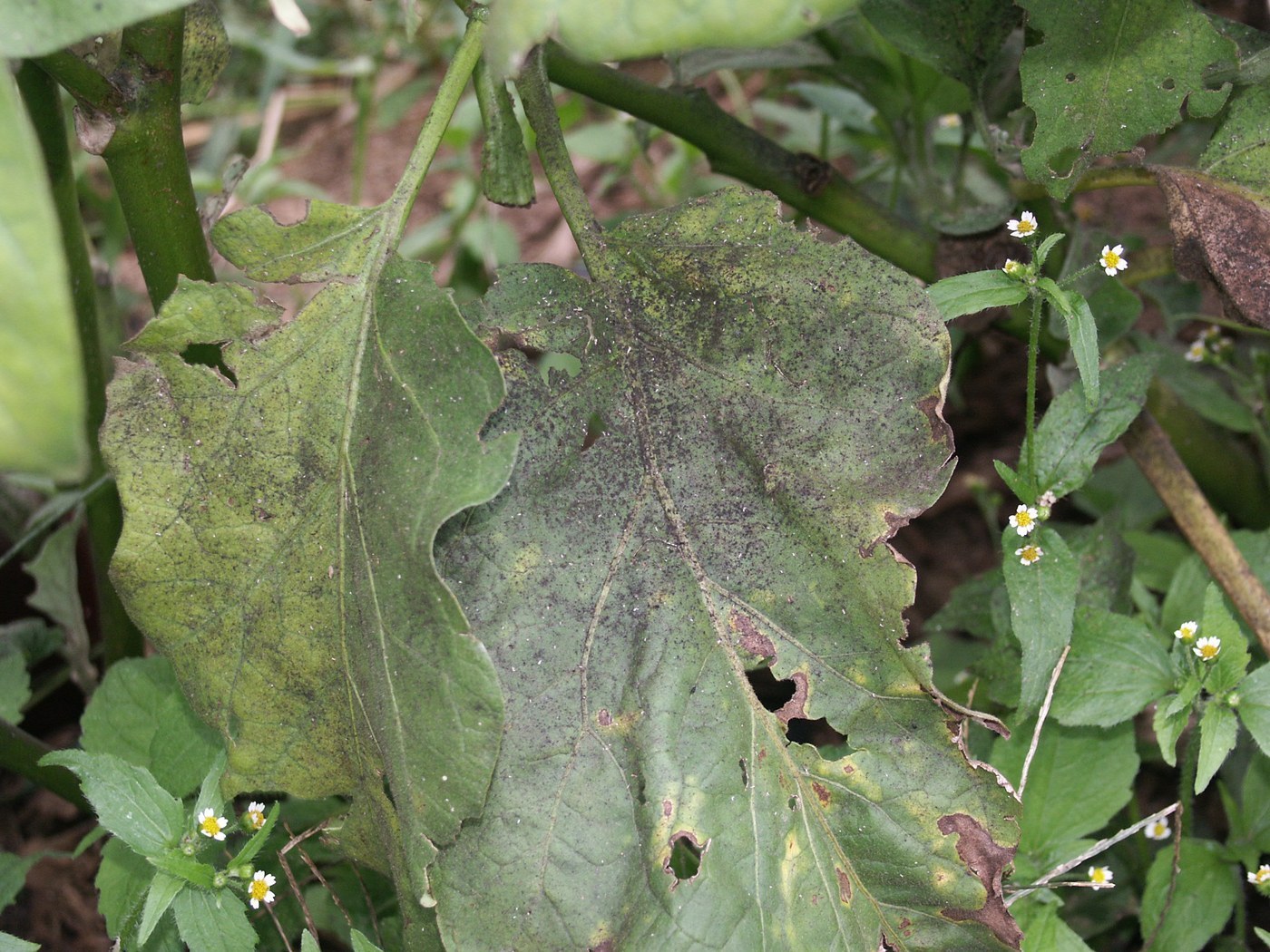
Whitefly
Greenhouses, gardens, and undersides of leaves on host plants
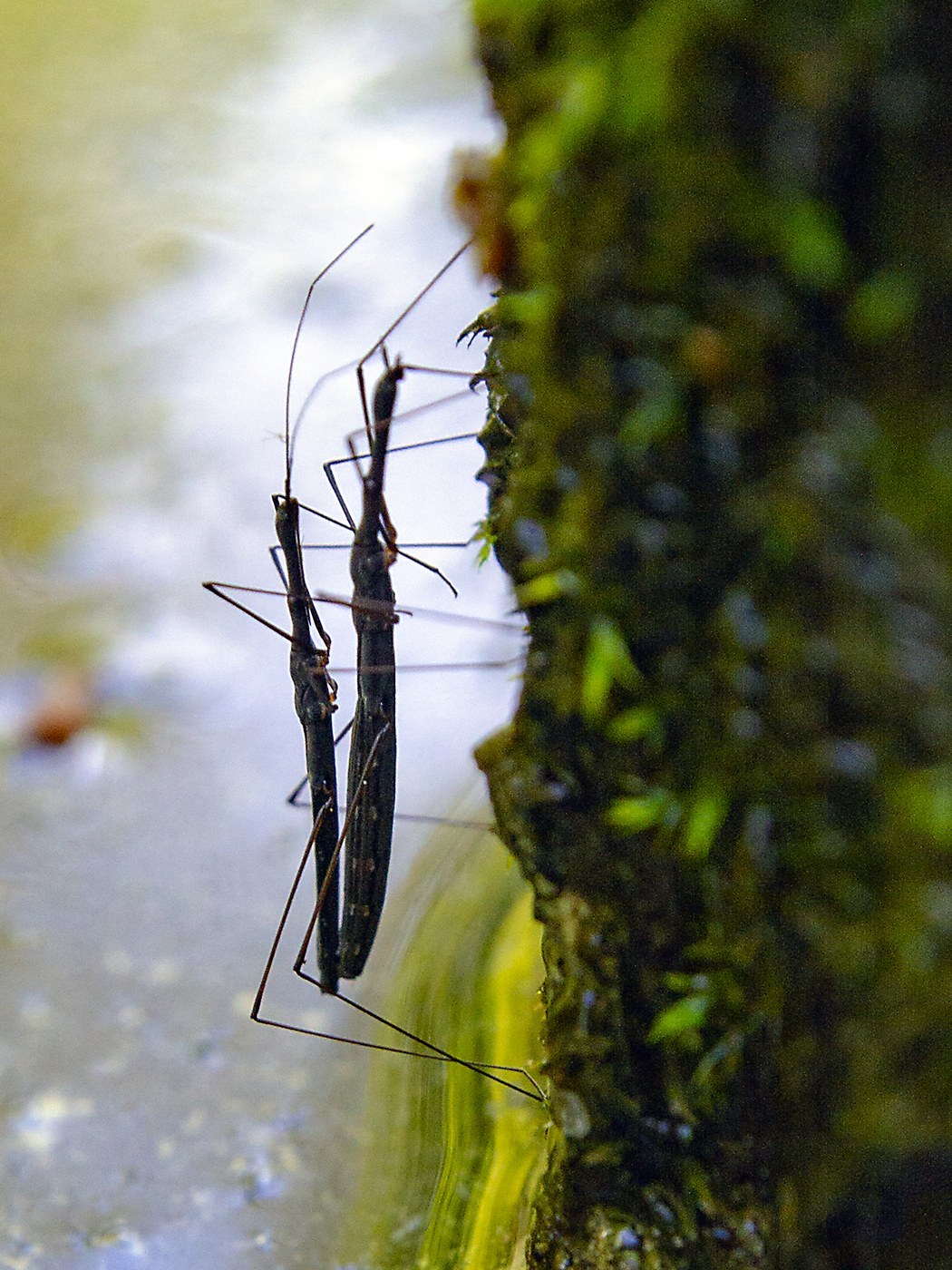
Water Measurer
Quiet edges of ponds, marshes, and slow streams
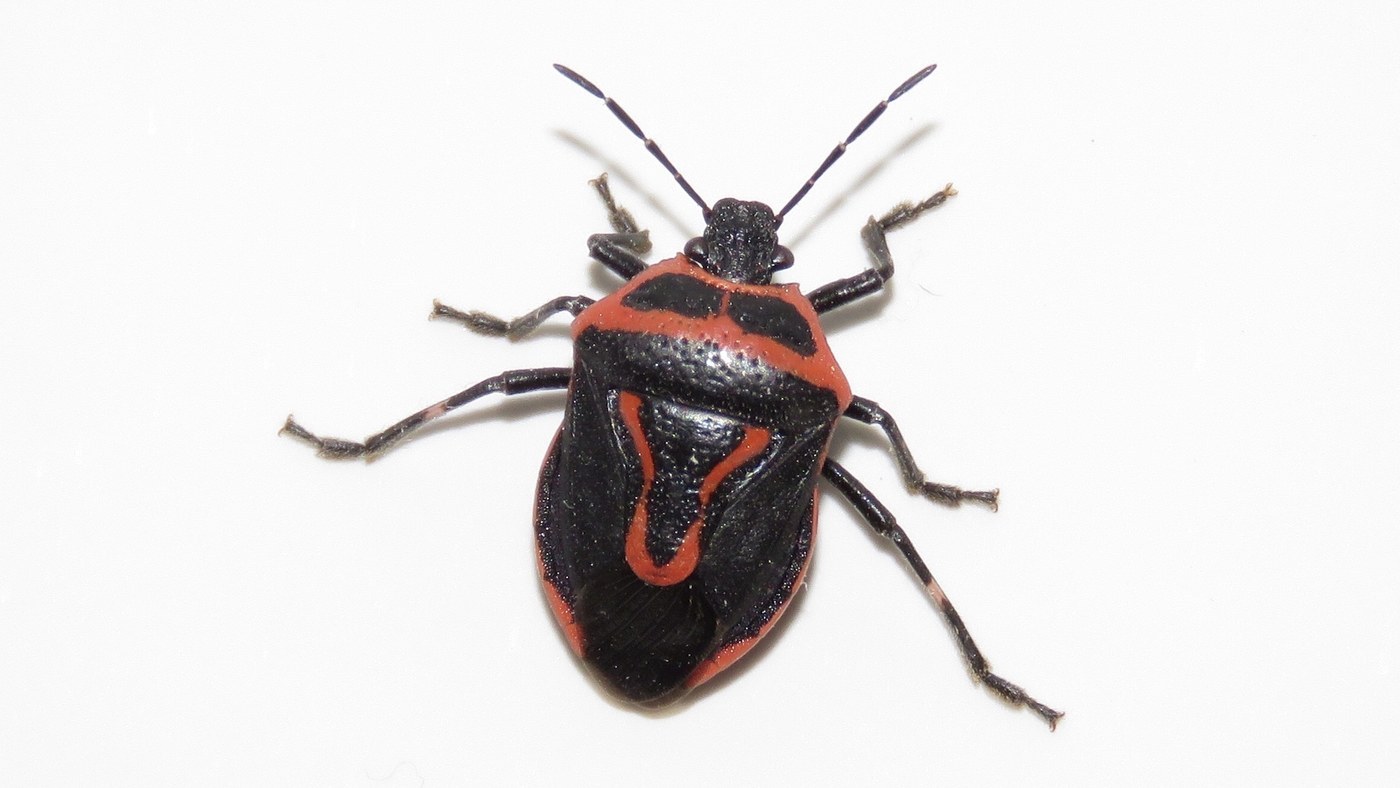
Two-Spotted Stink Bug
Gardens and fields with potato and nightshade-family plants