
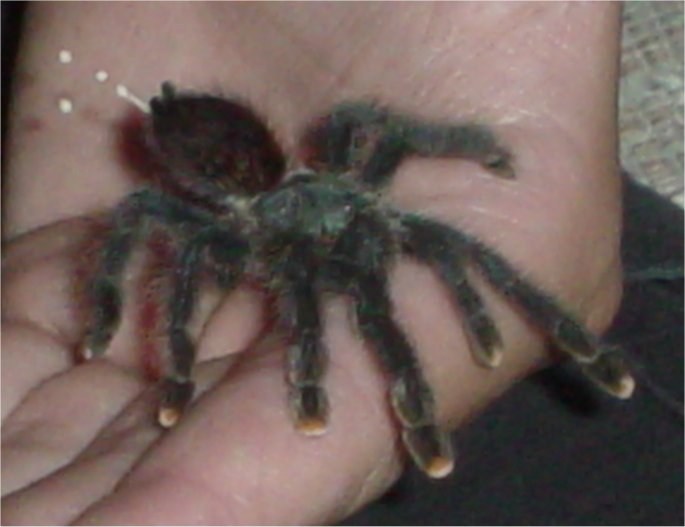
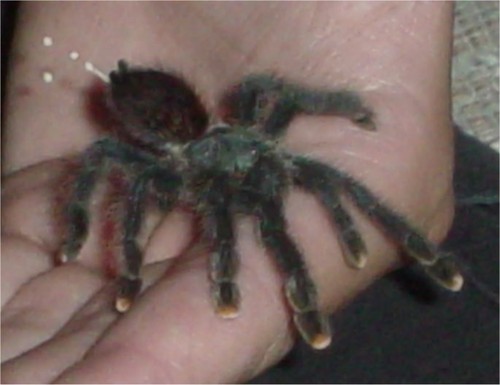
Pink Toe Tarantula
Avicularia avicularia
An agile, tree-dwelling tarantula with a dark velvety body and distinctive pale pink tips on its feet, the pink toe spends nearly its entire life above ground, spinning silk retreats among leaves and bark high in the rainforest canopy.
- Size
- Body 4.5-6 cm; leg span up to 13 cm
- Habitat
- Tree trunks and canopy foliage in tropical rainforests of South America and the Caribbean
- Danger
- Mildly venomous
Spotted a bug like this?
Identify any bug or insect from a photo, free.
Overview
The pink toe tarantula is an arboreal species native to the tropical rainforests of northern South America and parts of the southern Caribbean, including Trinidad and Tobago. Unlike the many ground-burrowing tarantulas found across the Americas, it is adapted to life in trees, with a slender, agile body suited to climbing bark and foliage rather than digging. Its dark brown to black body is contrasted by strikingly pale pink to cream-colored tips on the ends of its legs, giving the species its common name.
This tarantula constructs silk retreats in tree hollows, bark crevices, or dense foliage rather than digging a burrow, using silk both as a shelter lining and as a means of anchoring itself while climbing. Juveniles in particular are proficient climbers and can move quickly through vegetation, a trait less common among the generally slower, ground-dwelling tarantula species found elsewhere in the Americas.
As an arboreal ambush predator, the pink toe tarantula preys mainly on flying and climbing insects it encounters in the forest canopy and understory, playing a role in regulating arthropod populations within its tropical forest habitat.
How to Identify
- Slender, agile body compared to bulkier ground-dwelling tarantulas, dark brown to black overall
- Distinctive pale pink, cream, or salmon-colored tips on the tarsi (feet) of all legs
- Fine hairs covering the body, with a somewhat iridescent sheen in certain light
- Builds silk tube retreats in bark crevices, tree hollows, or foliage rather than digging a ground burrow
- Lookalikes: other Avicularia species (similar coloring and arboreal habits, distinguished by subtle color and range differences)
Habitat & Range
Native to tropical rainforests of northern South America, including parts of Brazil, Venezuela, Guyana, Suriname, French Guiana, and the island of Trinidad. It lives almost entirely above ground, in tree trunks, bark crevices, epiphytes, and dense canopy foliage in humid, warm forest habitat.
Behavior & Diet
This tarantula is an arboreal ambush predator, remaining within a silk-lined retreat in bark or foliage during the day and becoming active at night to hunt insects moving through the canopy and understory. It relies on agility and quick reflexes to capture prey while climbing, a contrast to the slower, burrow-bound hunting style of many ground tarantulas. Like other tarantulas, it can flick urticating (barbed, irritating) hairs from its abdomen as a defensive measure, though as an arboreal species it also relies heavily on rapid climbing to escape potential threats.
Life Cycle
Females produce a silken egg sac, often suspended or secured within the arboreal retreat, containing numerous eggs that she guards closely. Spiderlings emerge and disperse into the surrounding vegetation, where they begin building their own small silk retreats high off the ground. Growth occurs through a series of molts over a few years, with females again outliving males considerably; captive females have been documented living a decade or more, while males typically live only a year or two past maturity.
Frequently asked questions
Why is it called the pink toe tarantula?
The tips of its legs are a distinctive pale pink, cream, or salmon color that contrasts sharply with its otherwise dark body, giving the species its common name.
Does the pink toe tarantula dig a burrow like other tarantulas?
No, it is an arboreal species that lives in trees, building silk retreats in bark crevices, tree hollows, and foliage rather than digging into the ground.
What does the pink toe tarantula eat?
It preys mainly on flying and climbing insects that it encounters while hunting in the forest canopy and understory at night.
Where is the pink toe tarantula found?
It is native to tropical rainforests of northern South America and the island of Trinidad, living high in trees rather than on the ground.
Pink Toe Tarantula guides
In-depth guides for identifying, understanding, and living alongside Pink Toe Tarantula.
Other bugs you may enjoy
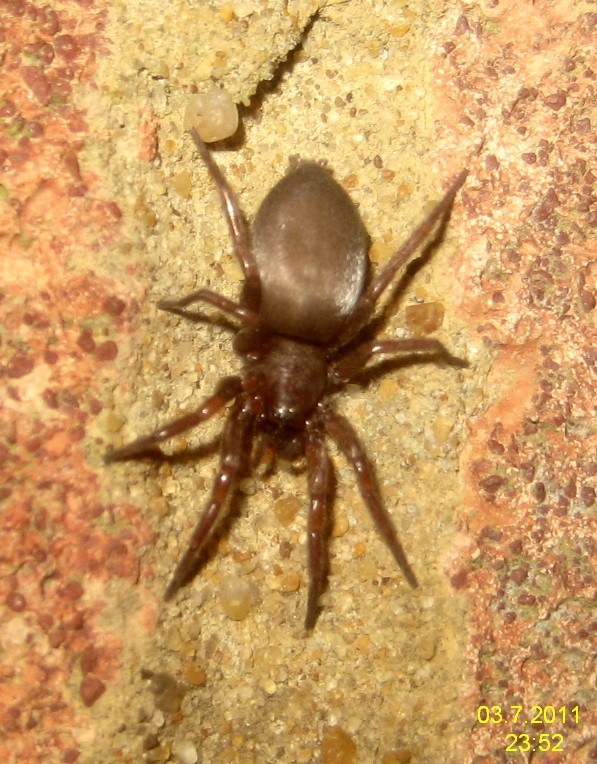
Woodlouse Spider
Damp leaf litter, under logs, stones, and mulch
Wolf Spider
Gardens, grasslands, forests, leaf litter, ground burrows
Wandering Spider
Tropical and subtropical forest floor, foliage, and banana plants
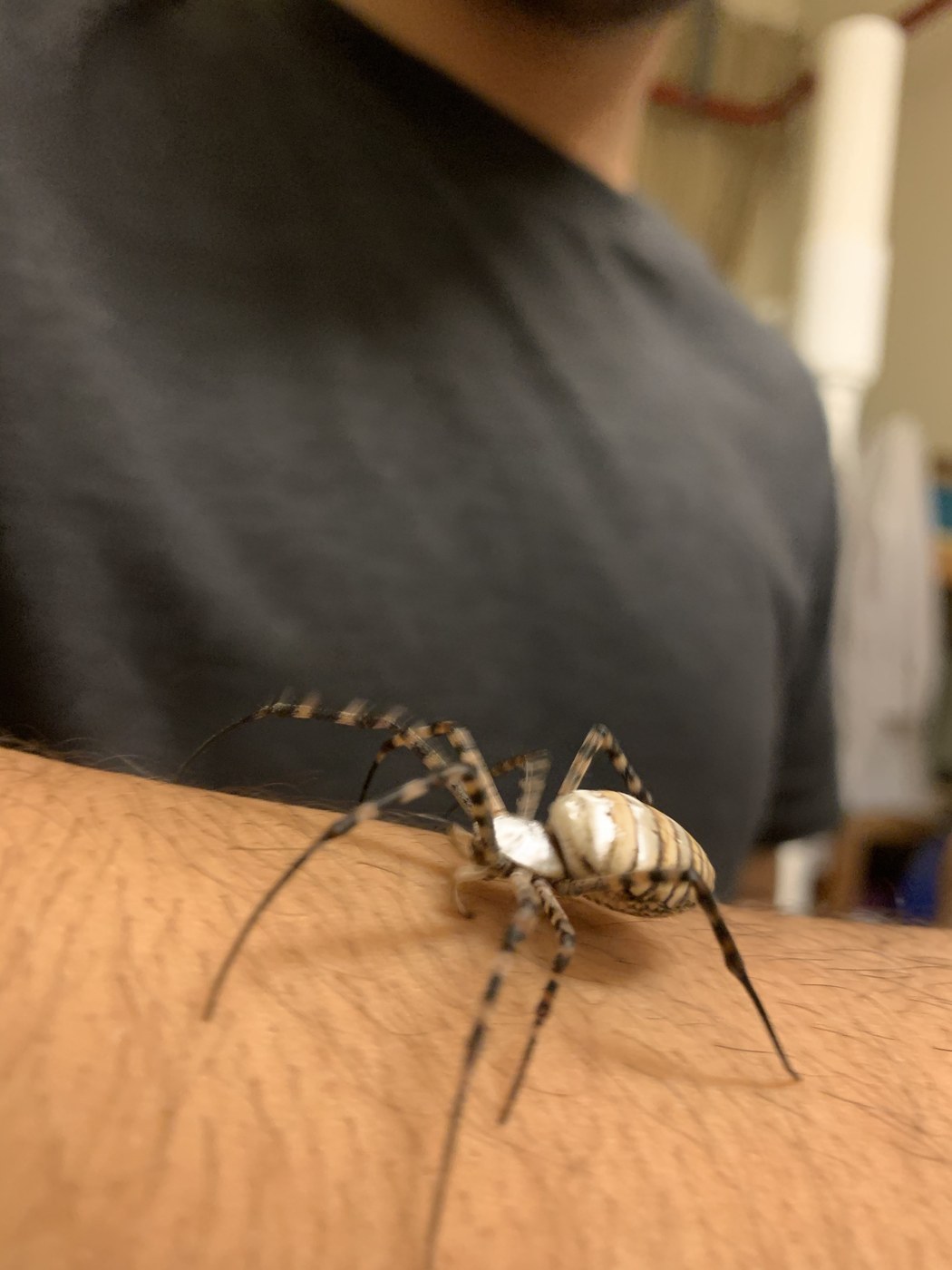
Banded Garden Spider
Tall grass, meadows, and gardens with open sunny vegetation
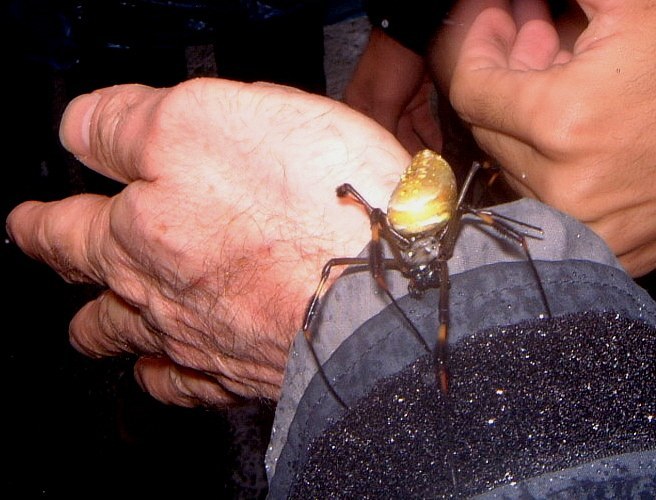
Banana Spider
Wooded trails, forest edges, and gardens across the southeastern U.S. and the American tropics
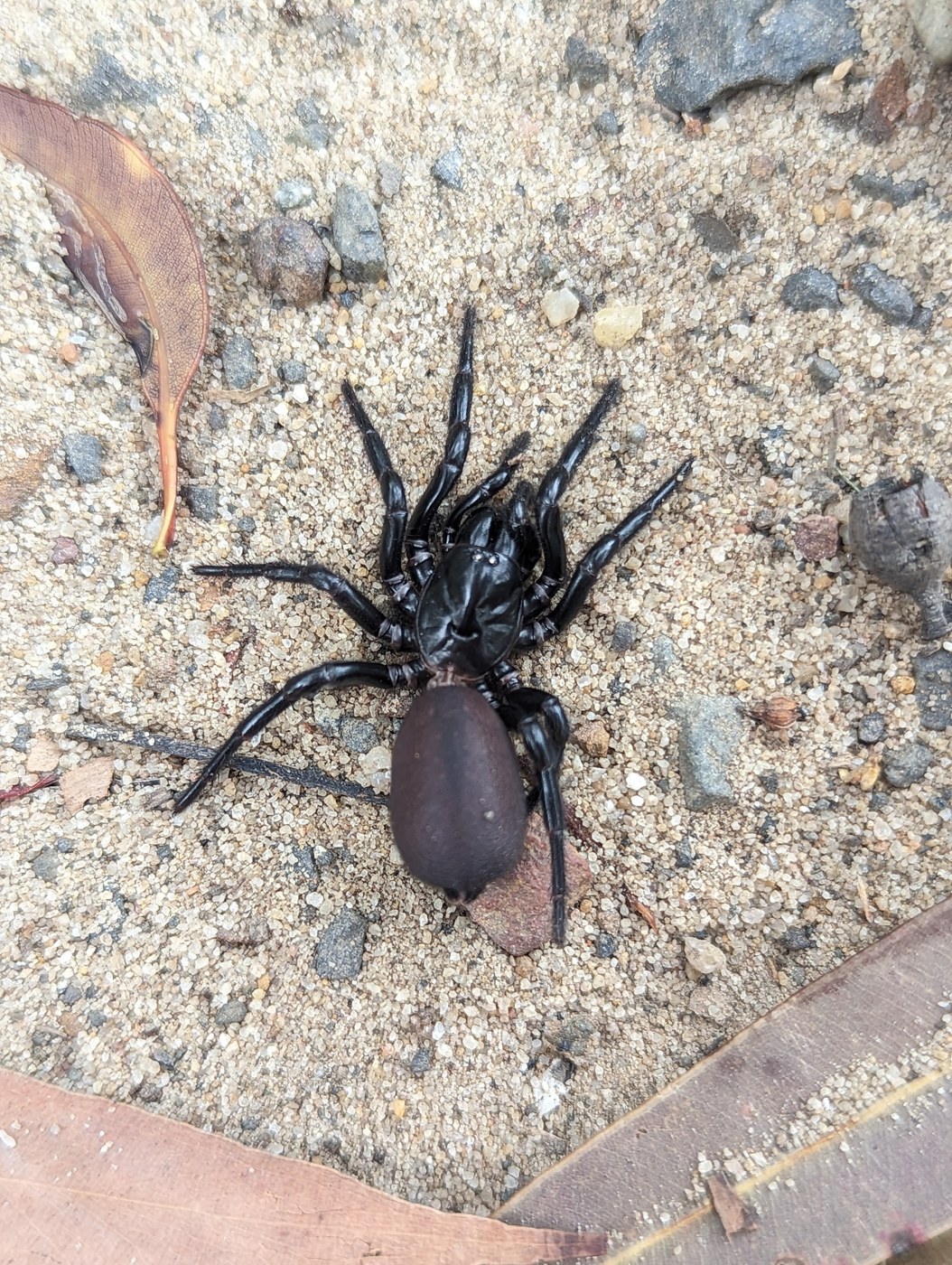
Sydney Funnel-web Spider
Burrows in moist soil, gardens, and forested gullies around the Sydney basin of eastern Australia
Trapdoor Spider
Self-dug silk-lined burrows with a camouflaged door, in dry, well-drained soil worldwide
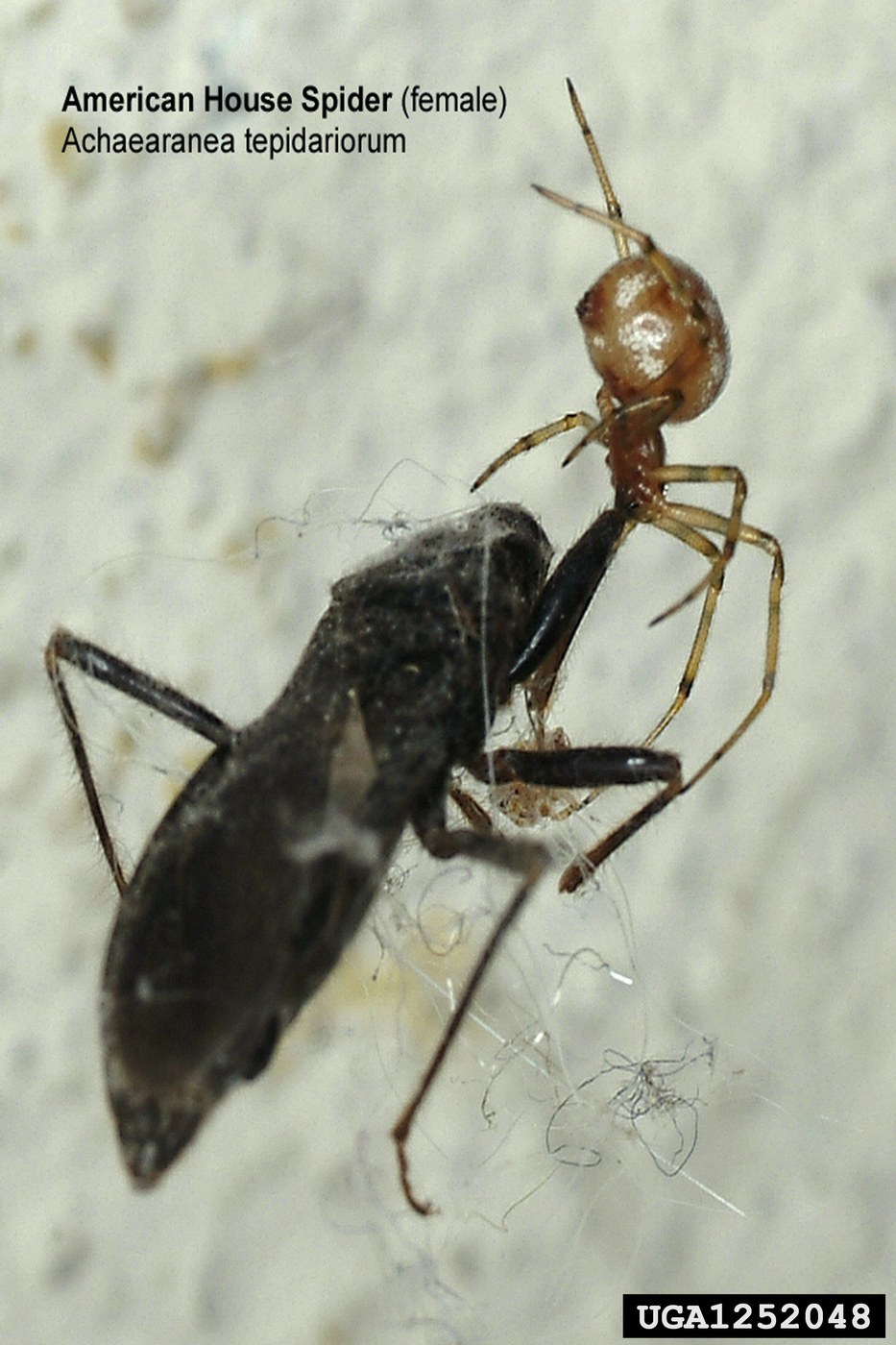
American House Spider
Corners, basements, garages, and outbuildings worldwide
Tube Web Spider
Wall crevices, bark, rockeries, and masonry
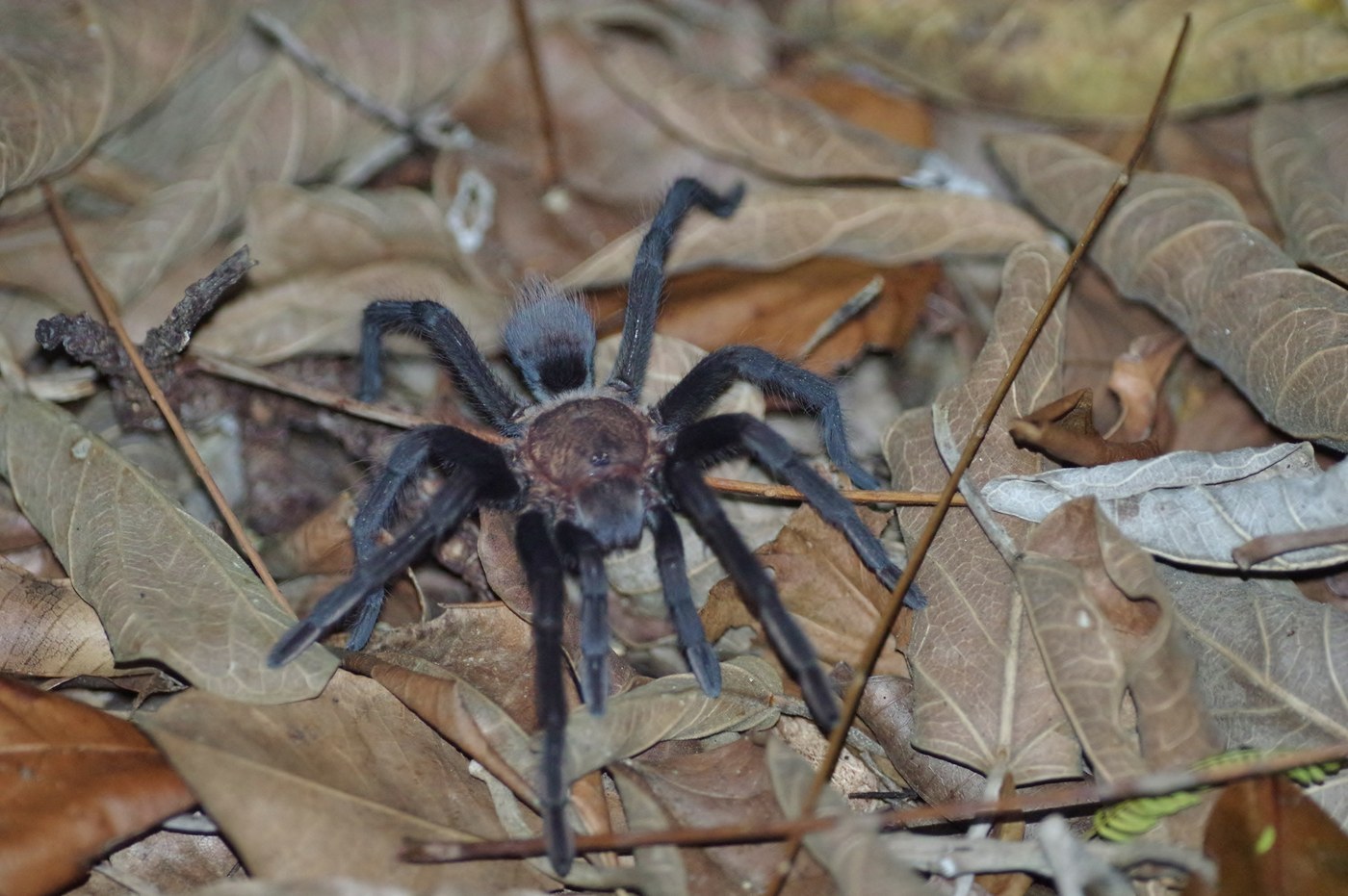
Tarantula
Burrows, rock crevices, and tree hollows in deserts, grasslands, and tropical forests worldwide
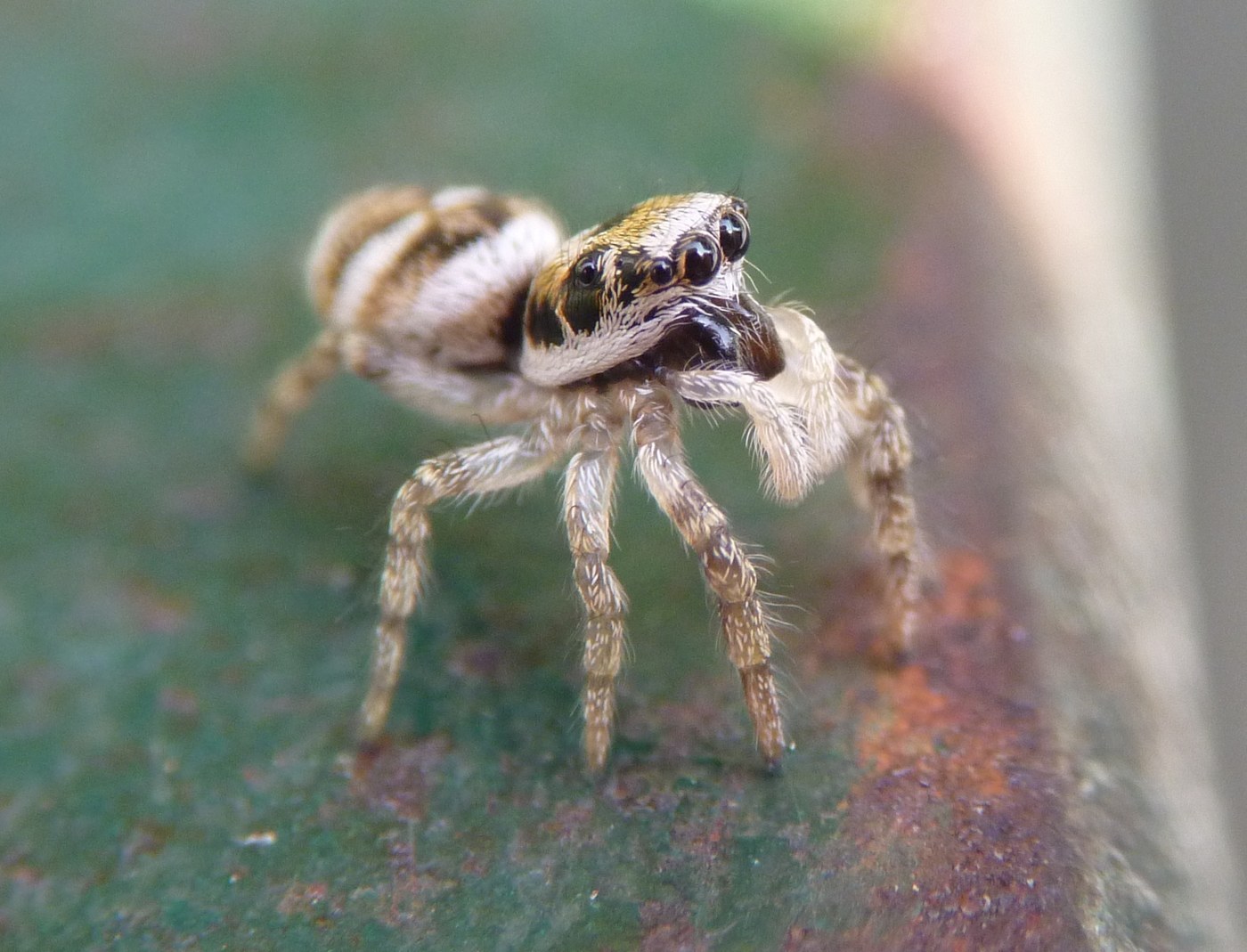
Zebra Jumping Spider
Sunny walls, fences, tree bark, and building exteriors
Wall Spider
Cracks and crevices on exterior and interior walls