
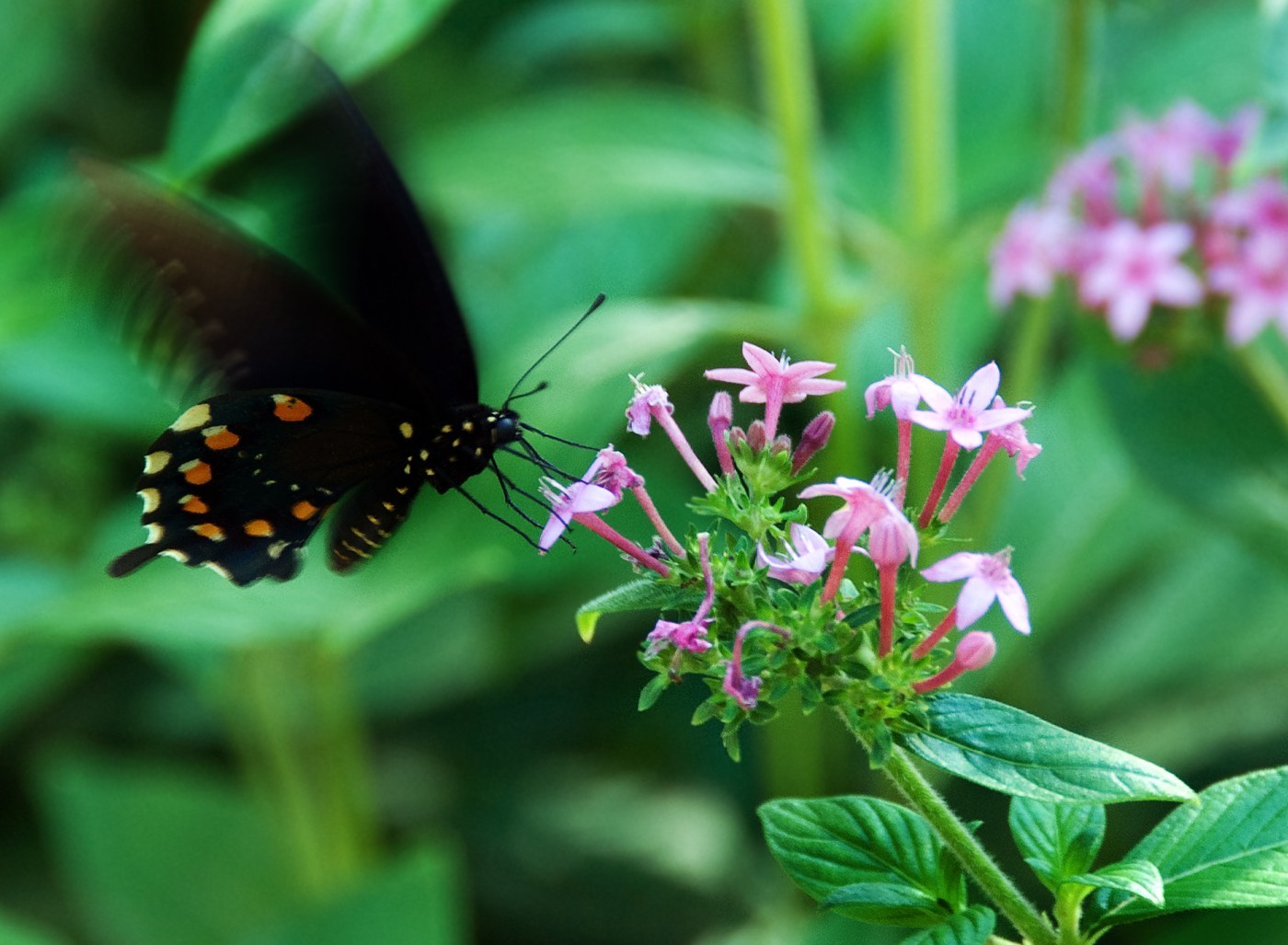
Pipevine Swallowtail
Battus philenor
A striking black swallowtail with iridescent blue-green hindwings and a row of round orange spots beneath, whose toxin-sequestering caterpillars make it a model for several butterfly mimics.
- Size
- 2.75–5 in wingspan
- Habitat
- Woodland edges, gardens, streamsides, open fields
- Danger
- Harmless
Spotted a bug like this?
Identify any bug or insect from a photo, free.
Overview
The Pipevine Swallowtail is a member of the swallowtail family Papilionidae, distinguished within its genus Battus by the brilliant iridescent blue-green sheen that washes across the hindwings, especially prominent in males. It occurs across much of the southern and eastern United States, extending into Mexico and Central America.
Ecologically, the species is famous as the chemical basis for a well-documented case of Batesian mimicry: because its caterpillars feed exclusively on pipevine plants and sequester bitter aristolochic acid compounds, adult Pipevine Swallowtails are avoided by predators, and several unrelated species — including dark-form female Eastern Tiger Swallowtails, Black Swallowtails, Spicebush Swallowtails, and the Red-spotted Purple — have evolved similar black-and-blue coloring to gain protection by resembling it.
This makes the Pipevine Swallowtail an important reference species in the study of butterfly coloration, predator avoidance, and mimicry complexes in North American ecosystems.
How to Identify
- Upperside is black overall, with males showing a strong iridescent blue-green shimmer across the hindwings; females show a duller, more restricted blue sheen.
- Underside hindwing displays a striking row of large, round orange spots set within an iridescent blue field, bordered by black.
- Wings are broad with the characteristic swallowtail hindwing tail; body is black.
- Distinguished from its mimics (dark female Tiger Swallowtail, Black Swallowtail, Spicebush Swallowtail) by the single row of round orange underside spots versus double rows or different spot shapes in the mimic species.
Habitat & Range
Found across the southern and eastern United States, the Southwest, and south through Mexico into Central America; more localized farther north where its host plants are scarce.
Adults favor open woodland edges, streamside corridors, gardens, and fields wherever pipevine (Aristolochia) host plants grow, and are active from spring through fall, with multiple generations in warmer parts of the range.
Behavior & Diet
Adults are active, fairly fast fliers that visit a range of nectar flowers, including thistles, milkweeds, and lantana, and males often patrol low over vegetation searching for females. Caterpillars feed exclusively on pipevine species, sequestering toxic aristolochic acids that persist into the adult stage and confer chemical defense.
This toxicity underpins the species' central role in a mimicry complex, where its black-and-blue warning coloration is copied by several palatable species for protection from predators. The caterpillars are gregarious in early instars and dark reddish-black with fleshy orange-tipped tubercles.
Life Cycle
Females lay clusters of reddish-brown eggs on the leaves and stems of pipevine plants. Caterpillars are dark brownish-black with rows of soft, orange-tipped fleshy spines and feed gregariously when young, later becoming more solitary.
The chrysalis is angular and colored either green or brown depending on the surrounding substrate. The species produces two to three generations per year in the southern part of its range through complete metamorphosis, overwintering as a chrysalis.
Frequently asked questions
Why do so many other butterflies look like it?
Because its caterpillars sequester toxic compounds from pipevine plants that make adults unpalatable to predators, several unrelated species have evolved similar black-and-blue patterns to gain protection through mimicry.
What plant must its caterpillars eat?
Pipevine species in the genus Aristolochia, which is the exclusive larval host plant.
How can I tell it apart from a dark female Tiger Swallowtail?
Check the underside hindwing: the Pipevine Swallowtail shows a single row of large round orange spots in an iridescent blue field, while mimics typically show different spot arrangements.
Where does it overwinter?
As a chrysalis, which can be colored green or brown to match its immediate surroundings.
Pipevine Swallowtail guides
In-depth guides for identifying, understanding, and living alongside Pipevine Swallowtail.
Pipevine Swallowtail identified by the community
Real finds identified with Bug Identifier.
Other bugs you may enjoy
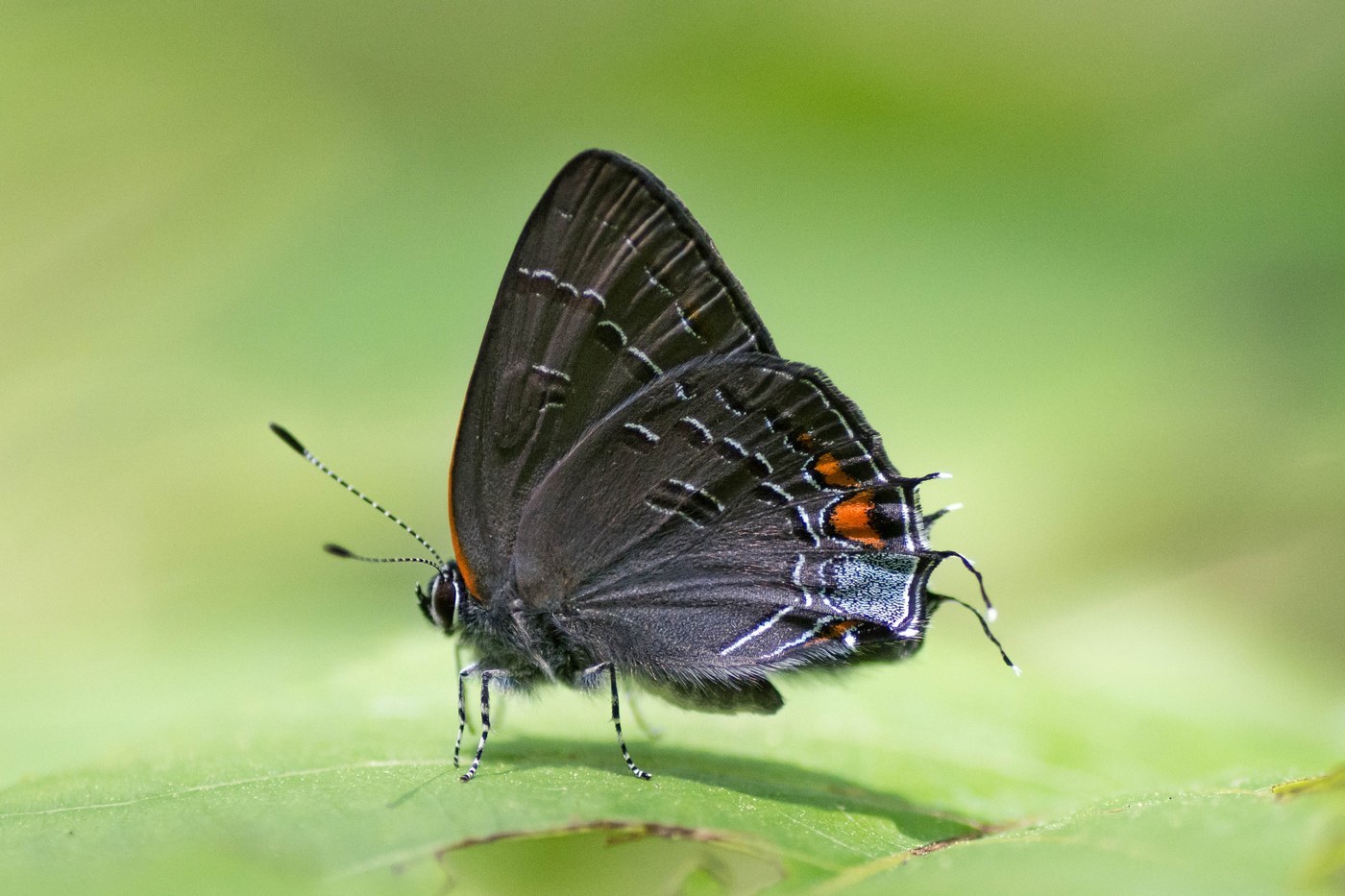
Banded Hairstreak
Deciduous woodlands and edges with oaks and hickories
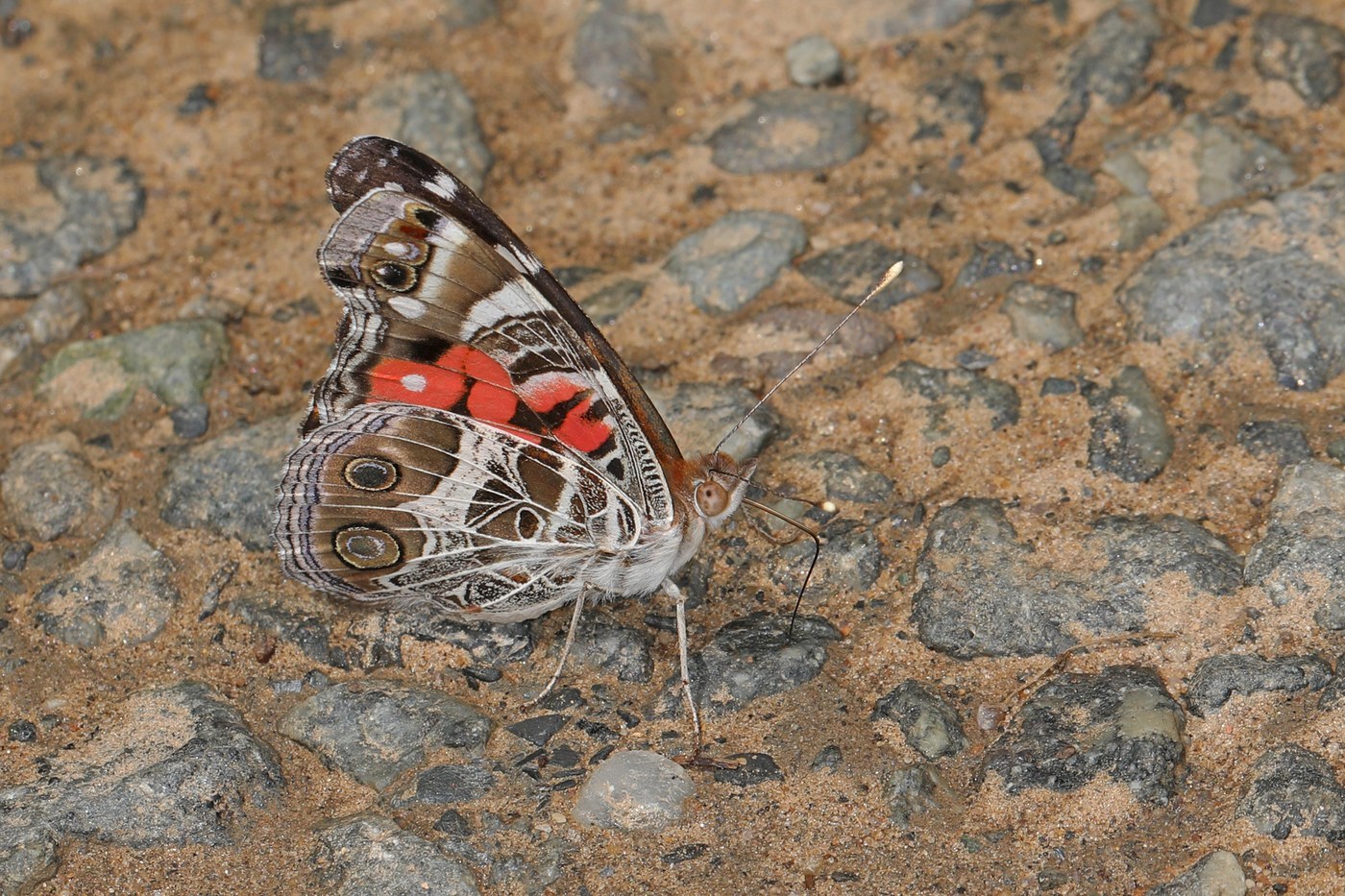
American Lady
Open fields, meadows, gardens, roadsides
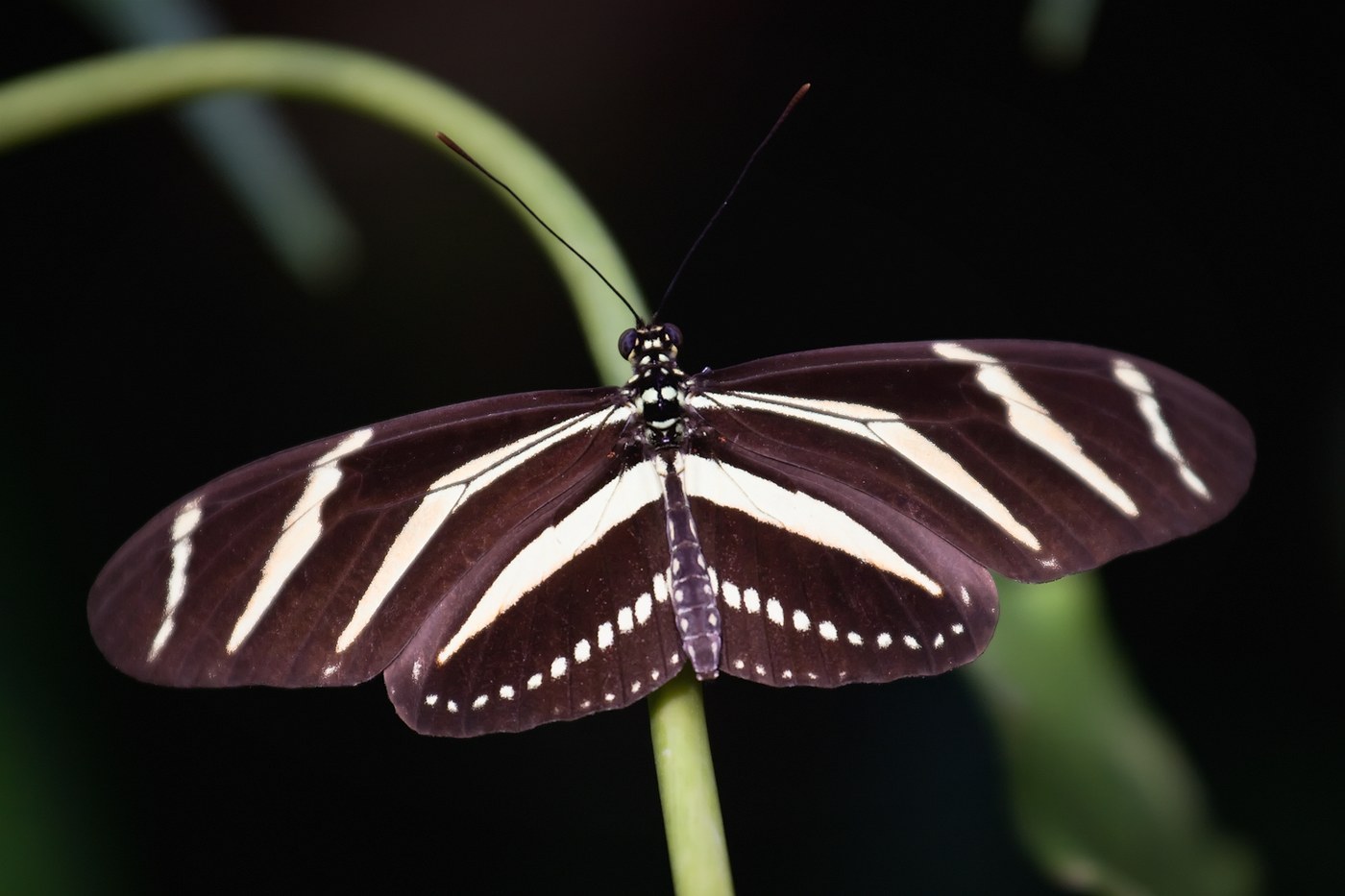
Zebra Longwing
Tropical hammocks, gardens, forest edges
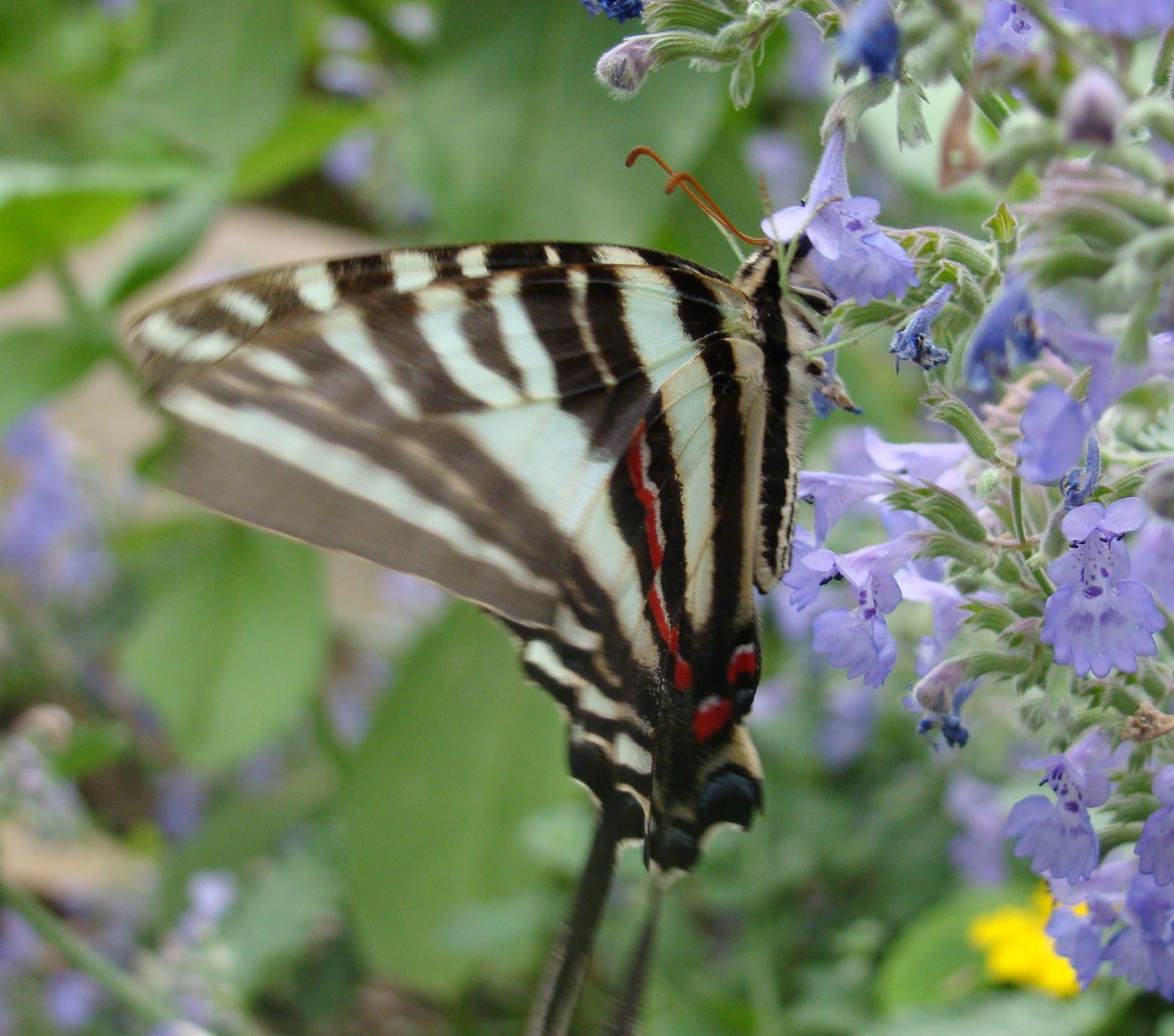
Zebra Swallowtail
Woodlands, floodplains, forest edges near pawpaw
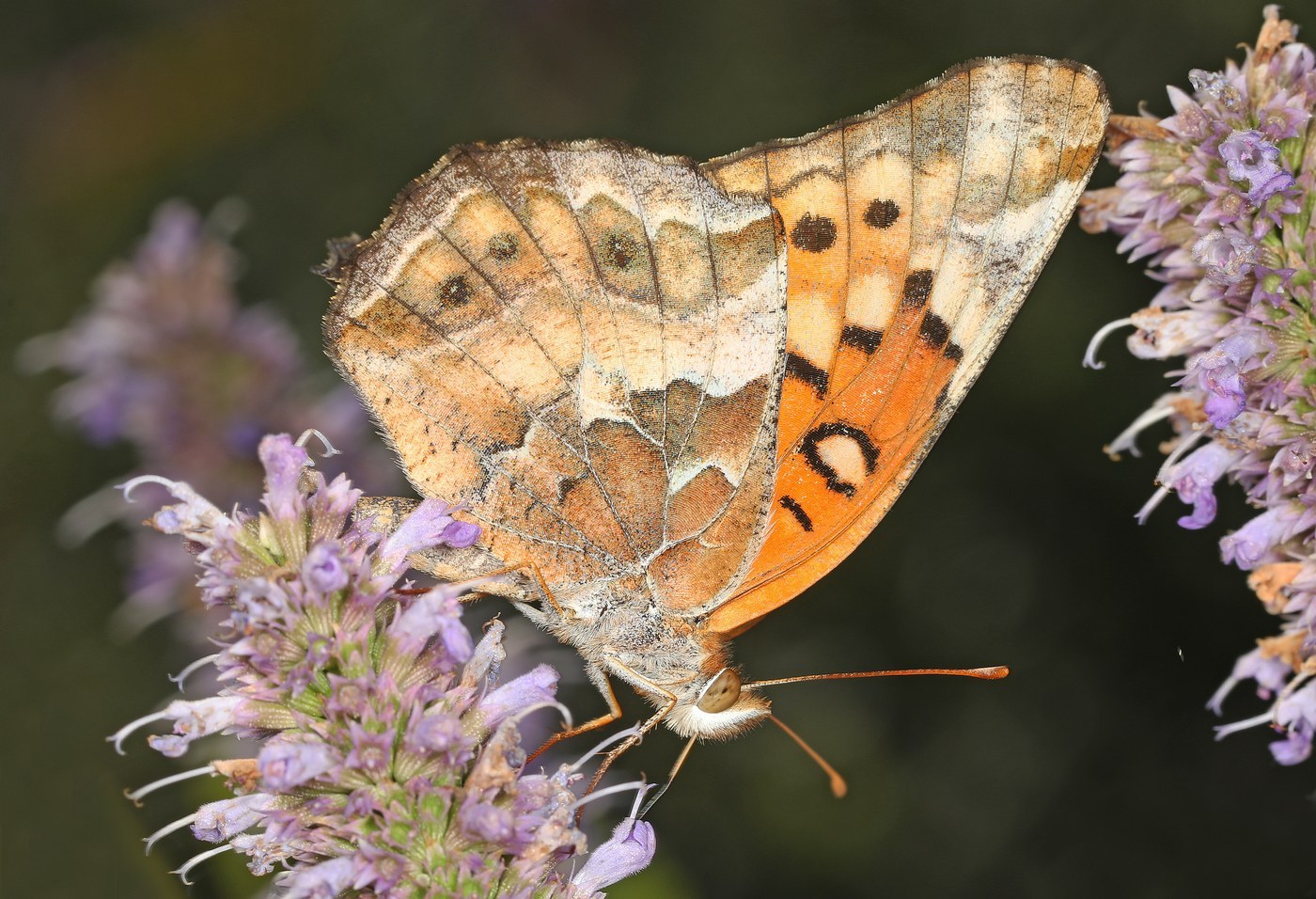
Variegated Fritillary
Open fields, prairies, roadsides, and disturbed ground across most of the United States
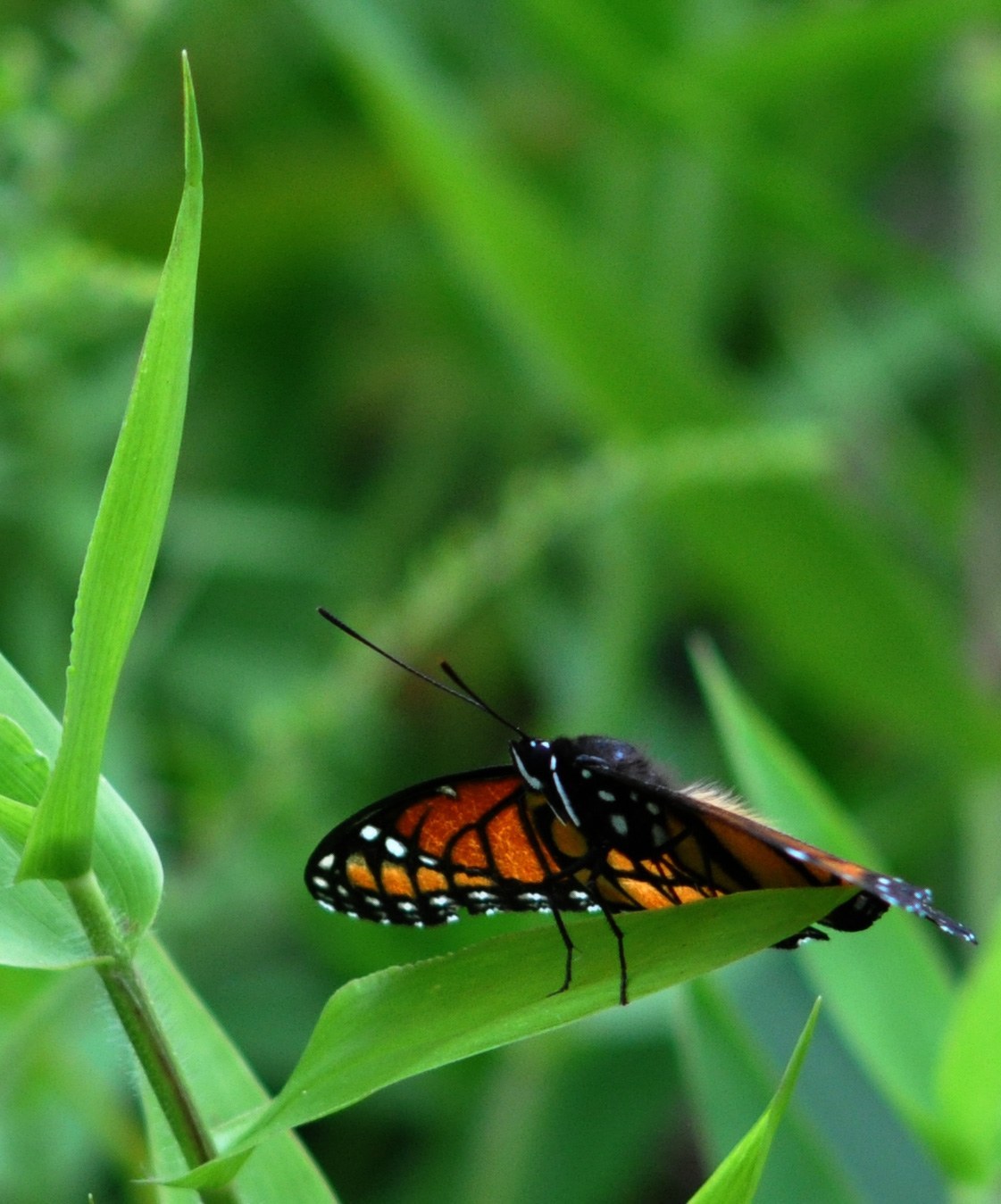
Viceroy Butterfly
Wetlands, meadows, riverbanks, willow thickets (North America)
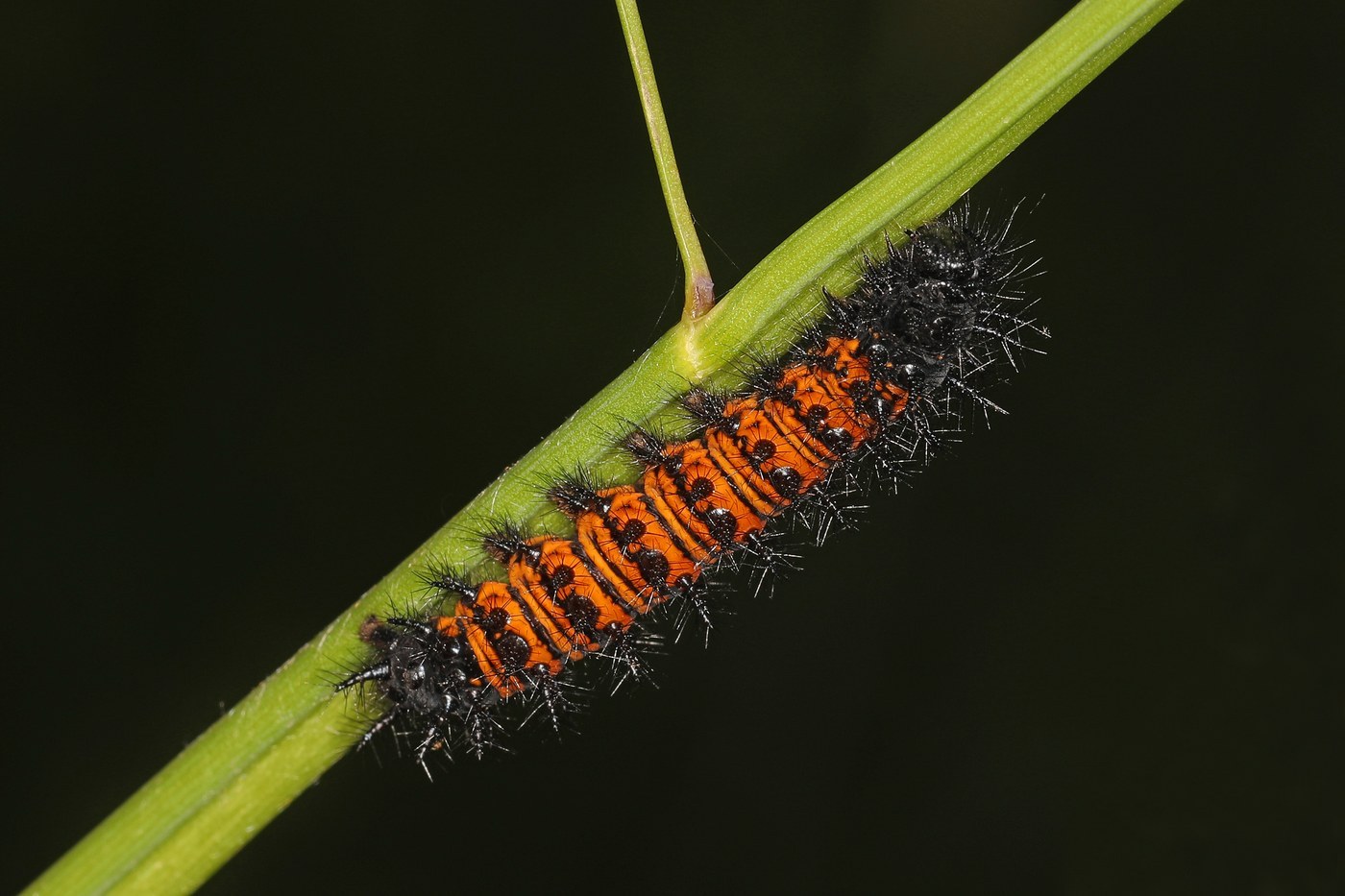
Baltimore Checkerspot
Wet meadows, bogs, and marshy fields in the northeastern and Appalachian US
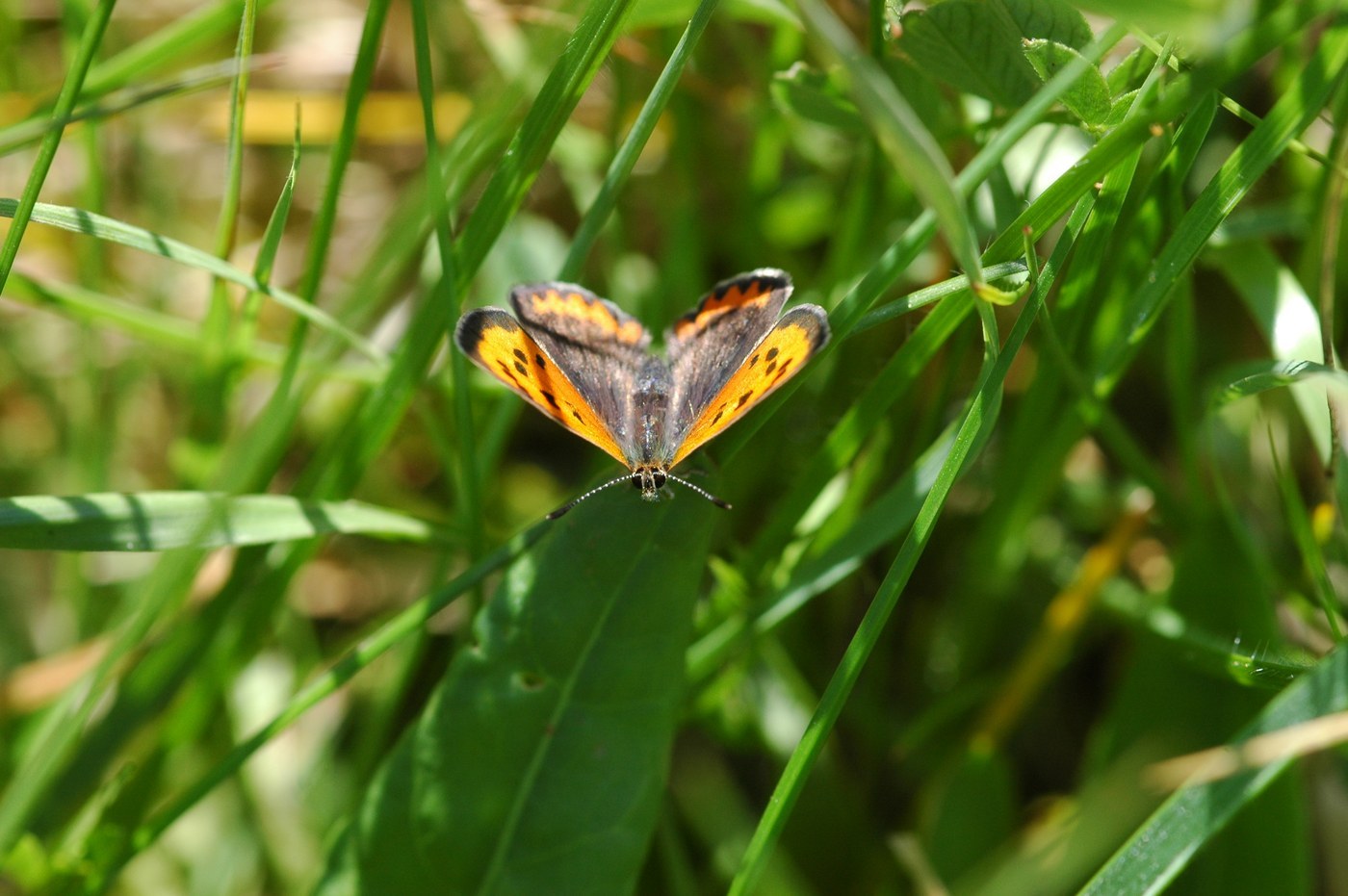
American Copper
Old fields, roadsides, and disturbed open ground with sorrel or dock
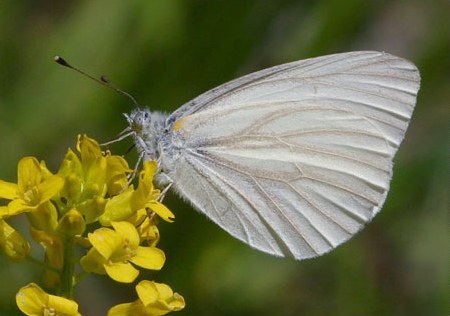
West Virginia White
Rich deciduous forest floors, especially near seeps and streams
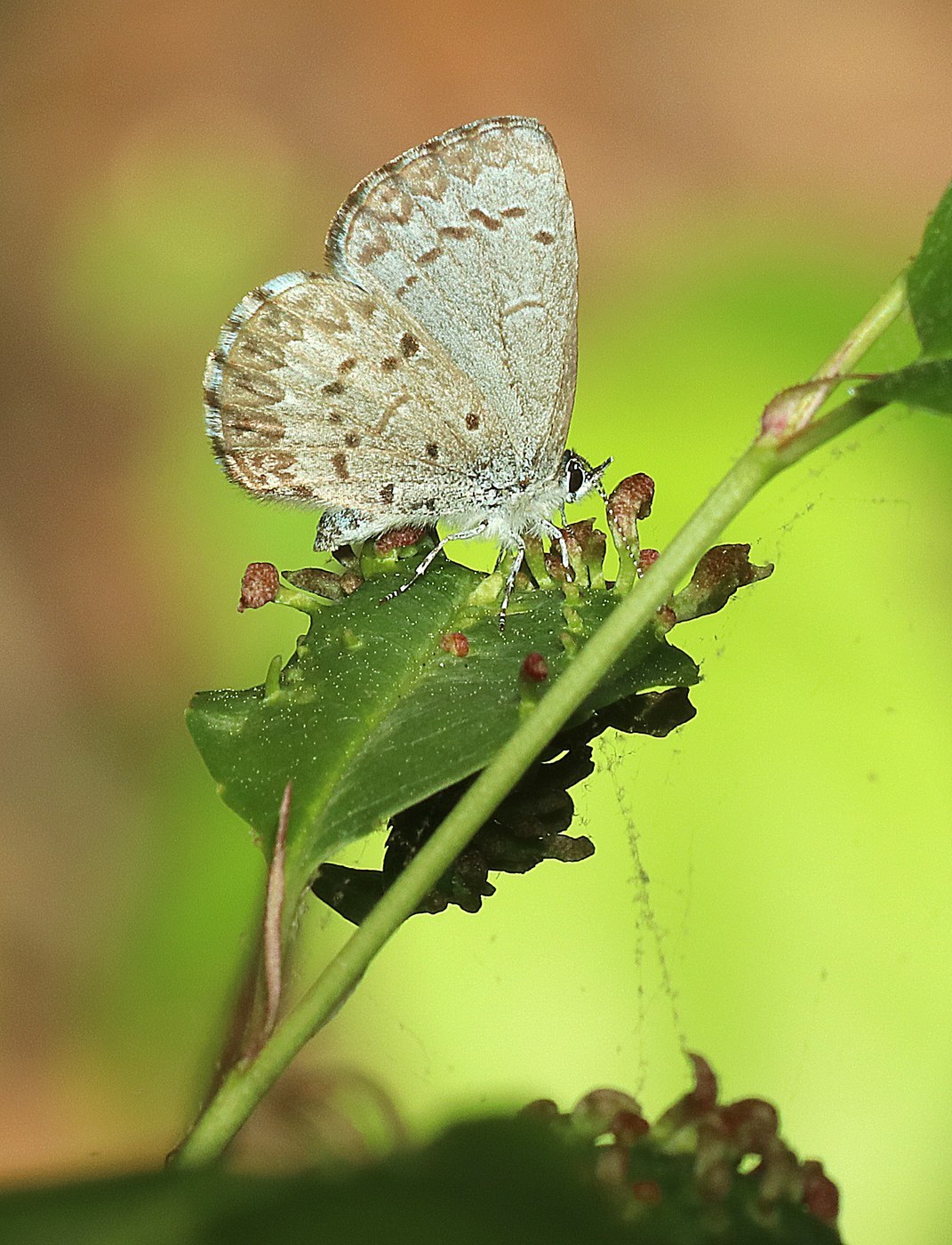
Spring Azure
Woodland edges, gardens, shrubby clearings
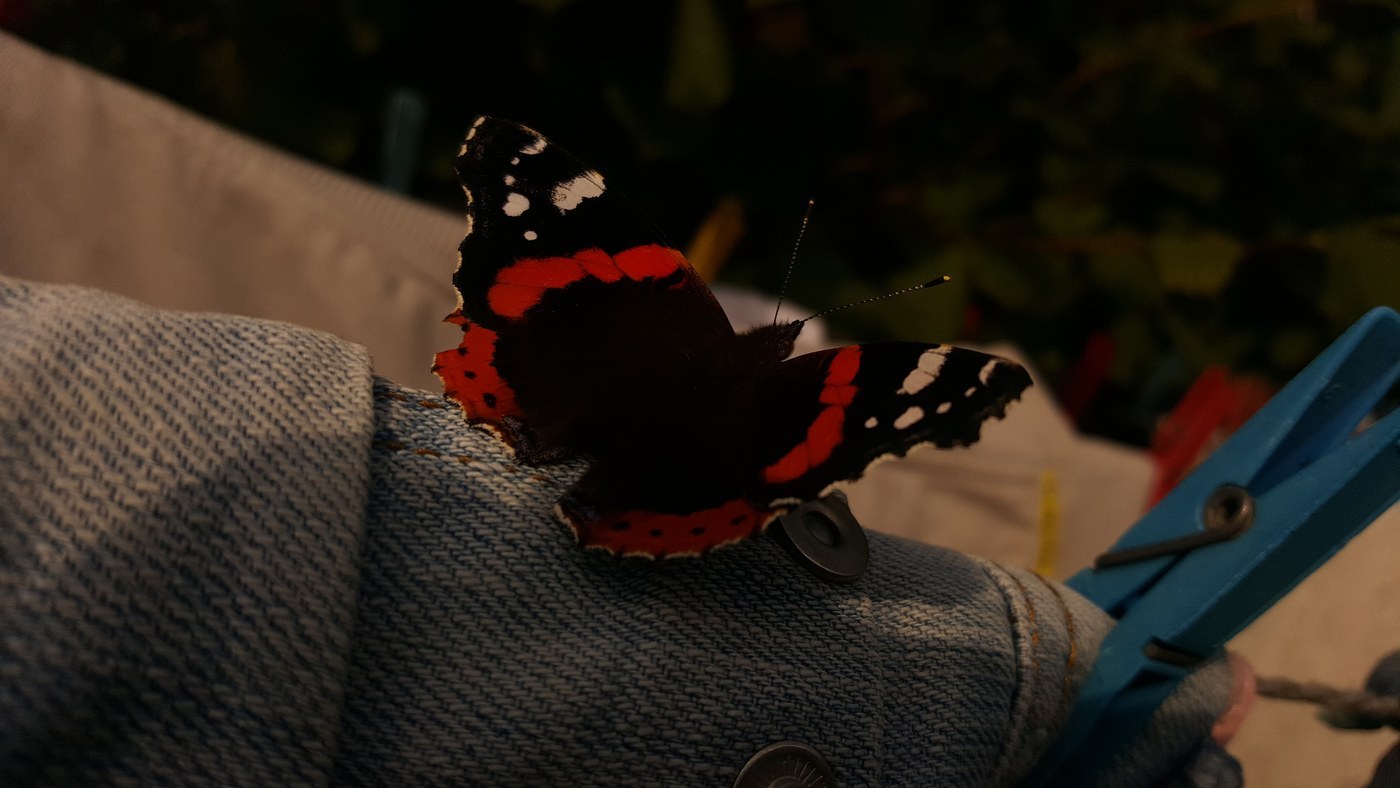
Red Admiral
Gardens, woodland edges, parks, meadows
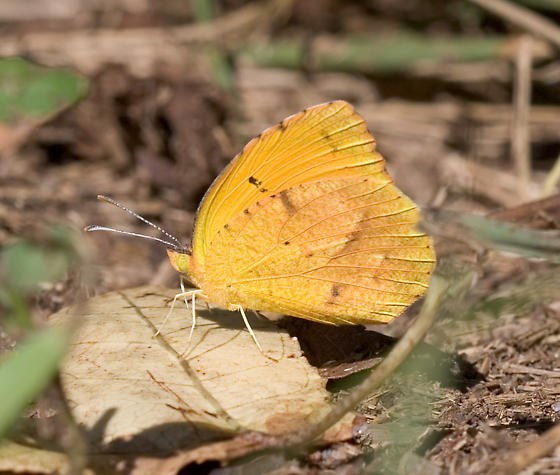
Sleepy Orange
Open woodland, fields, roadsides, and disturbed ground