
Pipevine Swallowtail Caterpillar
Battus philenor
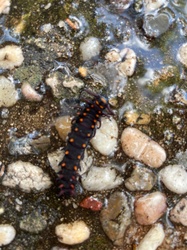
A dark, velvety caterpillar studded with fleshy orange-tipped tubercles that feeds exclusively on pipevine, storing its host plant's chemistry for later defense as a butterfly.
- Size
- Up to 2 in (50 mm)
- Habitat
- Areas with pipevine (Aristolochia) host plants
- Danger
- Harmless
Spotted a bug like this?
Identify any bug or insect from a photo, free.
Overview
The pipevine swallowtail caterpillar is the larval stage of Battus philenor, a large, iridescent blue-black swallowtail butterfly found across much of the southern and eastern United States, the Southwest, and Mexico. The caterpillar is a specialist feeder on pipevines (Aristolochia species), plants that contain aristolochic acids; by feeding exclusively on these vines, the larvae sequester the compounds and remain distasteful to many predators through the caterpillar, chrysalis, and adult stages.
This close tie to a single plant genus means pipevine swallowtail caterpillars are only found where their host vines grow, often in warm, humid habitats along woodland edges, streambanks, and gardens where Aristolochia species are cultivated or grow wild.
How to Identify
- Body dark brownish-black to purplish-black, appearing almost velvety
- Covered in rows of soft, fleshy tubercles (filaments) tipped in orange or red-orange, especially prominent along the back and sides
- No urticating spines; the tubercles are soft and flexible rather than stiff or stinging
- A pair of longer, fleshy filaments often project from just behind the head
- Mature larvae reach about 2 inches (50 mm) in length
- Often found in small groups feeding on pipevine leaves and stems, sometimes stripping a vine bare
Habitat & Range
Larvae occur wherever pipevine (Aristolochia species such as Dutchman's pipe, Virginia snakeroot, and related vines) grows, including woodland edges, riverbanks, thickets, and gardens planted with host vines, across the southeastern and south-central United States, parts of the Southwest, and into Mexico and Central America. Caterpillars are most common from spring through fall, with timing varying by region and number of generations.
Behavior & Diet
Young caterpillars often feed together in small groups on pipevine leaves, sometimes consuming an entire vine before dispersing to find new host plants; older larvae may wander some distance in search of additional food. Because the larvae accumulate aristolochic acids from their host plant, both the caterpillars and the resulting butterflies are chemically protected and serve as a model for several other, non-toxic swallowtail species that mimic their coloration. As specialist herbivores, pipevine swallowtail larvae help limit the growth of their host vines locally while providing a food source for the relatively few predators able to tolerate the plant's chemical defenses.
Life Cycle
Females lay small clusters of round, reddish-brown eggs on the underside of pipevine leaves. Larvae hatch and feed gregariously at first, molting through several instars while remaining tied to Aristolochia foliage. When ready to pupate, a mature caterpillar wanders away from the host plant and forms a chrysalis attached by a silk girdle to a stem, twig, or nearby structure; the chrysalis color varies from green to brown depending on its surroundings. The species produces multiple generations per year in warmer parts of its range, and in temperate areas it overwinters as a chrysalis before adults emerge in spring.
Frequently asked questions
What plant does the pipevine swallowtail caterpillar eat?
It feeds exclusively on pipevines in the genus Aristolochia, such as Dutchman's pipe and Virginia snakeroot.
How do you distinguish this caterpillar from other black caterpillars?
Its dark body covered in soft, orange-tipped fleshy filaments, combined with its presence on pipevine foliage, is a reliable identifying combination.
Why is this caterpillar's coloring important?
Chemicals absorbed from its pipevine host make the caterpillar and resulting butterfly distasteful to many predators, and its dark coloring is mimicked by several other swallowtail species for protection.
Does the pipevine swallowtail caterpillar have stinging spines?
No, its body tubercles are soft, fleshy filaments rather than stiff urticating spines.
Pipevine Swallowtail Caterpillar guides
In-depth guides for identifying, understanding, and living alongside Pipevine Swallowtail Caterpillar.
Pipevine Swallowtail Caterpillar identified by the community
Real finds identified with Bug Identifier.
Other bugs you may enjoy
Bagworm
Trees and shrubs, especially conifers and ornamental landscaping
Armyworm
grasslands, pastures, and cereal crop fields
Zebra Longwing Caterpillar
Tropical and subtropical hammocks with passionflower vines
Tomato Hornworm
Gardens and fields with tomato, pepper, and other nightshade plants
Tent Caterpillar
Deciduous trees such as cherry, apple, and other rosaceous species
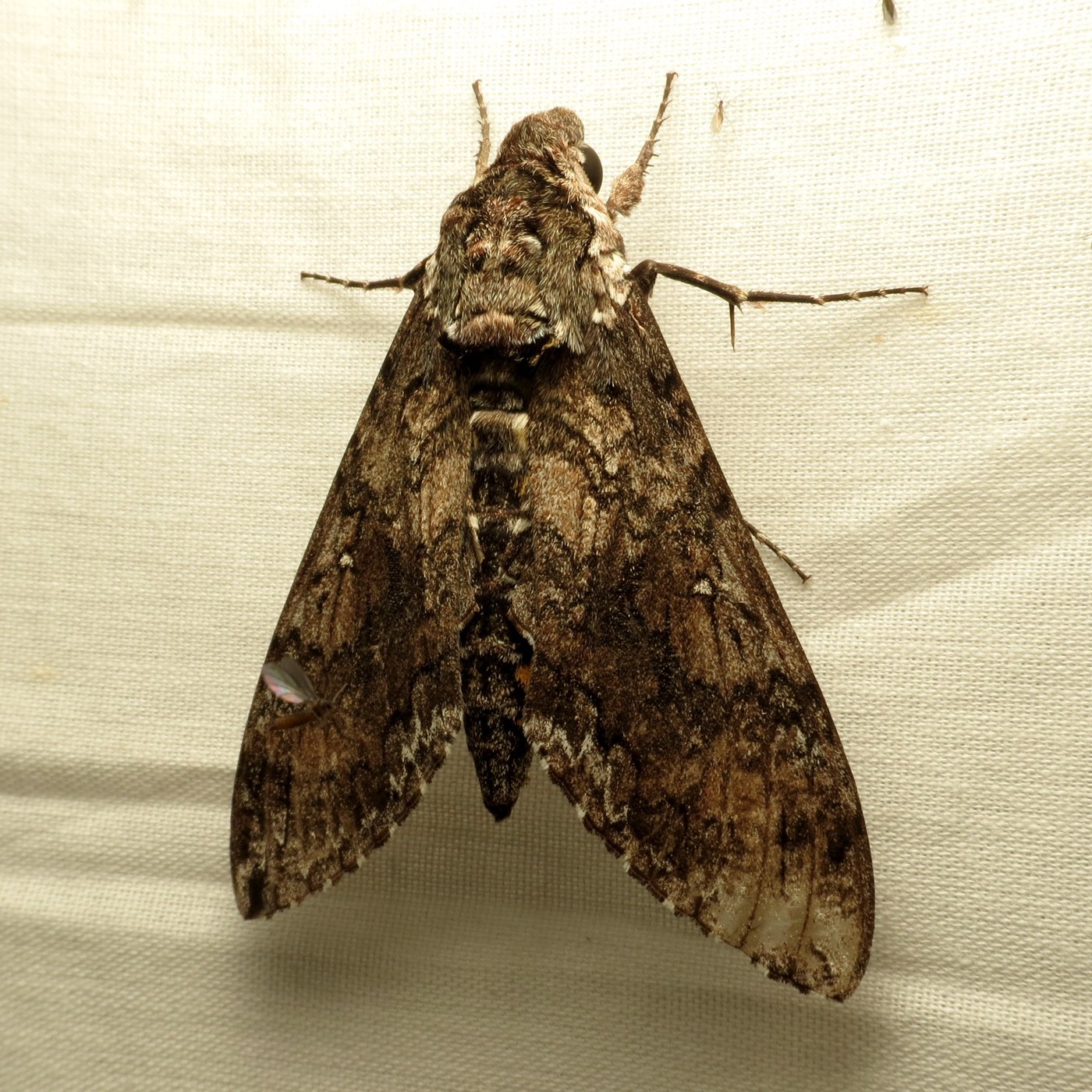
Tobacco Hornworm
tobacco, tomato, and pepper plants in gardens and fields
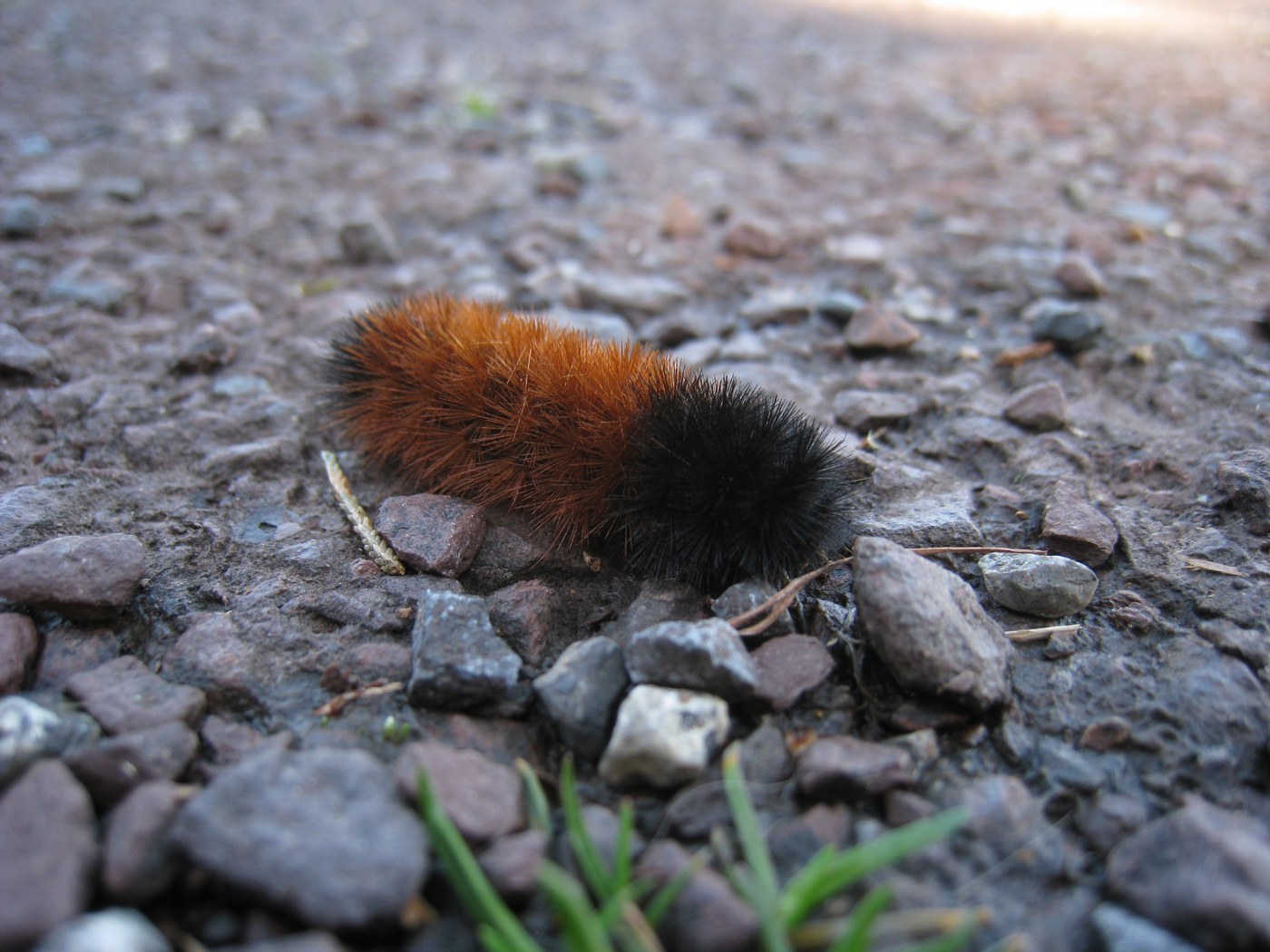
Woolly Bear Caterpillar
Gardens, meadows, roadsides, and woodland edges across North America
Sod Webworm
Turfgrass lawns, golf courses, pastures
Spiny Oak-slug Caterpillar
Deciduous forests and woodland edges with oak and other hardwoods
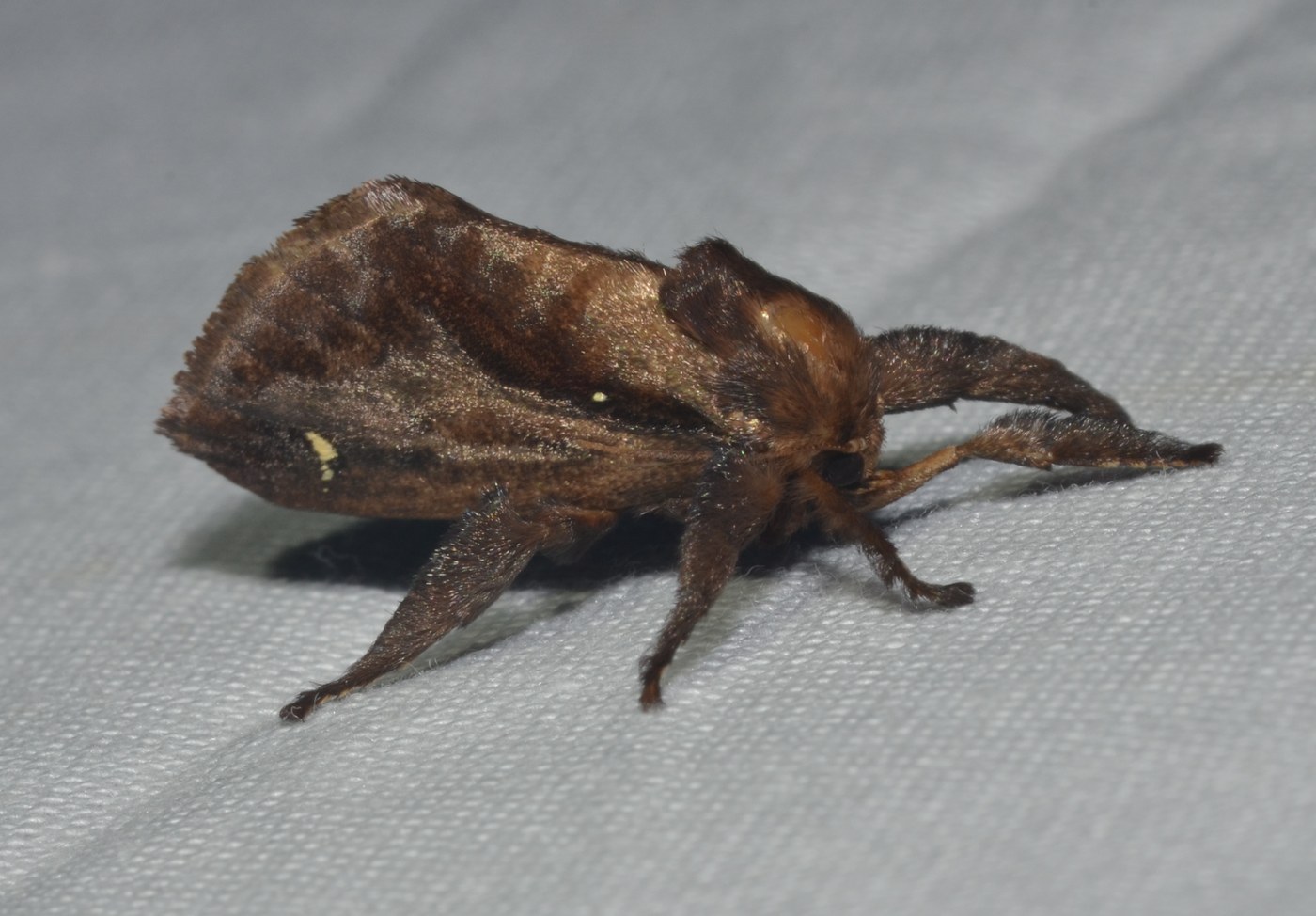
Saddleback Caterpillar
Deciduous trees and shrubs in eastern and southern North America
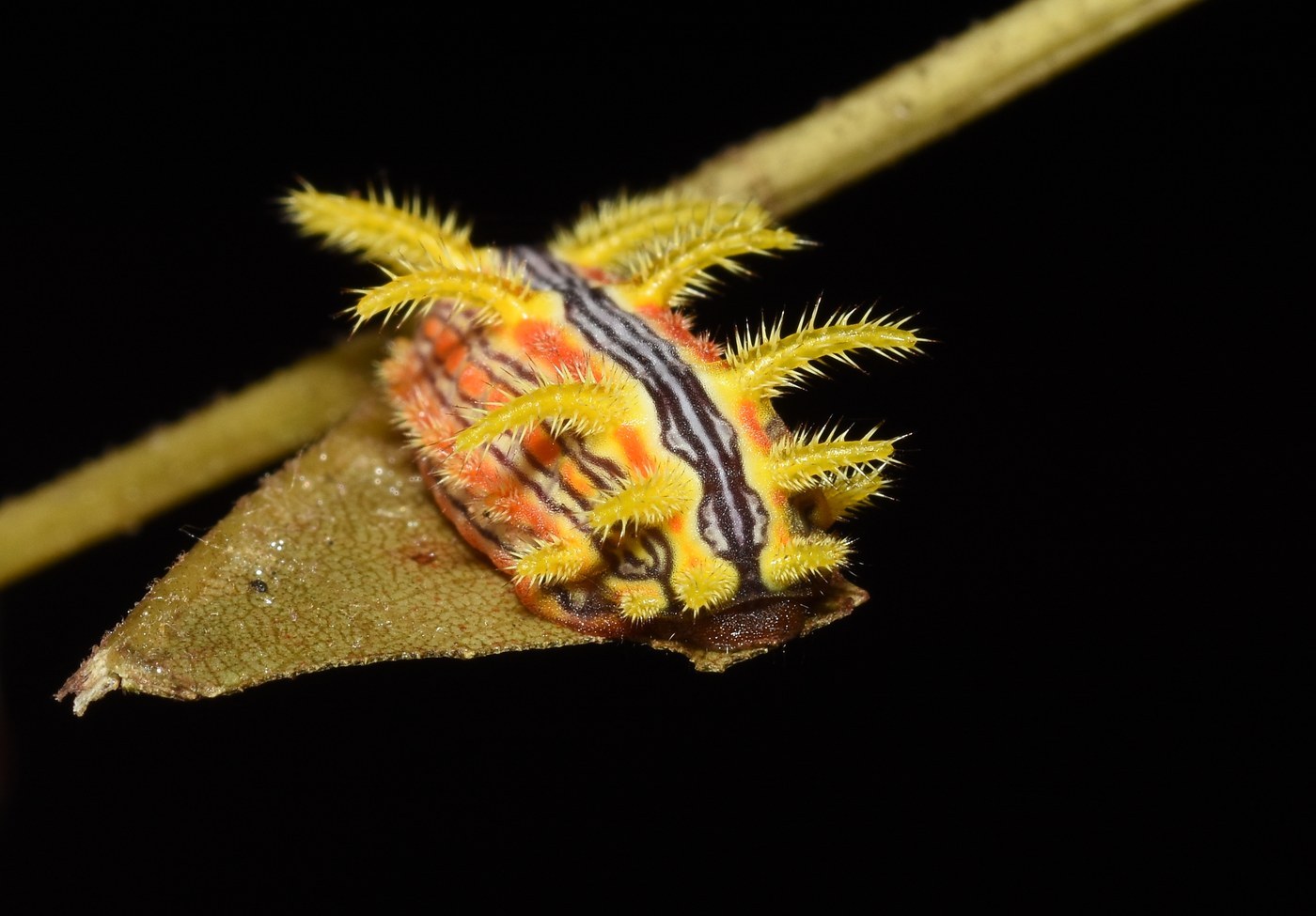
Stinging Rose Caterpillar
Gardens and woodlands with rose, dogwood, or oak
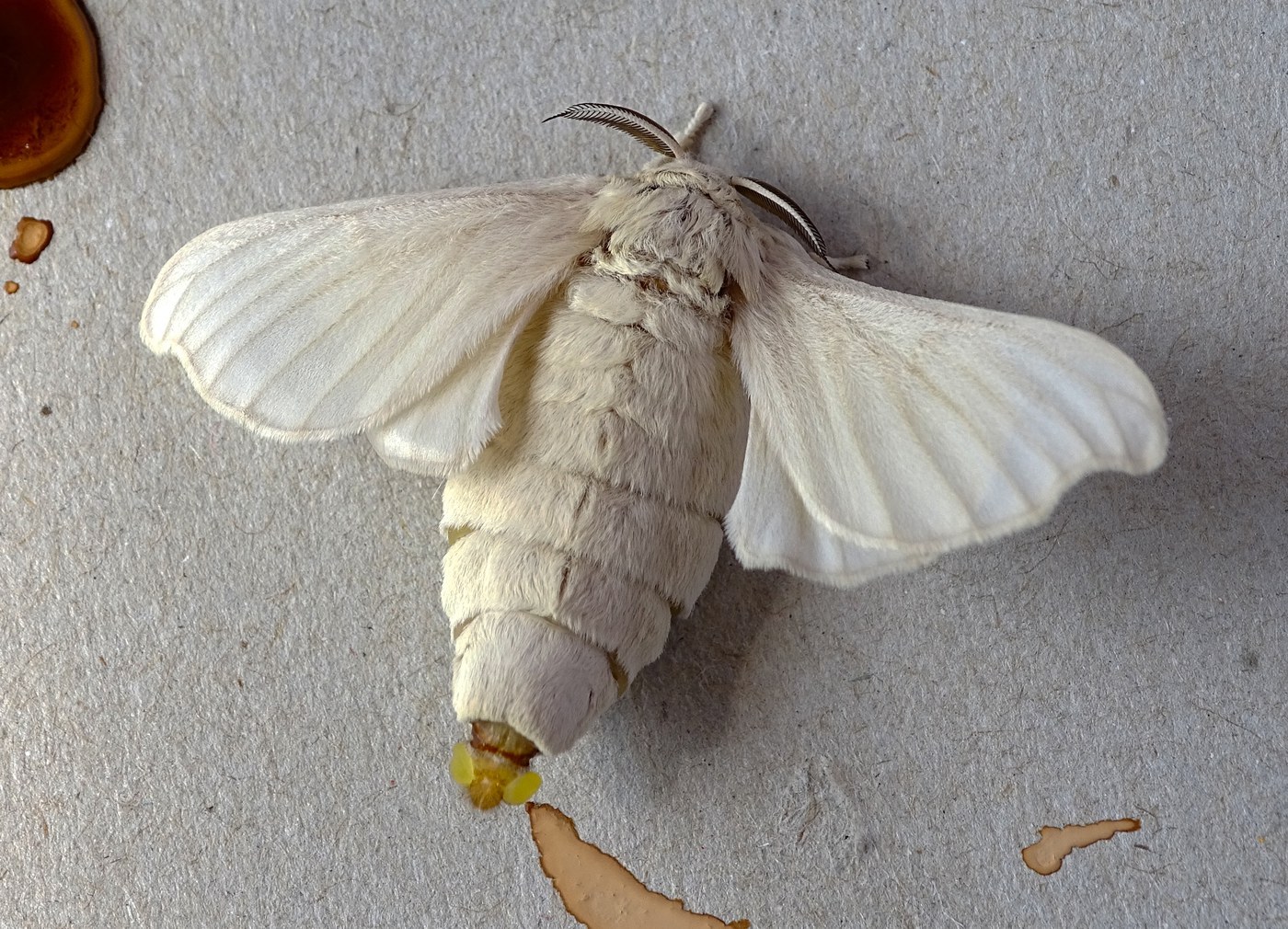
Silkworm
Reared exclusively in captivity on mulberry leaves; no independent wild population