
Planthopper
Fulgoroidea spp.
A varied group of sap-feeding true bugs known for their sideways-held wings, jumping ability, and, in some tropical species, exaggerated head projections used for display.
- Size
- 5–15 mm
- Habitat
- Trees, shrubs, grasses, gardens, agricultural fields
- Danger
- Harmless
Spotted a bug like this?
Identify any bug or insect from a photo, free.
Overview
Planthoppers make up the superfamily Fulgoroidea, a large and diverse group of true bugs within the order Hemiptera, distinguished from their close relatives the leafhoppers and treehoppers by subtle differences in wing venation and antennae structure. The group includes thousands of described species worldwide, ranging from plain, camouflaged temperate species to elaborately shaped tropical forms.
Most planthoppers feed on plant sap using piercing-sucking mouthparts, often specializing on particular host plant families, and many produce a fine, waxy, powdery secretion that coats their bodies and wings, giving some species a frosted or fuzzy appearance.
Ecologically, planthoppers are an important prey base for many predatory and parasitic insects, and a subset of species have agricultural relevance due to their sap-feeding habits and, in a few well-studied cases, their capacity to transmit certain plant pathogens between host plants.
How to Identify
- Wedge- or moth-like body shape, wings often held tent-like or sloped over the back at rest.
- Coloration ranges from dull browns and greens for camouflage to boldly patterned or waxy-white in some species.
- Some species produce fine, cottony wax filaments from the abdomen.
- Strong hind legs adapted for jumping, along with short, bristle-like antennae positioned below the eyes.
- Lookalikes: easily confused with leafhoppers; planthoppers are generally distinguished by the position of their antennae and, in many species, waxy secretions leafhoppers lack.
Habitat & Range
Found worldwide, with the greatest diversity in tropical regions, planthoppers inhabit a wide range of environments from forests to grasslands, gardens, and agricultural fields. They are typically found on the stems, leaves, and bark of host plants, with activity peaking during the warm growing season in temperate climates.
Behavior & Diet
Planthoppers feed by inserting their mouthparts into plant tissue to draw sap, often remaining still on stems or leaves for long periods, relying on camouflage and quick jumping escapes rather than sustained flight. Many species excrete honeydew as a byproduct of sap feeding, which can attract tending ants in a mutualistic relationship similar to aphids and treehoppers. Some tropical species display elaborate, brightly colored head extensions thought to play a role in predator deterrence or signaling.
Life Cycle
Planthoppers undergo incomplete metamorphosis. Eggs are typically laid within plant tissue or in protected crevices, hatching into nymphs that resemble smaller, wingless versions of the adult and often bear characteristic waxy filaments. Nymphs pass through several instars while feeding on the host plant before molting into the winged adult stage. The number of generations per year varies widely by species and climate, from one generation in temperate regions to multiple overlapping generations in the tropics.
Frequently asked questions
How is a planthopper different from a leafhopper?
Planthoppers are typically distinguished by antennae positioned below the eyes and, in many species, waxy or cottony secretions, whereas leafhoppers lack these waxy coatings.
Why do some planthoppers look fuzzy or waxy?
Certain species secrete fine wax filaments from the abdomen, giving them a cottony or frosted appearance believed to aid camouflage or deter predators.
Do planthoppers fly well?
They are more known for strong jumping than sustained flight, though most species do have functional wings for short flights.
What do planthoppers eat?
They feed on plant sap using piercing-sucking mouthparts, often specializing on particular host plants.
Planthopper guides
In-depth guides for identifying, understanding, and living alongside Planthopper.
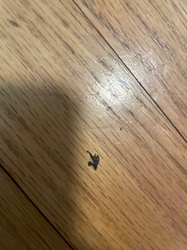
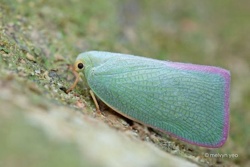
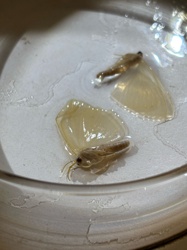
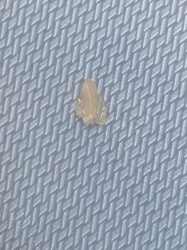
Planthopper identified by the community
Real finds identified with Bug Identifier.
Other bugs you may enjoy
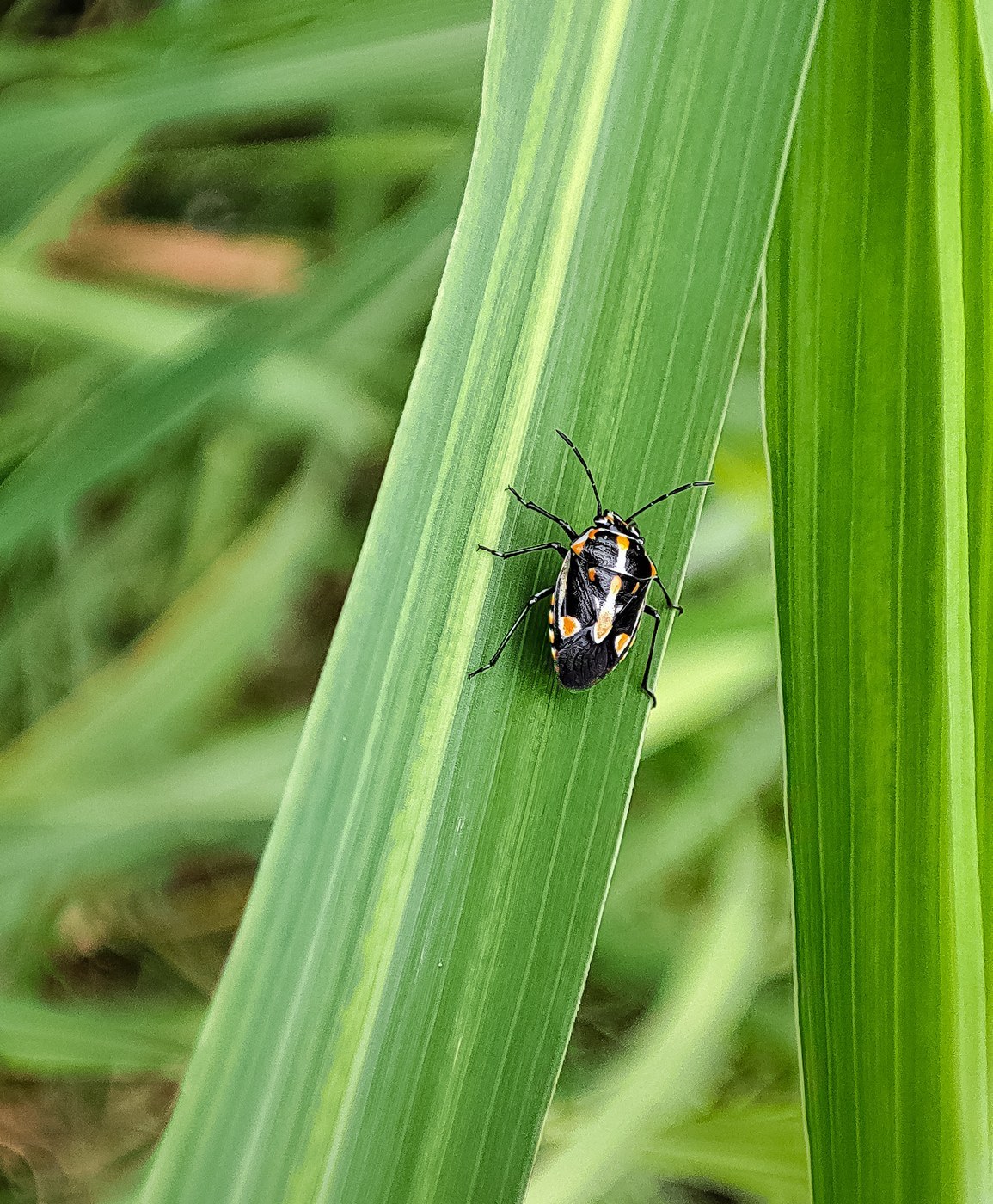
Bagrada Bug
Arid gardens, crucifer fields, desert-adjacent croplands
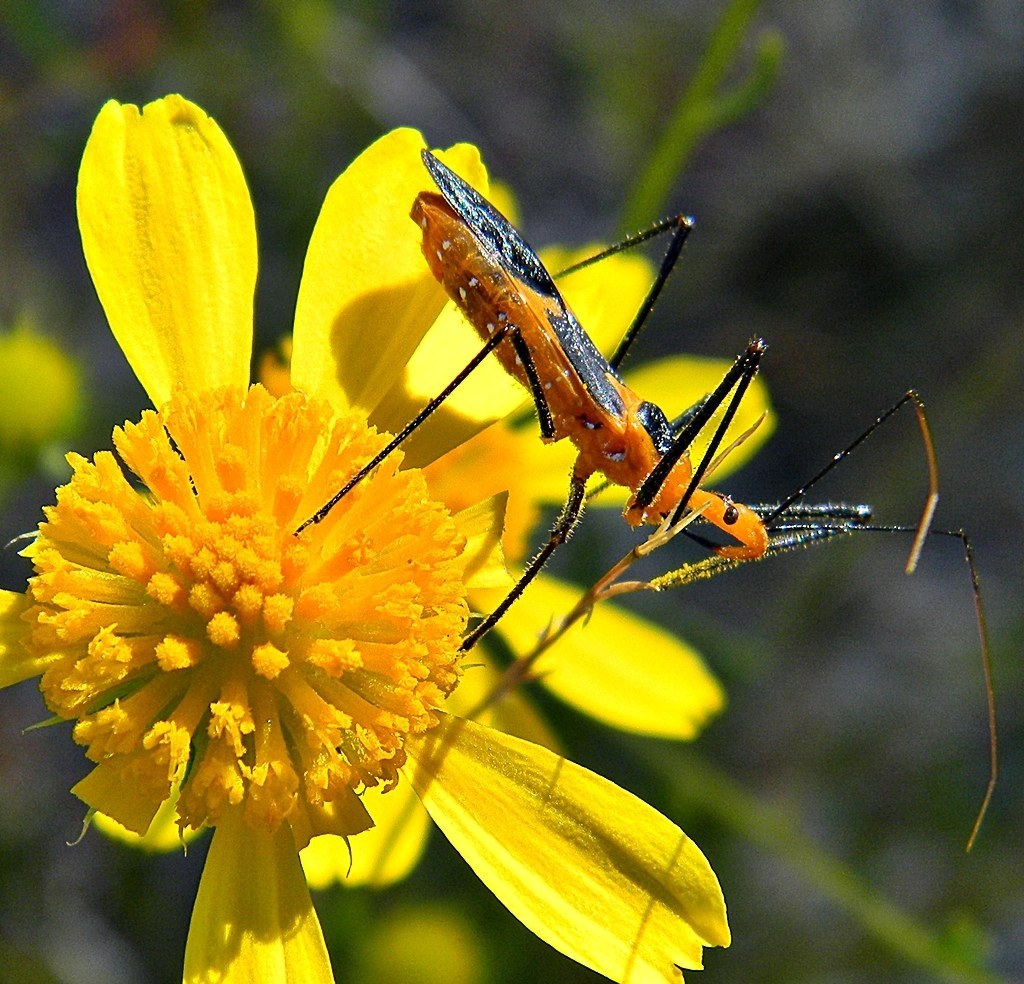
Assassin Bug
Gardens, meadows, and vegetation worldwide
Water Boatman Bug
Ponds, lakes, and slow-moving freshwater
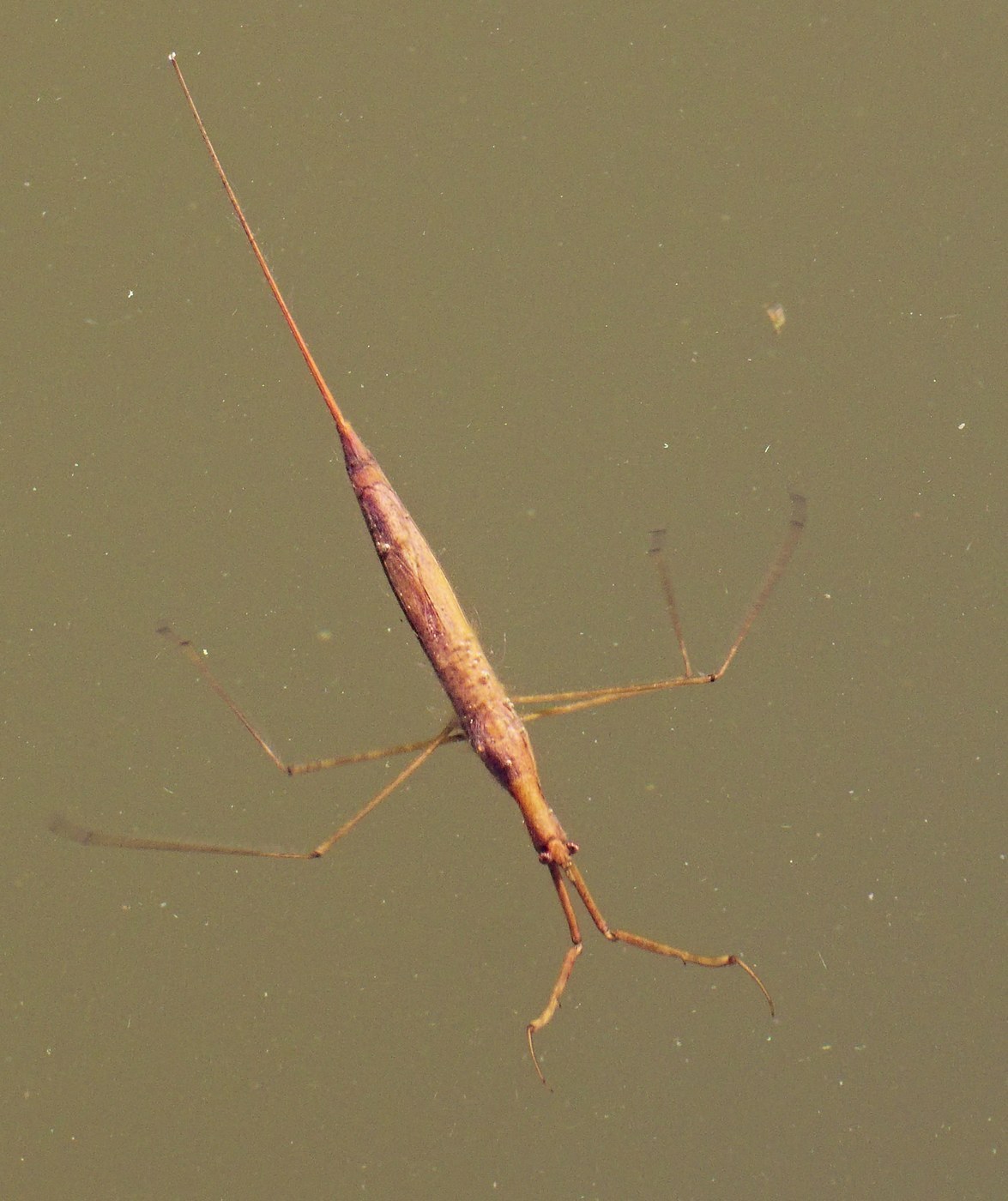
Water Stick Insect
Still and slow-moving water with dense submerged vegetation
Rough Stink Bug
Tree bark, woodlands, orchards, and shrubby vegetation
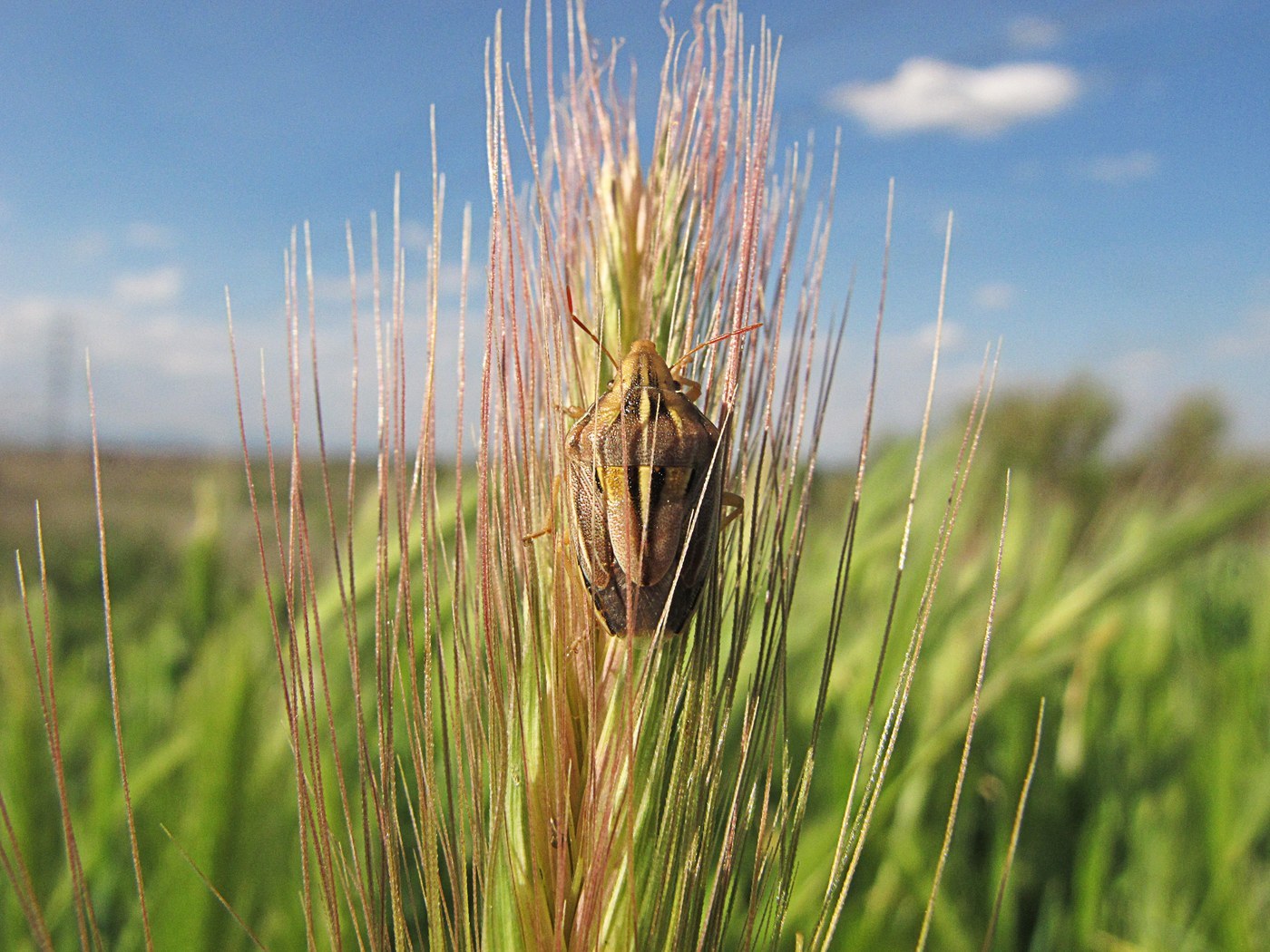
Stink Bug
Gardens, crop fields, and woodlands across temperate and subtropical regions
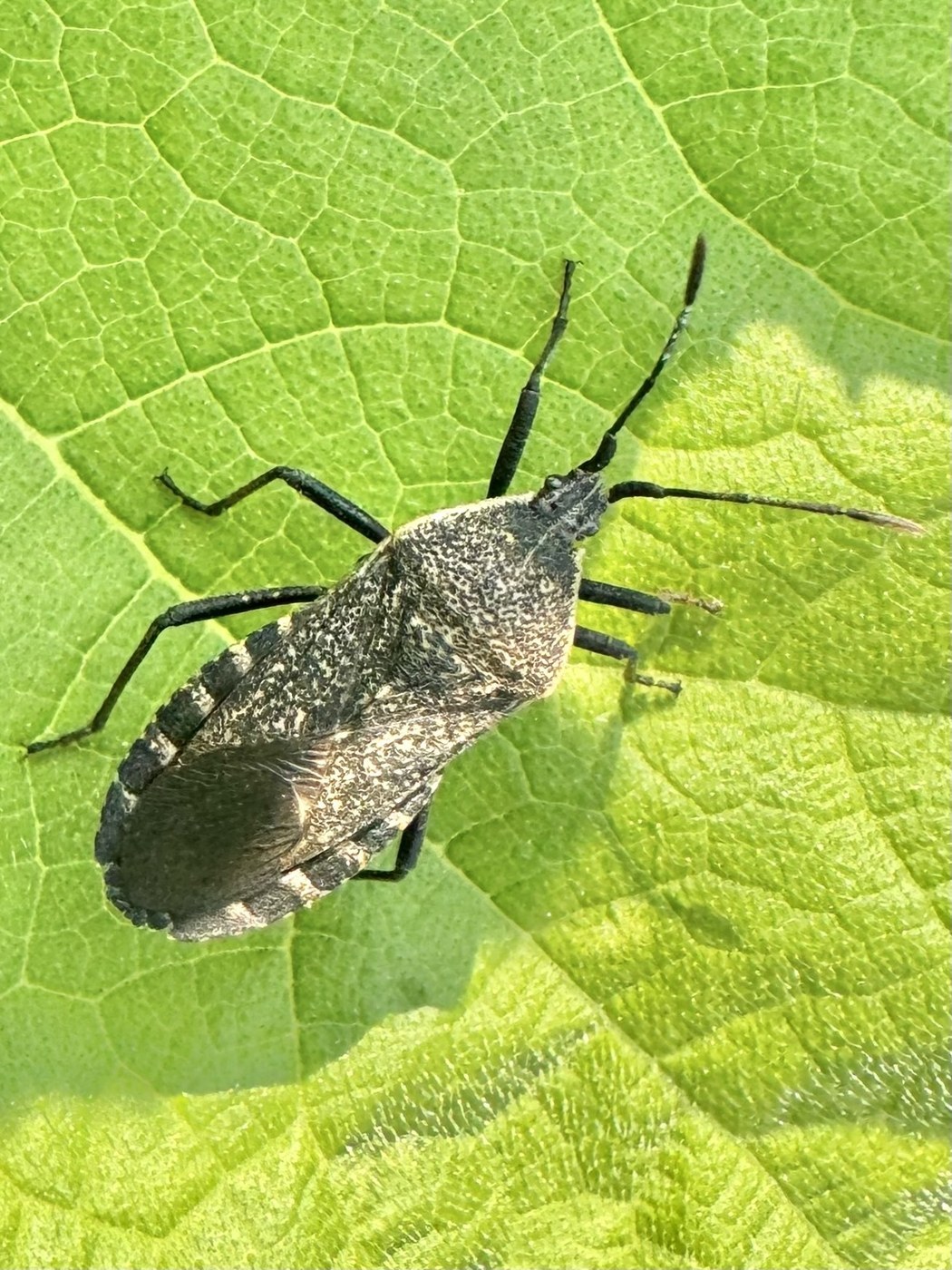
Squash Bug
Vegetable gardens and farm fields growing squash, pumpkin, and other cucurbits
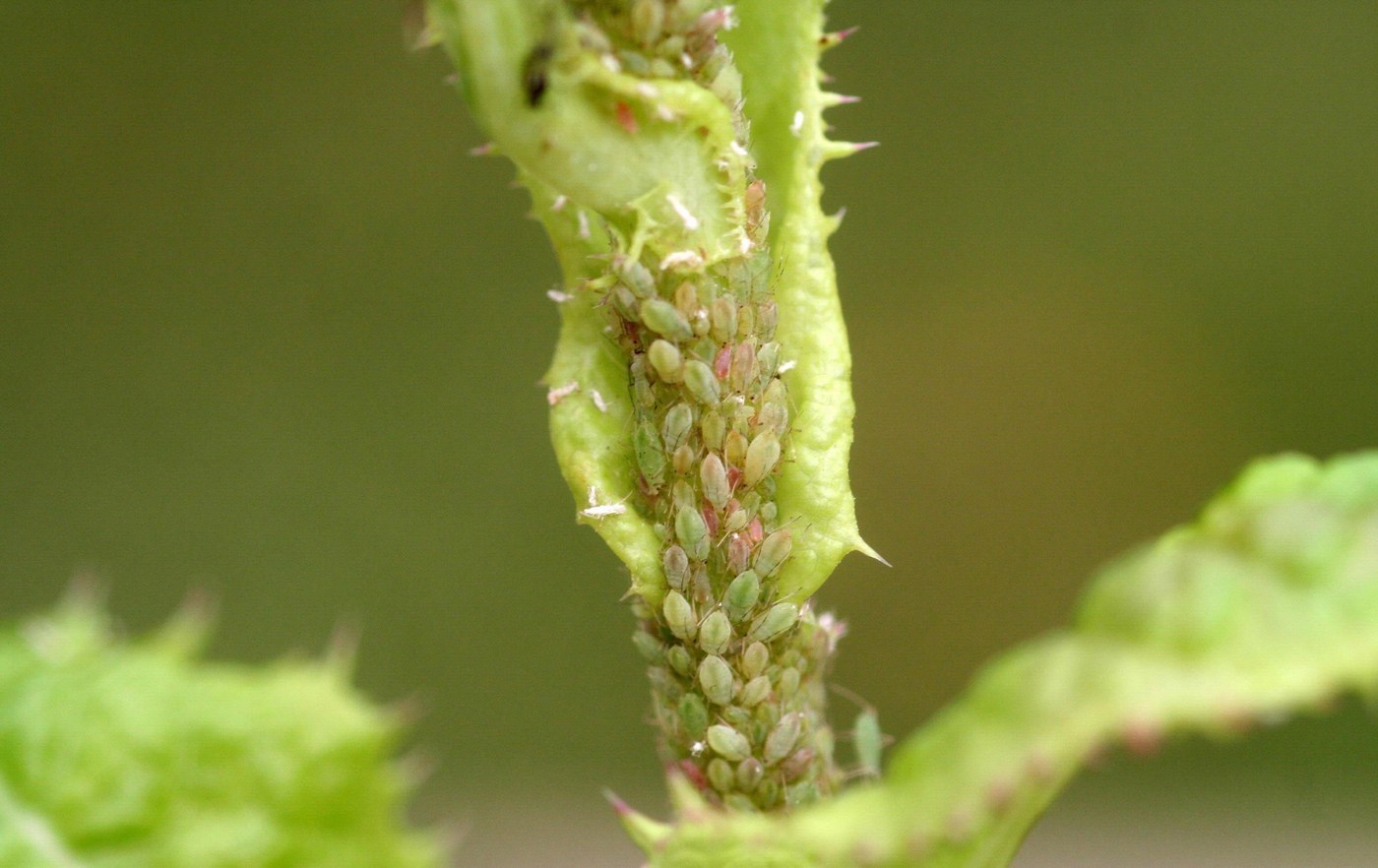
Aphid
On stems, leaves, and buds of a very wide range of host plants
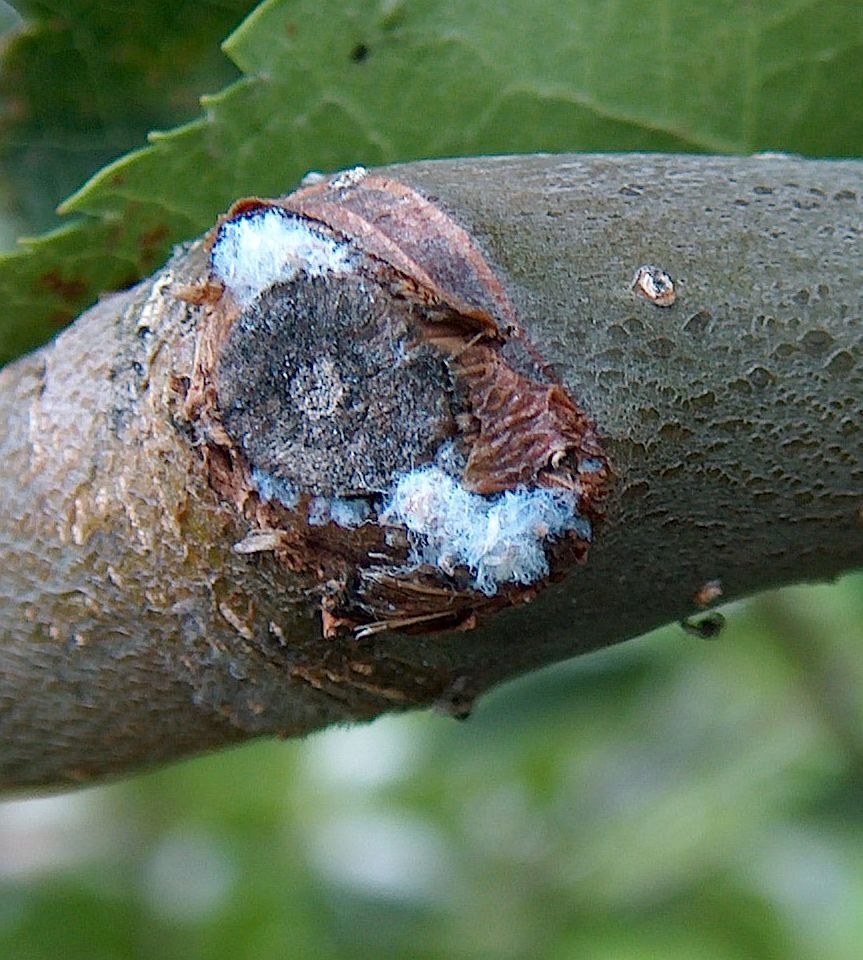
Woolly Aphid
Bark crevices, root collars, and twigs of apple, elm, and alder trees
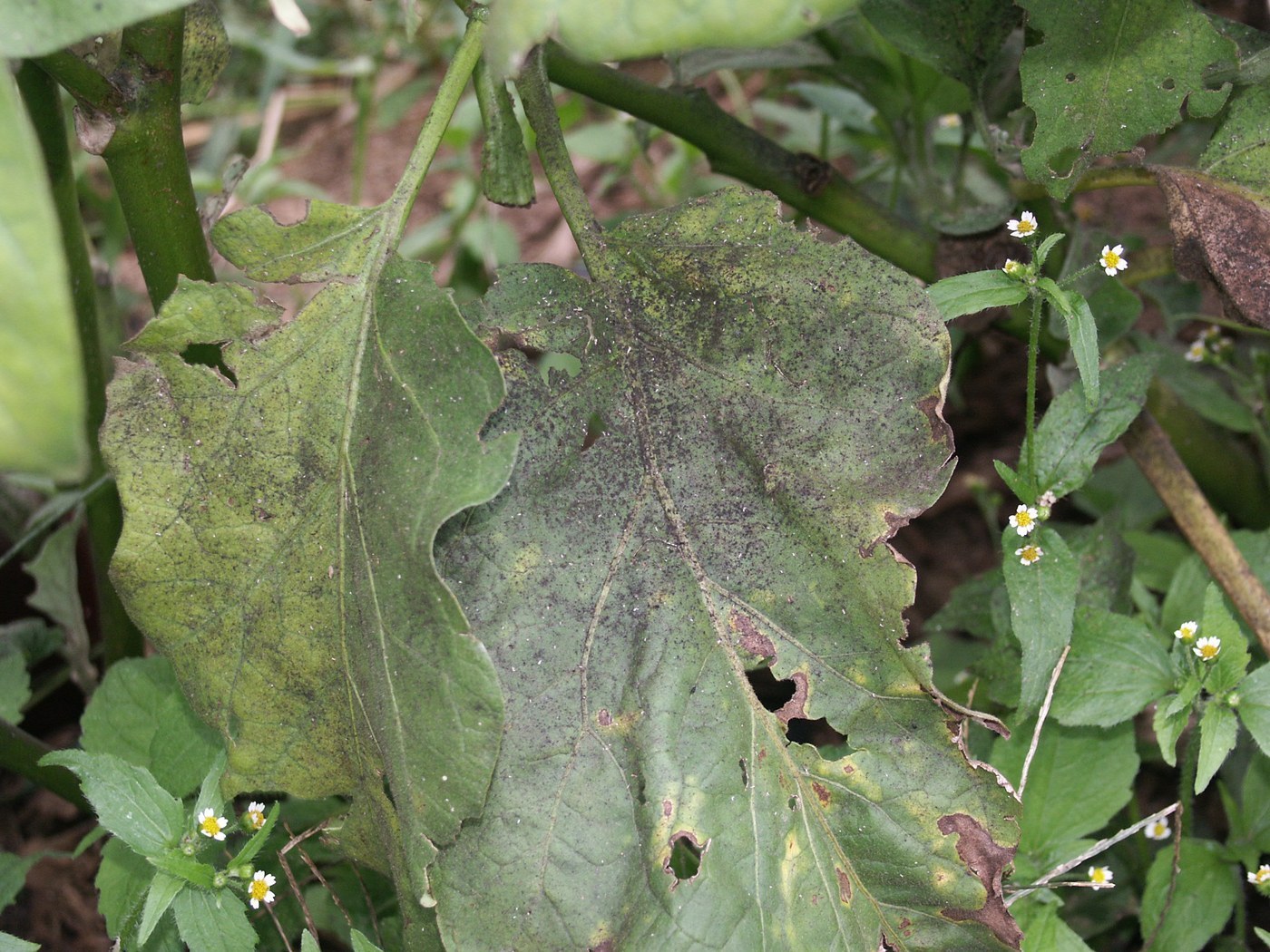
Whitefly
Greenhouses, gardens, and undersides of leaves on host plants
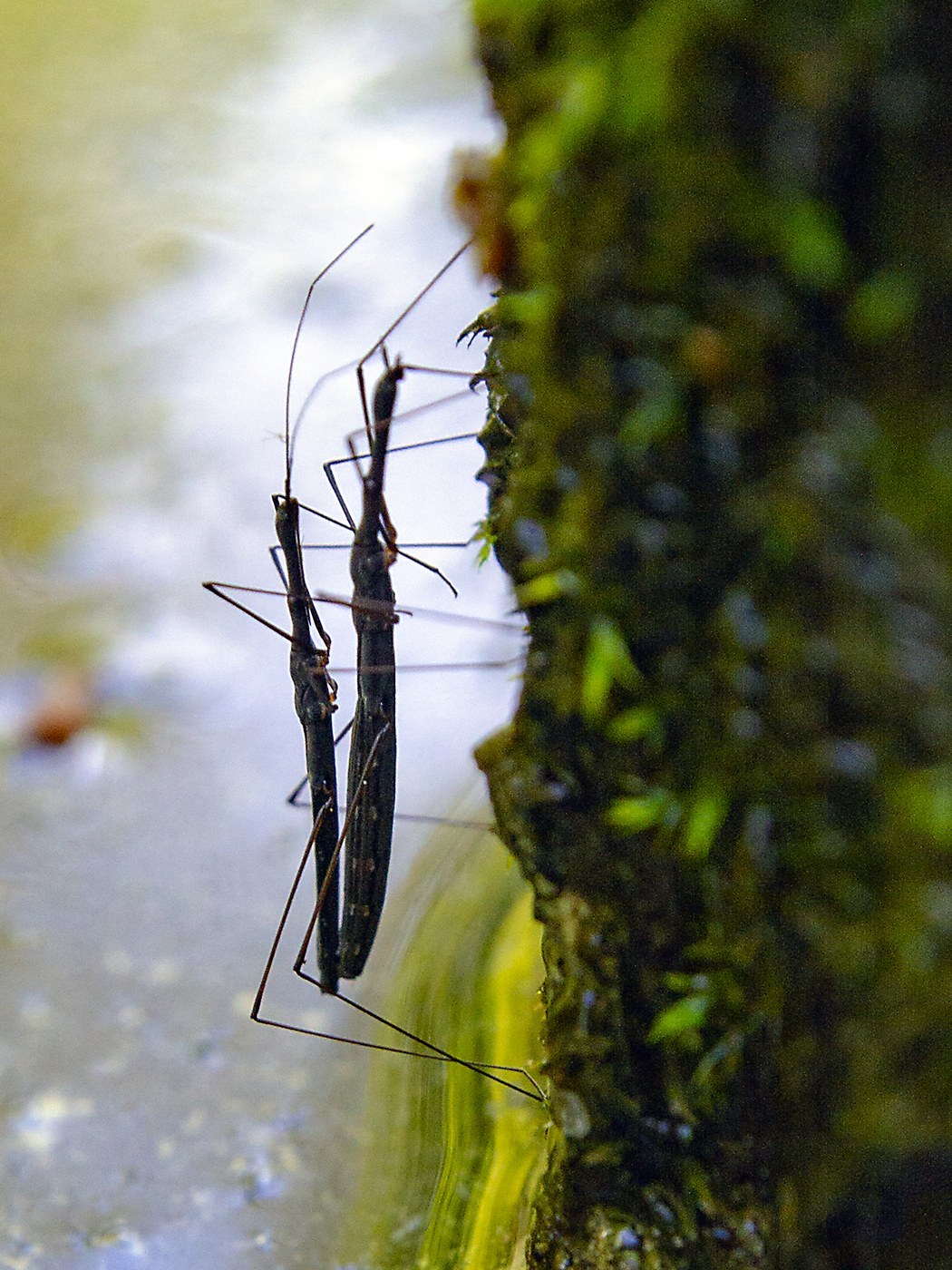
Water Measurer
Quiet edges of ponds, marshes, and slow streams
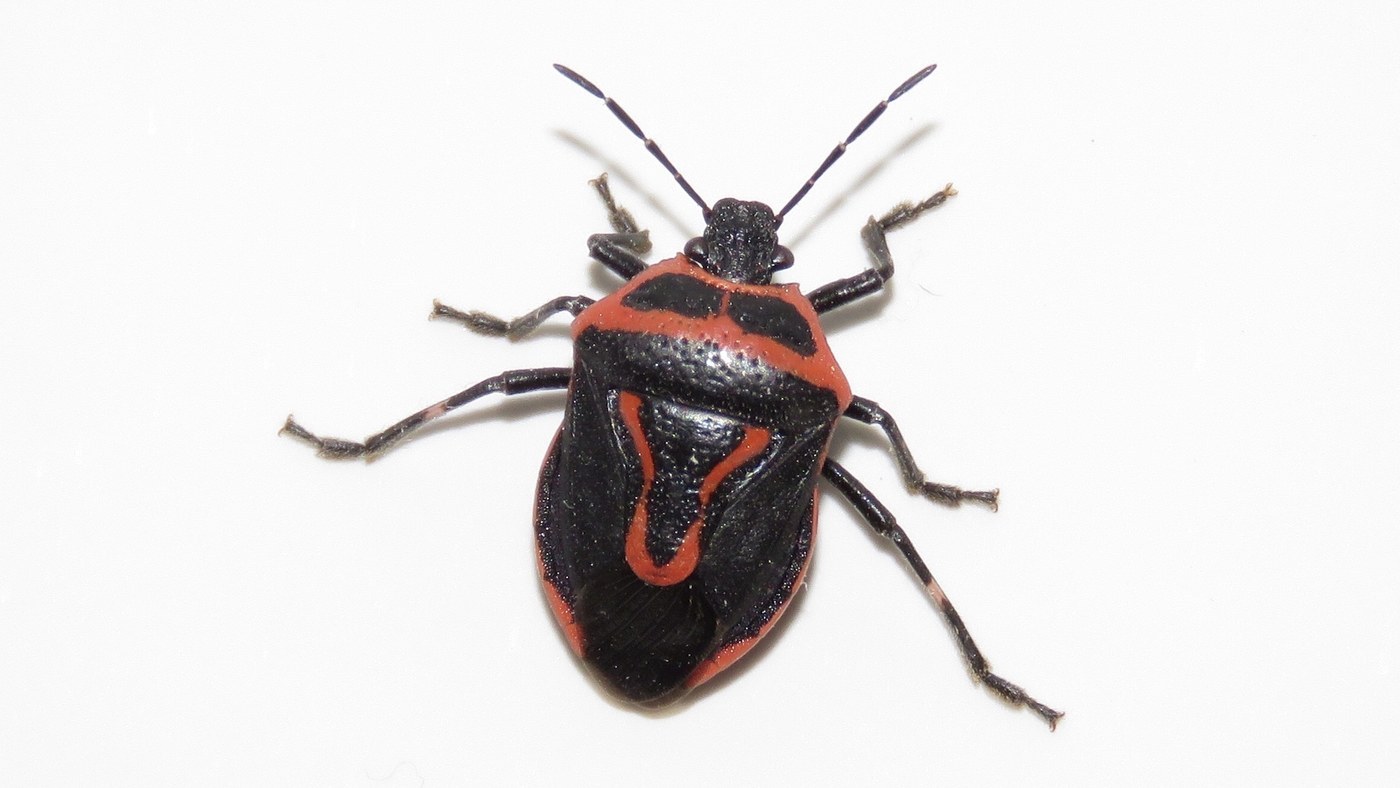
Two-Spotted Stink Bug
Gardens and fields with potato and nightshade-family plants