
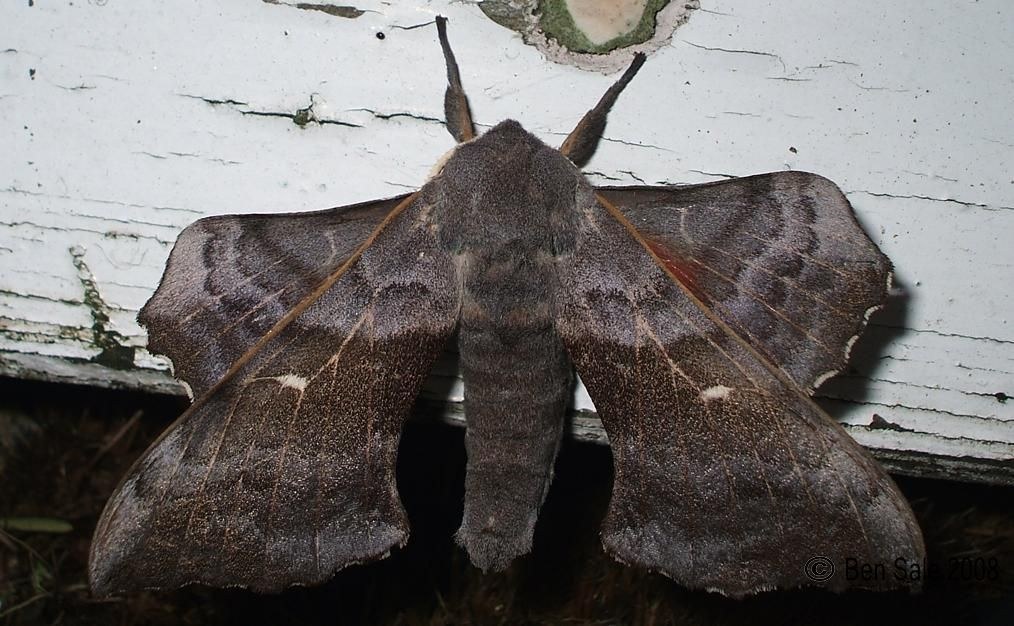
Poplar Hawk-Moth
Laothoe populi
A large, grayish-brown hawk-moth with an unusual resting posture in which the hindwings project forward past the forewings, revealing a hidden rust-red patch when disturbed.
- Size
- 2.7–3.3 in wingspan
- Habitat
- Woodland edges, riverbanks, hedgerows, and gardens near poplar or willow across Europe
- Danger
- Harmless
Spotted a bug like this?
Identify any bug or insect from a photo, free.
Overview
The poplar hawk-moth is a common and widespread member of the family Sphingidae across Europe, easily recognized by its unconventional wing posture at rest. Unlike most moths, it holds its hindwings forward of the forewings, giving it a jagged, asymmetrical silhouette that helps it resemble broken bark or dead leaves.
As one of the most frequently recorded hawk-moths in gardens and light traps across its range, it serves as a familiar introduction to the family for many naturalists, despite its relatively drab overall coloring.
Its larvae feed on poplar and willow, linking the species closely to riverside and wetland-adjacent woodland habitats.
How to Identify
- Large, robust moth in shades of grey, brown, or occasionally pinkish-buff, with subtly mottled, bark-like forewing patterning.
- Distinctive resting posture: hindwings held forward of and above the forewings, creating an irregular, jagged outline unlike typical moth silhouettes.
- A concealed patch of rust-red or orange on the hindwing base is flashed briefly if the moth is disturbed, as a startle display.
- Lookalikes: eyed hawk-moth, which shares similar coloring but has prominent blue eyespots on the hindwings, unlike the plain rust patch of the poplar hawk-moth.
Habitat & Range
Common and widespread across most of Europe into temperate Asia, the poplar hawk-moth is found wherever poplar, willow, or aspen trees grow, including riverbanks, wet woodland, hedgerows, parks, and gardens. Adults fly from late spring through summer and are strongly attracted to artificial lights at night, making them one of the more frequently recorded hawk-moths in garden moth trapping.
Behavior & Diet
Adults are nocturnal and, unusually among hawk-moths, do not feed as adults, relying entirely on larval fat reserves. When disturbed at rest, the moth can shift its wings to briefly expose the hidden rust-colored patch on the hindwing, a startle display intended to deter predators. Larvae are foliage-feeding herbivores of poplar, willow, and aspen, contributing to the leaf-litter and canopy food web of riparian woodland.
Life Cycle
Eggs are laid on the leaves of poplar or willow, hatching into green, granular-textured caterpillars with diagonal side stripes and a curved tail horn typical of sphinx moths. After feeding through summer, mature larvae descend to pupate in soil or loose leaf litter, overwintering as a pupa. Adults emerge the following late spring, typically producing one generation per year in cooler parts of the range and occasionally a partial second generation further south.
Frequently asked questions
Why does this moth hold its wings so strangely?
It rests with its hindwings pushed forward of the forewings, an unusual posture among moths that helps disguise its outline and may aid the startle display when disturbed.
How is it different from the eyed hawk-moth?
The poplar hawk-moth lacks the blue eyespots found on the eyed hawk-moth's hindwings, showing only a plain rust-red patch instead.
What do the caterpillars eat?
They feed on the leaves of poplar, willow, and aspen trees.
Is it commonly seen in gardens?
Yes, it is one of the most frequently recorded hawk-moths at garden lights and moth traps across its European range.
Poplar Hawk-Moth guides
In-depth guides for identifying, understanding, and living alongside Poplar Hawk-Moth.
Other bugs you may enjoy
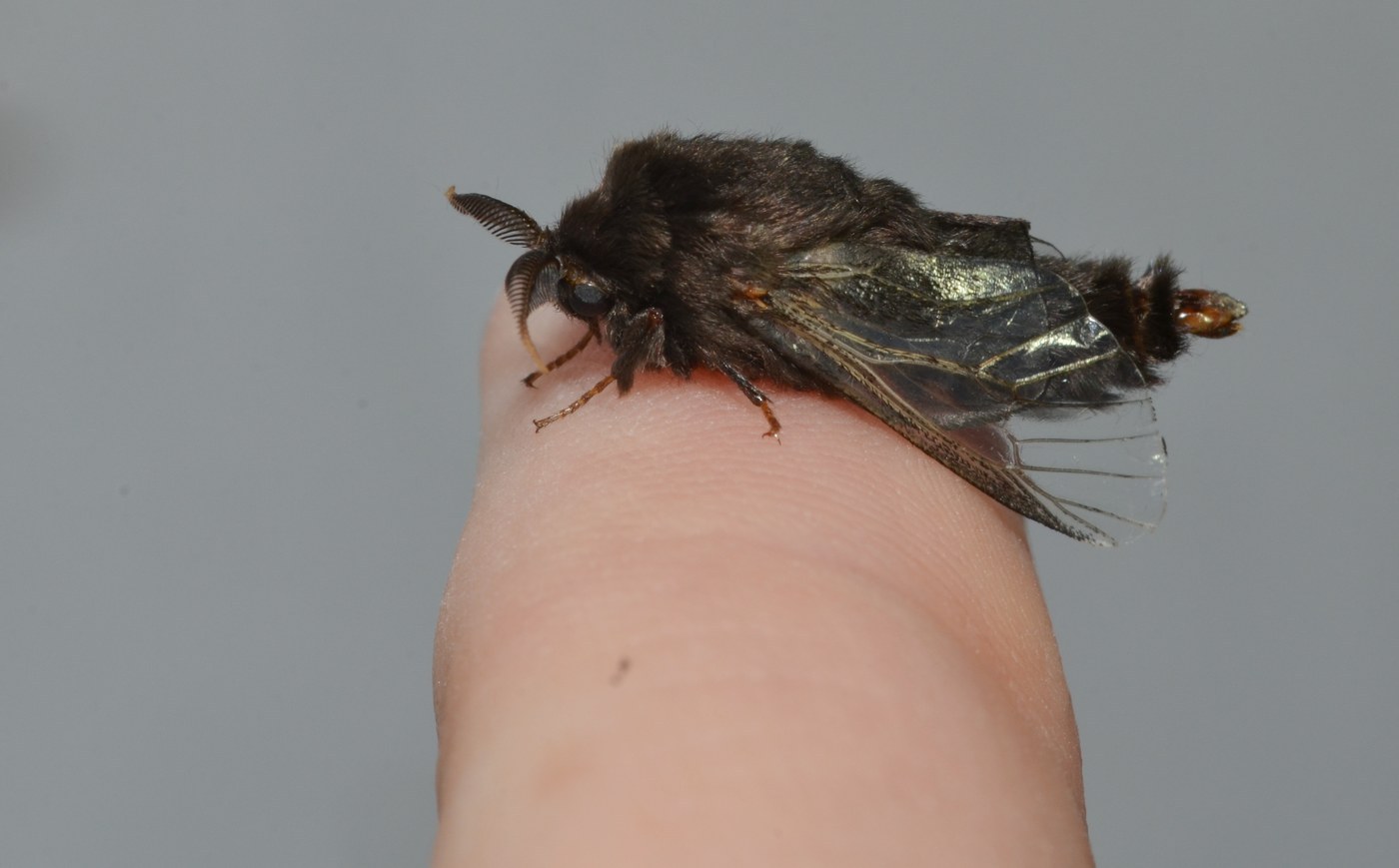
Bagworm Moth
Coniferous and deciduous trees, shrubs, hedges
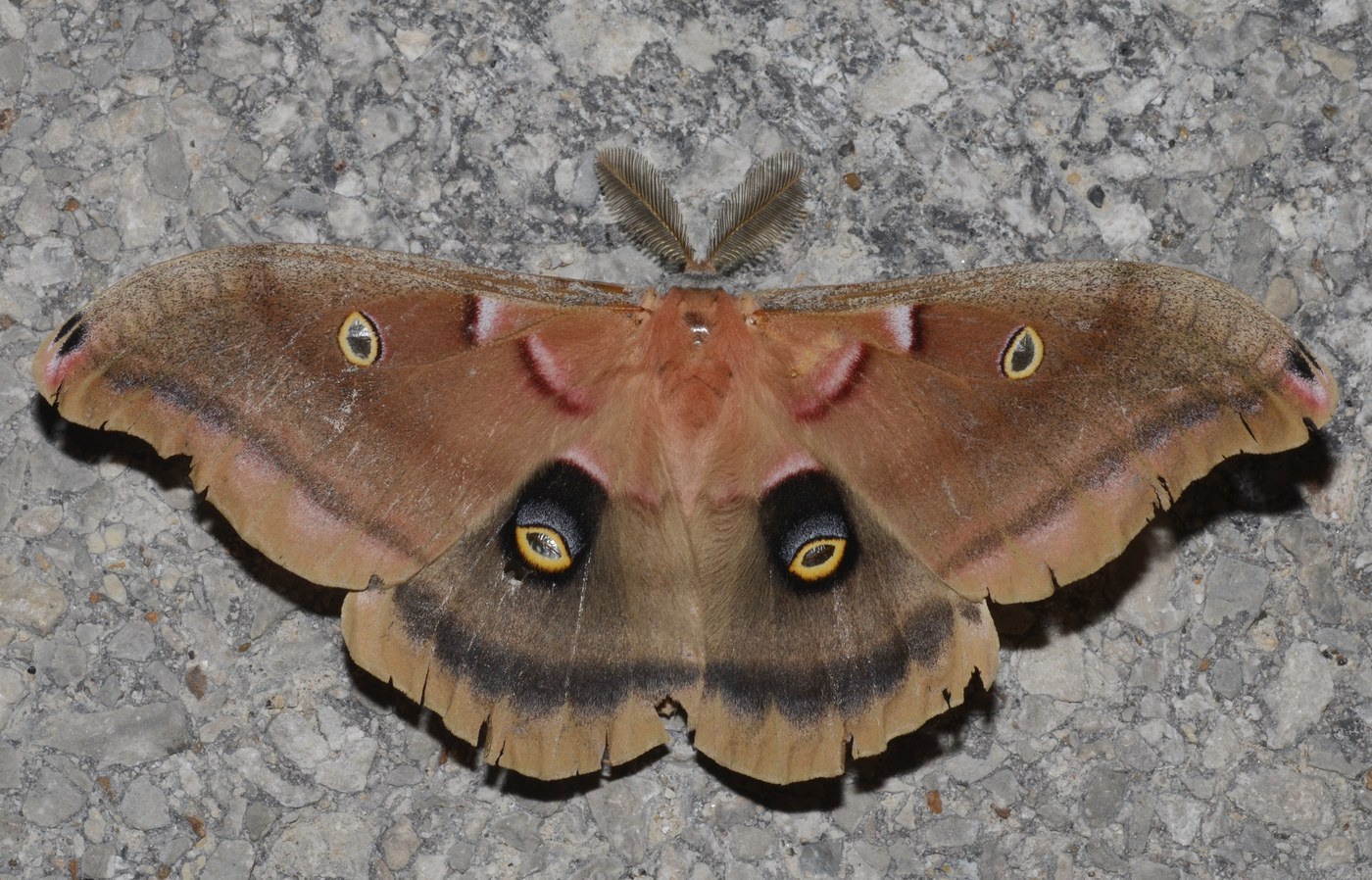
Antheraea Silkmoth
Deciduous forests, woodland edges, orchards
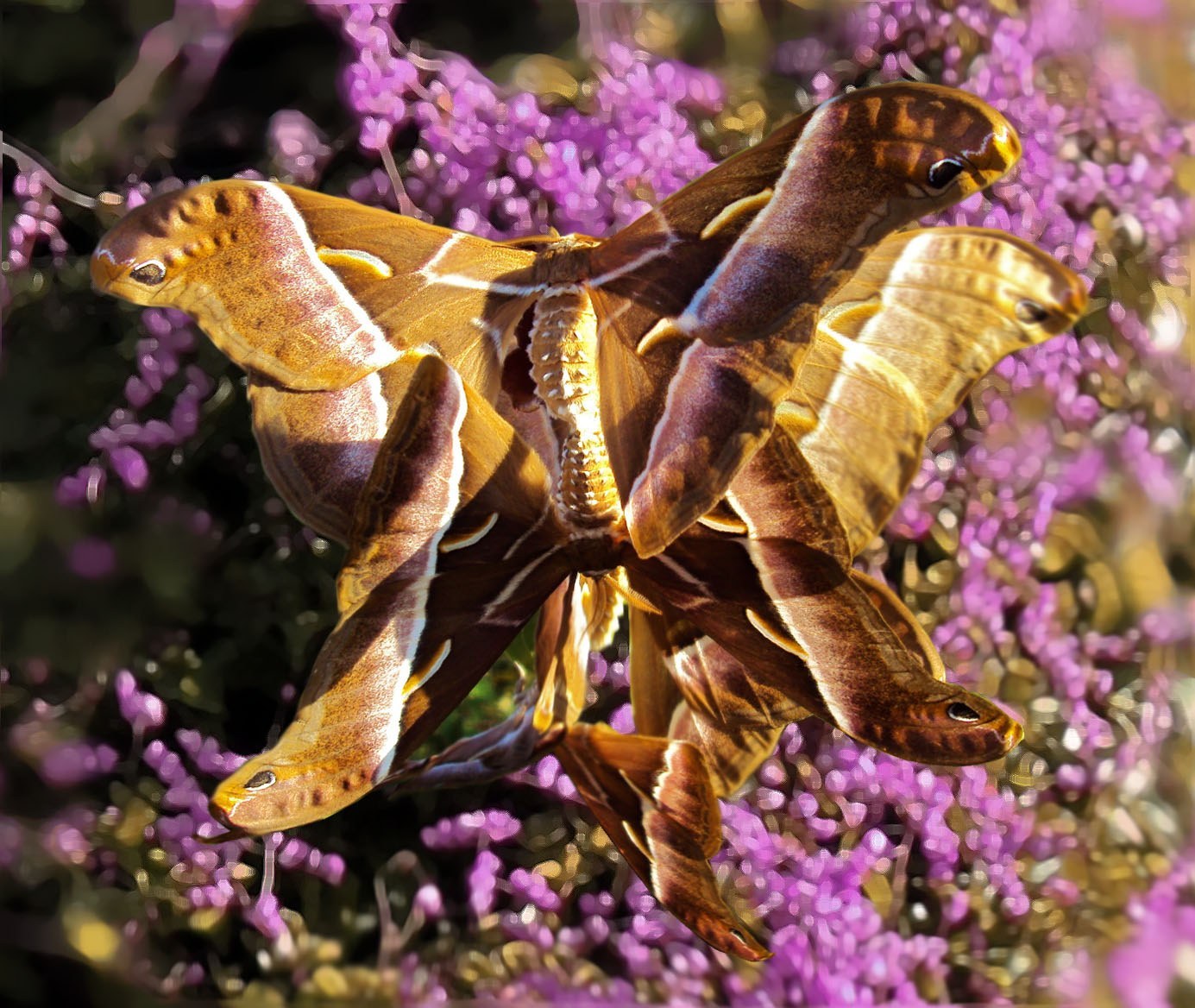
Ailanthus Silkmoth (Cynthia Moth)
Urban parks, wastelands, and woodland edges with tree-of-heaven; native to Asia, introduced in North America and Europe
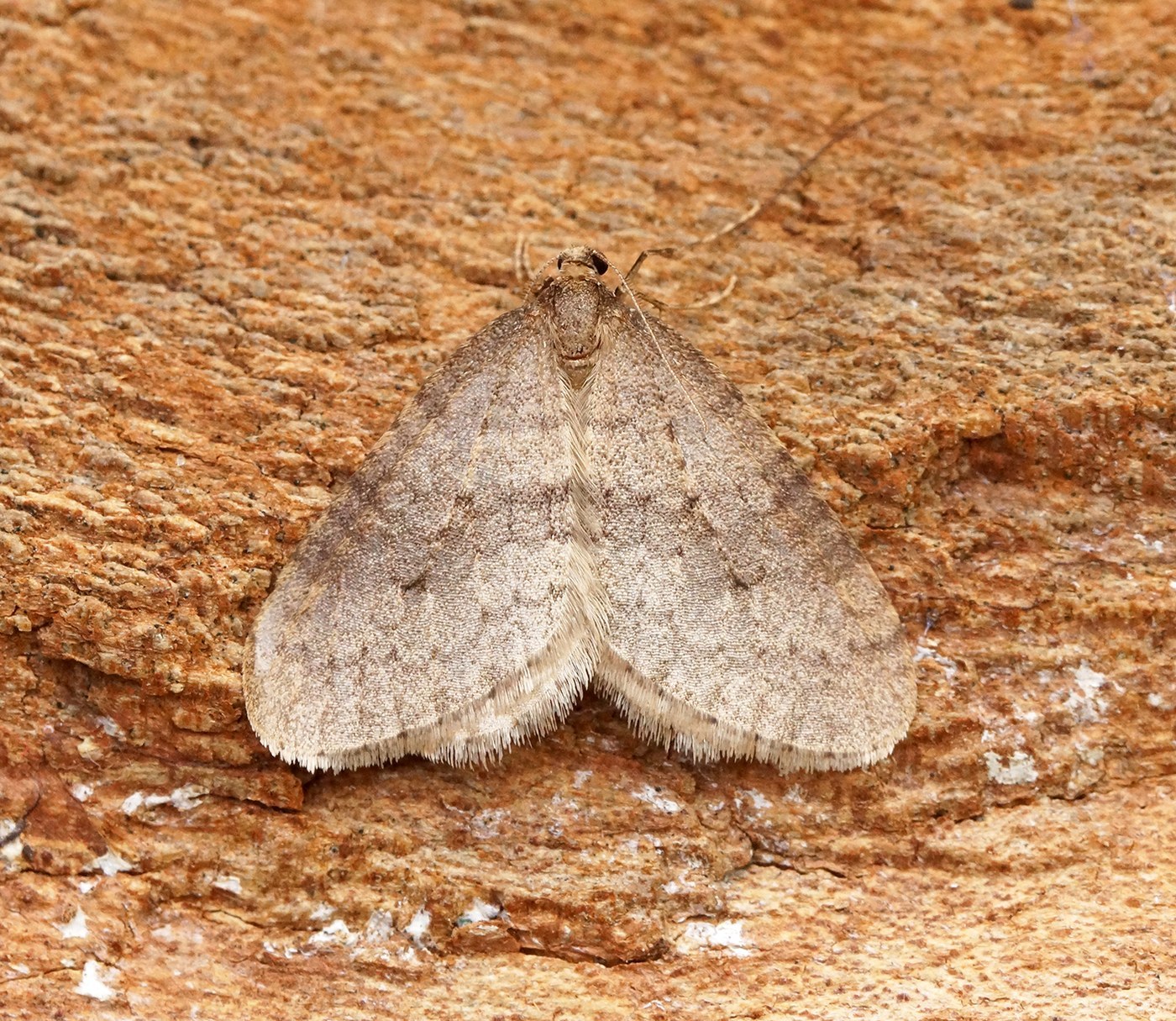
Winter Moth
Deciduous woodland, orchards, gardens, hedgerows
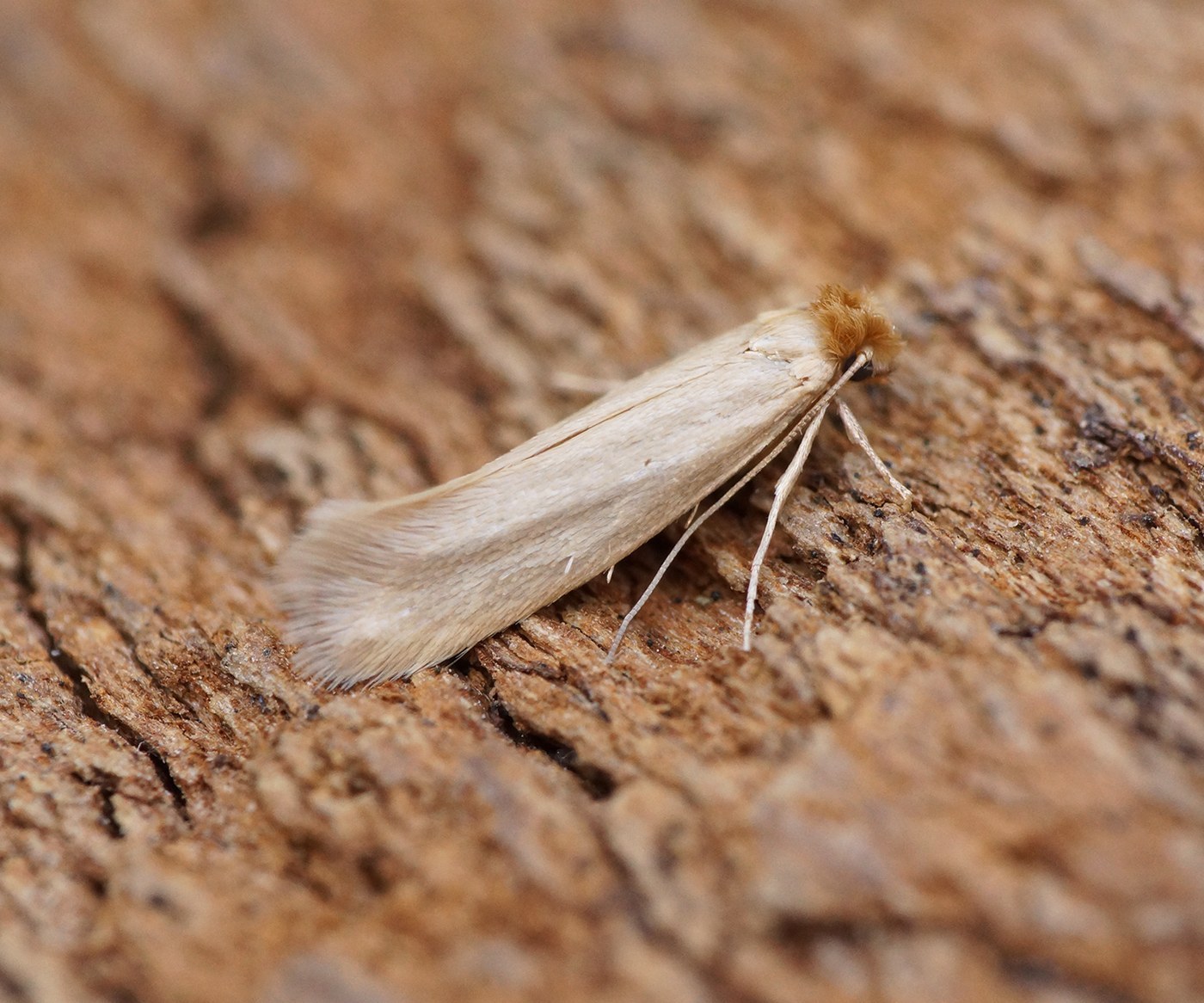
Webbing Clothes Moth
Dark closets, storage areas, and animal nests worldwide
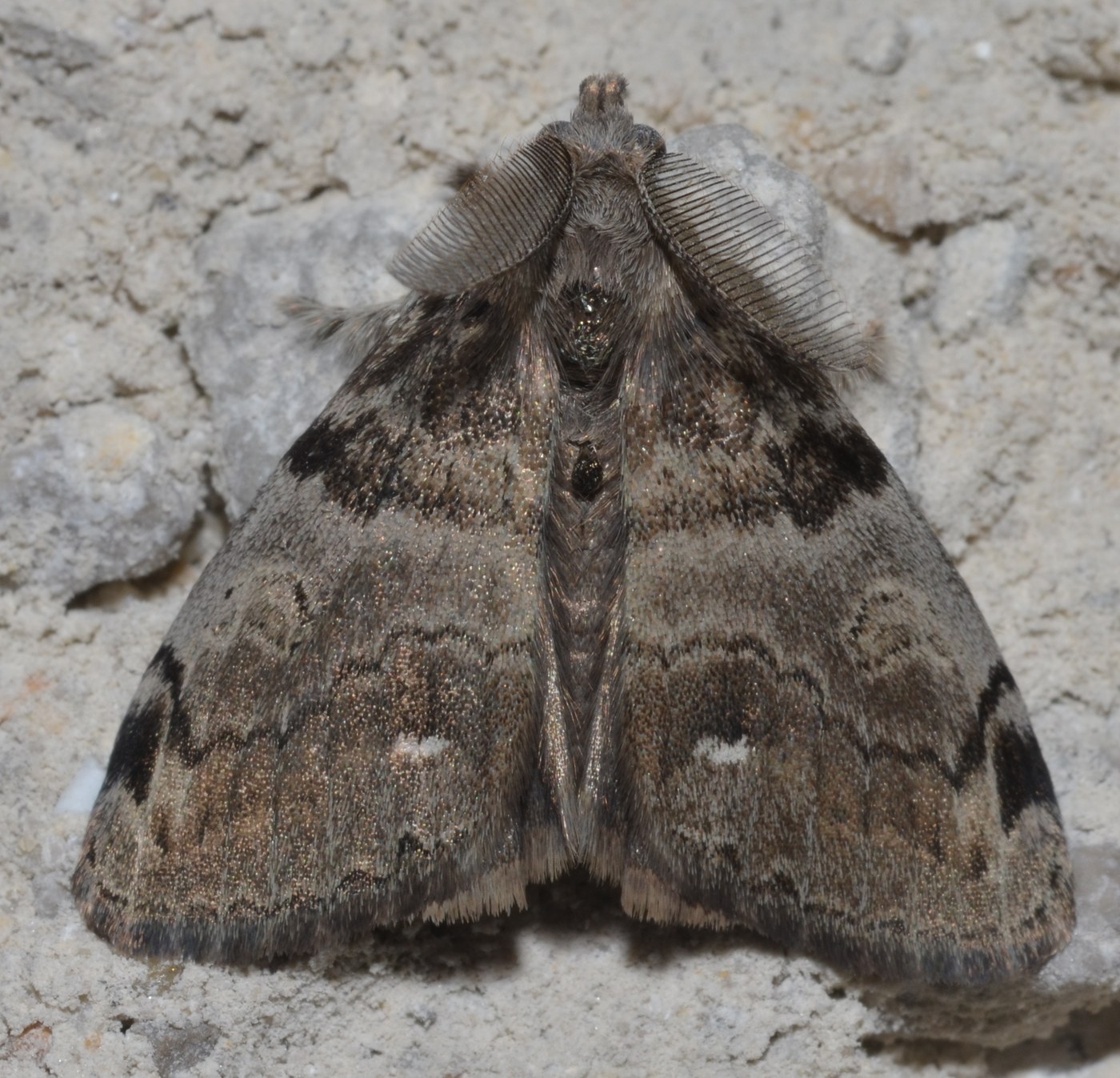
Tussock Moth
Deciduous forests, parks, gardens
Wax Moth
Beehives, apiaries, stored beeswax and comb
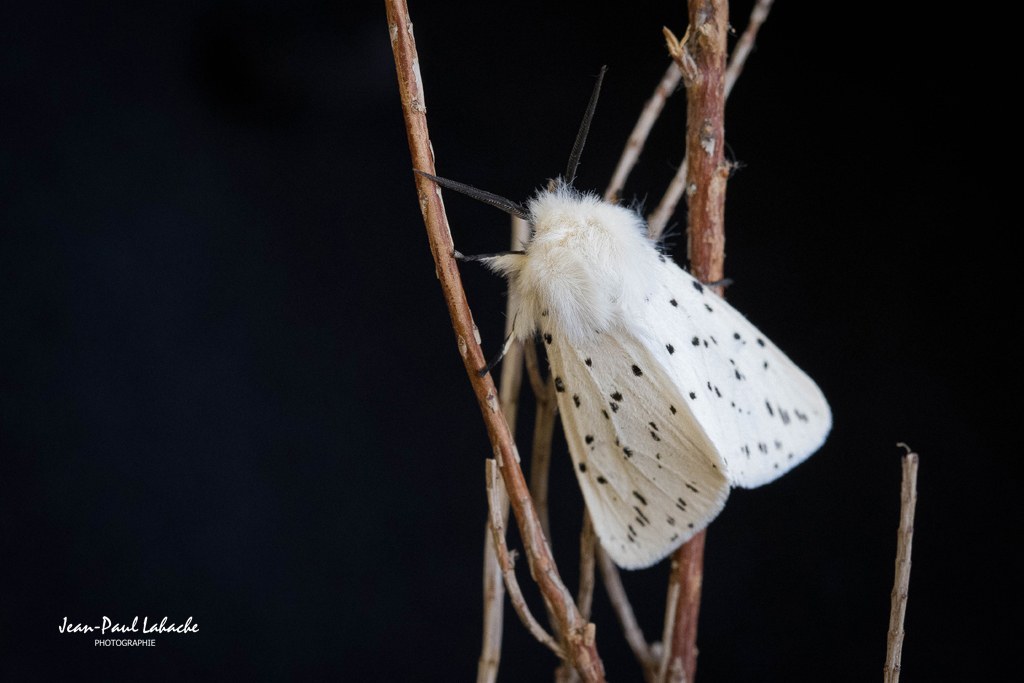
White Ermine Moth
Gardens, meadows, hedgerows
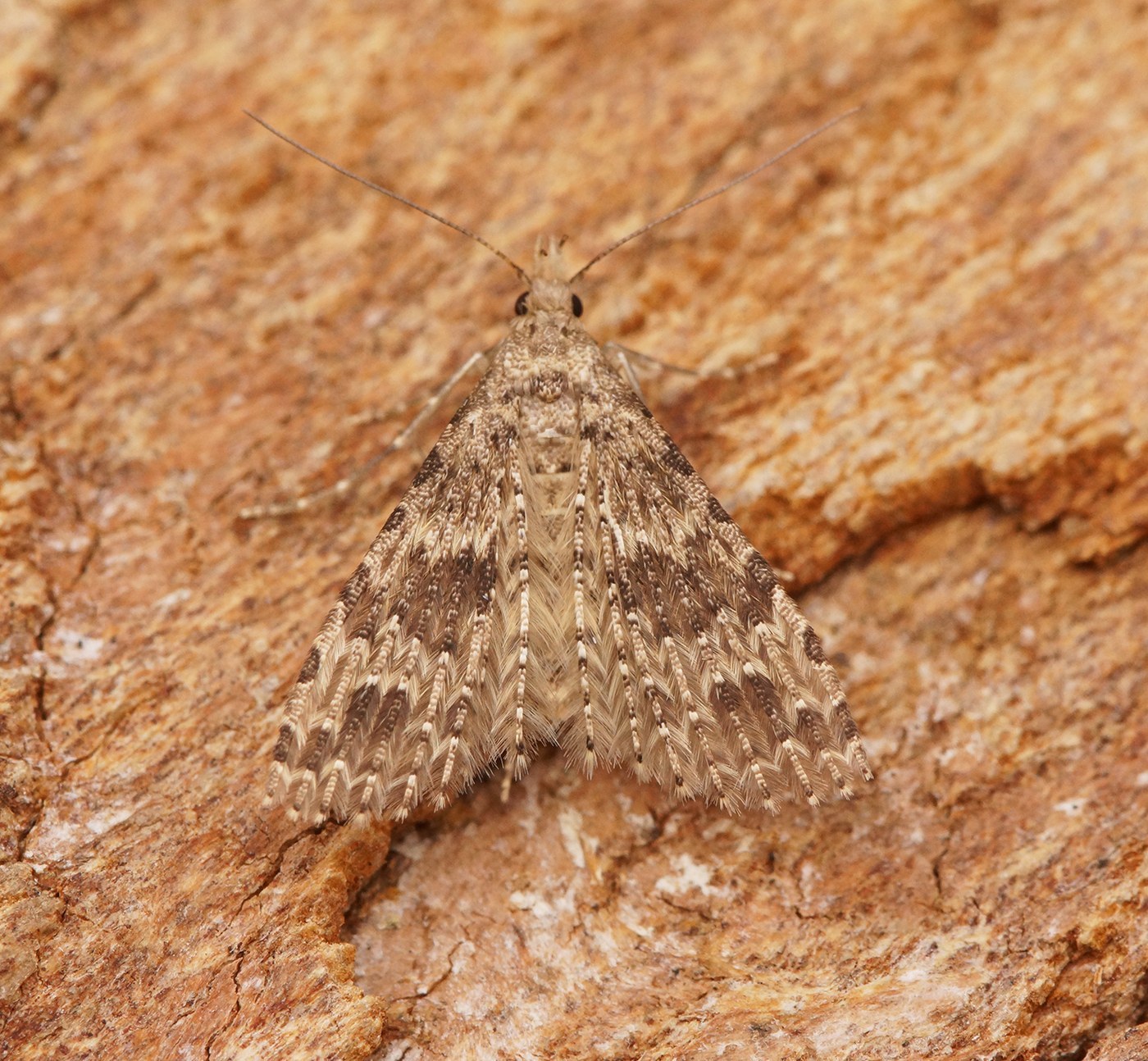
Twenty-plume Moth
Gardens, hedgerows, near honeysuckle
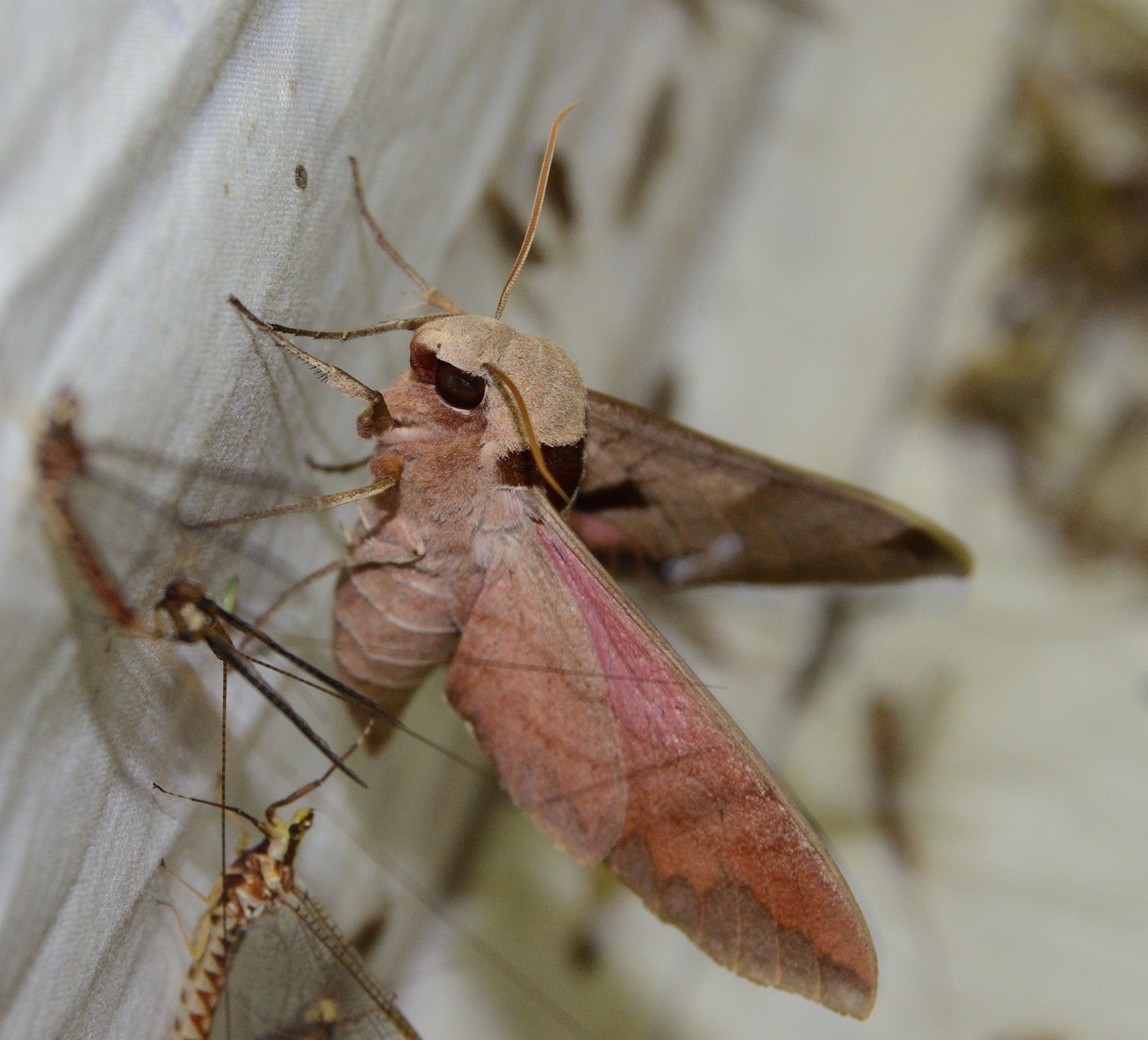
Achemon Sphinx Moth
Vineyards, woodland edges, gardens with wild grape
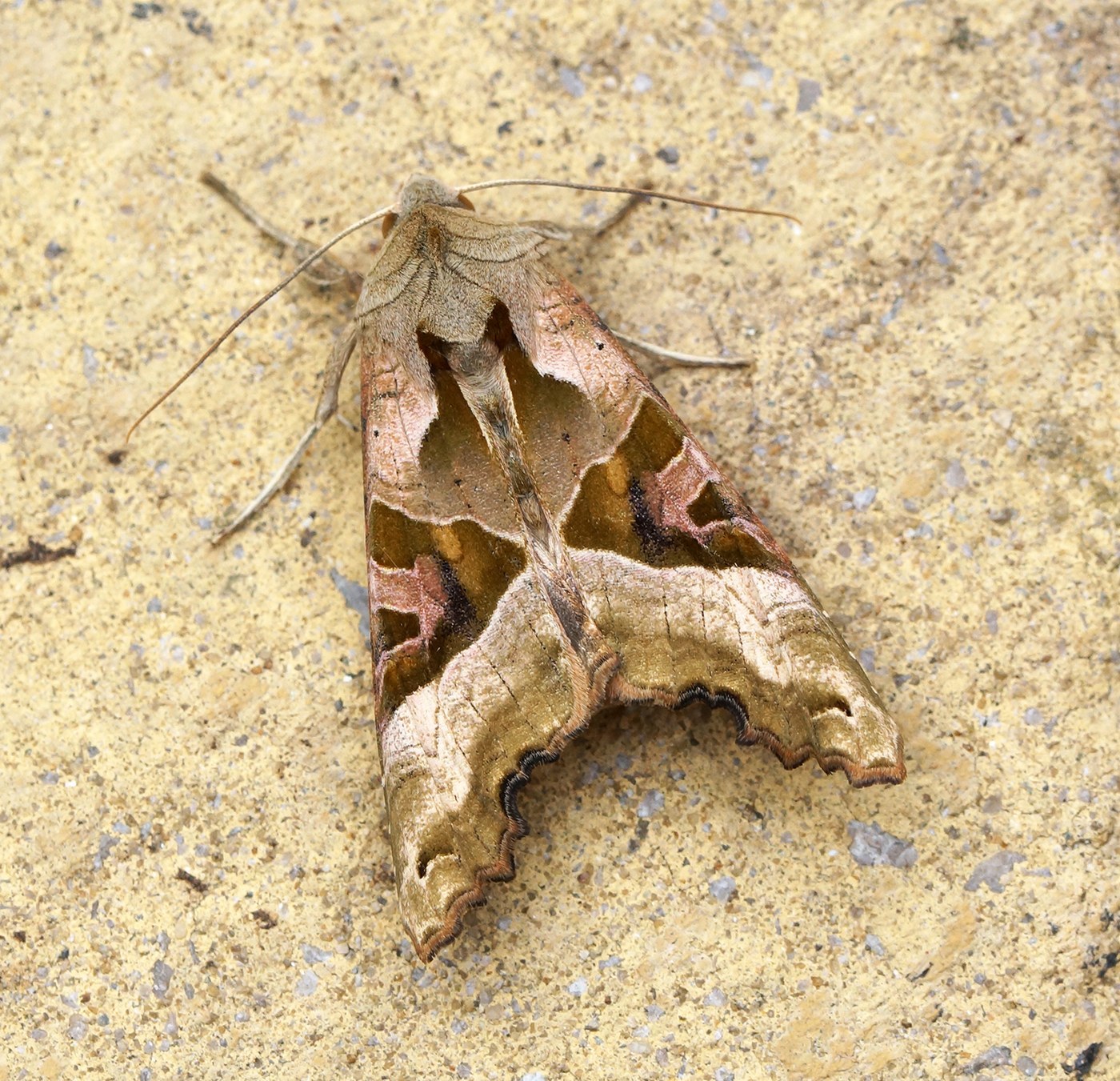
Angle Shades Moth
Gardens, hedgerows, woodland edges, urban parks
Atlas Moth
Tropical and subtropical lowland forests of Southeast Asia