
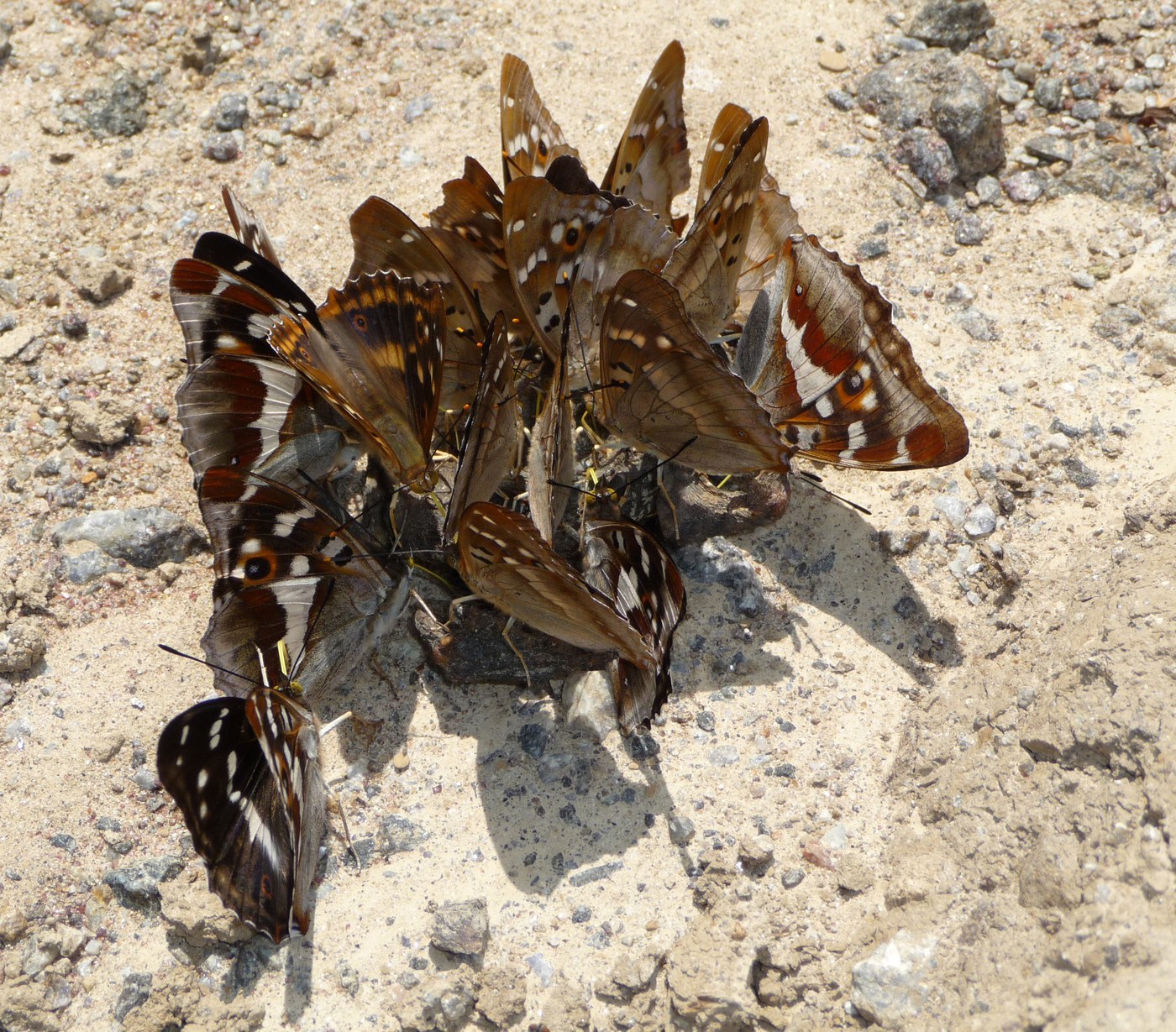
Purple Emperor
Apatura iris
A large, elusive woodland butterfly whose males flash an iridescent purple sheen in sunlight, spending most of their time high in the treetop canopy rather than visiting flowers.
- Size
- 2.8–3.1 in wingspan
- Habitat
- Mature broadleaf woodland with sallow understory
- Danger
- Harmless
Spotted a bug like this?
Identify any bug or insect from a photo, free.
Overview
The Purple Emperor is one of the largest and most sought-after butterflies of European woodlands, a member of the family Nymphalidae renowned for the structural, light-reflecting iridescence of the male's wings. Unlike most butterflies, males rarely descend to nectar on flowers, instead spending much of their time perched high in the canopy of tall oaks, making sightings a challenge even where the species is locally common.
The striking purple sheen is not produced by pigment but by microscopic ridges on the wing scales that refract light, an optical effect that only becomes visible at certain viewing angles, causing the wings to appear dark brown from most positions and vividly purple from others.
The species is tied to mature broadleaf woodland containing both tall 'master trees' for canopy display and an understory of sallow (goat willow), the sole food plant of its caterpillars, making it an indicator of well-structured, ecologically rich woodland.
How to Identify
- Males show a brilliant iridescent purple sheen across the dark brown wings when viewed at certain angles in sunlight; from other angles the wings appear plain dark brown.
- Both sexes have a broad white band across each wing and a small orange-ringed eyespot near the base of the hindwing.
- Females are larger than males and lack the purple iridescence, appearing simply dark brown with the same white banding.
- This is one of the largest butterflies in its range, with a heavy-bodied, powerful flight quite unlike smaller woodland browns.
- Males are famously attracted to unusual substances such as sap, dung, and carrion rather than flowers, a useful behavioral identification clue.
Habitat & Range
The Purple Emperor is found very locally across mature deciduous woodland in central and southern England and across much of continental Europe into temperate Asia. It requires large tracts of woodland combining tall oak or ash 'master trees,' used by males for territorial display, with a shrub layer of sallow for caterpillar feeding.
Adults fly for a few weeks in mid-summer, typically late June through August, and rarely stray far from woodland, though males occasionally descend to ground level to feed on sap runs, dung, or other substrates.
Behavior & Diet
Males spend most daylight hours perched high in the canopy of a favored tall tree, engaging in rapid, powerful sorties to intercept rival males or passing females, then returning to the same perch, a behavior known as 'master tree' territoriality. Unlike most butterflies, adults obtain nutrients not primarily from flower nectar but from tree sap, aphid honeydew, and mineral-rich substances found on the ground.
Females spend more time lower down, searching sallow bushes in dappled shade to lay eggs, making them somewhat easier to observe than the canopy-dwelling males.
Life Cycle
Eggs are laid singly on the upper surface of sallow leaves and hatch into caterpillars with a distinctive pair of curved 'horns' on the head, camouflaged green to match the leaf. Caterpillars overwinter while still small, resting on a silk pad on a twig, then resume feeding on fresh sallow growth the following spring.
After completing several instars, the caterpillar pupates in a green, leaf-mimicking chrysalis suspended beneath a leaf. The species is univoltine, producing a single generation of adults each summer.
Frequently asked questions
Why is the Purple Emperor so hard to see despite its size?
Males spend most of their time high in the woodland canopy around favored 'master trees' and rarely descend to visit flowers.
Is the purple color a pigment?
No, the iridescent purple is a structural color created by light-refracting scales, visible only from certain angles.
What plant do Purple Emperor caterpillars eat?
Sallow, also known as goat willow, is the sole food plant of the caterpillars.
Do Purple Emperors visit garden flowers?
Rarely; males are more often drawn to tree sap, animal dung, or other mineral-rich substances than to flower nectar.
Purple Emperor guides
In-depth guides for identifying, understanding, and living alongside Purple Emperor.
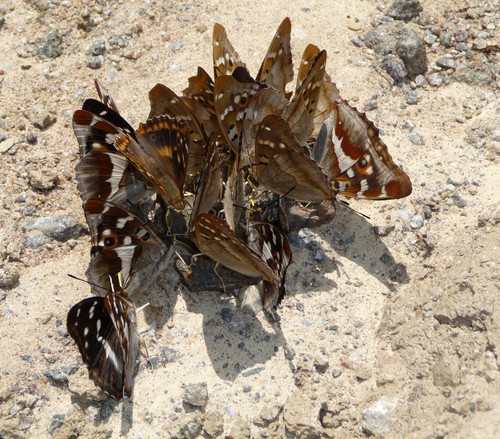
Purple Emperor identified by the community
Real finds identified with Bug Identifier.
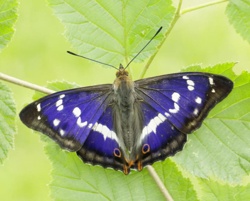
Other bugs you may enjoy
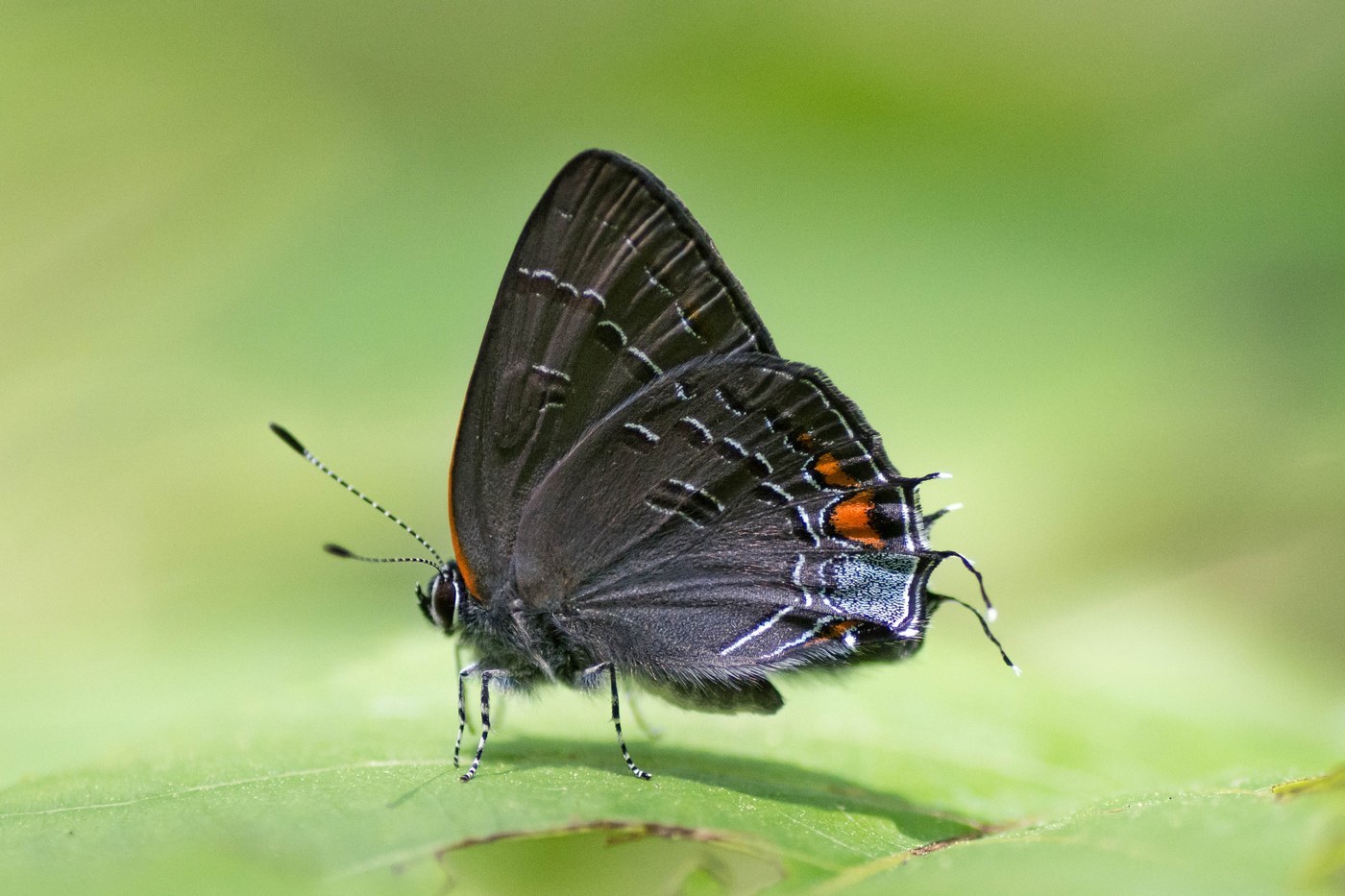
Banded Hairstreak
Deciduous woodlands and edges with oaks and hickories
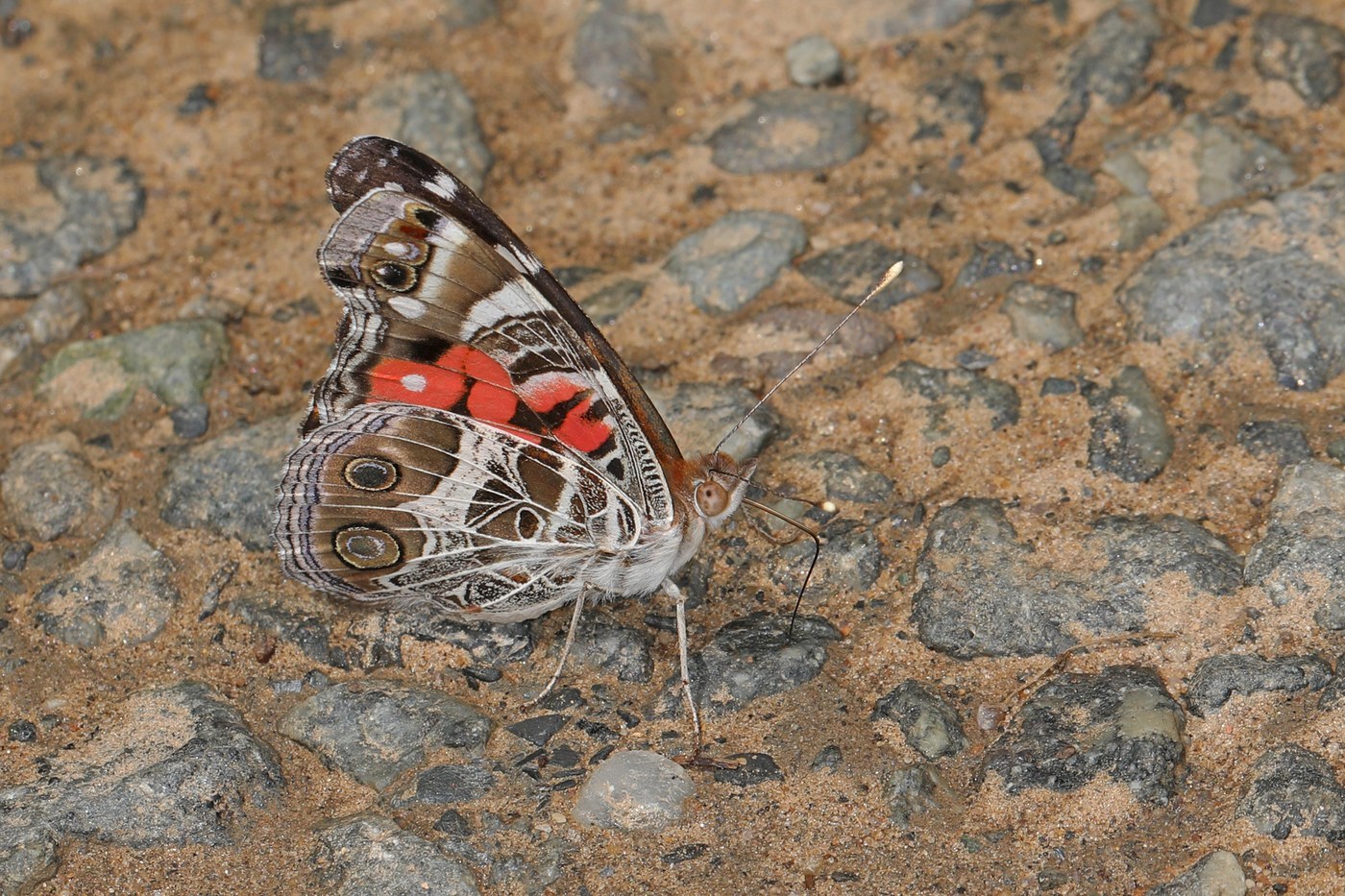
American Lady
Open fields, meadows, gardens, roadsides
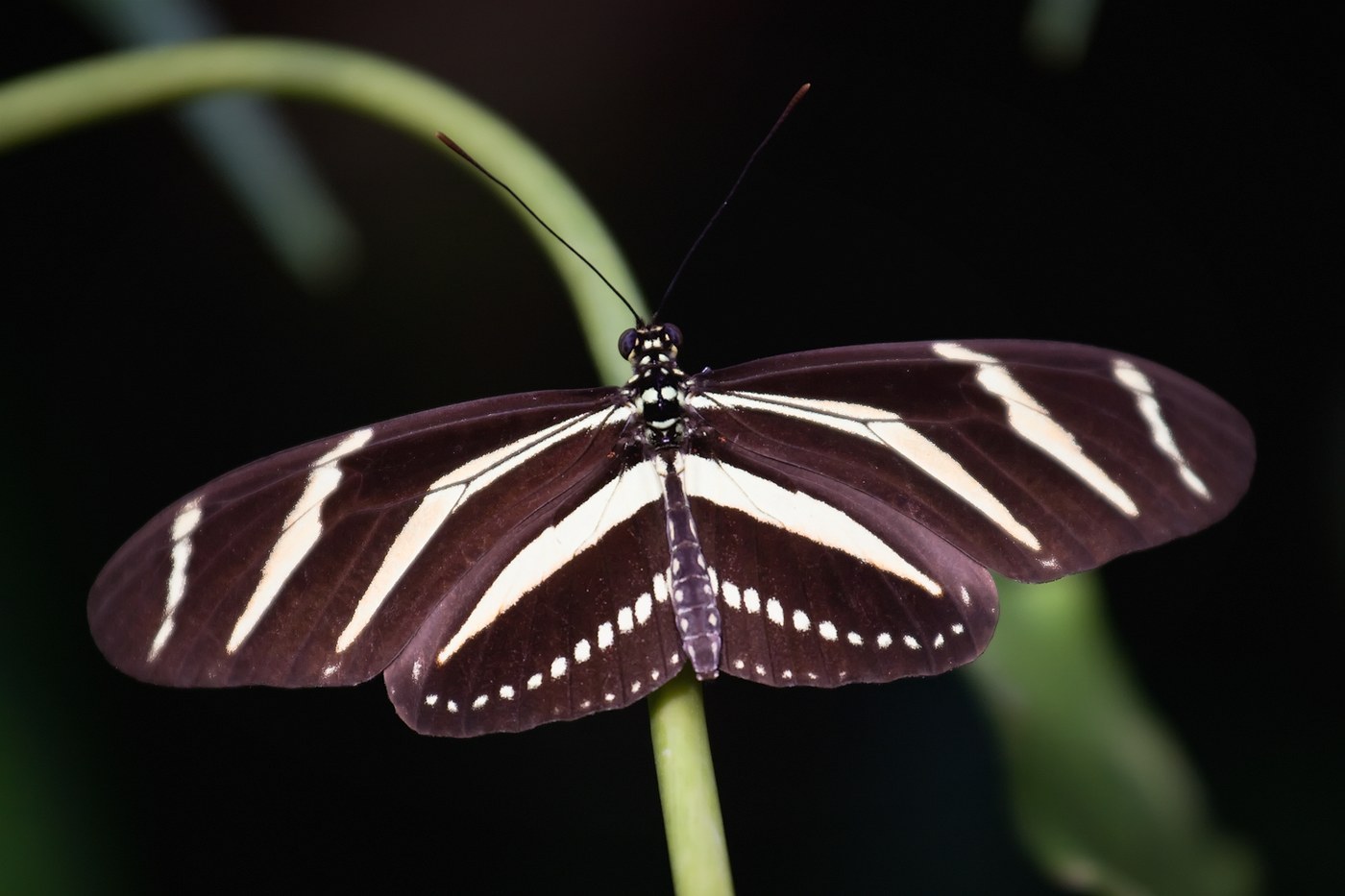
Zebra Longwing
Tropical hammocks, gardens, forest edges
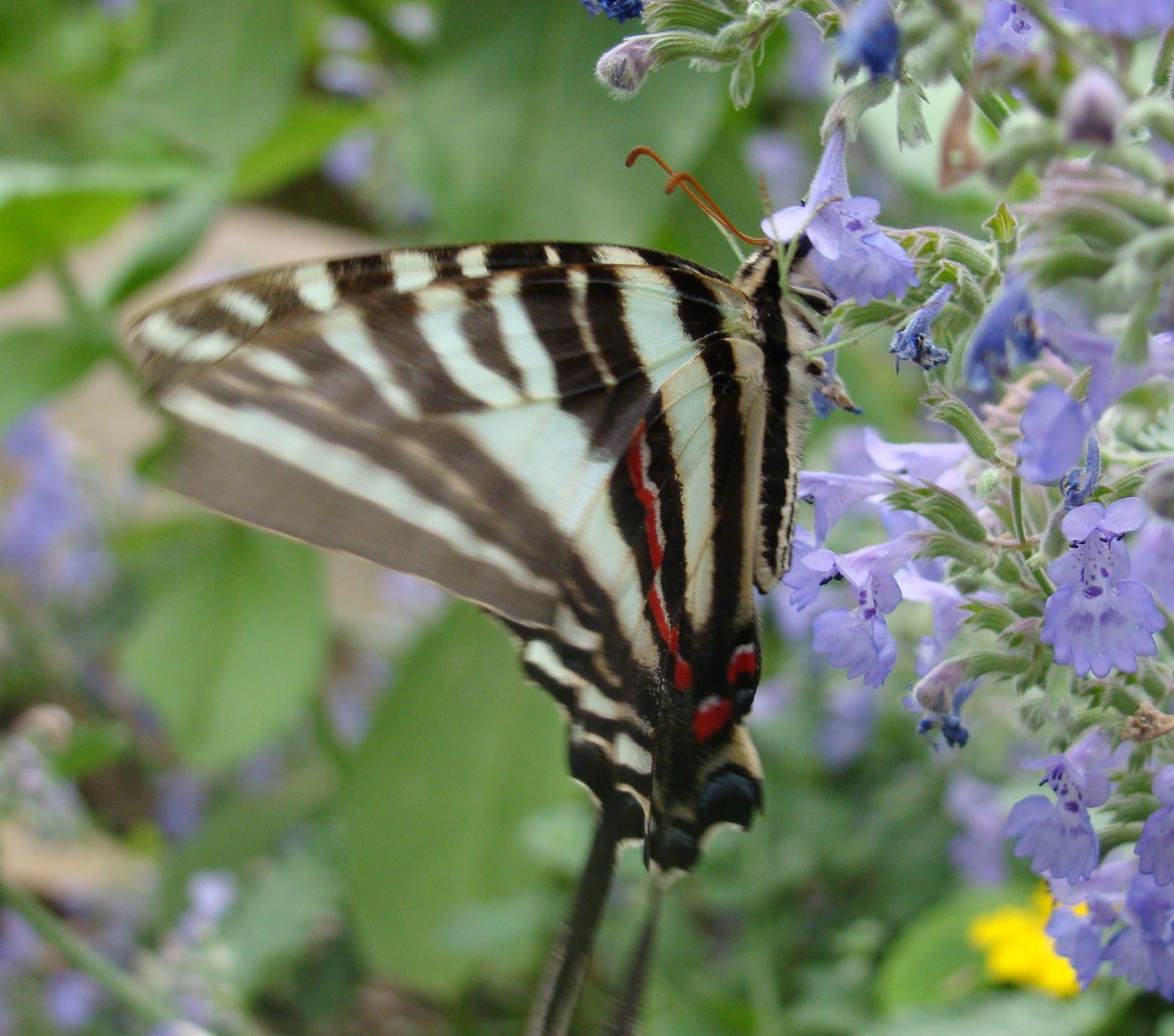
Zebra Swallowtail
Woodlands, floodplains, forest edges near pawpaw
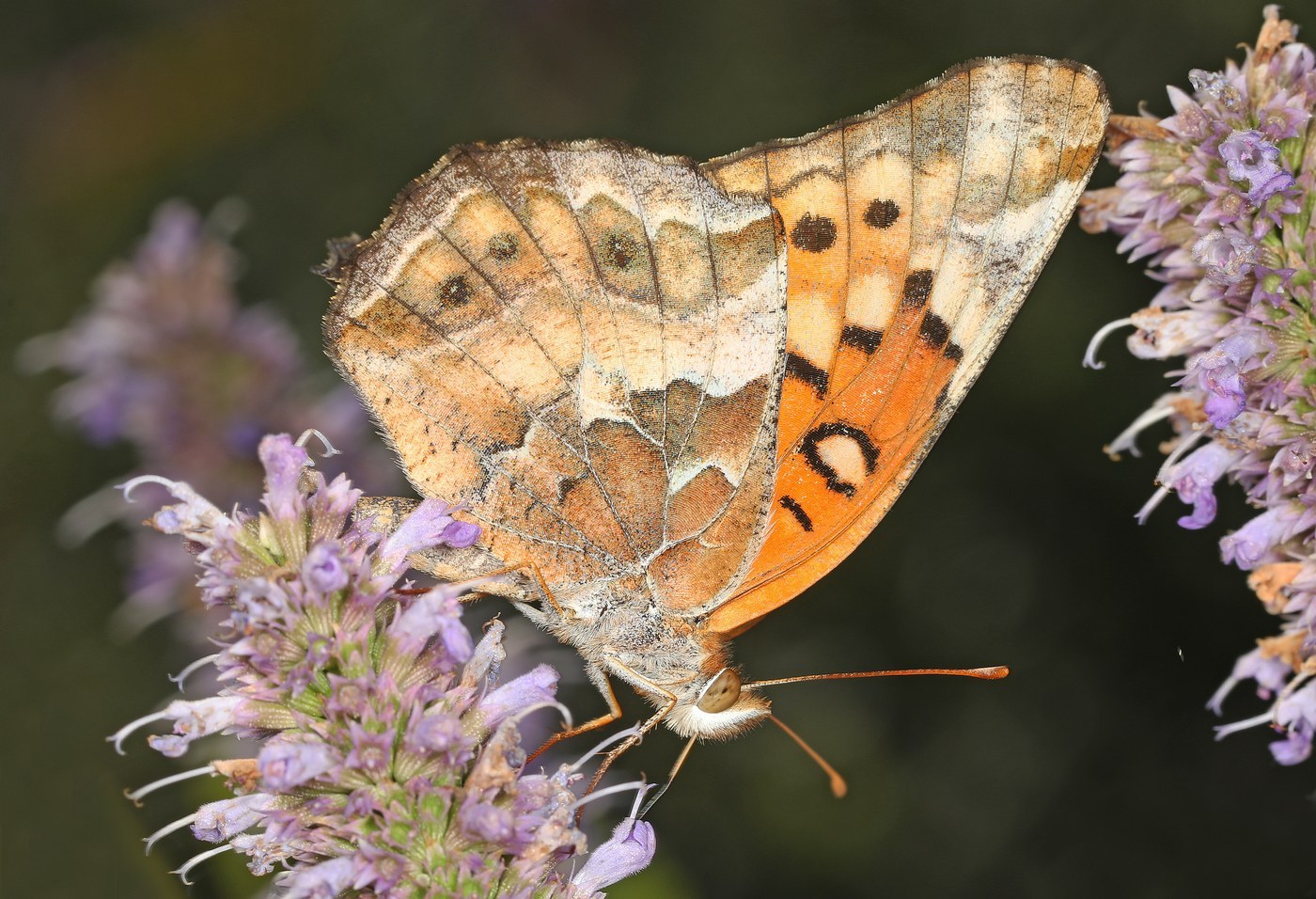
Variegated Fritillary
Open fields, prairies, roadsides, and disturbed ground across most of the United States
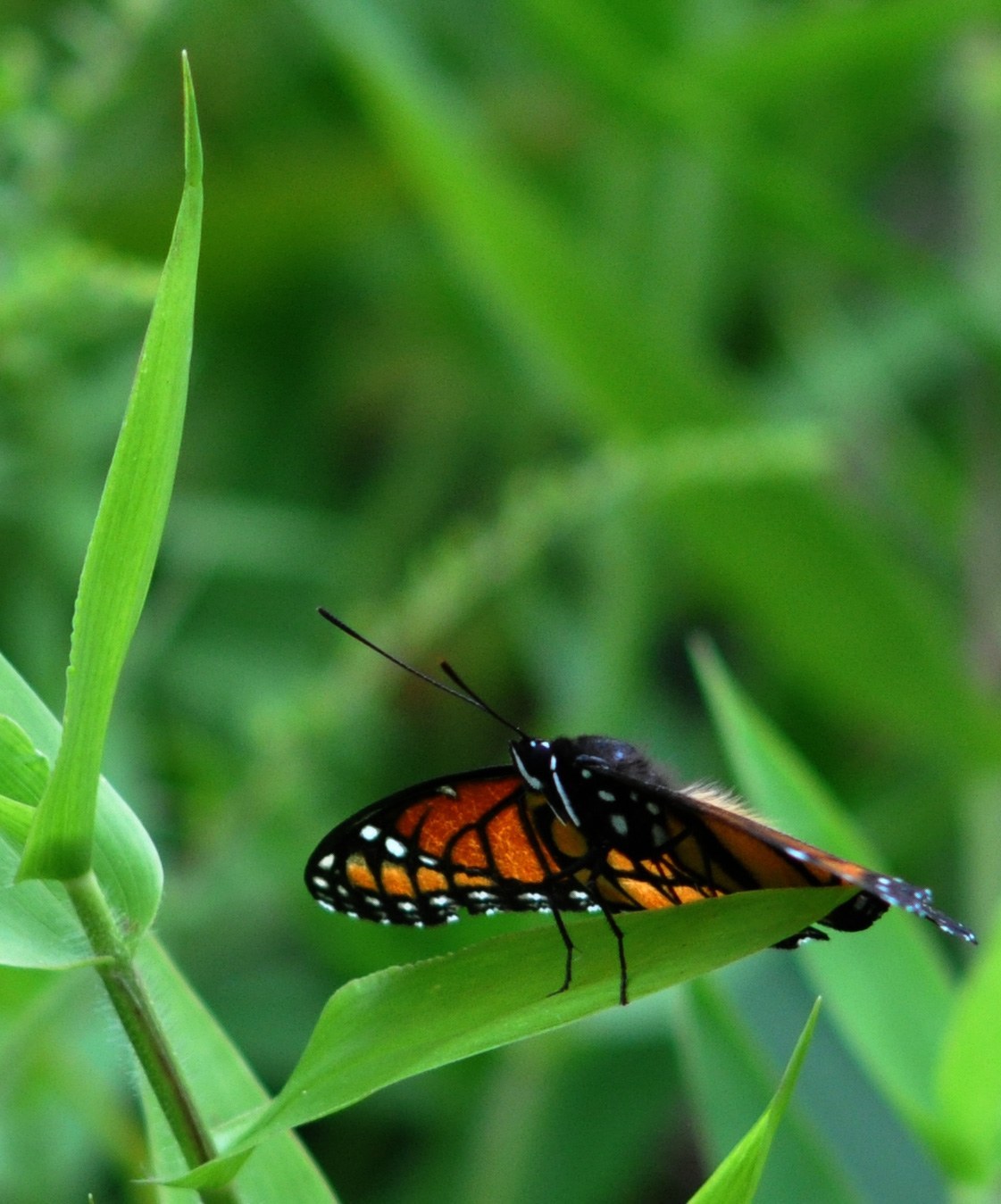
Viceroy Butterfly
Wetlands, meadows, riverbanks, willow thickets (North America)
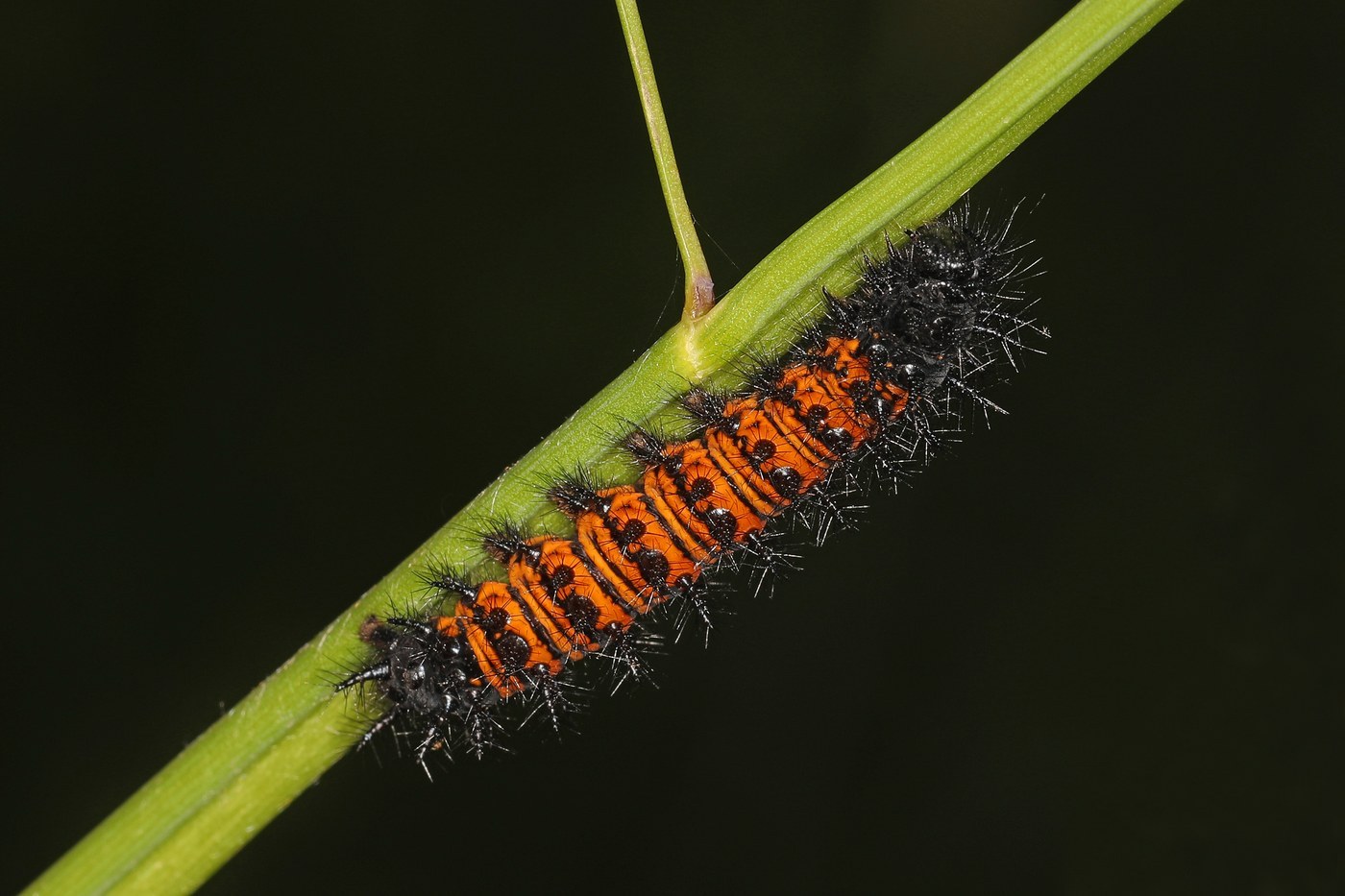
Baltimore Checkerspot
Wet meadows, bogs, and marshy fields in the northeastern and Appalachian US
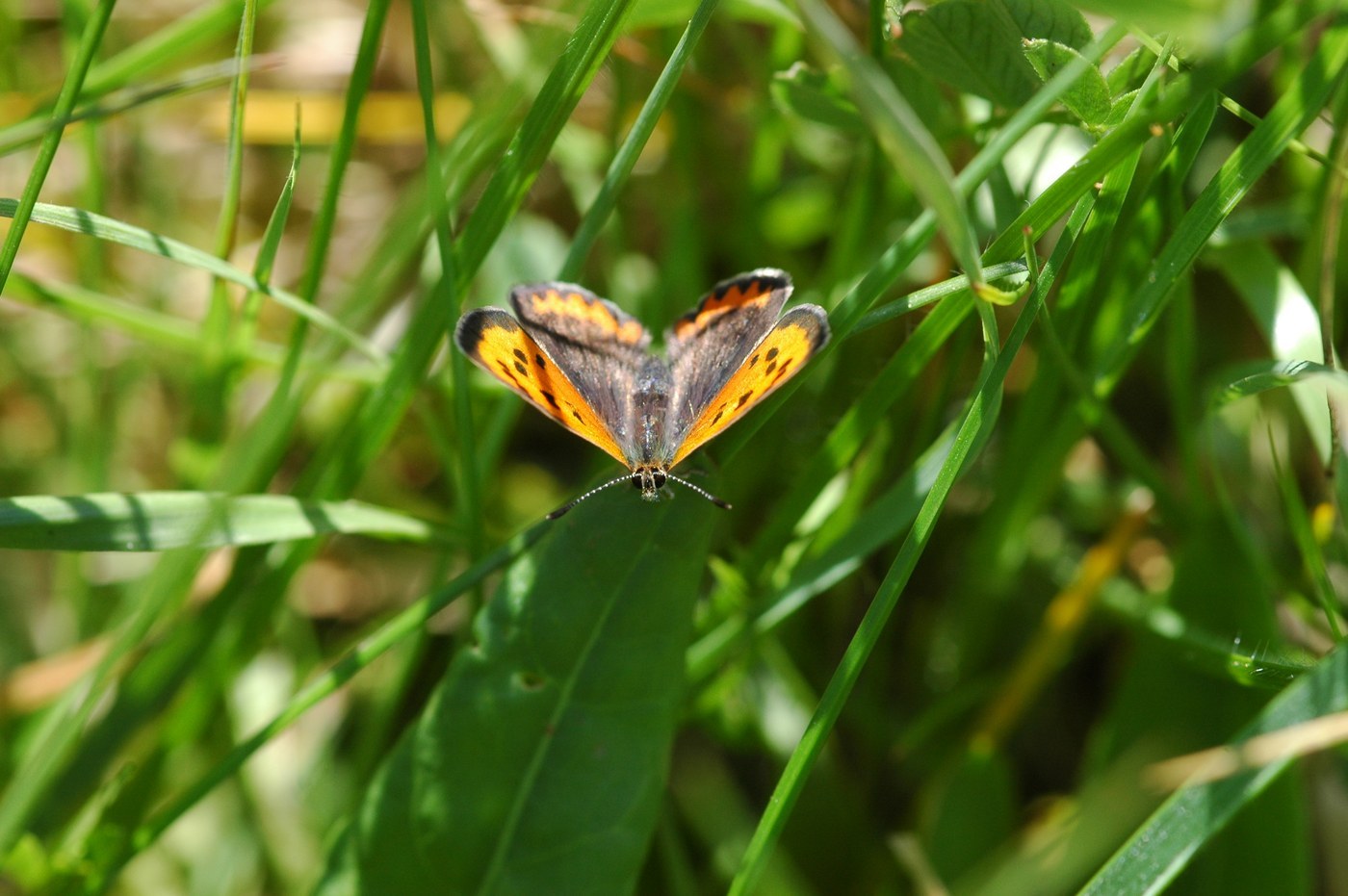
American Copper
Old fields, roadsides, and disturbed open ground with sorrel or dock
West Virginia White
Rich deciduous forest floors, especially near seeps and streams
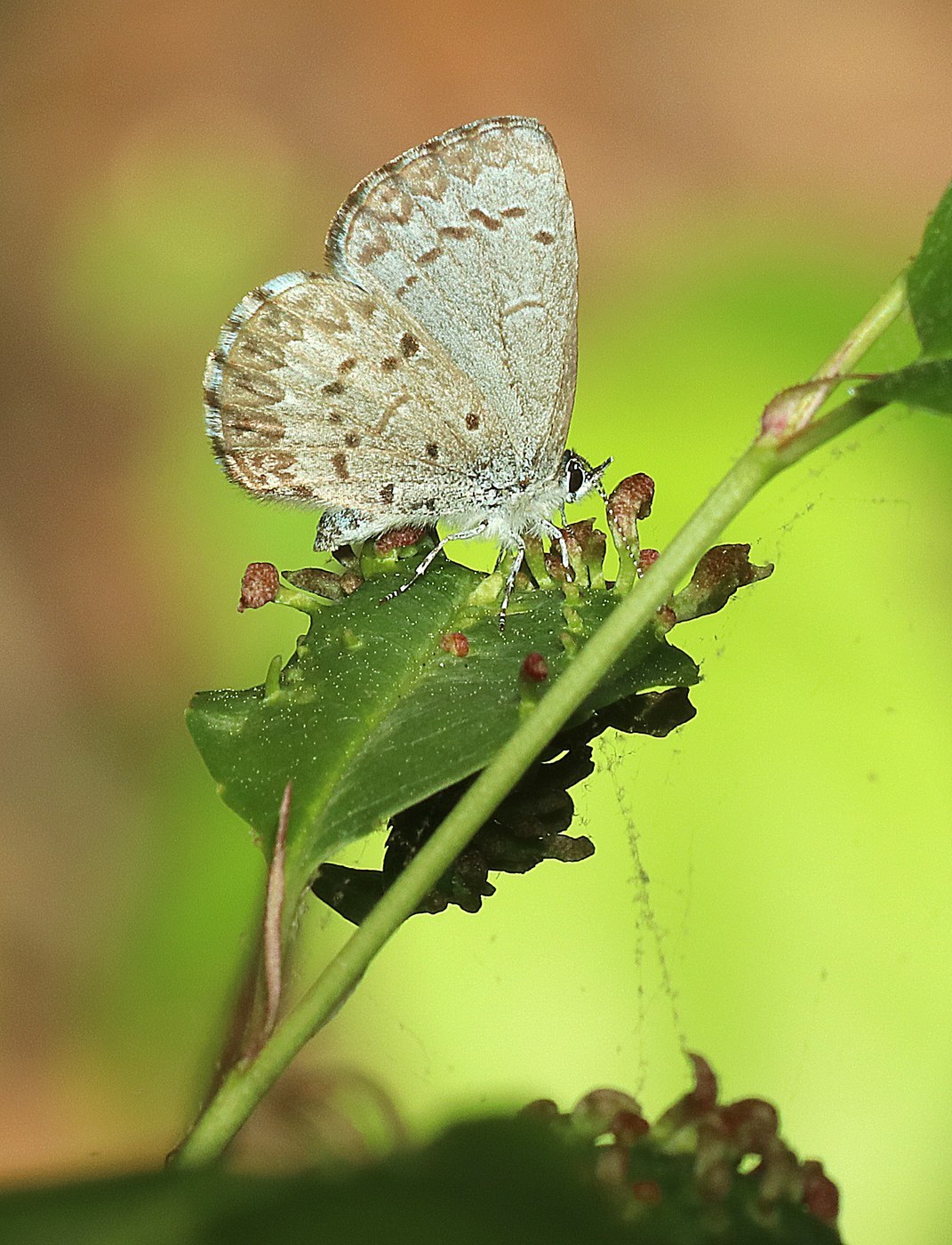
Spring Azure
Woodland edges, gardens, shrubby clearings
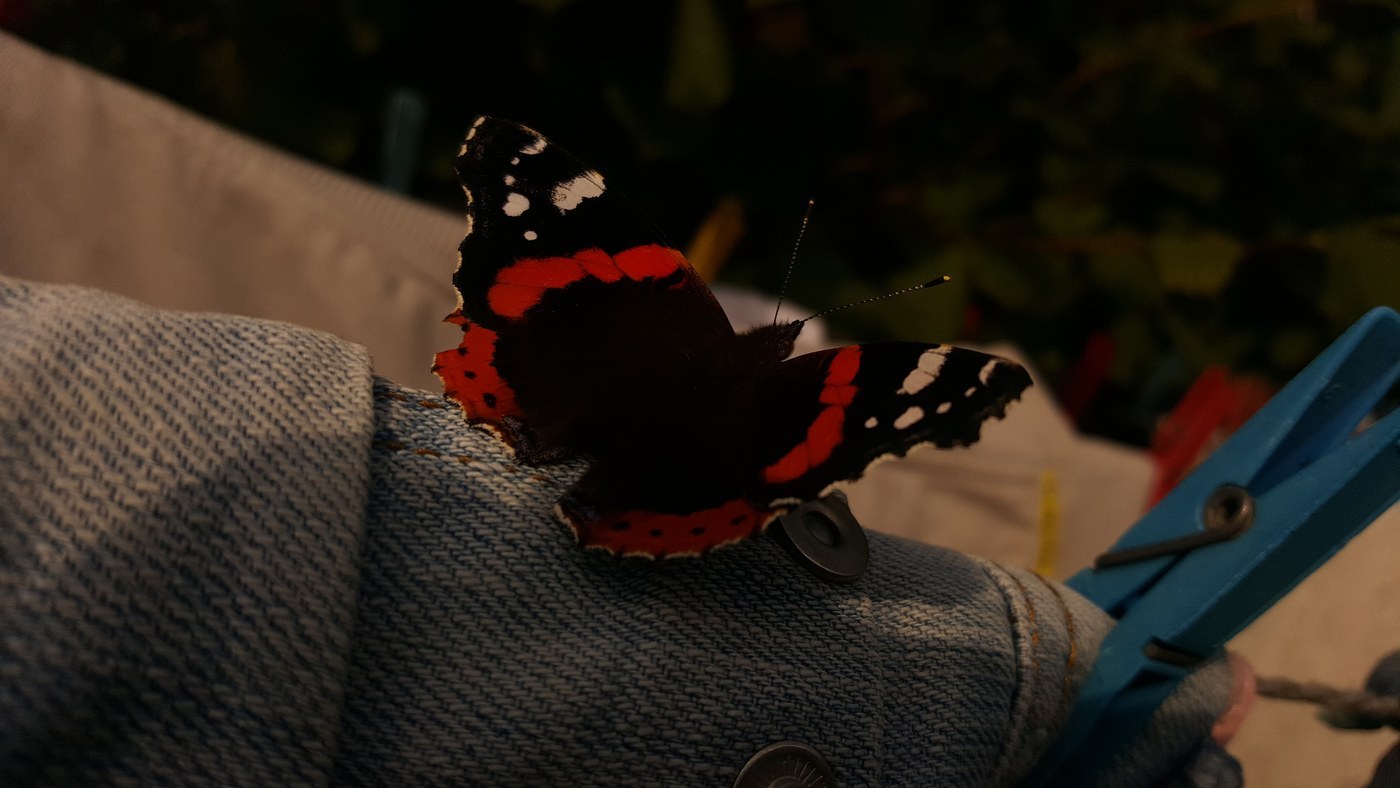
Red Admiral
Gardens, woodland edges, parks, meadows
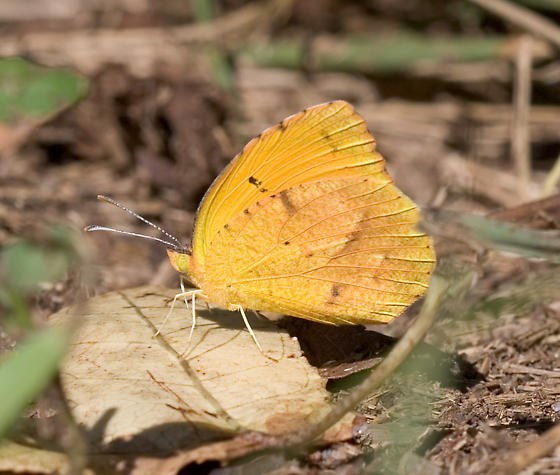
Sleepy Orange
Open woodland, fields, roadsides, and disturbed ground