
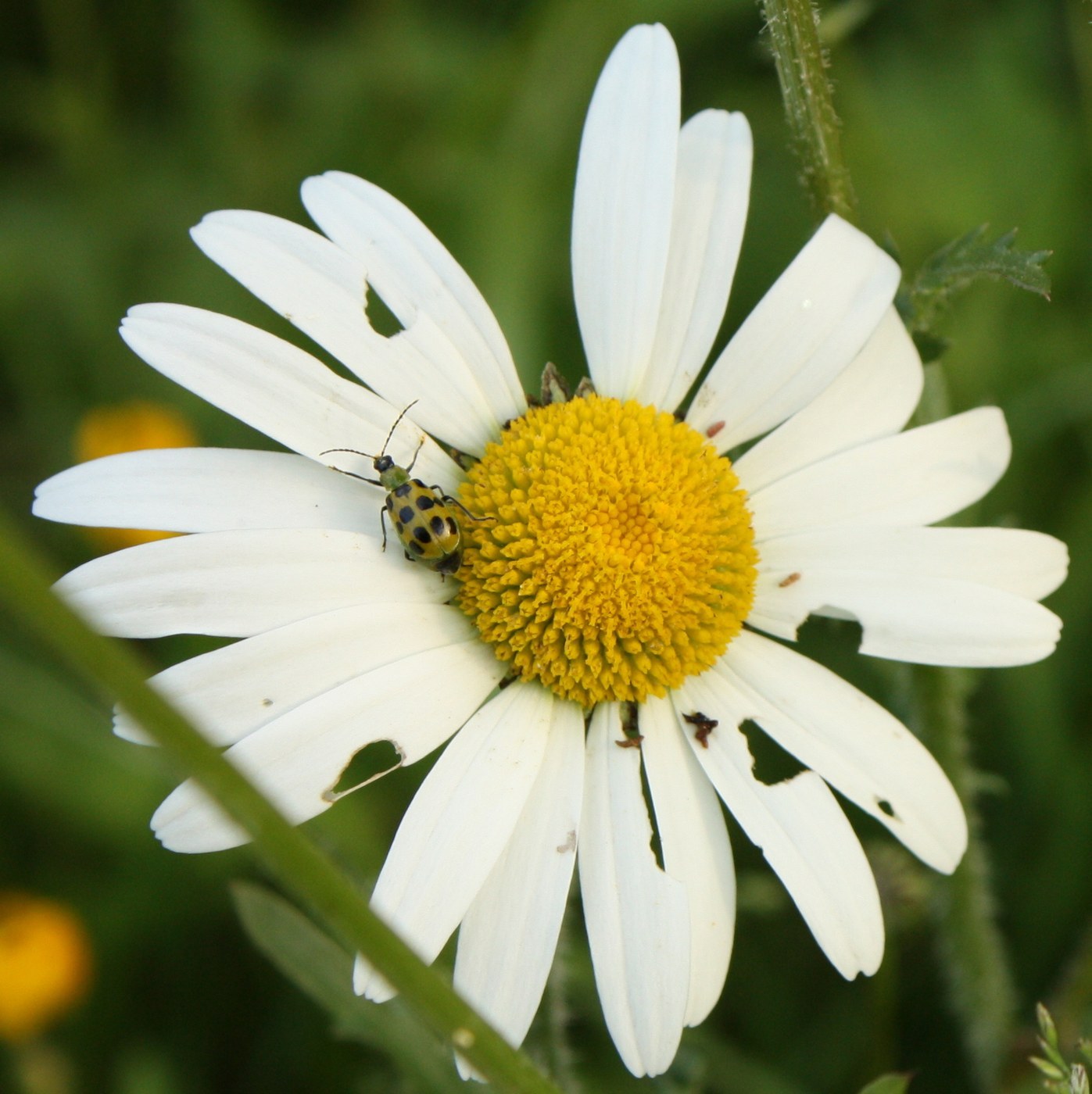
Spotted Cucumber Beetle
Diabrotica undecimpunctata
A small, elongated yellow-green beetle marked with twelve black spots across its wing covers, commonly seen on cucurbit and corn plants throughout the growing season.
- Size
- 5–7 mm
- Habitat
- Vegetable gardens, farm fields, and meadows with cucurbits and other crops
- Danger
- Nuisance pest
Spotted a bug like this?
Identify any bug or insect from a photo, free.
Overview
The spotted cucumber beetle is a common leaf beetle in the family Chrysomelidae, subfamily Galerucinae, easily recognized by its pale yellow-green body dotted with a dozen black spots. It is one of the most widespread and frequently encountered beetles in North American gardens and farmland.
Its larval stage, known as the southern corn rootworm, feeds underground on the roots of corn and other grasses, while the adult stage feeds above ground on the leaves, flowers, and fruit of cucurbits and many other plants, giving the species a broad host range across its life cycle.
As a generalist feeder present in large numbers, the spotted cucumber beetle is a familiar and ecologically significant insect in agricultural landscapes, interacting with a wide variety of cultivated and wild plants throughout its range.
How to Identify
- Adult: 5–7 mm, elongated oval body, pale greenish-yellow overall with eleven to twelve distinct round black spots arranged across the elytra.
- Head and antennae are black, and the legs are typically dark as well, contrasting with the pale body.
- Antennae are moderately long and thread-like.
- Lookalikes: closely related to the striped cucumber beetle, but distinguished immediately by its spotted rather than striped elytra pattern; both share a similar body shape and size.
Habitat & Range
Widely distributed across the United States and into parts of Canada and Mexico, found in vegetable gardens, row crop fields, meadows, and disturbed open ground wherever cucurbits, corn, beans, or many other host plants grow. Adults are active from late spring through fall, with peak abundance in mid to late summer.
Behavior & Diet
Adults feed on the leaves, flowers, and developing fruit of cucurbits and a wide range of other garden and field plants, chewing irregular holes in foliage and petals. Larvae, called southern corn rootworms, live in the soil and feed on the roots of corn and various grasses. As a highly mobile and generalist feeder, this beetle interacts with numerous plant species and is considered a common agricultural pest across much of its range.
Life Cycle
Females lay eggs in the soil near the base of host plants, and the larvae hatch and burrow down to feed on roots for several weeks. After completing larval development, they pupate in the soil, and adults emerge to feed above ground and mate. The species can produce one to several generations per year depending on climate, with adults overwintering in leaf litter or soil in milder regions.
Frequently asked questions
How is it different from the striped cucumber beetle?
The spotted cucumber beetle has black spots on a yellow-green background, while the striped cucumber beetle has three bold black longitudinal stripes instead of spots.
What do the larvae eat?
The larvae, known as southern corn rootworms, feed underground on the roots of corn and various grasses.
What plants do adults feed on?
Adults feed on a wide range of plants including cucumbers, squash, beans, corn silk, and many garden flowers.
When is it most commonly seen?
Adults are most abundant from midsummer through early fall in gardens and fields.
Spotted Cucumber Beetle guides
In-depth guides for identifying, understanding, and living alongside Spotted Cucumber Beetle.
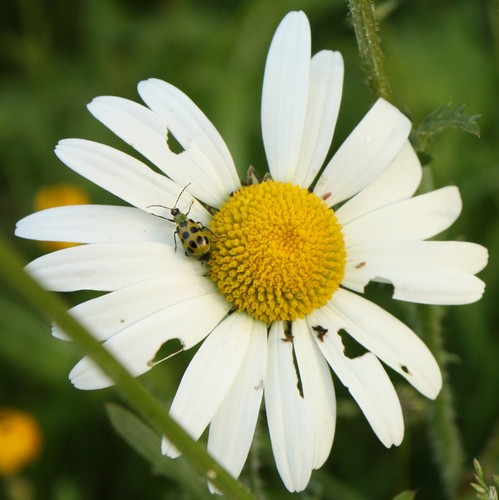
Spotted Cucumber Beetle identified by the community
Real finds identified with Bug Identifier.
Other bugs you may enjoy
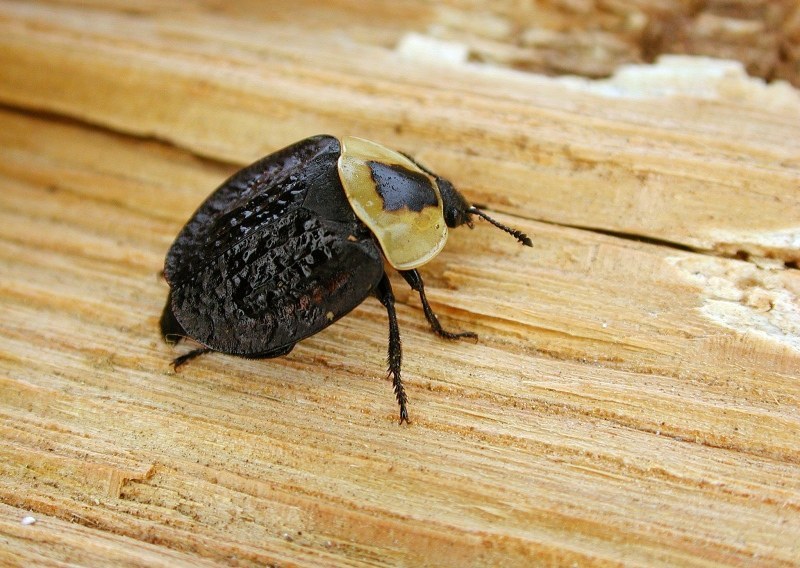
American Carrion Beetle
Forests, fields, and roadsides across North America, near decaying animal carcasses
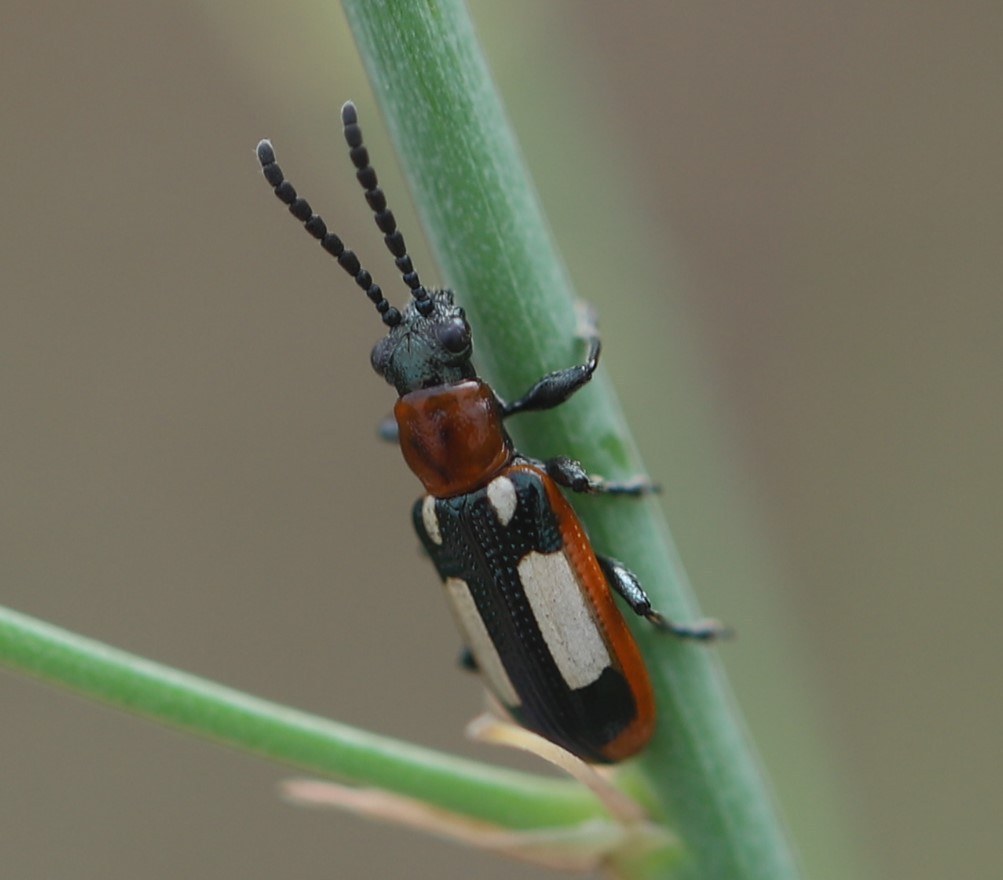
Asparagus Beetle
Asparagus patches, gardens, and farm fields
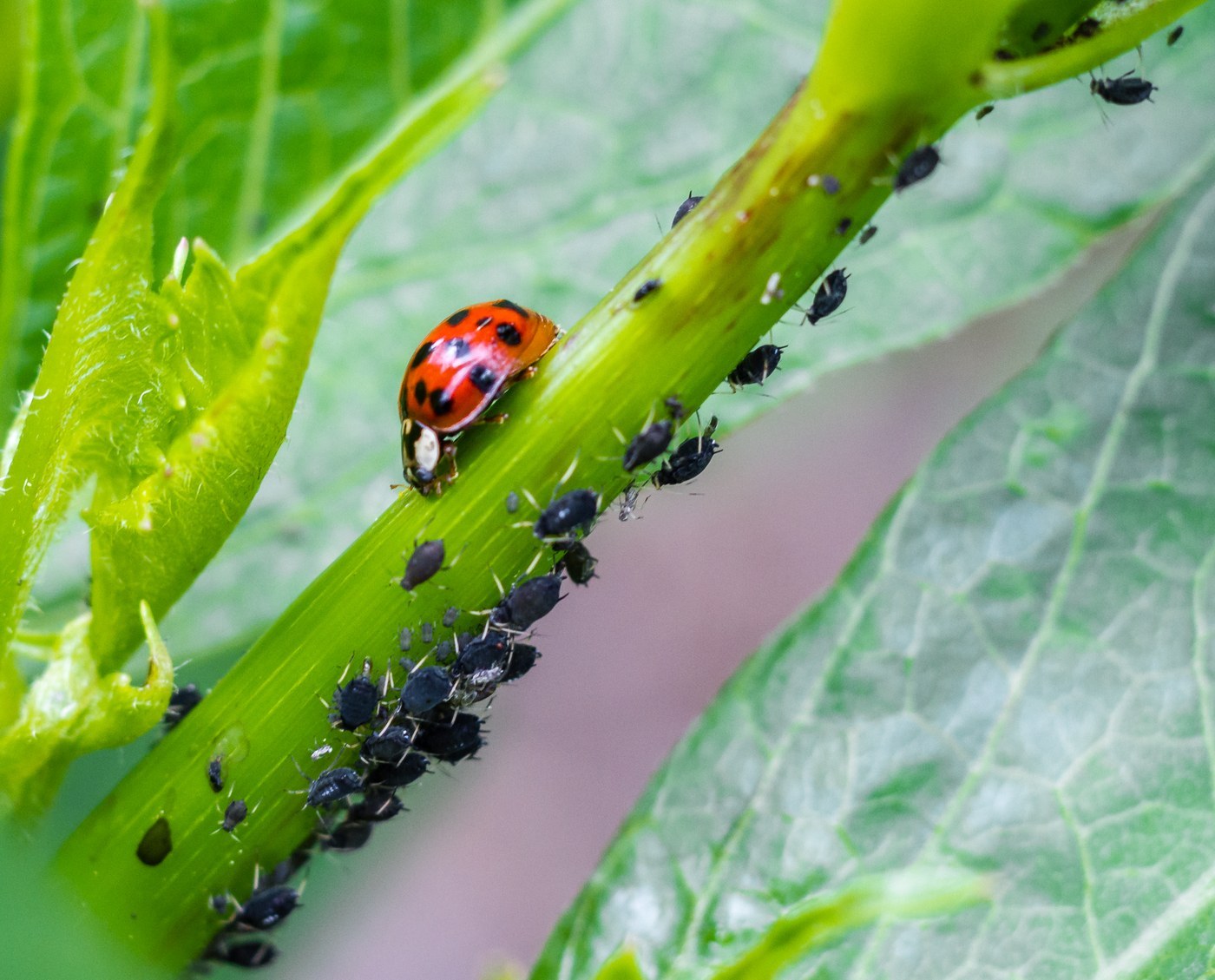
Asian Lady Beetle
Gardens, crop fields, woodlands, buildings
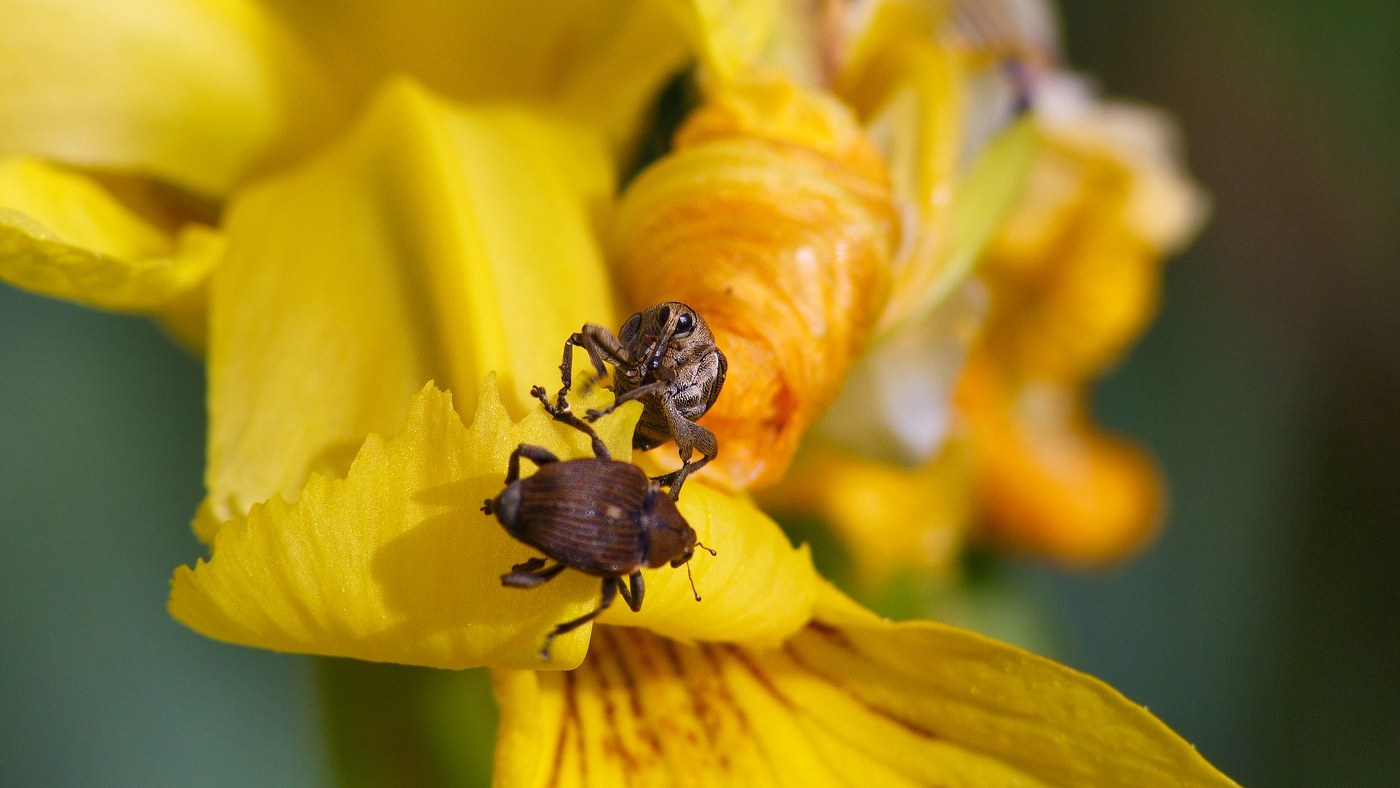
Acorn Weevil
Oak woodlands and forests, on and beneath oak trees
Wireworm
Soil of grasslands, gardens, and cultivated fields worldwide
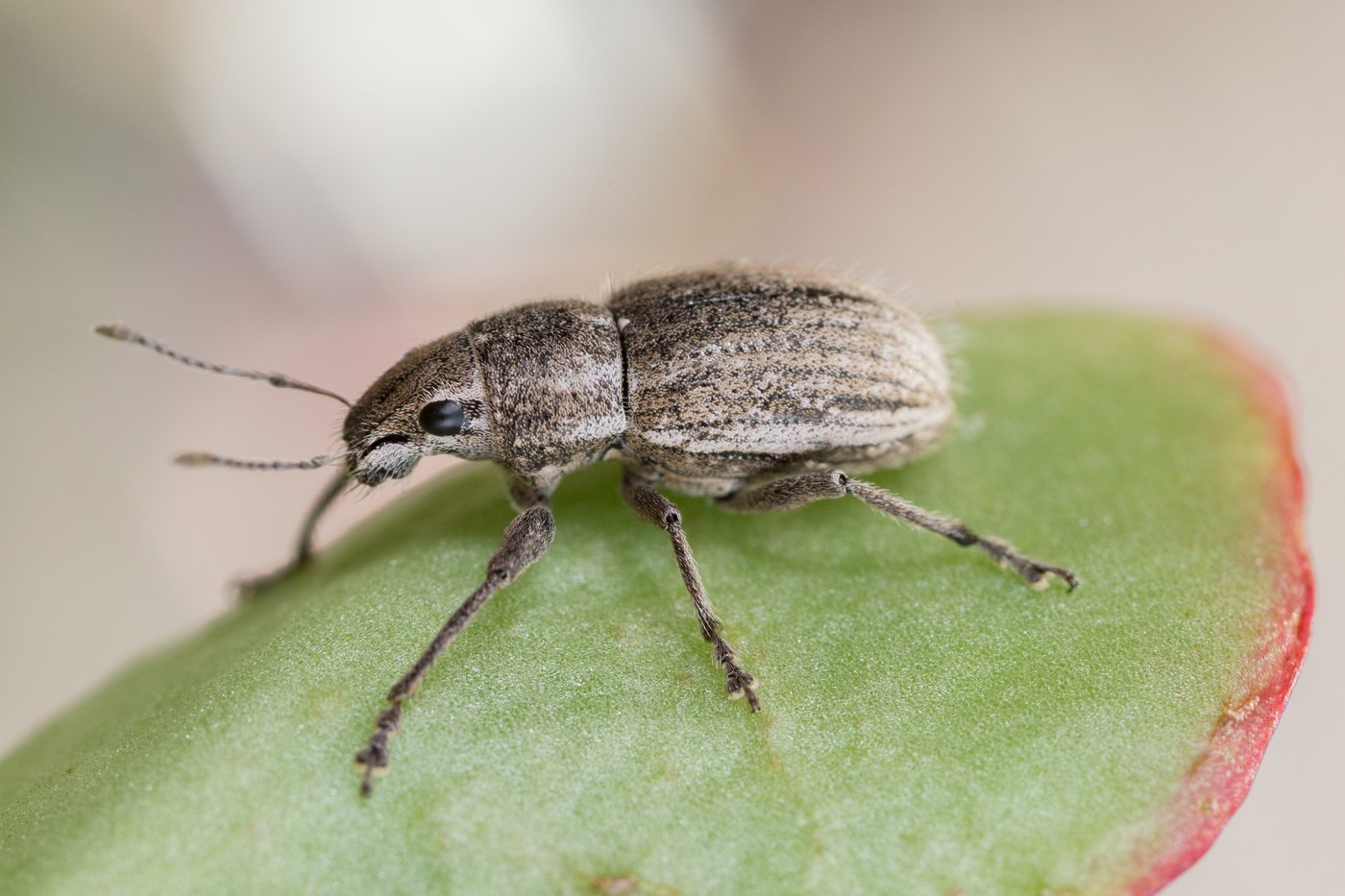
Whitefringed Beetle
Pastures, row crops, lawns, disturbed soils
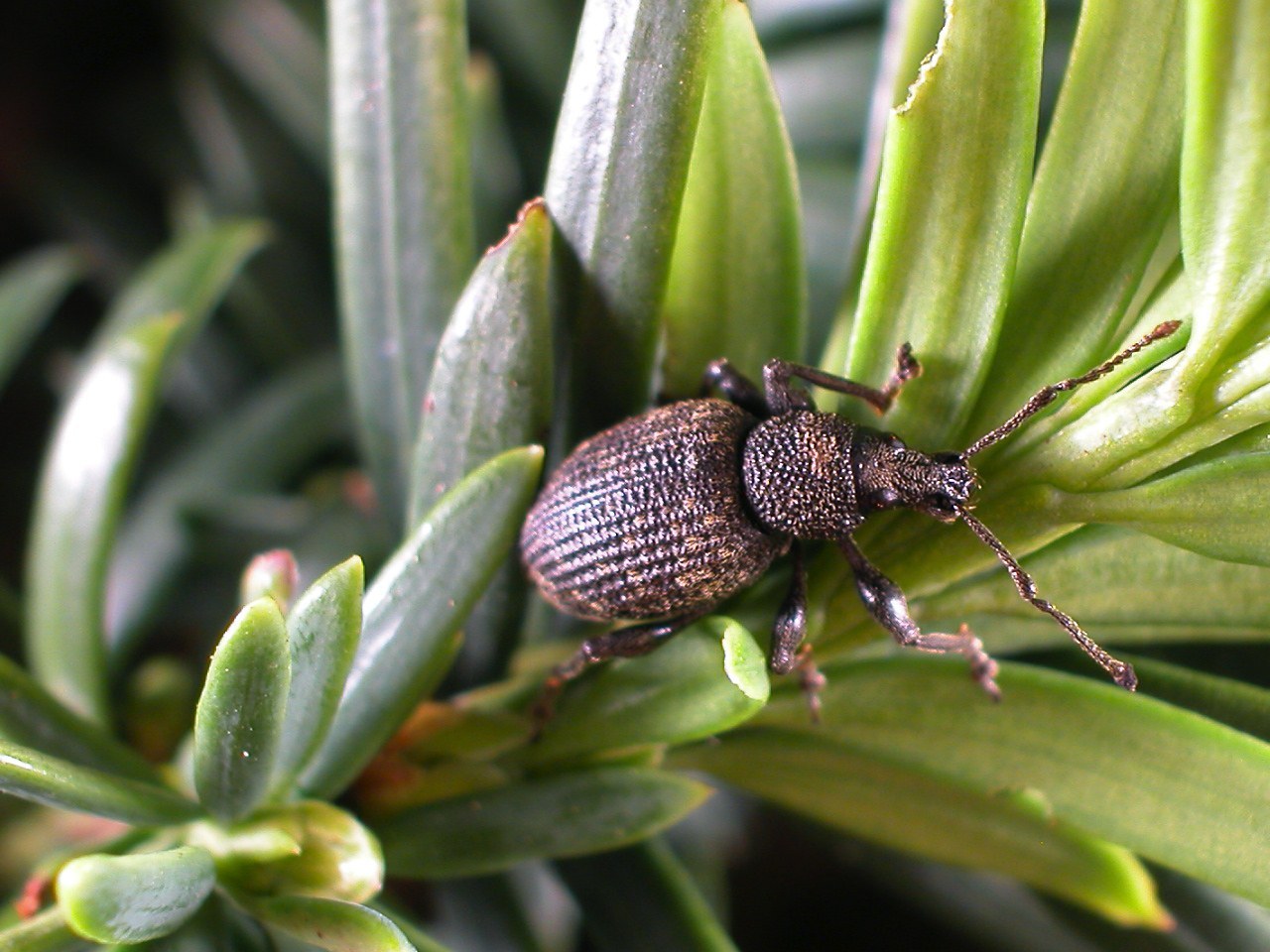
Vine Weevil
Gardens, nurseries, greenhouses, and container plantings
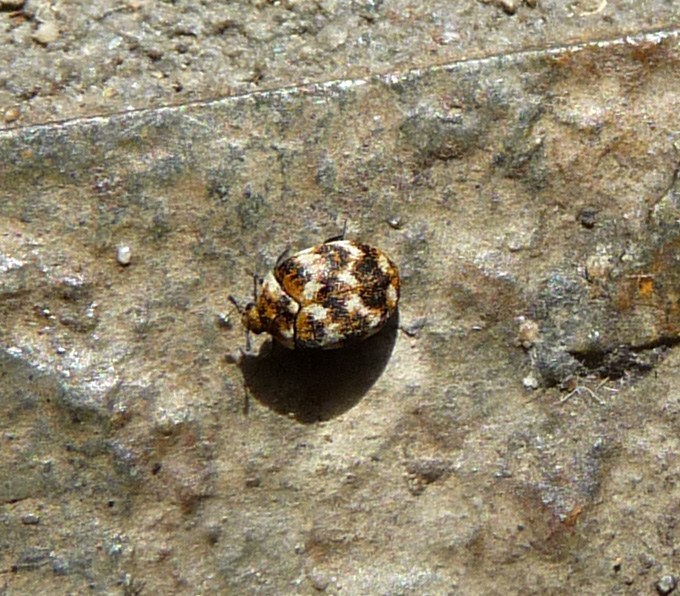
Varied Carpet Beetle
Homes, nests of birds and mammals, and flowers outdoors
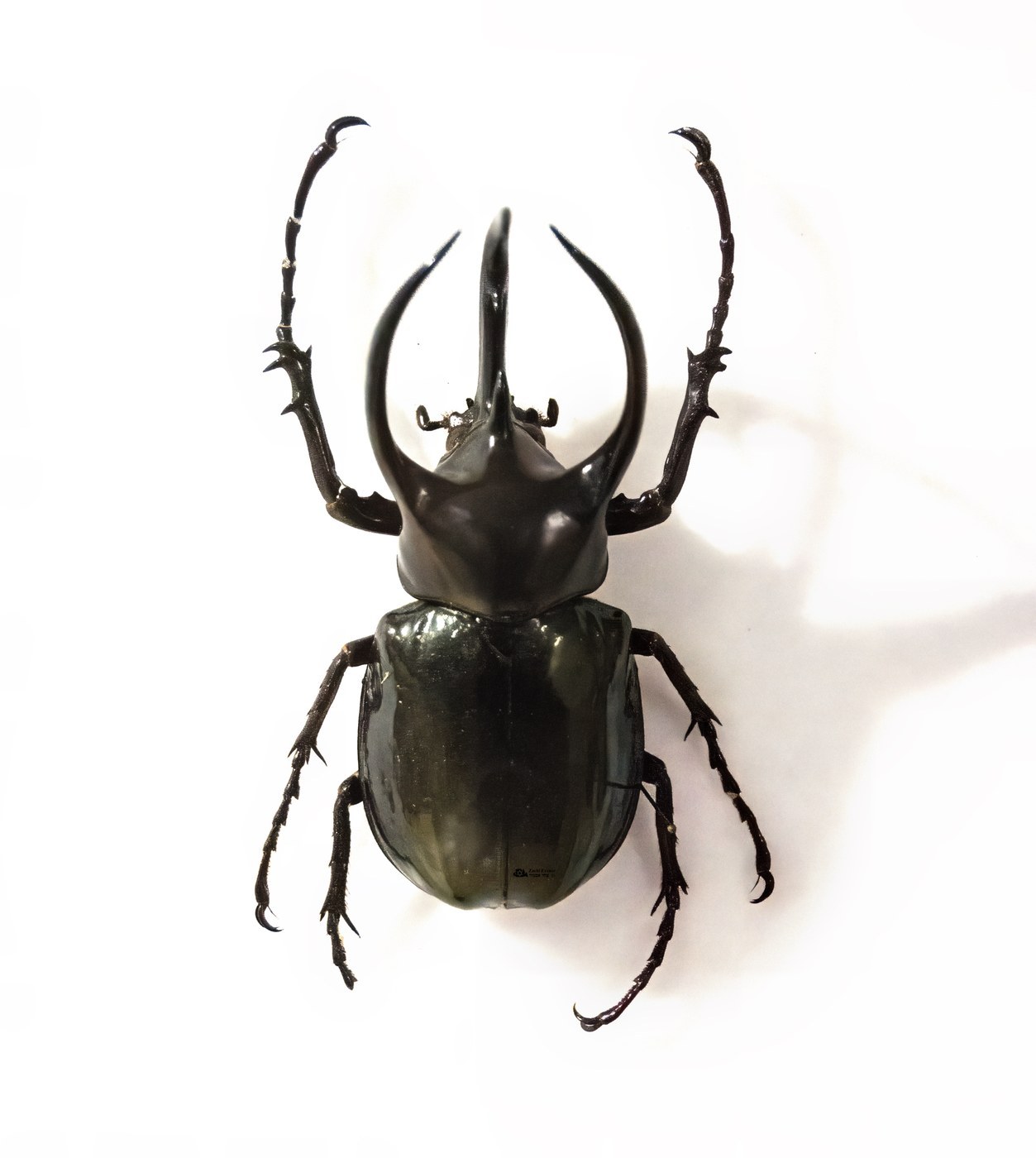
Atlas Beetle
Tropical forests of Southeast Asia
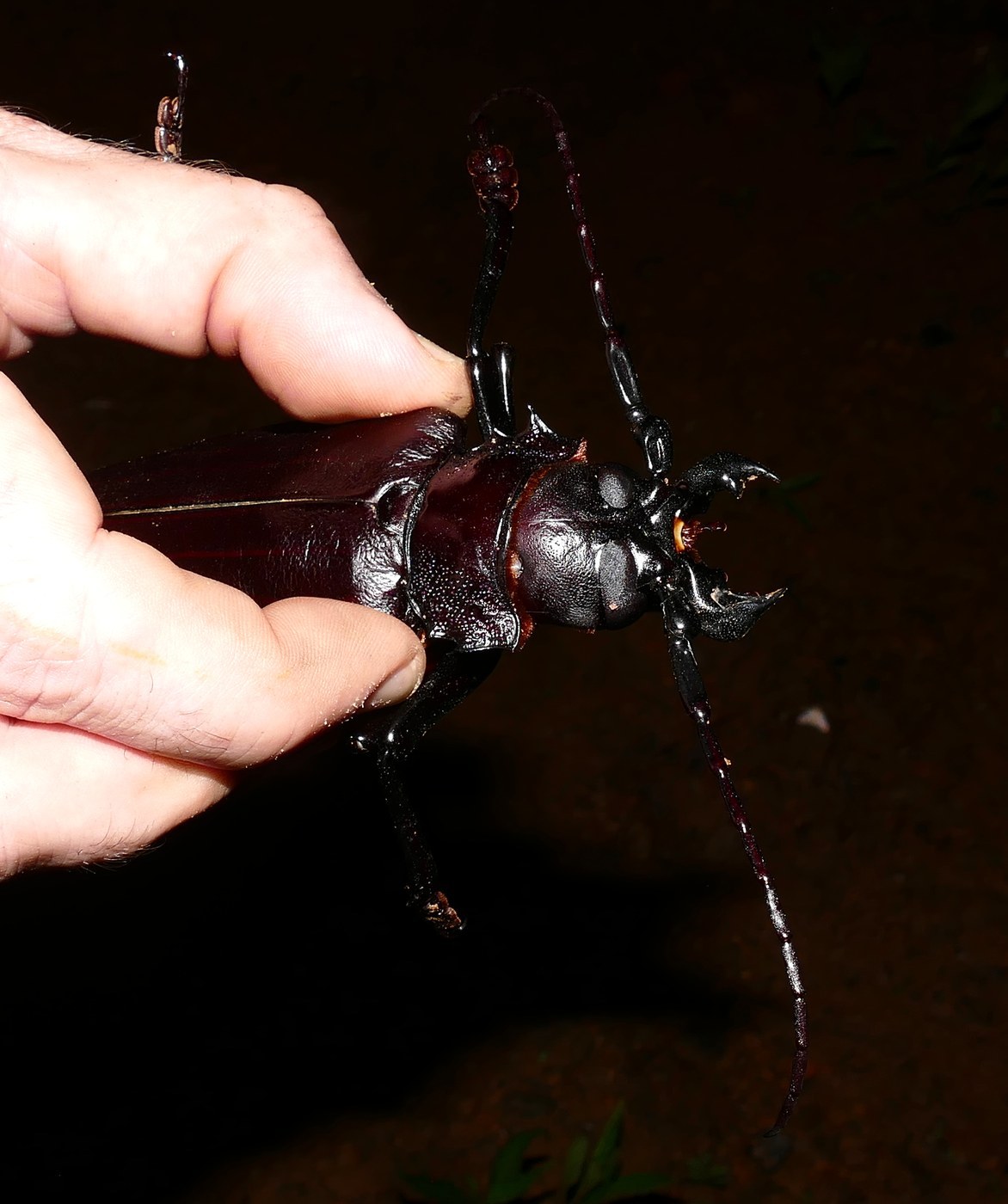
Titan Beetle
Amazon rainforest of South America
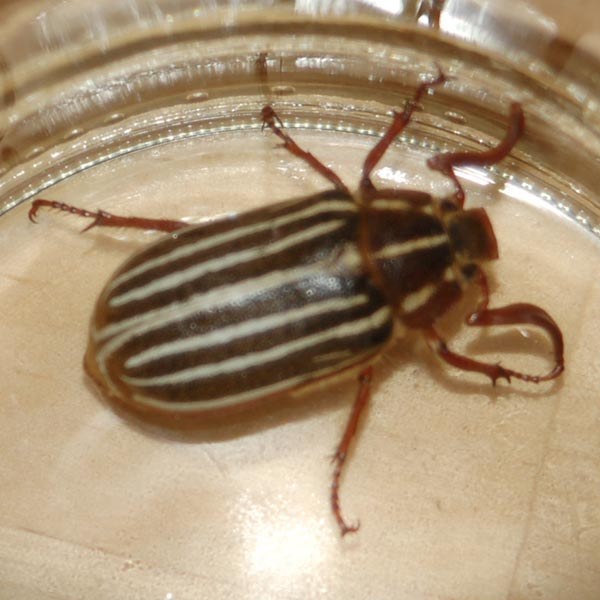
Ten-lined June Beetle
Sandy soils, pine forests, and orchards of western North America
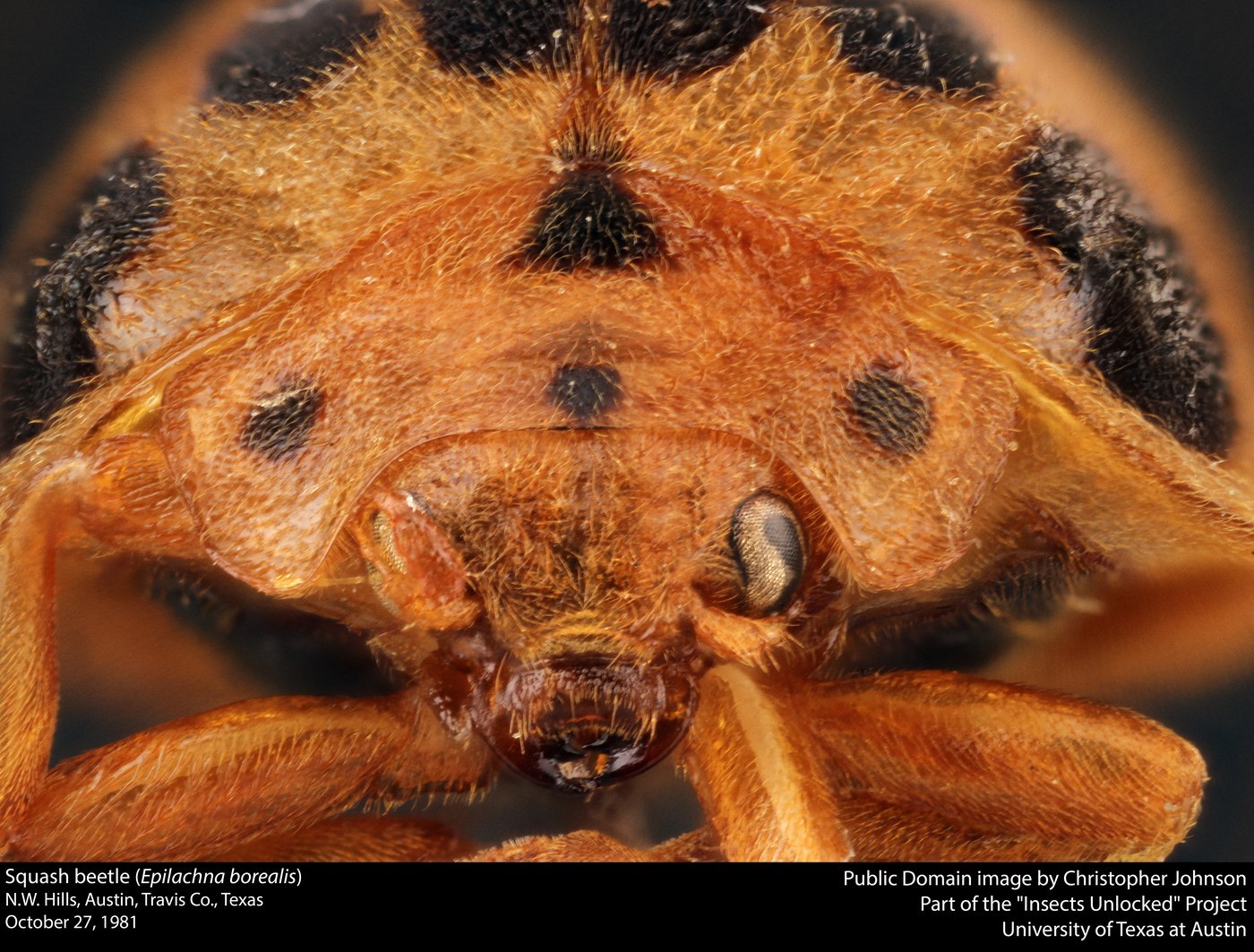
Squash Beetle
Vegetable gardens and fields growing squash, pumpkin, and other cucurbits