
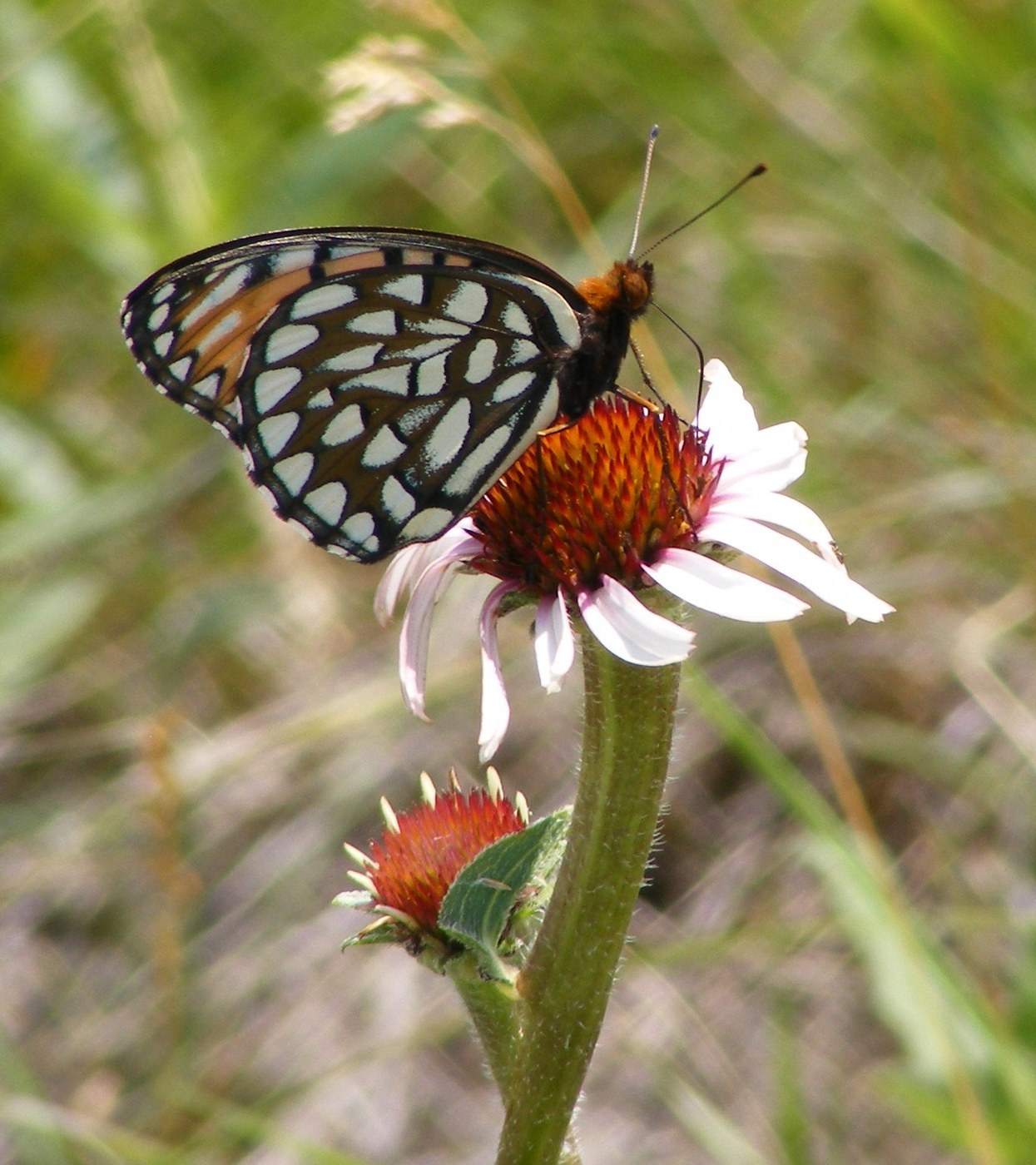
Regal Fritillary
Argynnis idalia
A large, showy prairie butterfly with bright orange forewings and dramatically contrasting black hindwings dotted with rows of white and cream spots.
- Size
- 2.75–4.5 in wingspan
- Habitat
- Tallgrass prairies, wet meadows
- Danger
- Harmless
Spotted a bug like this?
Identify any bug or insect from a photo, free.
Overview
The Regal Fritillary is one of the largest and most striking of the greater fritillary butterflies (genus Argynnis, formerly Speyeria), a group within the brush-footed butterfly family Nymphalidae. It was once common across the tallgrass prairies of the central and eastern United States but has become a specialist of high-quality native prairie remnants as much of its original grassland habitat has been converted to agriculture.
Its bold two-toned wing pattern makes it instantly recognizable among North American fritillaries, and it is often held up as a flagship species for prairie conservation efforts. Sightings today are concentrated in the Midwest, with only a few isolated populations remaining east of the Mississippi River.
Adults are strong, sailing fliers that patrol open grassland in search of nectar and, for females, suitable violet patches on which to lay eggs.
How to Identify
- Forewings are bright burnt-orange with black veins and black spots, resembling other fritillaries.
- Hindwings are strikingly different: black or blue-black with two rows of pale spots — cream-white in males, often more washed or bluish in females.
- Large-bodied with a wingspan often exceeding 3.5 inches, noticeably bigger than most other fritillary species.
- Underside of the hindwing shows silvery-white spots on an olive-brown background.
- Lookalikes include the Diana Fritillary and Great Spangled Fritillary, but the Regal's solid dark hindwing (rather than orange with silver spots) is diagnostic.
Habitat & Range
Restricted almost entirely to native or restored tallgrass and mixed-grass prairie, including wet-to-mesic prairie remnants, prairie potholes, and unplowed hay meadows. Historically ranged from the Great Plains east to the Atlantic coast, but eastern populations have largely disappeared; strongholds now are in Nebraska, Kansas, Iowa, and a few mid-Atlantic sites. Adults fly from late June through September, with peak numbers in July and August.
Behavior & Diet
Adults are powerful, gliding fliers that cruise low over grass tussocks, nectaring at coneflowers, milkweeds, thistles, and other prairie wildflowers. Males patrol for females early in the flight season, while females become reproductively active later and can be seen searching low over the ground for violet plants. The species plays a role as a prairie pollinator and its larvae, in turn, are prey for various invertebrate predators and parasitoids.
Life Cycle
Females lay eggs in late summer near — but often not directly on — violets (the sole larval host plant), sometimes on dried grass stems nearby. Eggs hatch in autumn but the tiny first-instar caterpillars do not feed; they overwinter in leaf litter without eating. In spring they seek out fresh violet leaves, feeding and developing through several instars before pupating in a hanging chrysalis. There is one generation per year, with adults emerging in early summer and flying into fall.
Frequently asked questions
How is the Regal Fritillary different from other fritillaries?
Its hindwings are solid black or blue-black with white spots rather than orange with silver spots, unlike most other fritillary species.
Where is the best place to see one?
High-quality tallgrass prairie remnants in the central United States, particularly in Nebraska, Kansas, and Iowa.
What do the caterpillars eat?
Native violets (Viola species) are the only known larval host plant.
Why is this butterfly considered special among prairie insects?
It is a prairie-obligate species whose decline closely tracks the loss of native tallgrass prairie, making it a widely used indicator of grassland habitat quality.
Regal Fritillary guides
In-depth guides for identifying, understanding, and living alongside Regal Fritillary.
Other bugs you may enjoy
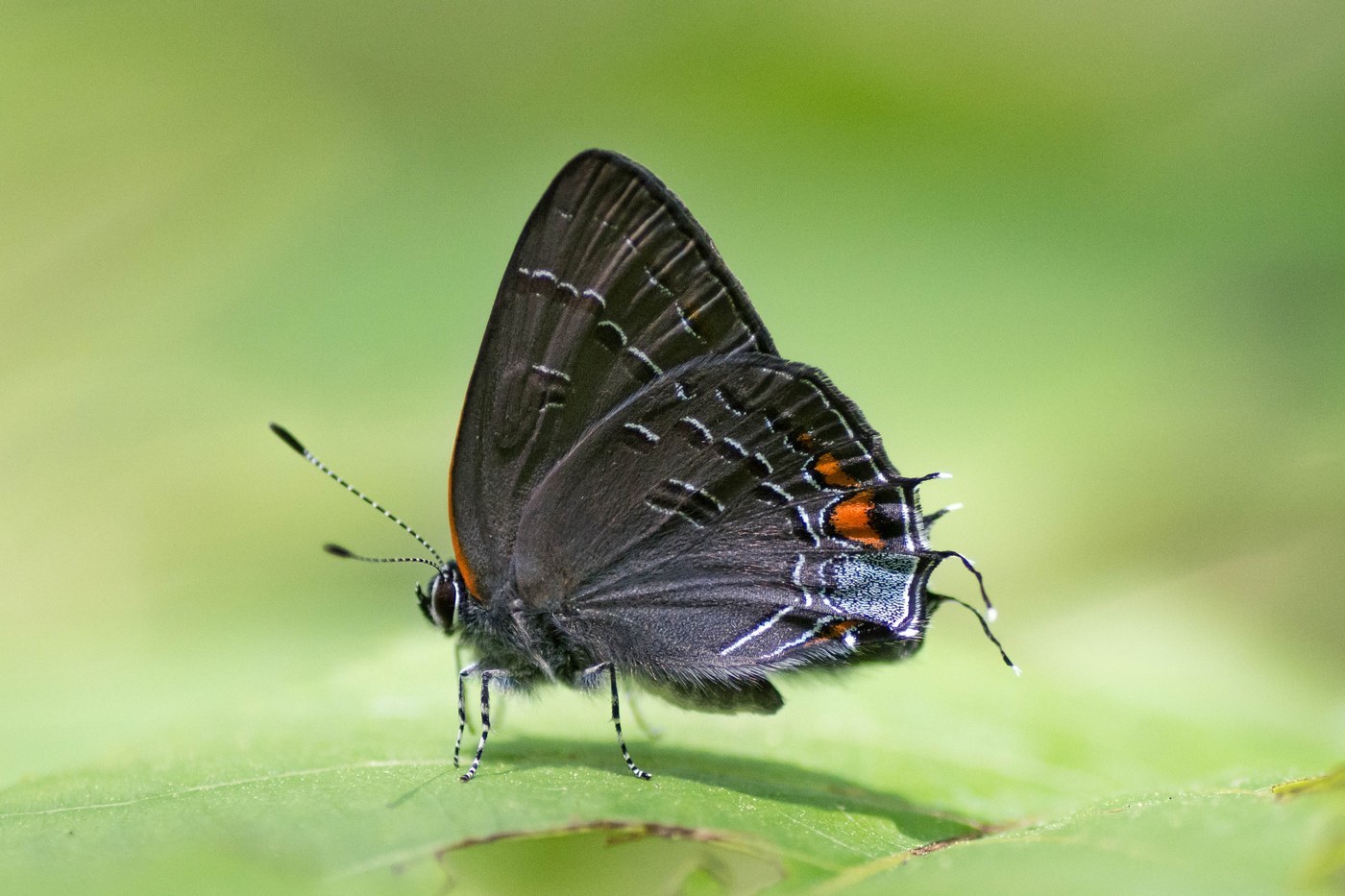
Banded Hairstreak
Deciduous woodlands and edges with oaks and hickories
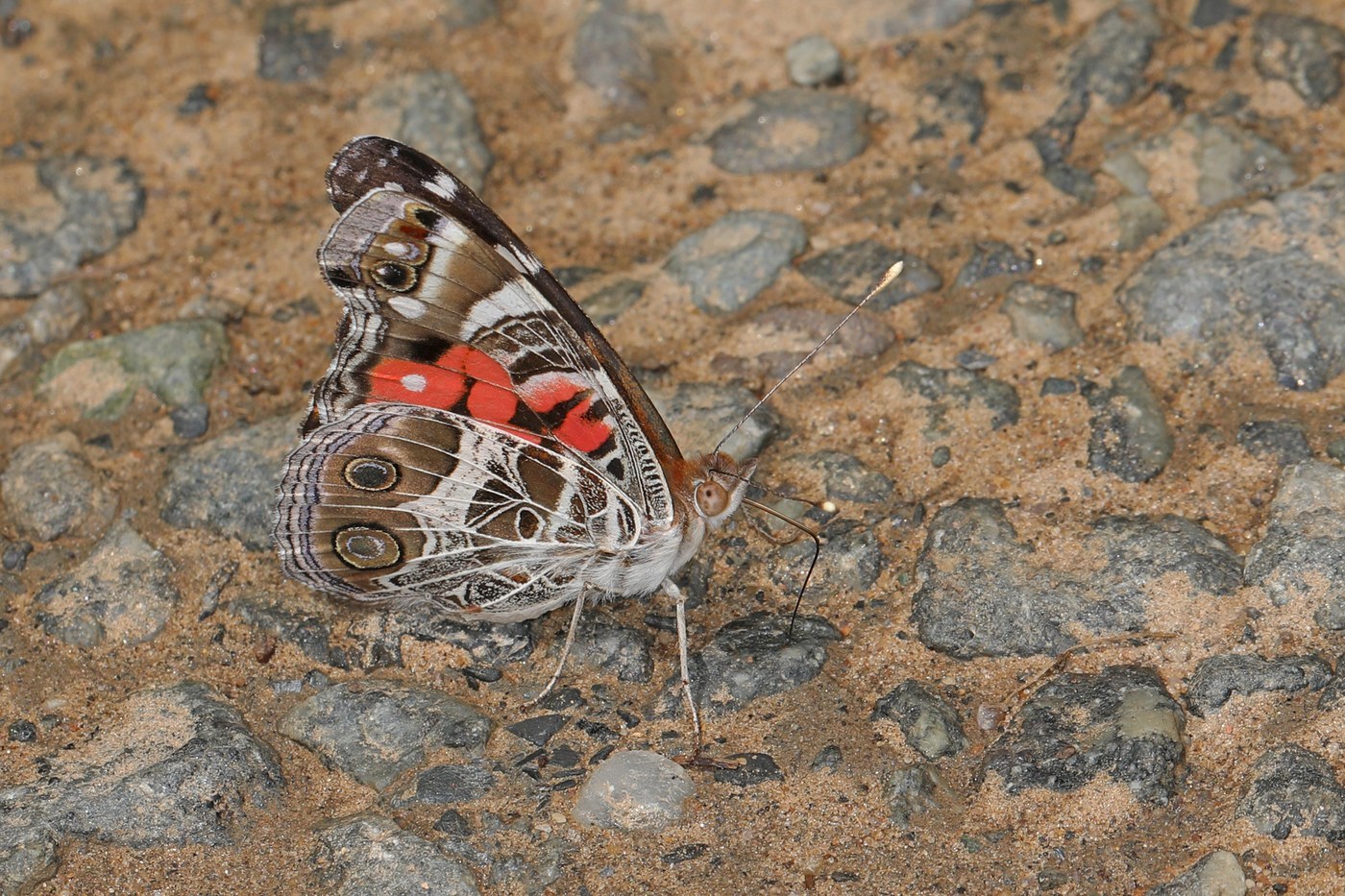
American Lady
Open fields, meadows, gardens, roadsides
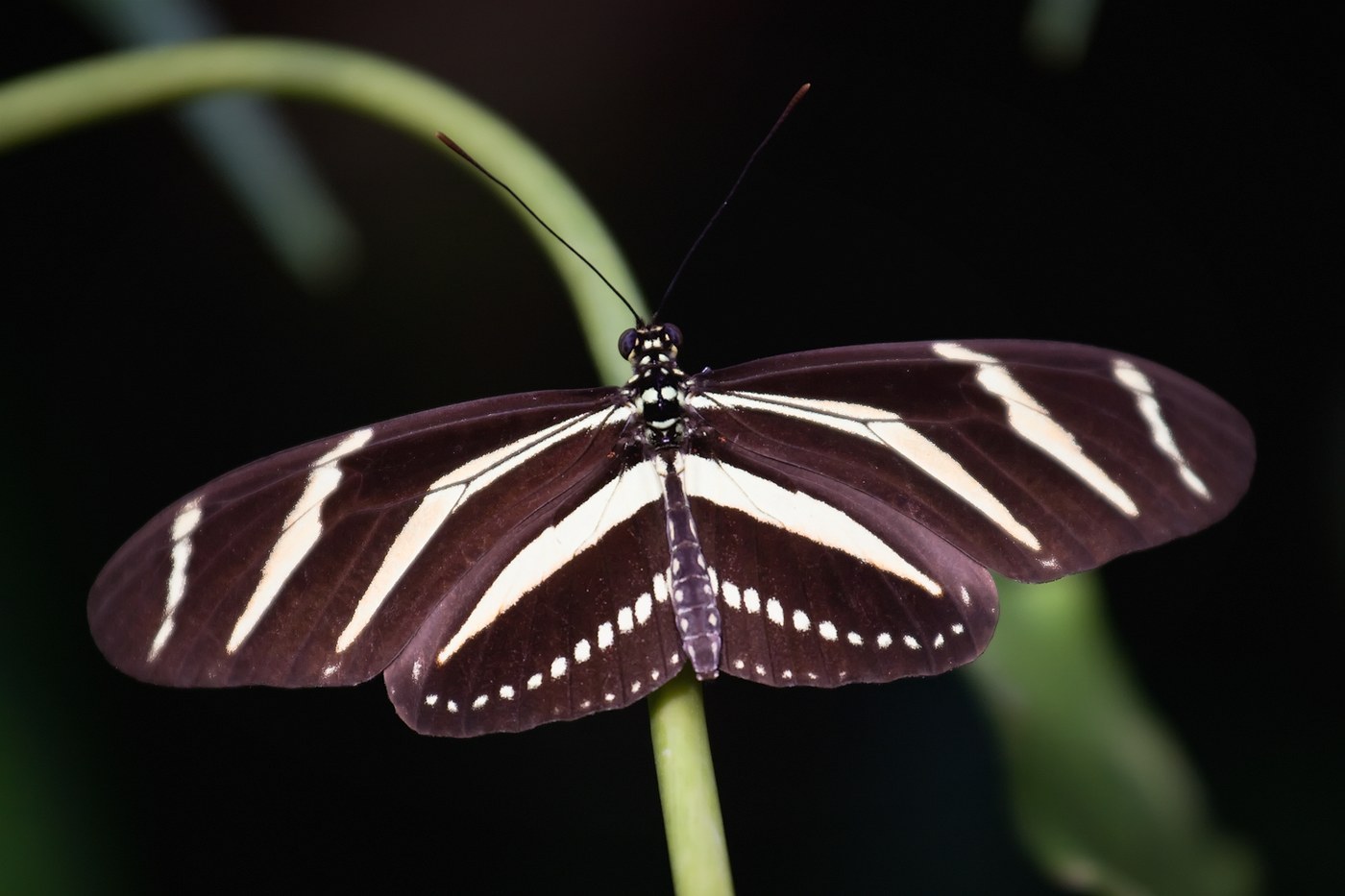
Zebra Longwing
Tropical hammocks, gardens, forest edges
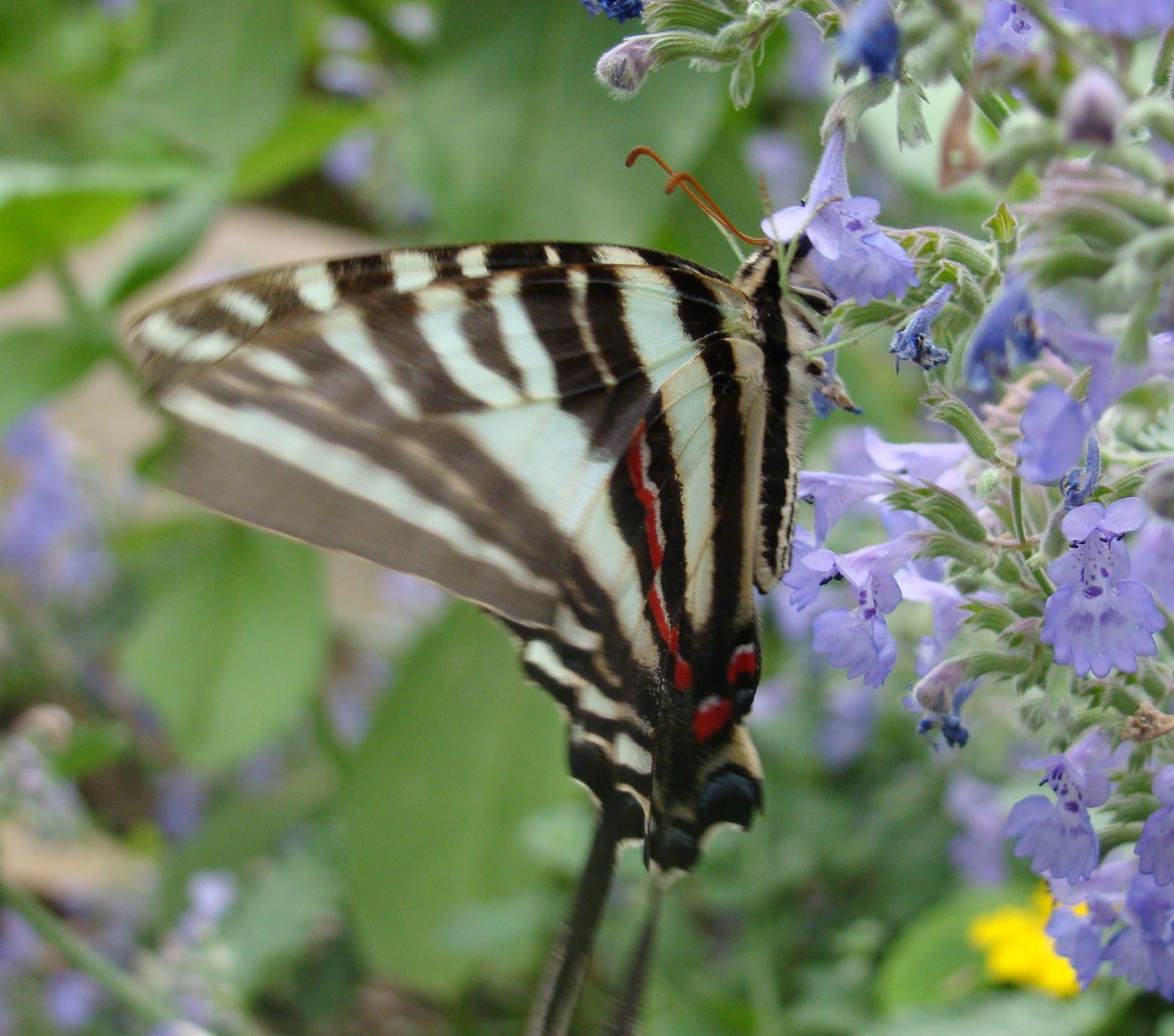
Zebra Swallowtail
Woodlands, floodplains, forest edges near pawpaw
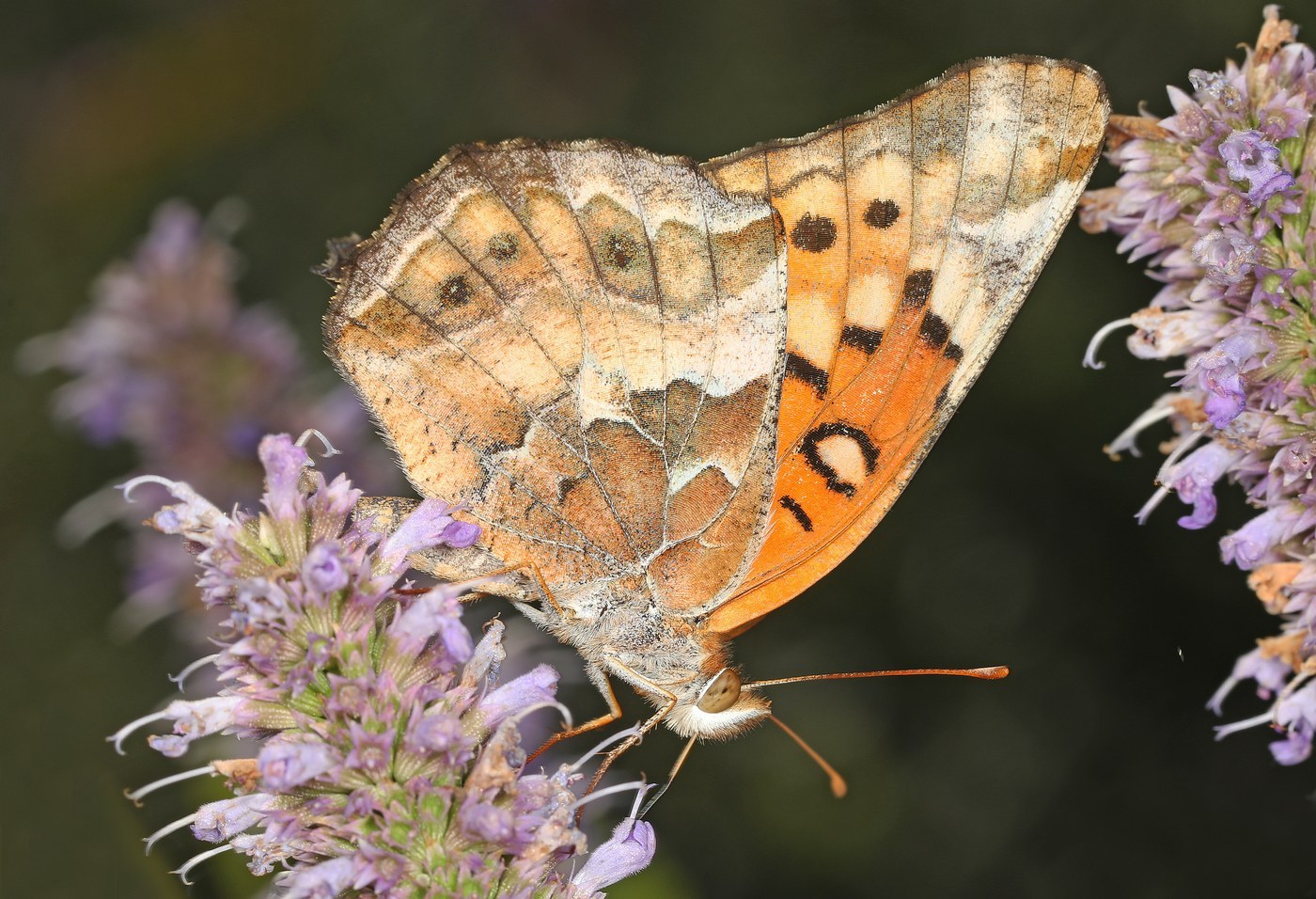
Variegated Fritillary
Open fields, prairies, roadsides, and disturbed ground across most of the United States
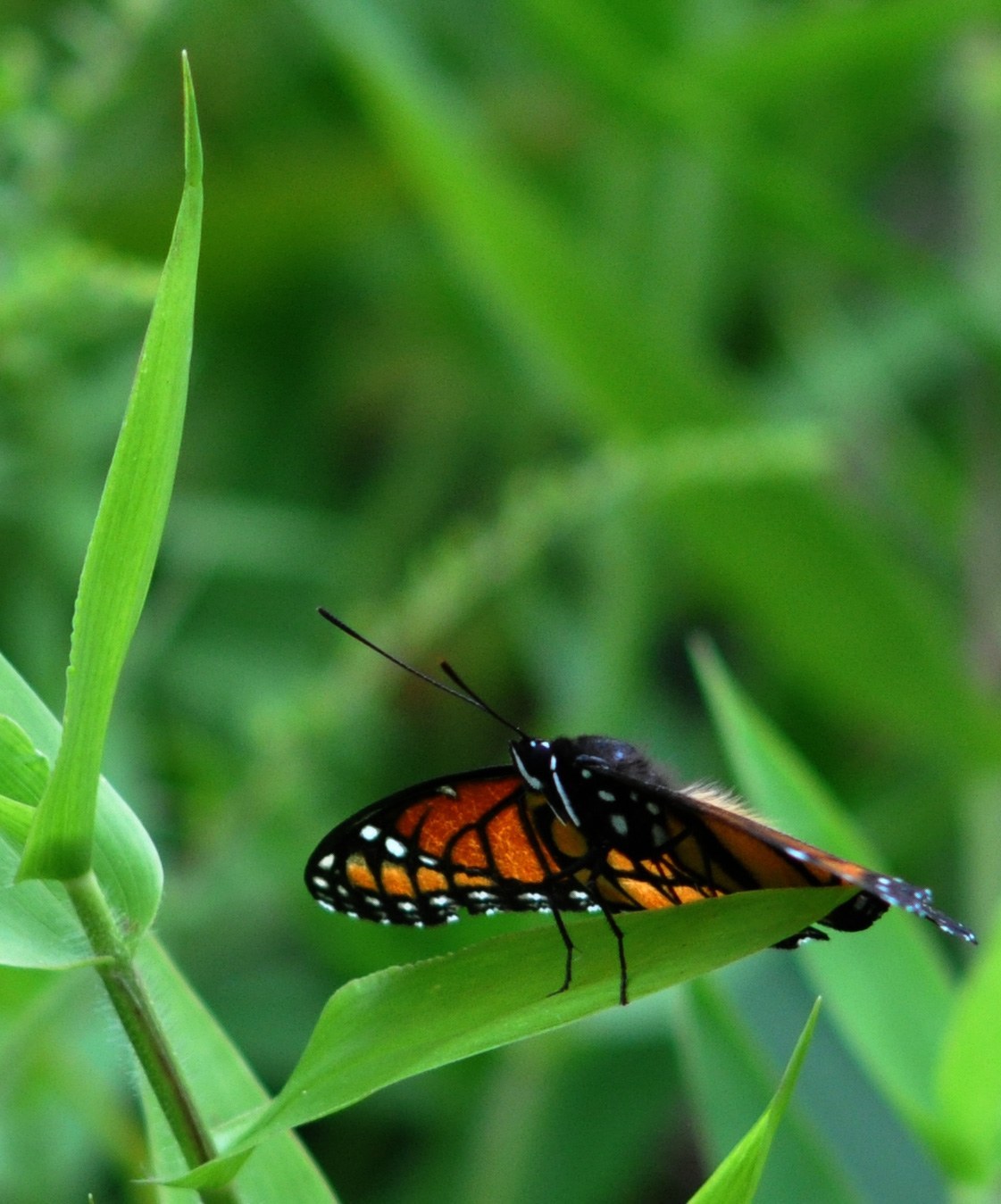
Viceroy Butterfly
Wetlands, meadows, riverbanks, willow thickets (North America)
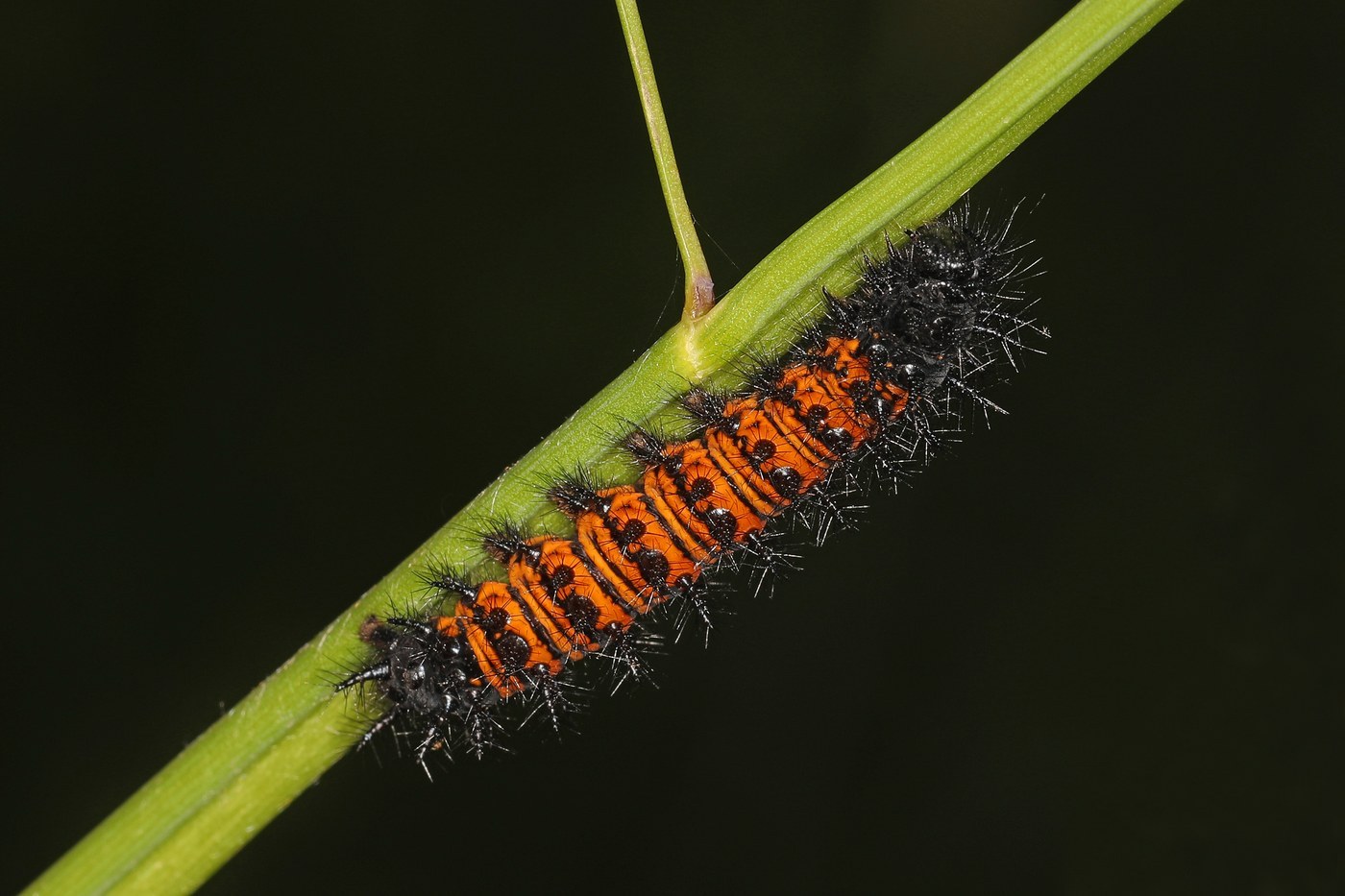
Baltimore Checkerspot
Wet meadows, bogs, and marshy fields in the northeastern and Appalachian US
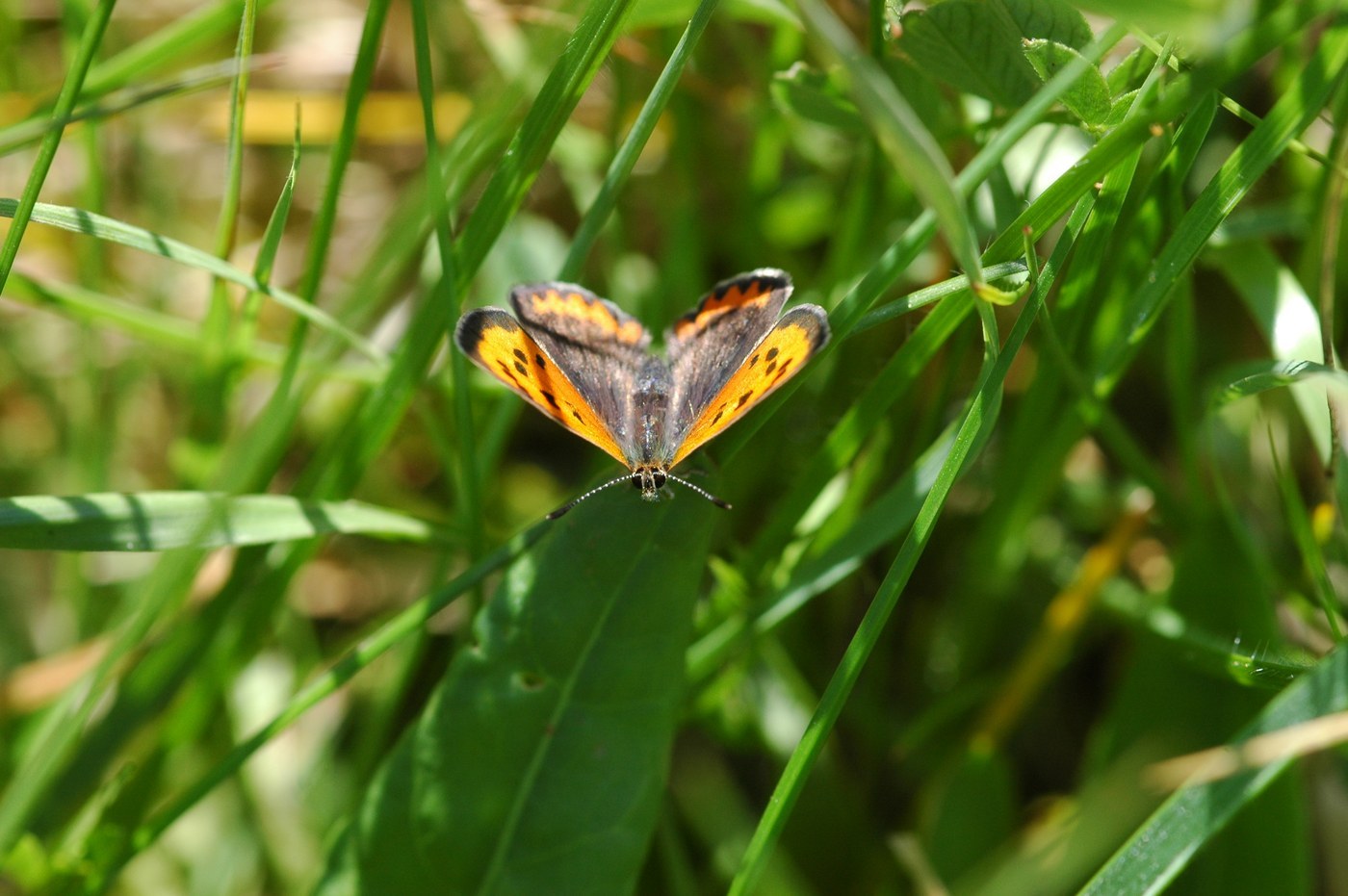
American Copper
Old fields, roadsides, and disturbed open ground with sorrel or dock
West Virginia White
Rich deciduous forest floors, especially near seeps and streams
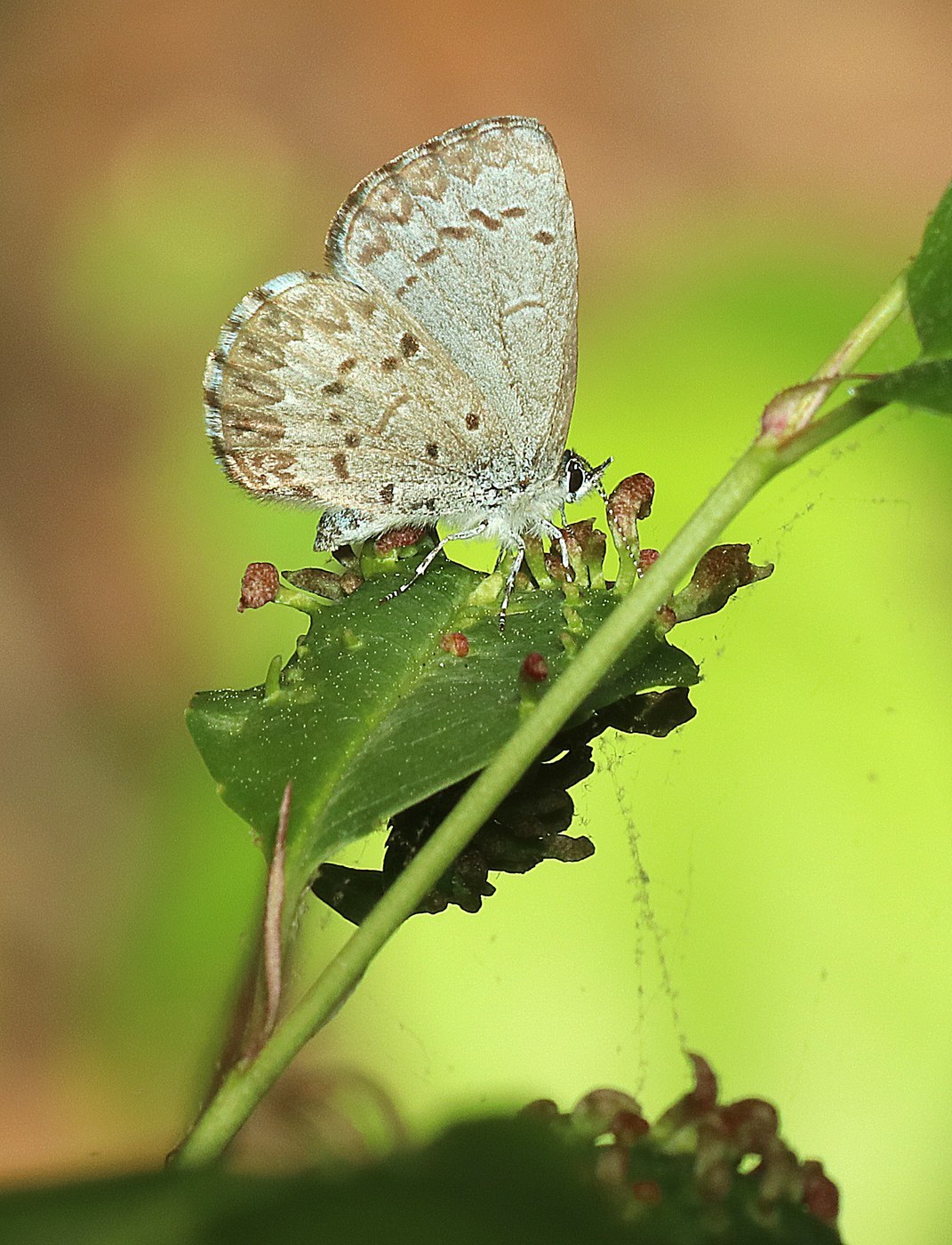
Spring Azure
Woodland edges, gardens, shrubby clearings
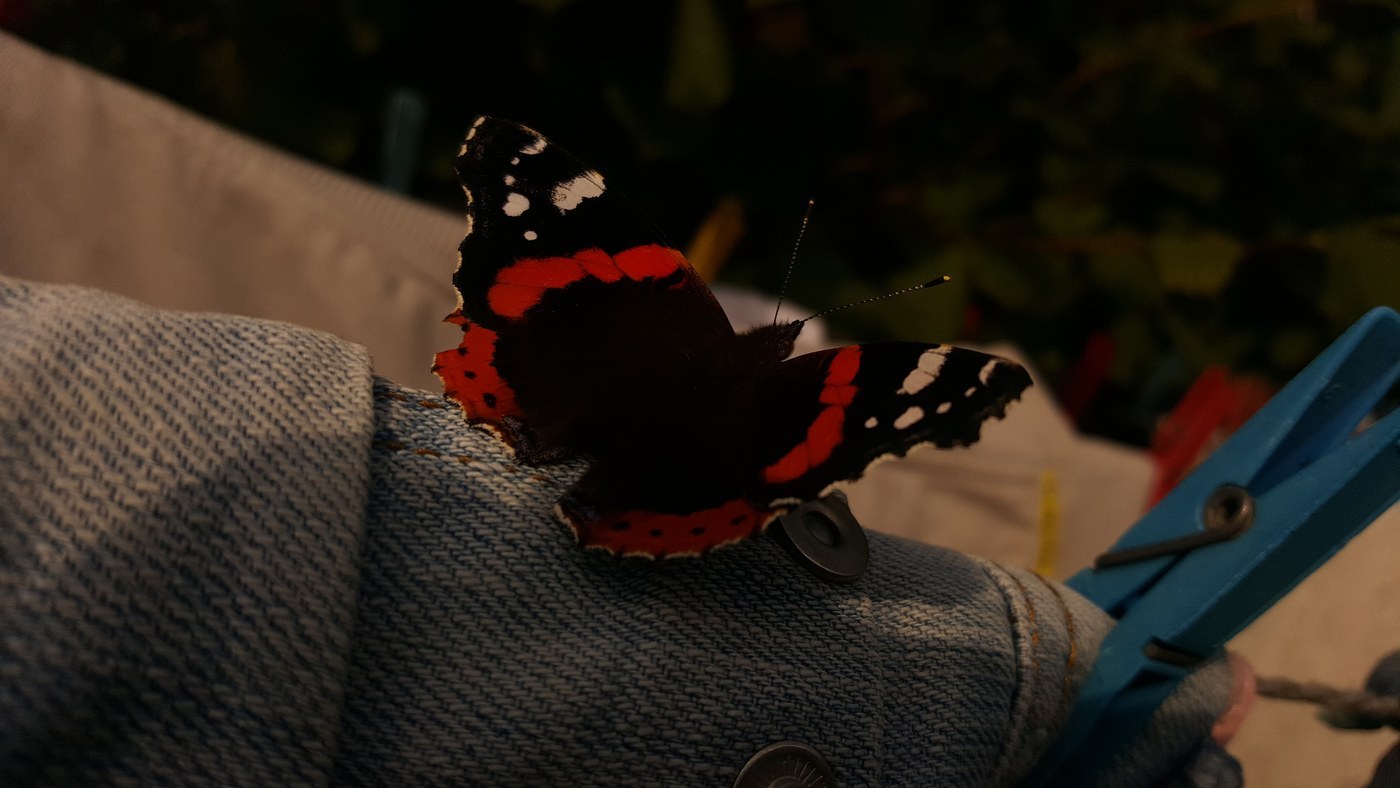
Red Admiral
Gardens, woodland edges, parks, meadows
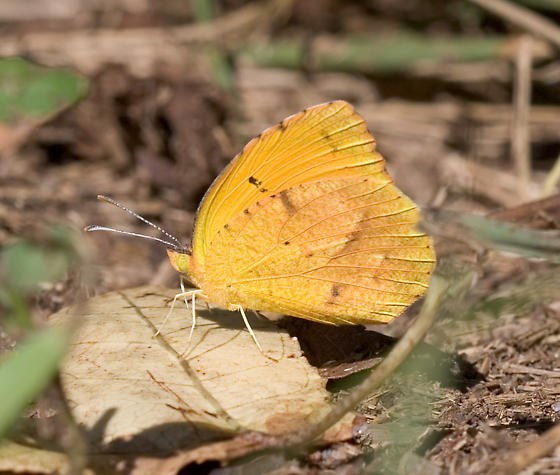
Sleepy Orange
Open woodland, fields, roadsides, and disturbed ground