
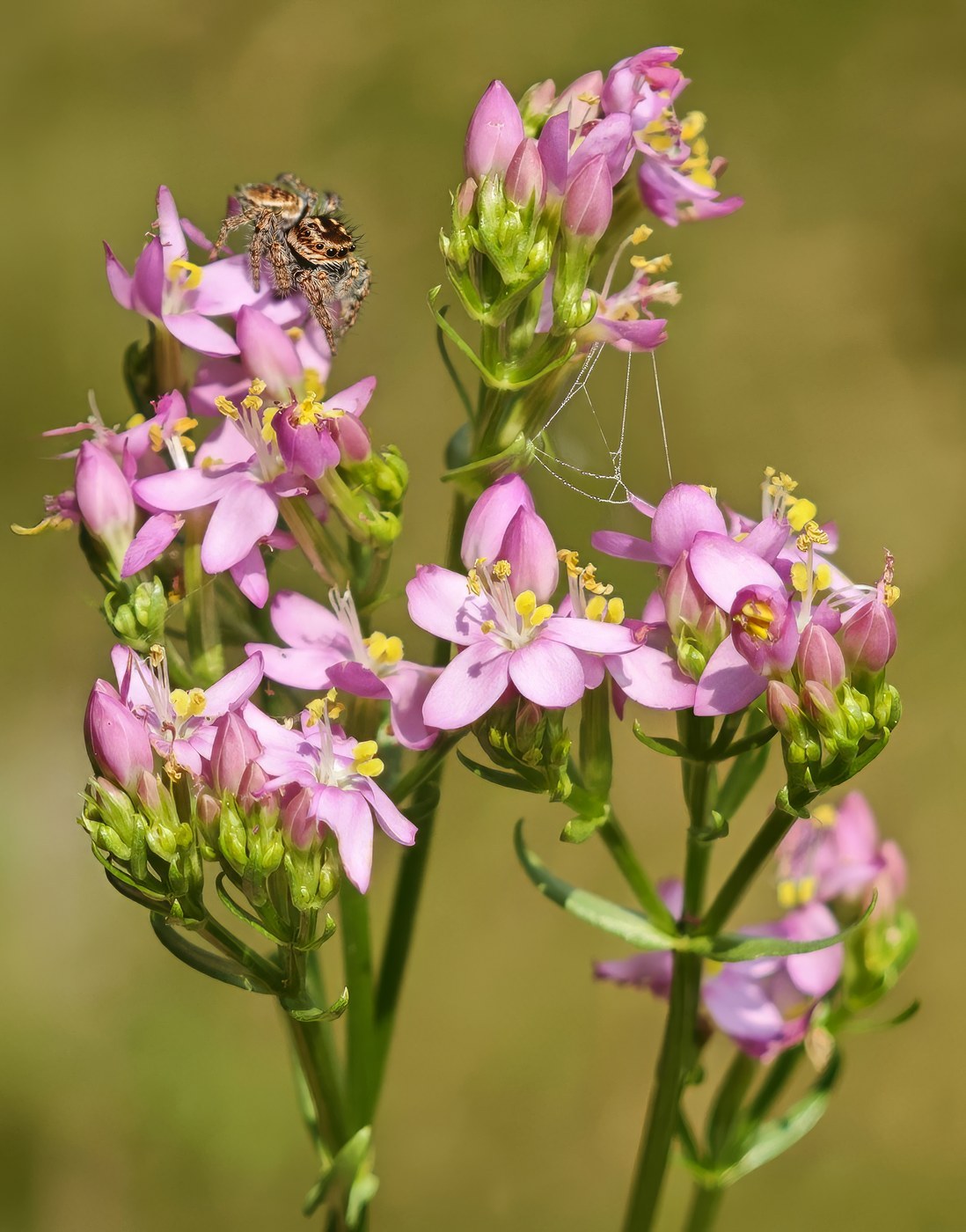
Regal Jumping Spider
Phidippus regius
One of the largest and most striking North American jumping spiders, with a velvety black body, bold markings, and huge iridescent green or blue-lined eyes.
- Size
- 12-22 mm body length
- Habitat
- Palmetto scrub, open woodland, fields, and garden edges
- Danger
- Bites
Spotted a bug like this?
Identify any bug or insect from a photo, free.
Overview
The regal jumping spider is the largest jumping spider in North America and one of the most recognizable, prized for its dense black or gray velvety coat and its dramatic size compared to other salticids. Females typically show a pattern of white or orange spots on the abdomen, while males and some females can display metallic green, blue, or orange scales around the eyes, giving the species its "regal" reputation among spider enthusiasts.
Native to the southeastern United States and parts of the Caribbean and Central America, this species is closely associated with open, sunny habitats such as palmetto scrub, pine flatwoods, and coastal dunes, though it readily colonizes gardens, fences, and building walls in developed areas. Its calm temperament, large size, and expressive-looking face have made it one of the most commonly kept pet spiders, but wild individuals live entirely independent, predatory lives.
Like other jumping spiders, Phidippus regius relies on exceptional eyesight rather than a web to find and ambush prey, and it is capable of jumping many times its own body length when pursuing insects or escaping threats.
How to Identify
- Large, robust, densely hairy body appearing black or dark gray, often with a slight sheen
- Females usually show a row of white, cream, or orange spots down the abdomen; males tend to be more uniformly dark
- Iridescent green, blue, or coppery scales frame the large principal eyes in many individuals
- Stout, muscular legs adapted for powerful jumps rather than running
- Distinguished from smaller Phidippus species mainly by its notably large size and heavier build
Habitat & Range
Regal jumping spiders are found in open, sun-exposed habitats including palmetto and scrub environments, pine woodlands, coastal dunes, agricultural edges, and increasingly in gardens, fences, and house exteriors. Their range covers the southeastern United States, the Caribbean, and parts of Central America, with year-round activity possible in warmer climates and seasonal activity peaking in warm months further north.
Behavior & Diet
This spider is a visual ambush hunter, stalking crickets, flies, moths, and other insects before pouncing with precision, always trailing a silk safety line. It is diurnal and often basks in sunlight on leaves, fence posts, or walls. Regal jumping spiders are solitary and territorial toward other jumping spiders but are generally tolerant of and curious toward larger animals, including humans, often orienting to watch movement nearby rather than fleeing immediately. As predators of many small insects, they contribute to natural insect population control in gardens and scrubland.
Life Cycle
Females construct a silken retreat, often under bark or within curled leaves, where they lay and guard an egg sac. Spiderlings hatch resembling tiny adults and pass through multiple molts over several months, with males typically maturing faster and displaying more vivid coloration than females at maturity. Development speed depends on climate, with warmer regions supporting faster growth and potentially more than one generation per year, while cooler areas see slower development and overwintering in sheltered retreats.
Frequently asked questions
Is the regal jumping spider aggressive?
No, it is generally calm and curious rather than aggressive, though it may bite in defense if directly handled or cornered.
How big does a regal jumping spider get?
It is the largest North American jumping spider, with adults reaching roughly 12 to 22 millimeters in body length.
What do regal jumping spiders eat?
They hunt small insects such as flies, moths, and crickets by stalking and pouncing rather than trapping prey in a web.
Where are regal jumping spiders found?
They occur in the southeastern United States, the Caribbean, and Central America, favoring open scrub, woodland edges, and gardens.
Regal Jumping Spider guides
In-depth guides for identifying, understanding, and living alongside Regal Jumping Spider.
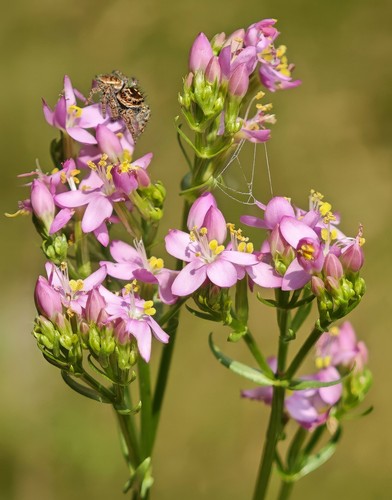
Regal Jumping Spider identified by the community
Real finds identified with Bug Identifier.
Other bugs you may enjoy
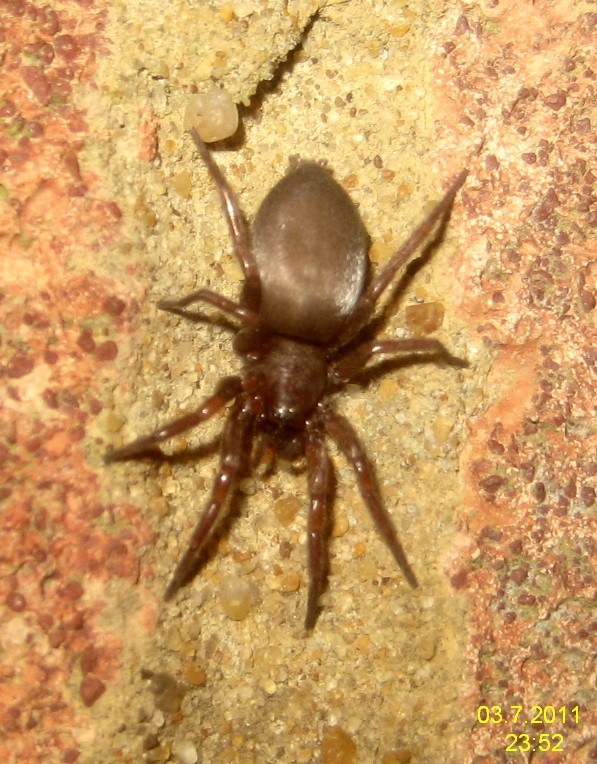
Woodlouse Spider
Damp leaf litter, under logs, stones, and mulch
Wolf Spider
Gardens, grasslands, forests, leaf litter, ground burrows
Wandering Spider
Tropical and subtropical forest floor, foliage, and banana plants
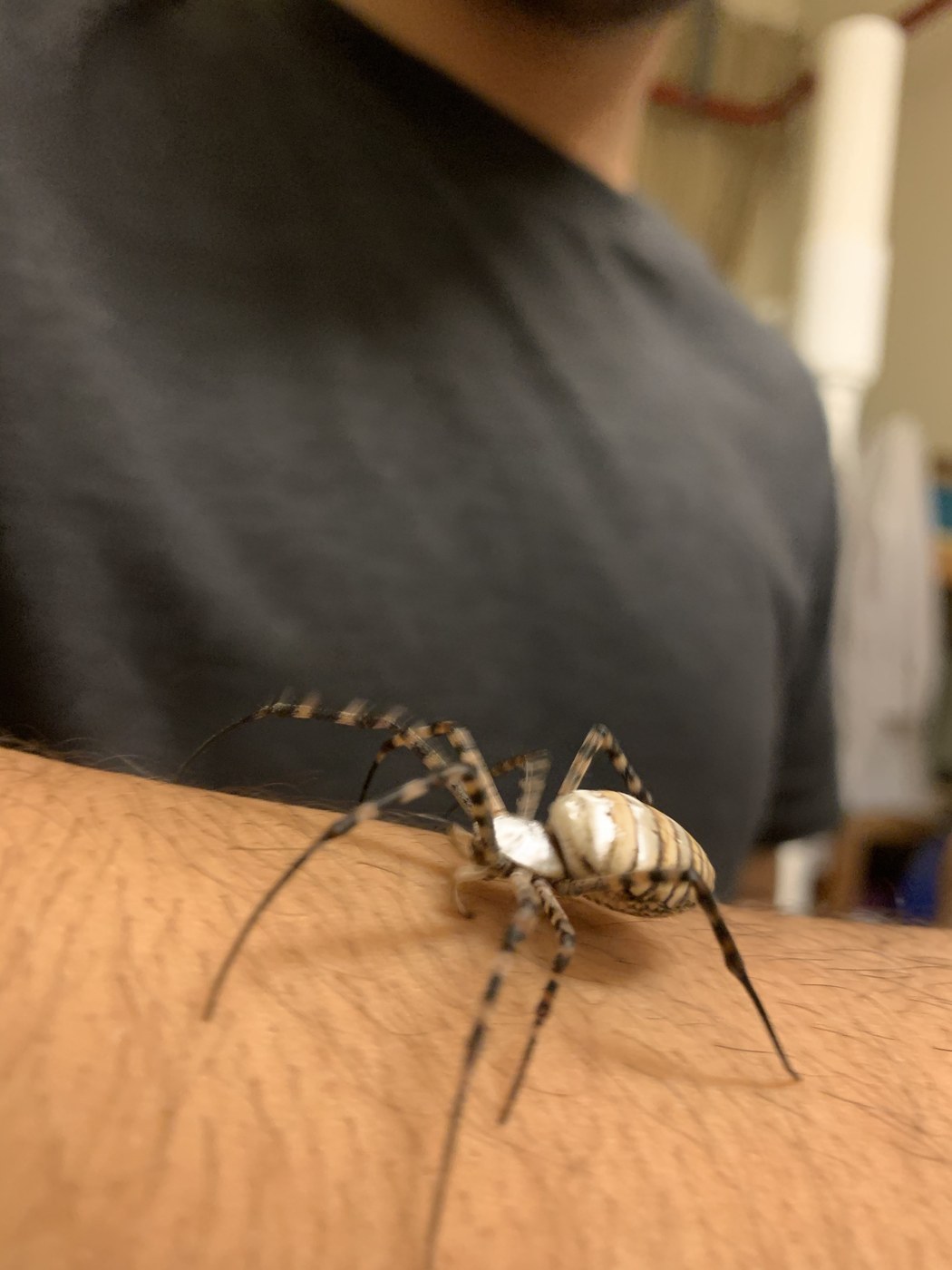
Banded Garden Spider
Tall grass, meadows, and gardens with open sunny vegetation
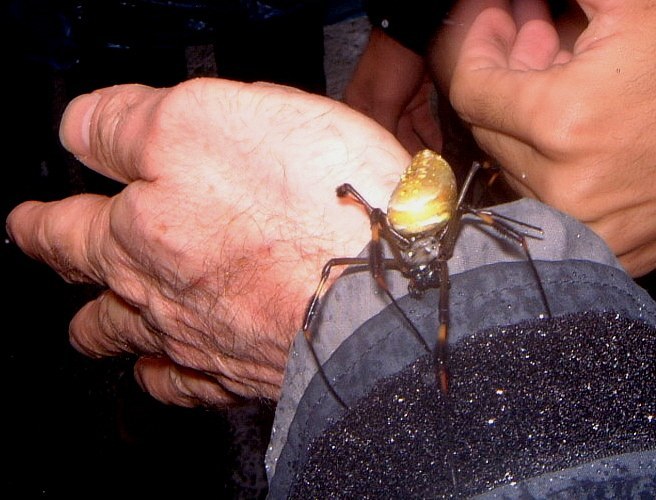
Banana Spider
Wooded trails, forest edges, and gardens across the southeastern U.S. and the American tropics
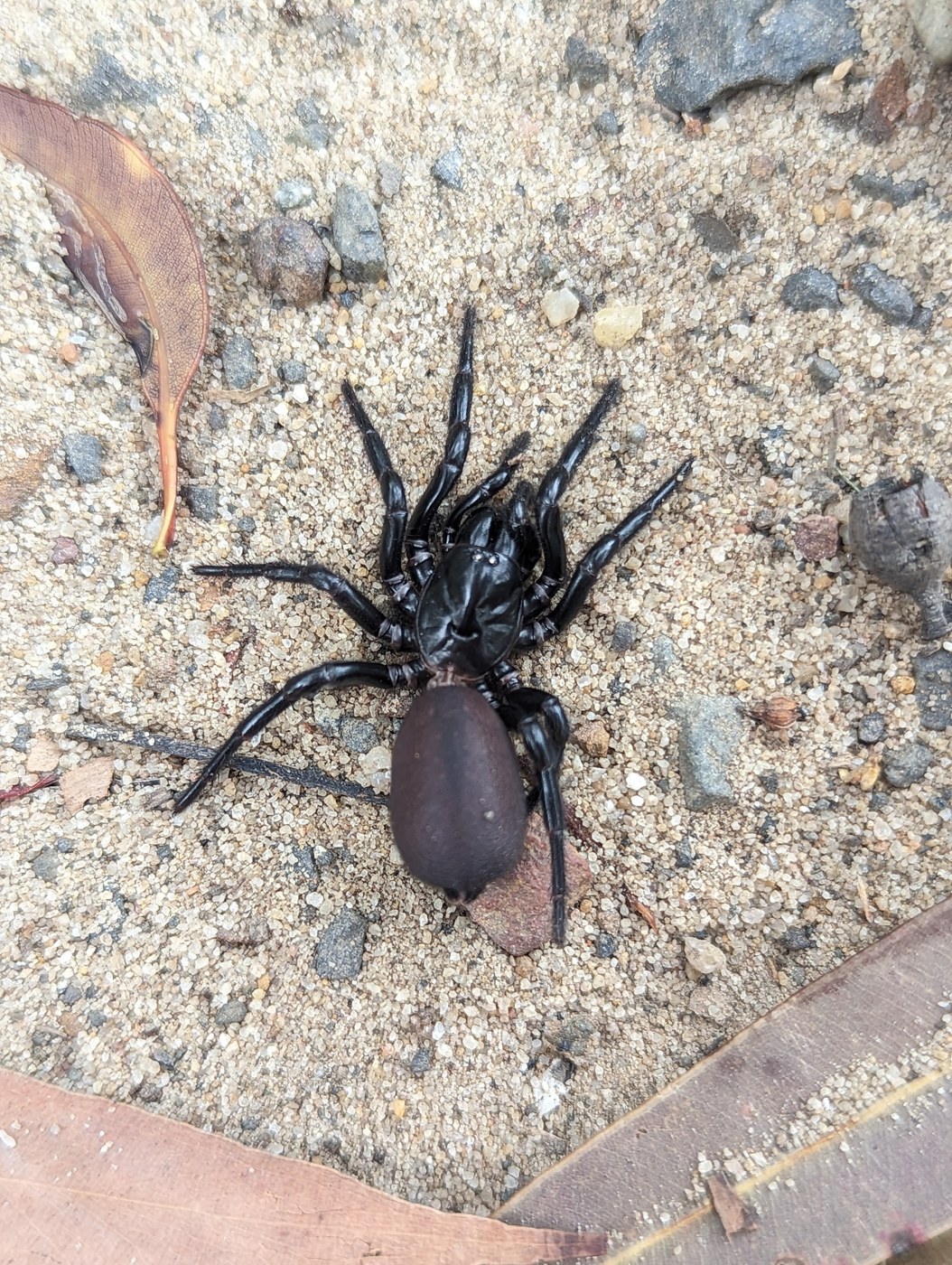
Sydney Funnel-web Spider
Burrows in moist soil, gardens, and forested gullies around the Sydney basin of eastern Australia
Trapdoor Spider
Self-dug silk-lined burrows with a camouflaged door, in dry, well-drained soil worldwide
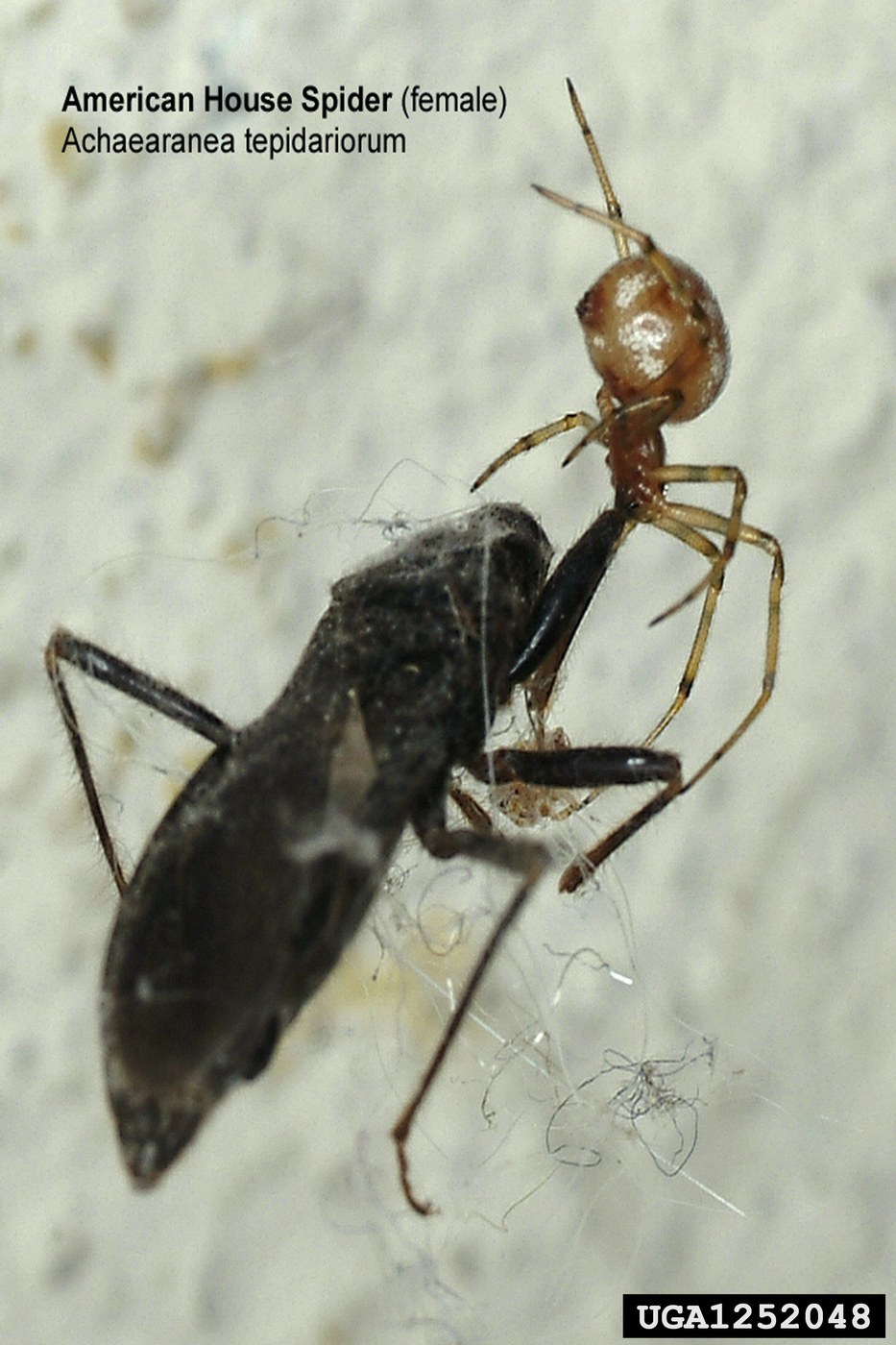
American House Spider
Corners, basements, garages, and outbuildings worldwide
Tube Web Spider
Wall crevices, bark, rockeries, and masonry
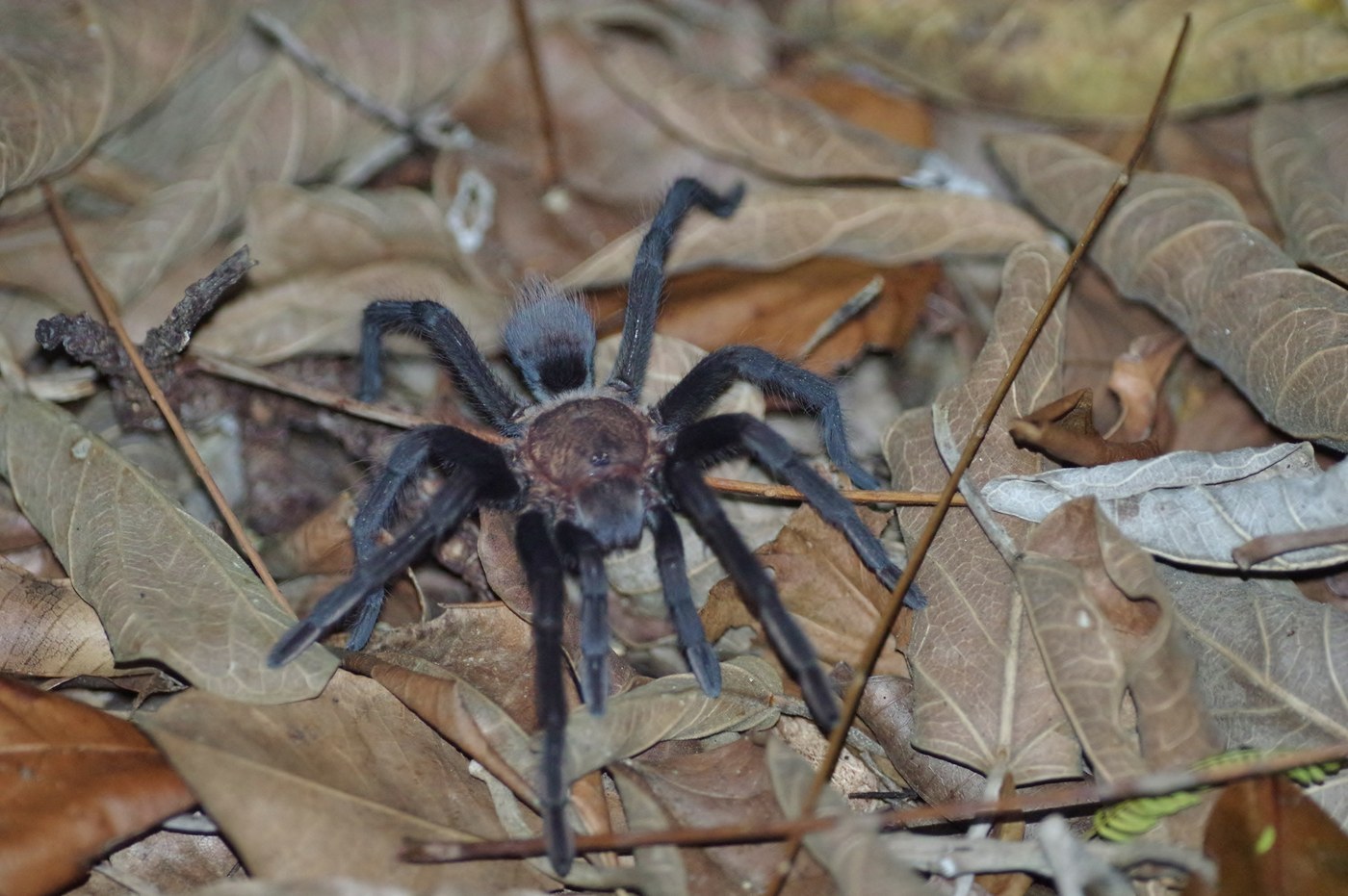
Tarantula
Burrows, rock crevices, and tree hollows in deserts, grasslands, and tropical forests worldwide
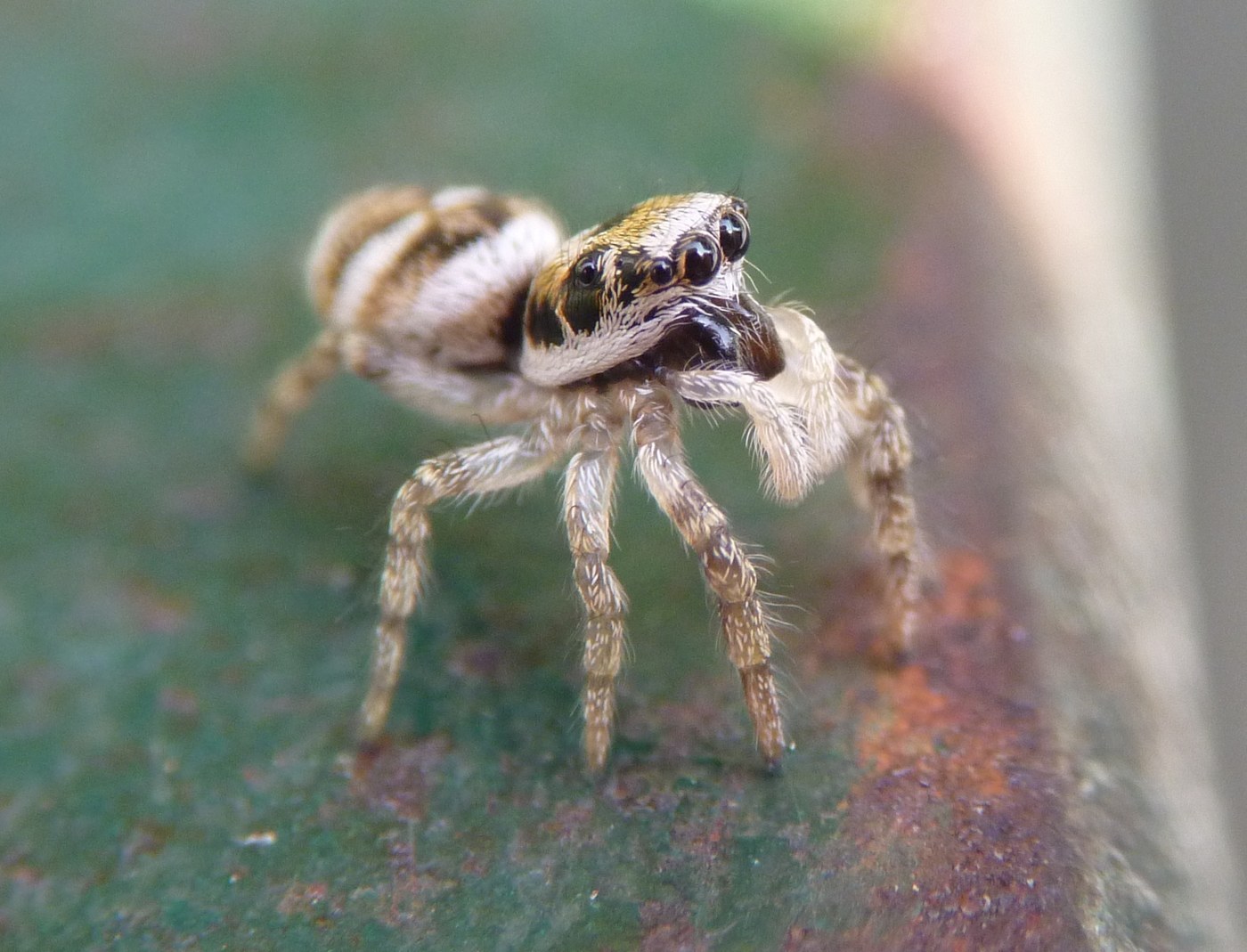
Zebra Jumping Spider
Sunny walls, fences, tree bark, and building exteriors
Wall Spider
Cracks and crevices on exterior and interior walls