
Regal Moth (Hickory Horned Devil)
Citheronia regalis
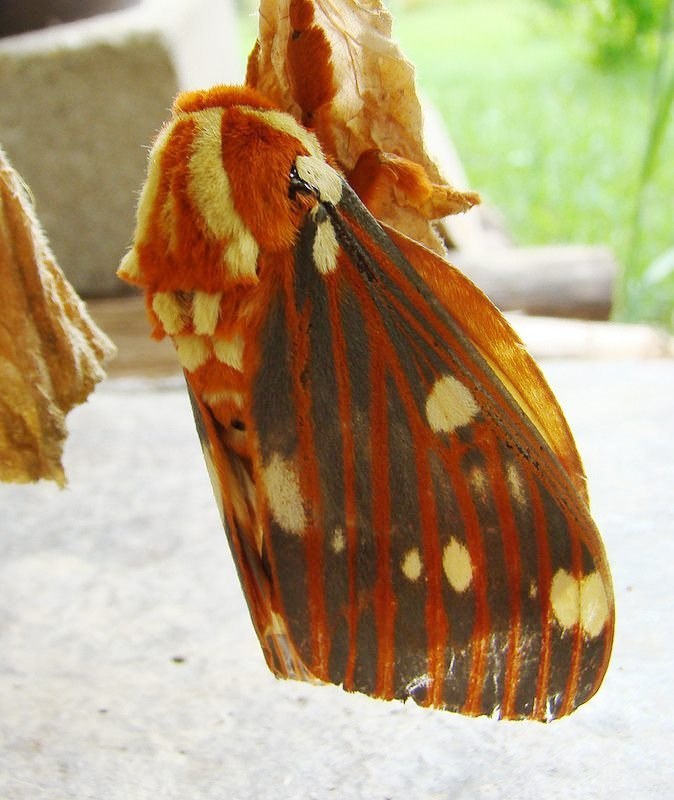
One of the largest moths in North America, with orange-red and gray-veined wings on the adult, best known for its enormous, formidable-looking caterpillar, the hickory horned devil, a blue-green giant bristling with long orange spines.
- Size
- 4–6 in wingspan
- Habitat
- Deciduous forest, riparian woodland, orchards
- Danger
- Harmless
Spotted a bug like this?
Identify any bug or insect from a photo, free.
Overview
The regal moth, also called the royal walnut moth, is a member of the giant silk moth family (Saturniidae) native to the eastern and southeastern United States. It is one of the heaviest-bodied moths on the continent, and its caterpillar, known as the hickory horned devil, is famous as one of the largest and most dramatic-looking caterpillars in North America.
Adults have a robust body and broad wings patterned in gray-green with orange-red veining and pale yellow-orange spots, quite different in appearance from the intimidating larva. As with other giant silk moths, adults have no functional mouthparts and do not feed, surviving only a short time on reserves built up during the larval stage in order to mate and lay eggs.
The hickory horned devil caterpillar, despite its fearsome look with long curved orange-tipped spines behind the head, is a harmless leaf-feeder, and its dramatic appearance is a bluffing defense rather than an indication of any offensive capability.
How to Identify
- Adult: large, heavy-bodied moth with grayish-olive forewings crossed by orange-red veins and pale yellow spots, and orange-red hindwings with similar yellow markings.
- Wingspan typically 4 to 6 inches, among the largest of any North American moth.
- Caterpillar (hickory horned devil): blue-green body up to about 5 to 6 inches long, with a ring of long, curved, orange-tipped black spines behind the head and rows of shorter spines along the back.
- The caterpillar's size and spine array make it unmistakable and among the most recognizable larvae in North America; the adult moth is best told from other large silk moths by its distinctive orange-veined gray wing pattern.
Habitat & Range
Found in the eastern and southeastern United States, from the mid-Atlantic and Midwest south into the Gulf states, in deciduous forests, riparian woodland, and areas with hickory, walnut, sweetgum, and persimmon trees, its primary larval host plants. Adults are nocturnal and fly mainly in summer, often drawn to lights.
Behavior & Diet
Adults do not feed, having no functional mouthparts, and live only a few days as they focus entirely on finding mates and reproducing using fat reserves accumulated during the caterpillar stage. The hickory horned devil caterpillar feeds on the leaves of hickory, walnut, sweetgum, sumac, and persimmon, and when threatened rears up its front end and thrashes, relying on its imposing size and spine display to deter predators rather than any physical harm, since the spines are soft and not capable of stinging or piercing skin. Despite its dramatic looks, the caterpillar is a slow, deliberate feeder with a purely defensive bluffing display.
Life Cycle
Eggs are laid on host tree foliage and hatch into small caterpillars that grow dramatically over the summer, molting through five instars and developing the full spine array of the hickory horned devil by the final instar. Mature larvae leave the tree and burrow into the soil to pupate without spinning a cocoon. The species overwinters as a pupa underground, with adults emerging the following summer; there is generally one generation per year.
Frequently asked questions
Is the hickory horned devil dangerous?
Despite its intimidating spiny appearance, the caterpillar's spines are soft and its threat display is a bluff; it does not sting or bite.
Is the hickory horned devil a different species from the regal moth?
No, it is simply the caterpillar (larval) stage of the regal moth, Citheronia regalis.
How big can the caterpillar get?
It can reach roughly 5 to 6 inches in length, making it one of the largest caterpillars found in North America.
Does the adult moth feed on plants?
No, adults have no functional mouthparts and do not feed at all during their brief adult lifespan.
Regal Moth (Hickory Horned Devil) guides
In-depth guides for identifying, understanding, and living alongside Regal Moth (Hickory Horned Devil).
Regal Moth (Hickory Horned Devil) identified by the community
Real finds identified with Bug Identifier.
Other bugs you may enjoy
Bagworm Moth
Coniferous and deciduous trees, shrubs, hedges
Antheraea Silkmoth
Deciduous forests, woodland edges, orchards
Ailanthus Silkmoth (Cynthia Moth)
Urban parks, wastelands, and woodland edges with tree-of-heaven; native to Asia, introduced in North America and Europe
Winter Moth
Deciduous woodland, orchards, gardens, hedgerows
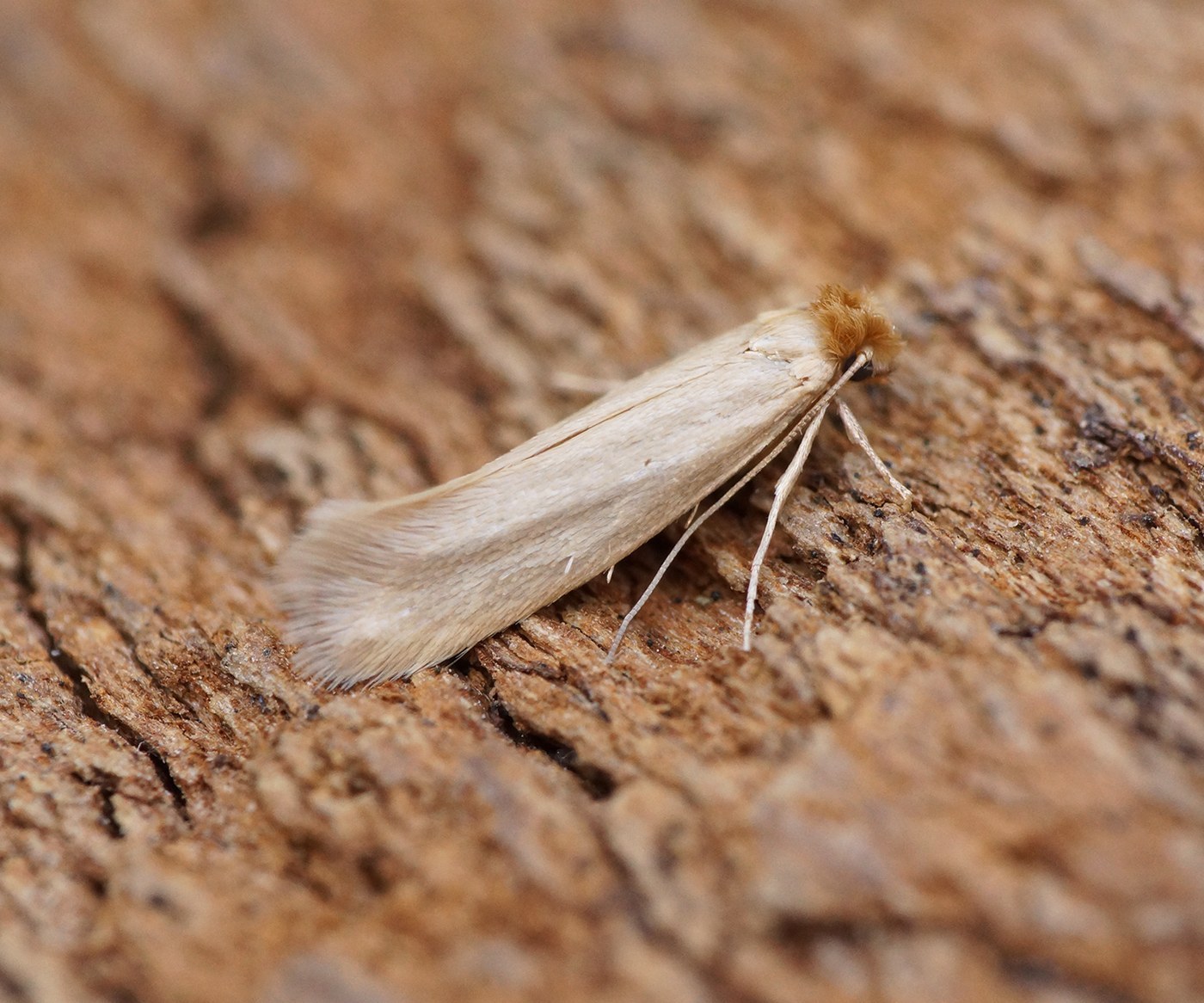
Webbing Clothes Moth
Dark closets, storage areas, and animal nests worldwide
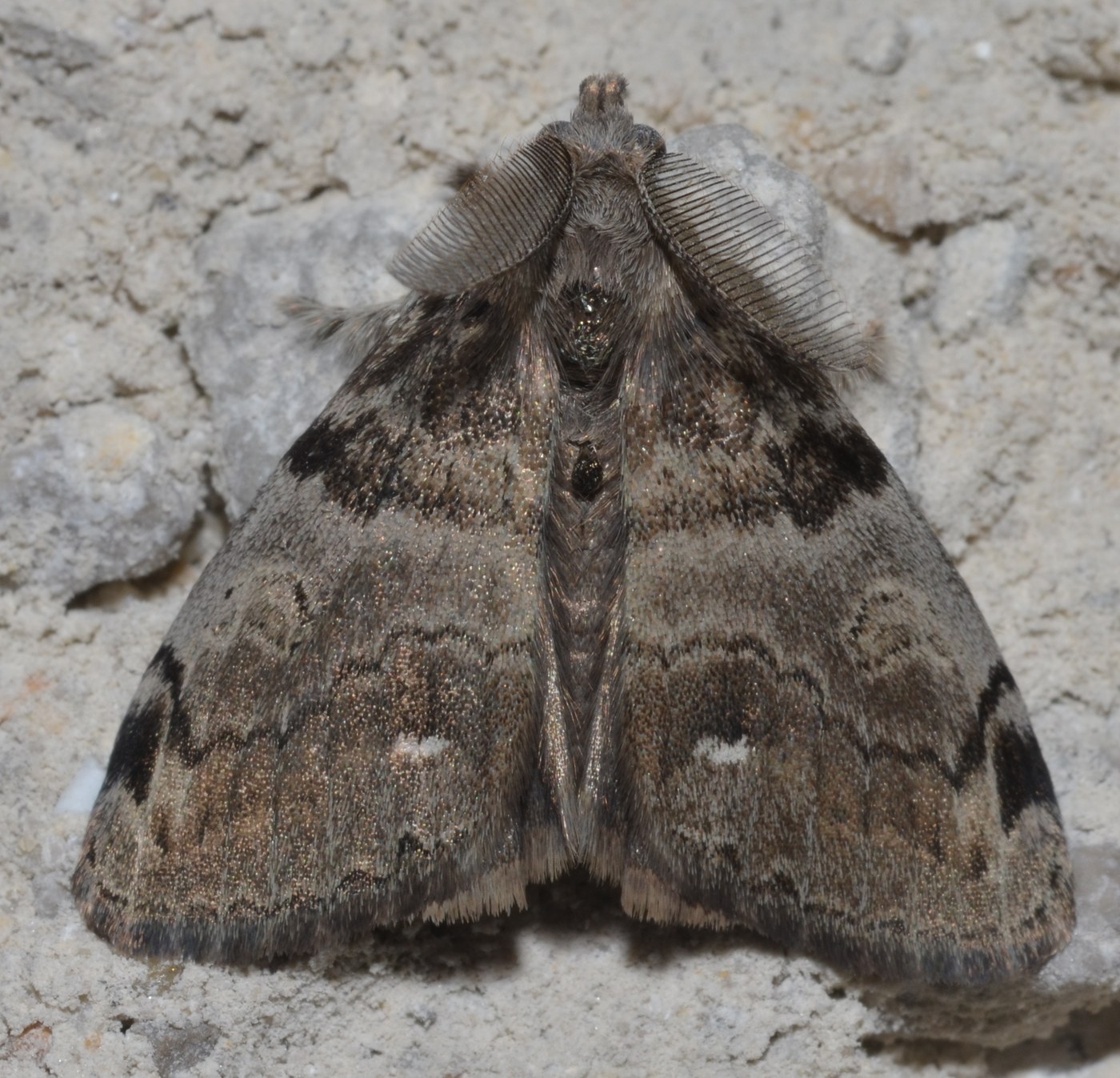
Tussock Moth
Deciduous forests, parks, gardens
Wax Moth
Beehives, apiaries, stored beeswax and comb
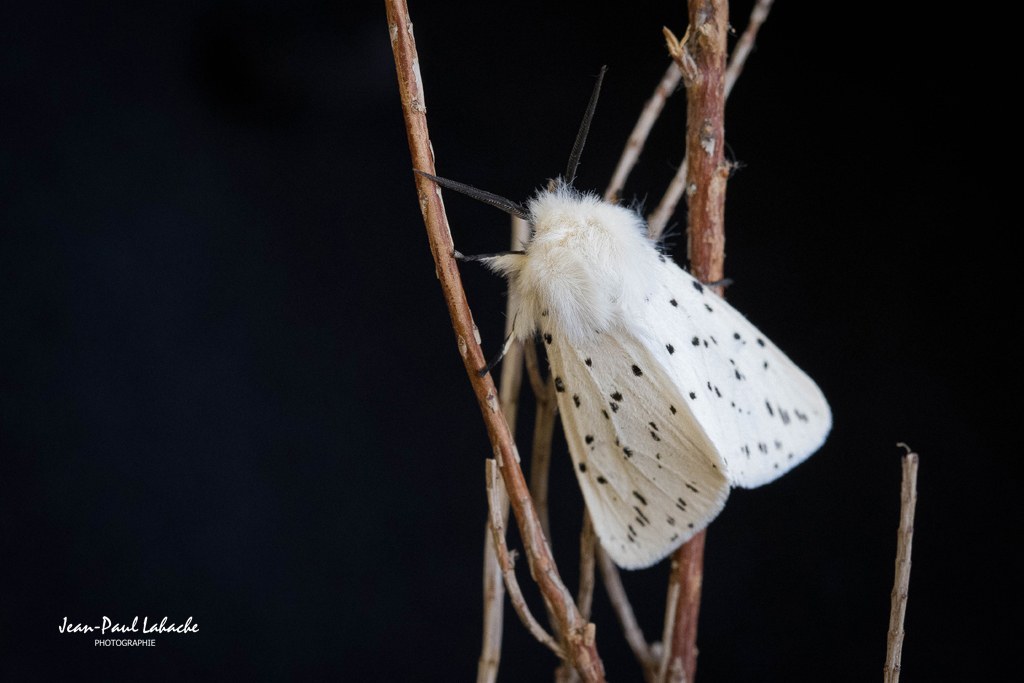
White Ermine Moth
Gardens, meadows, hedgerows
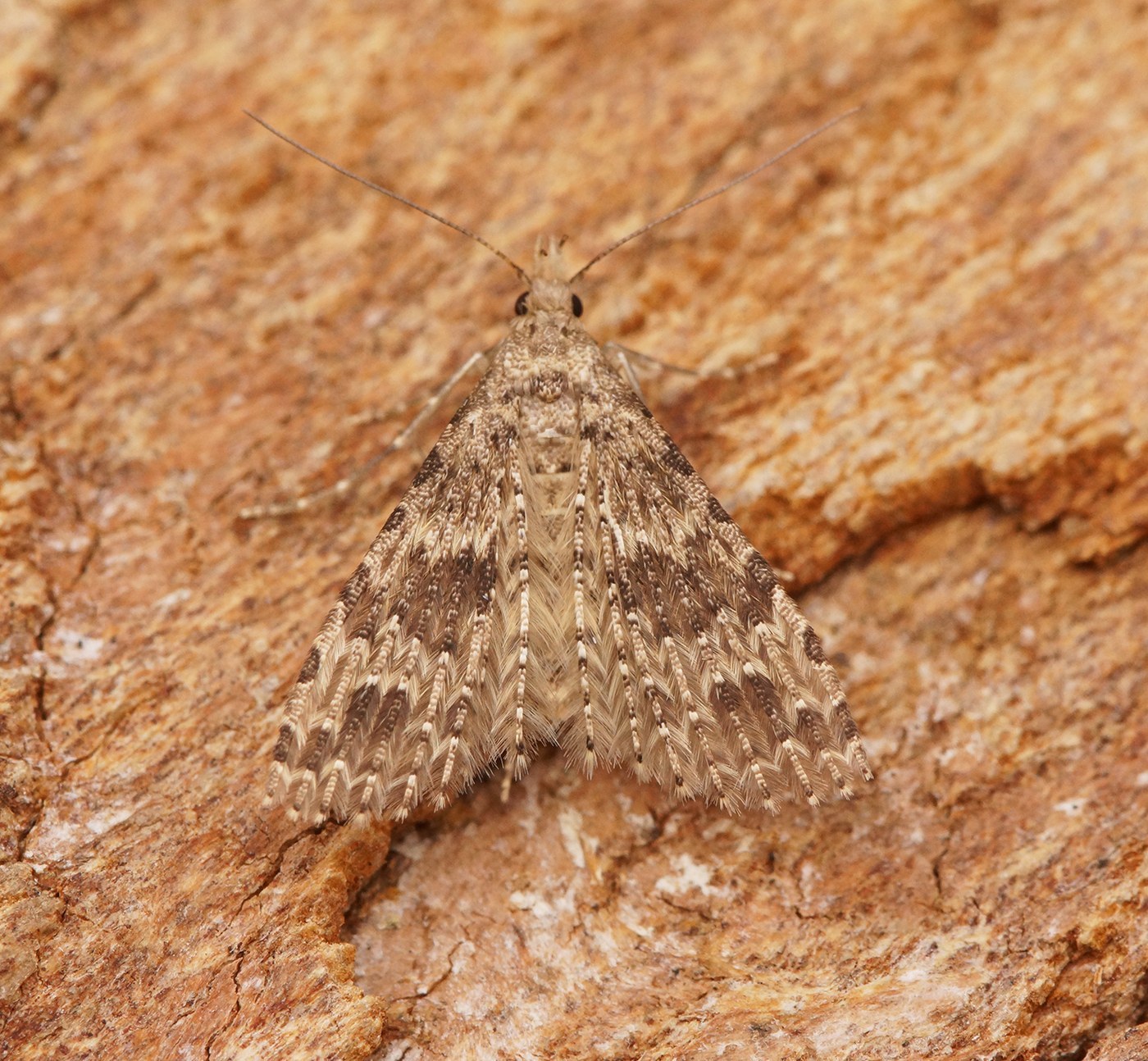
Twenty-plume Moth
Gardens, hedgerows, near honeysuckle
Achemon Sphinx Moth
Vineyards, woodland edges, gardens with wild grape
Angle Shades Moth
Gardens, hedgerows, woodland edges, urban parks
Atlas Moth
Tropical and subtropical lowland forests of Southeast Asia