
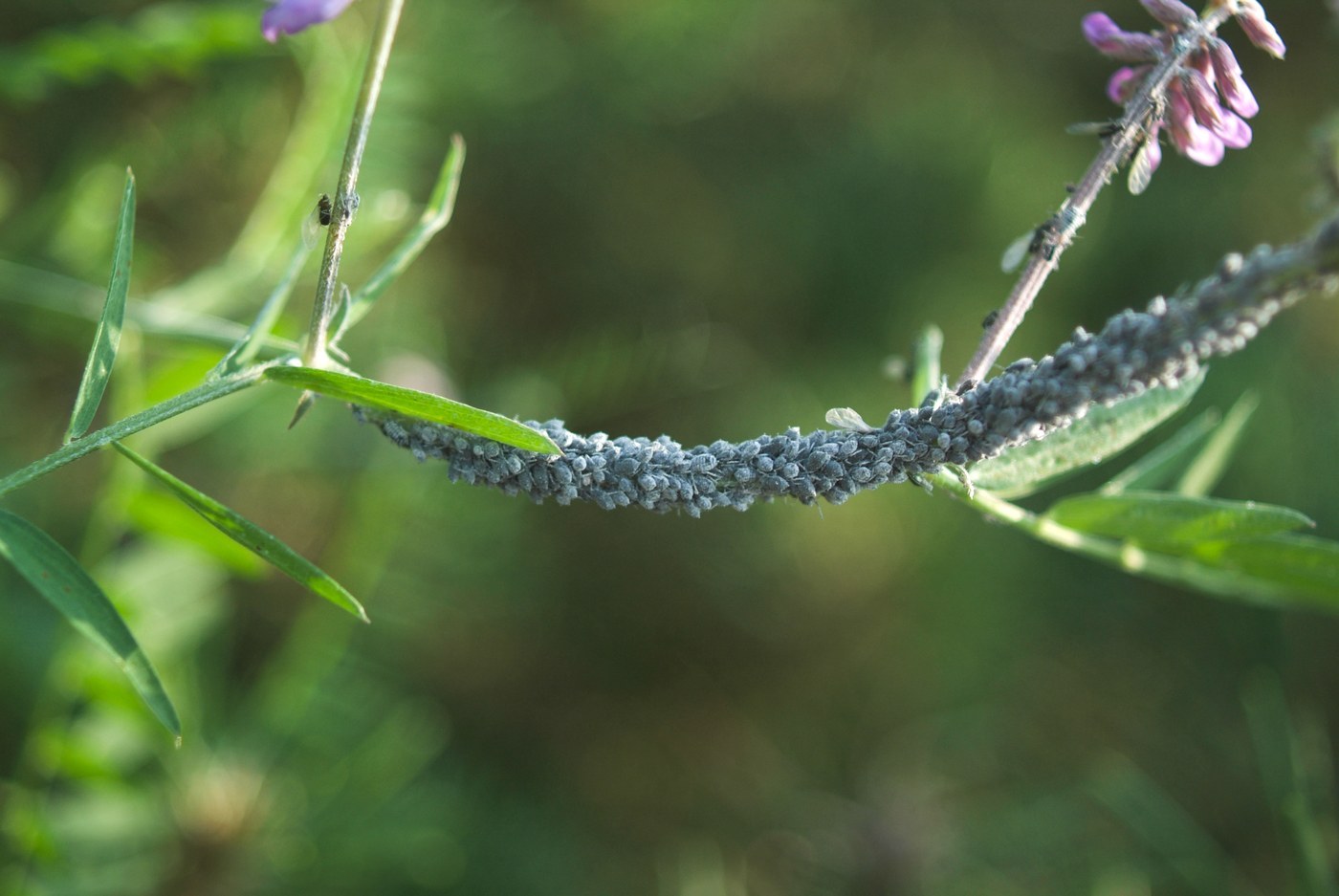
Rosy Apple Aphid
Dysaphis plantaginea
A small, dusty pink to purplish-gray aphid that clusters on apple foliage in spring, causing distinctive curled, reddened leaves that make its presence easy to spot even before the insects themselves are seen.
- Size
- 1.5–2.5 mm
- Habitat
- Apple orchards and apple trees, alternating to plantain plants in summer
- Danger
- Harmless
Spotted a bug like this?
Identify any bug or insect from a photo, free.
Overview
The rosy apple aphid is a sap-feeding true bug in the aphid family Aphididae, well known among orchardists and gardeners for its strong association with apple trees during the spring months. Its dusty pink to grayish-purple coloring, combined with a light waxy bloom, gives colonies a distinctly rosy appearance that sets it apart from other aphids found on the same host.
This species has a two-host life cycle typical of many aphids in its group, spending spring on apple trees before migrating in early summer to herbaceous secondary hosts such as plantain, then returning to apple trees in fall to lay overwintering eggs. Its feeding causes characteristic leaf curling and can stunt the growth of young shoots and developing fruit.
Because of its close relationship with apple cultivation, the rosy apple aphid is one of the more agriculturally notable aphid species, studied extensively in the context of orchard ecology and natural pest regulation by predatory and parasitic insects.
How to Identify
- Small, pear-shaped body about 1.5–2.5 mm long, colored dusty pink, mauve, or grayish-purple, often with a light waxy or powdery bloom.
- Colonies cluster densely on the undersides of young apple leaves and on developing shoot tips in spring.
- Feeding causes leaves to curl tightly and take on reddish or purplish discoloration, a strong visual clue even when aphids themselves are hidden within the curl.
- Winged forms have a dark head and thorax with a paler, mottled abdomen, produced when colonies migrate to summer host plants.
- Distinguished from the green peach aphid and other common aphids by its rosy-pink to purplish coloring and its specific association with apple trees in spring.
Habitat & Range
Rosy apple aphids are found wherever apple trees are grown, including commercial orchards, backyard fruit trees, and ornamental crabapples, across temperate regions of North America and Europe where the species has become established.
Colonies are most active on apple trees in spring, coinciding with bud break and new shoot growth. In early summer, winged forms migrate away from apple trees to secondary host plants, particularly plantain (Plantago species), before a return migration to apple trees occurs in autumn for egg-laying.
Behavior & Diet
This aphid feeds by piercing young leaves and shoot tissue with its mouthparts to draw out plant sap, and its feeding triggers the host plant to curl affected leaves tightly around the colony, providing the aphids with some shelter from predators and weather. Colonies can also affect the shape and development of nearby fruit through this feeding activity.
Like other aphids, rosy apple aphids excrete honeydew, which can attract tending ants and support the growth of sooty mold on surfaces below infested foliage. They serve as prey for numerous predatory insects, including lady beetles, lacewings, and hoverfly larvae, as well as hosts for parasitic wasps, making them an integral part of orchard food webs.
Life Cycle
The rosy apple aphid follows a complex, host-alternating life cycle typical of many aphids. Eggs laid on apple bark in fall overwinter and hatch in early spring as temperatures warm, producing wingless females that reproduce asexually and rapidly build colonies on new growth.
After several generations on apple trees, winged forms are produced that migrate to herbaceous secondary hosts, primarily plantain, for the summer months. In autumn, a generation of winged individuals returns to apple trees, where sexual forms mate and females lay overwintering eggs on the bark, completing the annual cycle.
Frequently asked questions
Why are the leaves on my apple tree curling and turning red?
This is a common sign of rosy apple aphid feeding, which causes young leaves to curl tightly around developing colonies and take on a reddish or purplish tinge.
Do rosy apple aphids stay on apple trees all year?
No, they typically feed on apple trees in spring, migrate to plants like plantain for the summer, then return to apple trees in fall to lay overwintering eggs on the bark.
How can I tell rosy apple aphids from other aphids on my tree?
Their dusty pink to grayish-purple coloring, often with a light waxy bloom, along with their strong association with curled young apple leaves, helps distinguish them from green or black aphid species.
What do rosy apple aphids feed on besides apple trees?
During summer they move to herbaceous host plants, especially plantain, before returning to apple trees in autumn.
Rosy Apple Aphid guides
In-depth guides for identifying, understanding, and living alongside Rosy Apple Aphid.
Other bugs you may enjoy
Bagrada Bug
Arid gardens, crucifer fields, desert-adjacent croplands
Assassin Bug
Gardens, meadows, and vegetation worldwide
Water Boatman Bug
Ponds, lakes, and slow-moving freshwater
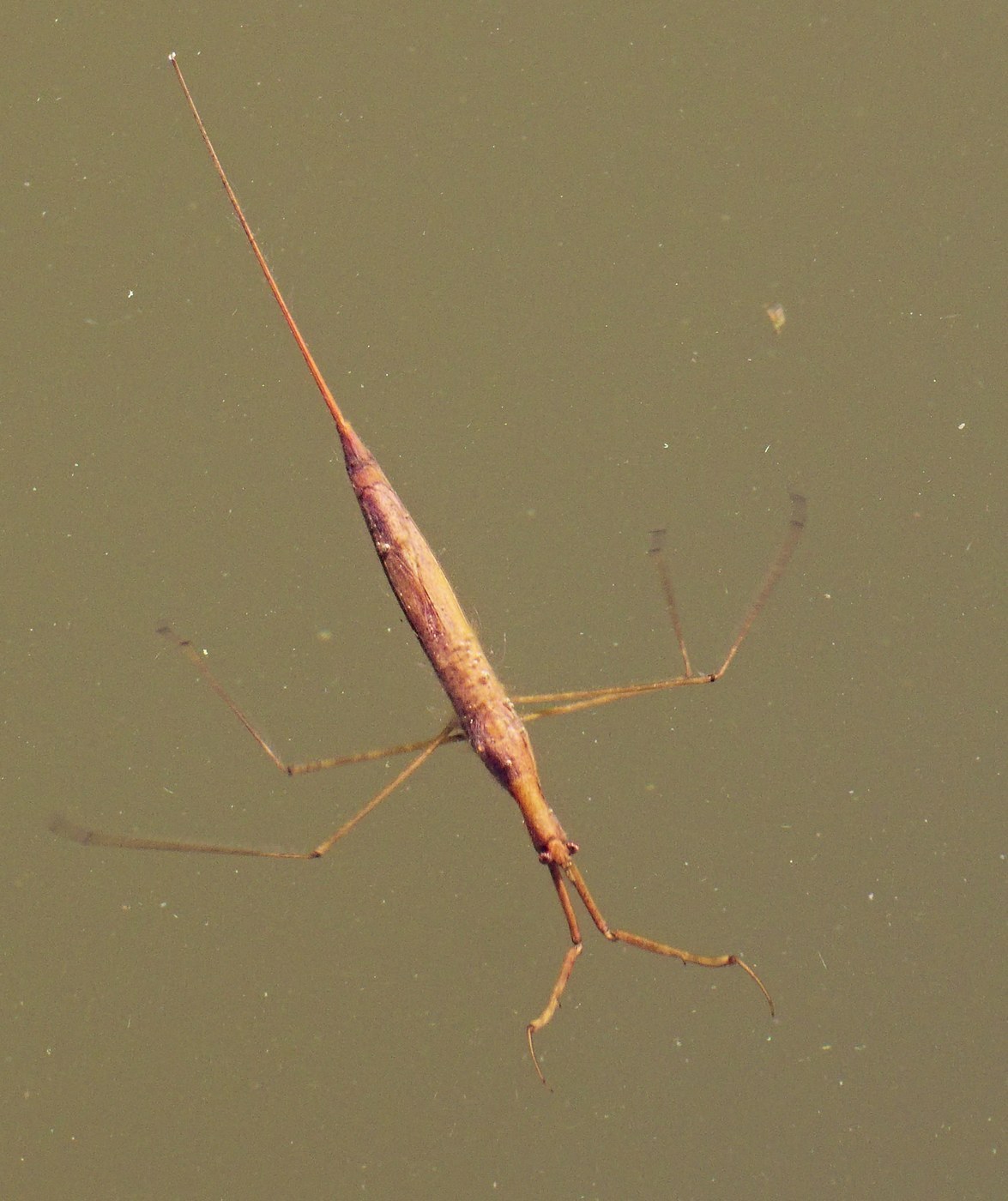
Water Stick Insect
Still and slow-moving water with dense submerged vegetation
Rough Stink Bug
Tree bark, woodlands, orchards, and shrubby vegetation
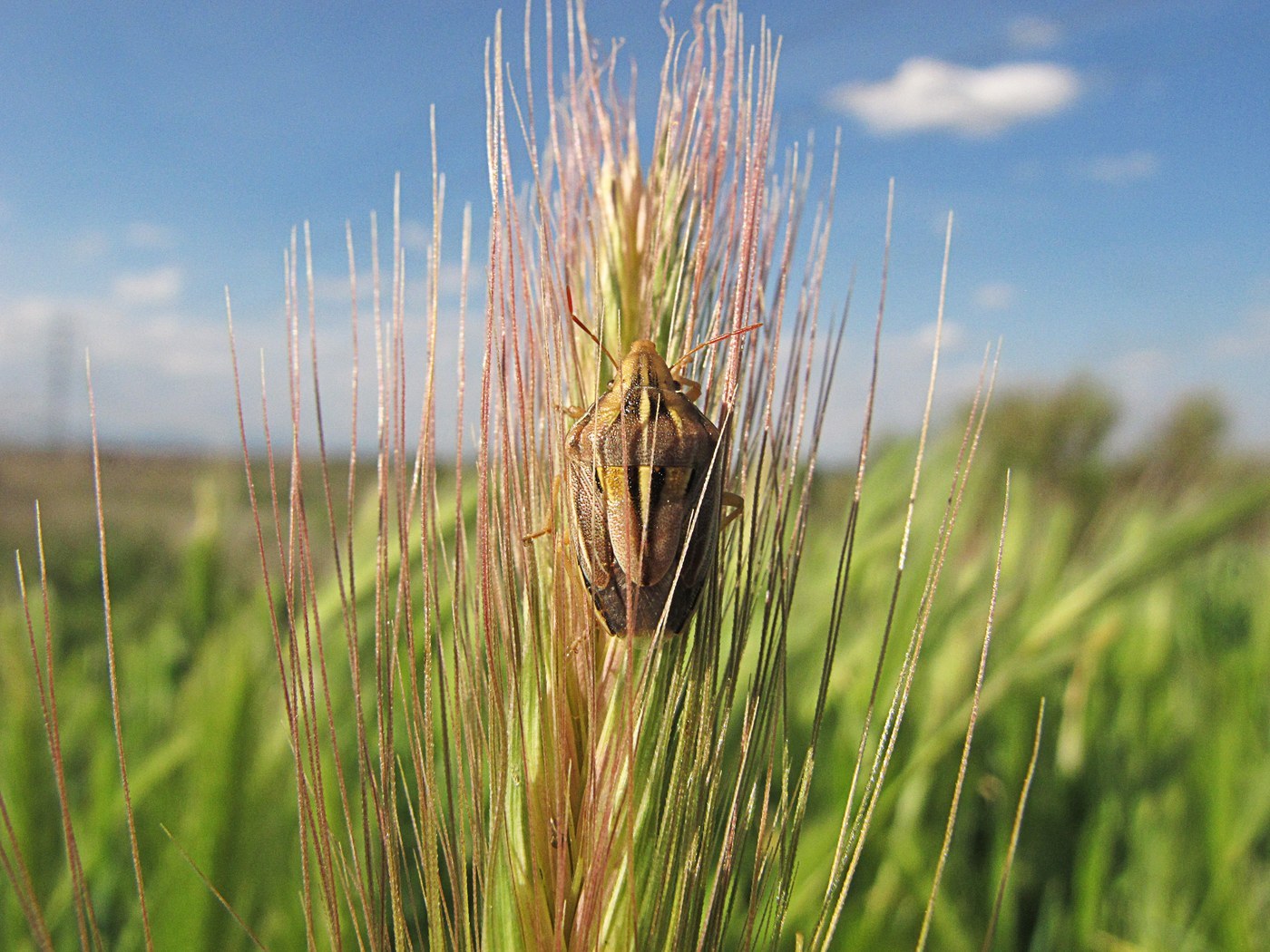
Stink Bug
Gardens, crop fields, and woodlands across temperate and subtropical regions
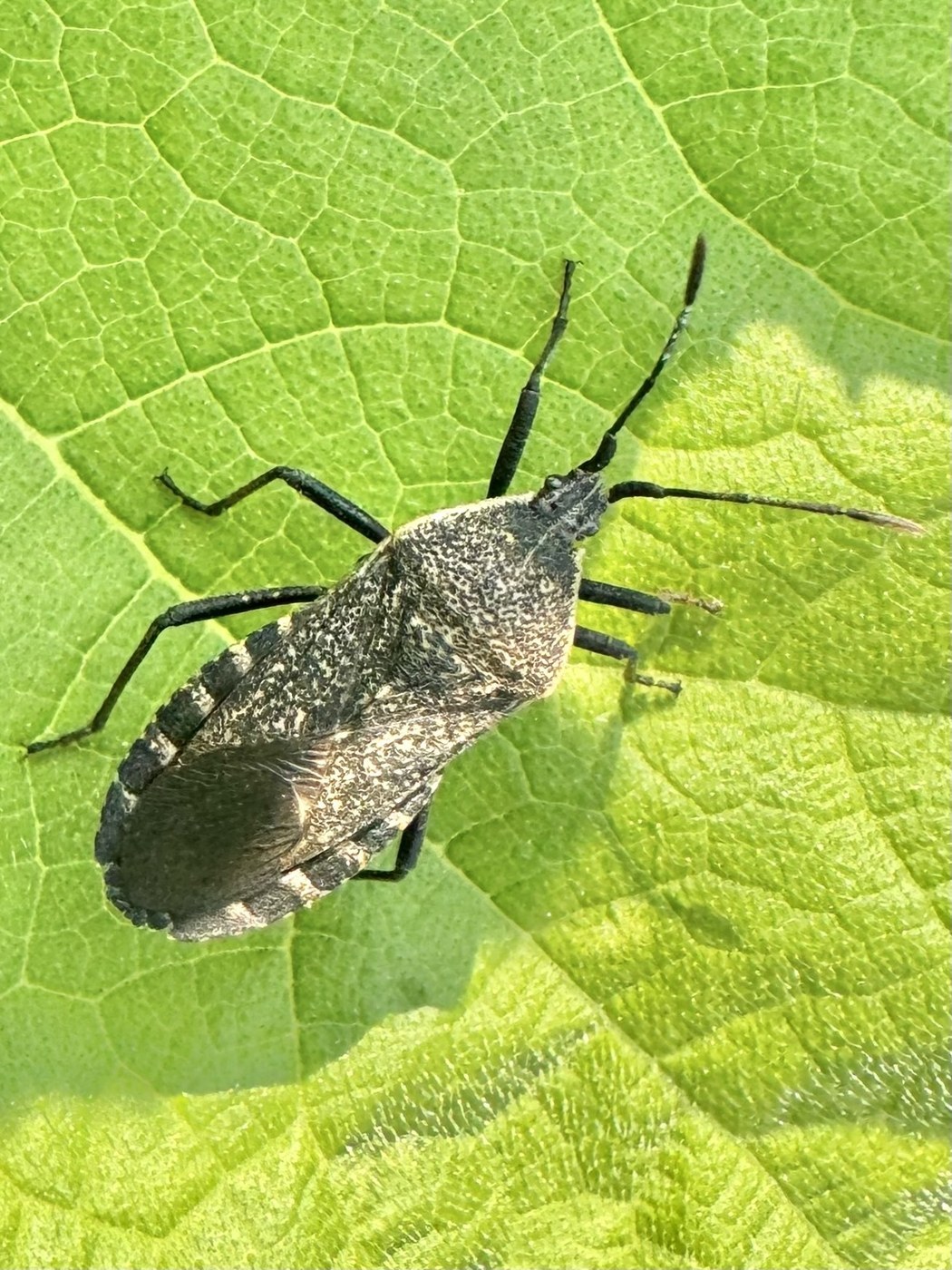
Squash Bug
Vegetable gardens and farm fields growing squash, pumpkin, and other cucurbits
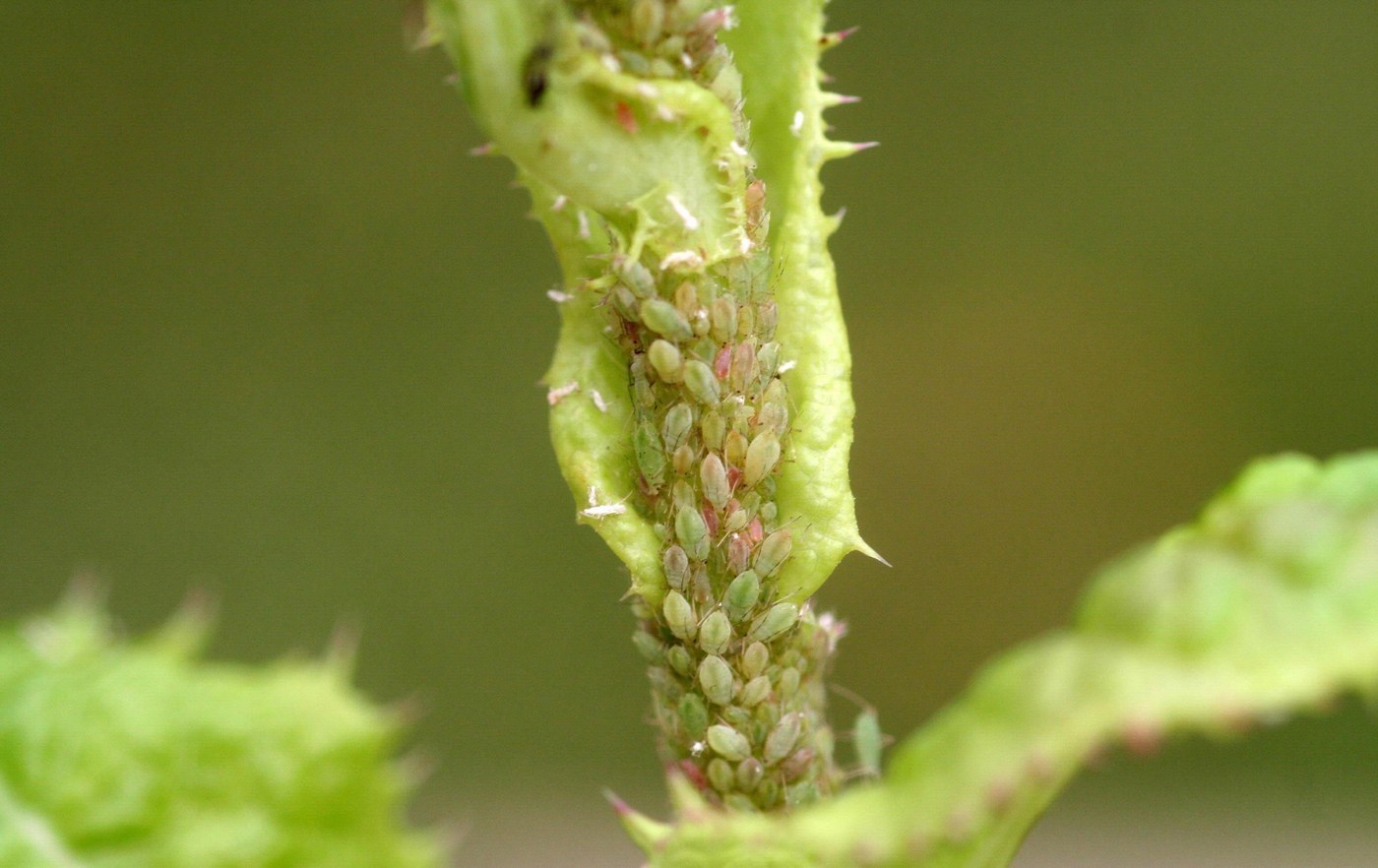
Aphid
On stems, leaves, and buds of a very wide range of host plants
Woolly Aphid
Bark crevices, root collars, and twigs of apple, elm, and alder trees
Whitefly
Greenhouses, gardens, and undersides of leaves on host plants
Water Measurer
Quiet edges of ponds, marshes, and slow streams
Two-Spotted Stink Bug
Gardens and fields with potato and nightshade-family plants