
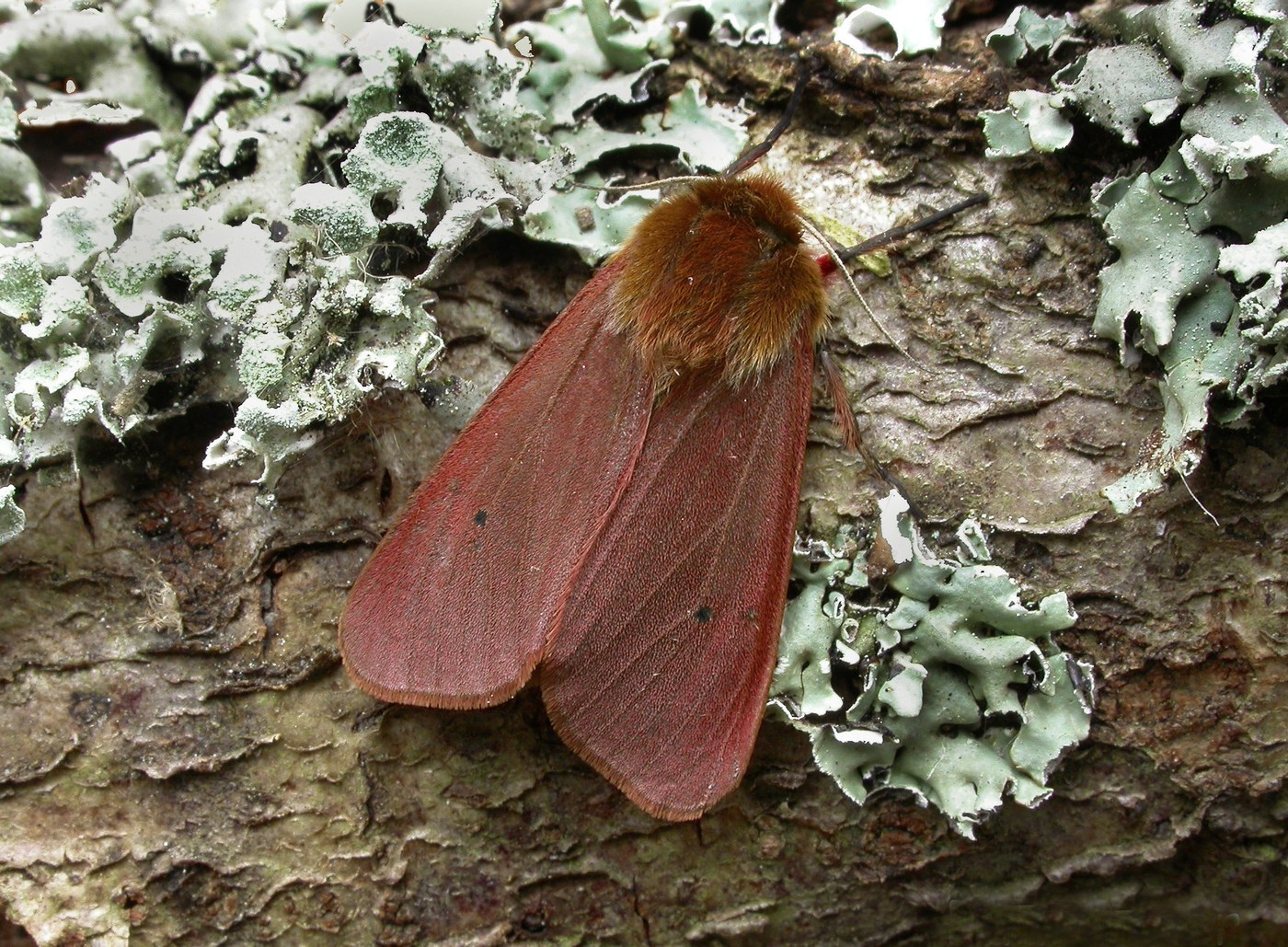
Ruby Tiger Moth
Phragmatobia fuliginosa
A small, warm reddish-brown tiger moth with plain rosy-tinted forewings and pink-flushed hindwings dotted with dark spots, often seen resting openly on vegetation in sunny, open habitats.
- Size
- 28–35 mm wingspan
- Habitat
- Gardens, heathland, grassland, coastal dunes
- Danger
- Harmless
Spotted a bug like this?
Identify any bug or insect from a photo, free.
Overview
The Ruby Tiger Moth is a compact member of the tiger moth subfamily Arctiinae, notable for its warm rusty-red to pinkish-brown coloring that sets it apart from the boldly patterned larger tiger moths in its family. Despite belonging to a group famous for dramatic markings, this species is comparatively understated, relying on subtle color and small dark spots rather than intricate patterning.
It is one of the more frequently encountered small tiger moths in open, sunny habitats, and is notable for occasionally flying by day in warm weather in addition to its normal nocturnal activity. Its plain but distinctively colored wings make it a useful species for learning to distinguish tiger moths from other similarly sized noctuid-like moths.
Ecologically it is a generalist feeder associated with open, herb-rich habitats, and its wide host-plant range and tolerance of disturbed ground allow it to thrive in a variety of semi-natural and urban green spaces.
How to Identify
- Forewings are plain rosy-brown to reddish-buff with little to no strong patterning, sometimes with faint darker veining.
- Hindwings are pink to reddish with several small dark spots along the margin, visible mainly in flight or when the moth is handled.
- Body is compact, moderately hairy, and colored similarly to the forewings.
- Antennae are feathery in males, simpler in females.
- Considerably smaller than most other tiger moths, with a comparatively plain, unpatterned forewing.
- Lookalikes include other small reddish moths, but the combination of small size, plain rosy forewings, and spotted pink hindwings is distinctive.
Habitat & Range
Widespread across Europe, North Africa, and temperate Asia, favoring open, sunny habitats such as heathland, grassland, coastal dunes, waste ground, and gardens. Adults fly from spring through autumn, often in two overlapping generations in warmer regions, and can be seen basking or flying in sunshine as well as coming to lights after dark.
Behavior & Diet
Adults are unusual among tiger moths for sometimes flying actively in daylight, particularly in warm sunny conditions, in addition to their normal nocturnal habits. The caterpillars are hairy, dark-colored, and feed on a broad range of low-growing herbaceous plants, including many common weeds and wildflowers, making them adaptable generalist feeders. As with other tiger moths, the coloring of both larva and adult likely serves as a signal to potential predators, and the species contributes to the food web as prey for birds and other insectivores.
Life Cycle
Females lay eggs in batches on host-plant leaves. The hairy caterpillars feed through summer, and in favorable regions a second generation can develop before winter. The species typically overwinters as a caterpillar, resuming development in spring before pupating and emerging as an adult, with one or two generations occurring per year depending on climate.
Frequently asked questions
How is it different from other tiger moths?
It is much smaller and plainer than moths like the Garden Tiger Moth, with mostly unpatterned rosy-brown forewings rather than bold cream-and-brown markings.
Does it fly during the day?
Yes, it is one of the tiger moths more often seen flying in sunshine, though it is also active at night and comes to lights.
How big is it compared to a Garden Tiger Moth?
It is considerably smaller, with a wingspan of roughly 28–35 mm compared to the much larger Garden Tiger Moth.
Where would I find one?
It favors open, sunny habitats such as heathland, grassland, dunes, and gardens across its range.
Ruby Tiger Moth guides
In-depth guides for identifying, understanding, and living alongside Ruby Tiger Moth.
Other bugs you may enjoy
Bagworm Moth
Coniferous and deciduous trees, shrubs, hedges
Antheraea Silkmoth
Deciduous forests, woodland edges, orchards
Ailanthus Silkmoth (Cynthia Moth)
Urban parks, wastelands, and woodland edges with tree-of-heaven; native to Asia, introduced in North America and Europe
Winter Moth
Deciduous woodland, orchards, gardens, hedgerows
Webbing Clothes Moth
Dark closets, storage areas, and animal nests worldwide
Tussock Moth
Deciduous forests, parks, gardens
Wax Moth
Beehives, apiaries, stored beeswax and comb
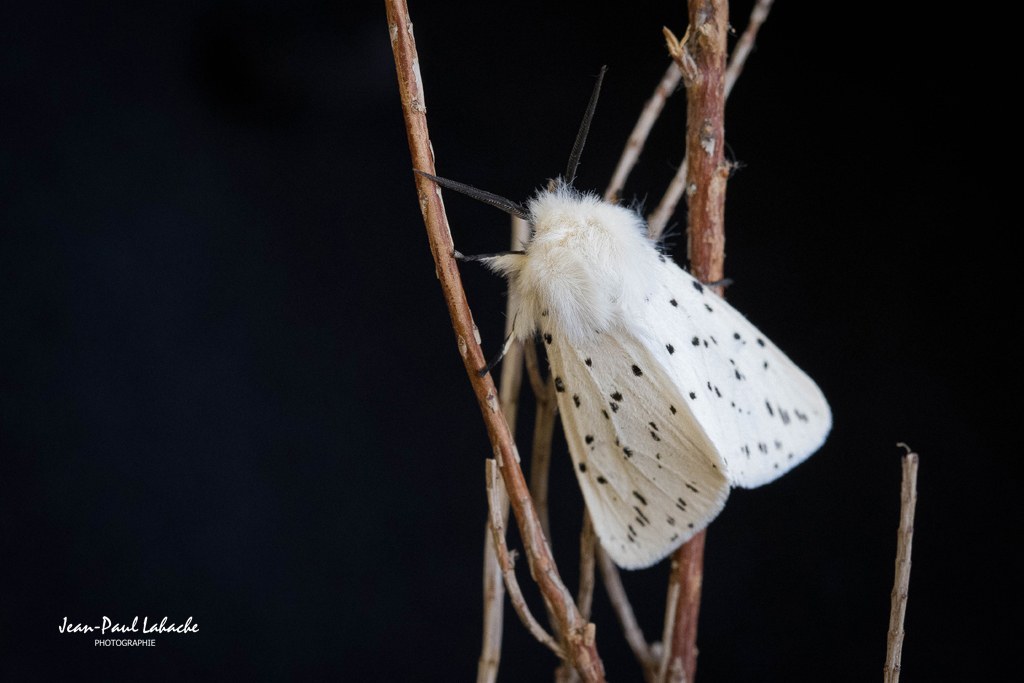
White Ermine Moth
Gardens, meadows, hedgerows
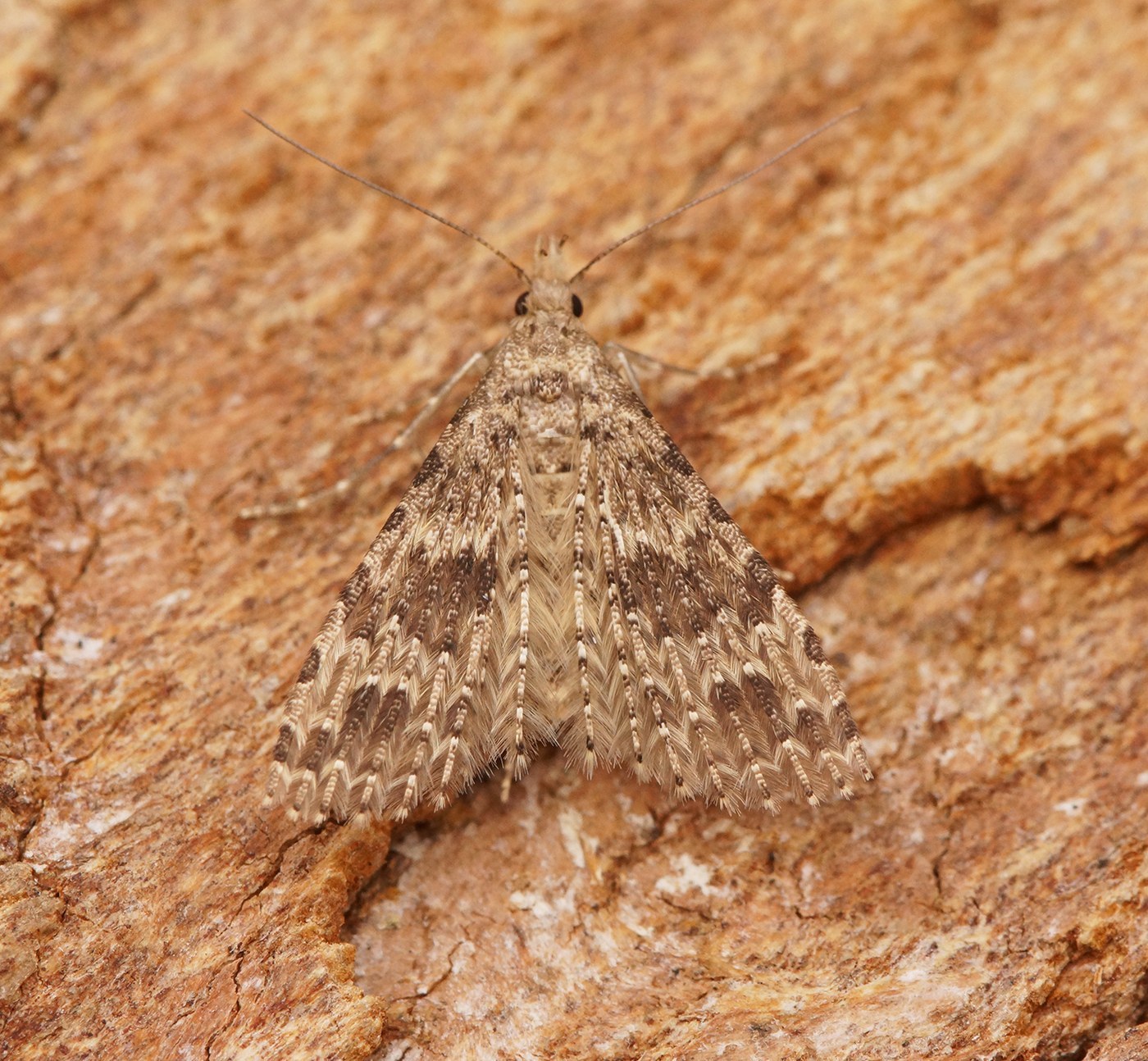
Twenty-plume Moth
Gardens, hedgerows, near honeysuckle
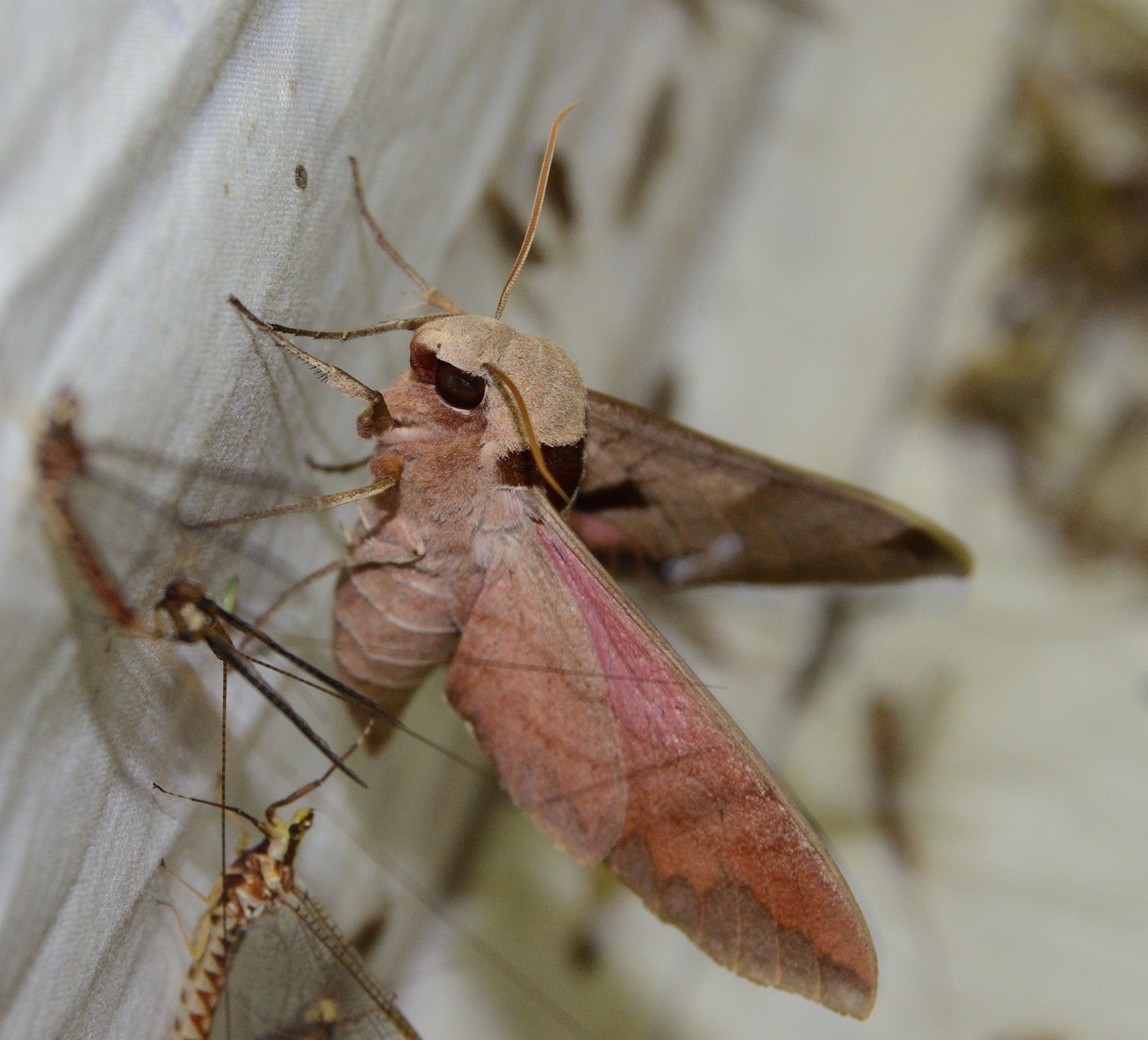
Achemon Sphinx Moth
Vineyards, woodland edges, gardens with wild grape
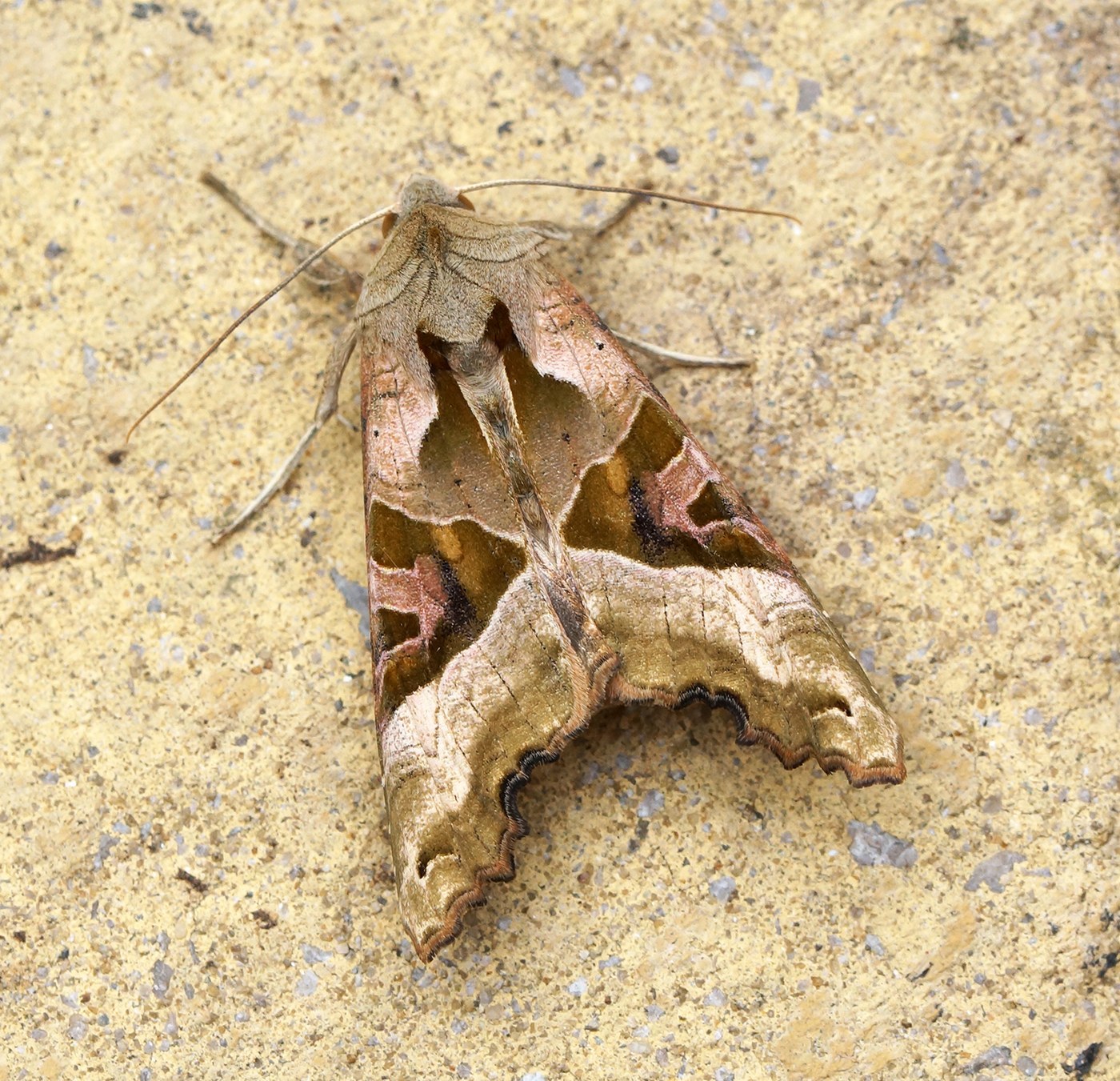
Angle Shades Moth
Gardens, hedgerows, woodland edges, urban parks
Atlas Moth
Tropical and subtropical lowland forests of Southeast Asia