
Sand Wasp
Bembix spp.
A fast, sun-loving solitary wasp with large green or grayish eyes and yellow-striped markings that digs burrows in loose sand and provisions them almost entirely with flies.
- Size
- 12–20 mm
- Habitat
- Sandy soils, dunes, beaches, and bare open ground
- Danger
- Stings
Spotted a bug like this?
Identify any bug or insect from a photo, free.
Overview
Sand wasps are solitary digger wasps in the family Crabronidae, subfamily Bembicinae, best known for their preference for sandy, sun-baked ground where they excavate burrows at remarkable speed. The genus Bembix is the most familiar and widespread group commonly called sand wasps.
These wasps are notable among digger wasps for practicing a form of progressive provisioning: rather than stocking a burrow once and sealing it, a female sand wasp returns repeatedly to bring fresh flies to her growing larva over several days. This behavior sets them apart from most other solitary hunting wasps.
Sand wasps are important natural predators of flies, and their burrowing activity helps aerate sandy soils in the habitats where they nest.
How to Identify
- Stout-bodied wasp with a short, less pronounced waist than thread-waisted relatives.
- Large, often greenish or gray compound eyes that meet or nearly meet on top of the head.
- Black body marked with pale yellow or white stripes and spots, particularly across the abdomen.
- Fast, low, darting flight close to the ground near nest sites; often hovers briefly before diving into a burrow.
- Lookalikes: other Crabronidae digger wasps have similar coloring but lack the distinctive oversized eyes and rapid fly-hunting behavior.
Habitat & Range
Sand wasps occur worldwide on every continent except Antarctica, wherever loose sandy or friable soil is available—coastal dunes, sandy fields, riverbanks, and bare eroded patches. They are most active on hot, sunny days during summer, often nesting in loose aggregations where many females dig burrows in close proximity, though each nest is provisioned independently.
Behavior & Diet
Females excavate a burrow and hunt flies, including house flies and horse flies, stinging and paralyzing or killing them before carrying prey back in flight. Unlike many digger wasps that provision once and seal the nest, sand wasps often practice progressive provisioning, revisiting the burrow with fresh flies as the larva grows. Adults also feed on nectar. They can produce a soft buzzing sound in flight and will sting defensively if handled, though they are not aggressive toward passersby.
Life Cycle
A single egg is laid in the burrow, and the hatching larva is fed fresh fly prey in stages by the mother wasp. After completing larval development, it spins a cocoon and pupates in the sand chamber, undergoing complete metamorphosis. Depending on climate, sand wasps may complete one or more generations per year, typically overwintering as a mature larva or pupa underground.
Frequently asked questions
What do sand wasps eat as adults versus larvae?
Adults feed on flower nectar, while their larvae are fed captured flies brought by the mother wasp.
Do sand wasps live in colonies?
No, they are solitary, though many females often nest close together in the same sandy area.
Why does it keep flying back to the same hole in the sand?
Female sand wasps practice progressive provisioning, repeatedly returning to feed a single growing larva fresh flies over several days.
Are sand wasps aggressive toward people?
No, they are generally focused on digging and hunting and only sting if directly handled.
Sand Wasp guides
In-depth guides for identifying, understanding, and living alongside Sand Wasp.
Sand Wasp identified by the community
Real finds identified with Bug Identifier.
Other bugs you may enjoy
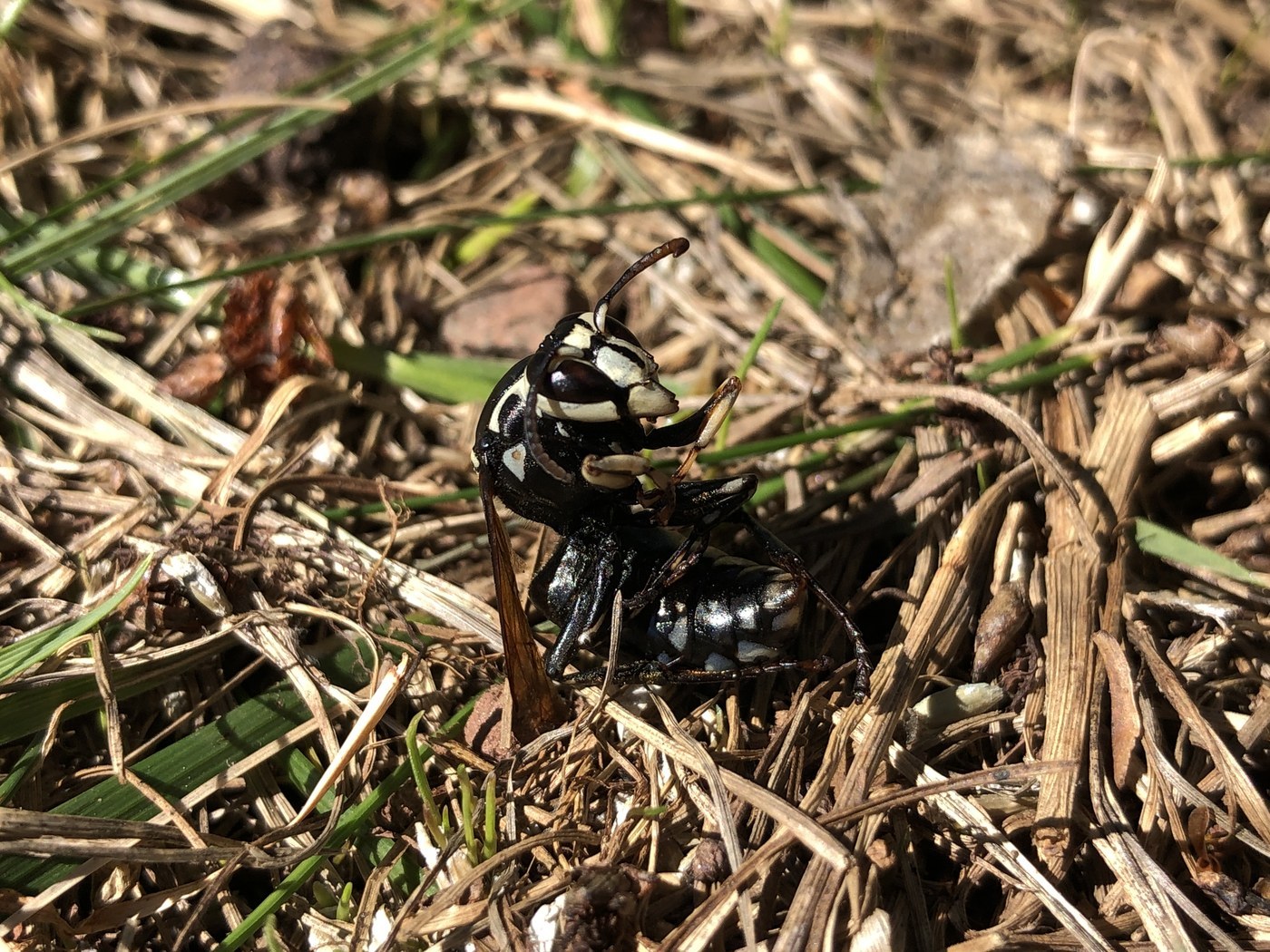
Bald-faced Hornet
Woodland edges, shrubs, and tree branches across North America
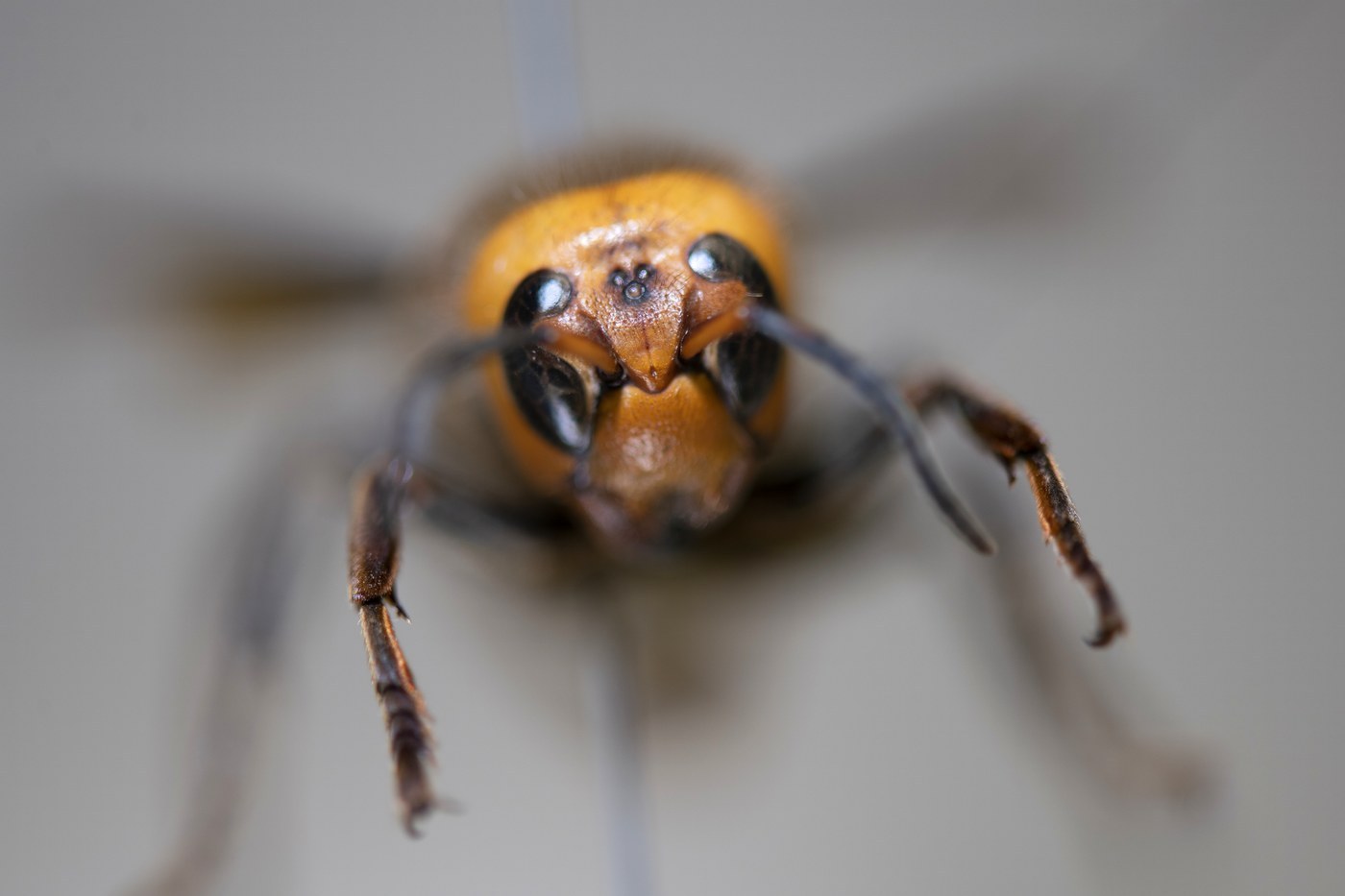
Asian Giant Hornet
Forested lowlands and mountains of East and South Asia; low tree hollows
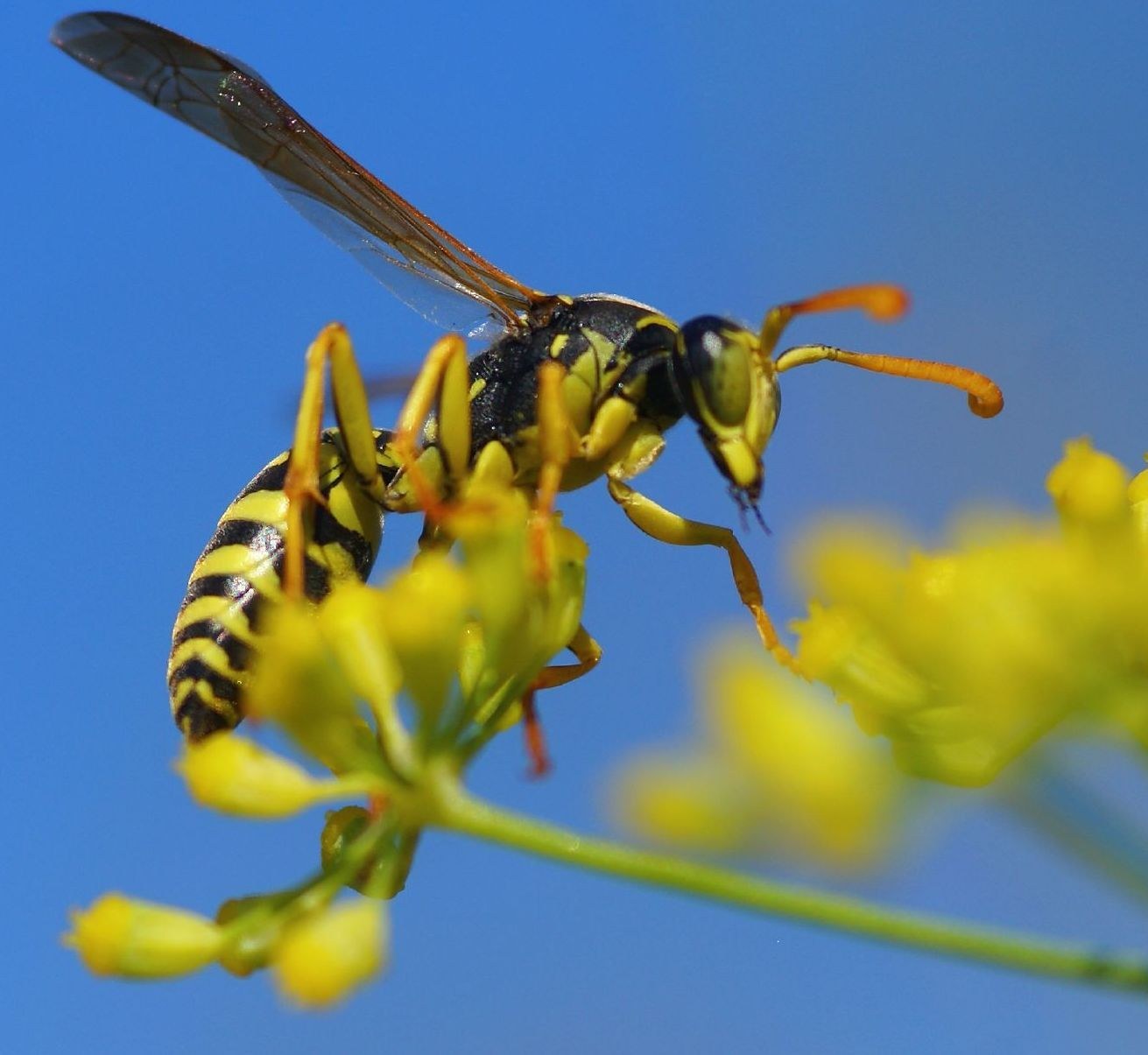
Yellowjacket
Underground nests, wall voids, gardens, picnic areas
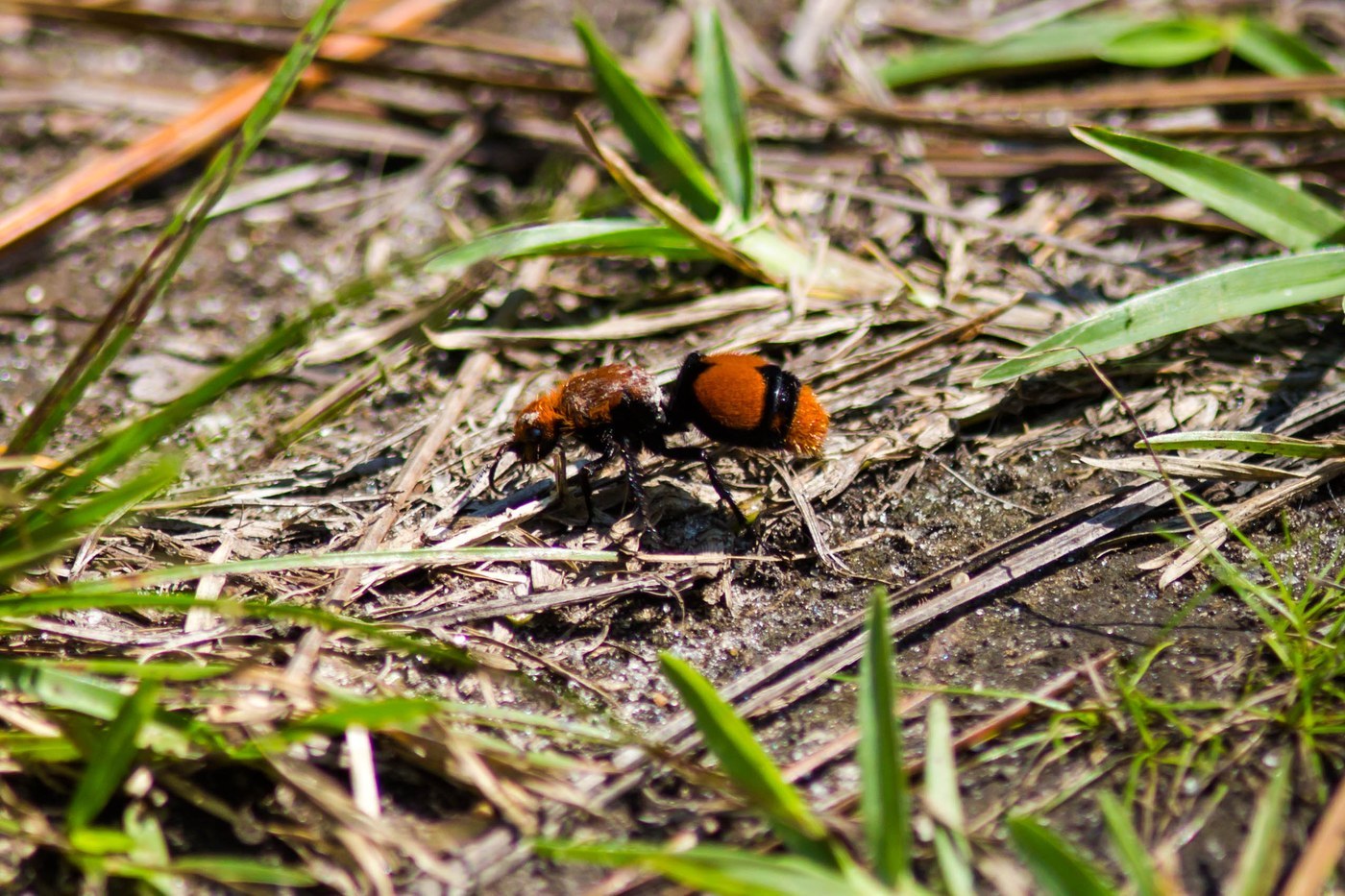
Velvet Ant
Sandy soils, open fields, dunes, roadsides in warm regions
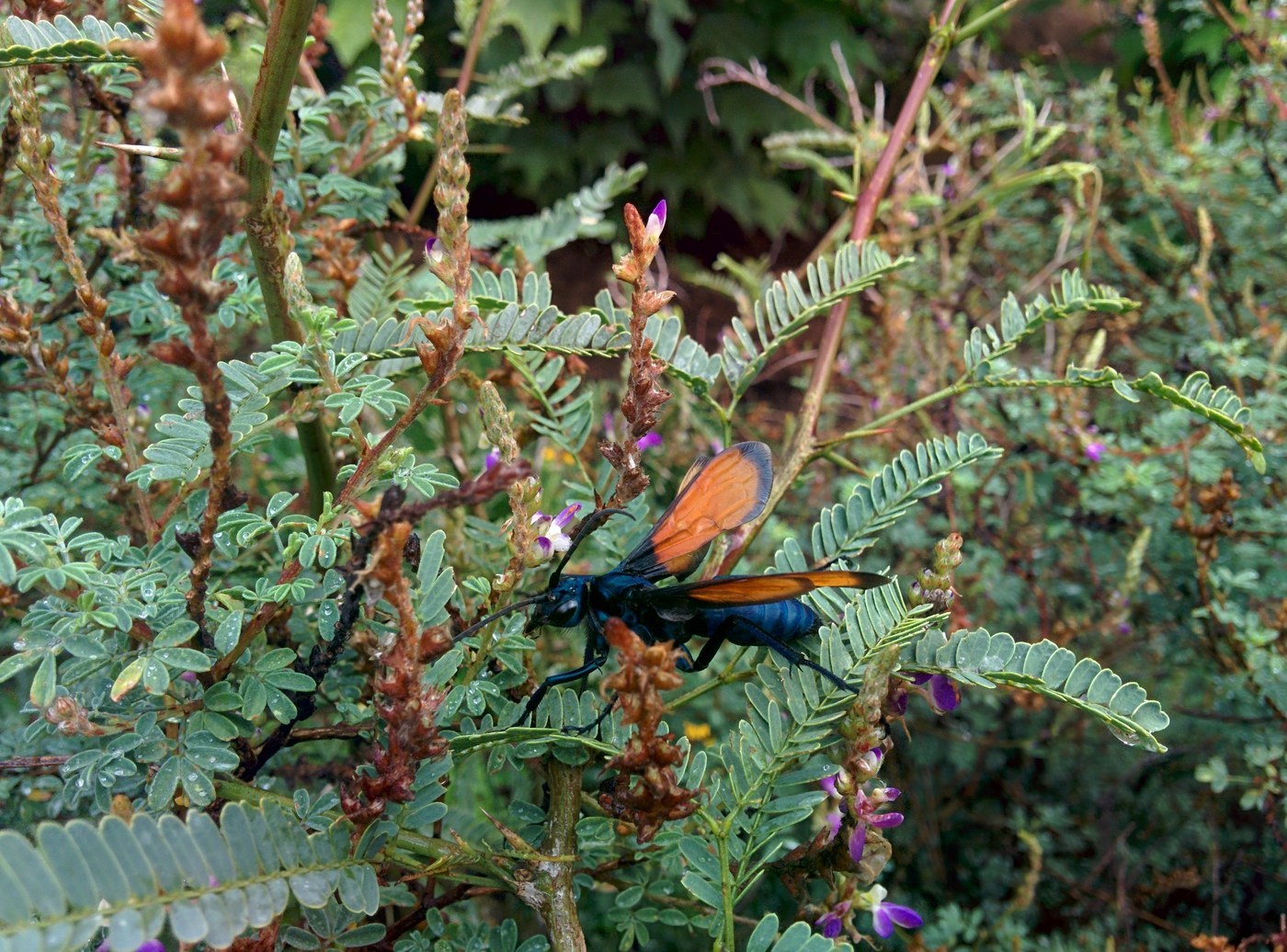
Tarantula Hawk
Deserts, arid scrublands, and dry grasslands
Tarantula Hawk Wasp
Deserts, grasslands, and scrub of the Americas
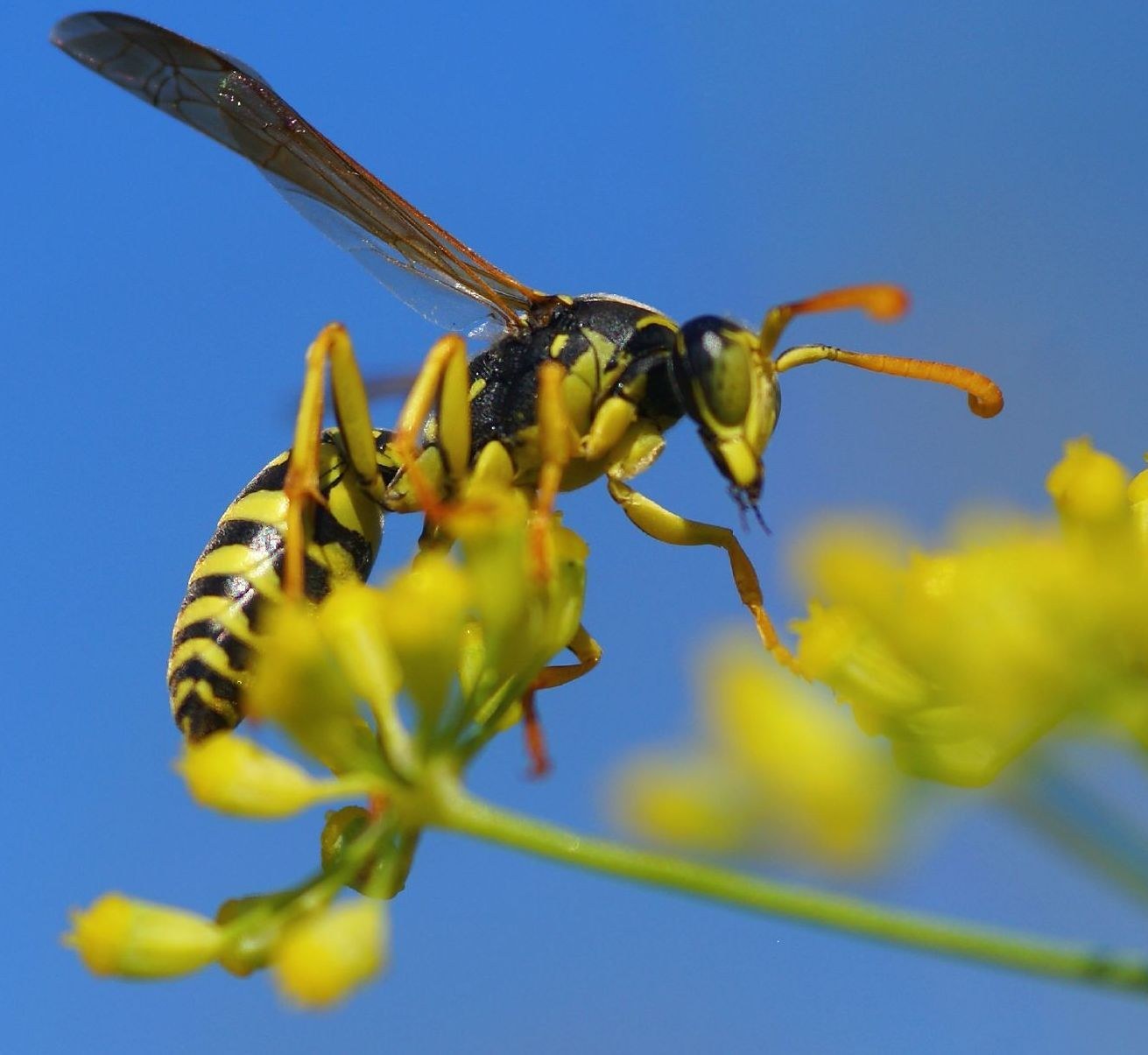
Wasp
Gardens, woodlands, eaves, and urban areas worldwide
Spider Wasp
Gardens, grasslands, and sandy open areas worldwide
Yellow Jacket
Ground nests, wall voids, parks, and areas near food sources
Sawfly
Gardens, woodlands, and orchards on host foliage
Red Paper Wasp
Eaves, porch ceilings, sheds, open woodland edges, gardens
Trichogramma Wasp
Fields, gardens, and crops worldwide