
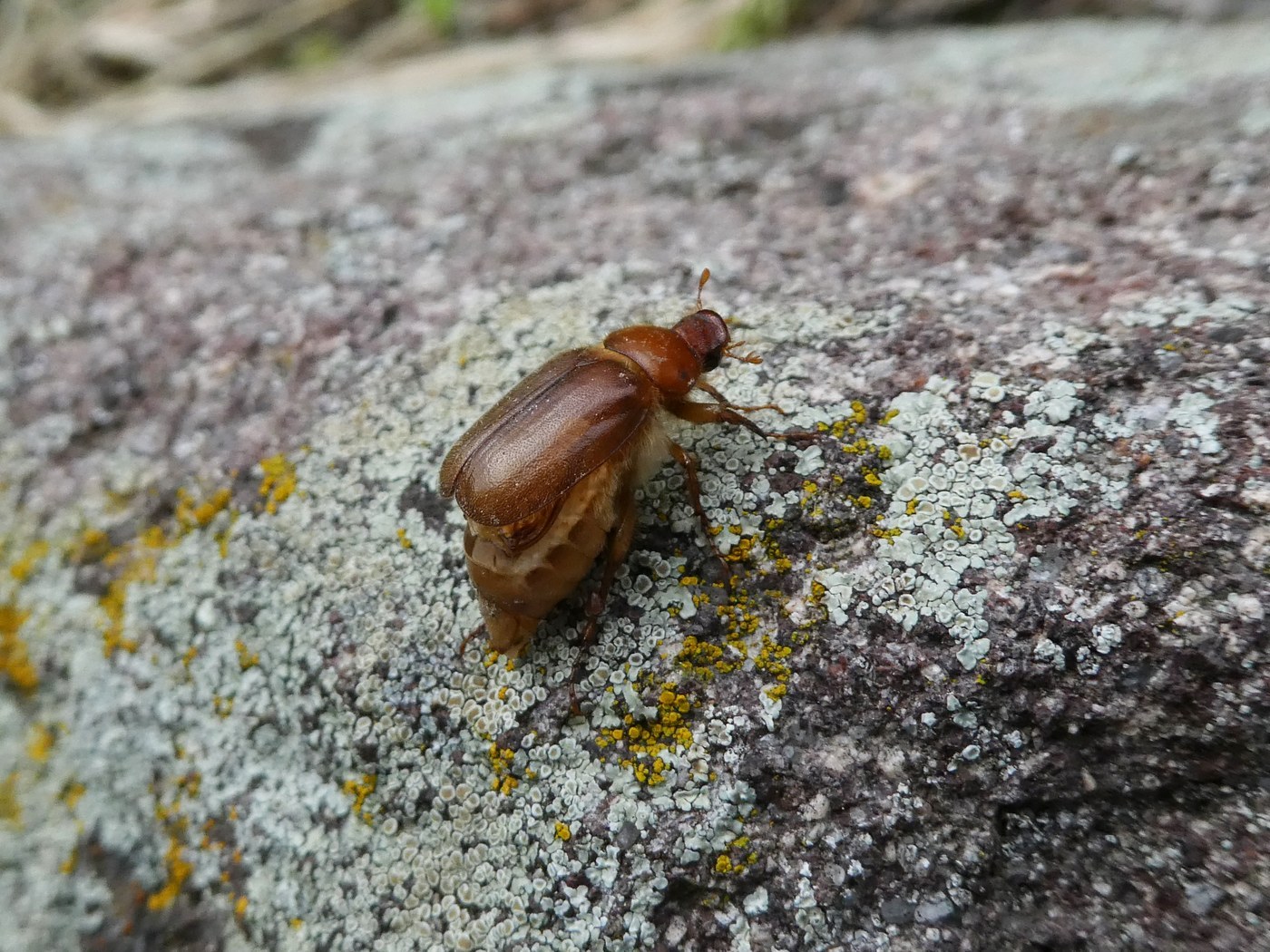
Scarab Beetle
Scarabaeidae spp.
A broad, often glossy beetle family recognized by its distinctive fan-like clubbed antennae, ranging from tiny dung-rollers to massive horned giants, found on every continent except Antarctica.
- Size
- 5–50 mm
- Habitat
- Soil, dung, decaying plant matter, and flowers worldwide
- Danger
- Harmless
Spotted a bug like this?
Identify any bug or insect from a photo, free.
Overview
Scarab beetles make up the family Scarabaeidae, one of the largest and most diverse beetle families with roughly 35,000 described species worldwide. The group includes an enormous range of forms, from dung beetles and June beetles to flower chafers, rhinoceros beetles, and Hercules beetles.
What unites this vast family is a shared antennal structure: the last few antennal segments form flattened, leaf-like plates called a lamellate club, which the beetle can fan open to sense scent or press closed for protection.
Scarabs occupy an unusually wide range of ecological niches — some, like dung beetles, are vital decomposers that recycle animal waste and aerate soil, others feed on flowers and pollen as incidental pollinators, and still others feed on plant roots or foliage as larvae or adults, making the family important both ecologically and, in a few cases, agriculturally.
How to Identify
- Compact, oval to robust, often convex body shape, ranging from a few millimeters to well over 100 millimeters in the largest tropical species.
- Distinctive clubbed antennae ending in flattened, fan-like plates (lamellae) that can open and close.
- Coloring spans dull brown and black to brilliant metallic green, blue, or gold depending on the species and lifestyle.
- Lookalikes: the lamellate antennal club distinguishes true scarabs from superficially similar stout beetles in other families, which lack the fan-like antenna tips.
Habitat & Range
Scarab beetles occur on every continent except Antarctica and occupy nearly every terrestrial habitat, from deserts and grasslands to tropical rainforests and gardens. Different lifestyles within the family favor different microhabitats: dung beetles are found wherever animal droppings occur, flower chafers frequent blossoms, and root-feeding grubs live in soil beneath lawns, pastures, and forests.
Behavior & Diet
Feeding habits vary widely across the family. Dung beetles process and bury animal droppings, often rolling dung into balls for feeding or brood purposes; flower chafers visit blossoms to feed on pollen and nectar, incidentally aiding pollination; and other scarabs feed on foliage, fruit, or decaying wood. Larvae, known generally as white grubs, are C-shaped and typically live underground or in decaying organic matter, feeding on roots, dung, or detritus depending on the species.
Life Cycle
Scarab beetles undergo complete metamorphosis: egg, larva (grub), pupa, and adult. Grubs pass through several instars underground or within their food source before pupating in a soil chamber. Depending on species and climate, scarabs may complete one generation per year or take multiple years to develop, often overwintering as grubs or pupae in the soil.
Frequently asked questions
What makes a beetle a 'true scarab'?
The defining feature is the lamellate antennal club — flattened, fan-like plates at the antenna tip that the beetle can open and close.
Are all scarab beetles dung beetles?
No, dung beetles are just one group within the much larger scarab family, which also includes flower chafers, June beetles, and rhinoceros beetles.
How big can scarab beetles get?
Sizes range from a few millimeters in small species to over 100 millimeters in the largest tropical rhinoceros and Hercules beetles.
What do scarab larvae eat?
Depending on the species, grubs feed on plant roots, decaying wood, leaf litter, or animal dung underground.
Scarab Beetle guides
In-depth guides for identifying, understanding, and living alongside Scarab Beetle.
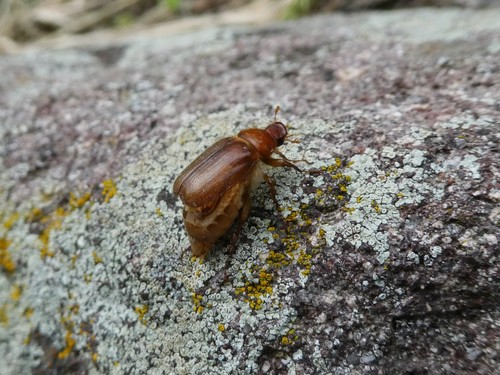
Scarab Beetle identified by the community
Real finds identified with Bug Identifier.
Other bugs you may enjoy
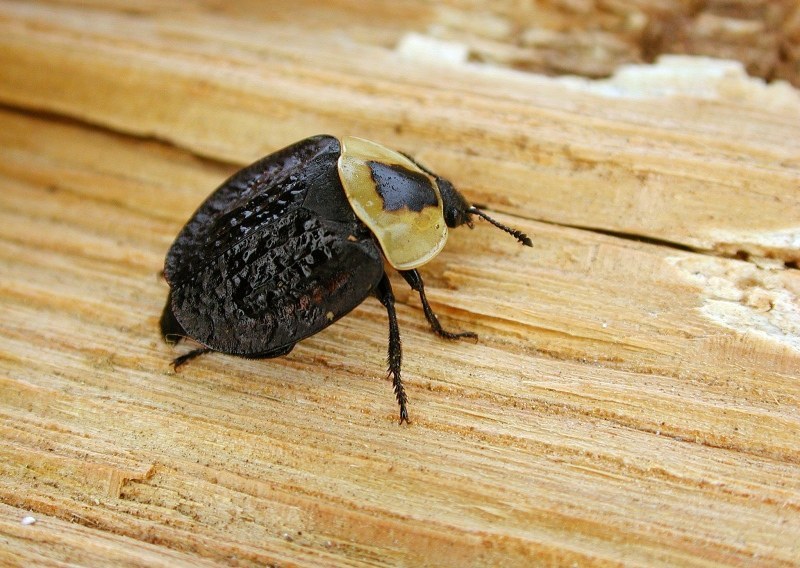
American Carrion Beetle
Forests, fields, and roadsides across North America, near decaying animal carcasses
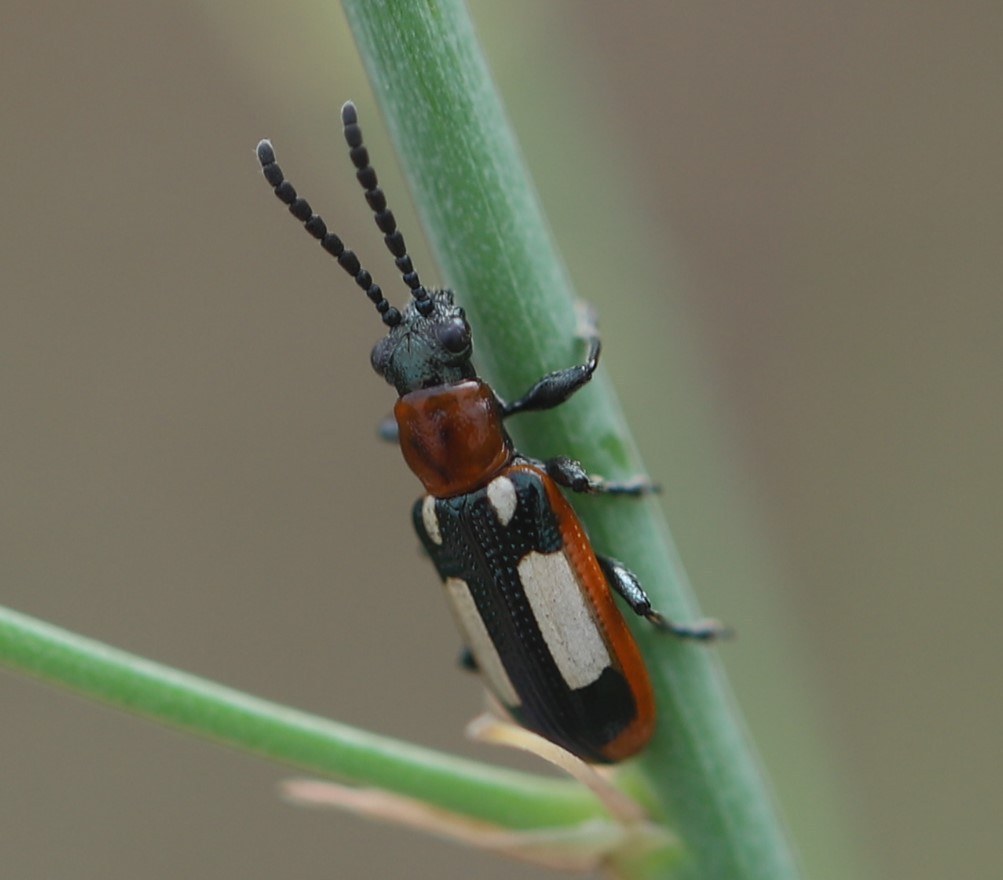
Asparagus Beetle
Asparagus patches, gardens, and farm fields
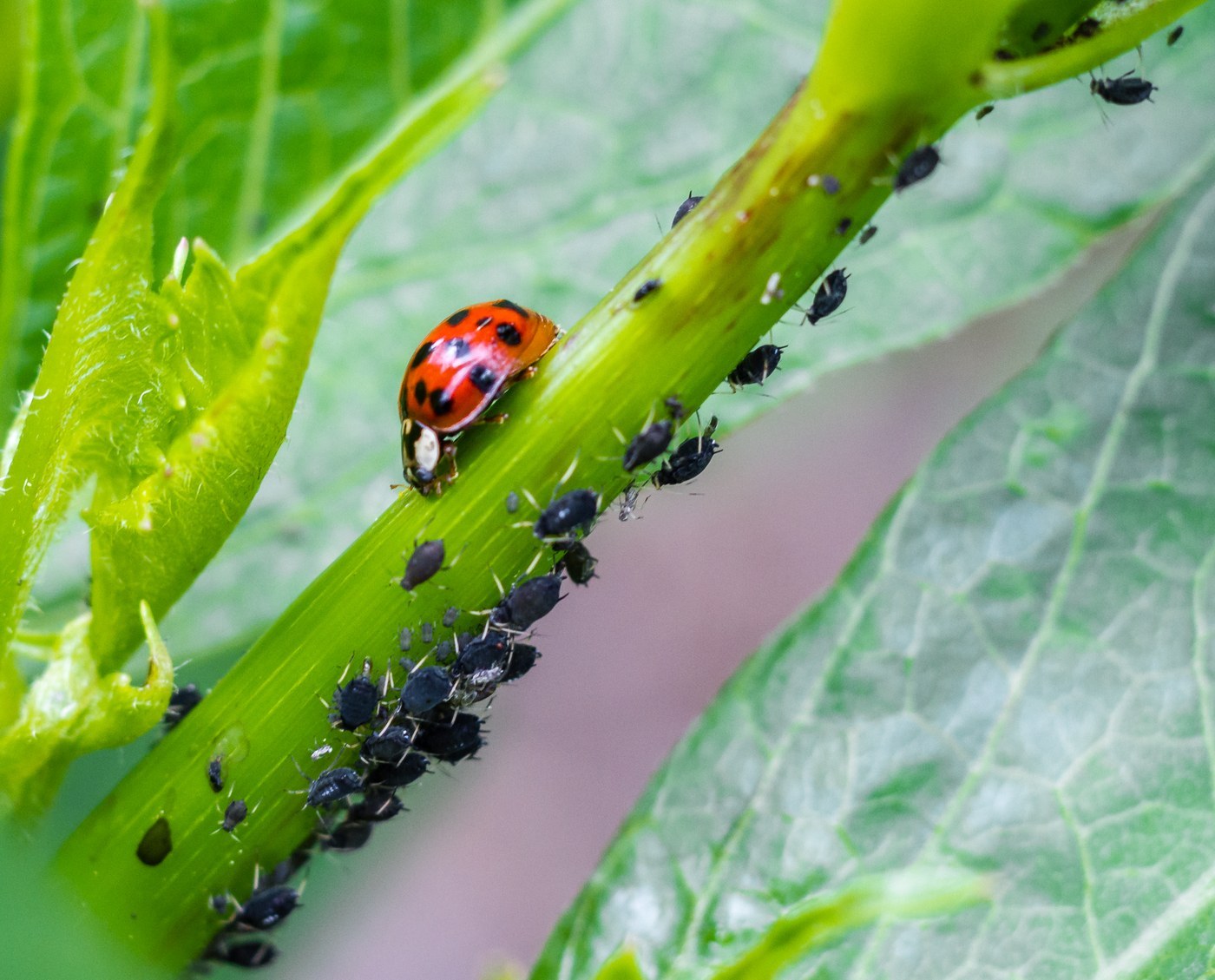
Asian Lady Beetle
Gardens, crop fields, woodlands, buildings
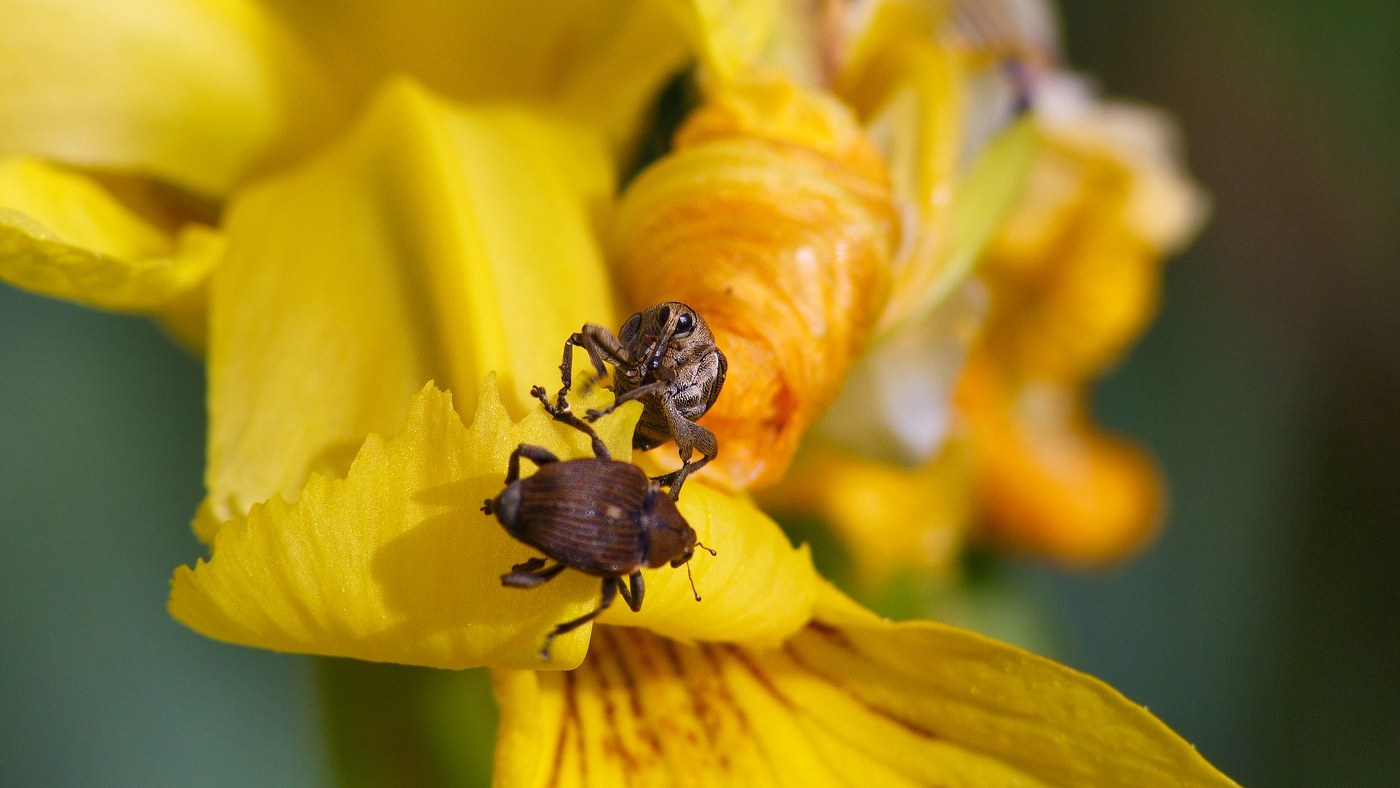
Acorn Weevil
Oak woodlands and forests, on and beneath oak trees
Wireworm
Soil of grasslands, gardens, and cultivated fields worldwide
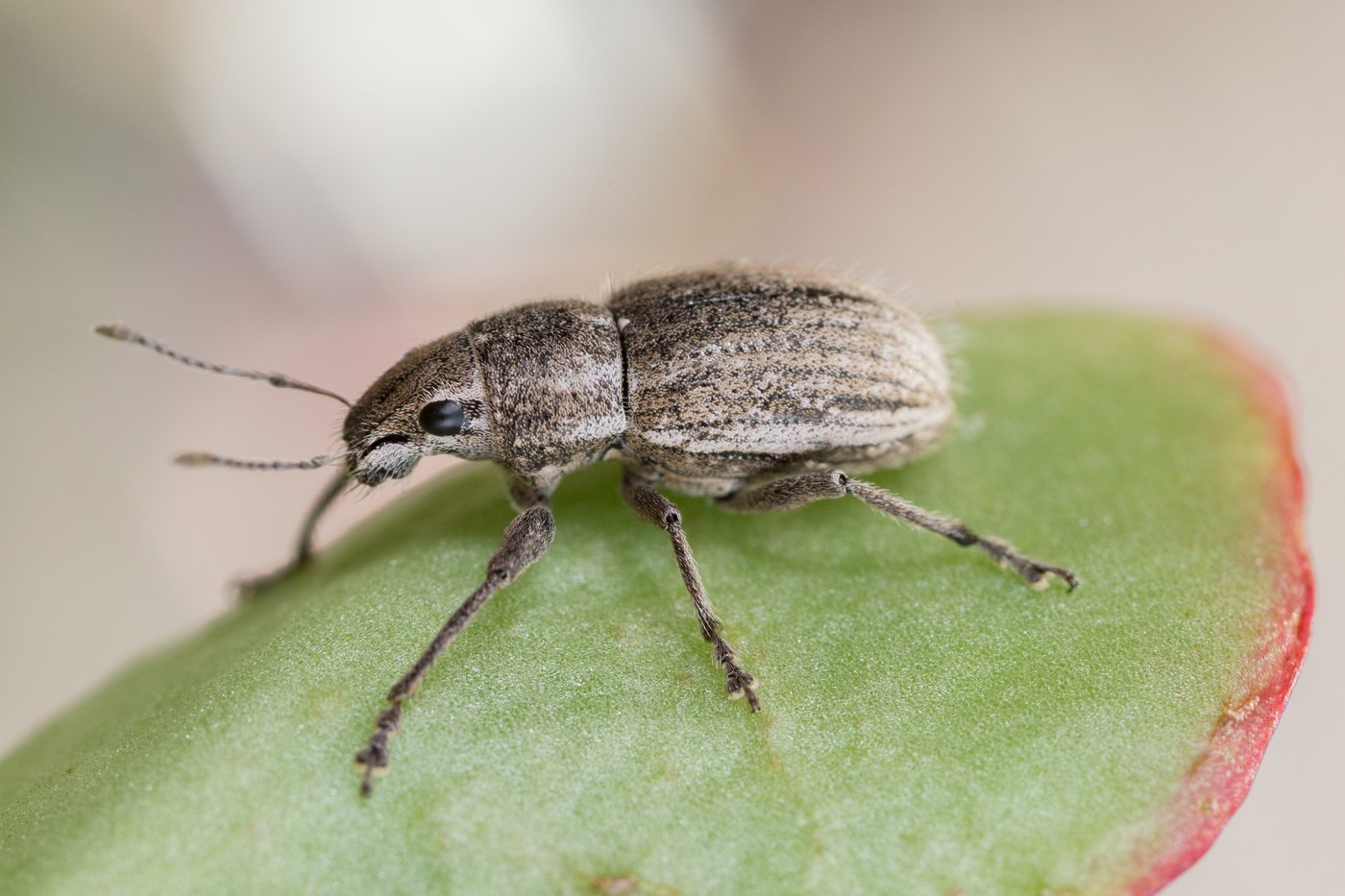
Whitefringed Beetle
Pastures, row crops, lawns, disturbed soils
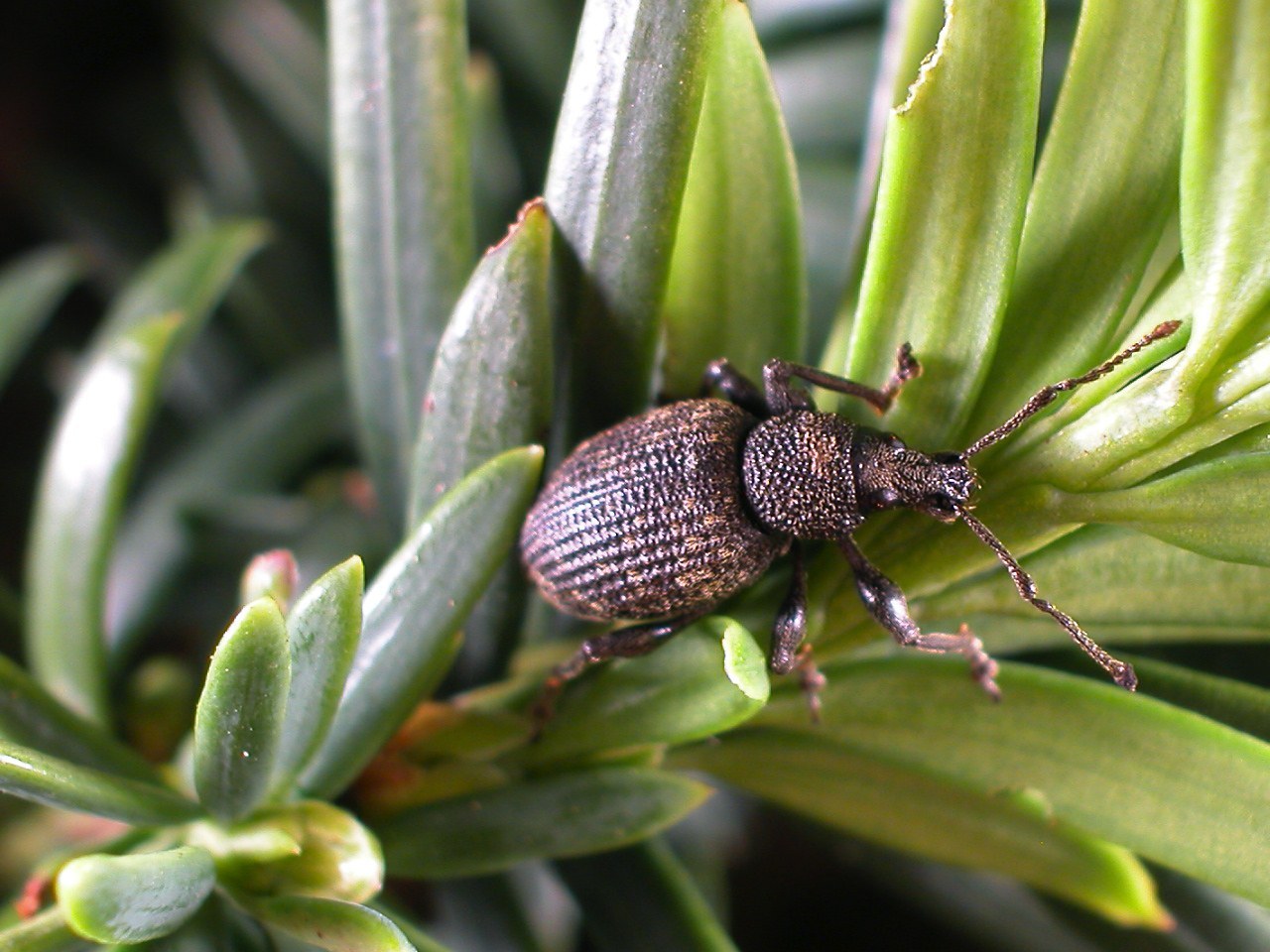
Vine Weevil
Gardens, nurseries, greenhouses, and container plantings
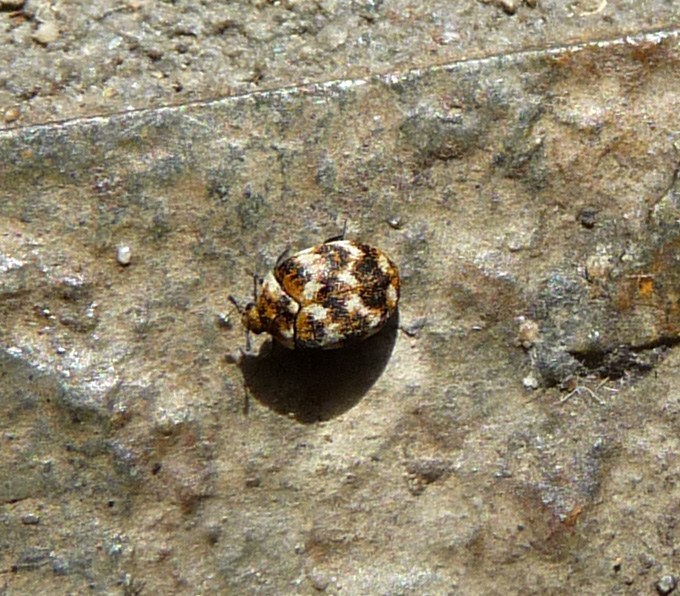
Varied Carpet Beetle
Homes, nests of birds and mammals, and flowers outdoors
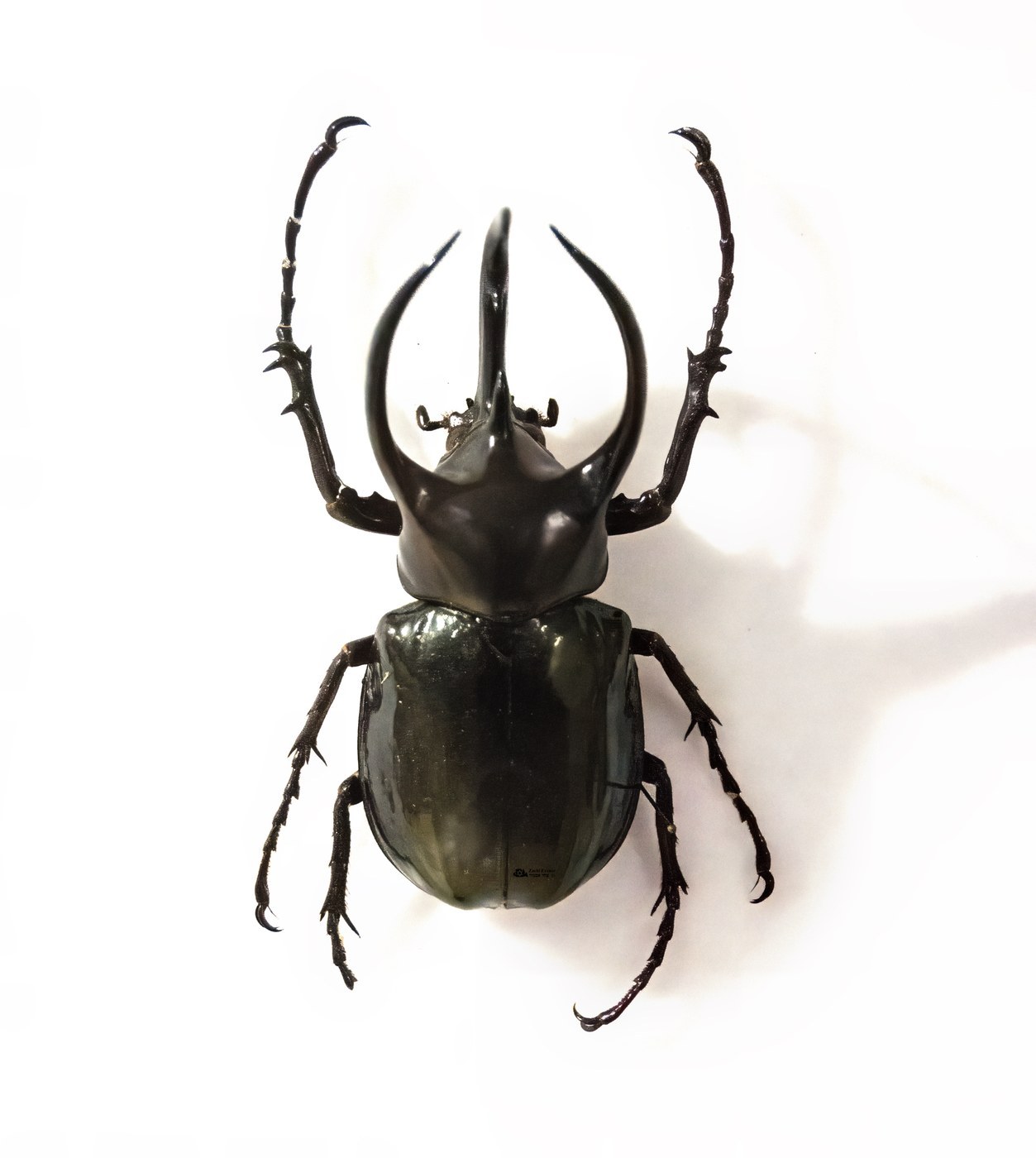
Atlas Beetle
Tropical forests of Southeast Asia
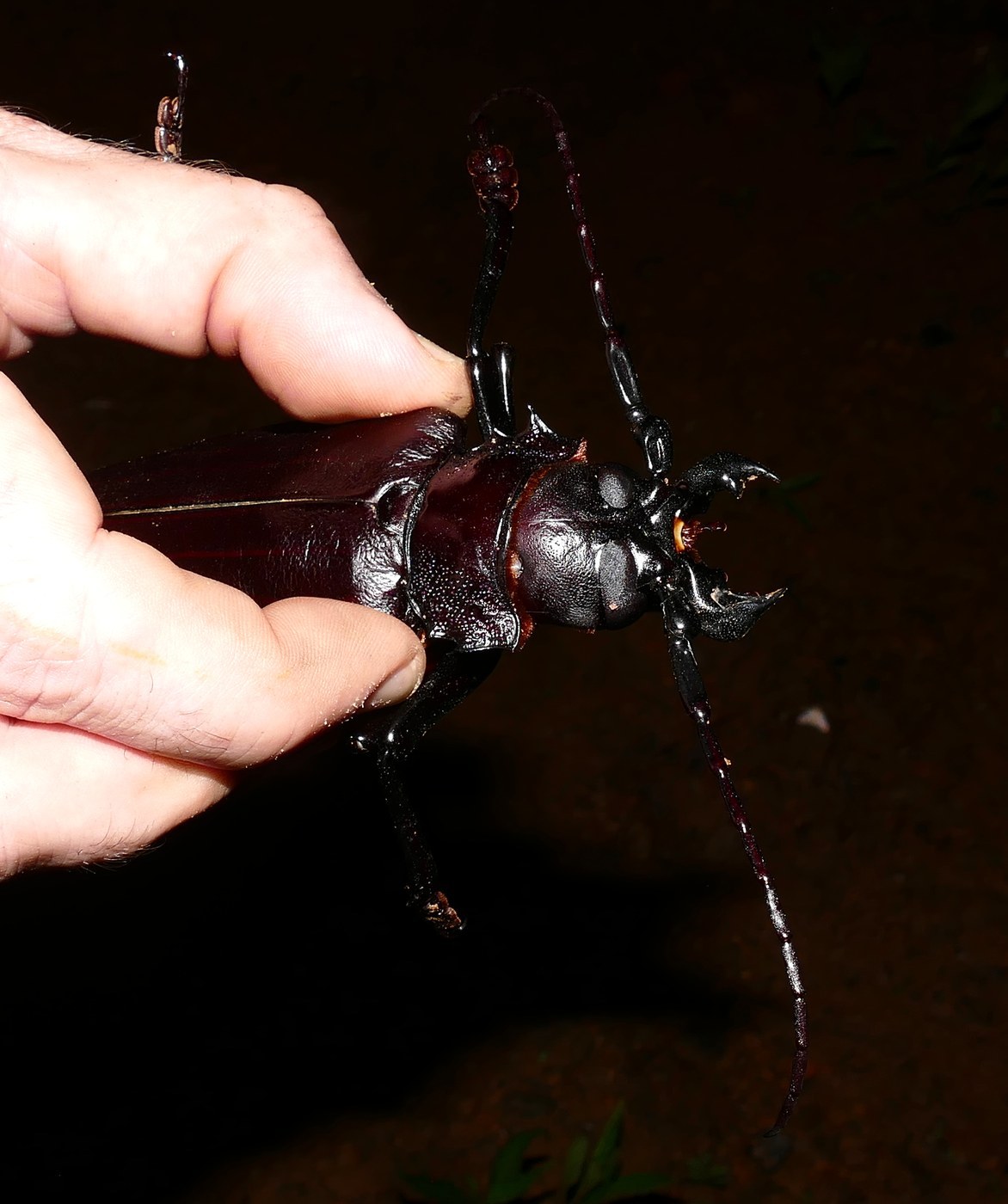
Titan Beetle
Amazon rainforest of South America
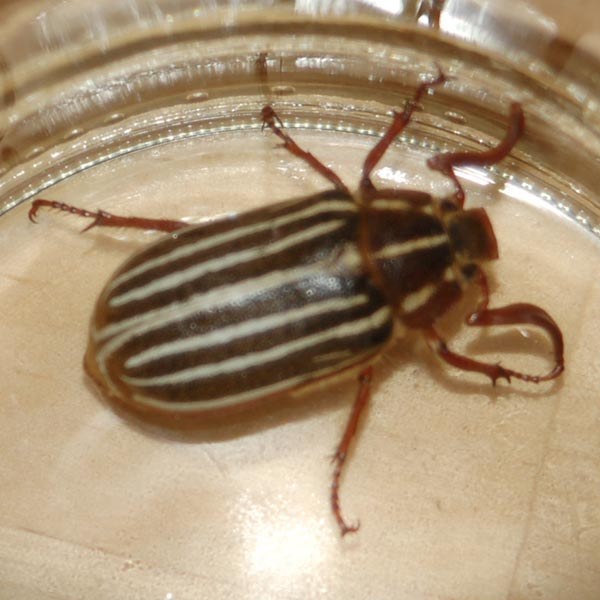
Ten-lined June Beetle
Sandy soils, pine forests, and orchards of western North America
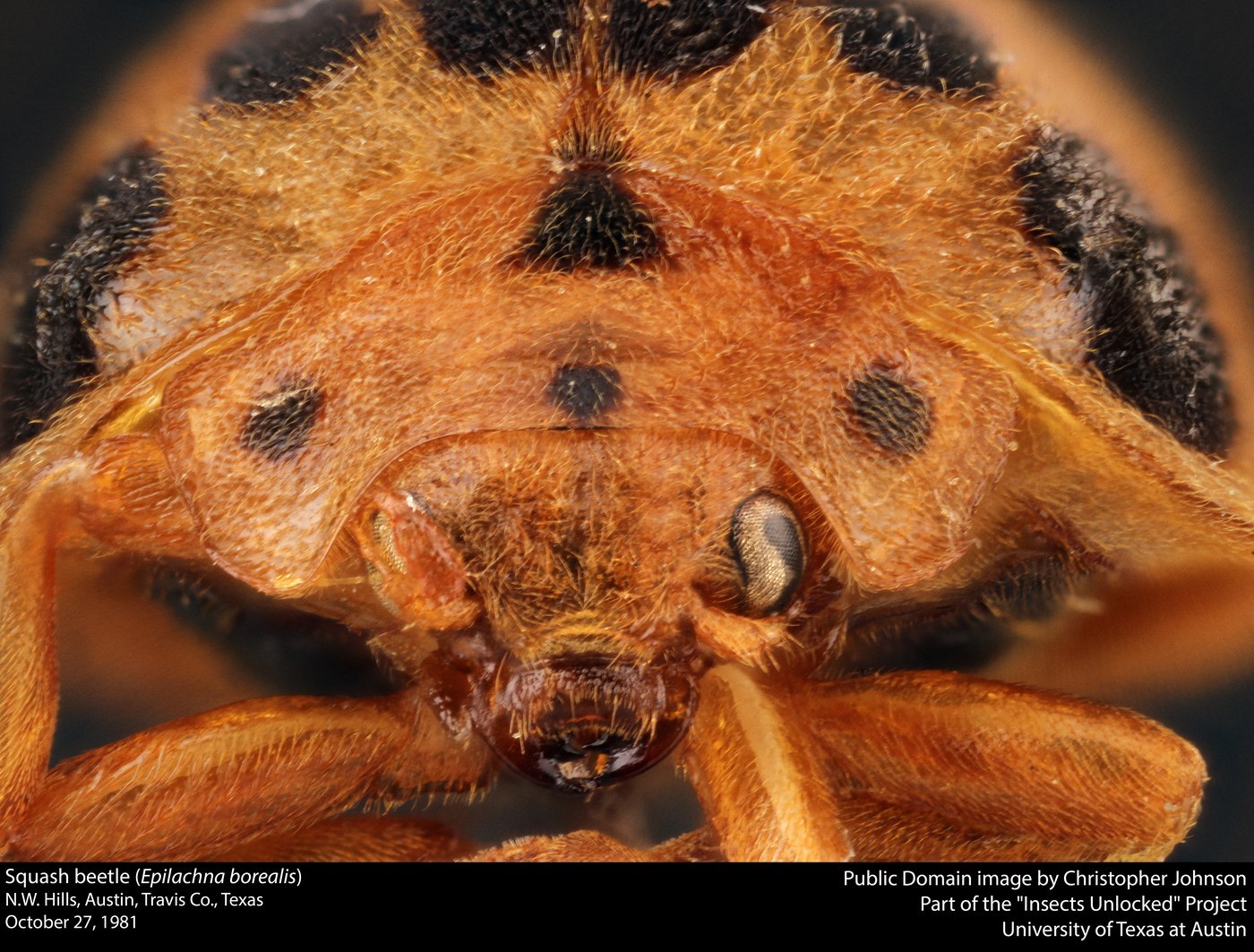
Squash Beetle
Vegetable gardens and fields growing squash, pumpkin, and other cucurbits