
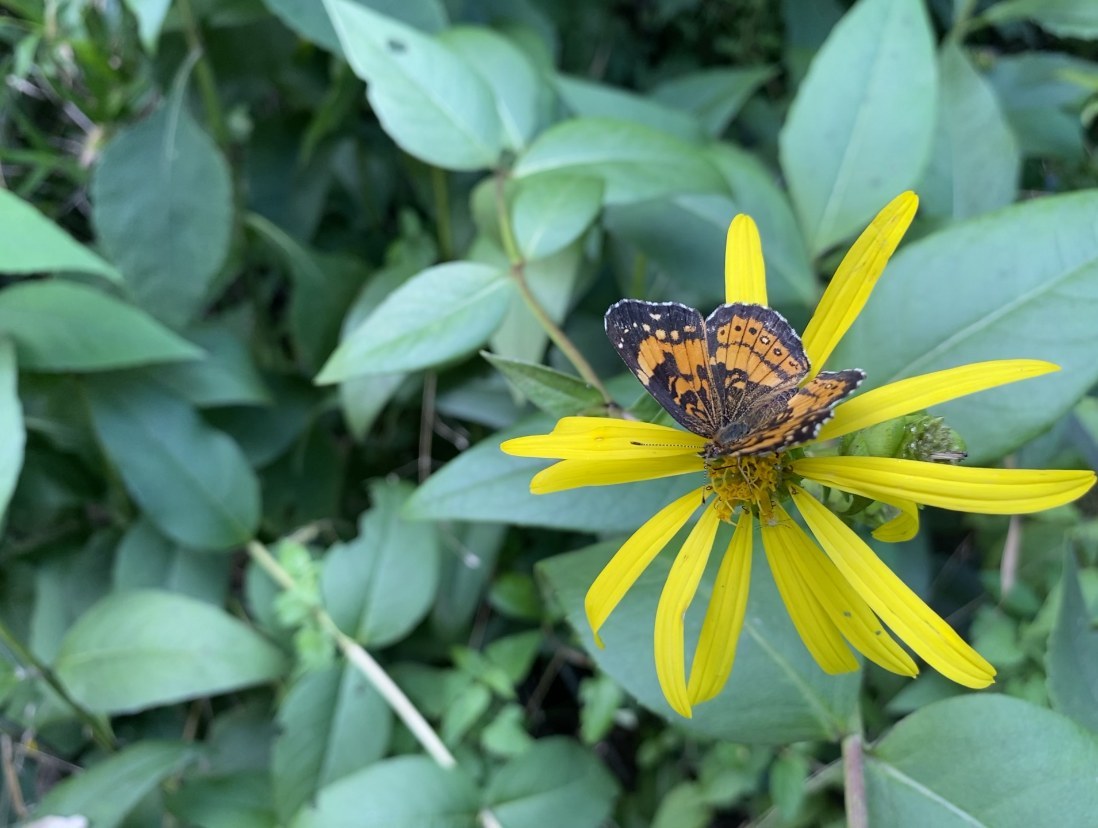
Silvery Checkerspot
Chlosyne nycteis
An orange-brown checkered butterfly named for the row of small silvery-white crescent spots along the underside hindwing margin, commonly seen nectaring at composite flowers in open habitats.
- Size
- 1.3–1.9 in wingspan
- Habitat
- Open woodland edges, fields, and stream banks across much of eastern and central North America
- Danger
- Harmless
Spotted a bug like this?
Identify any bug or insect from a photo, free.
Overview
The Silvery Checkerspot is a brushfoot butterfly (family Nymphalidae, subfamily Nymphalinae) widespread across the eastern and central United States and adjacent Canada. It belongs to the same broad checkerspot group as the Baltimore Checkerspot and Pearl Crescent, all sharing a checkered orange-and-black wing pattern typical of the group.
The species is named for the small but distinctive row of silvery-white crescent-shaped spots along the margin of the hindwing underside, a feature that helps separate it from the similarly patterned Baltimore Checkerspot and various crescent species. It is generally common and tolerant of a range of open habitats, from woodland edges to disturbed fields.
Its caterpillars feed on a variety of composite-family plants, including sunflowers and wingstem, linking the species to sunny open areas where these plants flourish.
How to Identify
- Upperside is orange-brown with a network of black lines and spots forming a checkered pattern.
- Underside of the hindwing shows a row of small silvery-white crescent-shaped spots along the outer margin, the species' namesake field mark.
- Overall coloring is warmer and more orange than the black-dominant Baltimore Checkerspot.
- Moderate size, rounded wings typical of the checkerspot group.
- Lookalikes: the Pearl Crescent and other crescents are smaller with a simpler pattern and lack the silvery crescent row; the Baltimore Checkerspot is larger, darker, and more boldly black-and-cream patterned.
Habitat & Range
Found across much of the eastern and central United States, from the Northeast and Midwest south into parts of the Southeast and west toward the edge of the Great Plains, with additional populations reaching into southern Canada. It favors open woodland edges, meadows, stream banks, and disturbed fields where its composite-family host plants grow. Adults fly primarily in early to mid-summer, with a possible partial second generation in warmer parts of the range.
Behavior & Diet
Adults nectar at a variety of composite flowers, including asters, coneflowers, and other members of the daisy family, and are frequently seen basking with wings spread on low vegetation. Caterpillars are gregarious when young, feeding communally in a loose silk web on host plant leaves before dispersing as they grow larger. Host plants include various sunflowers, wingstem, and related composites. The species contributes to pollination of the open-habitat wildflowers it visits and serves as prey for birds and predatory insects.
Life Cycle
Eggs are laid in clusters on the underside of host plant leaves. Young caterpillars feed communally within a silk web, later dispersing to feed individually as they mature; they are dark with branching spines typical of checkerspot larvae. Pupation occurs in a hanging chrysalis attached to nearby vegetation. There are one to two generations per year depending on latitude, with the species typically overwintering as a partially grown caterpillar.
Frequently asked questions
How did it get the name 'Silvery' Checkerspot?
It refers to the row of small, silvery-white crescent-shaped spots found along the margin of the hindwing underside, a key identification feature.
How is it different from the Baltimore Checkerspot?
The Silvery Checkerspot is smaller, more orange-brown overall, and shows the silvery crescent row on the underside, while the Baltimore Checkerspot is larger, darker, and more boldly checkered in black, orange, and cream.
What plants do the caterpillars feed on?
They feed on various composite-family plants such as sunflowers and wingstem.
Where is it commonly seen?
In open woodland edges, meadows, and stream banks across much of the eastern and central United States.
Silvery Checkerspot guides
In-depth guides for identifying, understanding, and living alongside Silvery Checkerspot.
Other bugs you may enjoy
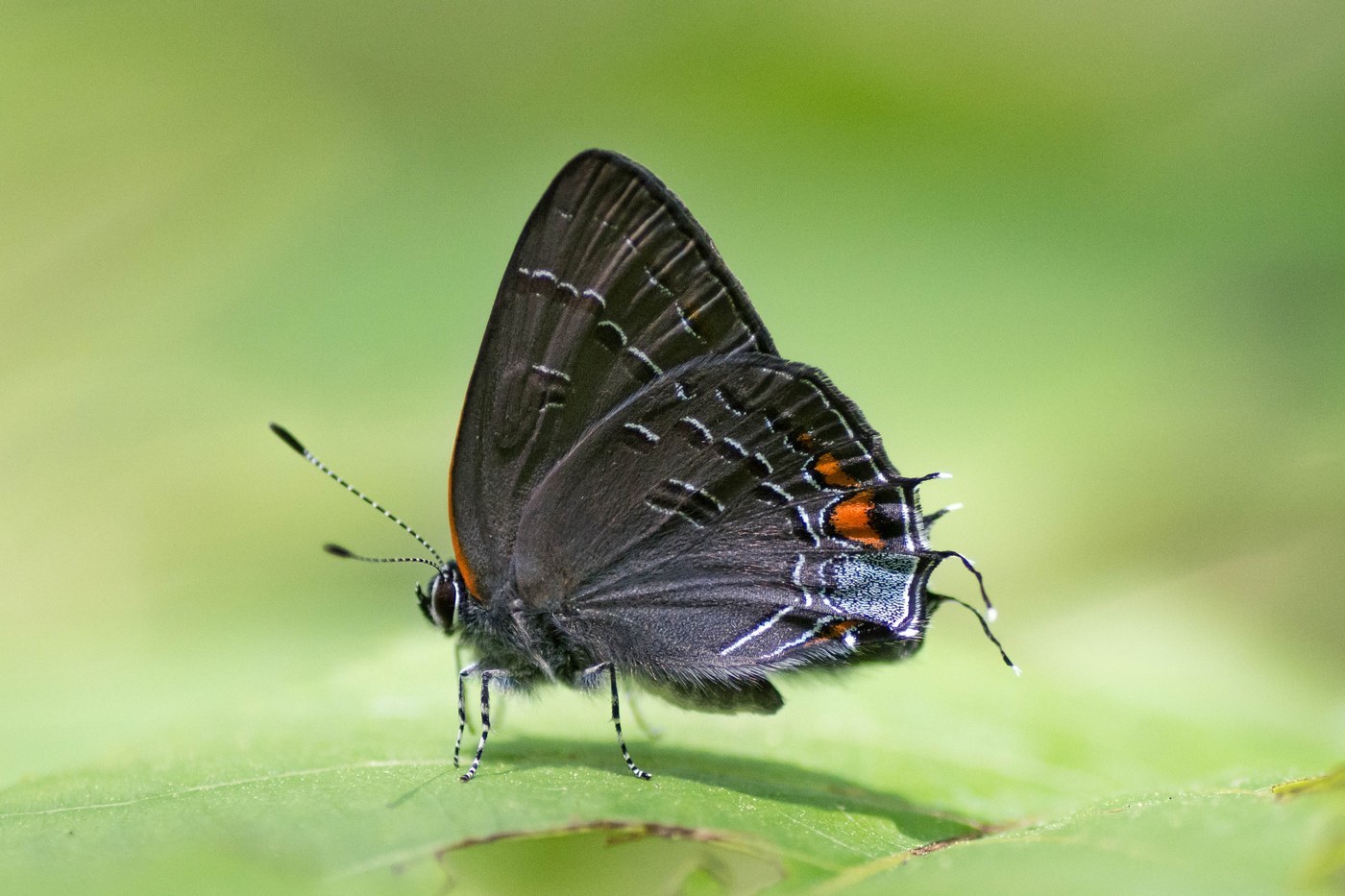
Banded Hairstreak
Deciduous woodlands and edges with oaks and hickories
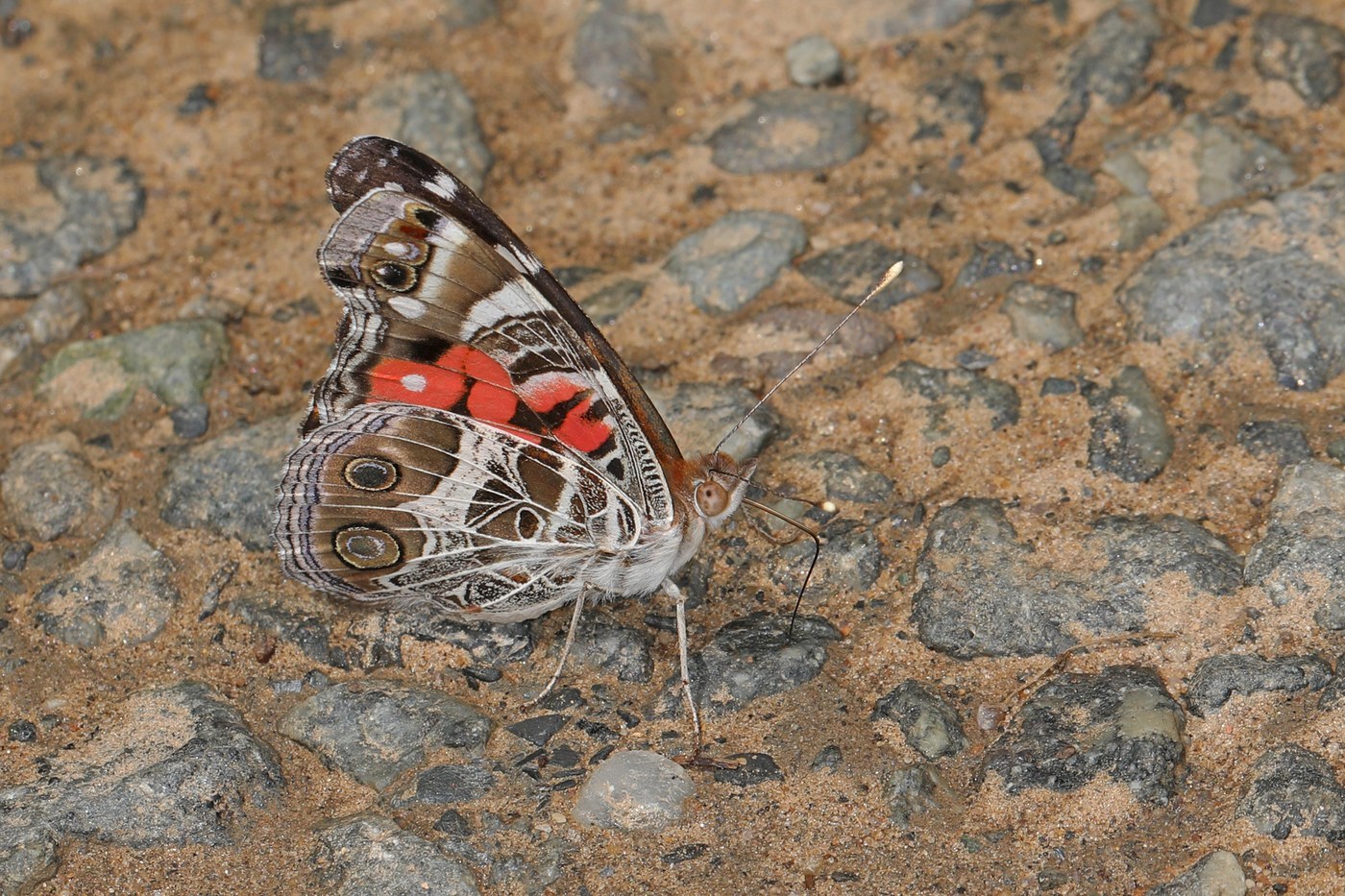
American Lady
Open fields, meadows, gardens, roadsides
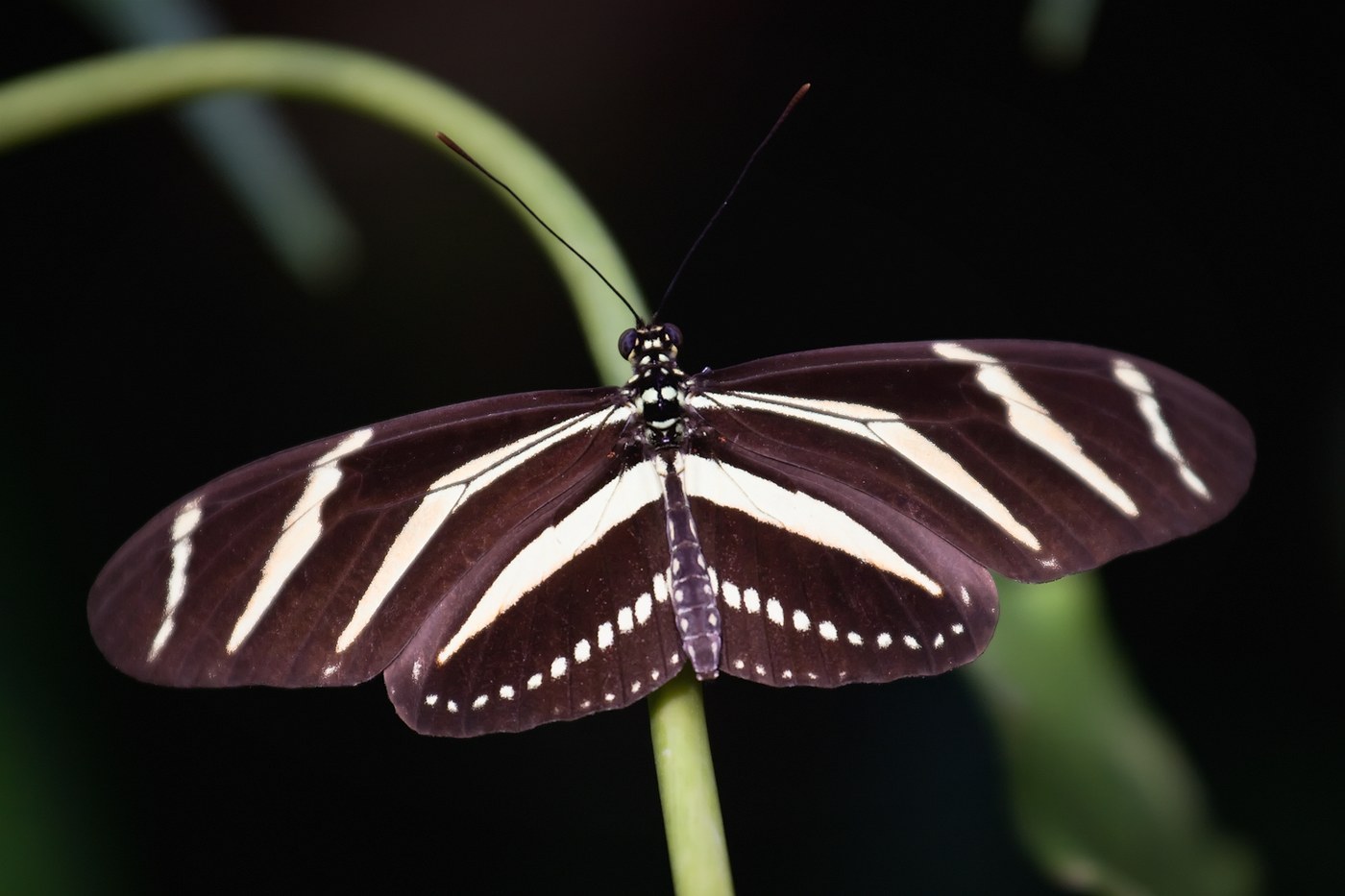
Zebra Longwing
Tropical hammocks, gardens, forest edges
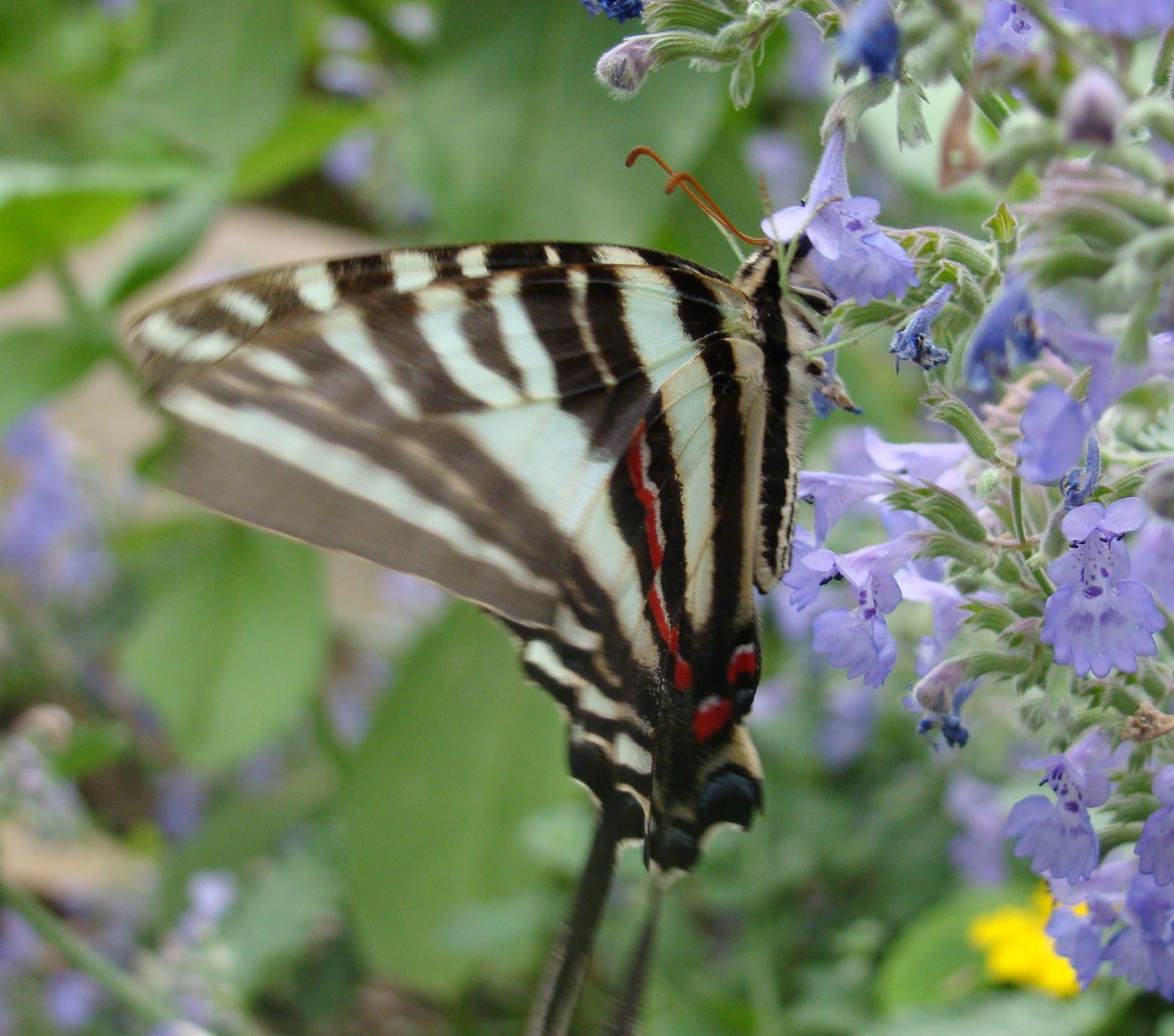
Zebra Swallowtail
Woodlands, floodplains, forest edges near pawpaw
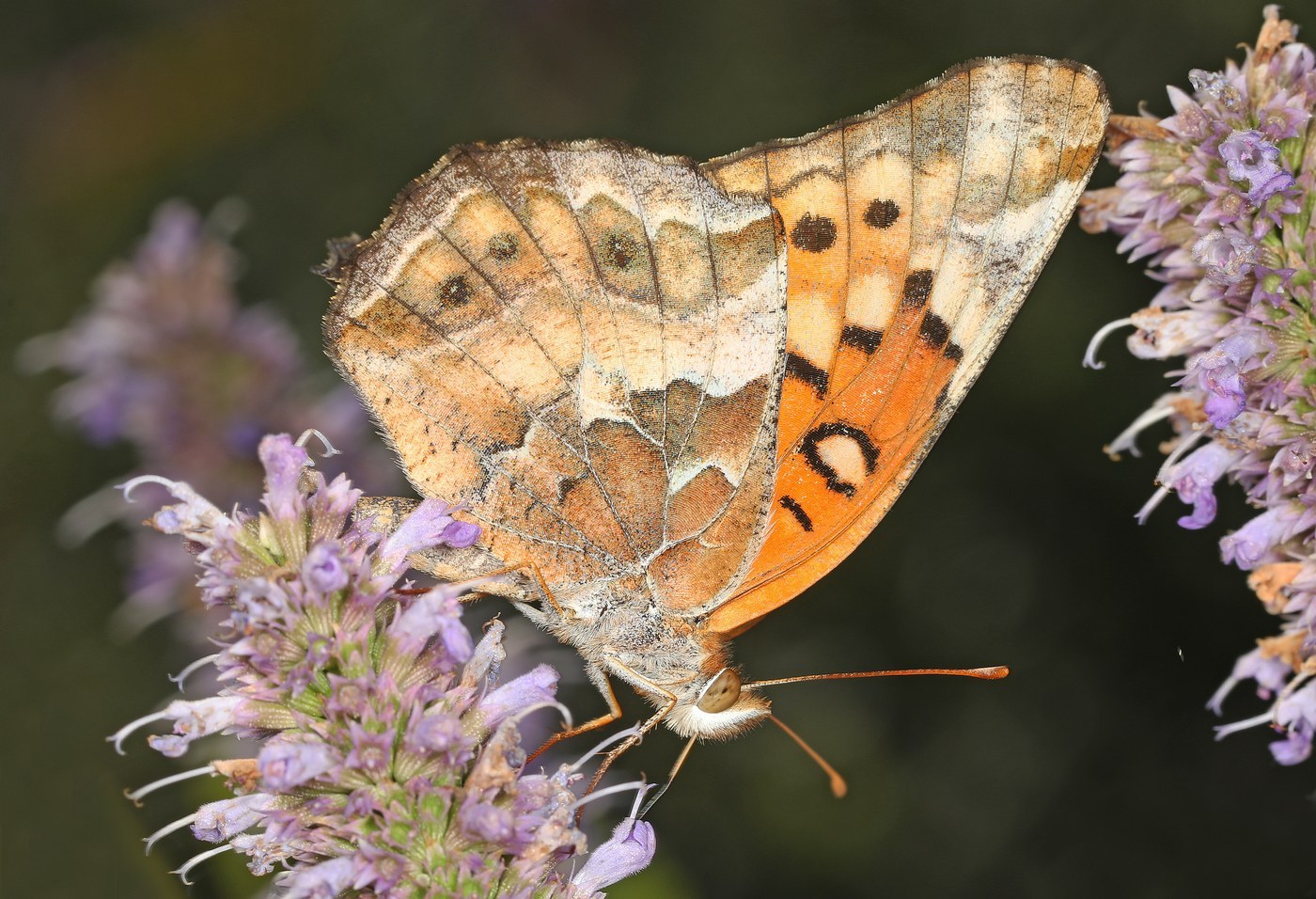
Variegated Fritillary
Open fields, prairies, roadsides, and disturbed ground across most of the United States
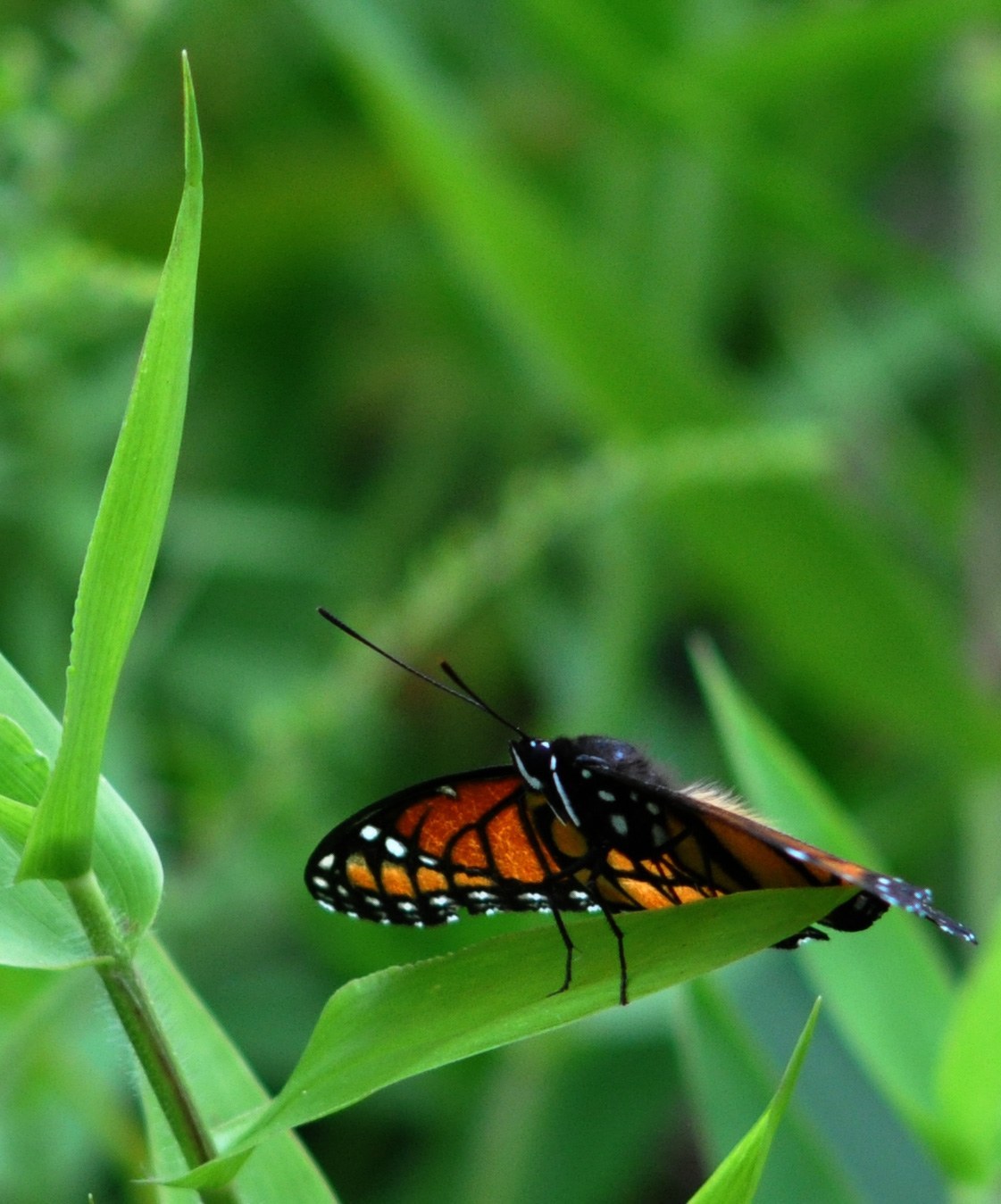
Viceroy Butterfly
Wetlands, meadows, riverbanks, willow thickets (North America)
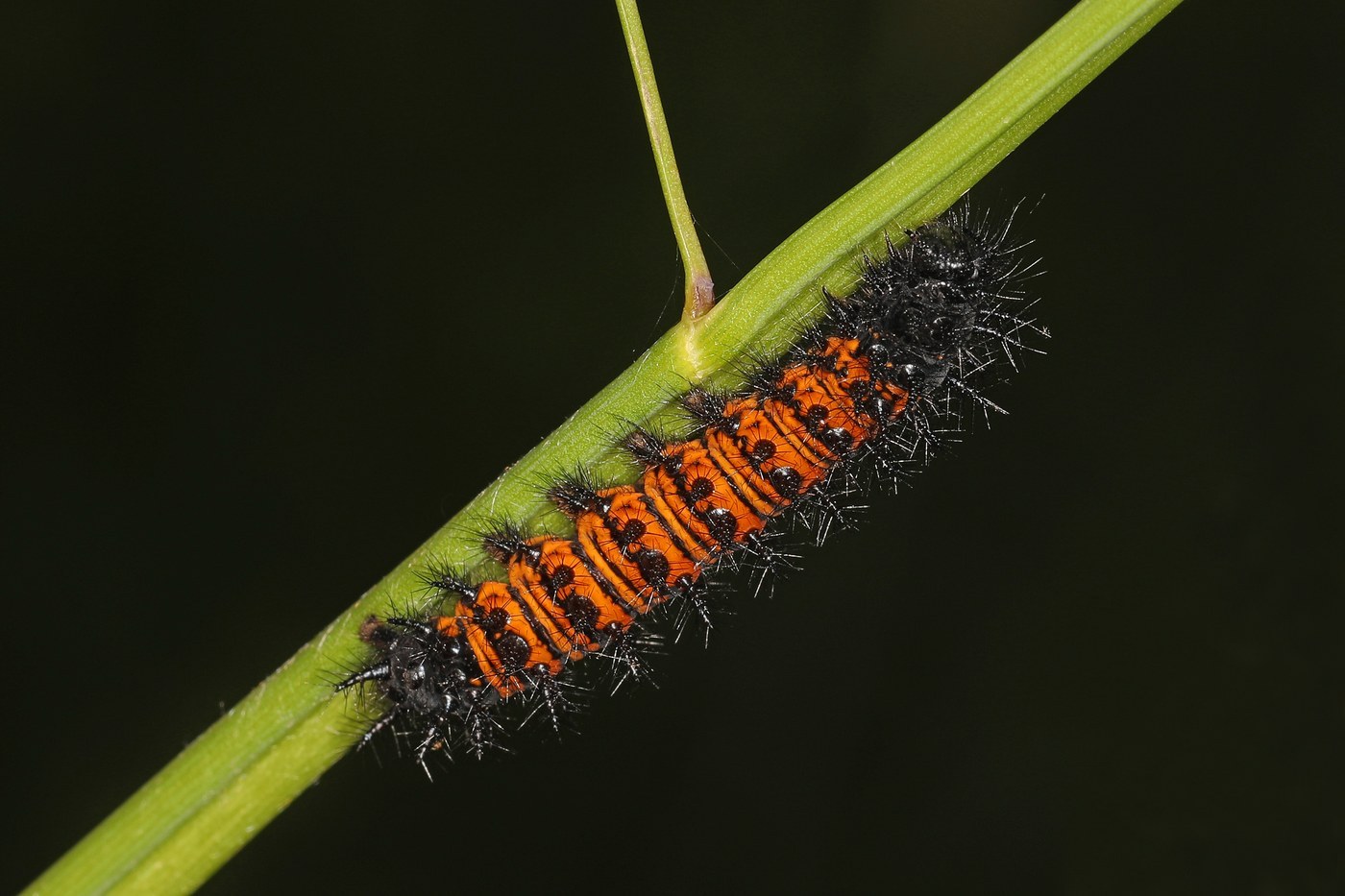
Baltimore Checkerspot
Wet meadows, bogs, and marshy fields in the northeastern and Appalachian US
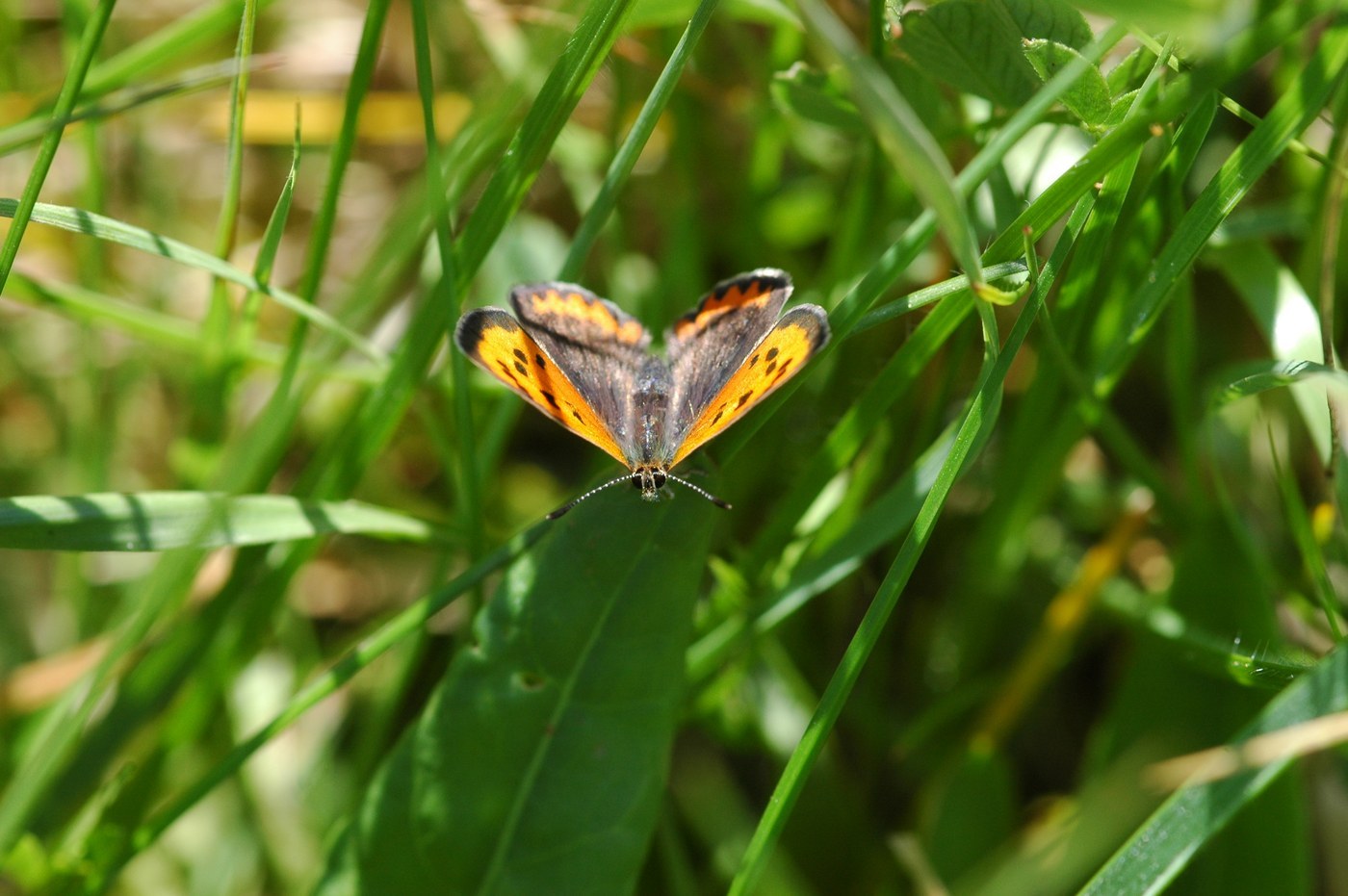
American Copper
Old fields, roadsides, and disturbed open ground with sorrel or dock
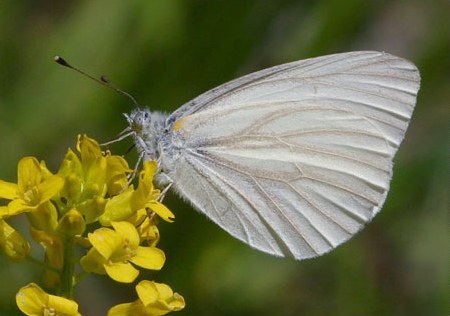
West Virginia White
Rich deciduous forest floors, especially near seeps and streams
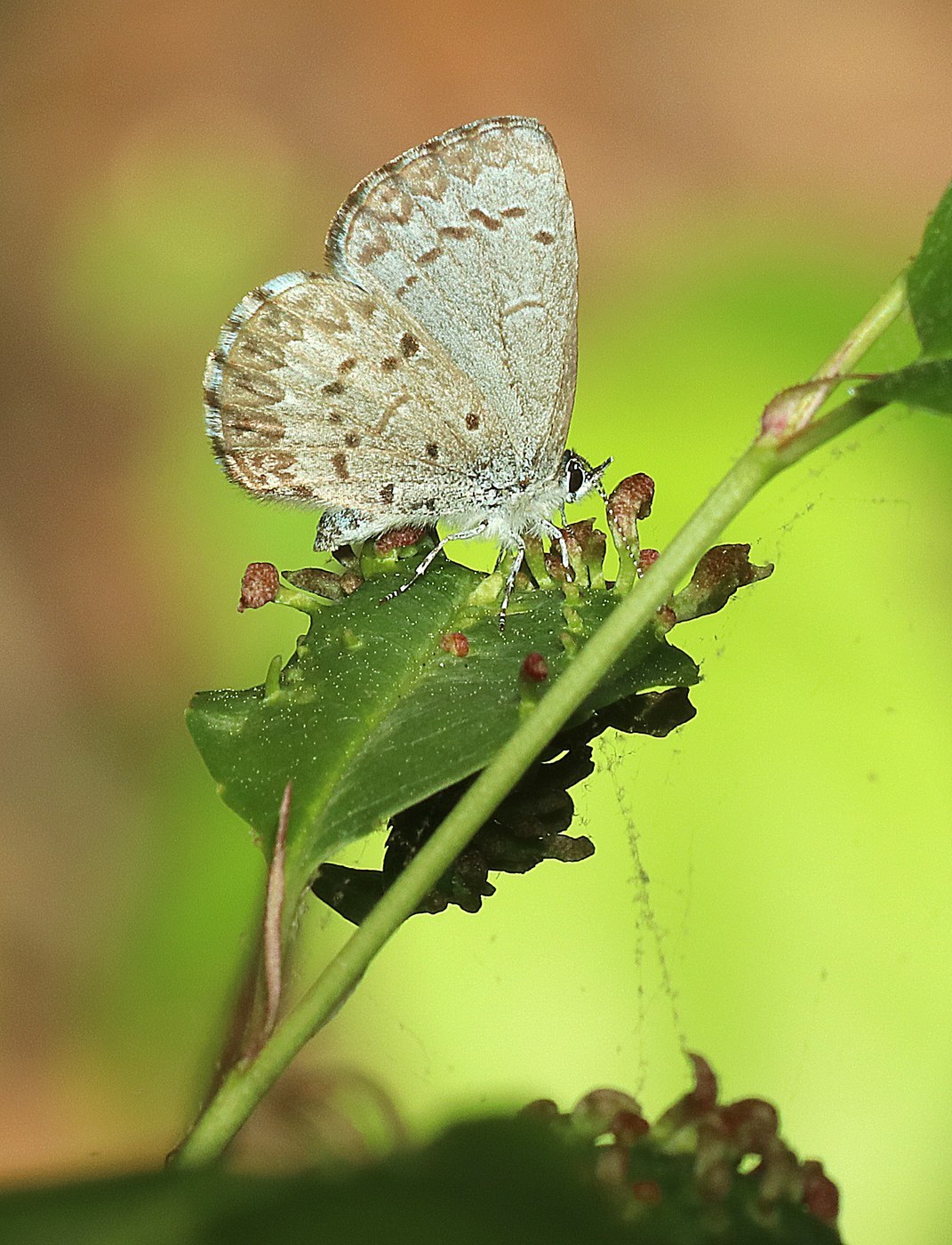
Spring Azure
Woodland edges, gardens, shrubby clearings
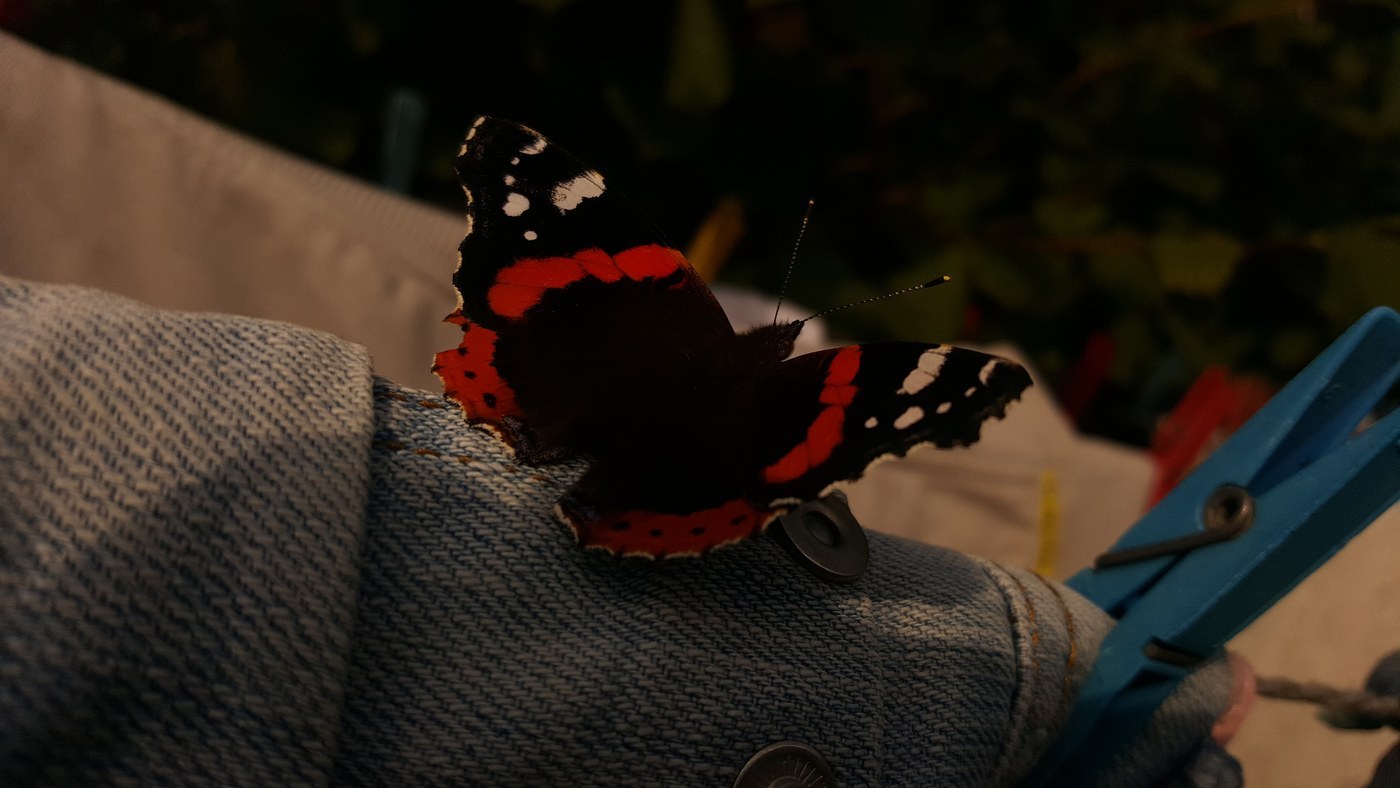
Red Admiral
Gardens, woodland edges, parks, meadows
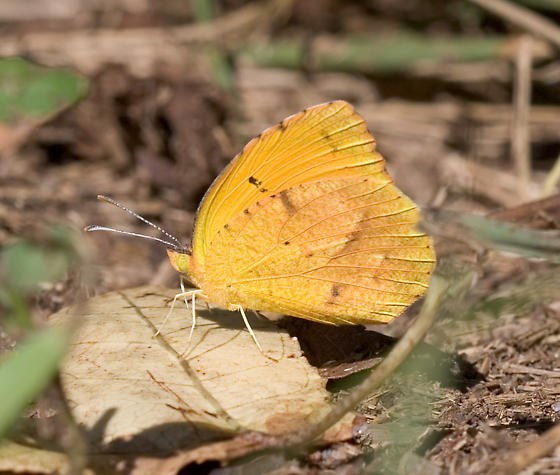
Sleepy Orange
Open woodland, fields, roadsides, and disturbed ground