
Southern Green Stink Bug
Nezara viridula
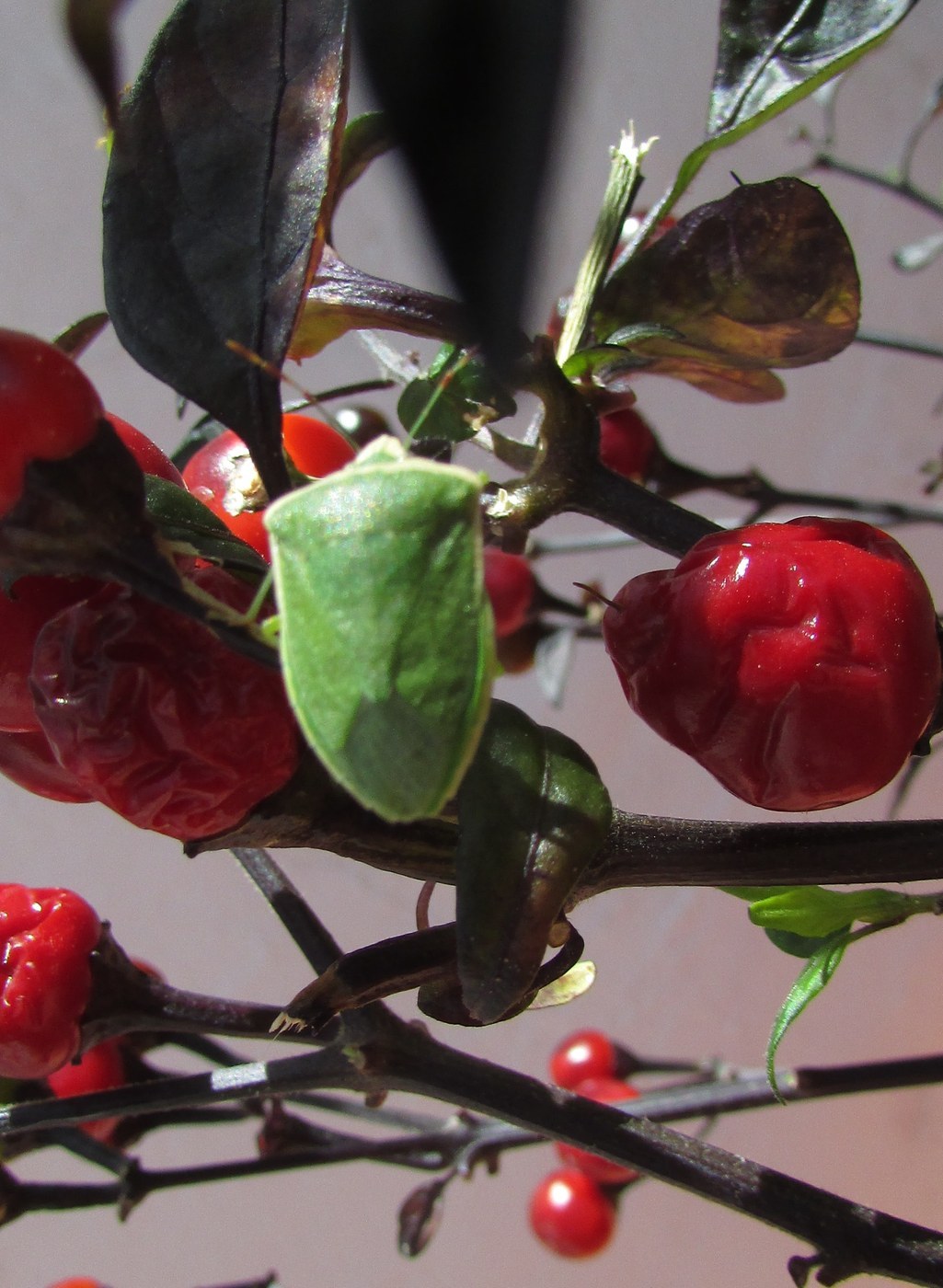
A large, shield-shaped, solid bright green true bug found on a wide variety of garden and crop plants across warm regions worldwide, recognizable by its broad body and, in some individuals, a row of small pale dots along the shoulders.
- Size
- 12–16 mm
- Habitat
- Gardens, crop fields, and warm temperate to tropical vegetation worldwide
- Danger
- Nuisance pest
Spotted a bug like this?
Identify any bug or insect from a photo, free.
Overview
The southern green stink bug, Nezara viridula, is a member of the family Pentatomidae within the order Hemiptera and is one of the most widespread and economically notable stink bug species globally, having spread from its origins to warm temperate and tropical regions on nearly every continent. Its broad, shield-shaped body and uniform green coloring are typical of the stink bug family.
This species is a generalist plant feeder, capable of feeding on the developing tissues, seeds, and fruit of a remarkably wide range of host plants, from vegetables and legumes to many ornamental and wild plants, contributing to its success as one of the most cosmopolitan true bugs.
Ecologically, the southern green stink bug is notable both for its broad host range and its adaptability to different climates, making it one of the most frequently encountered large true bugs in gardens and agricultural settings in warmer parts of the world.
How to Identify
- Large, broad, shield-shaped (pentagonal) body, uniformly bright green in most adults.
- Some individuals display a row of small, pale yellowish or whitish dots along the front edge of the pronotum (shoulders), a variable trait seen in a portion of the population.
- A prominent triangular scutellum covers much of the central back, typical of stink bugs.
- Antennae are moderately long with darker tips in some cases; legs are green to match the body.
- Lookalikes include the green shield bug (Palomena prasina) and other green stink bugs, but the southern green stink bug is generally larger and, when present, shows the characteristic row of pale dots along the shoulder margin.
Habitat & Range
The southern green stink bug is found in gardens, agricultural fields, and a wide variety of vegetation across warm temperate and tropical regions worldwide, including parts of the southern United States, South America, Africa, Asia, Australia, and southern Europe. It is active throughout the warmer months and, in tropical climates, can be present year-round, favoring a broad diversity of host plants including vegetables, legumes, and many wild and ornamental species.
Behavior & Diet
Southern green stink bugs feed by piercing plant tissue, including leaves, developing seeds, and fruit, with their beak to withdraw fluids, and their broad host range allows them to move readily between different crop and garden plants throughout the season. Like other stink bugs, they can release a distinctive defensive odor from thoracic glands when disturbed or threatened, serving as a chemical deterrent to predators. They are capable fliers and often aggregate in groups on favored host plants during periods of high population density.
Life Cycle
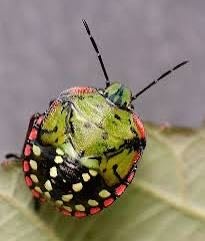
Southern green stink bugs undergo incomplete metamorphosis (egg, nymph, adult). Females lay tightly packed, barrel-shaped egg clusters on the underside of leaves. Newly hatched nymphs are gregarious, remaining clustered near the egg mass before dispersing to feed individually, and they pass through five nymphal instars with distinctive black, orange, and green patterning before reaching the uniformly green-winged adult stage. Multiple generations can occur per year in warm or tropical climates, while in cooler parts of its range adults overwinter in sheltered vegetation and become active again in spring.
Frequently asked questions
Is the southern green stink bug the same as the green shield bug found in Europe?
They are related shield bugs in the same family, but they are different species; the southern green stink bug (Nezara viridula) is generally larger and has a much broader global distribution.
Why does the southern green stink bug smell when disturbed?
Like other stink bugs, it can release a defensive odor from glands on its thorax as a deterrent when threatened or handled.
What plants does the southern green stink bug feed on?
It is a generalist feeder found on a wide range of vegetables, legumes, and other garden and crop plants, feeding on leaves, seeds, and developing fruit.
Where in the world is the southern green stink bug found?
It occurs in warm temperate and tropical regions across nearly every continent, including parts of the Americas, Africa, Asia, Australia, and southern Europe.
Southern Green Stink Bug guides
In-depth guides for identifying, understanding, and living alongside Southern Green Stink Bug.
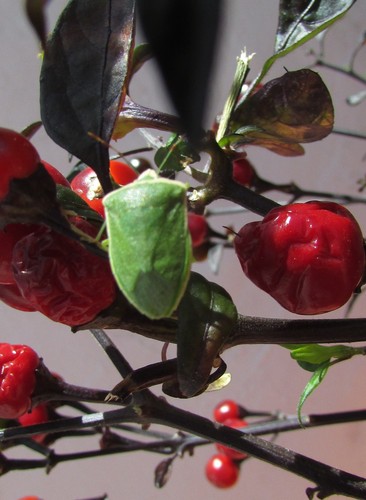
Southern Green Stink Bug identified by the community
Real finds identified with Bug Identifier.
Other bugs you may enjoy
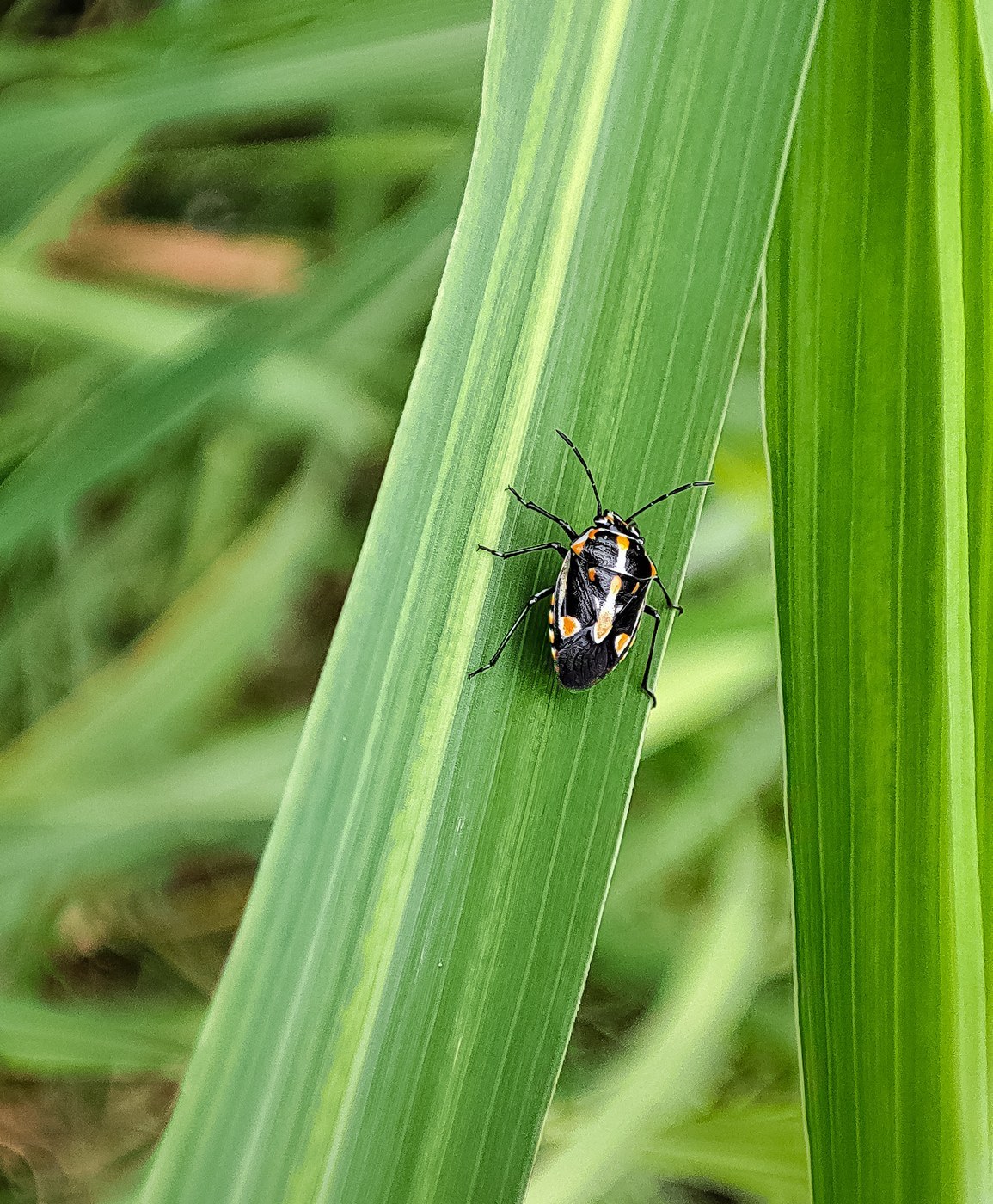
Bagrada Bug
Arid gardens, crucifer fields, desert-adjacent croplands
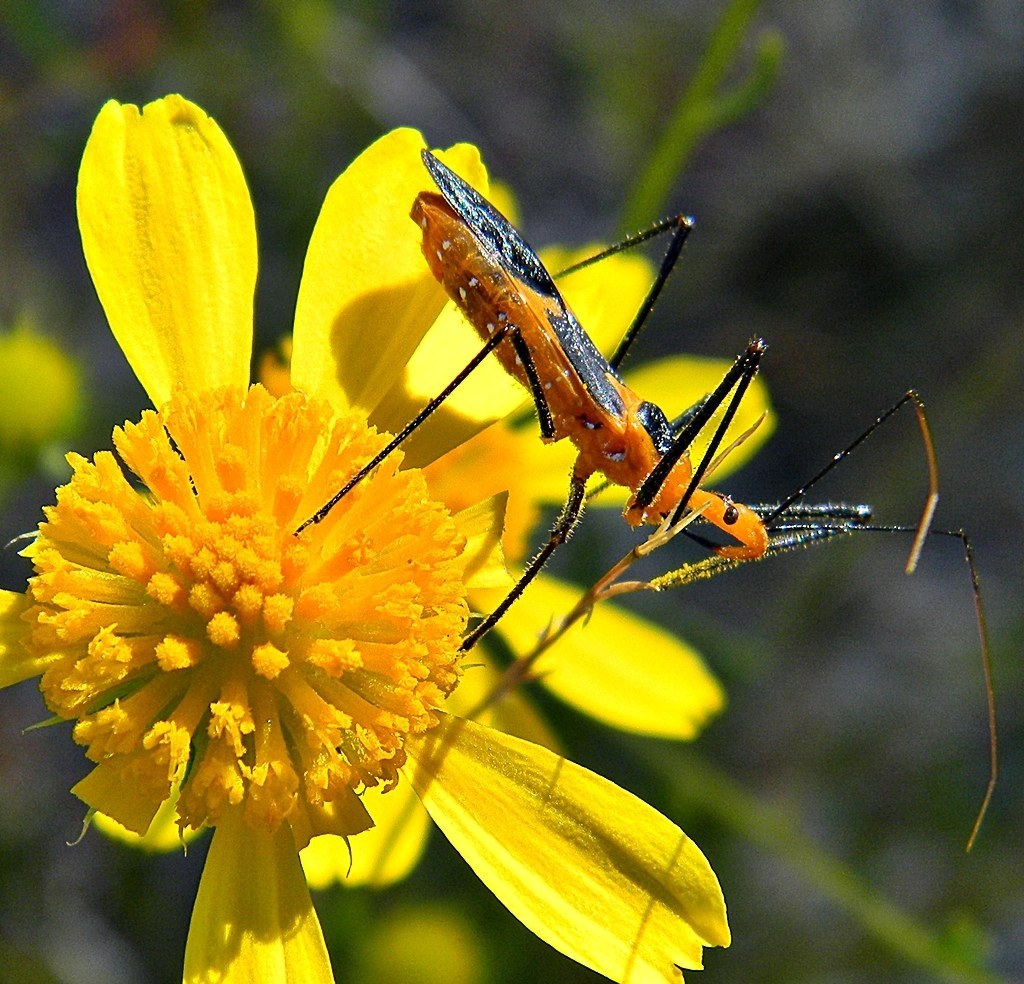
Assassin Bug
Gardens, meadows, and vegetation worldwide
Water Boatman Bug
Ponds, lakes, and slow-moving freshwater
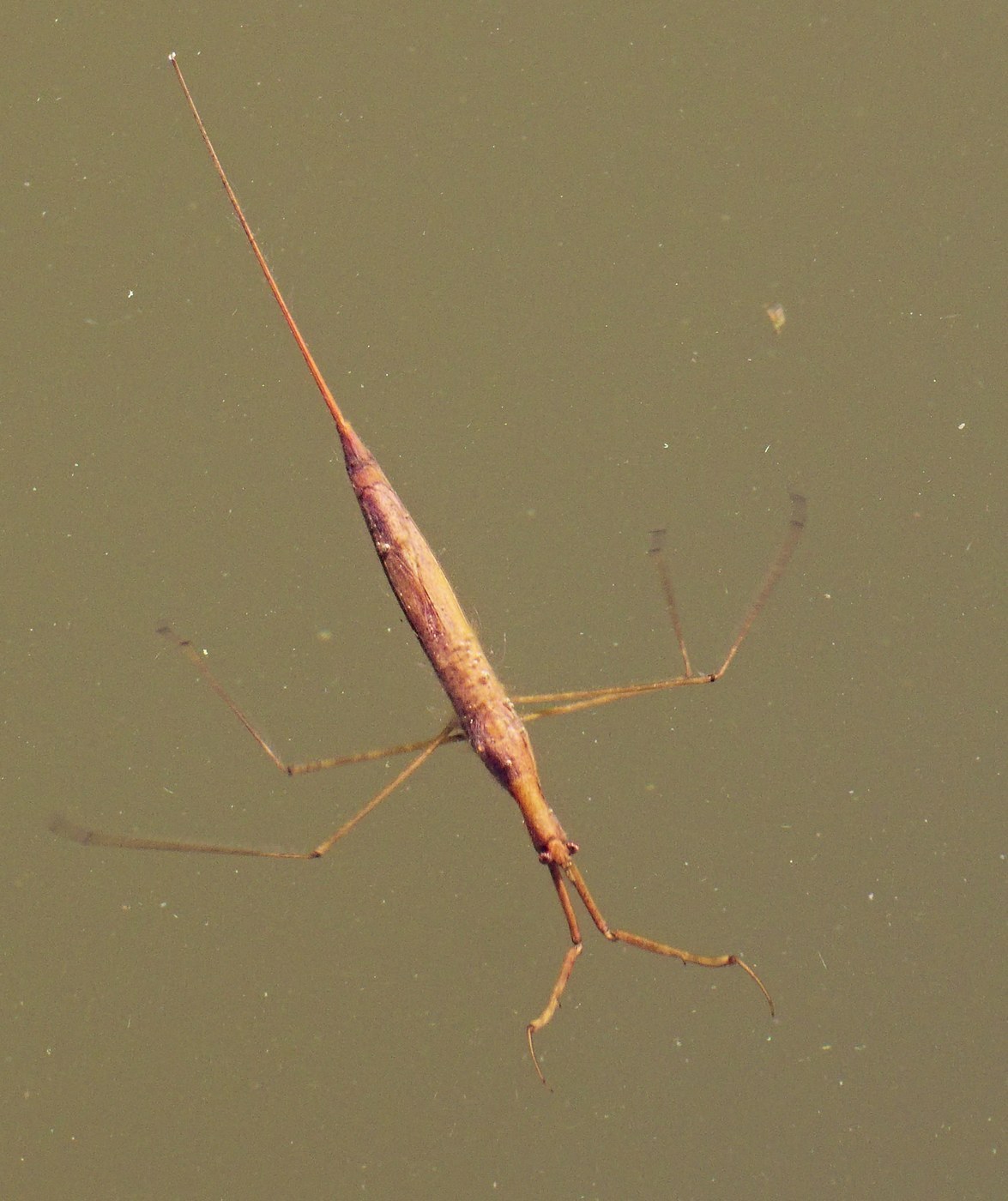
Water Stick Insect
Still and slow-moving water with dense submerged vegetation
Rough Stink Bug
Tree bark, woodlands, orchards, and shrubby vegetation
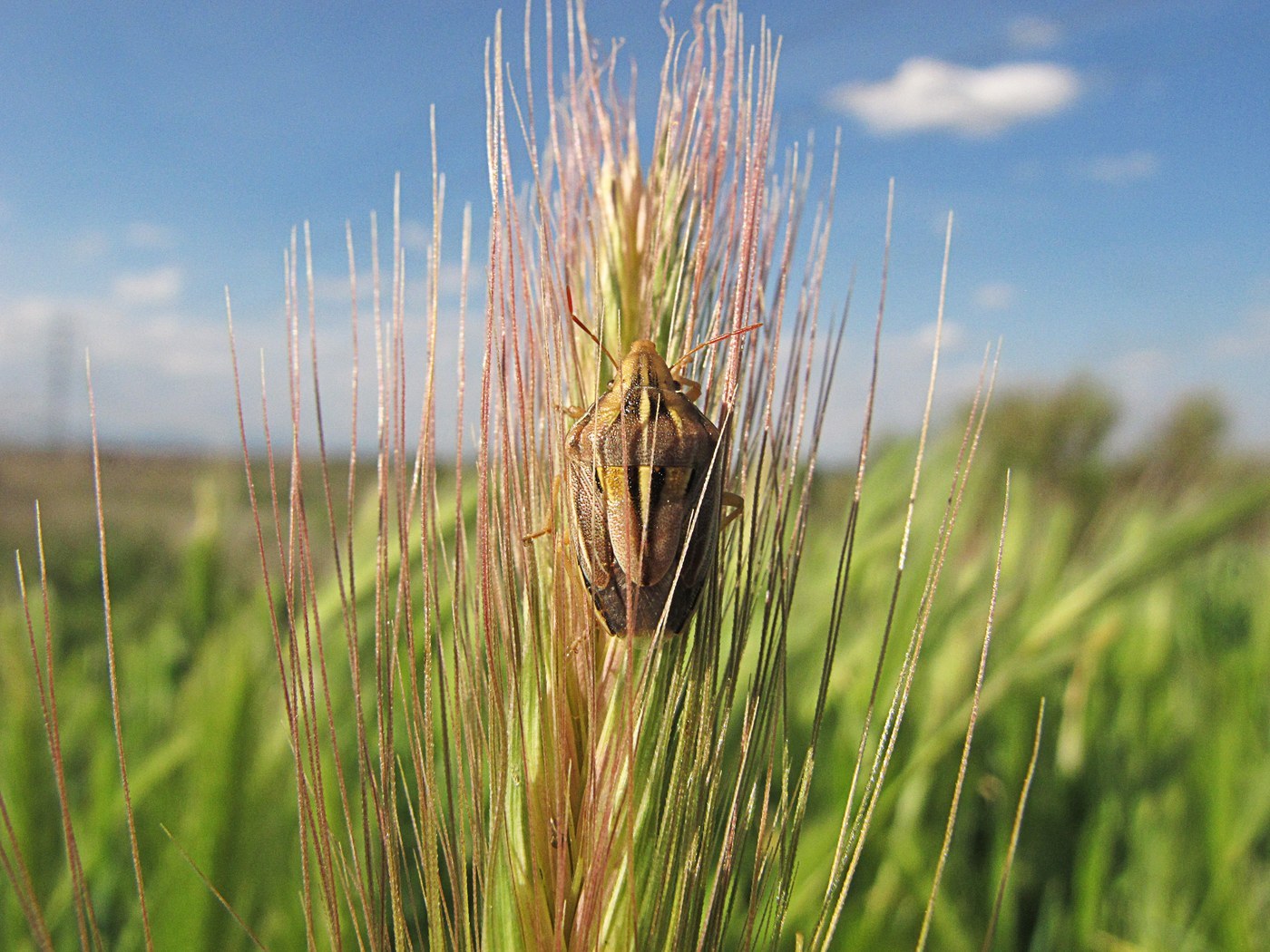
Stink Bug
Gardens, crop fields, and woodlands across temperate and subtropical regions
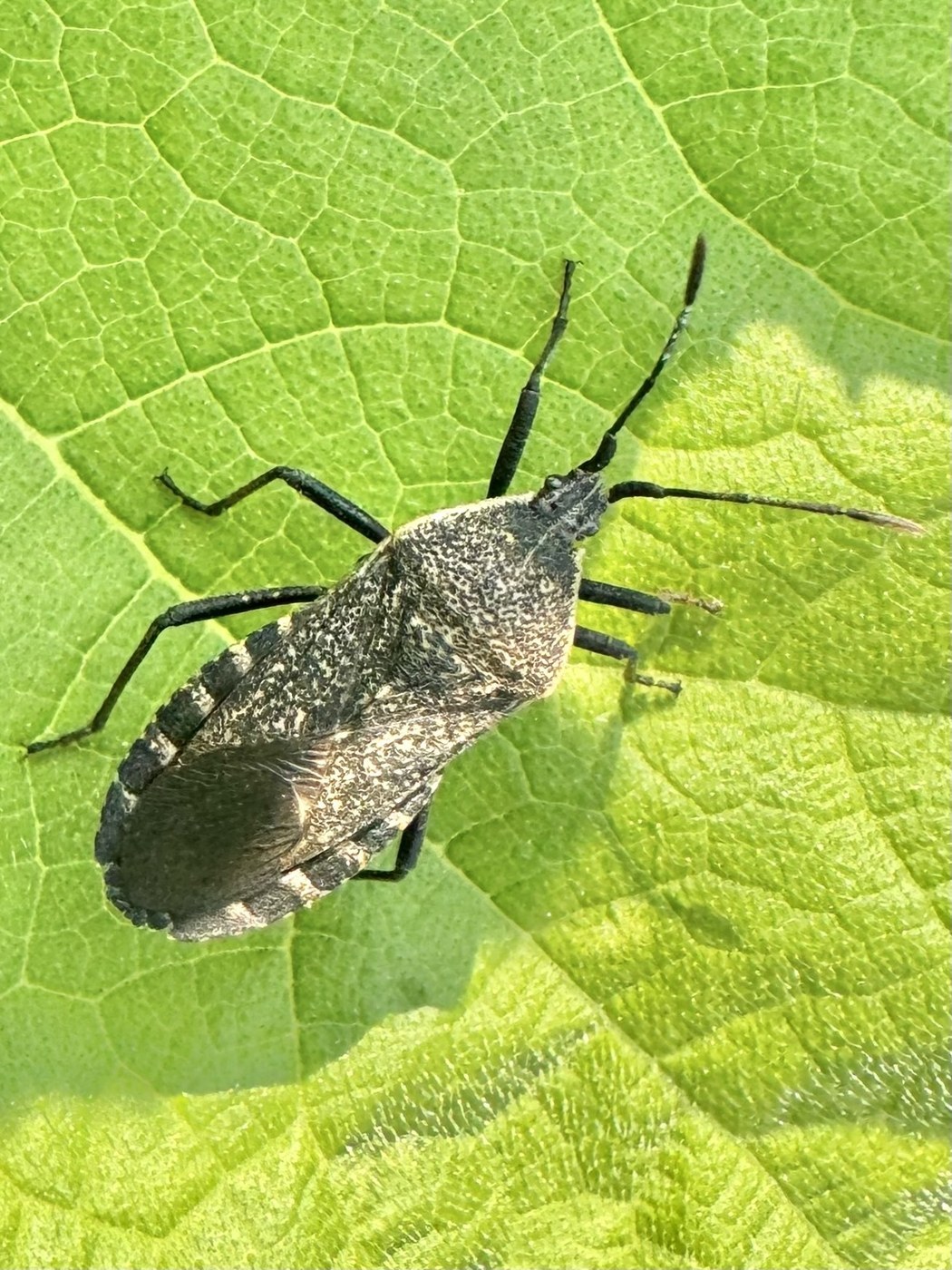
Squash Bug
Vegetable gardens and farm fields growing squash, pumpkin, and other cucurbits
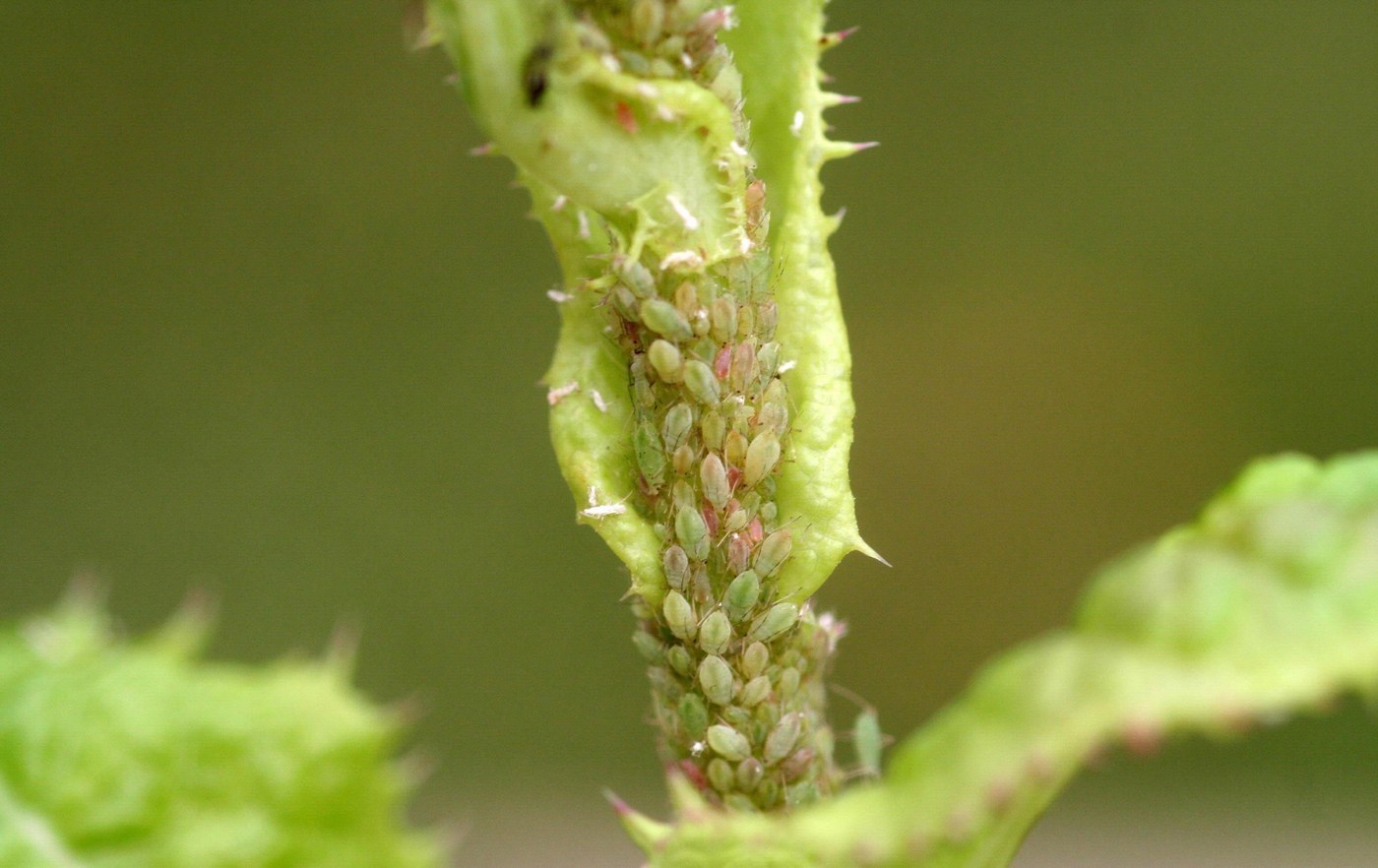
Aphid
On stems, leaves, and buds of a very wide range of host plants
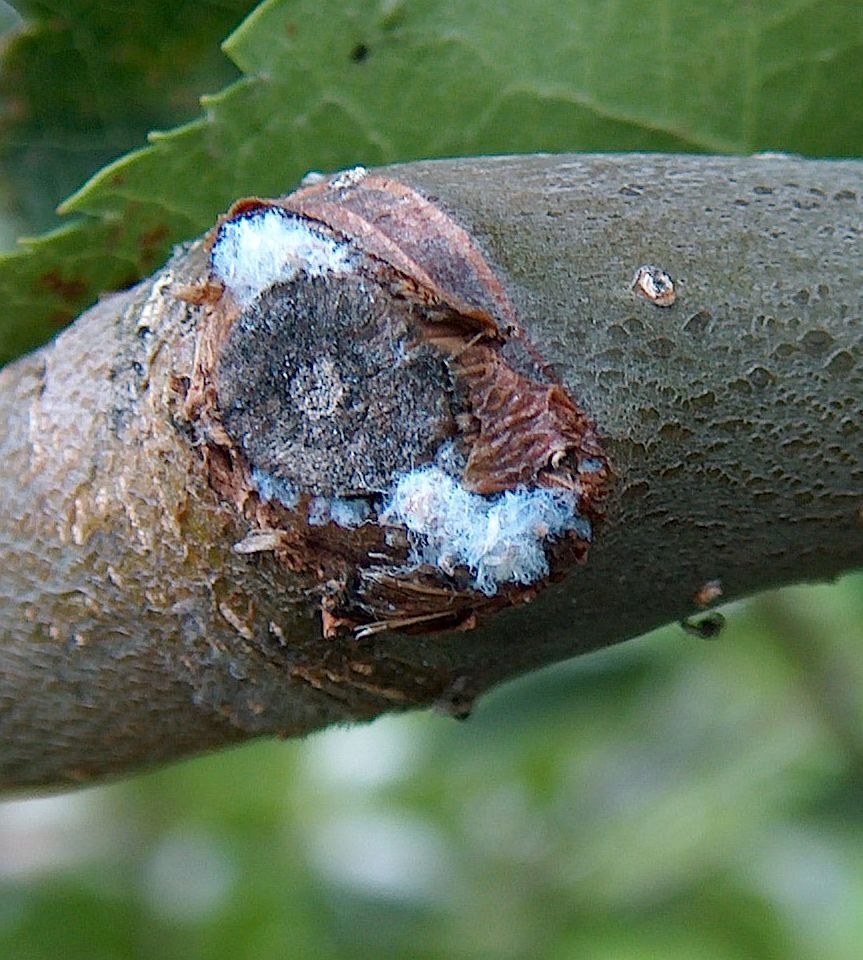
Woolly Aphid
Bark crevices, root collars, and twigs of apple, elm, and alder trees
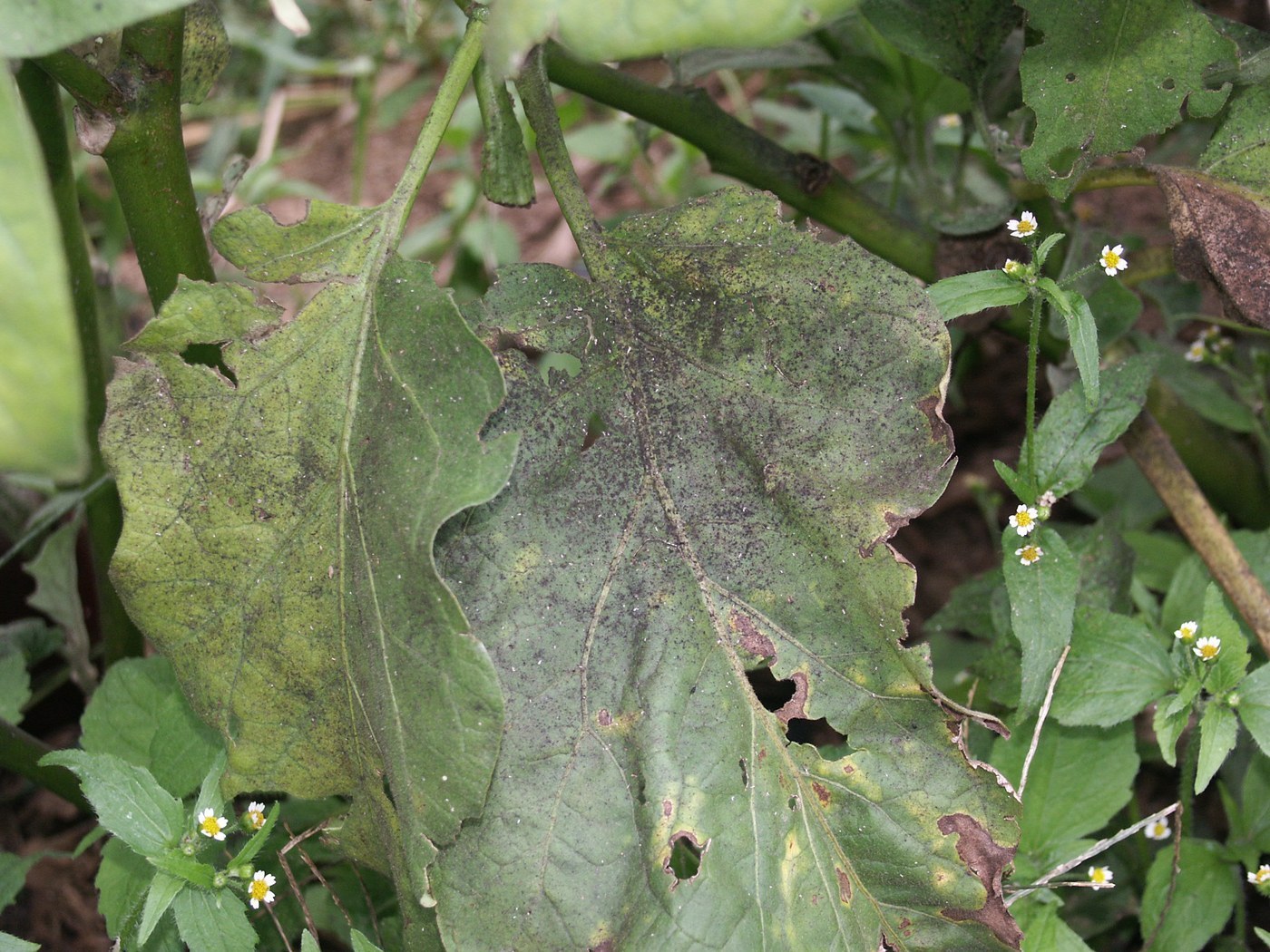
Whitefly
Greenhouses, gardens, and undersides of leaves on host plants
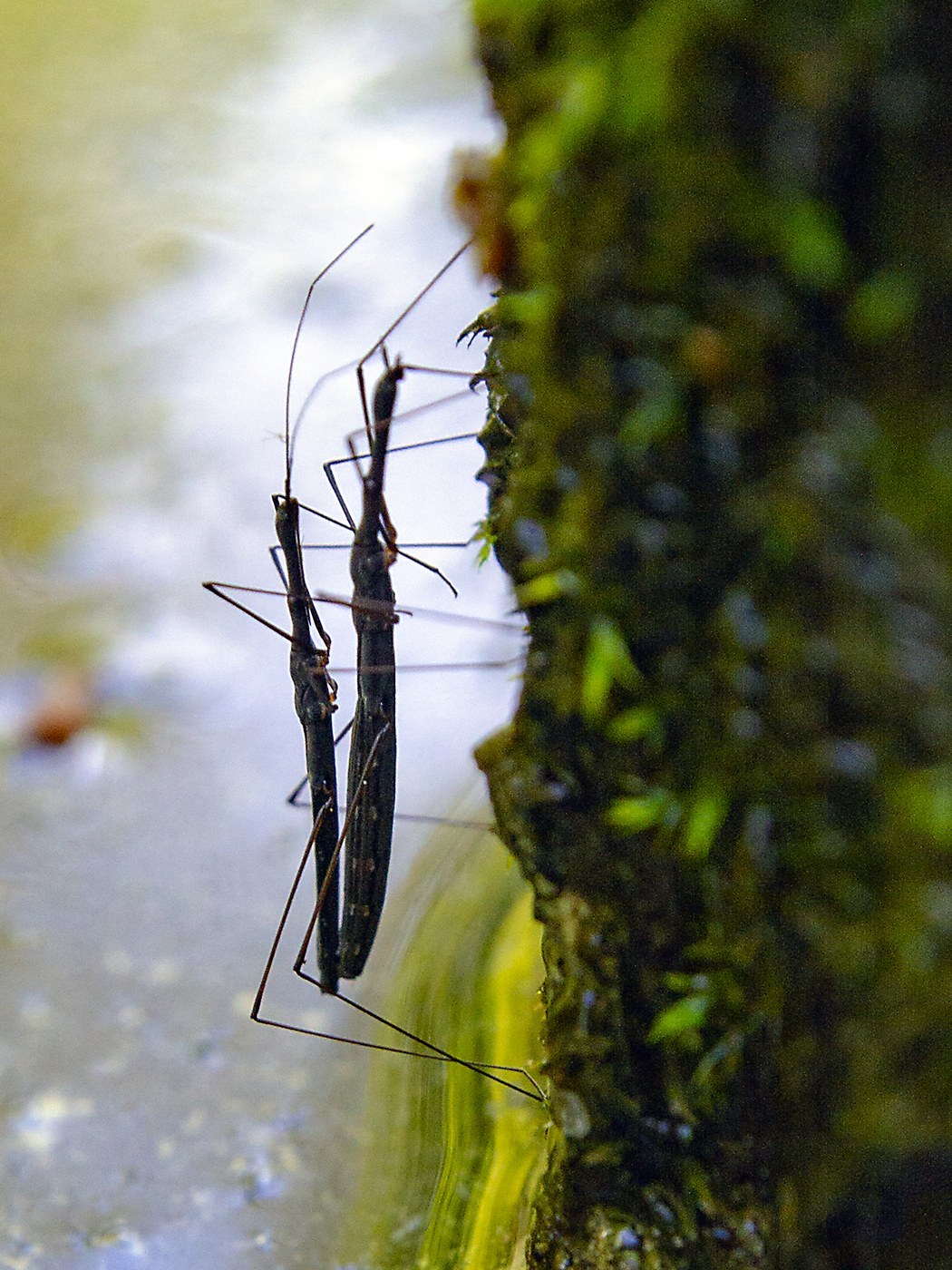
Water Measurer
Quiet edges of ponds, marshes, and slow streams
Two-Spotted Stink Bug
Gardens and fields with potato and nightshade-family plants