
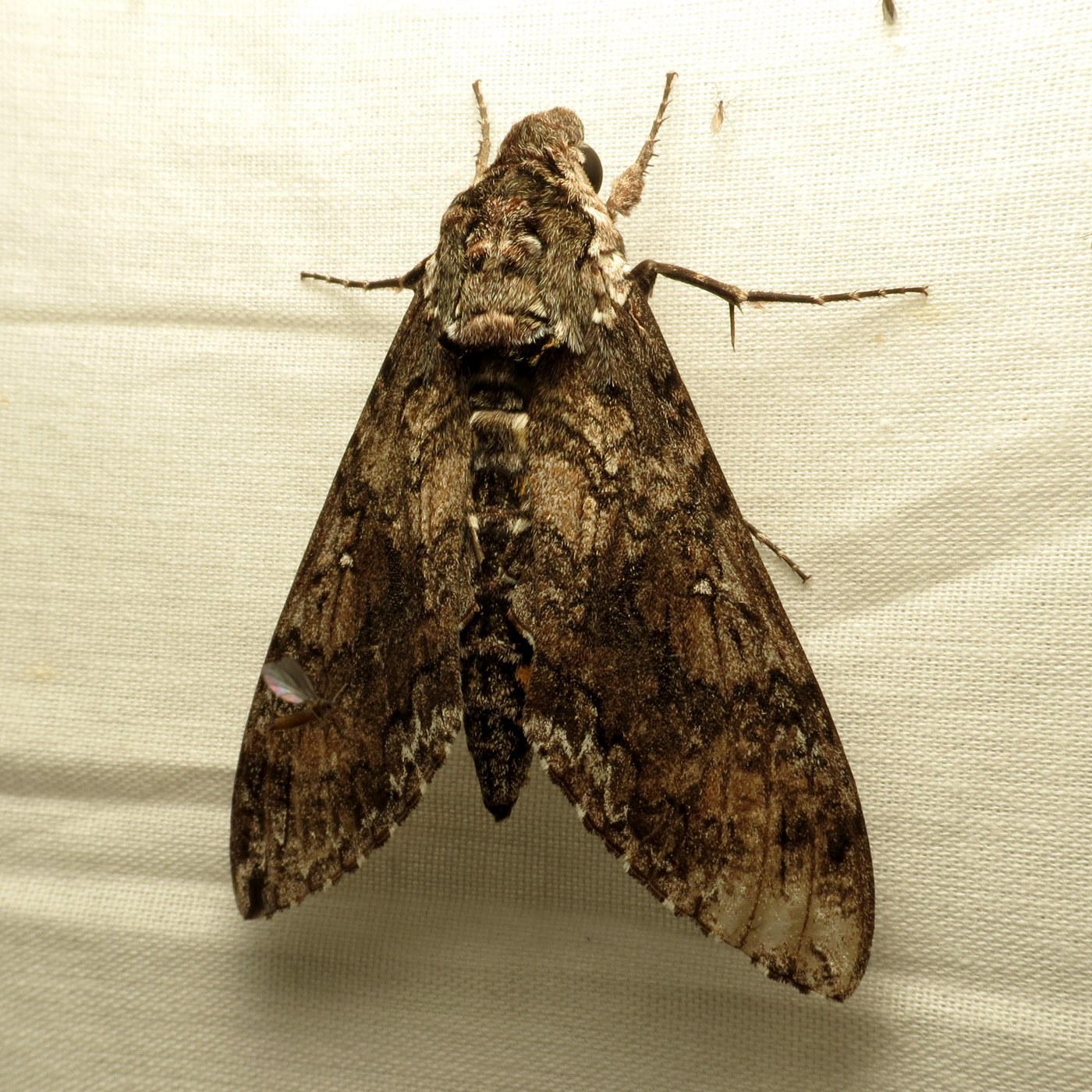
Sphinx Moth
Manduca sexta
A large, streamlined, fast-flying moth with narrow triangular wings and a robust, tapering body, famous for hovering at flowers at dusk like a hummingbird.
- Size
- 3–5.5 in wingspan
- Habitat
- Gardens, farmland, woodlands, deserts
- Danger
- Harmless
Spotted a bug like this?
Identify any bug or insect from a photo, free.
Overview
Sphinx moths, also called hawk moths, belong to the family Sphingidae, a group of powerful-flying moths found worldwide and known for their aerodynamic, torpedo-shaped bodies and narrow, swept-back wings. The name "sphinx" comes from the defensive posture of many of their caterpillars, which raise the front of the body in a sphinx-like pose when disturbed.
Adults are among the strongest fliers in the insect world, capable of sustained hovering flight and speeds rivaling small birds, which allows them to feed on nectar much like hummingbirds. Many species are most active at dusk or after dark, using a long coiled proboscis to probe deep, tubular flowers that other pollinators cannot reach.
Ecologically, sphinx moths are important pollinators of night-blooming and deep-throated flowers, and their caterpillars, often called hornworms for the fleshy horn on the rear end, are significant herbivores in garden and agricultural settings.
How to Identify
- Thick, tapered, streamlined body and long, narrow, angular forewings built for fast, sustained flight.
- Coloration varies by species but often includes gray, brown, or olive tones with pink, black, or white patterning on the hindwings or abdomen.
- Antennae are thickened and tapered, unlike the feathery antennae of many other moths.
- Wingspan often 7–14 cm depending on species, among the largest moths regularly seen at dusk.
- Distinguished from butterflies by its stout body and rapid, hovering flight; distinguished from bees by its much larger size and long visible proboscis.
Habitat & Range
Sphinx moths occur nearly worldwide across temperate and tropical regions, inhabiting gardens, farmland, woodland edges, deserts, and grasslands depending on species. Most are crepuscular or nocturnal, becoming active at dusk and through the night, though a few species fly by day. They are frequently drawn to porch lights and fragrant flowers in the evening.
Behavior & Diet
Adults hover in front of flowers while feeding on nectar through a long proboscis, rarely landing, and are capable of rapid, agile flight and even limited backward movement similar to hummingbirds. Caterpillars, known as hornworms, are voracious leaf-eaters on a range of host plants including tomato, tobacco, and various vines, and defend themselves by rearing up in a sphinx-like posture when threatened. Adults serve as important pollinators, particularly for flowers with deep nectar tubes adapted to their long tongues.
Life Cycle
Females lay single eggs on host plant foliage, which hatch into large, cylindrical caterpillars bearing a distinctive rear horn. The larvae pass through five or more instars over several weeks before burrowing into soil to pupate, often in a smooth, spindle-shaped pupal case. Depending on species and climate, there may be one to several generations per year, with the pupal stage commonly overwintering underground in temperate regions.
Frequently asked questions
Is a sphinx moth the same as a hummingbird?
No, it is a large moth that only resembles a hummingbird in its hovering flight and feeding behavior at flowers.
What is a hornworm?
It is the common name for a sphinx moth caterpillar, named for the fleshy spine projecting from its rear end.
Are sphinx moths active during the day or night?
Most species are active at dusk or after dark, though a handful fly during daylight hours.
How big can a sphinx moth get?
Many species have wingspans between 7 and 14 cm, making them some of the largest moths commonly encountered.
Sphinx Moth guides
In-depth guides for identifying, understanding, and living alongside Sphinx Moth.
Other bugs you may enjoy
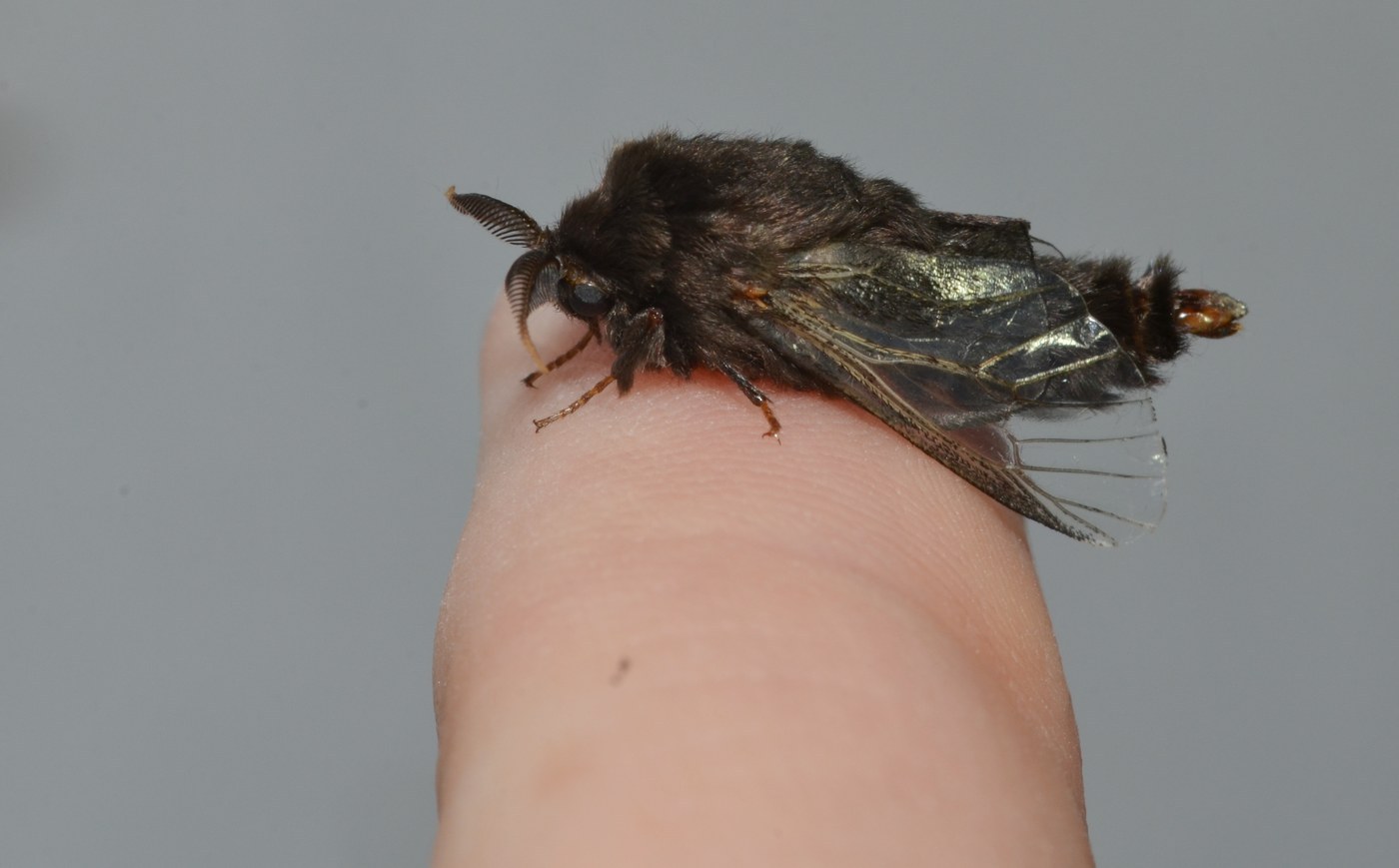
Bagworm Moth
Coniferous and deciduous trees, shrubs, hedges
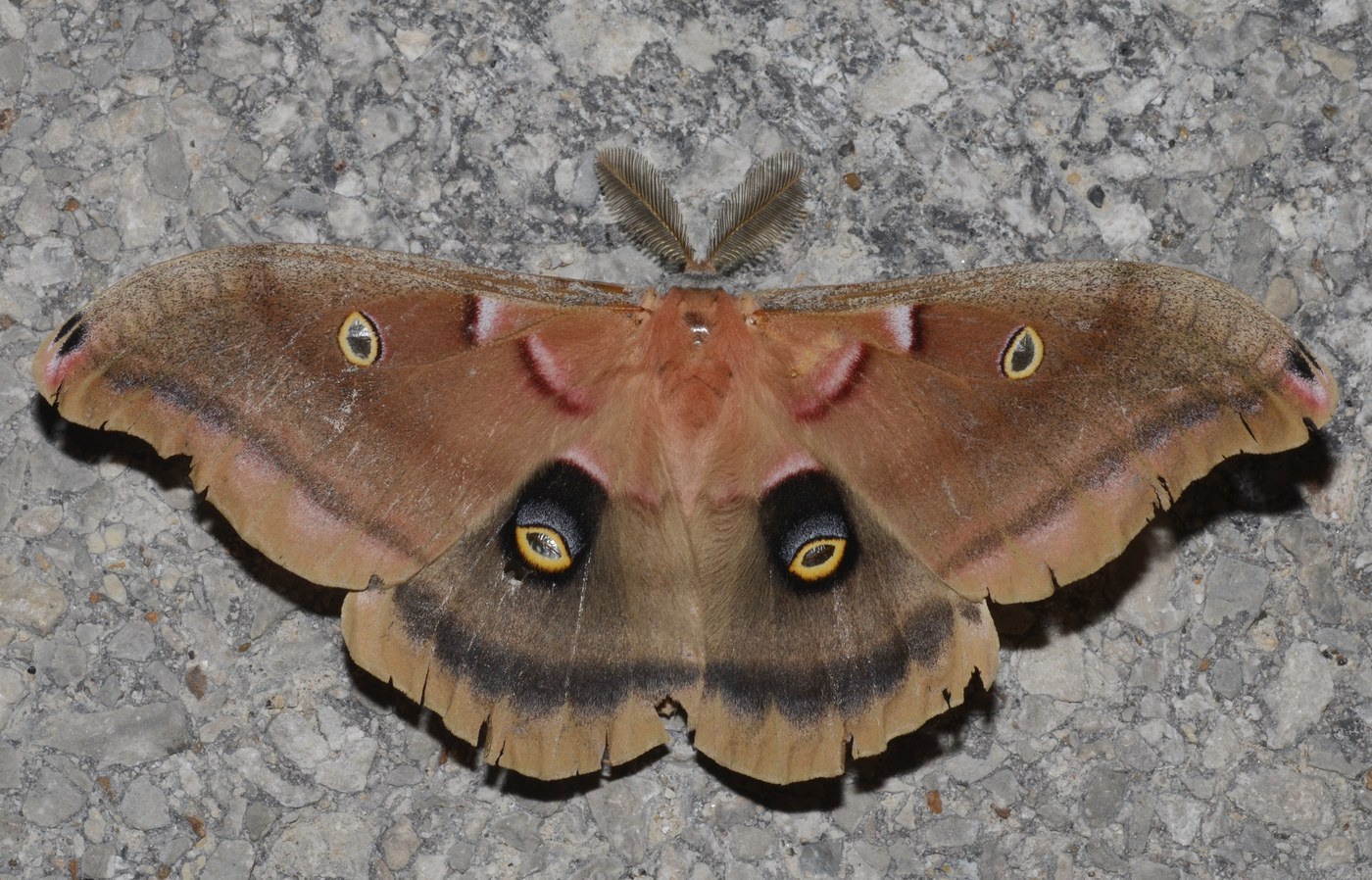
Antheraea Silkmoth
Deciduous forests, woodland edges, orchards
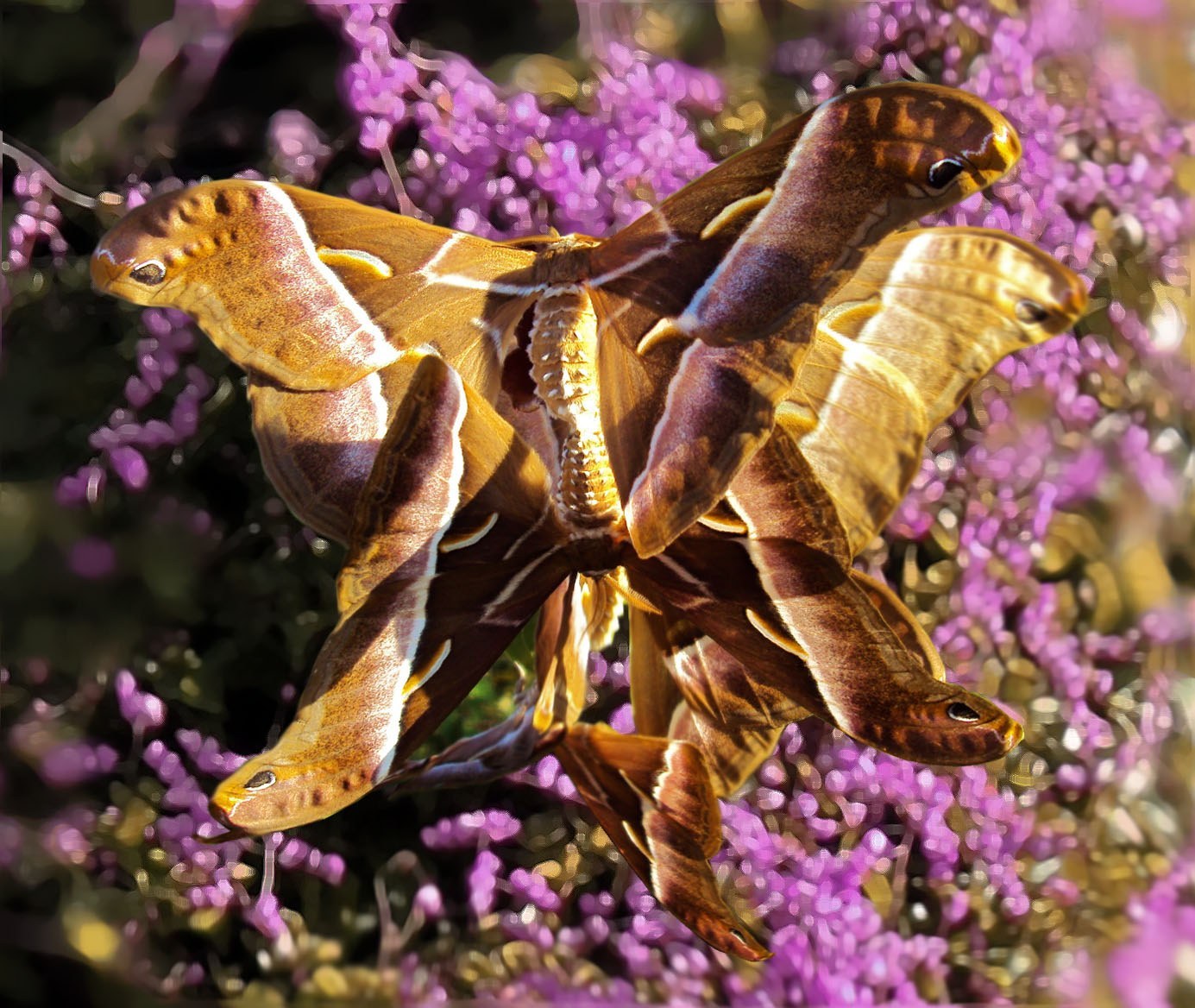
Ailanthus Silkmoth (Cynthia Moth)
Urban parks, wastelands, and woodland edges with tree-of-heaven; native to Asia, introduced in North America and Europe
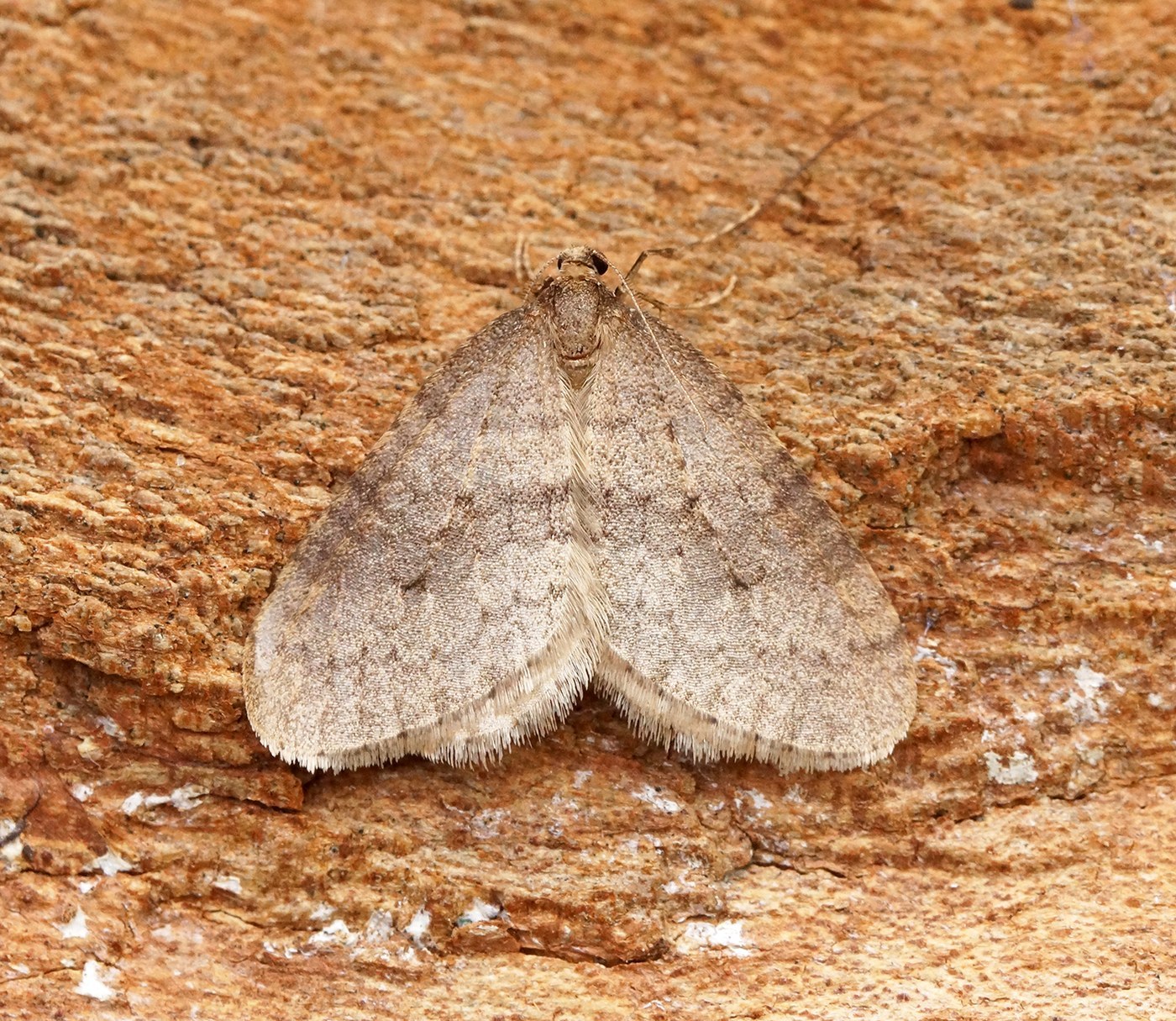
Winter Moth
Deciduous woodland, orchards, gardens, hedgerows
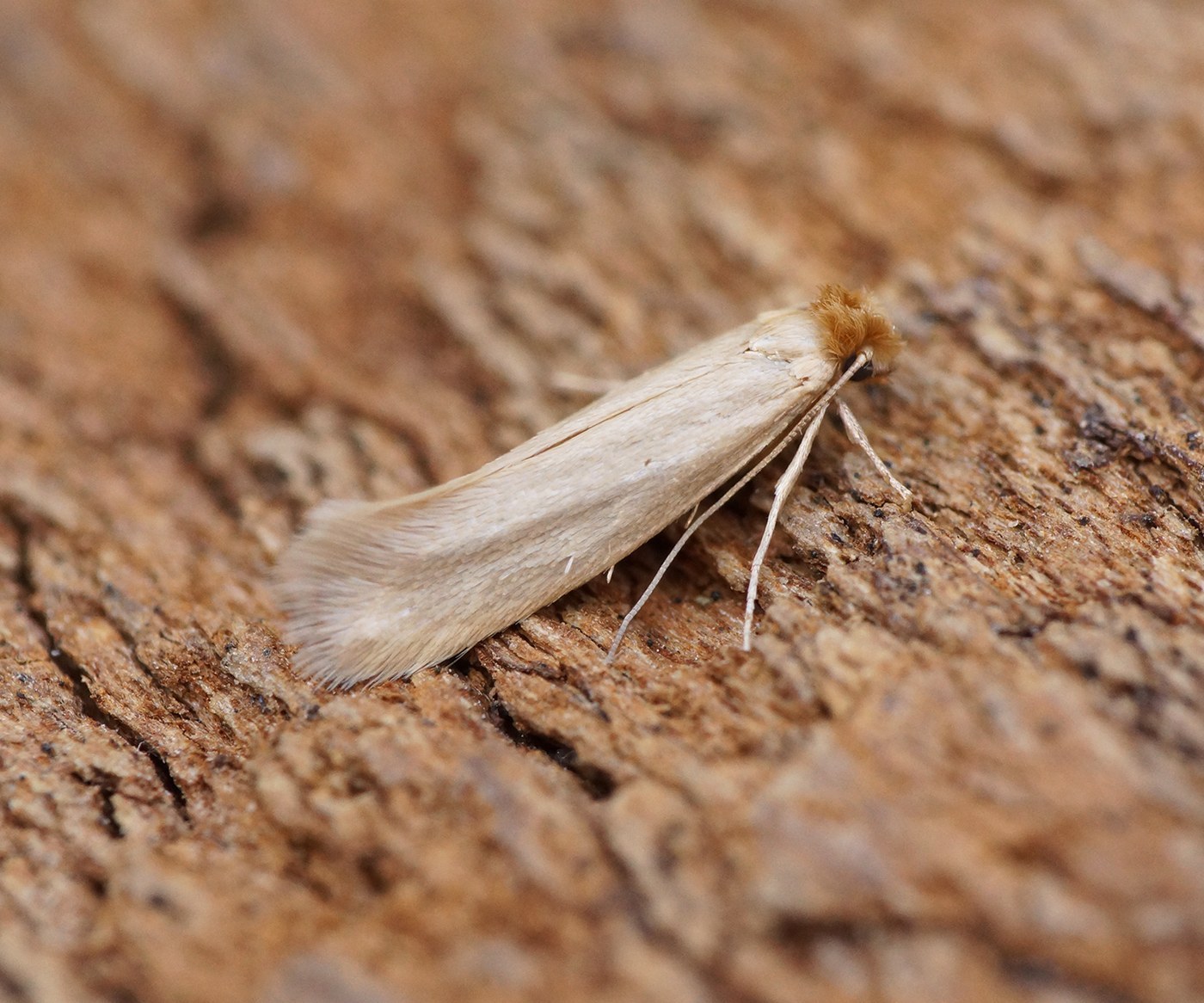
Webbing Clothes Moth
Dark closets, storage areas, and animal nests worldwide
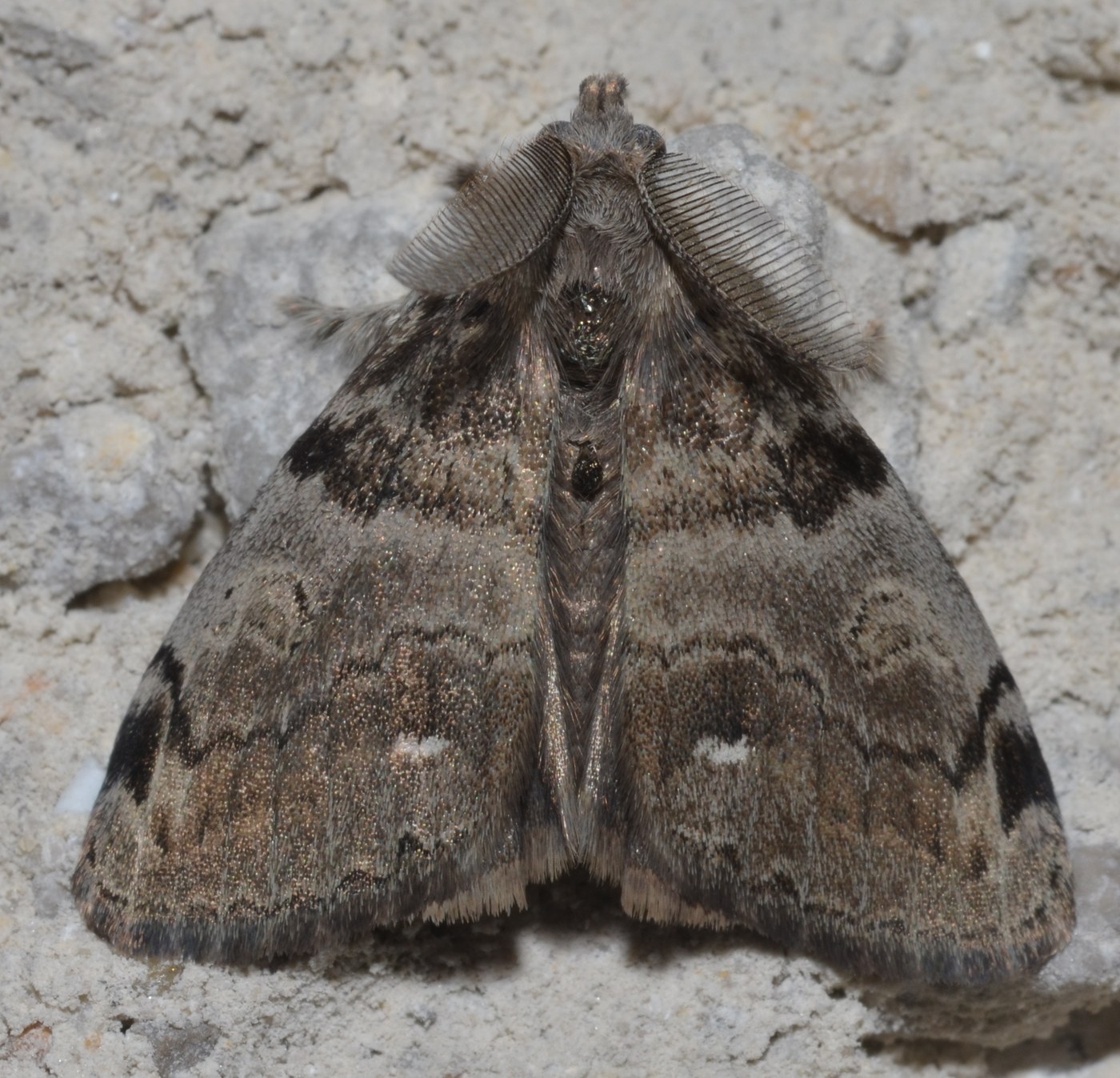
Tussock Moth
Deciduous forests, parks, gardens
Wax Moth
Beehives, apiaries, stored beeswax and comb
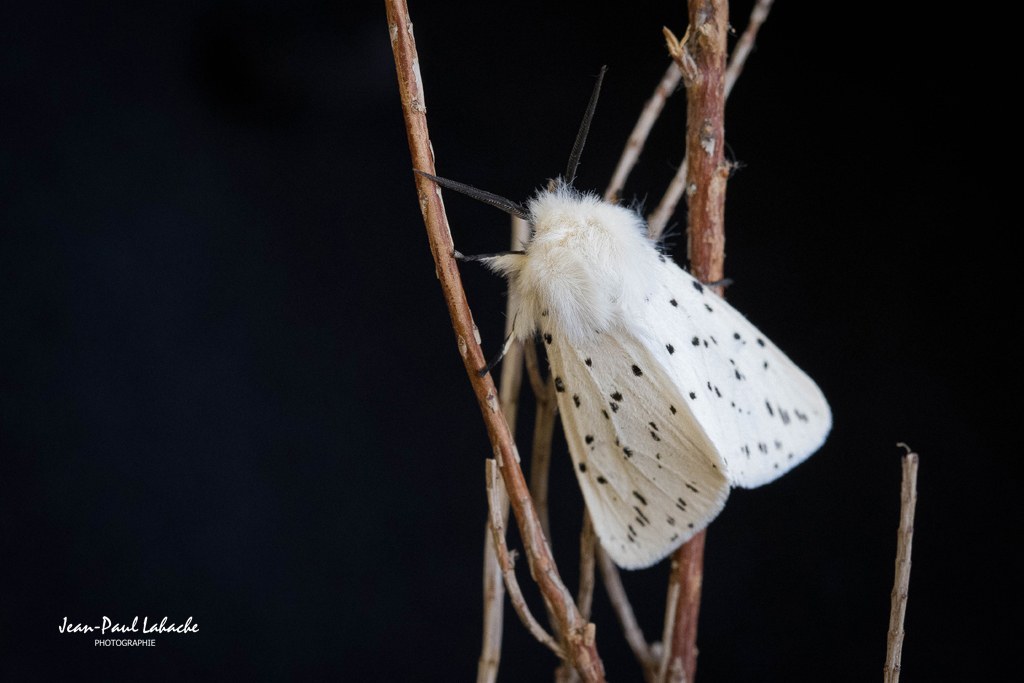
White Ermine Moth
Gardens, meadows, hedgerows
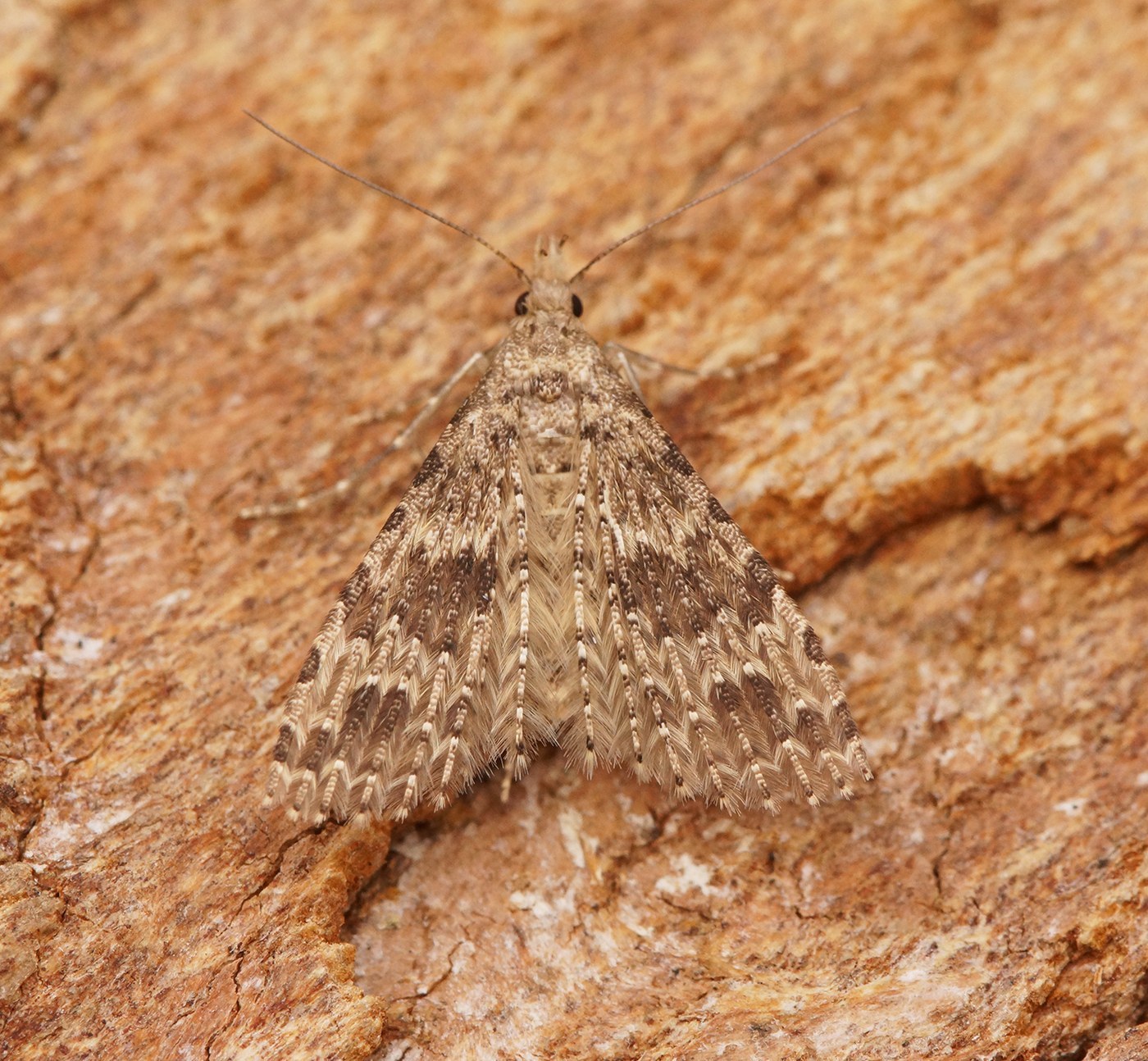
Twenty-plume Moth
Gardens, hedgerows, near honeysuckle
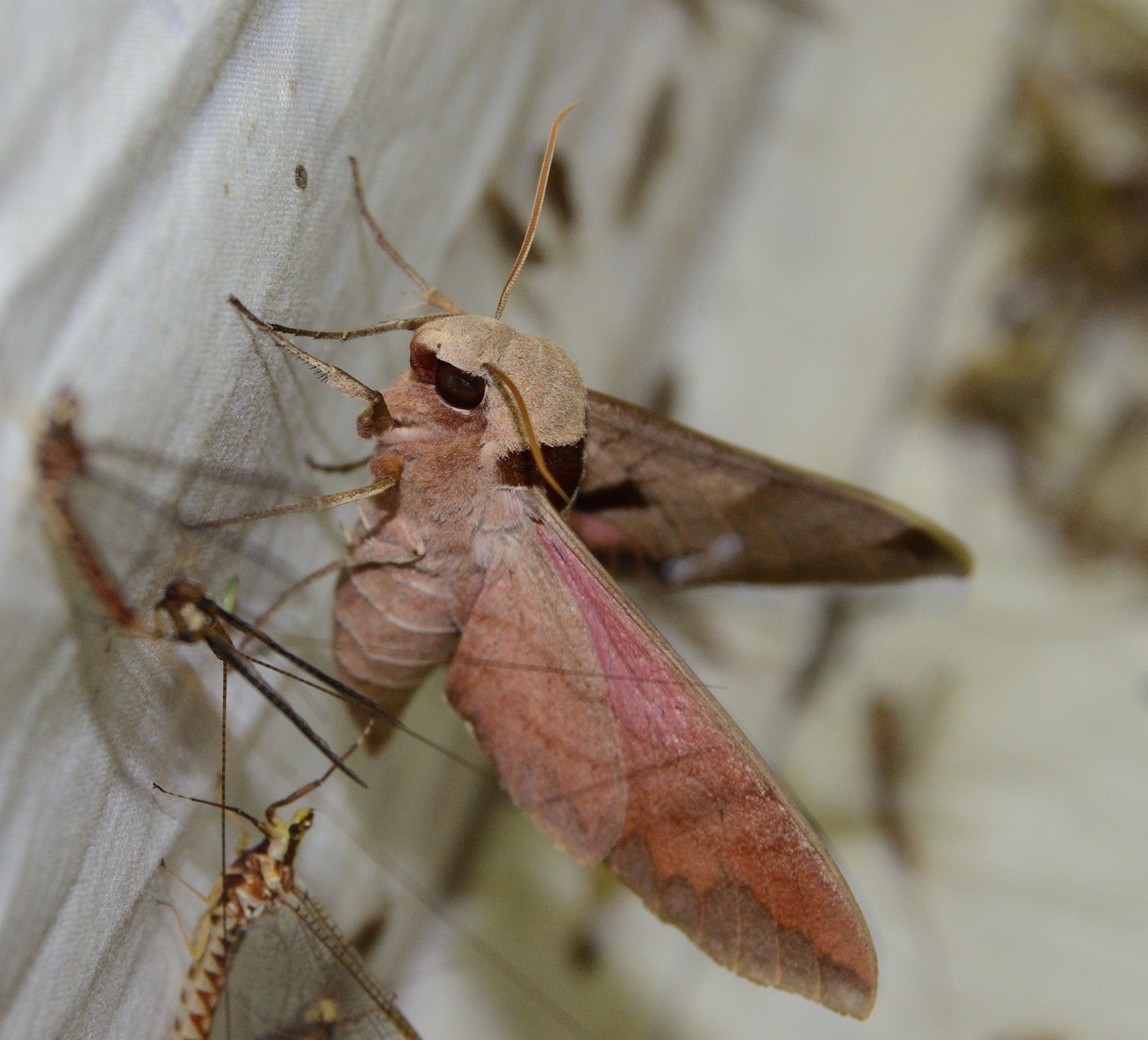
Achemon Sphinx Moth
Vineyards, woodland edges, gardens with wild grape
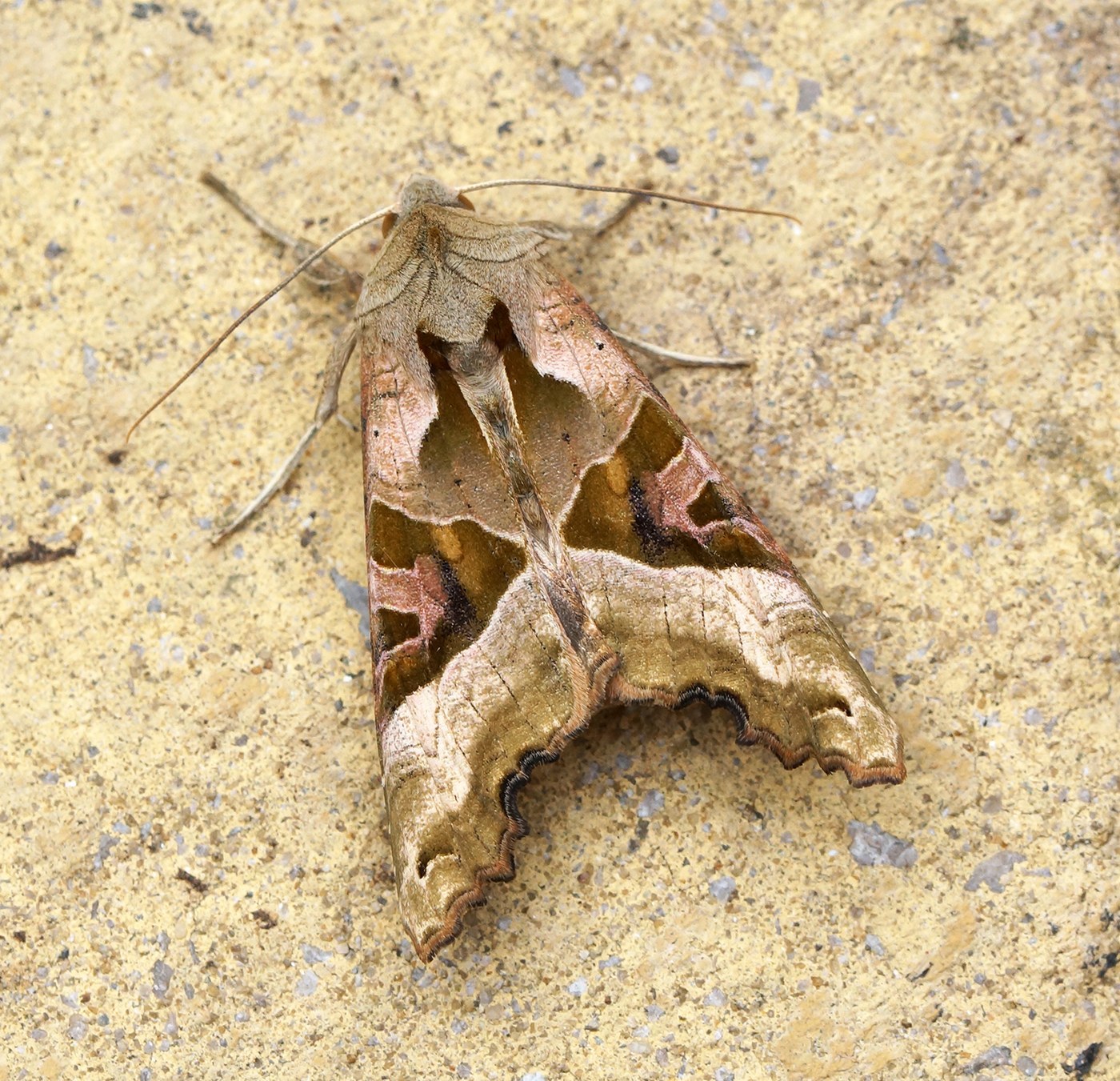
Angle Shades Moth
Gardens, hedgerows, woodland edges, urban parks
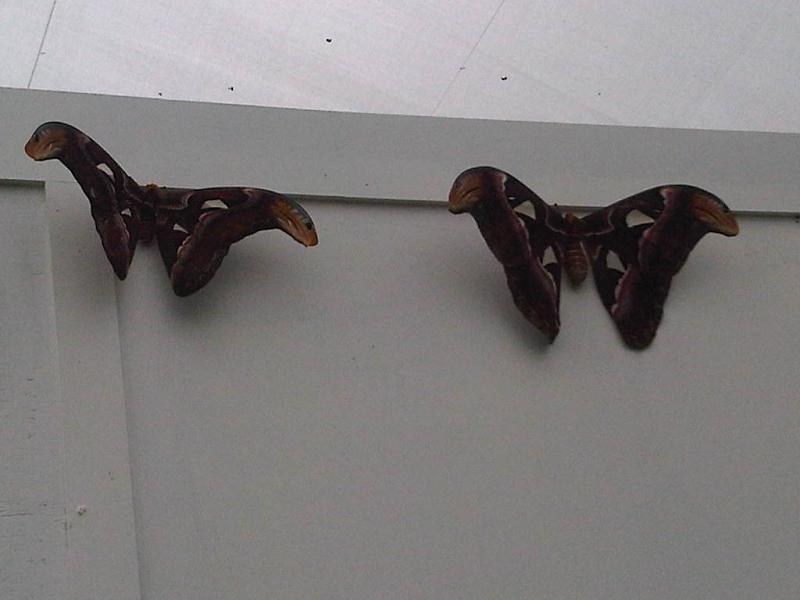
Atlas Moth
Tropical and subtropical lowland forests of Southeast Asia