
Squash Vine Borer
Melittia cucurbitae
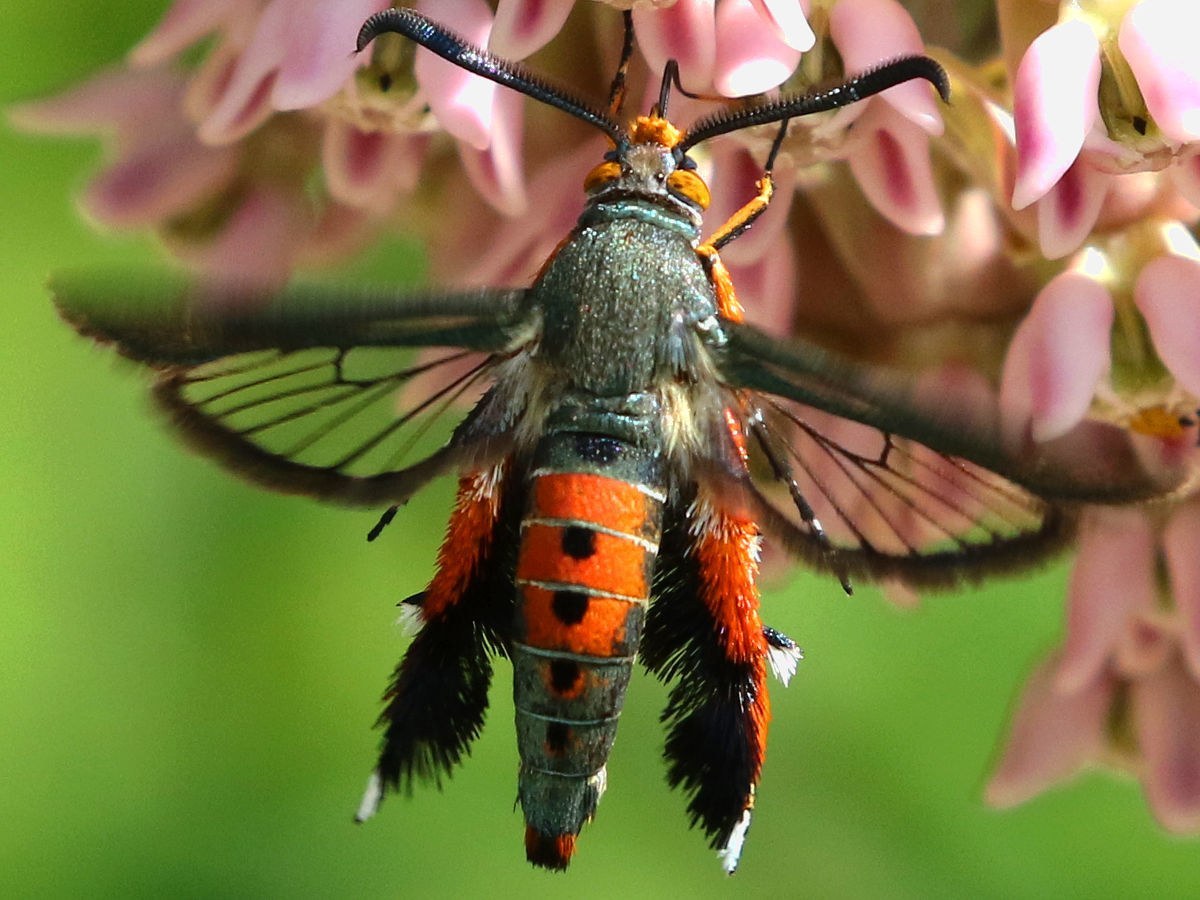
A day-flying, wasp-mimicking moth whose orange fuzzy hind legs and metallic wings make it easy to mistake for a wasp as it darts around squash vines.
- Size
- 1–1.5 in (25–38 mm) wingspan
- Habitat
- Vegetable gardens and fields growing squash, pumpkin, and other cucurbits
- Danger
- Nuisance pest
Spotted a bug like this?
Identify any bug or insect from a photo, free.
Overview
The squash vine borer is a clearwing moth whose larval stage is a serious pest of squash, pumpkin, and related cucurbit vines in North American gardens. Unlike most moths, adults fly actively during the day and closely resemble a wasp, with a stout orange-and-black body and largely transparent forewings, an example of mimicry that likely helps deter predators.
Females lay eggs individually at the base of host vines, and the resulting larvae bore directly into the stem, where they feed concealed for several weeks. This hidden feeding inside the vine is what gives the species its common name and its reputation as a difficult garden pest to detect before damage is advanced.
The adult moth itself is a strong, fast flier often seen visiting flowers or hovering near cucurbit plantings on warm summer days, while the larval stage remains entirely hidden within host stems.
How to Identify
- Forewings narrow and metallic olive-brown to black; hindwings largely clear with dark veins and margins
- Abdomen orange with bold black spots or bands, and hind legs fringed with conspicuous orange-red hair-like scales
- Wingspan roughly 1–1.5 in (25–38 mm); body shape and coloring closely resemble a wasp
- Flies actively in daylight, unlike most moths
- Larva is a wrinkled, white to cream-colored caterpillar with a brown head, found only inside squash and pumpkin stems
- Sawdust-like frass pushed out of a small hole at the base of a wilting vine is the classic sign of larval infestation
Habitat & Range
Found across much of North America wherever squash, pumpkin, zucchini, and other cucurbit crops are grown, from home gardens to commercial fields. Adults are most active in early to mid-summer, coinciding with vine growth, and larvae are found inside stems through summer until they leave to pupate in soil.
Behavior & Diet
Adult moths visit flowers for nectar and are frequently seen hovering or darting around cucurbit plants during the day while searching for egg-laying sites near the base of vines. Larvae tunnel through the interior of the stem, feeding on the pith and interior tissue, which can disrupt the vine's ability to move water and nutrients and cause sudden wilting of affected runners. As with many stem-boring caterpillars, this species plays a minor ecological role as prey for birds and parasitic wasps that target concealed larvae.
Life Cycle
Development is complete metamorphosis. Eggs are laid singly on stems near the base of host plants and hatch in about a week; larvae then bore into the stem and feed internally for roughly four to six weeks before exiting to burrow into the soil, where they spin a cocoon and overwinter as a pupa. Adults emerge the following late spring or early summer, and depending on climate there may be one or two generations per year.
Frequently asked questions
Why does the squash vine borer moth look like a wasp?
Its orange-and-black body, clear hindwings, and fast daytime flight closely resemble a wasp, a resemblance that may help discourage predators even though the moth itself has no sting.
How do you know a vine has a borer inside without cutting it open?
A common sign is sawdust-like frass pushed out through a small hole near the base of the stem, often accompanied by sudden wilting of that vine even though the soil is moist.
Where does the larva go after it finishes feeding in the stem?
A mature larva leaves the stem and burrows into the soil, where it spins a cocoon and typically overwinters before pupating and emerging as an adult moth the next season.
Is the adult squash vine borer active at night like other moths?
No, unlike most moths it is a day-flying species, most often seen visiting flowers or patrolling cucurbit vines in bright daylight.
Squash Vine Borer guides
In-depth guides for identifying, understanding, and living alongside Squash Vine Borer.
Squash Vine Borer identified by the community
Real finds identified with Bug Identifier.
Other bugs you may enjoy
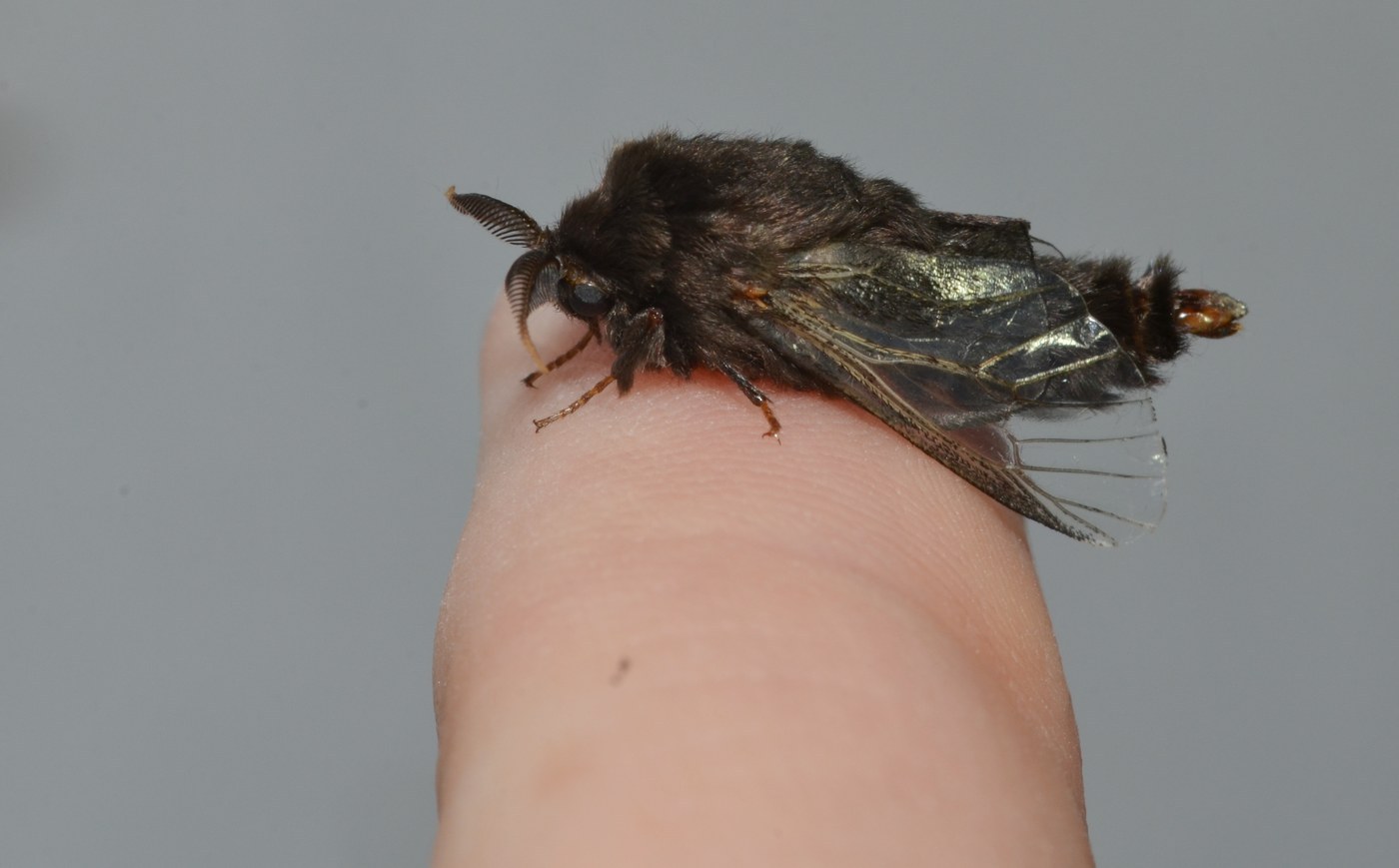
Bagworm Moth
Coniferous and deciduous trees, shrubs, hedges
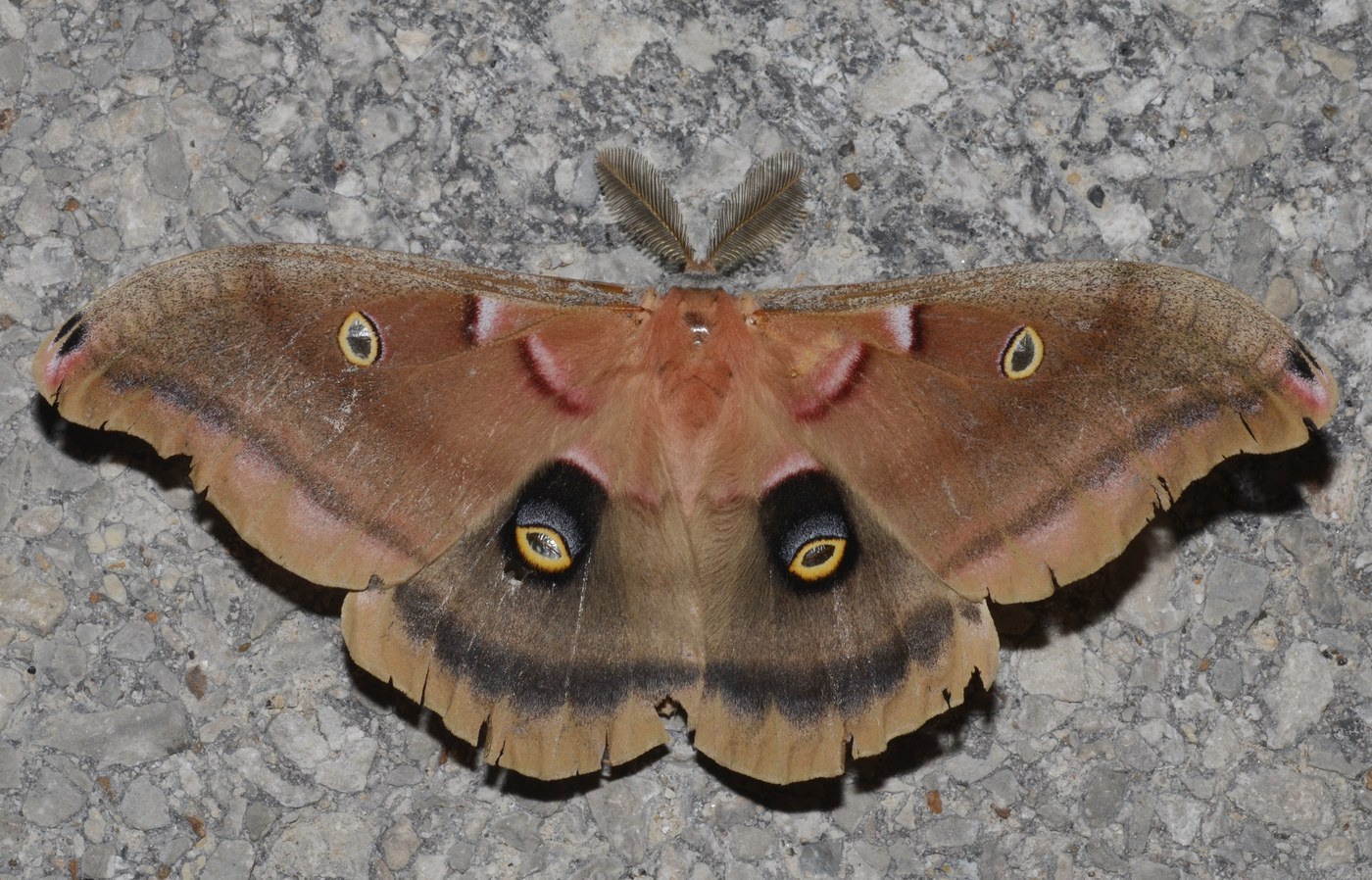
Antheraea Silkmoth
Deciduous forests, woodland edges, orchards
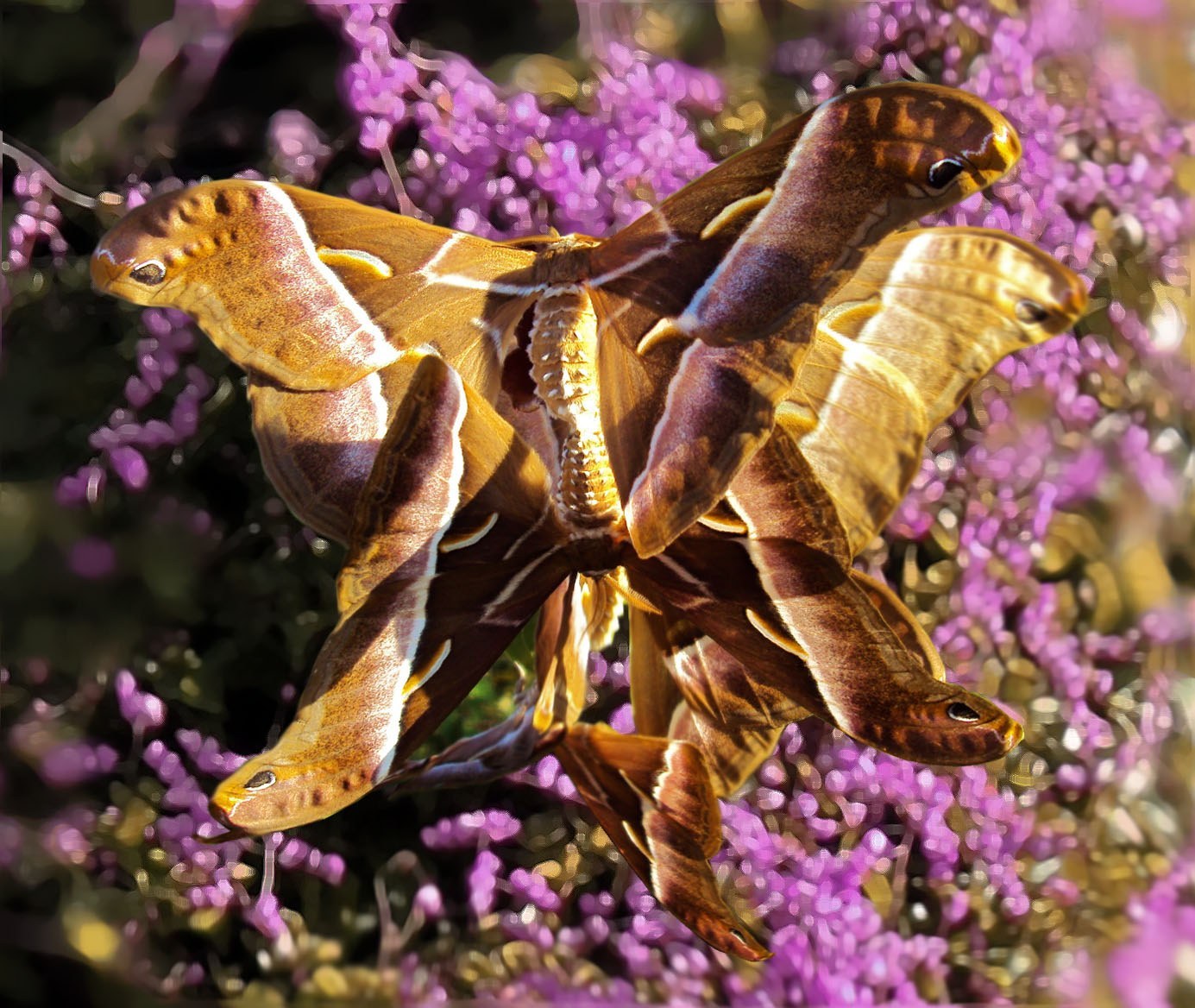
Ailanthus Silkmoth (Cynthia Moth)
Urban parks, wastelands, and woodland edges with tree-of-heaven; native to Asia, introduced in North America and Europe
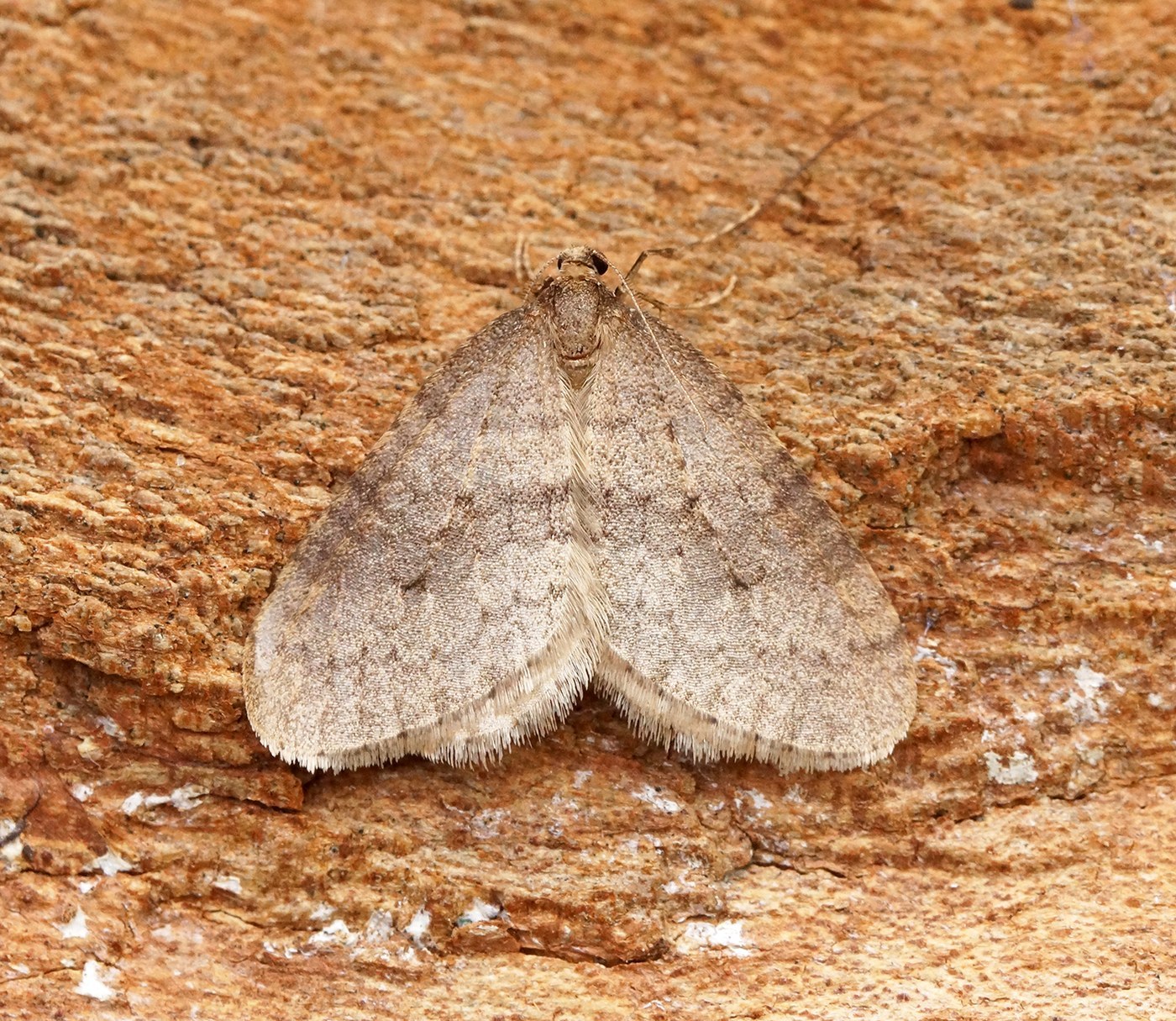
Winter Moth
Deciduous woodland, orchards, gardens, hedgerows
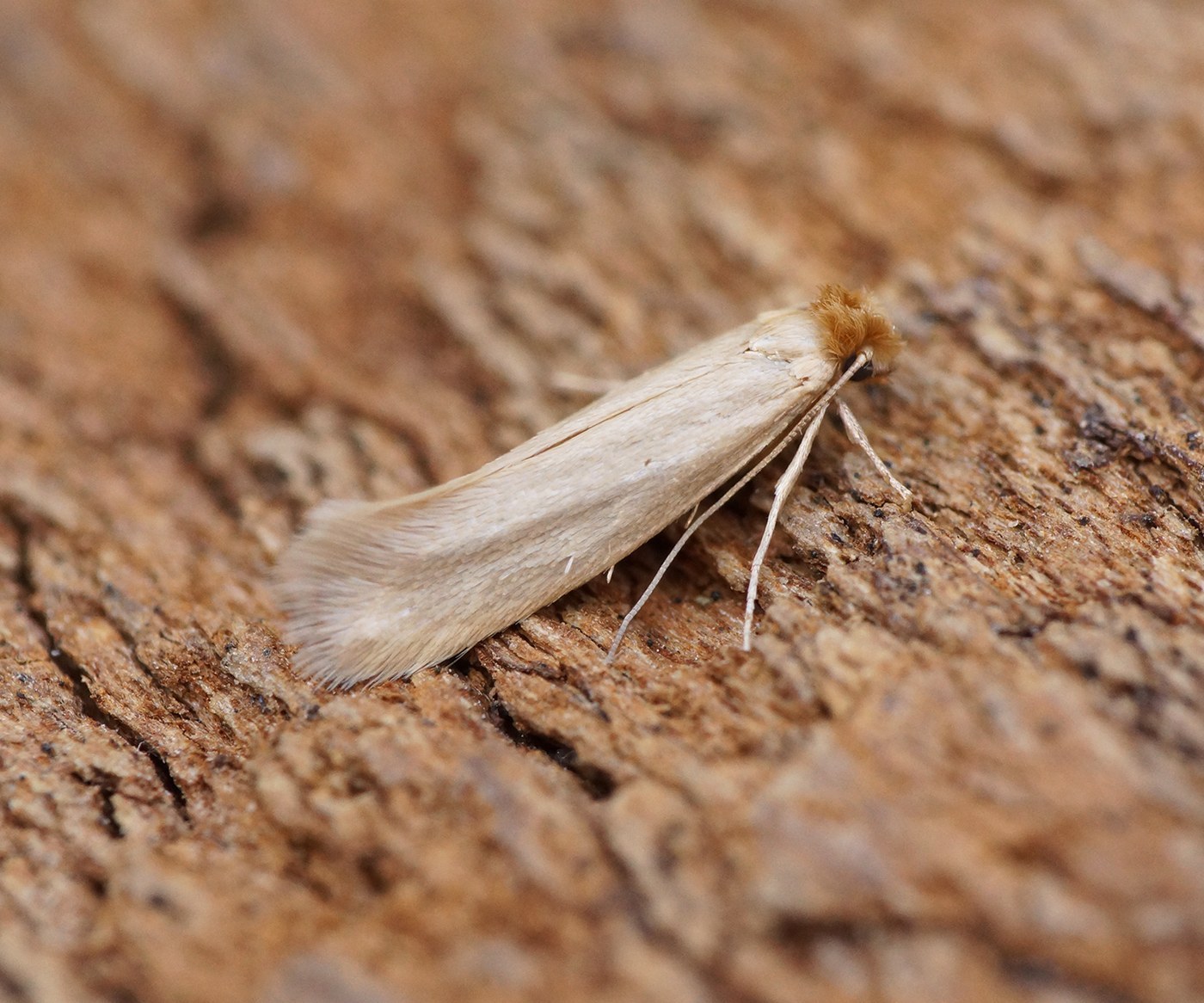
Webbing Clothes Moth
Dark closets, storage areas, and animal nests worldwide
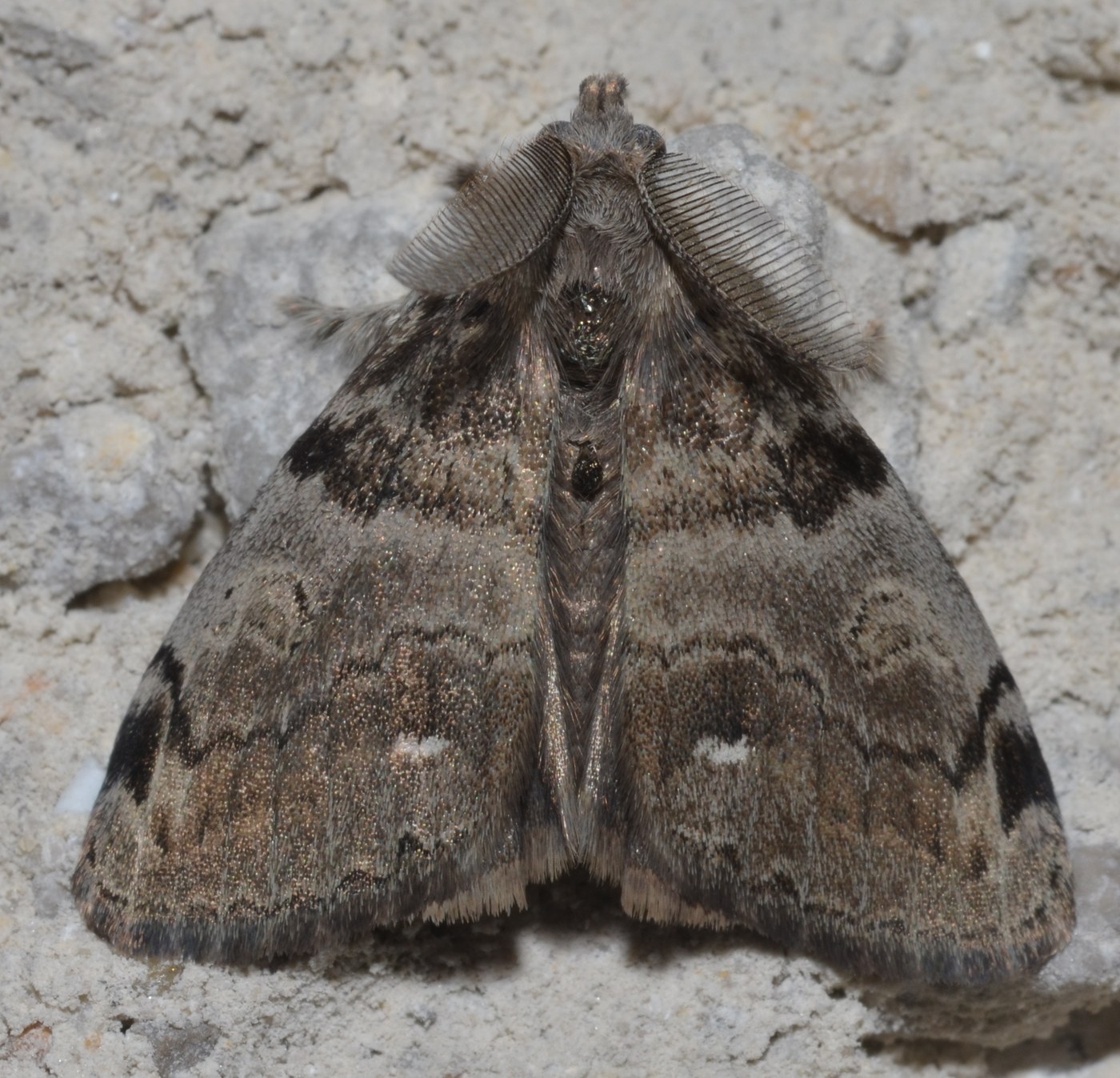
Tussock Moth
Deciduous forests, parks, gardens
Wax Moth
Beehives, apiaries, stored beeswax and comb
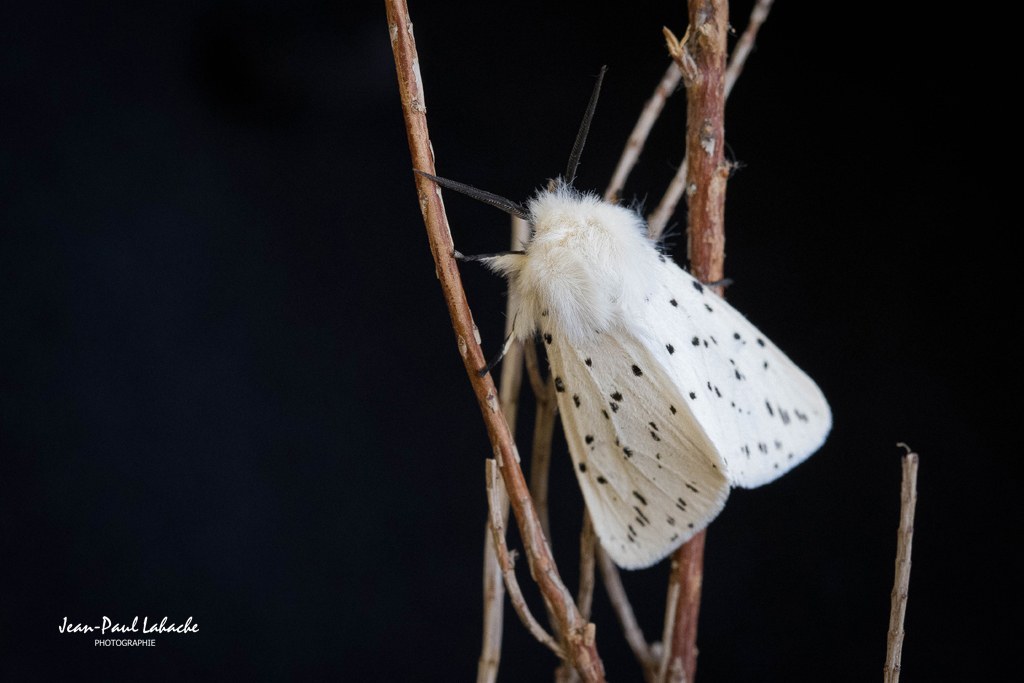
White Ermine Moth
Gardens, meadows, hedgerows
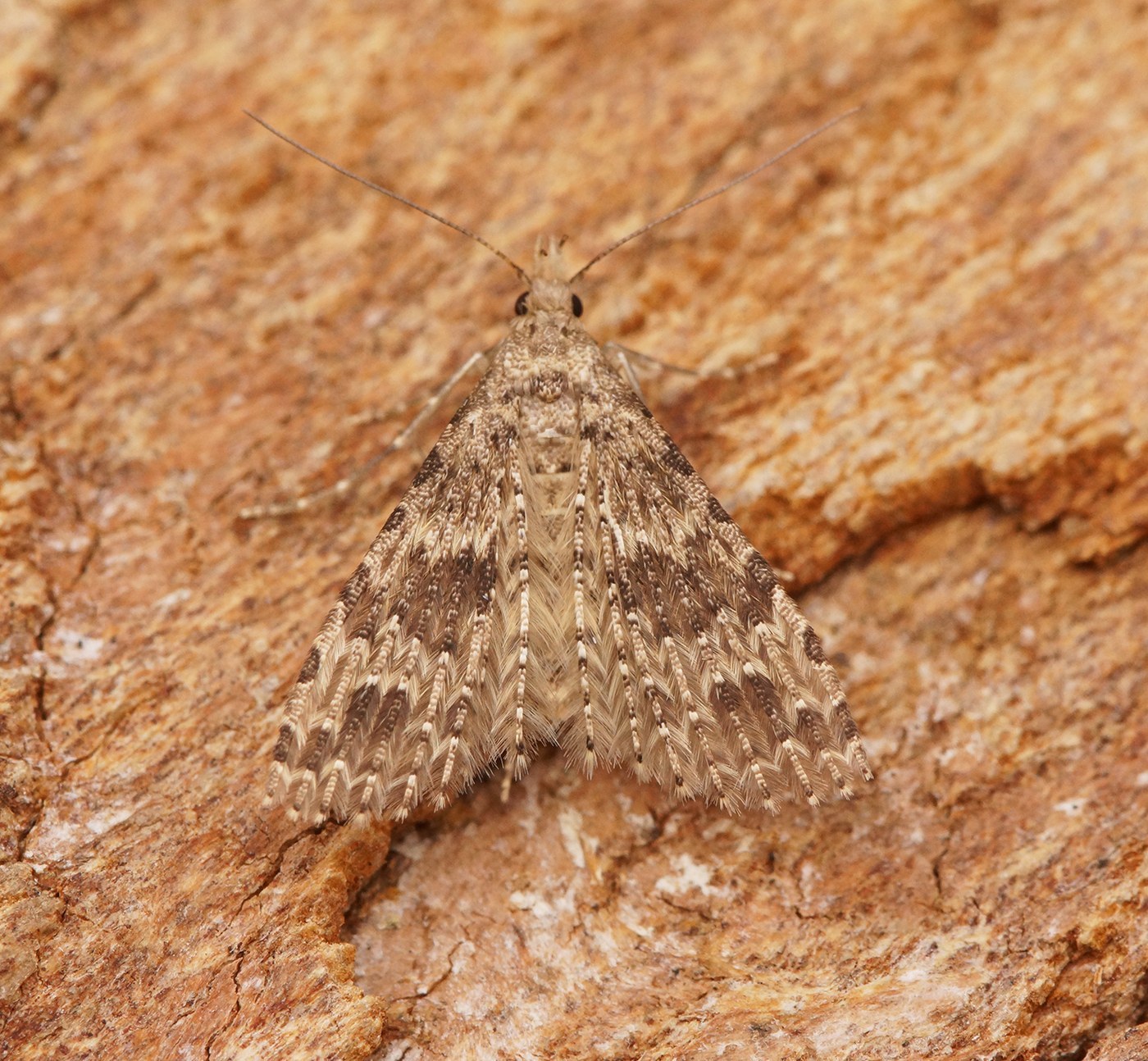
Twenty-plume Moth
Gardens, hedgerows, near honeysuckle
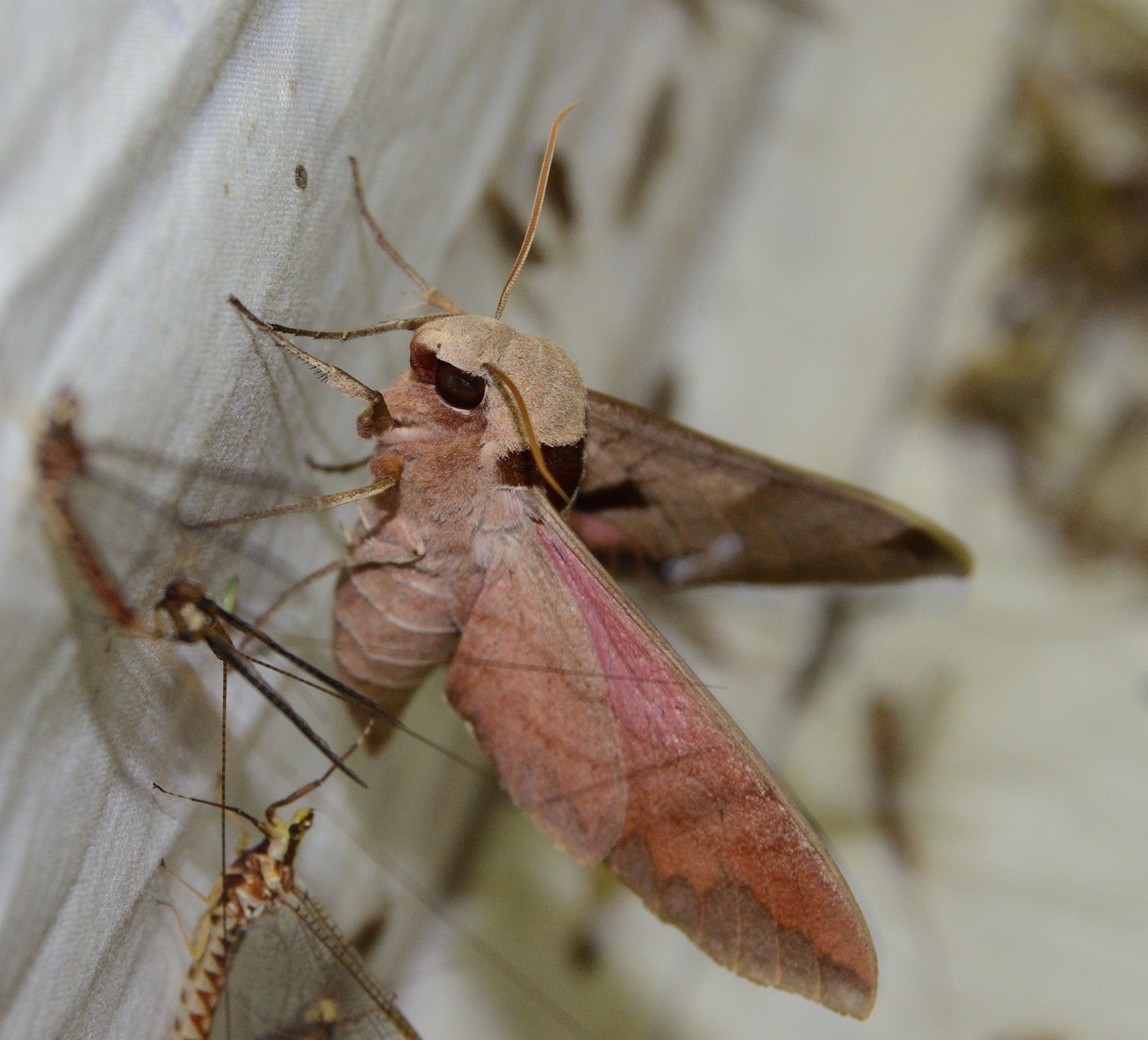
Achemon Sphinx Moth
Vineyards, woodland edges, gardens with wild grape
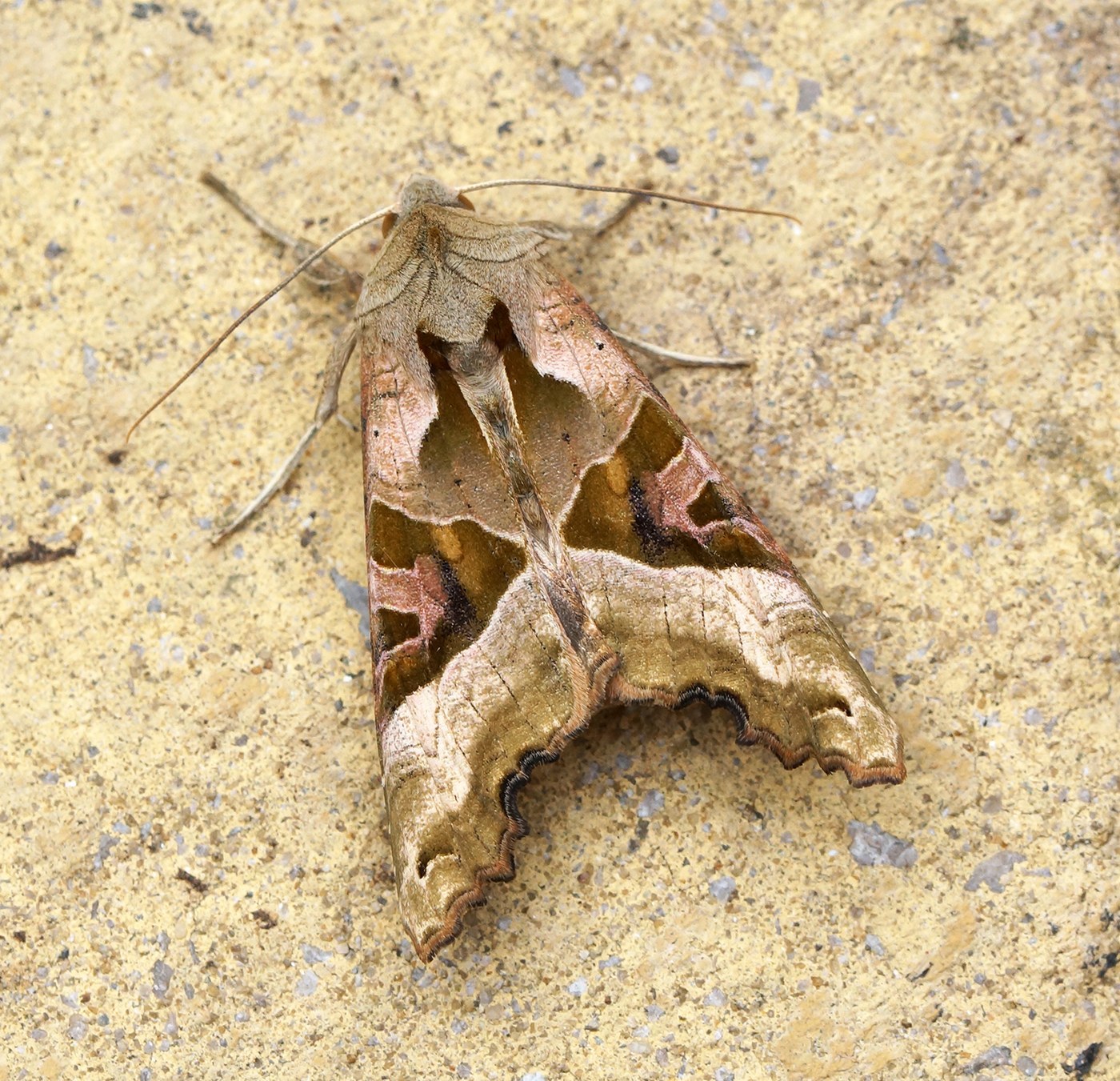
Angle Shades Moth
Gardens, hedgerows, woodland edges, urban parks
Atlas Moth
Tropical and subtropical lowland forests of Southeast Asia