
Stinging Rose Caterpillar
Parasa indetermina
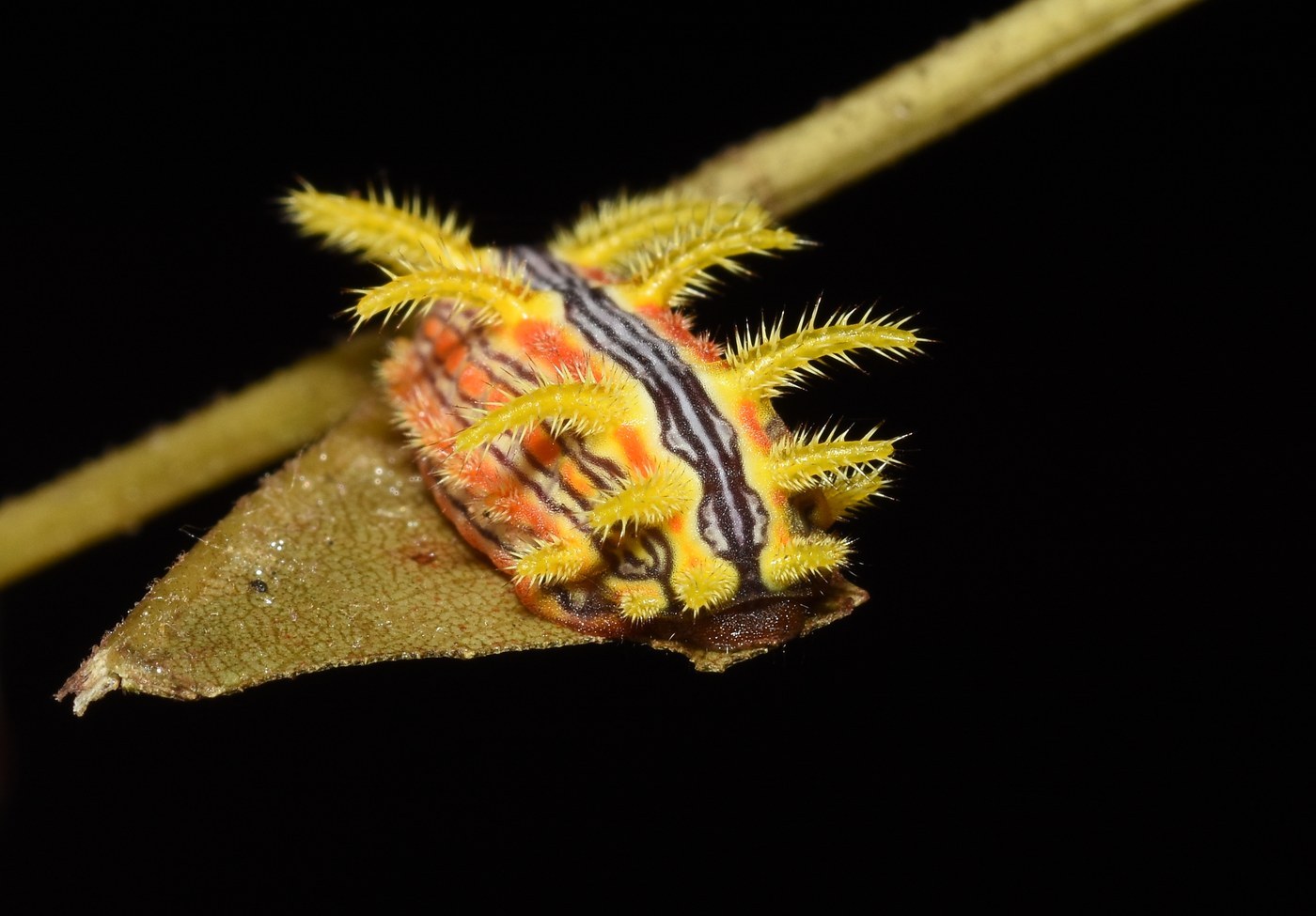
A boldly striped slug caterpillar in candy-like tones of yellow, orange, and purple, crowned with tufted spine clusters that can sting on contact.
- Size
- About 0.8-1 in (2-2.5 cm) long
- Habitat
- Gardens and woodlands with rose, dogwood, or oak
- Danger
- Stings
Spotted a bug like this?
Identify any bug or insect from a photo, free.
Overview
The stinging rose caterpillar is one of the most colorful members of the slug caterpillar family, sporting vivid stripes of yellow, orange, and purplish-red arranged along its compact, flattened body. Despite the pretty name suggesting a link only to roses, this species feeds on a variety of woody garden and forest plants, including dogwood, oak, and maple, in addition to rose bushes.
Like its close relatives in the slug caterpillar family, it moves with a smooth, gliding crawl and is armed with tufted spine clusters used purely in defense against predators and disturbance.
How to Identify
- Compact, oval, slightly flattened body typical of slug caterpillars
- Bold longitudinal stripes in combinations of yellow, orange, and deep purple or maroon run the length of the body
- Four prominent tufted clusters of branching spines sit near the front and rear of the body, with smaller spine clusters along the sides
- Head and legs are hidden beneath the body
- Moves with a smooth, gliding motion rather than a typical crawl
- Similar to the spiny oak-slug caterpillar but generally more vividly striped and with more pronounced spine tufts
Habitat & Range
This species is found throughout much of the eastern and southeastern United States, in gardens, woodland edges, and mixed forests. Caterpillars appear from summer into early fall, feeding on the leaves of rose, dogwood, oak, maple, and several other woody plants.
Behavior & Diet
The caterpillar feeds on the foliage of a range of woody shrubs and trees, occasionally drawing attention as a minor pest on ornamental roses and landscape plants. Its tufted clusters of branching spines carry hairs that can sting in defense if the caterpillar is brushed against, serving as a deterrent to birds and other predators. As with other slug caterpillars, its reduced prolegs give it a distinctive smooth gliding movement across leaf surfaces.
Life Cycle
Females lay flat, pale eggs in small clusters on host plant leaves. Larvae hatch and pass through several instars over the summer, developing their bright striped pattern and spine tufts as they grow. The mature caterpillar spins a tough, rounded brown cocoon, typically attached to bark or another sheltered surface, where it overwinters. It emerges as an adult moth the following season, usually producing one generation per year across most of its range.
Frequently asked questions
Does the stinging rose caterpillar only feed on roses?
No, despite its name it also feeds on dogwood, oak, maple, and other woody plants in addition to rose bushes.
Can this caterpillar sting?
Yes, its tufted spine clusters carry hairs that can sting in defense if the caterpillar is touched.
How is it different from other slug caterpillars?
It is distinguished by its bold yellow, orange, and purple stripes combined with four prominent spine tufts near the front and rear of the body.
How does it move without visible legs?
Like other slug caterpillars, it has greatly reduced prolegs hidden beneath its body, allowing it to glide smoothly across leaves.
Stinging Rose Caterpillar guides
In-depth guides for identifying, understanding, and living alongside Stinging Rose Caterpillar.
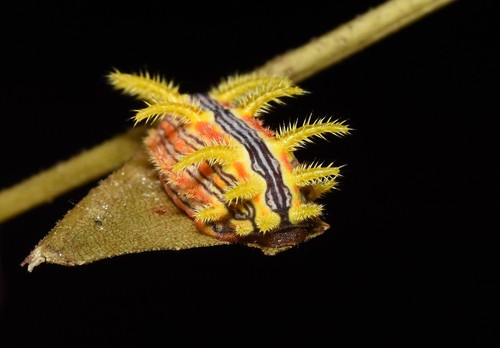
Stinging Rose Caterpillar identified by the community
Real finds identified with Bug Identifier.


Other bugs you may enjoy
Bagworm
Trees and shrubs, especially conifers and ornamental landscaping
Armyworm
grasslands, pastures, and cereal crop fields
Zebra Longwing Caterpillar
Tropical and subtropical hammocks with passionflower vines
Tomato Hornworm
Gardens and fields with tomato, pepper, and other nightshade plants
Tent Caterpillar
Deciduous trees such as cherry, apple, and other rosaceous species
Tobacco Hornworm
tobacco, tomato, and pepper plants in gardens and fields
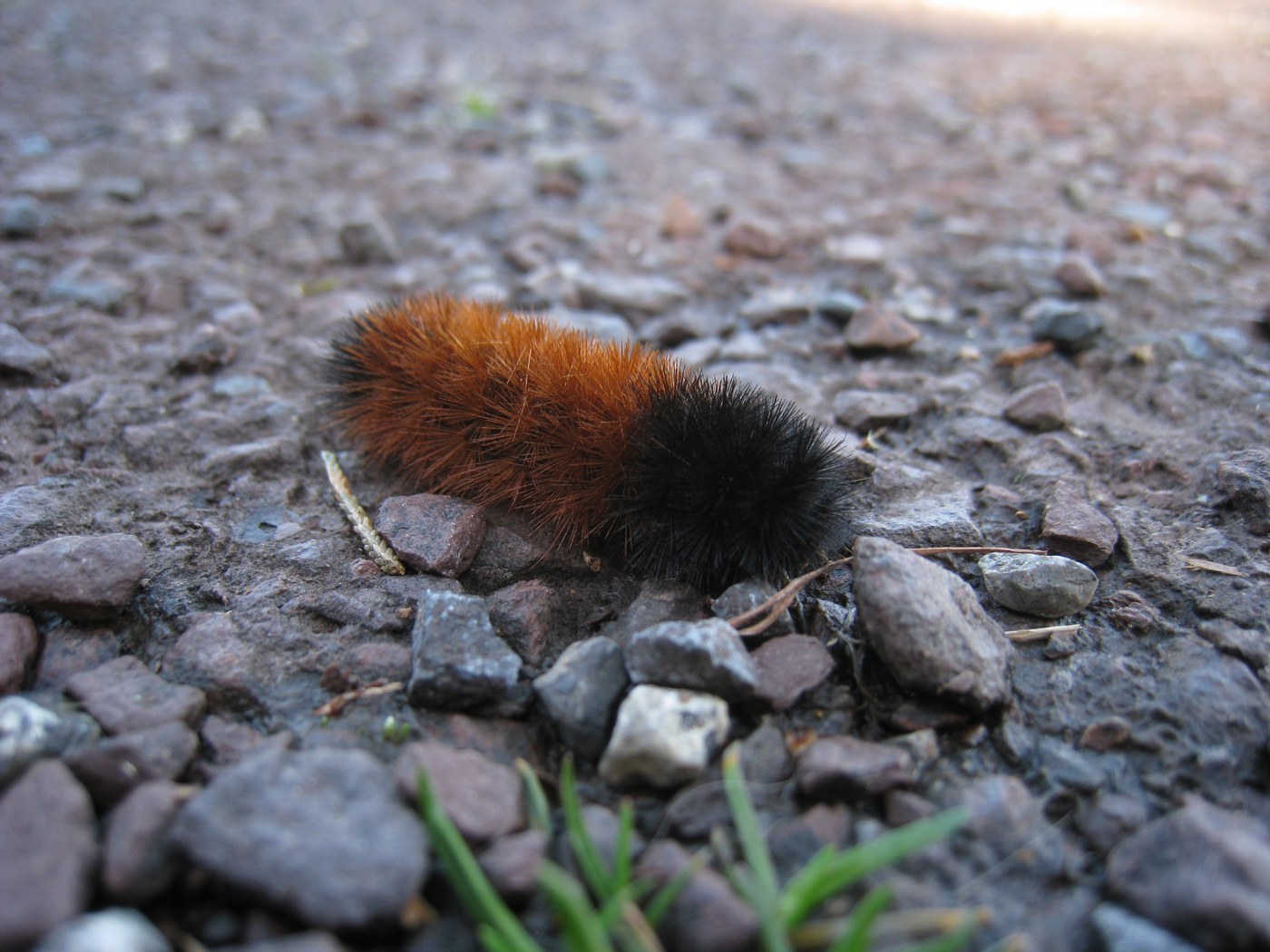
Woolly Bear Caterpillar
Gardens, meadows, roadsides, and woodland edges across North America
Sod Webworm
Turfgrass lawns, golf courses, pastures
Spiny Oak-slug Caterpillar
Deciduous forests and woodland edges with oak and other hardwoods
Saddleback Caterpillar
Deciduous trees and shrubs in eastern and southern North America
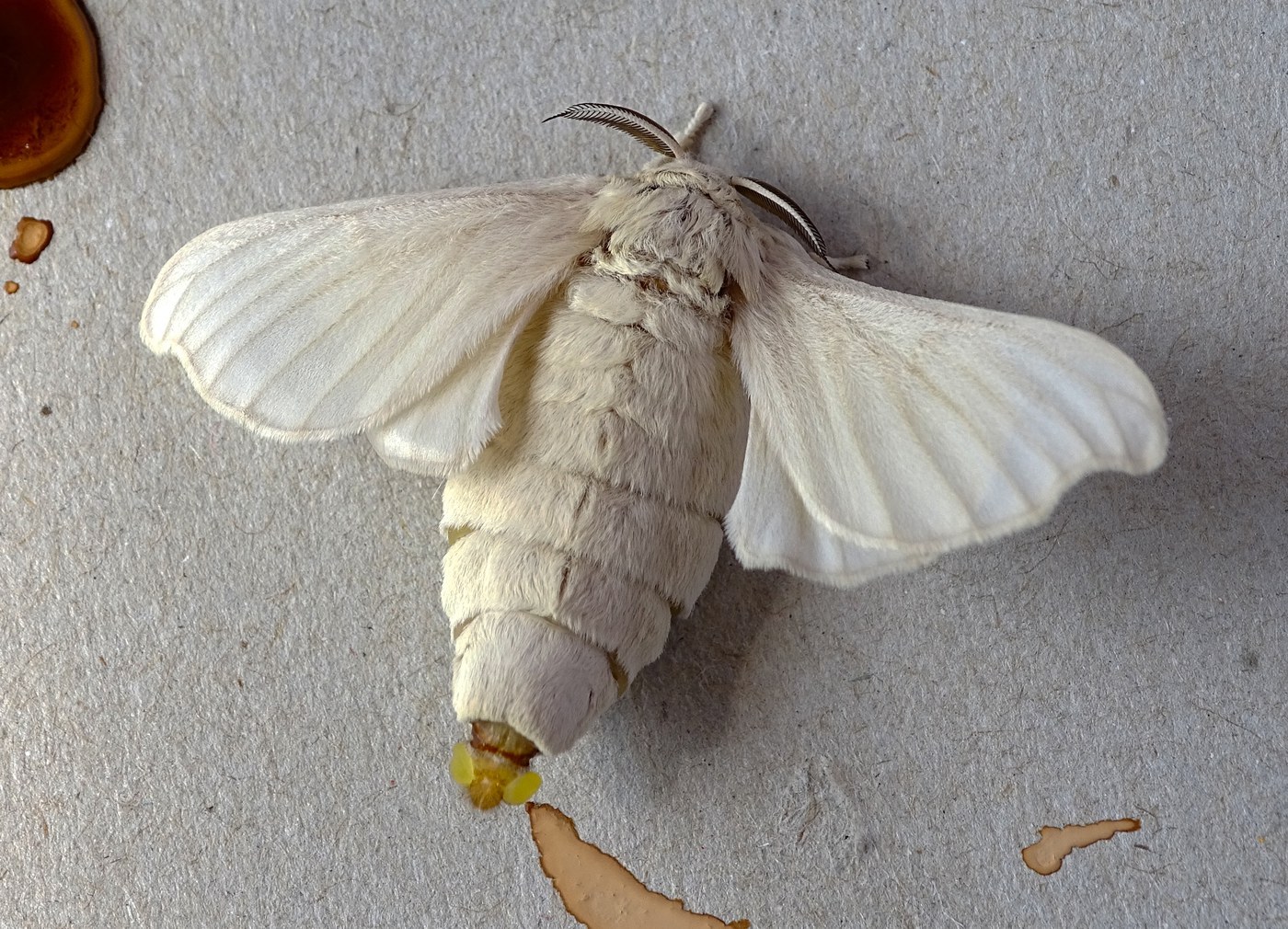
Silkworm
Reared exclusively in captivity on mulberry leaves; no independent wild population
Spicebush Swallowtail Caterpillar
Woodlands and thickets with spicebush or sassafras