
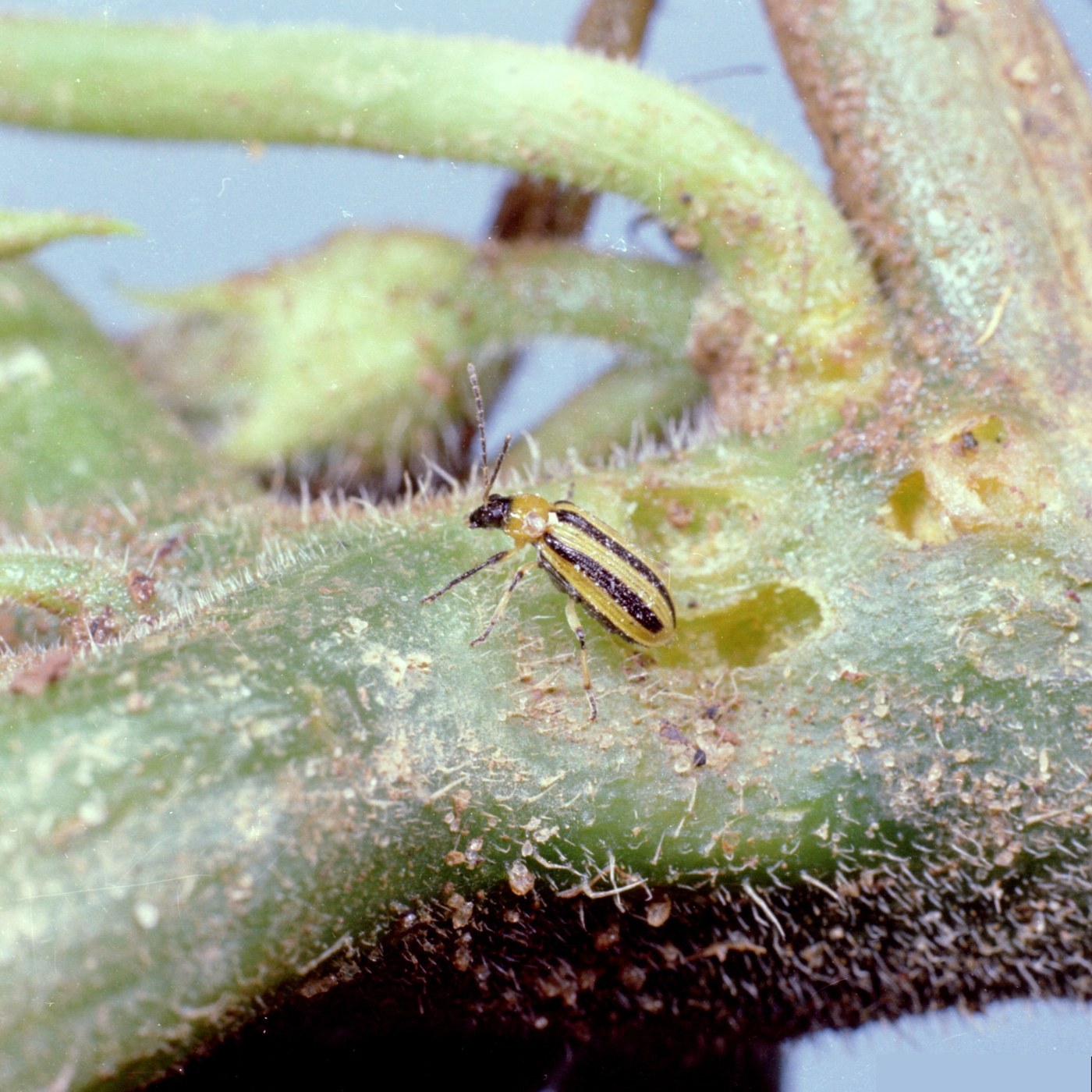
Striped Cucumber Beetle
Acalymma vittatum
A small, bright yellow beetle marked with three bold black stripes running the length of its wing covers, a frequent and highly visible visitor to cucumber, squash, and melon plants.
- Size
- 5–6 mm
- Habitat
- Vegetable gardens and fields growing cucumbers, squash, and melons
- Danger
- Nuisance pest
Spotted a bug like this?
Identify any bug or insect from a photo, free.
Overview
The striped cucumber beetle is a small, brightly colored leaf beetle in the family Chrysomelidae that is closely associated with cucurbit crops such as cucumbers, squash, melons, and pumpkins. Its cheerful yellow-and-black striped pattern makes it one of the easiest garden beetles to identify at a glance.
The species belongs to the subfamily Galerucinae, the same broad group as the spotted cucumber beetle, and the two are often found together on the same host plants, feeding on leaves, flowers, and developing fruit throughout the growing season.
Beyond its role as a common garden insect, the striped cucumber beetle is notable in agricultural entomology for its close, specialized relationship with cucurbit plants, which it locates using specific plant chemical cues unique to that plant family.
How to Identify
- Adult: 5–6 mm, narrow and elongated body, bright yellow overall with three bold black longitudinal stripes running down the length of the elytra.
- Head is black, and the pronotum is yellow, unmarked or lightly marked.
- Legs and antennae are dark, contrasting sharply with the yellow body.
- Lookalikes: distinguished from the spotted cucumber beetle by its striped rather than spotted pattern, and from western corn rootworm adults, which are more elongated and less vividly striped.
Habitat & Range
Common throughout the eastern and central United States and southern Canada, closely tied to gardens, market farms, and fields where cucumbers, squash, melons, and pumpkins are grown. Adults appear early in the growing season, often as soon as cucurbit seedlings emerge, and remain active through summer into early fall.
Behavior & Diet
Adults feed on the leaves, flowers, stems, and fruit rind of cucurbit plants, and are strongly attracted to specific chemical compounds produced by these plants, often arriving on seedlings within days of germination. Larvae live in the soil and feed on the roots and lower stems of cucurbit plants. This beetle is a specialist herbivore of the cucurbit family and is a common and closely studied insect in vegetable-growing regions.
Life Cycle
Females lay eggs in soil cracks near the base of cucurbit plants, and the larvae hatch and feed on roots and stems below ground for several weeks. After completing development, larvae pupate in the soil, and adults emerge to feed on foliage and mate. The species typically produces one to two generations per year, with adults overwintering in plant debris, leaf litter, or protected soil crevices.
Frequently asked questions
How is it different from the spotted cucumber beetle?
It has three solid black stripes running the length of its yellow wing covers, while the spotted cucumber beetle has black spots instead of stripes.
What plants does it prefer?
It strongly prefers cucurbit family plants, including cucumbers, squash, melons, and pumpkins, and is drawn to them by specific plant chemical cues.
When do adults first appear?
Adults often appear very early in the season, sometimes attacking cucurbit seedlings within days of them sprouting.
Where do the larvae live?
Larvae develop in the soil, feeding on the roots and lower stems of cucurbit plants.
Striped Cucumber Beetle guides
In-depth guides for identifying, understanding, and living alongside Striped Cucumber Beetle.
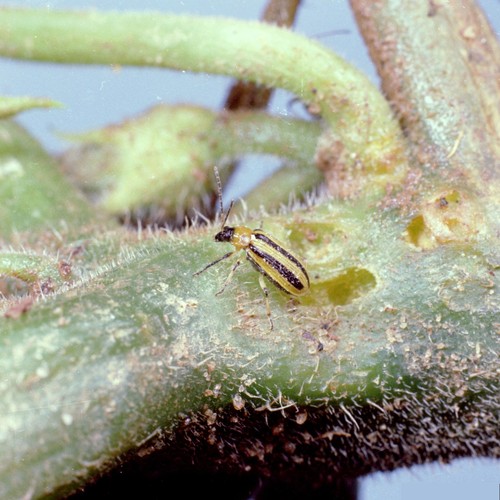
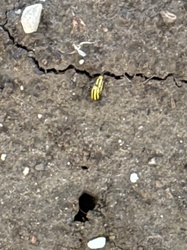
Striped Cucumber Beetle identified by the community
Real finds identified with Bug Identifier.
Other bugs you may enjoy
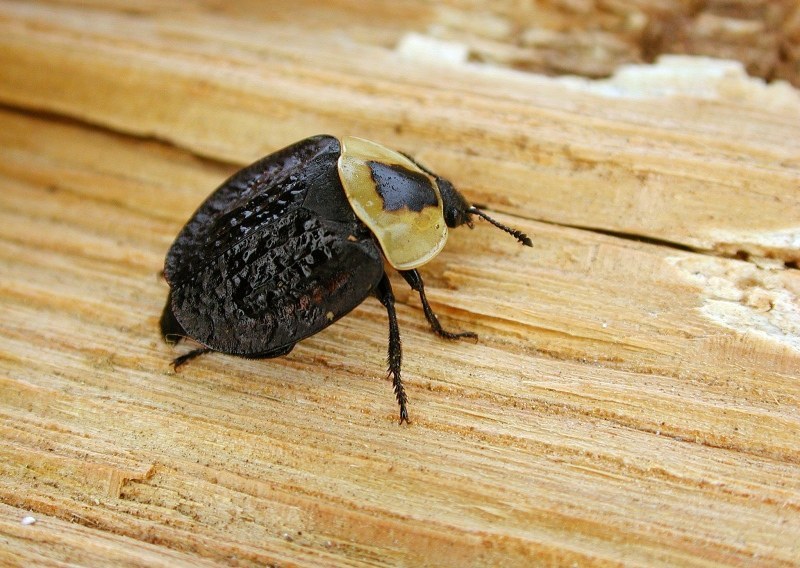
American Carrion Beetle
Forests, fields, and roadsides across North America, near decaying animal carcasses
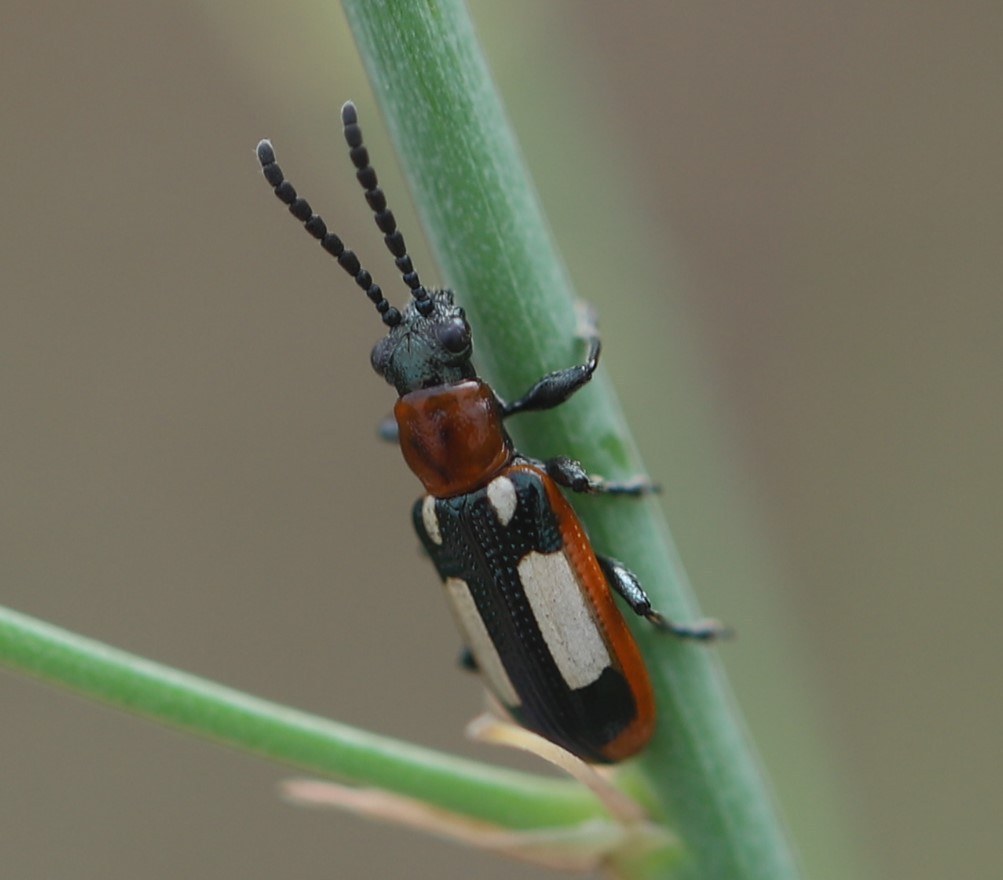
Asparagus Beetle
Asparagus patches, gardens, and farm fields
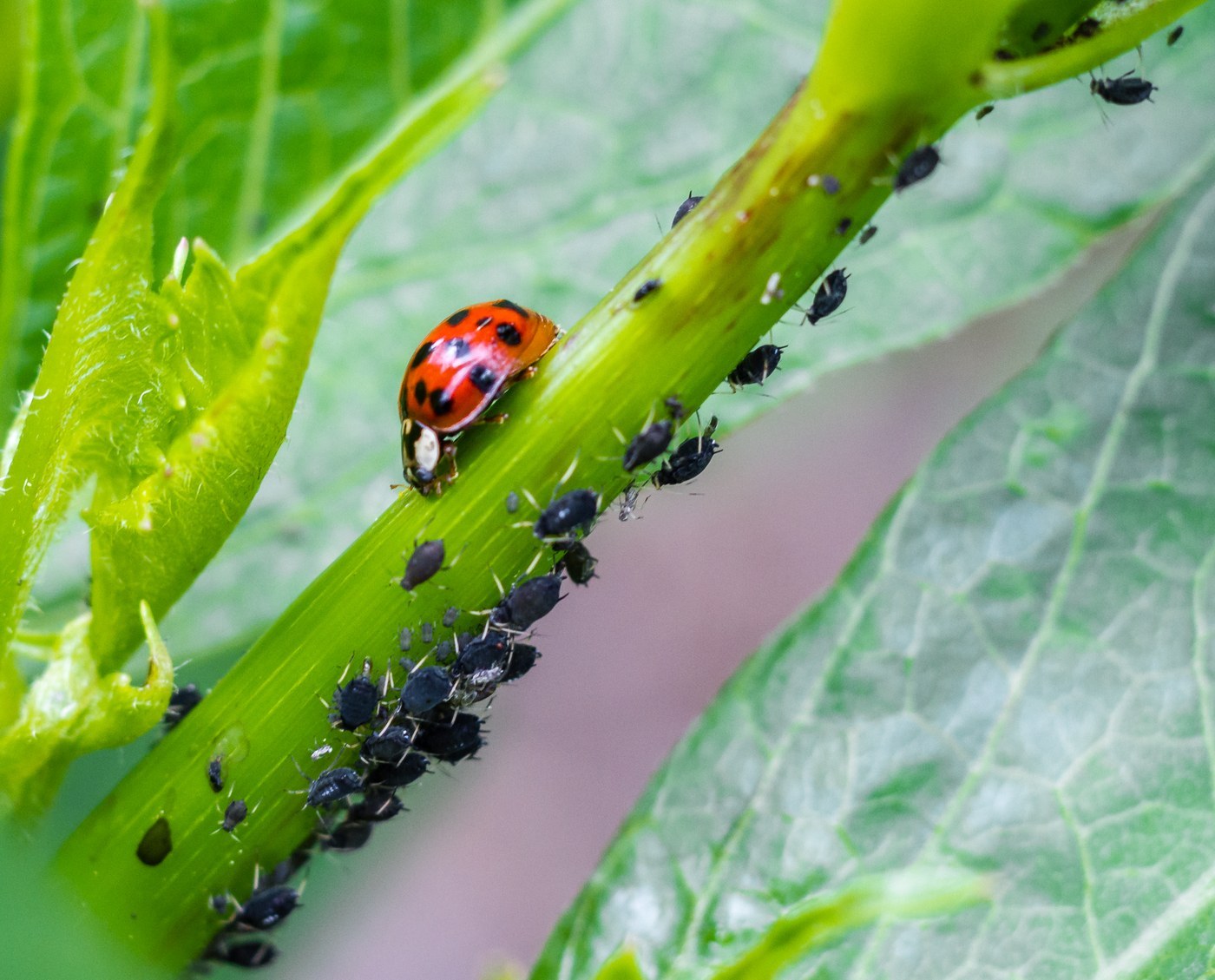
Asian Lady Beetle
Gardens, crop fields, woodlands, buildings
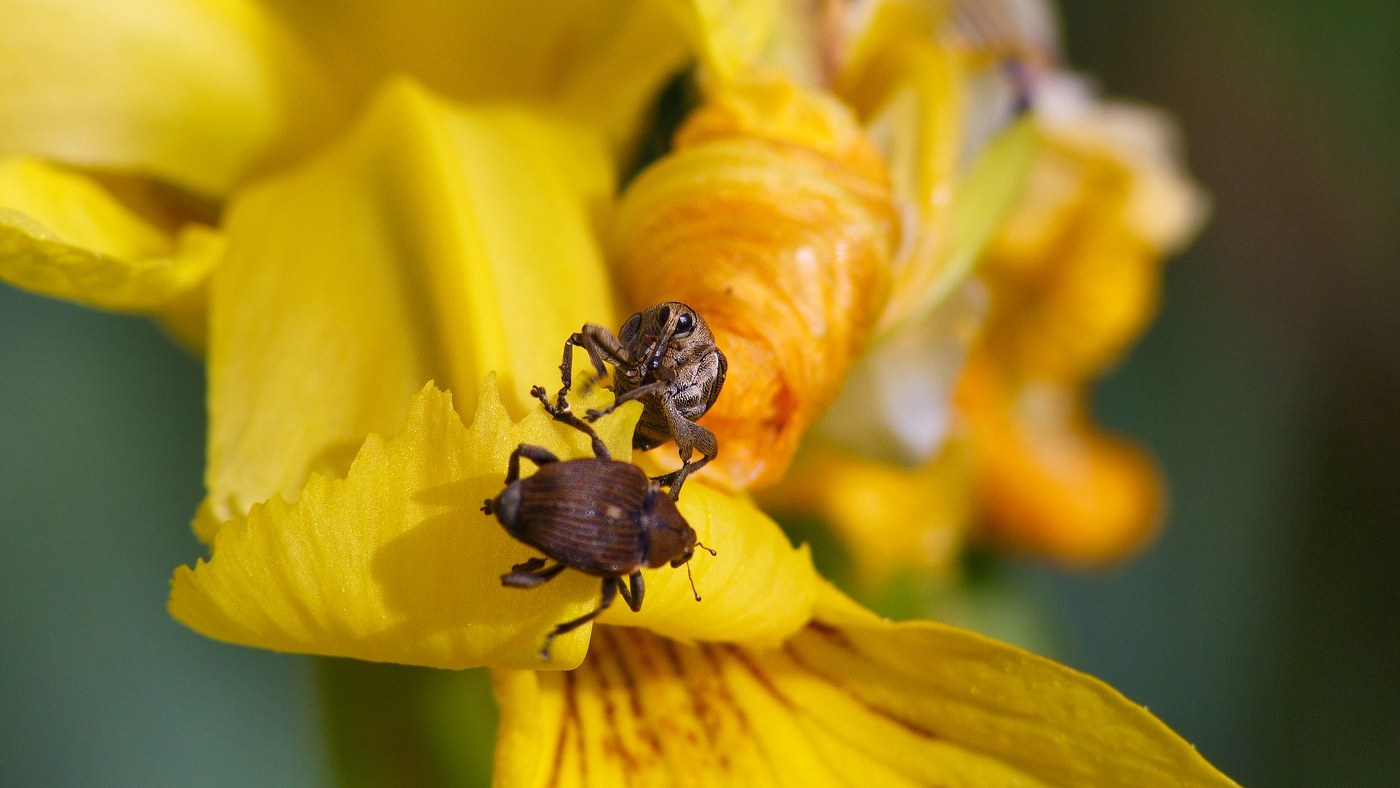
Acorn Weevil
Oak woodlands and forests, on and beneath oak trees
Wireworm
Soil of grasslands, gardens, and cultivated fields worldwide
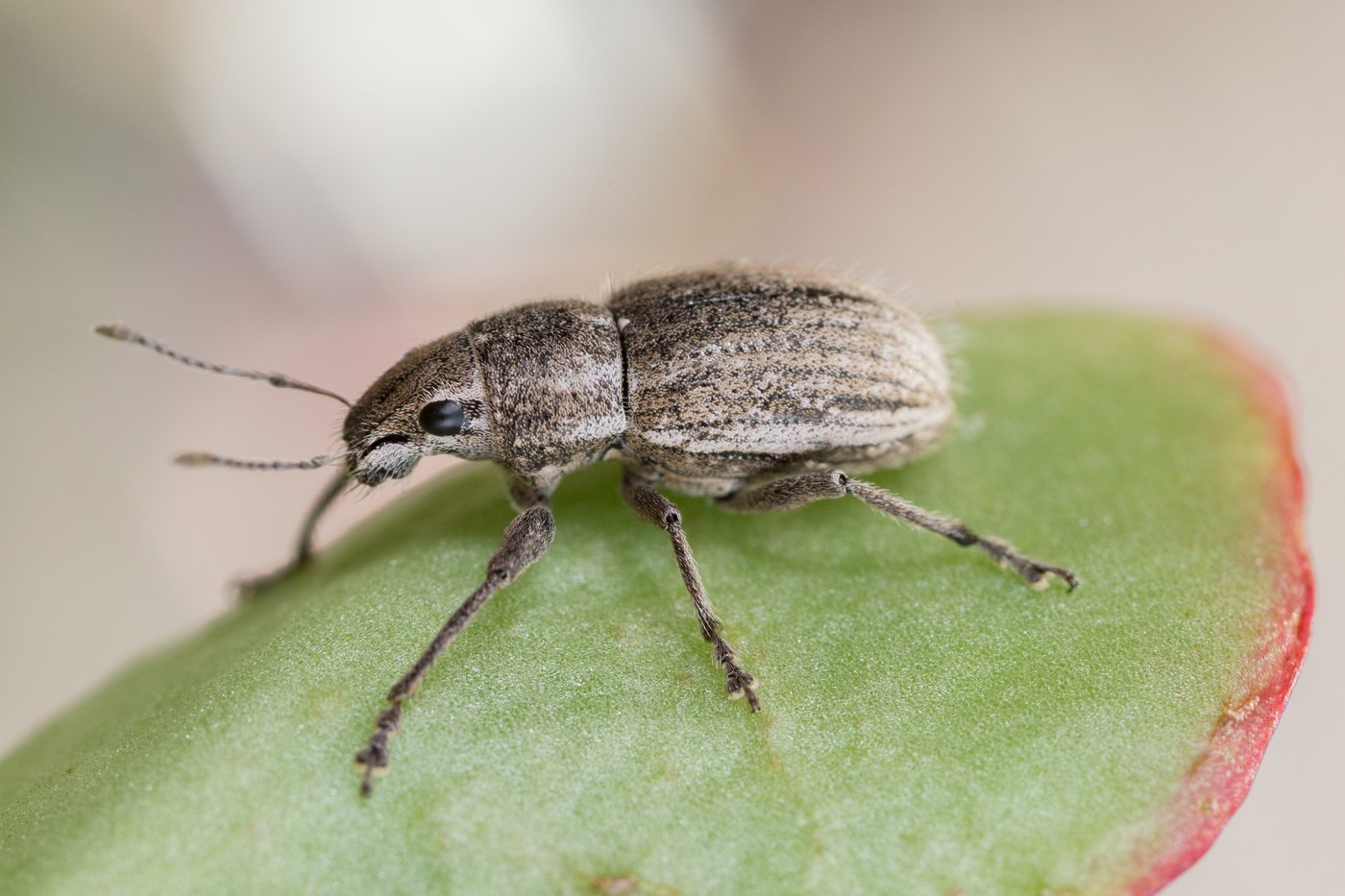
Whitefringed Beetle
Pastures, row crops, lawns, disturbed soils
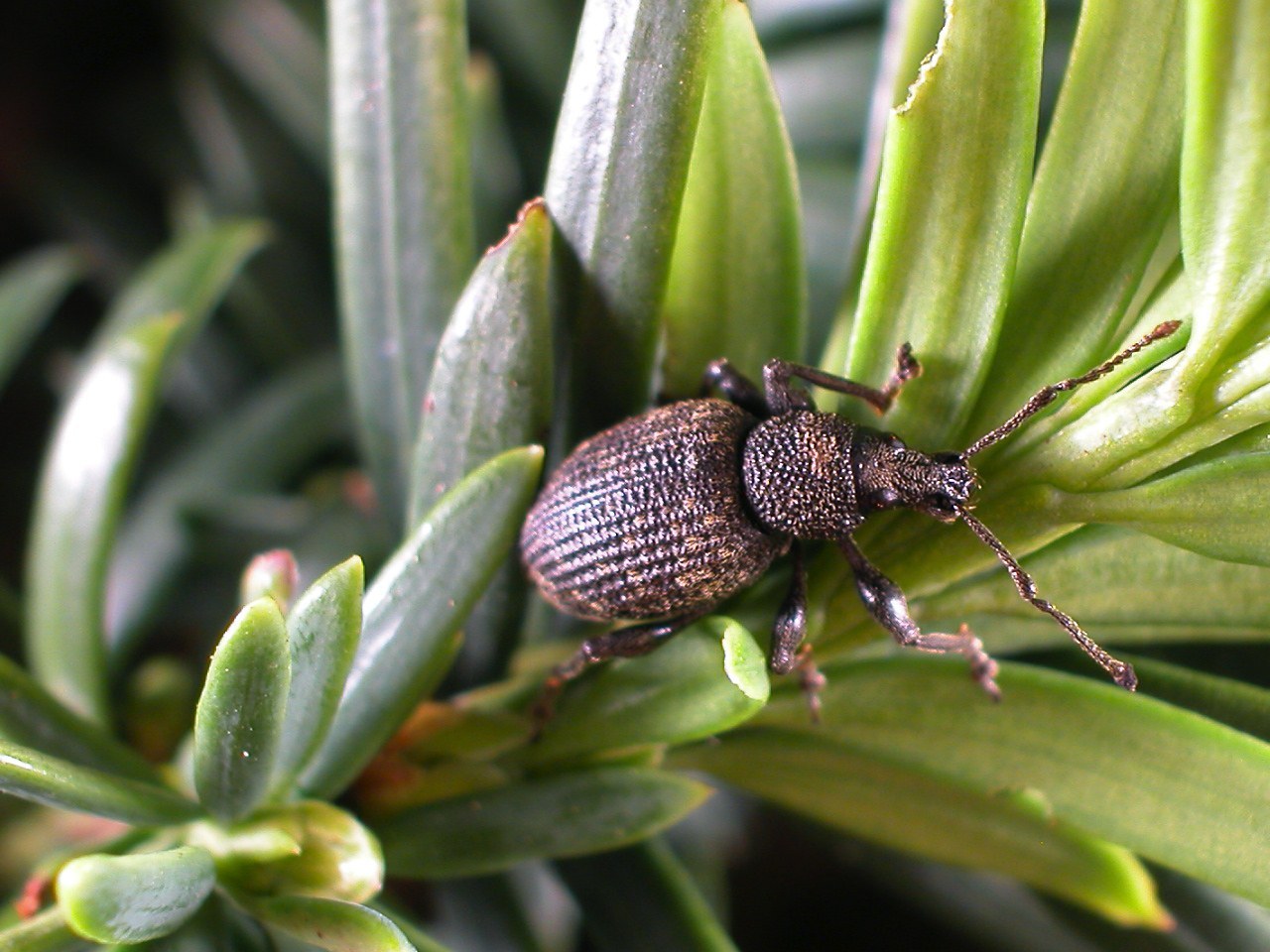
Vine Weevil
Gardens, nurseries, greenhouses, and container plantings
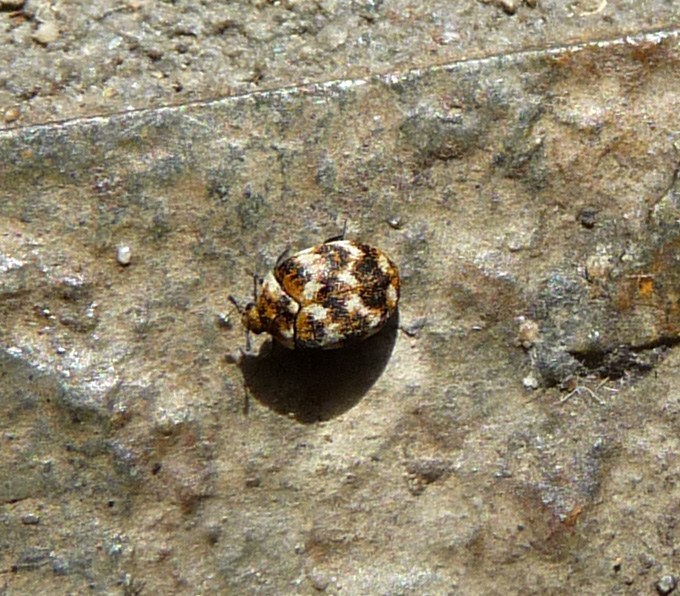
Varied Carpet Beetle
Homes, nests of birds and mammals, and flowers outdoors
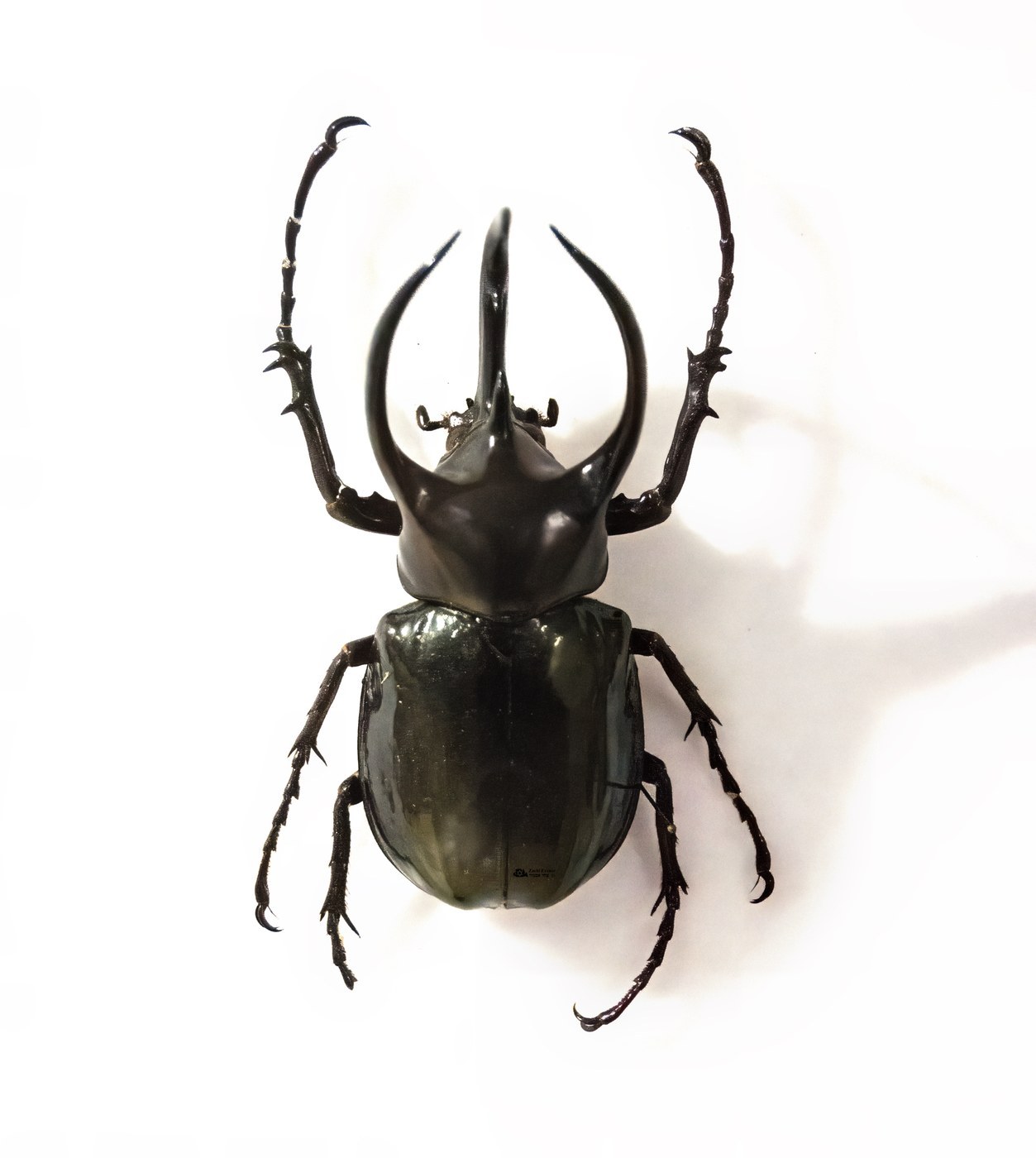
Atlas Beetle
Tropical forests of Southeast Asia
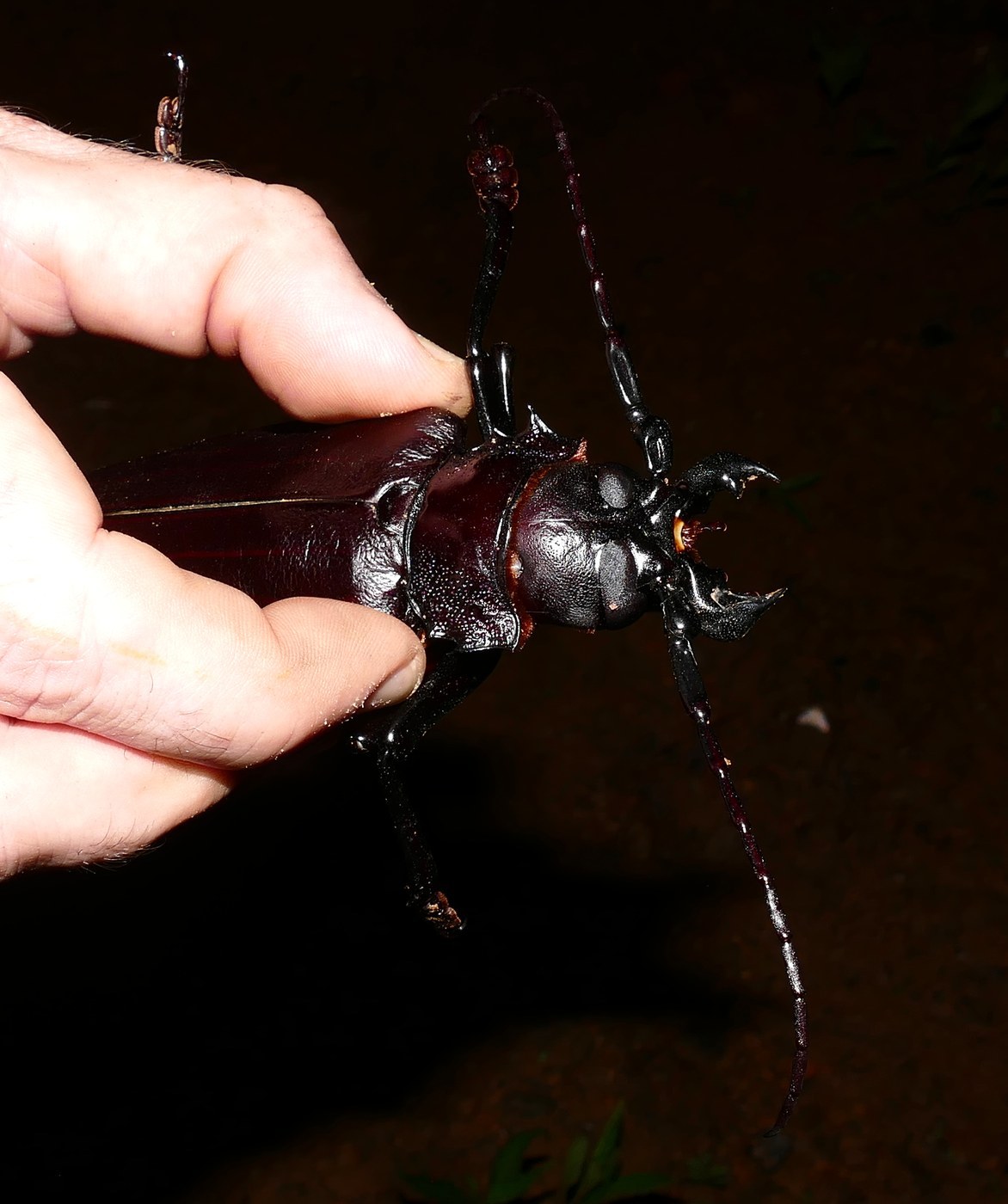
Titan Beetle
Amazon rainforest of South America
Ten-lined June Beetle
Sandy soils, pine forests, and orchards of western North America
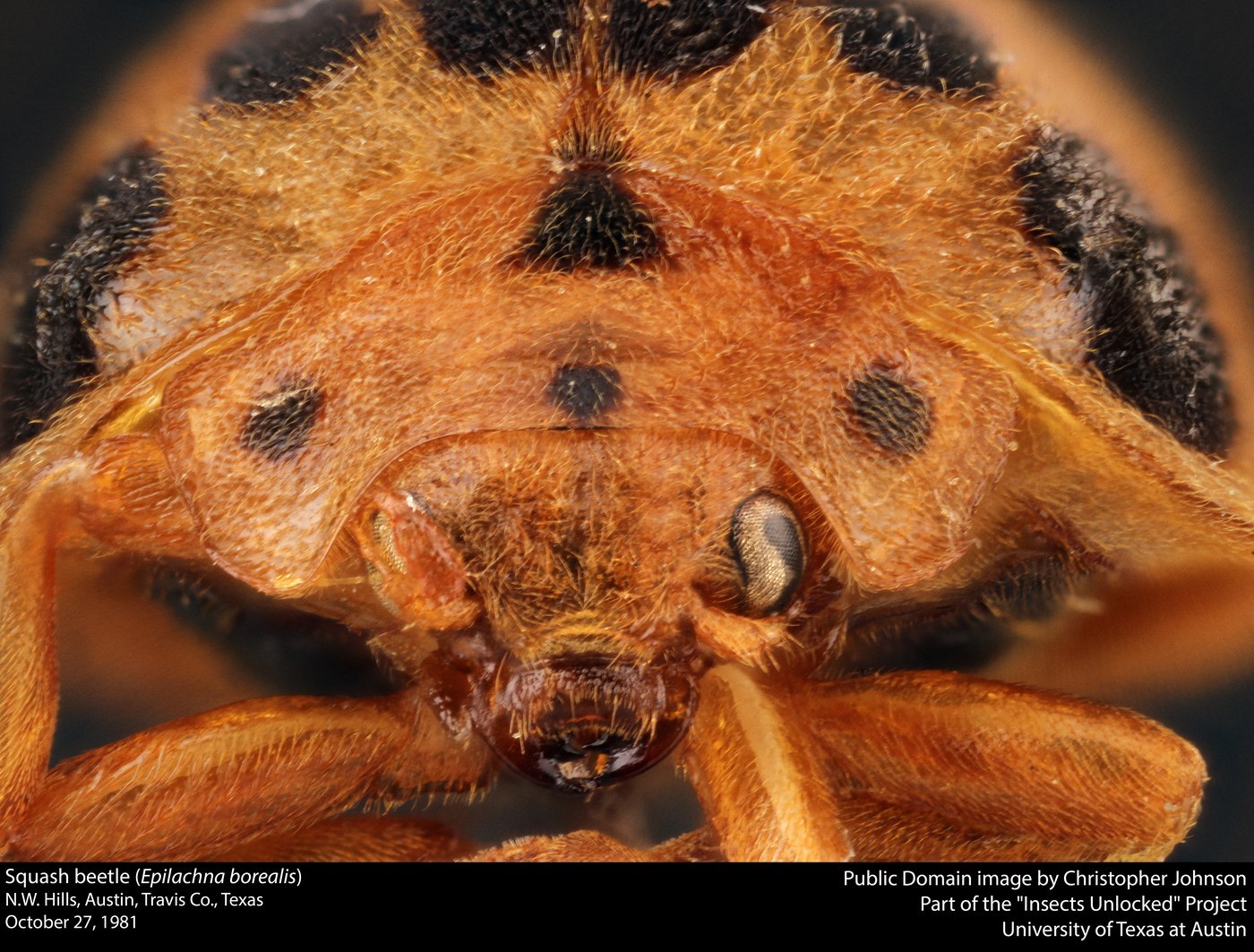
Squash Beetle
Vegetable gardens and fields growing squash, pumpkin, and other cucurbits