
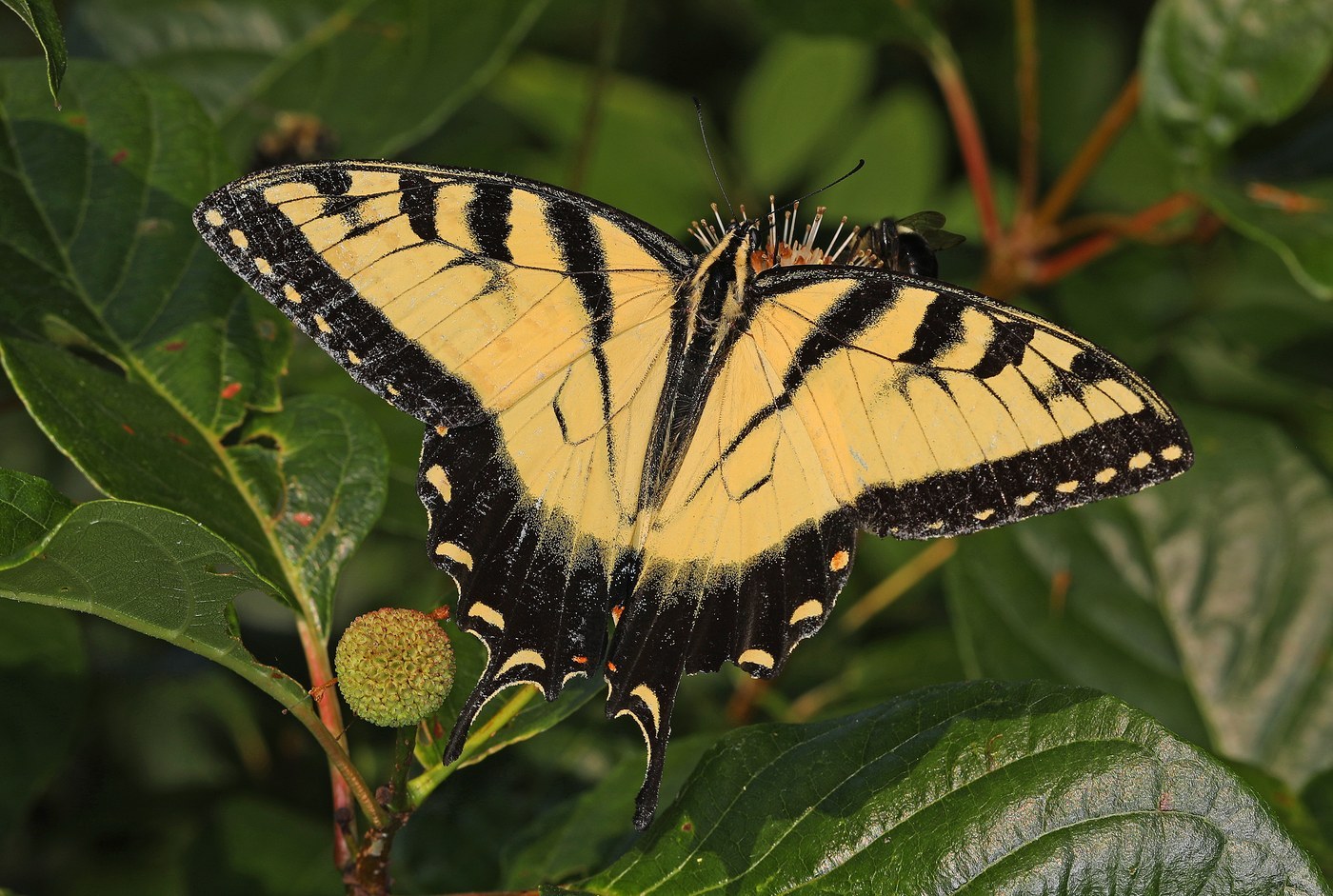
Swallowtail Butterfly
Papilio glaucus
A large, showy butterfly named for the elongated, tail-like extensions on its hindwings, often seen gliding gracefully around gardens and flowering meadows.
- Size
- 3–5.5 in wingspan
- Habitat
- Gardens, meadows, woodland edges, parks
- Danger
- Harmless
Spotted a bug like this?
Identify any bug or insect from a photo, free.
Overview
Swallowtail butterflies belong to the family Papilionidae, and the genus Papilio contains some of the largest and most recognizable butterflies in the world, including species like the eastern tiger swallowtail, Papilio glaucus, one of the most widespread and familiar in North America. The group is named for the distinctive tail projections extending from the hindwings of most species.
Swallowtails are considered among the most visually striking butterflies due to their large size, bold coloring, and graceful, gliding flight. As adults they are important pollinators of a wide range of wildflowers and garden plants, while their caterpillars often display remarkable defensive adaptations, including camouflage and false eyespots that make them resemble small snakes.
How to Identify
- Large butterfly with a wingspan typically ranging from 3 to 5.5 inches, among the biggest butterflies in many regions.
- Distinctive tail-like extensions projecting from the base of each hindwing.
- Wing colors and patterns vary by species, ranging from yellow with bold black tiger-stripes to solid black with blue and orange hindwing markings.
- Strong, broad wings and a graceful, often unhurried gliding flight pattern.
- Lookalike: different swallowtail species can resemble one another closely; look at the specific stripe pattern, hindwing spot colors, and tail length to distinguish species.
Habitat & Range
Swallowtail species are found on every continent except Antarctica, with many species common across North America in gardens, meadows, woodland edges, and along stream corridors. Adults are most active on warm, sunny days from spring through late summer, frequently visiting nectar-rich flowers.
Behavior & Diet
Adult swallowtails feed on nectar from a wide variety of flowers, using a long proboscis to reach deep into blossoms, making them valuable pollinators. Males of many species patrol favored areas or hilltops in search of mates, while females seek out specific host plants on which to lay eggs. Their caterpillars often rely on camouflage, resembling bird droppings when young, and later develop eyespot markings and, in some species, a retractable orange forked gland used as a startle defense against predators.
Life Cycle
Swallowtail butterflies undergo complete metamorphosis. Eggs are laid singly on the leaves of specific host plants and hatch within about a week into caterpillars that feed and molt through five stages over several weeks. The mature caterpillar forms a chrysalis attached to a stem or nearby structure by silk threads, from which the adult emerges after one to two weeks in summer generations; northern populations typically produce one to three generations per year, overwintering as a chrysalis.
Frequently asked questions
Why do swallowtail butterflies have tails on their wings?
The tail-like extensions may help redirect a predator's attack away from the vulnerable body toward the wing edge, though their exact function can vary by species.
How big do swallowtail butterflies get?
Most species have a wingspan between 3 and 5.5 inches, making them among the largest butterflies in their range.
What do swallowtail caterpillars look like?
Young caterpillars often resemble bird droppings for camouflage, while older caterpillars typically turn green with false eyespots near the head.
Where is the best place to see swallowtail butterflies?
Look in gardens, meadows, and along woodland edges with abundant nectar flowers, especially on warm, sunny days.
Swallowtail Butterfly guides
In-depth guides for identifying, understanding, and living alongside Swallowtail Butterfly.
Other bugs you may enjoy
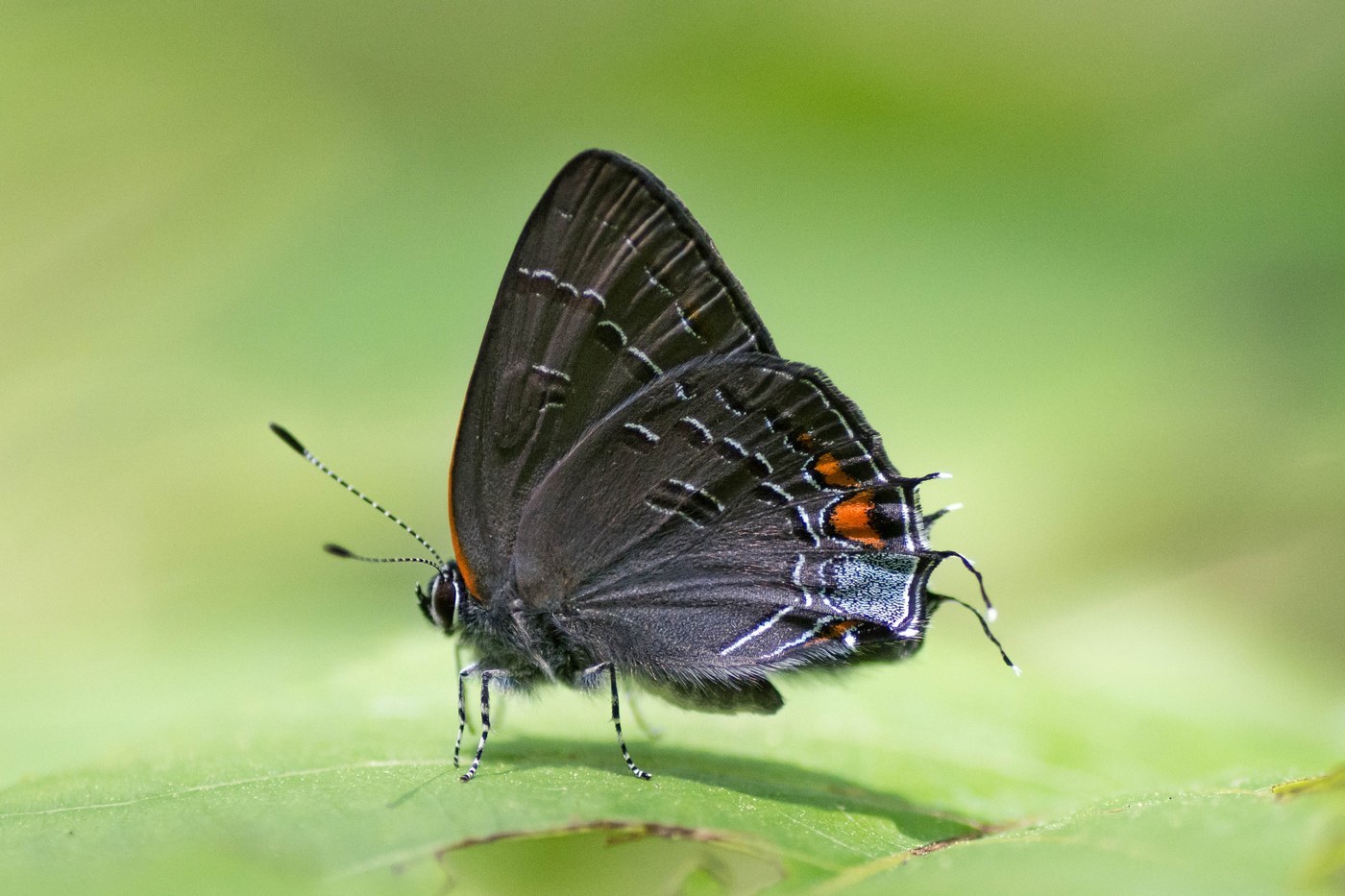
Banded Hairstreak
Deciduous woodlands and edges with oaks and hickories
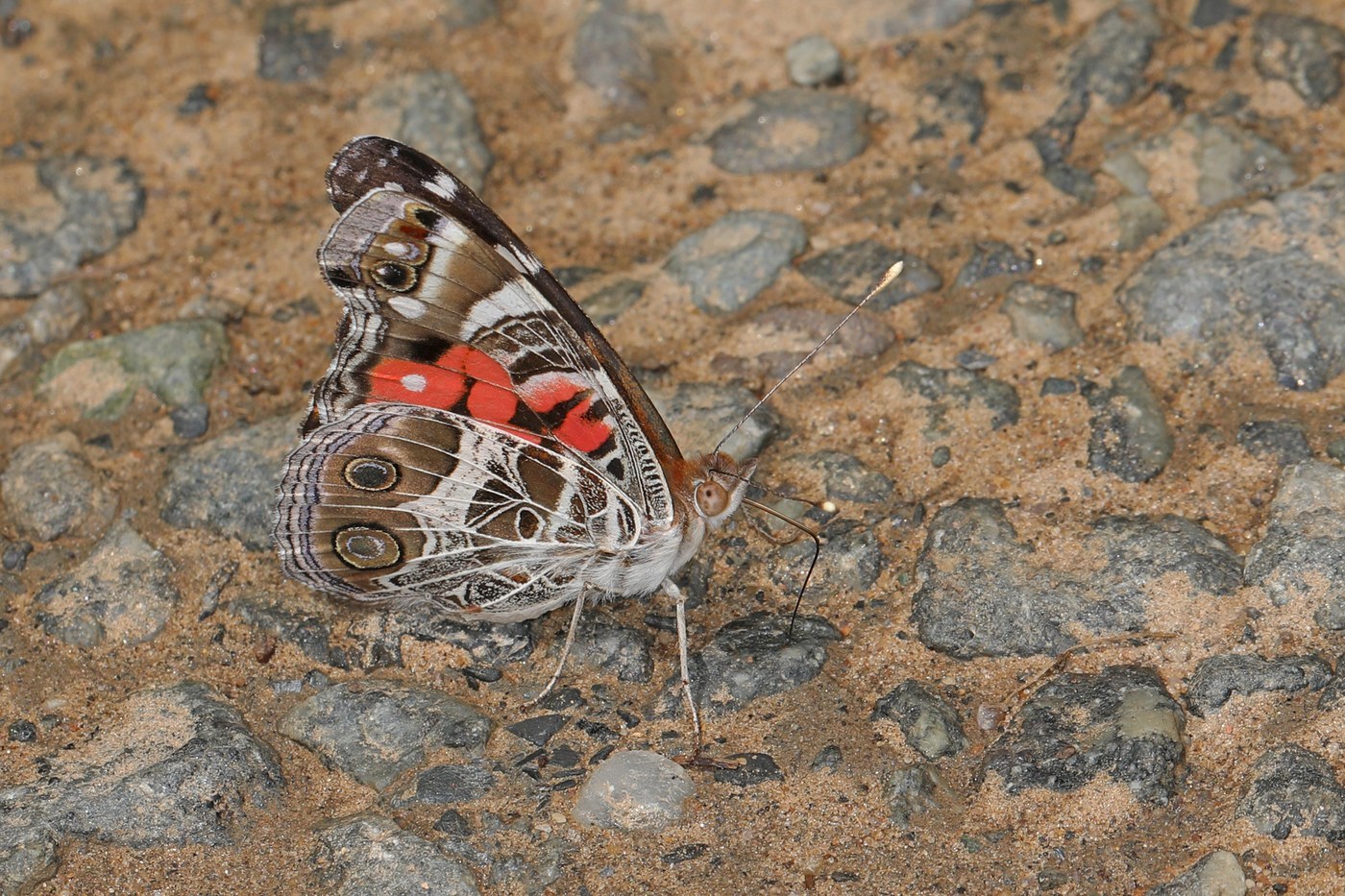
American Lady
Open fields, meadows, gardens, roadsides
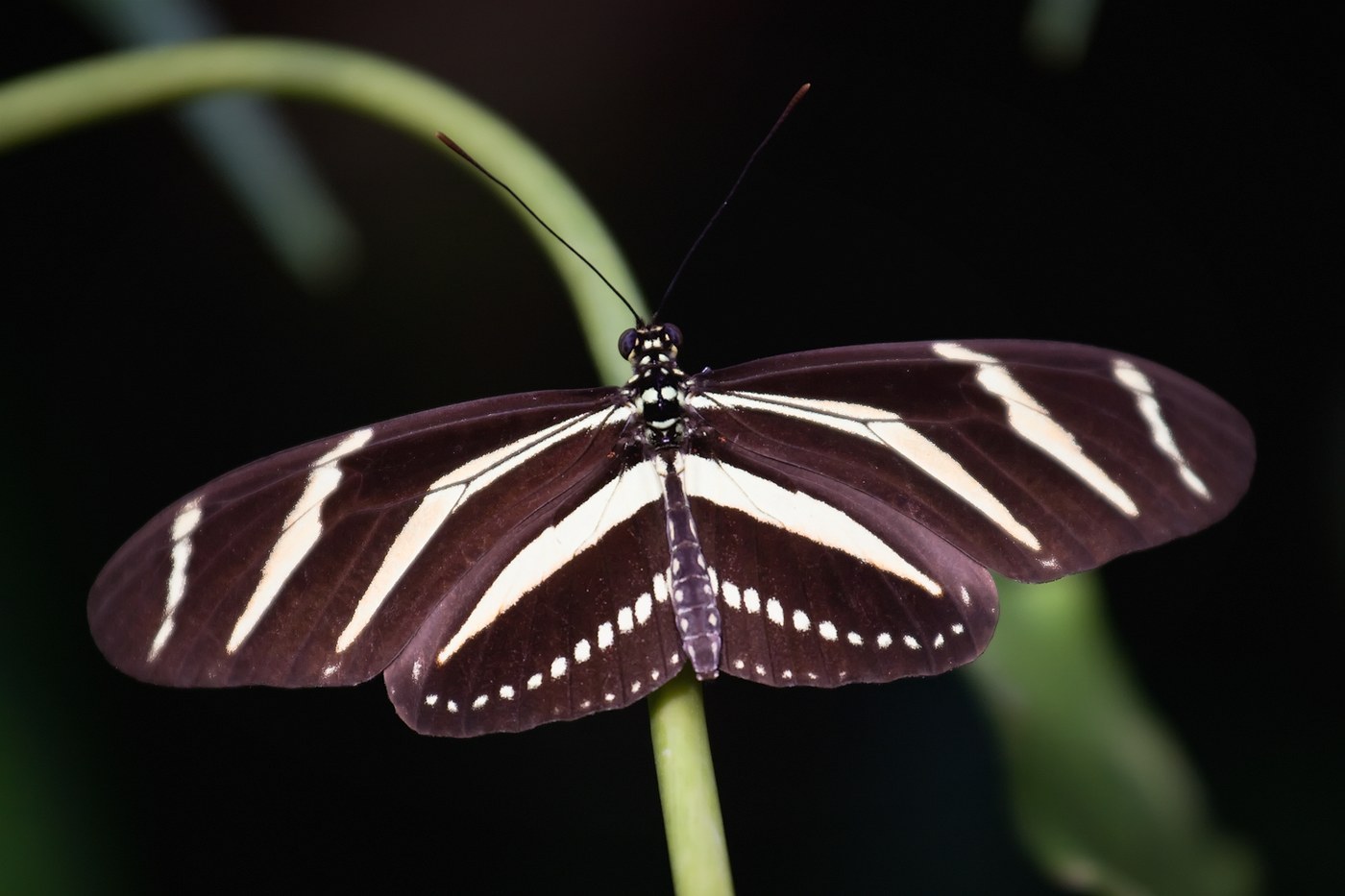
Zebra Longwing
Tropical hammocks, gardens, forest edges
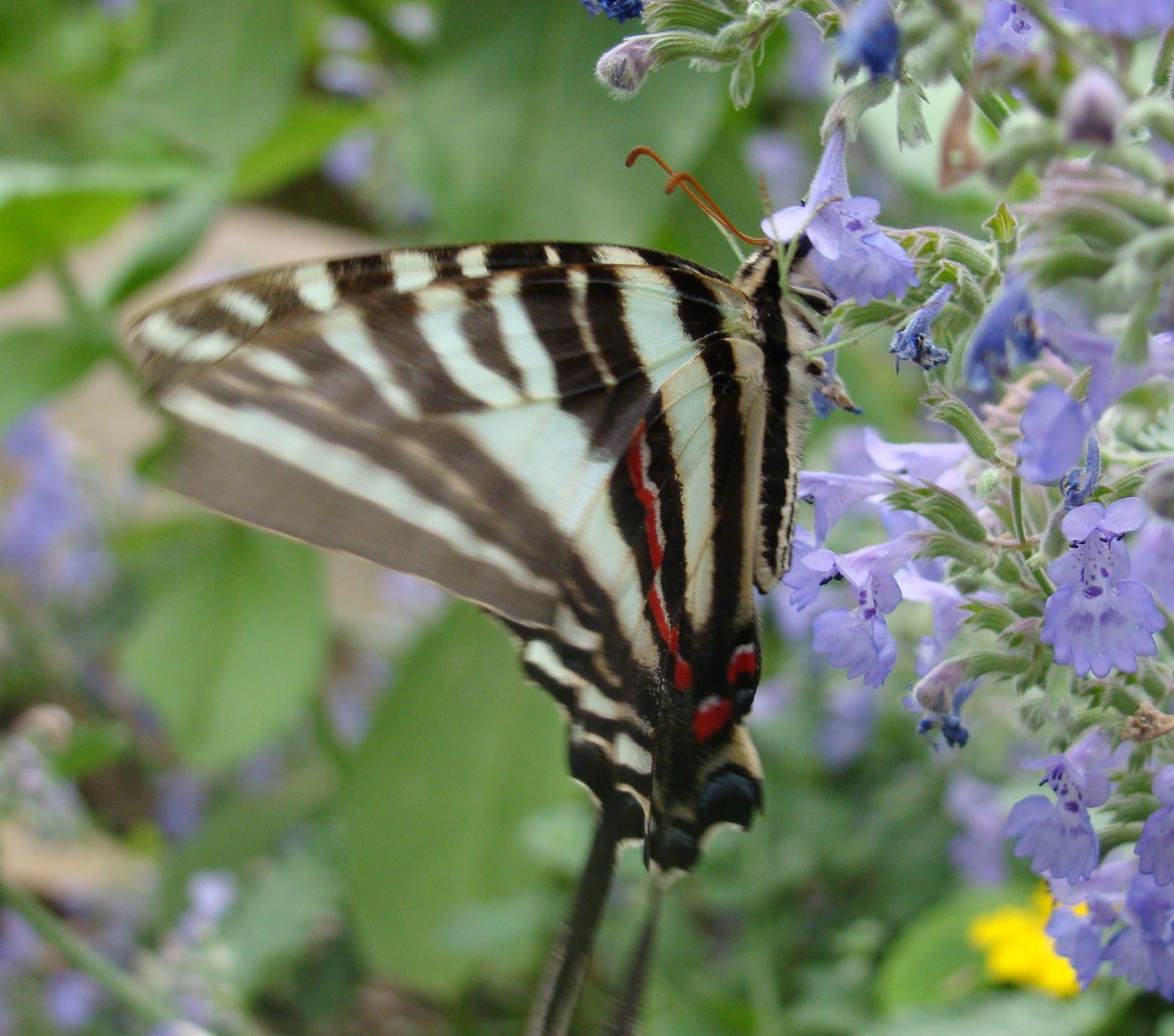
Zebra Swallowtail
Woodlands, floodplains, forest edges near pawpaw
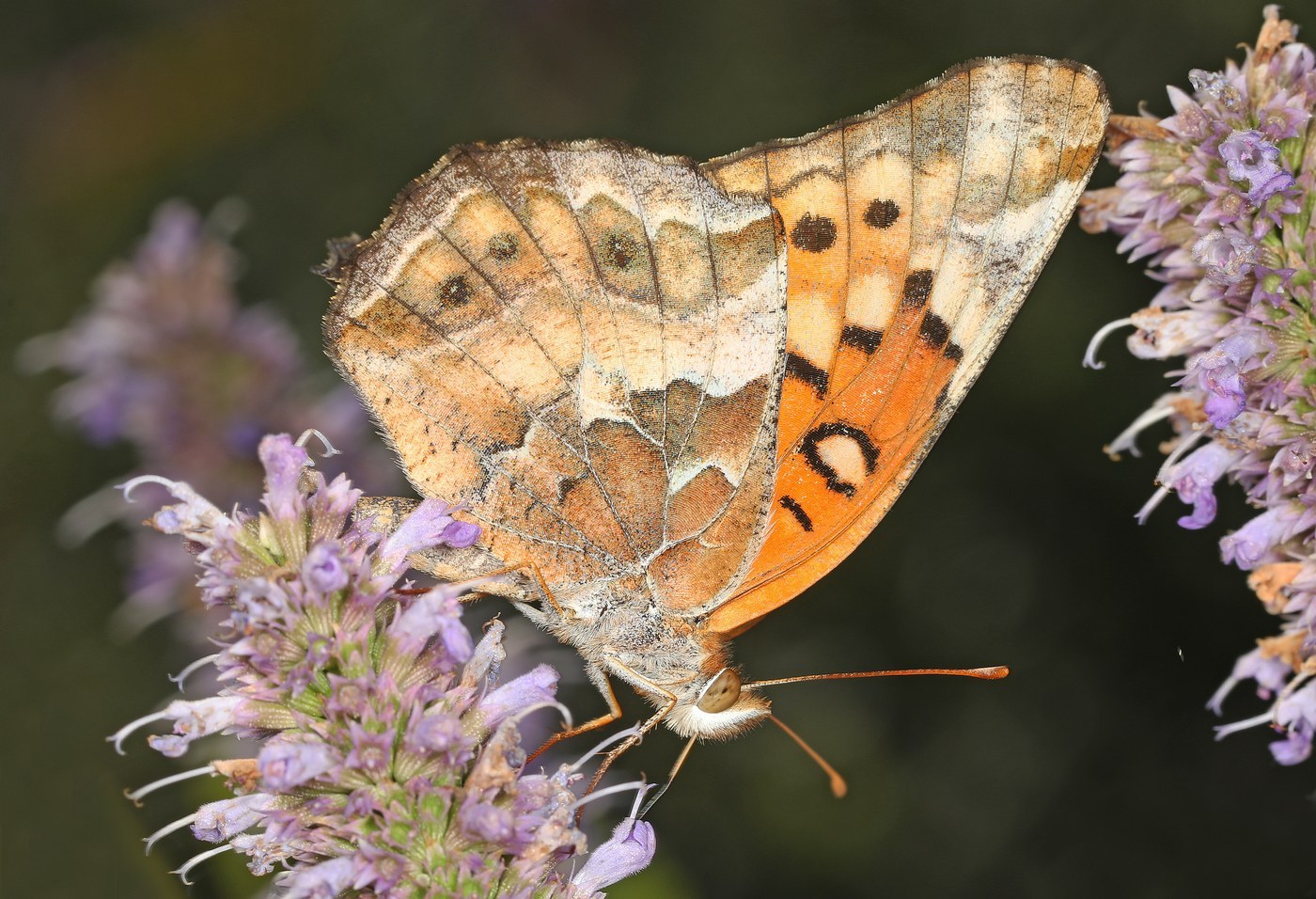
Variegated Fritillary
Open fields, prairies, roadsides, and disturbed ground across most of the United States
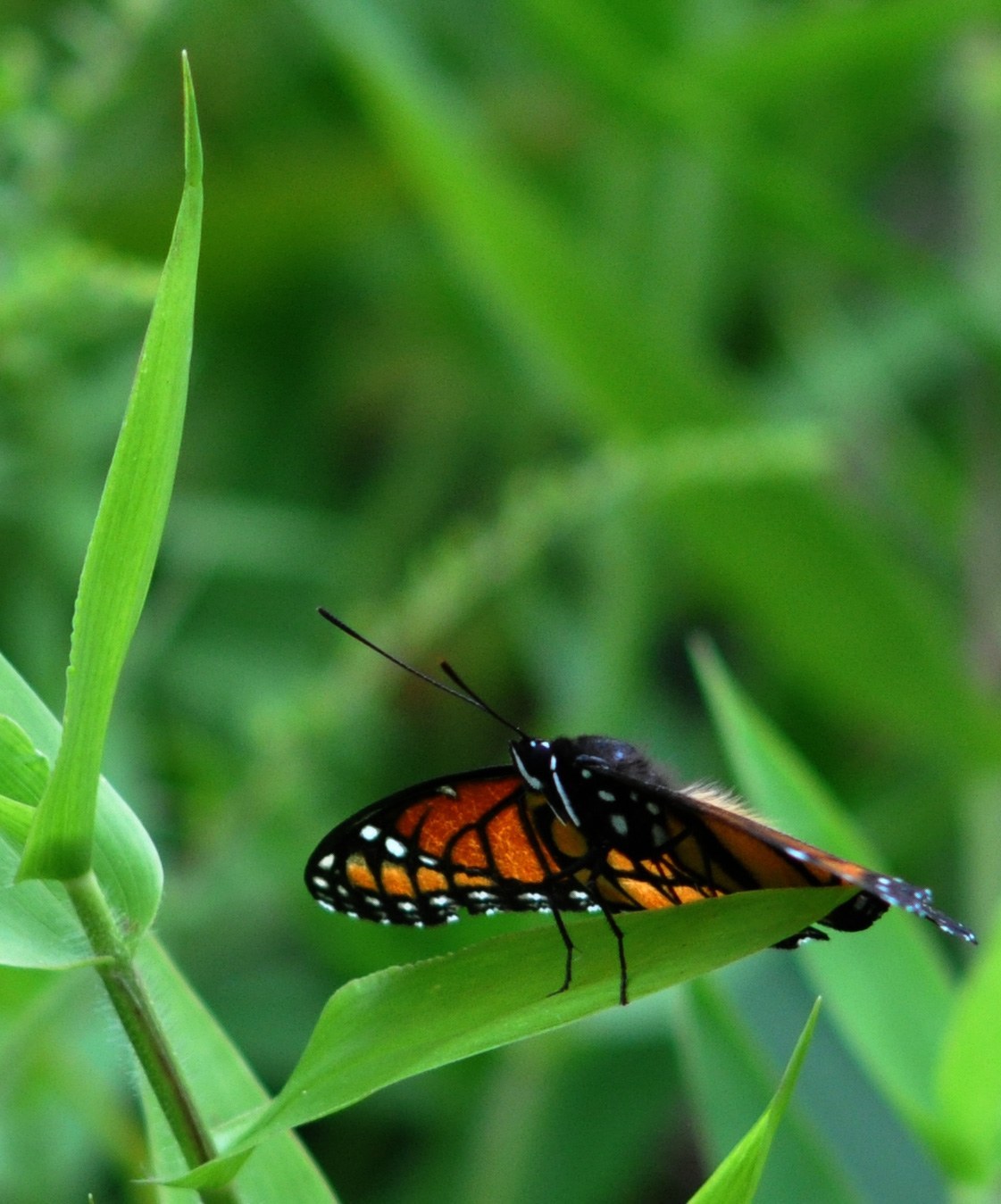
Viceroy Butterfly
Wetlands, meadows, riverbanks, willow thickets (North America)
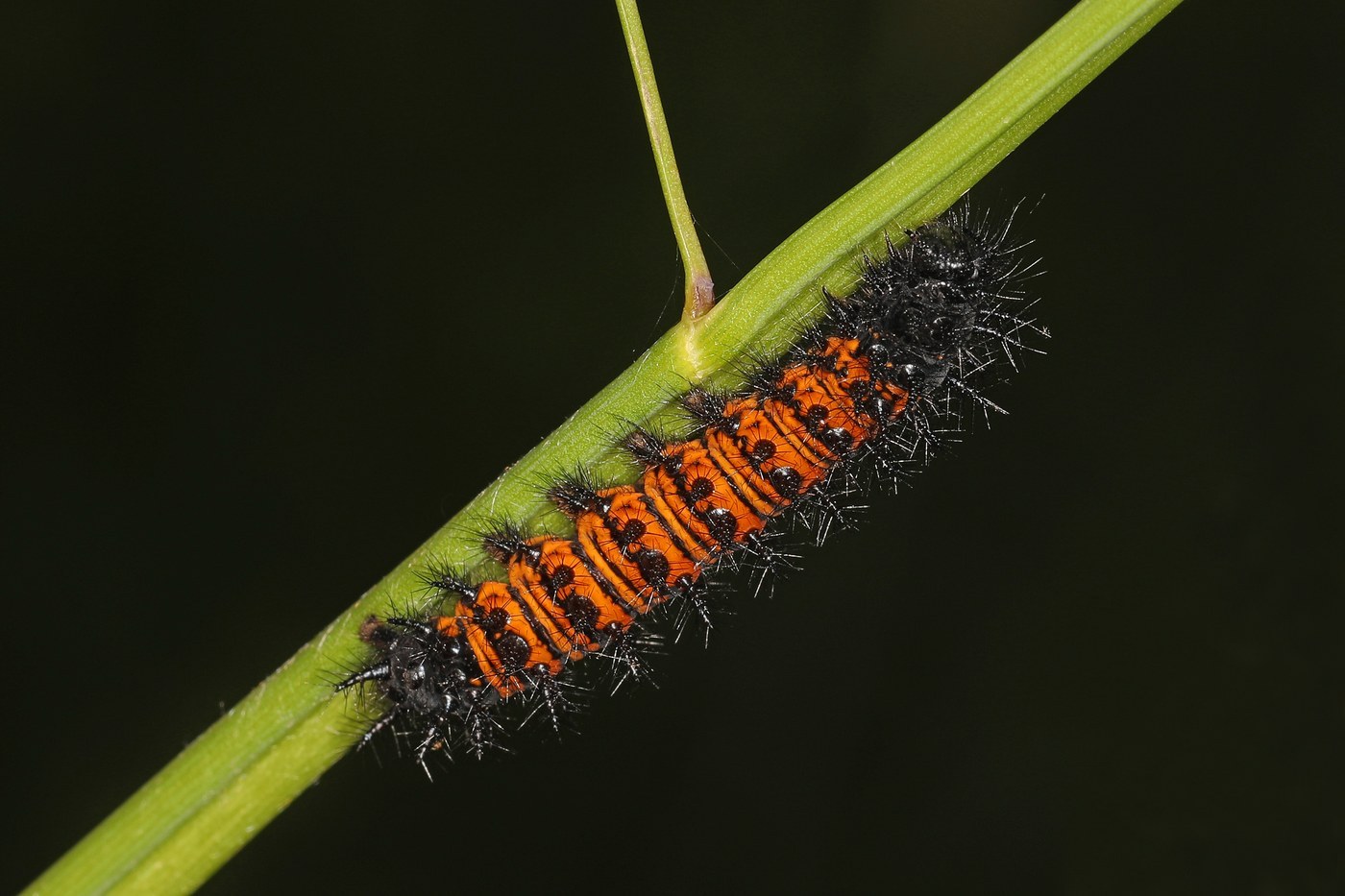
Baltimore Checkerspot
Wet meadows, bogs, and marshy fields in the northeastern and Appalachian US
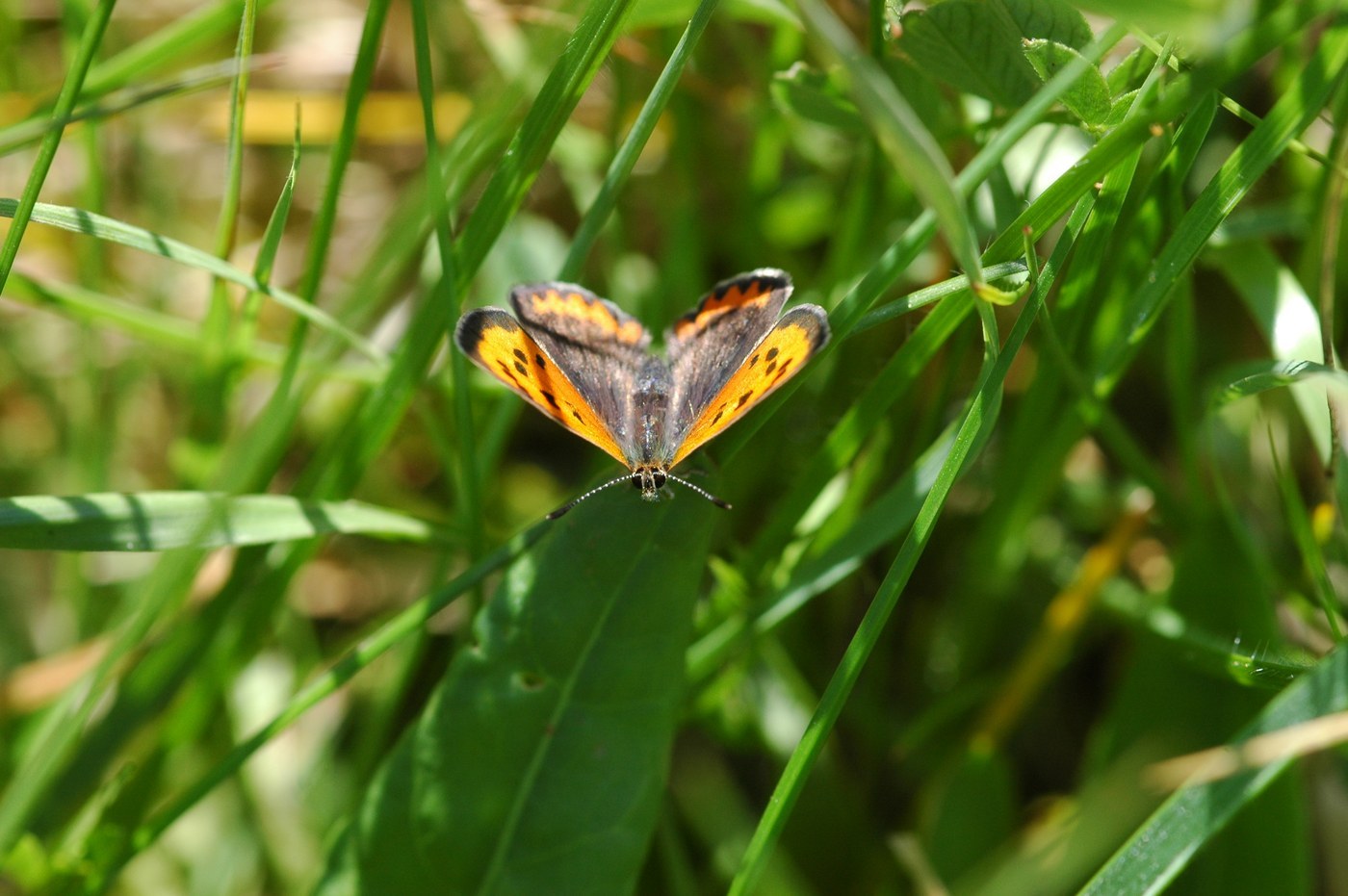
American Copper
Old fields, roadsides, and disturbed open ground with sorrel or dock
West Virginia White
Rich deciduous forest floors, especially near seeps and streams
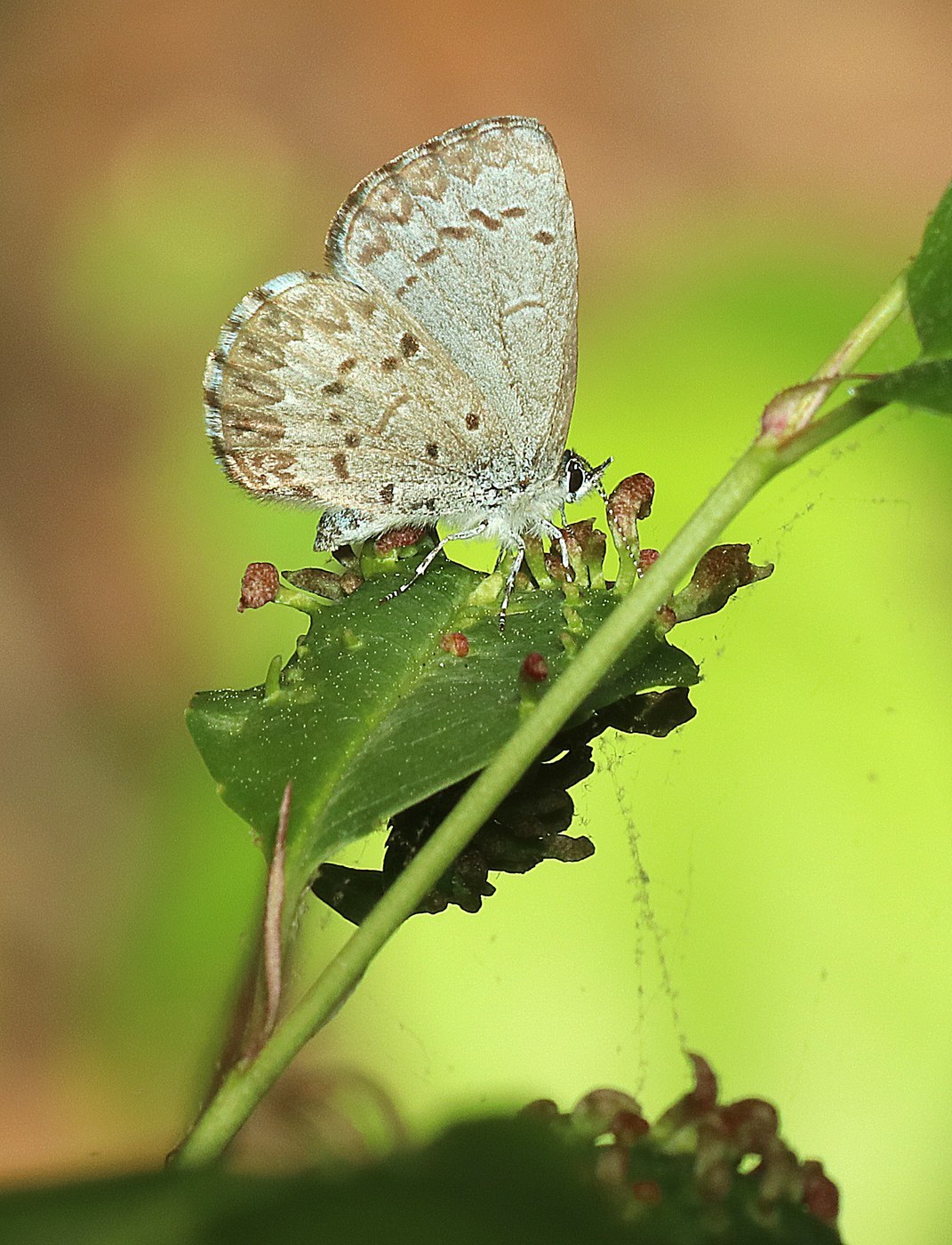
Spring Azure
Woodland edges, gardens, shrubby clearings
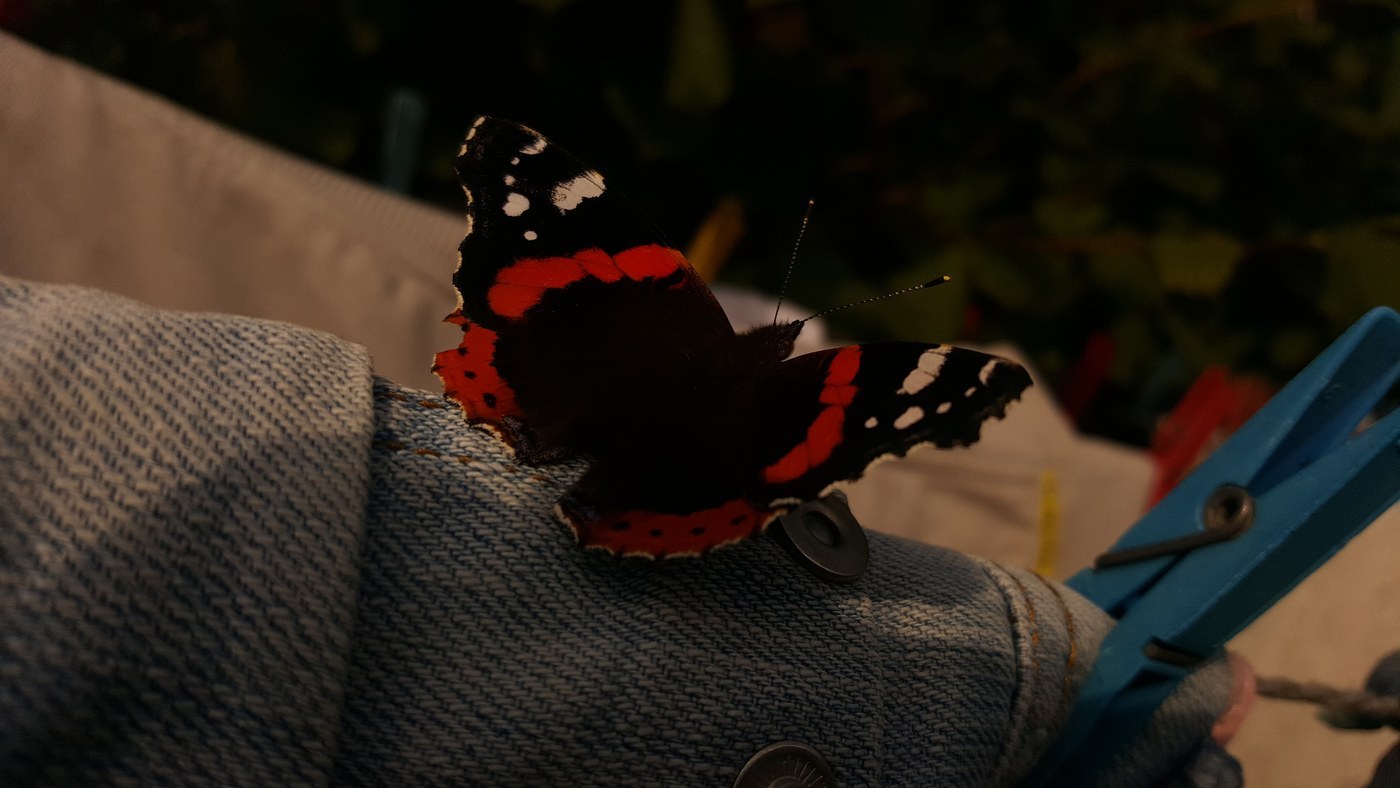
Red Admiral
Gardens, woodland edges, parks, meadows
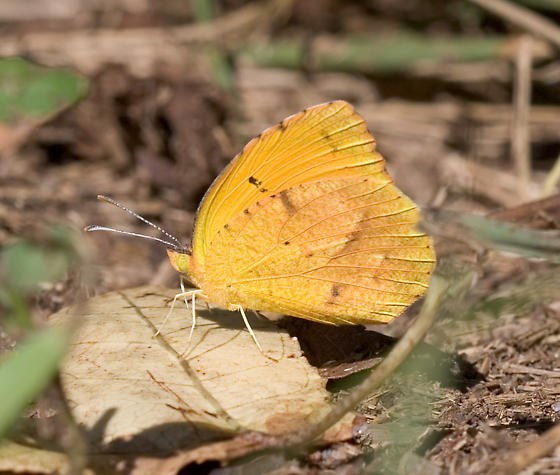
Sleepy Orange
Open woodland, fields, roadsides, and disturbed ground