
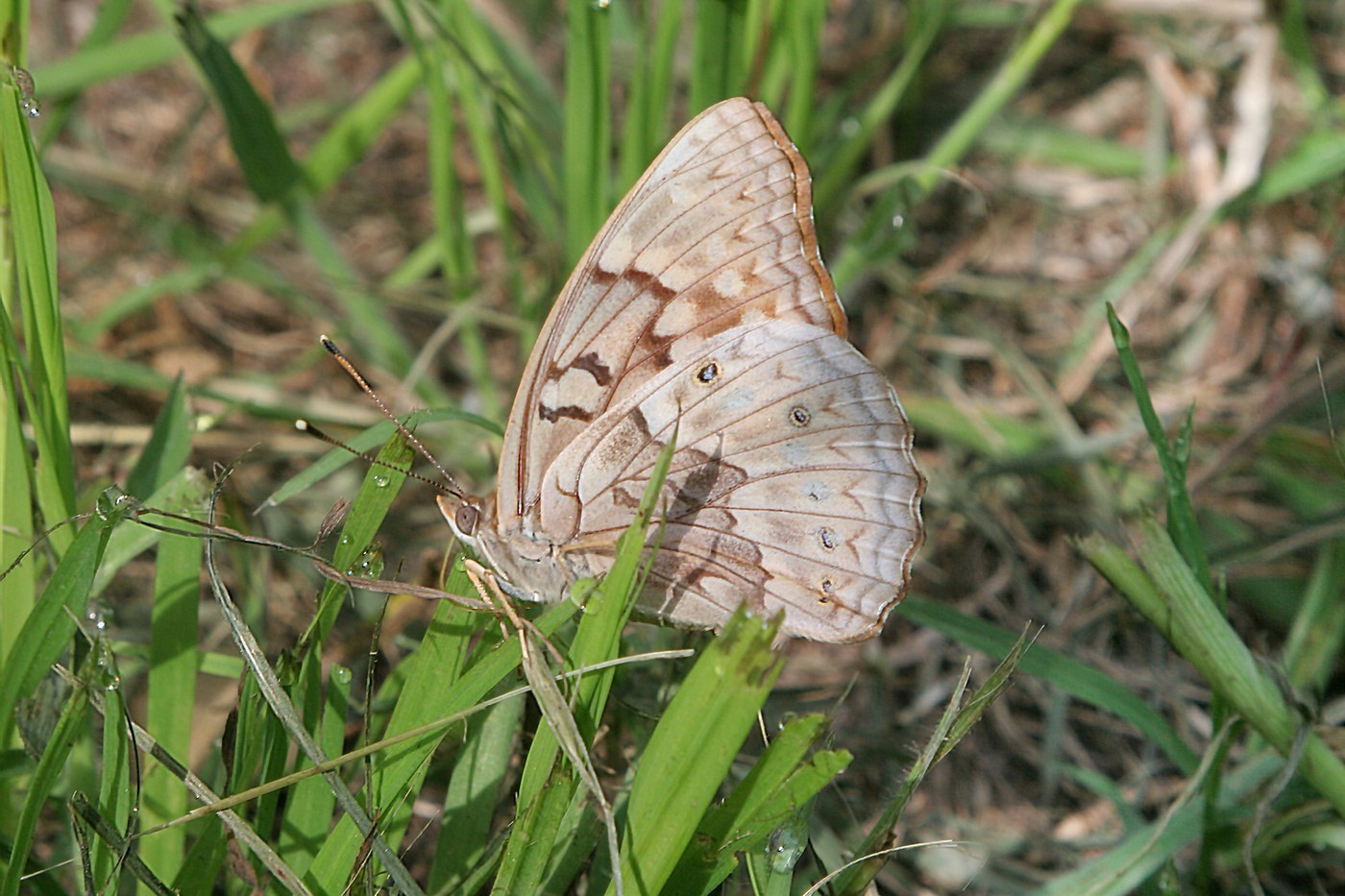
Tawny Emperor
Asterocampa clyton
A warm orange-brown woodland butterfly, close relative of the Hackberry Emperor, best distinguished by its lack of a forewing eyespot and its habit of feeding on sap and dung rather than flowers.
- Size
- 2–2.6 in wingspan
- Habitat
- Woodlands near hackberry trees, riverbanks, wood edges
- Danger
- Harmless
Spotted a bug like this?
Identify any bug or insect from a photo, free.
Overview
The Tawny Emperor is a Nymphalidae butterfly in the genus Asterocampa, sharing both its host plant and much of its range with the closely related Hackberry Emperor. Its warm, uniform tawny-orange coloration gives the species its common name and sets it apart at a glance from its more boldly patterned relative.
Like other emperors, the Tawny Emperor is a hackberry specialist, with caterpillars unable to develop on any other host plant. Adults share the family trait of preferring sap, mud, and decaying organic matter over nectar, and are frequently seen perched on tree trunks in dappled sunlight.
The species is common throughout much of the eastern and central United States and serves, alongside the Hackberry Emperor, as a useful indicator of healthy hackberry-dominated woodland.
How to Identify
- Medium-sized, warm orange-brown butterfly with darker brown bands and pale spots across the wings.
- Lacks the prominent black forewing eyespot found on the Hackberry Emperor — this is the single best field mark for separating the two species.
- Hindwing shows a faint row of small dark spots along the margin, less contrasty than in the Hackberry Emperor.
- Overall pattern appears more uniformly tawny and less boldly checkered than its relative.
- Underside is mottled brown-gray, providing effective camouflage on tree bark.
Habitat & Range
Ranges across the eastern and central United States into parts of Mexico, closely tied to the distribution of hackberry trees along riverbanks, woodland edges, and shaded parks. Adults are active from late spring into early autumn, often basking or perching on tree trunks and branches.
Behavior & Diet
Adults perch on trunks and low branches, sallying out to investigate passing objects before returning. They feed on tree sap, fermenting fruit, mud, and animal droppings rather than flower nectar. Young caterpillars are gregarious, resting together in silk-lined shelters on hackberry leaves, while later instars disperse and feed independently, primarily at night.
Life Cycle
Females lay eggs in large clusters on hackberry leaves. Young caterpillars feed and rest communally before dispersing as they mature. There are usually two generations annually across most of the range, and partially grown caterpillars from the final brood overwinter together in curled, silk-bound leaves that drop to the ground beneath the host tree, emerging again in spring to resume feeding.
Frequently asked questions
How do I distinguish this from the Hackberry Emperor?
The Tawny Emperor lacks the black eyespot near the forewing tip that the Hackberry Emperor has, and appears more evenly tawny-orange overall.
What does it eat as a caterpillar?
Hackberry tree leaves are the only known food source for the larvae.
Does it visit flowers for nectar?
Rarely; adults prefer tree sap, rotting fruit, mud, and animal droppings.
Where do the caterpillars spend the winter?
Partially grown caterpillars overwinter together in curled, silk-wrapped hackberry leaves near the base of the tree.
Tawny Emperor guides
In-depth guides for identifying, understanding, and living alongside Tawny Emperor.
Other bugs you may enjoy
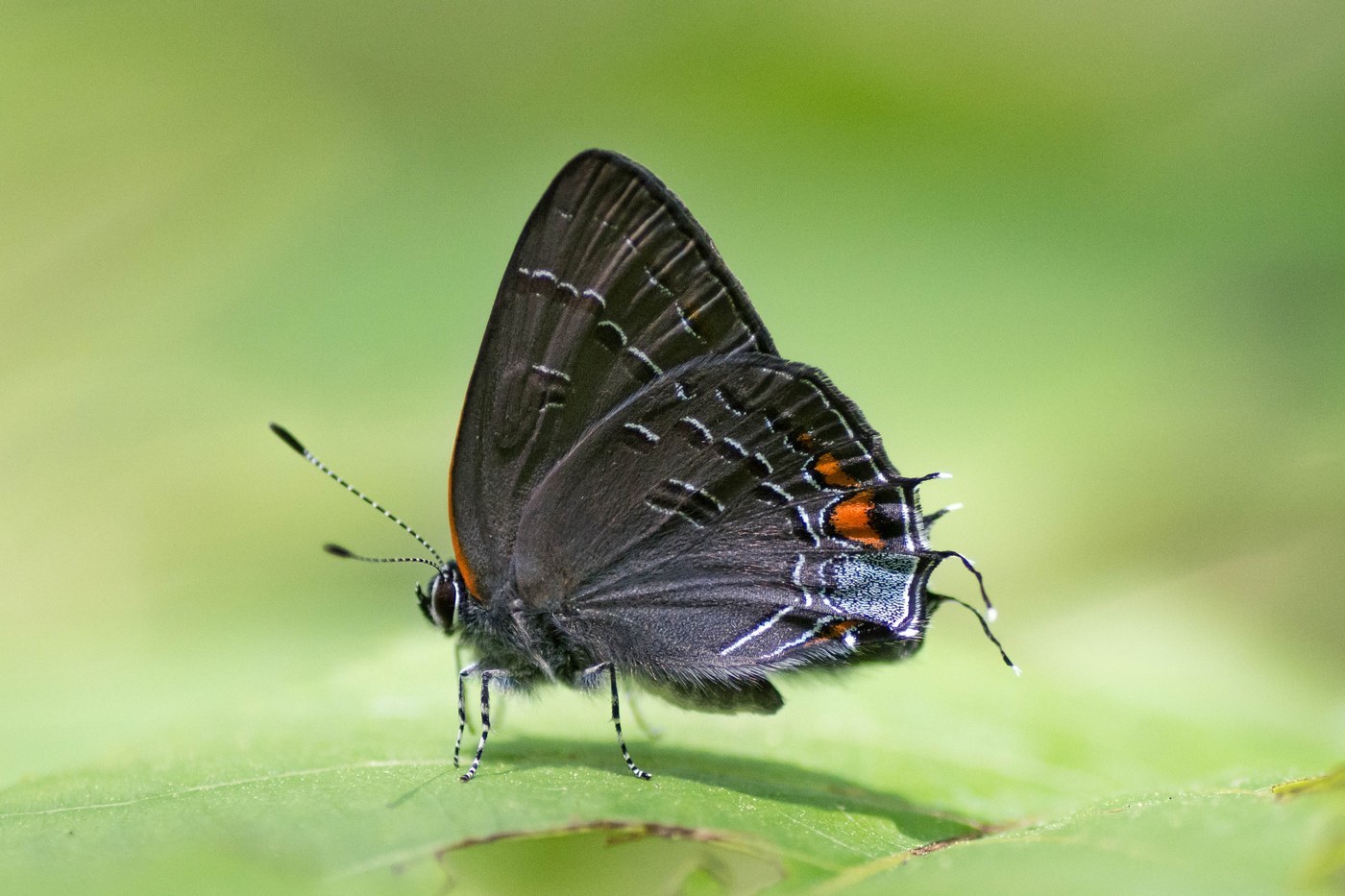
Banded Hairstreak
Deciduous woodlands and edges with oaks and hickories
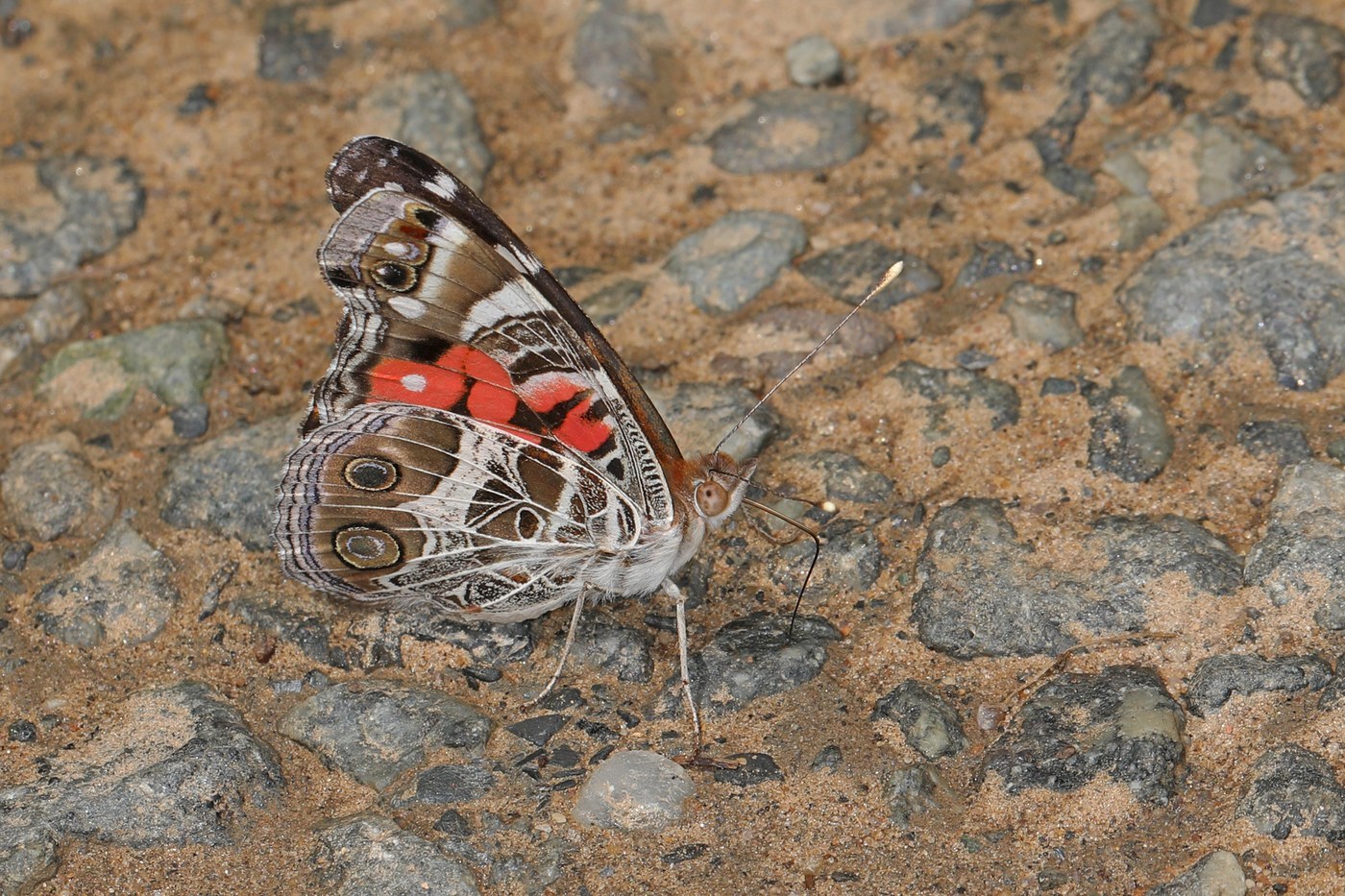
American Lady
Open fields, meadows, gardens, roadsides
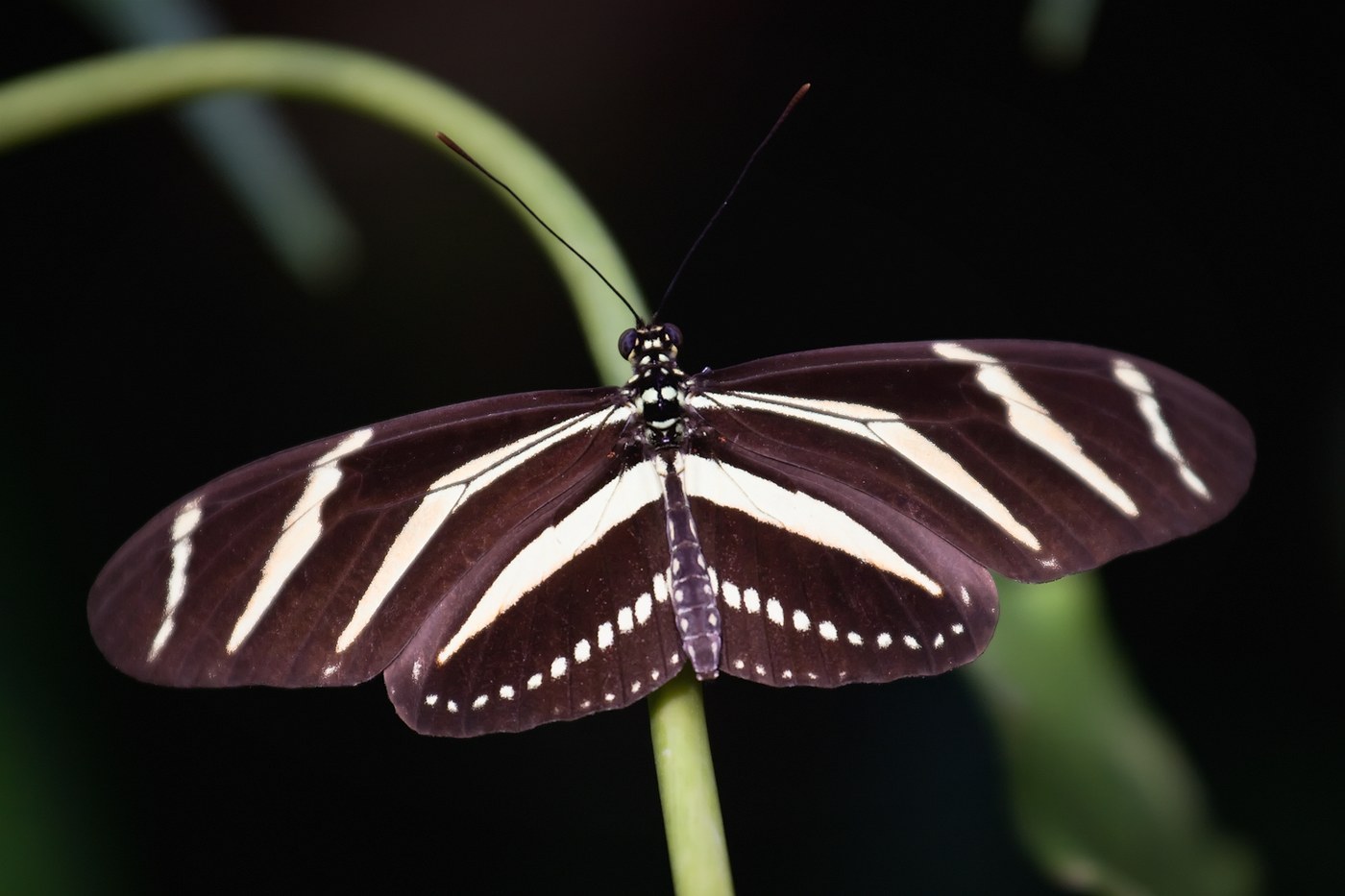
Zebra Longwing
Tropical hammocks, gardens, forest edges
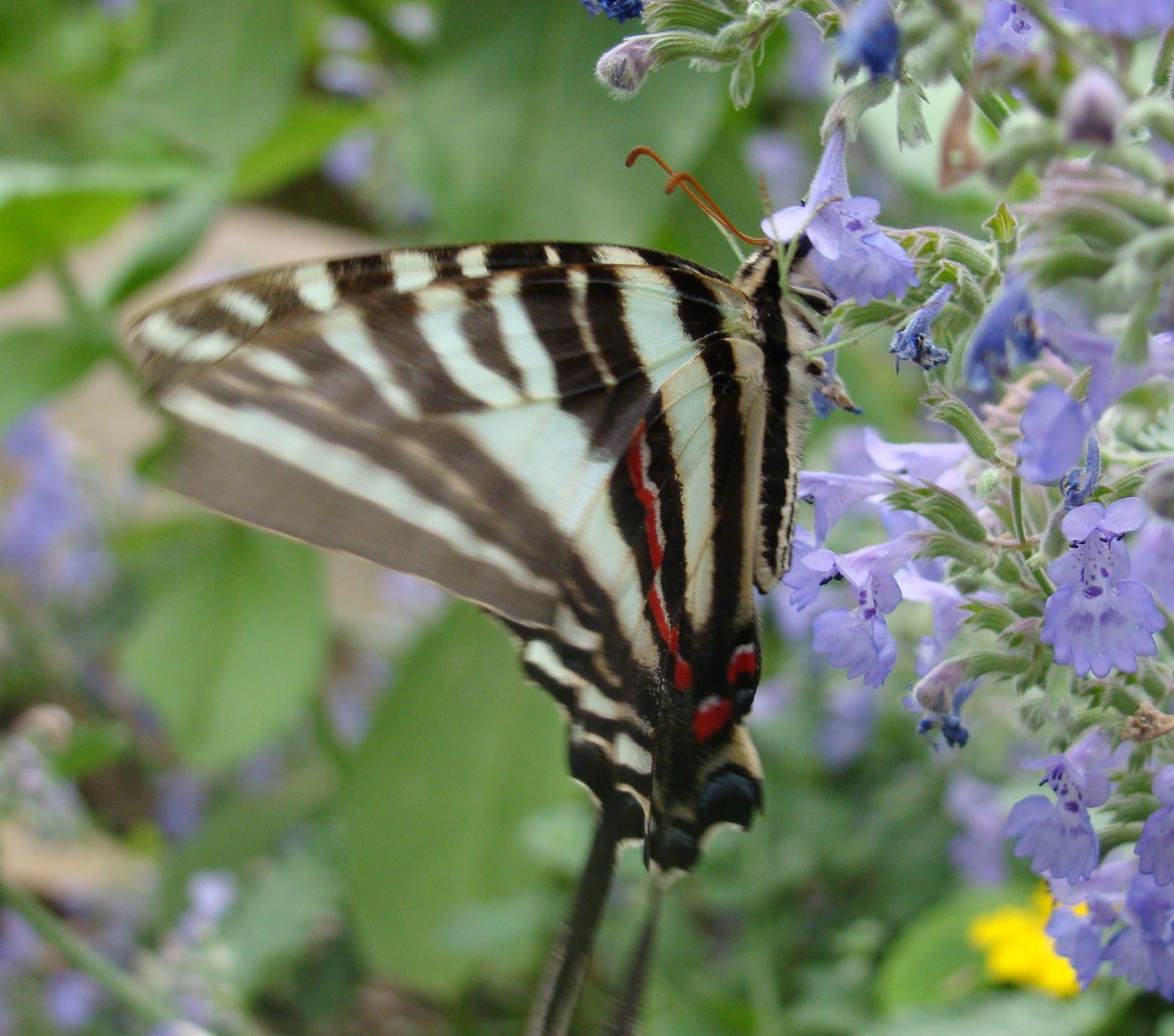
Zebra Swallowtail
Woodlands, floodplains, forest edges near pawpaw
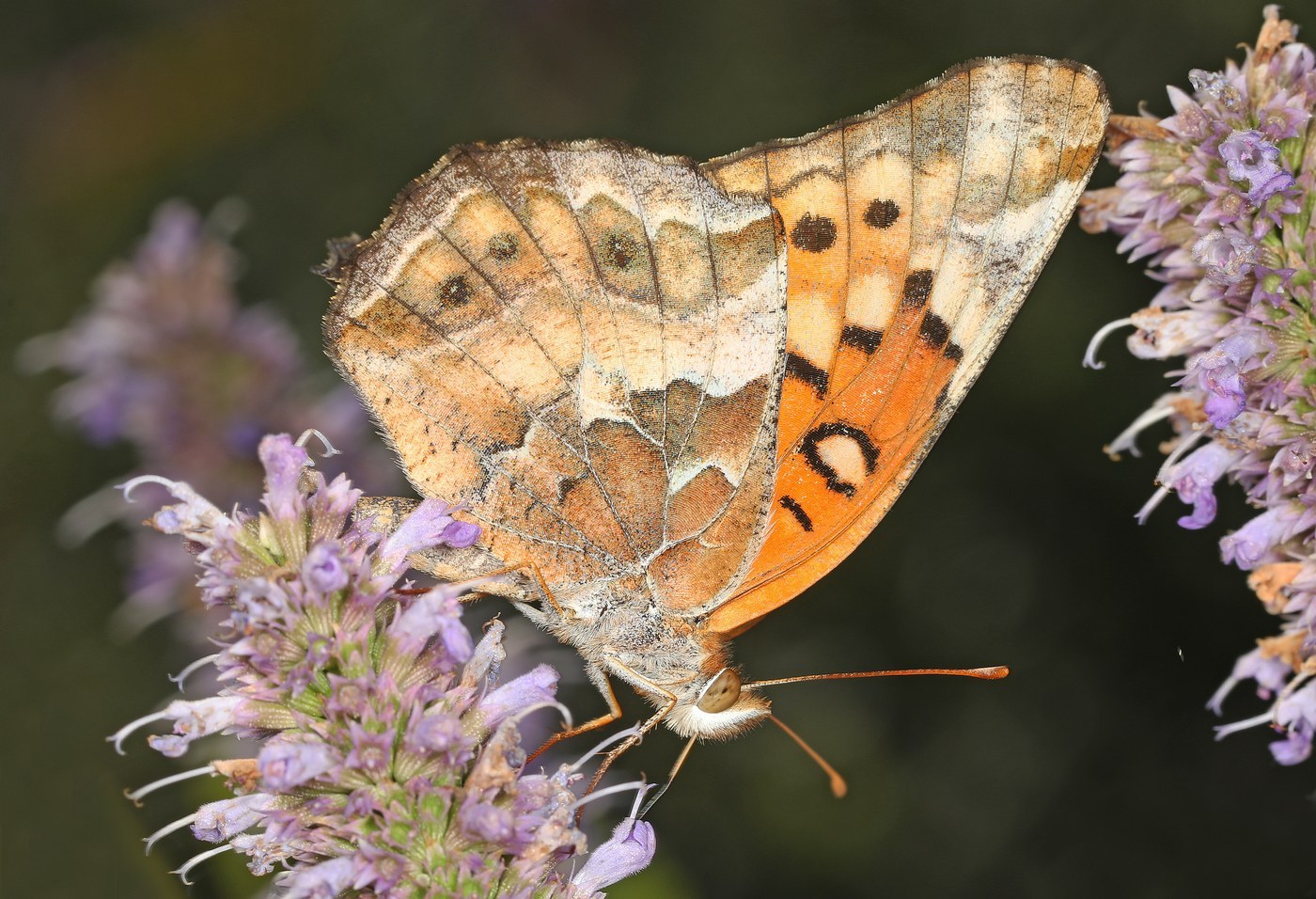
Variegated Fritillary
Open fields, prairies, roadsides, and disturbed ground across most of the United States
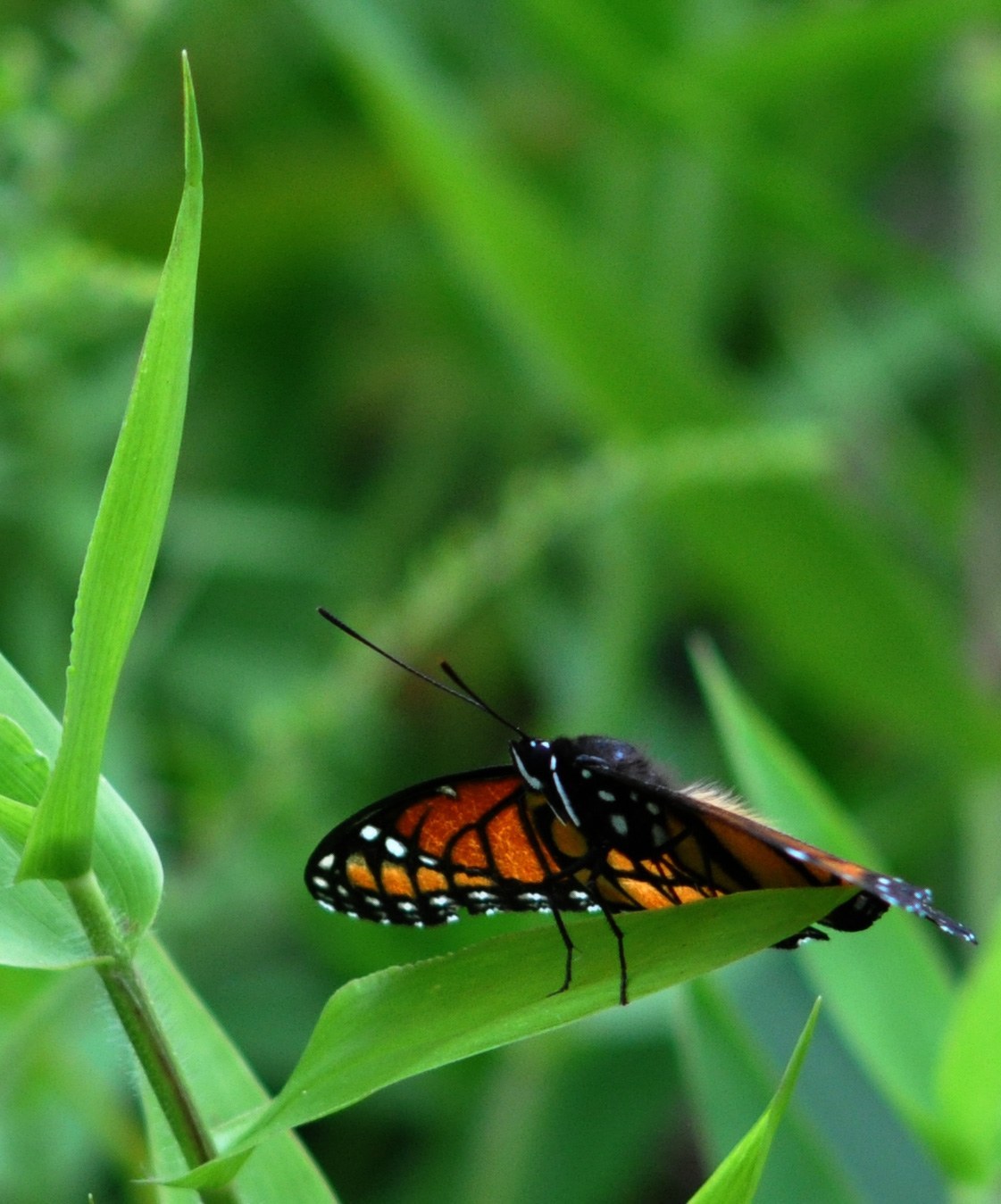
Viceroy Butterfly
Wetlands, meadows, riverbanks, willow thickets (North America)
Baltimore Checkerspot
Wet meadows, bogs, and marshy fields in the northeastern and Appalachian US
American Copper
Old fields, roadsides, and disturbed open ground with sorrel or dock
West Virginia White
Rich deciduous forest floors, especially near seeps and streams
Spring Azure
Woodland edges, gardens, shrubby clearings
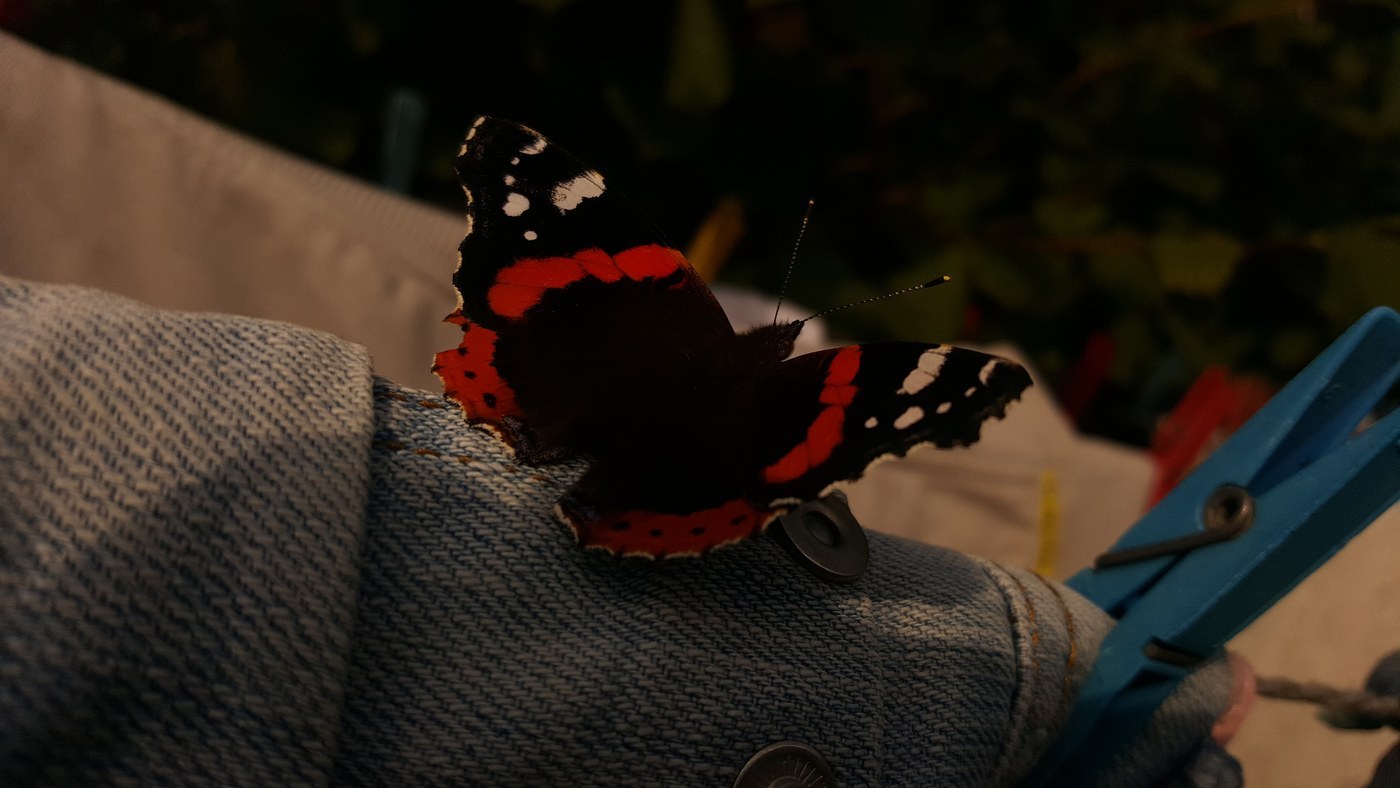
Red Admiral
Gardens, woodland edges, parks, meadows
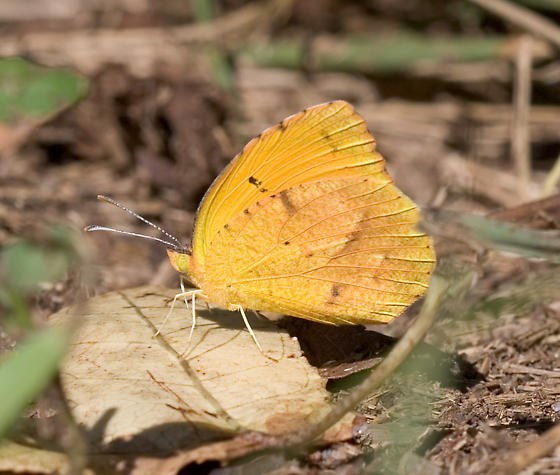
Sleepy Orange
Open woodland, fields, roadsides, and disturbed ground