
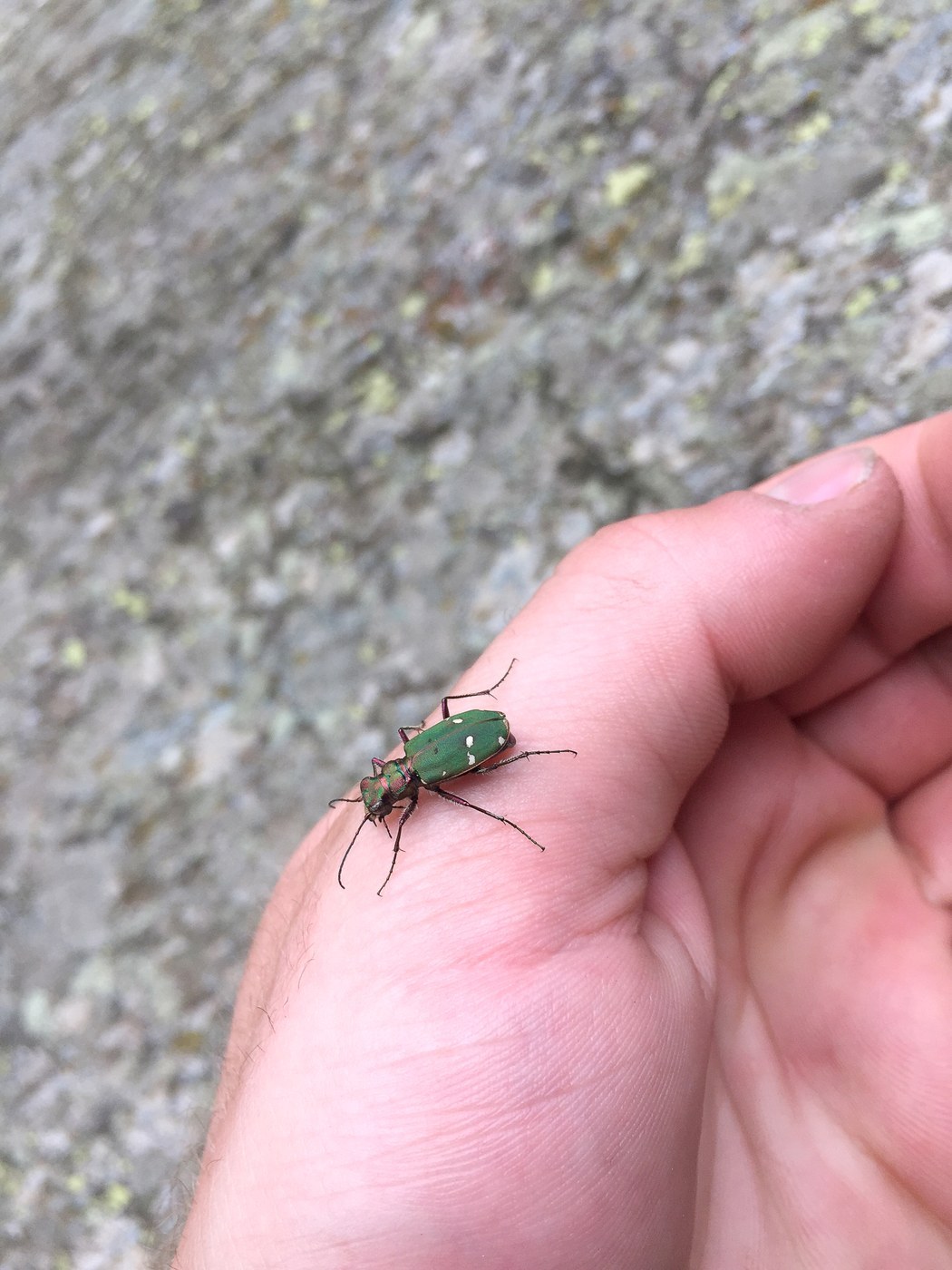
Tiger Beetle
Cicindela spp.
A fast, metallic-hued ground beetle with oversized sickle-shaped jaws that sprints and short-flies down open sandy trails in pursuit of tiny prey.
- Size
- 10–20 mm
- Habitat
- Sandy paths, beaches, dunes, dry open ground
- Danger
- Bites
Spotted a bug like this?
Identify any bug or insect from a photo, free.
Overview
Tiger beetles belong to the subfamily Cicindelinae within the beetle family Carabidae, and they are widely regarded as among the fastest-running insects relative to body size. Their common name reflects their predatory lifestyle: like a tiger stalking prey, an adult tiger beetle sprints across open ground in short, blindingly fast bursts, pauses to reorient visually, then dashes again to seize small arthropods.
These beetles are a favorite of naturalists and photographers because of their brilliant iridescent coloring and their conspicuous habit of flying up just ahead of a walker's feet along dirt paths, beaches, or dry streambeds, only to land a short distance ahead and repeat the cycle. Many species are habitat specialists tied to particular soil types, from white sand dunes to red clay banks.
Ecologically, tiger beetles are important predators of small invertebrates in the open, bare-ground habitats they favor, and several species are considered indicator organisms for high-quality sandy or shoreline ecosystems.
How to Identify
- Slender, long-legged beetle with large bulging eyes and long, thin antennae attached near the base of prominent, curved mandibles.
- Body often brilliant metallic green, bronze, blue, or purple, frequently with pale cream or white markings across the wing covers (elytra).
- Long, spindly legs built for extremely fast running; body held high off the ground while moving.
- Size roughly 10–20 mm depending on species.
- Lookalikes: ground beetles (Carabidae generally) are similar in shape but lack the huge crossed mandibles and tend to run rather than combine running with short darting flights.
Habitat & Range
Tiger beetles are found worldwide, with numerous species across North America favoring bare or sparsely vegetated ground: sandy beaches, riverbanks, dry washes, dune systems, gravel roads, and hard-packed dirt trails. Adults are most active on warm, sunny days in spring through late summer, while larvae live year-round in vertical burrows in the same open soils.
Behavior & Diet
Adults are visual, active-pursuit predators, running down and seizing small insects and other arthropods with their sickle-like jaws. Their alternating run-stop-run pattern and quick low flights make them conspicuous on open trails. Larvae take a completely different, ambush approach: each digs a narrow vertical burrow in bare soil, waits at the entrance with its flattened head plugging the hole, and grabs passing prey that wanders too close, yanking it underground.
Life Cycle
Tiger beetles undergo complete metamorphosis (egg, larva, pupa, adult). Females lay eggs singly in soil; the resulting larvae live in burrows for one to several years, molting through three instars while ambush-hunting at the burrow mouth. Pupation occurs within the burrow, and adults emerge to be active on the surface for a single warm season, with many species overwintering as larvae in their burrows.
Frequently asked questions
Why does a tiger beetle keep flying just ahead of me on a trail?
It is not fleeing far — adults typically fly a short distance, land, and reorient visually before repeating the pattern, which makes them appear to be leading a walker down the path.
How is a tiger beetle different from a regular ground beetle?
Tiger beetles have noticeably larger eyes, longer legs built for sprinting, and prominent crossed mandibles, and they combine running with quick low flights rather than staying strictly on foot.
What do tiger beetle larvae look like?
The larvae are grub-like with a flattened, hook-bearing head and live hidden in vertical burrows in bare soil, quite unlike the fast-running, visible adults.
Where is the best place to spot one?
Look along sunny, bare sandy or dirt trails, beaches, and dry riverbanks, especially on warm days when adults are most active.
Tiger Beetle guides
In-depth guides for identifying, understanding, and living alongside Tiger Beetle.
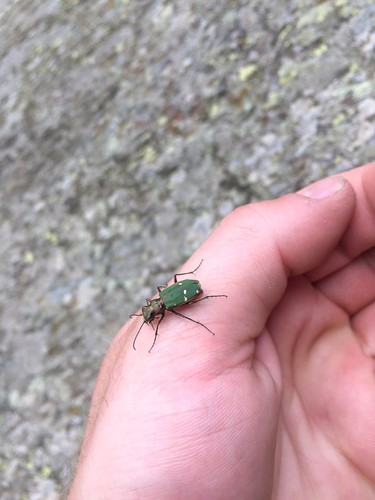
Tiger Beetle identified by the community
Real finds identified with Bug Identifier.
Other bugs you may enjoy
American Carrion Beetle
Forests, fields, and roadsides across North America, near decaying animal carcasses
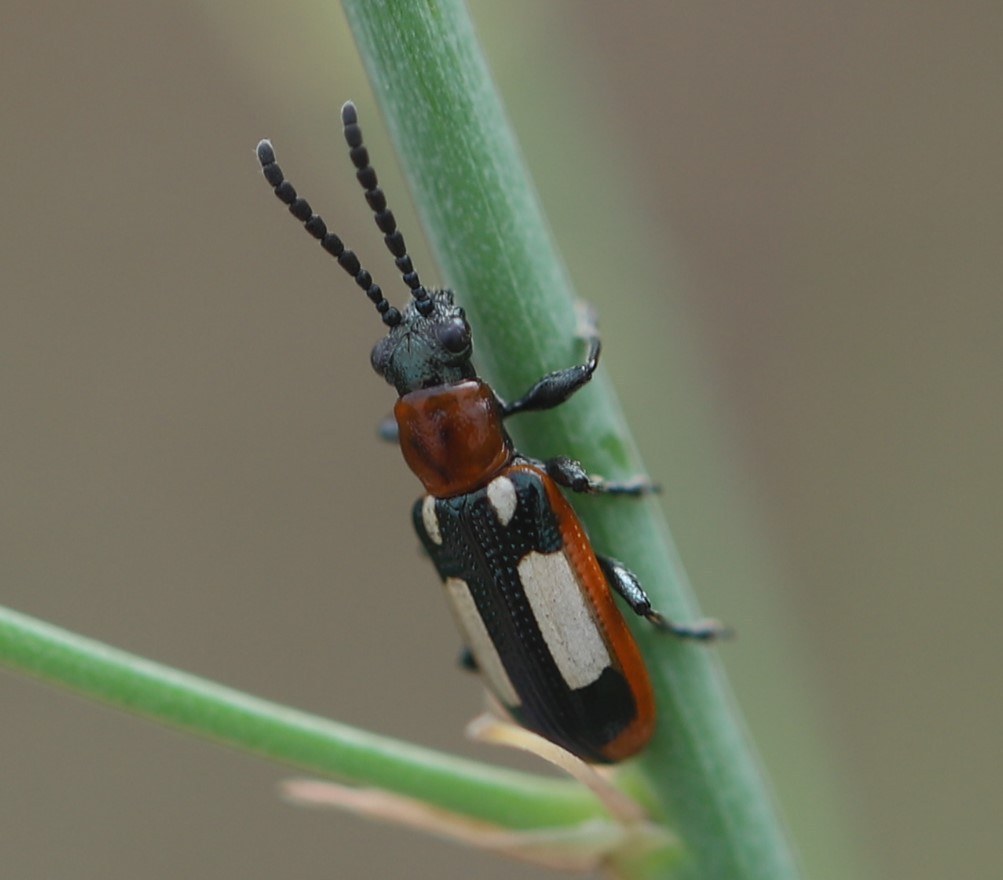
Asparagus Beetle
Asparagus patches, gardens, and farm fields

Asian Lady Beetle
Gardens, crop fields, woodlands, buildings
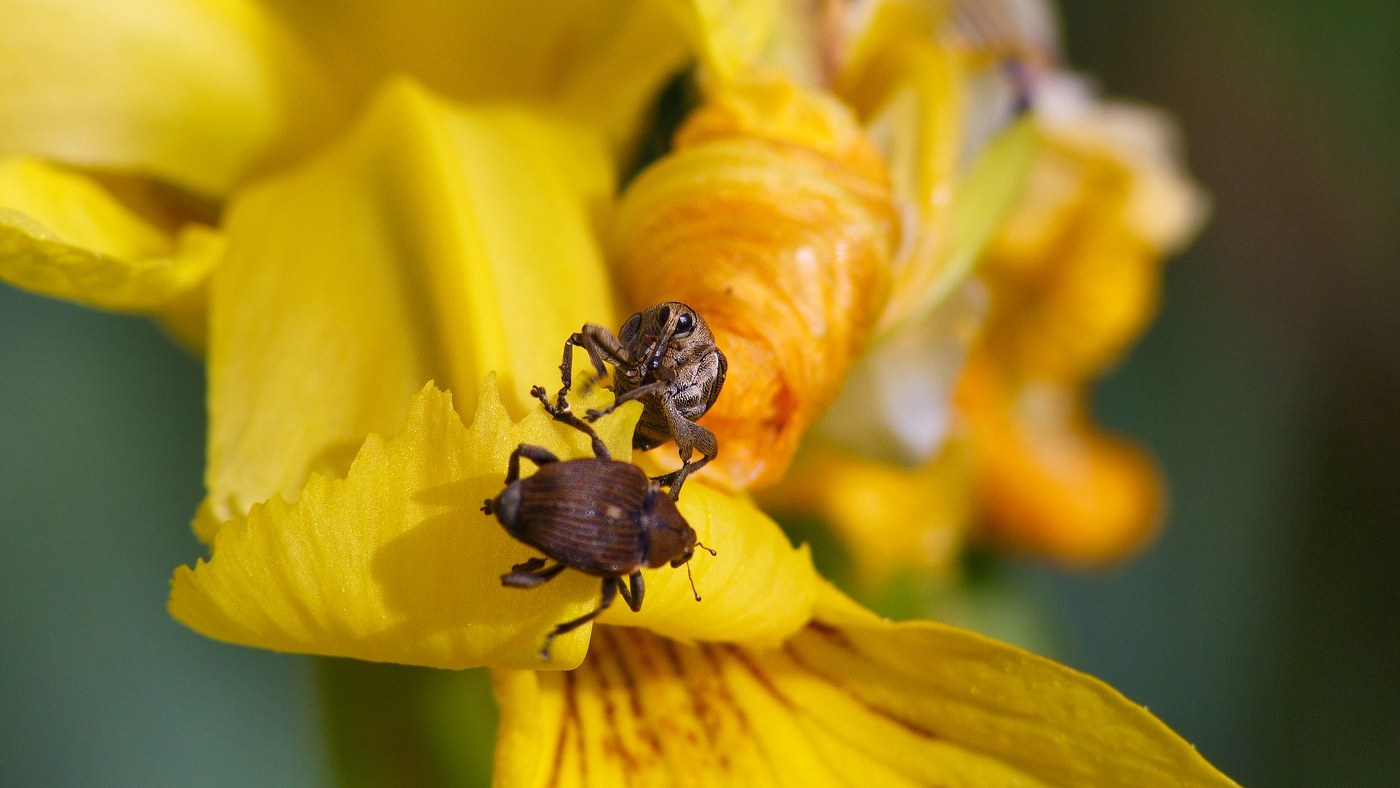
Acorn Weevil
Oak woodlands and forests, on and beneath oak trees
Wireworm
Soil of grasslands, gardens, and cultivated fields worldwide
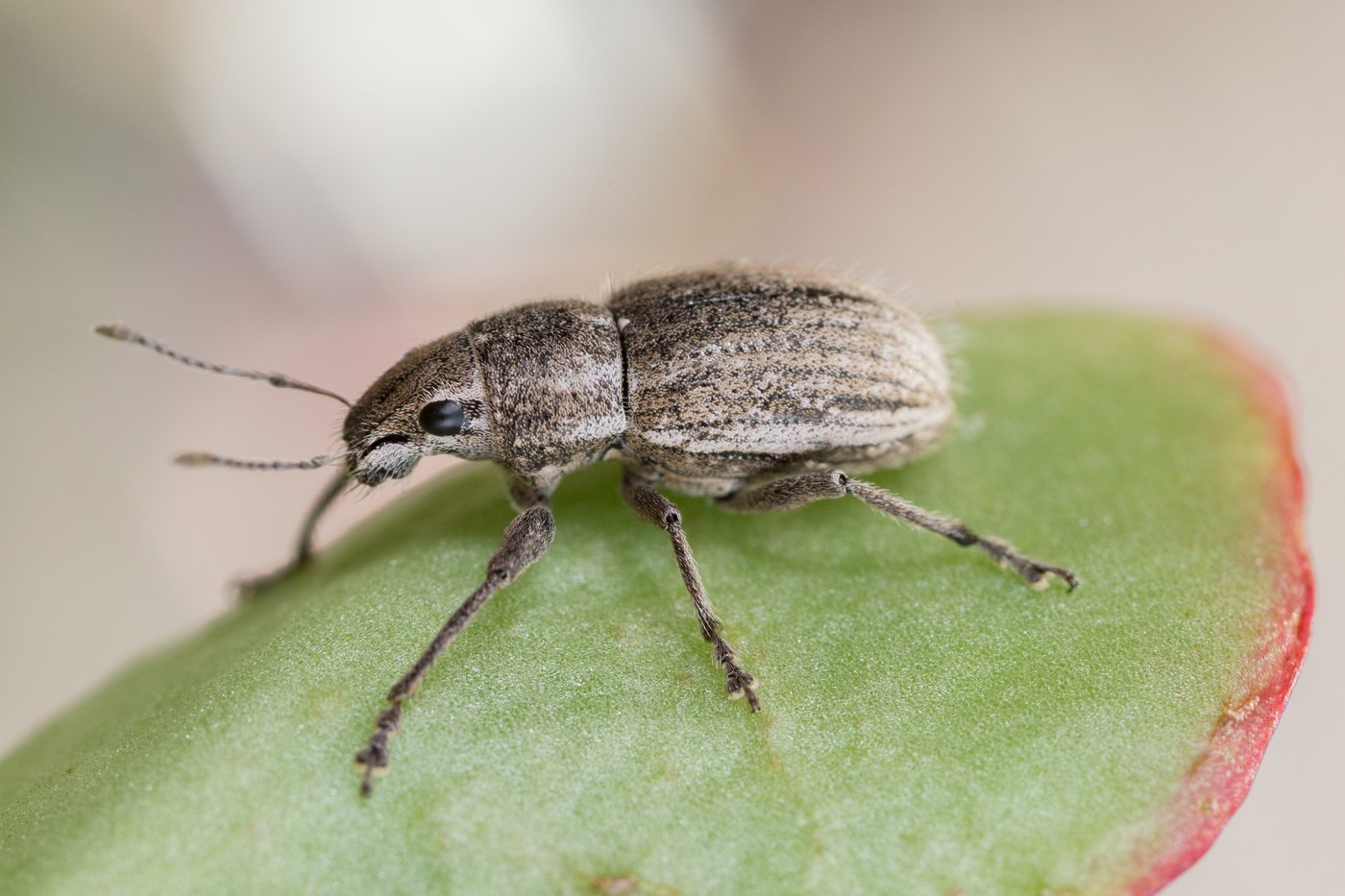
Whitefringed Beetle
Pastures, row crops, lawns, disturbed soils
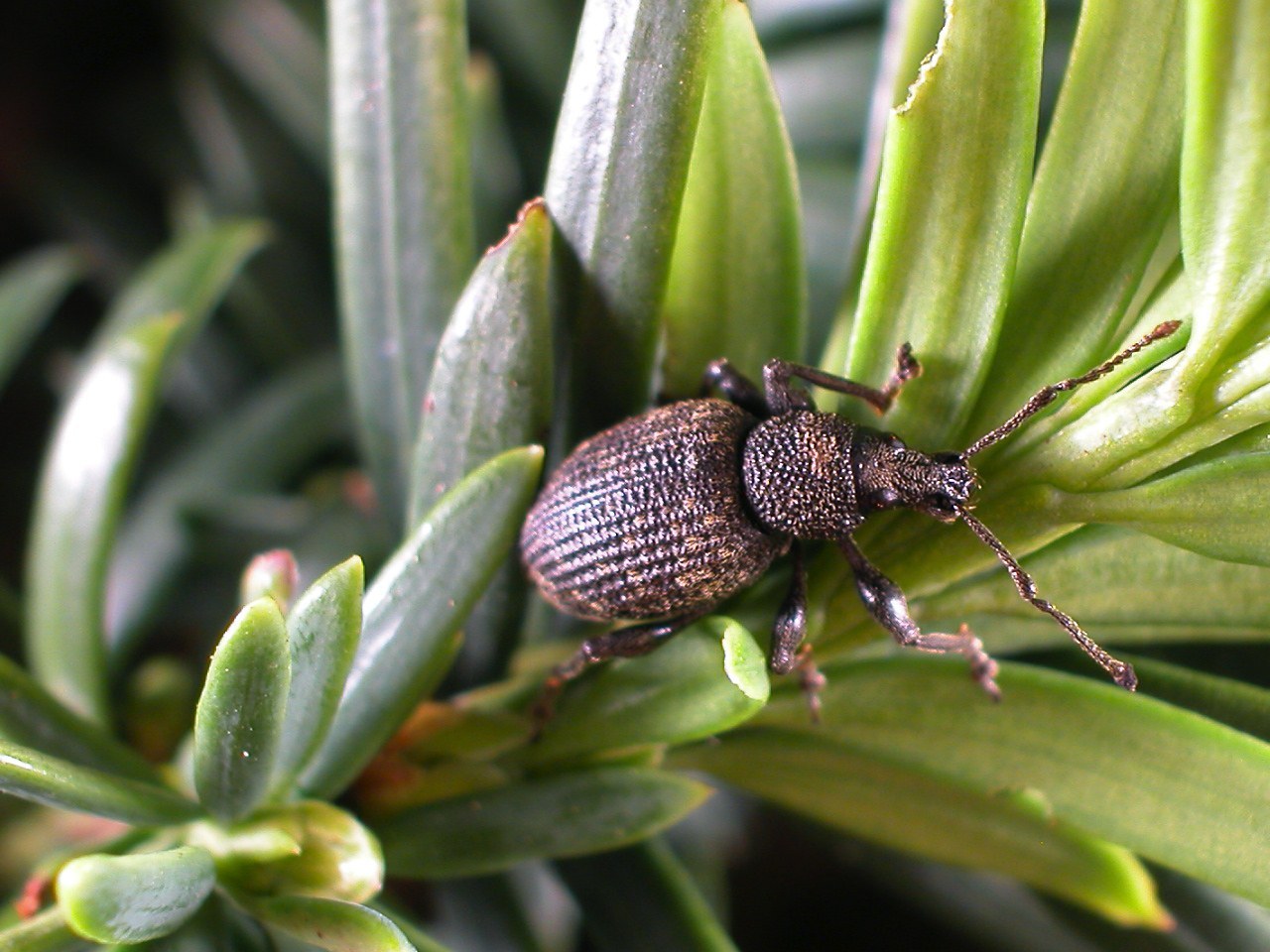
Vine Weevil
Gardens, nurseries, greenhouses, and container plantings
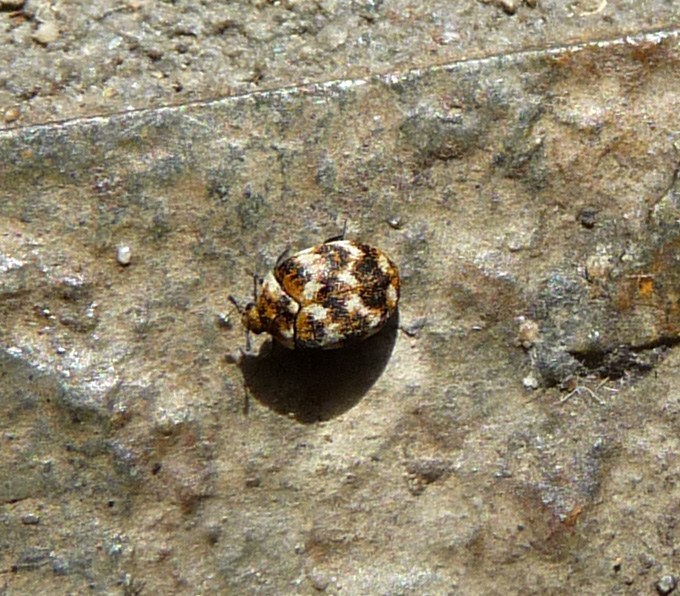
Varied Carpet Beetle
Homes, nests of birds and mammals, and flowers outdoors
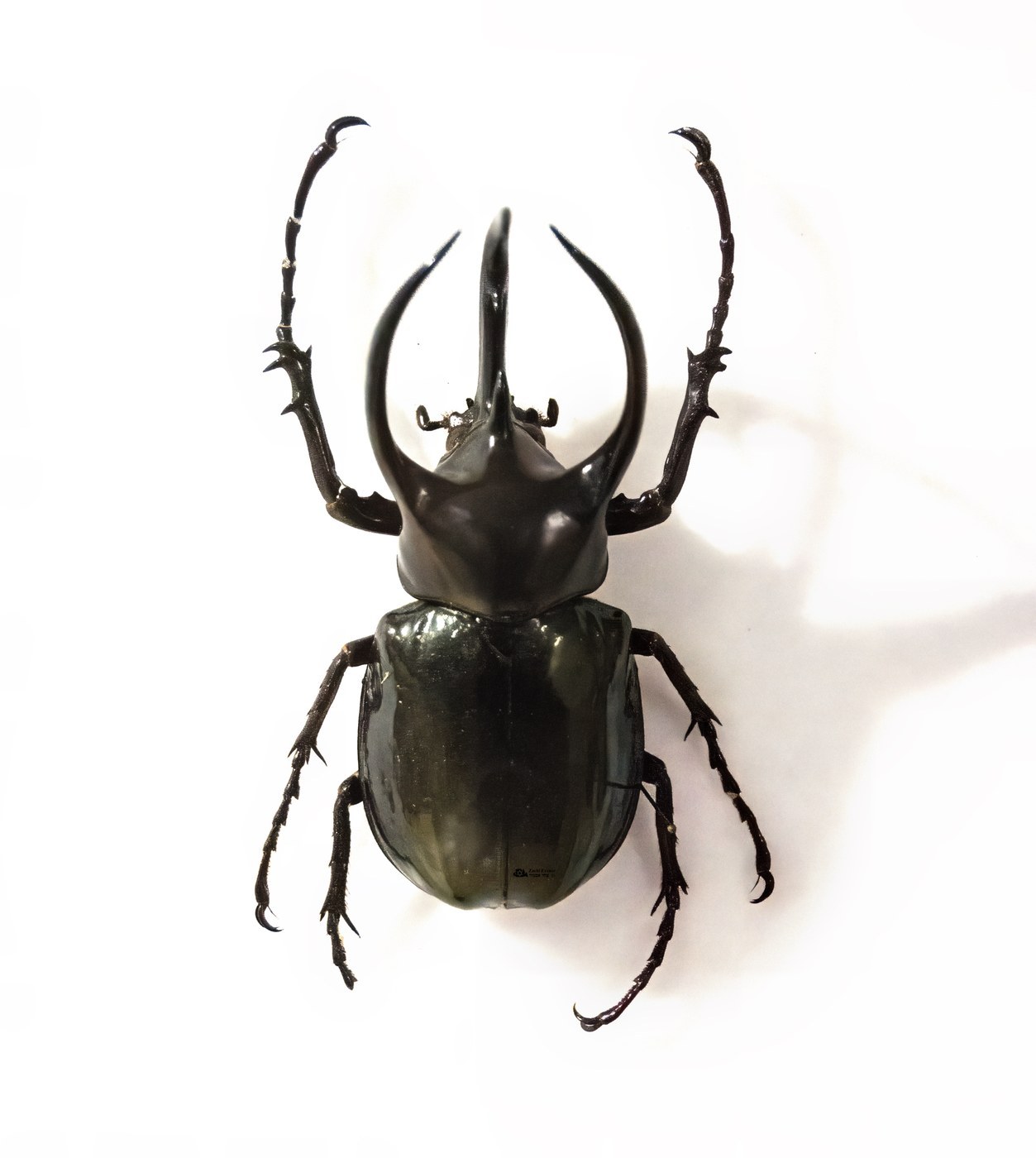
Atlas Beetle
Tropical forests of Southeast Asia
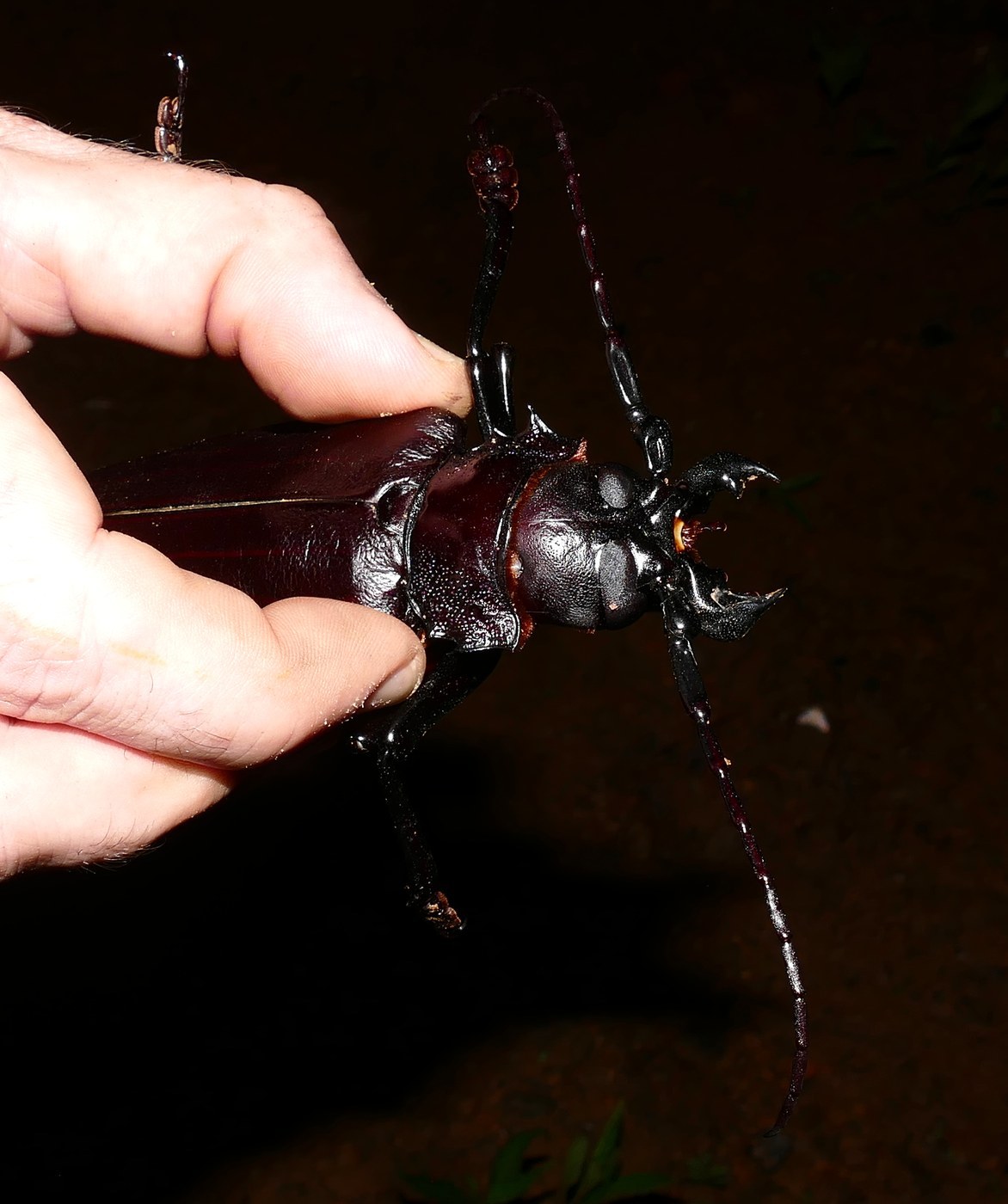
Titan Beetle
Amazon rainforest of South America
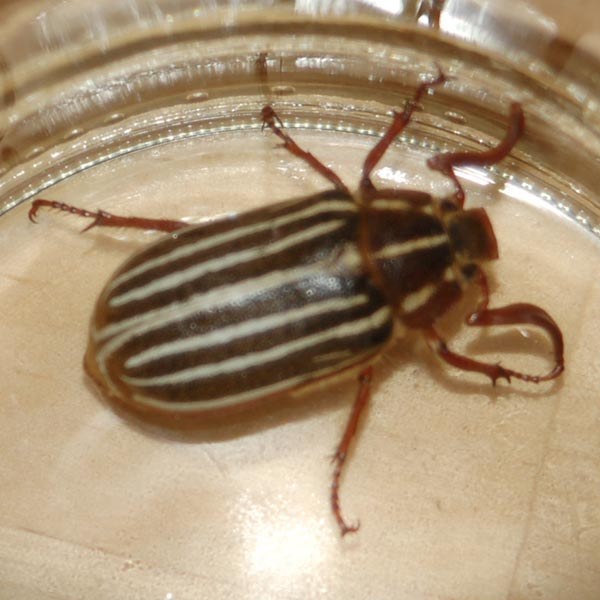
Ten-lined June Beetle
Sandy soils, pine forests, and orchards of western North America
Squash Beetle
Vegetable gardens and fields growing squash, pumpkin, and other cucurbits